What to Check
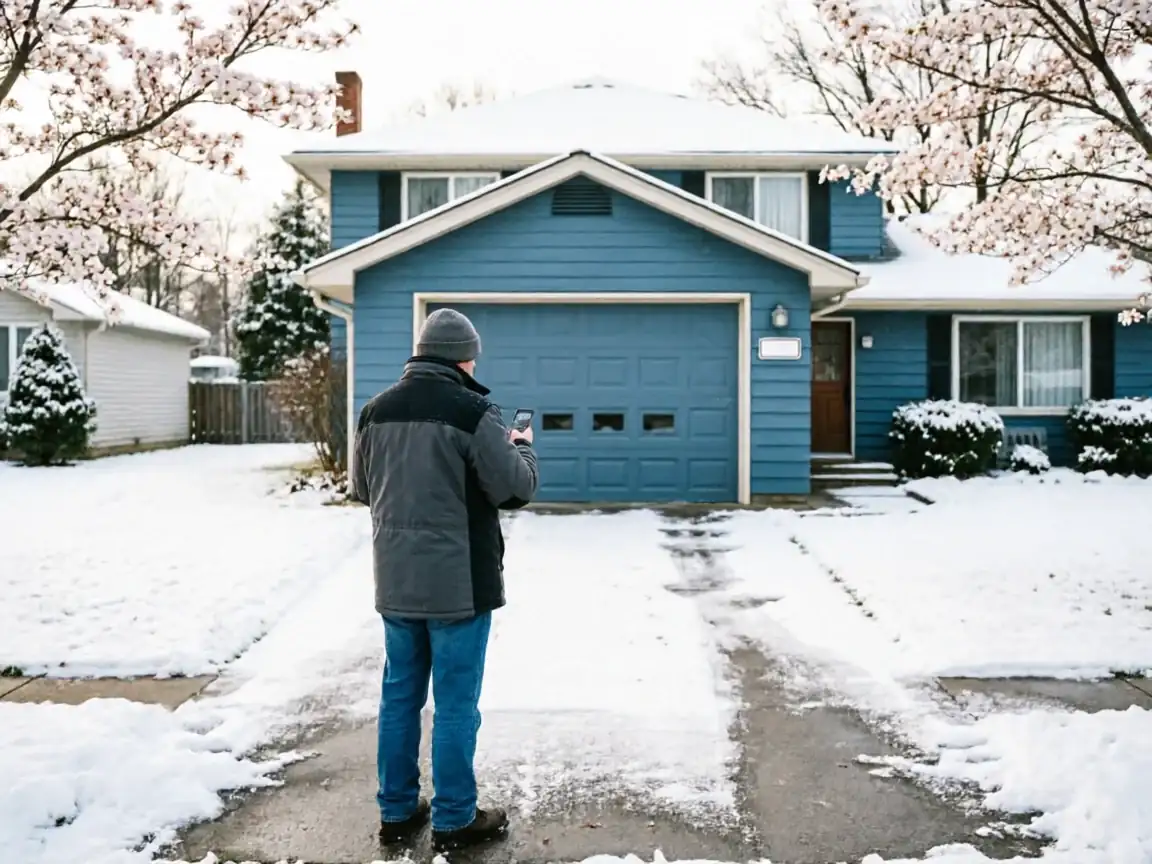
Most of Needham sits on housing built between 1938 and 1985, with the median home going up around 1968. That matters more than people think when you're shopping for a replacement door, because a door built to today's standard sizes doesn't always drop into an opening framed in 1965. Measure the rough opening width and height yourself before you call anyone for a quote - not the door that's currently hanging, which may have been trimmed or shimmed over the decades.
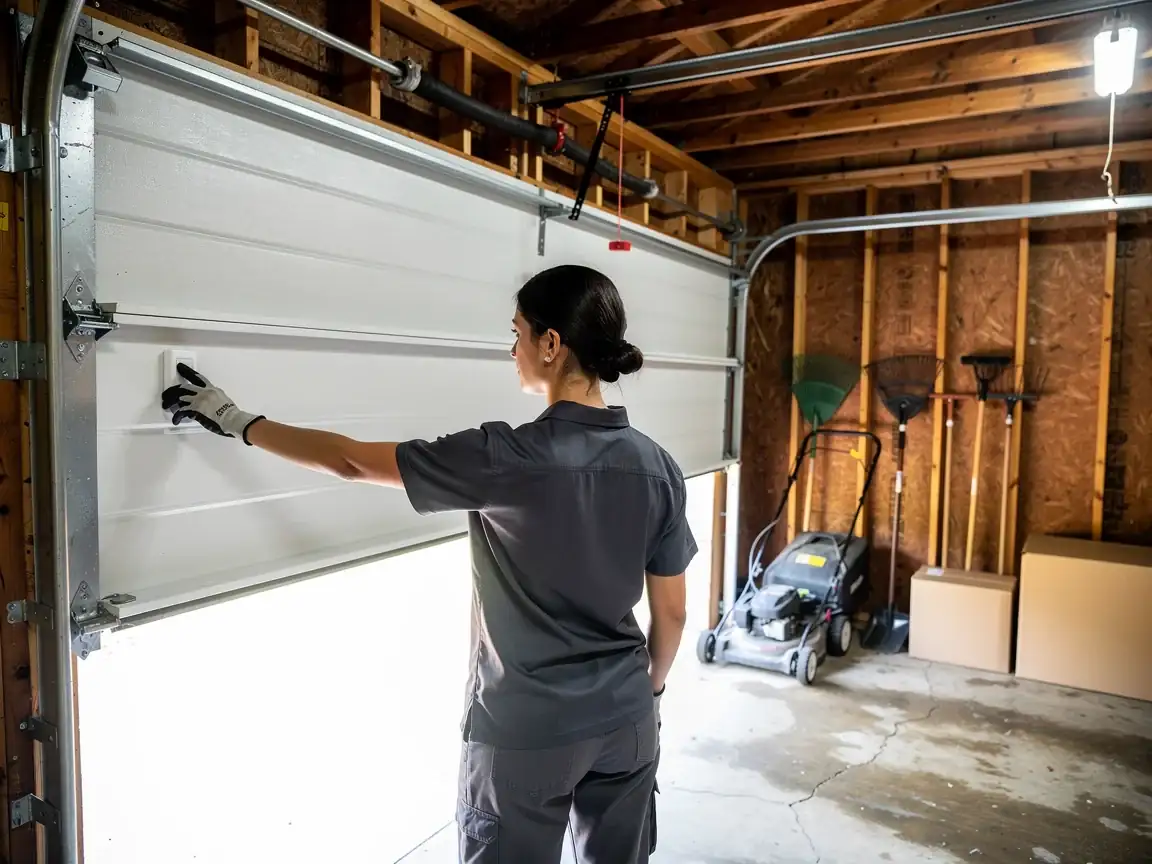
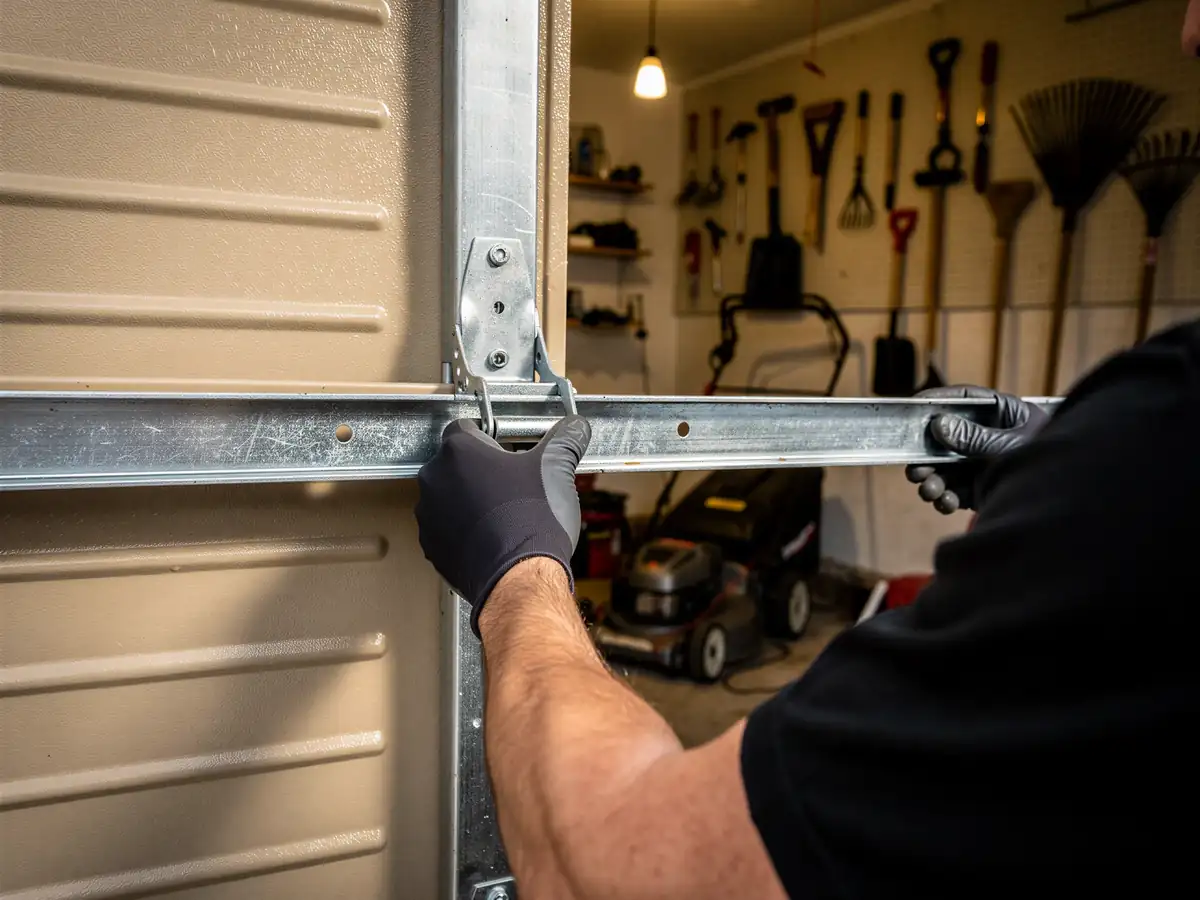
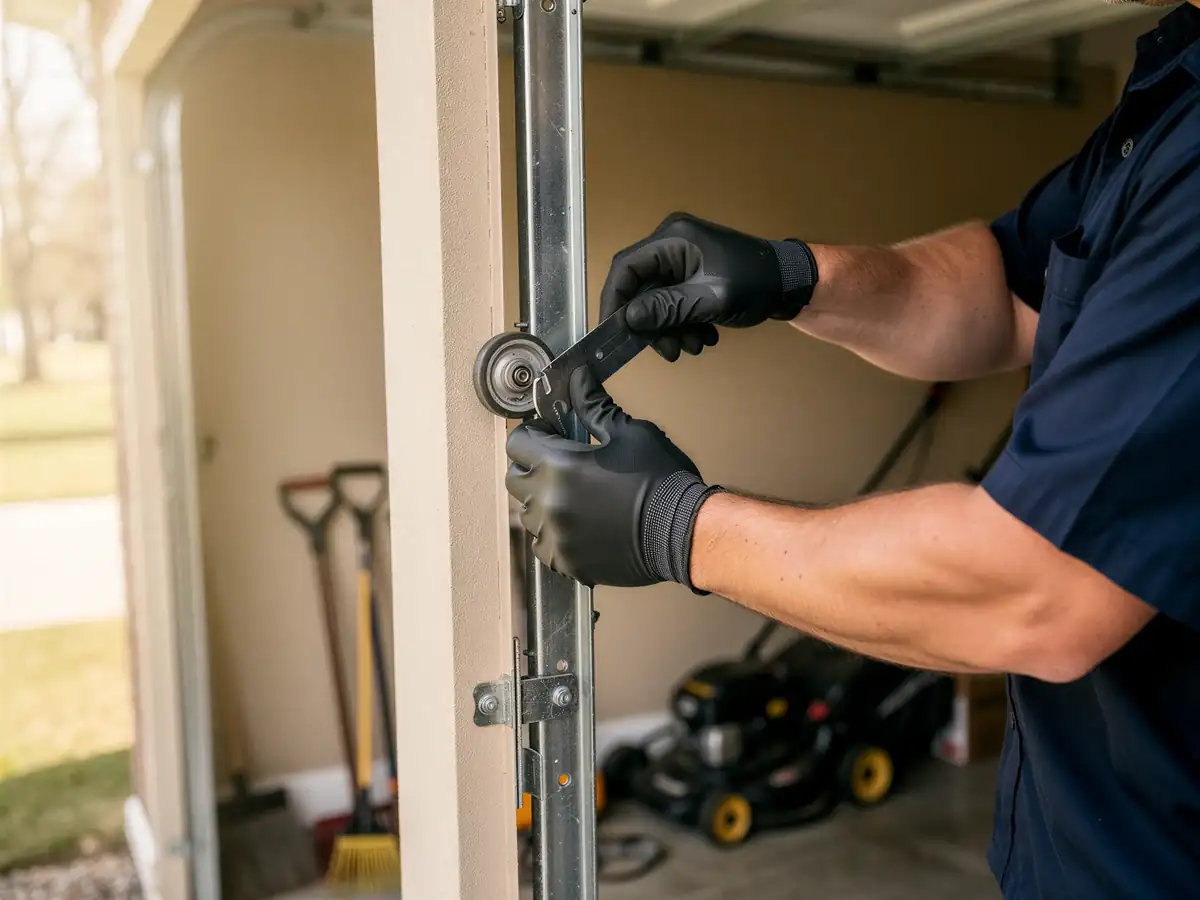
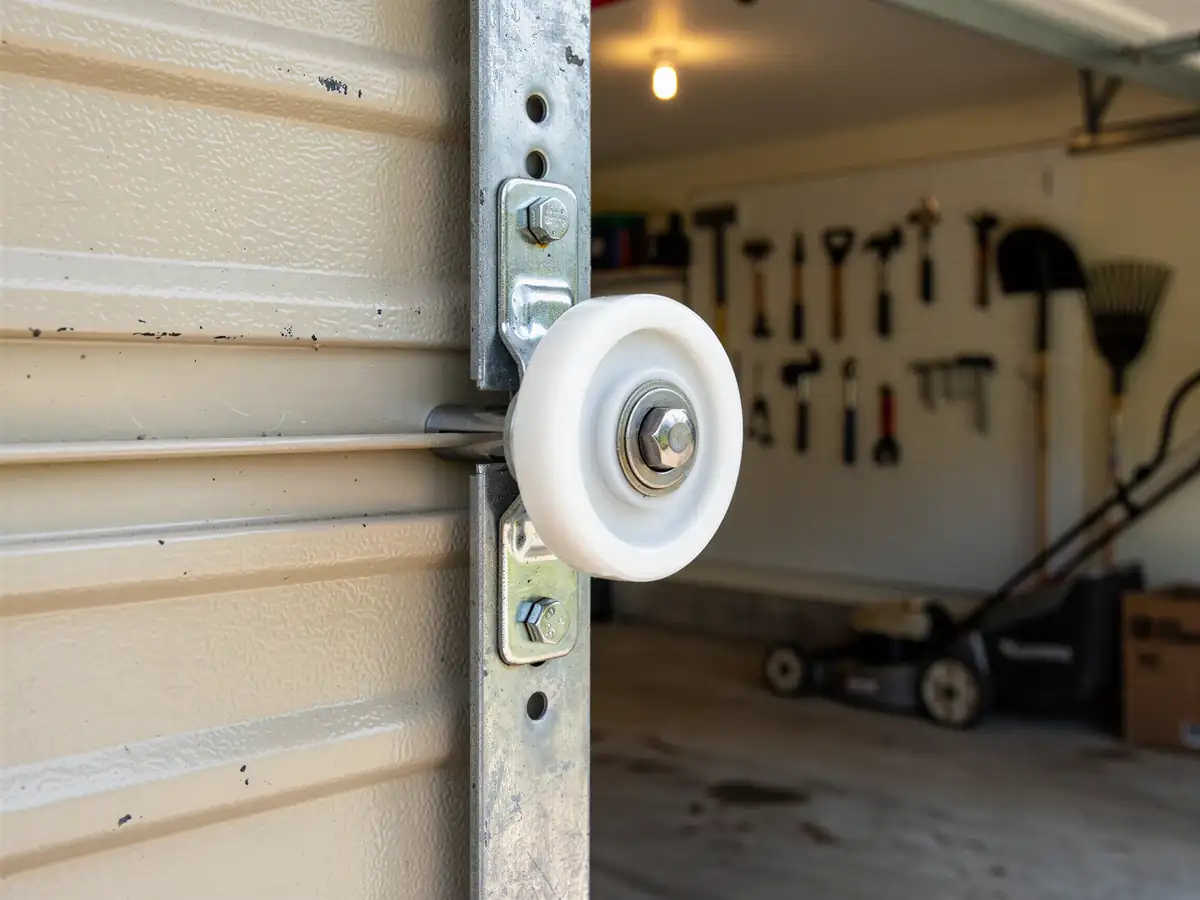
Check the track and the header above the opening too. On homes from this era the header is often shallower than what a modern insulated door and opener bracket want. If you've got a single-car opening original to a split-level or ranch from the 60s or 70s, which covers a lot of this area's stock, that header depth is the first thing a measuring crew should flag, not the last.
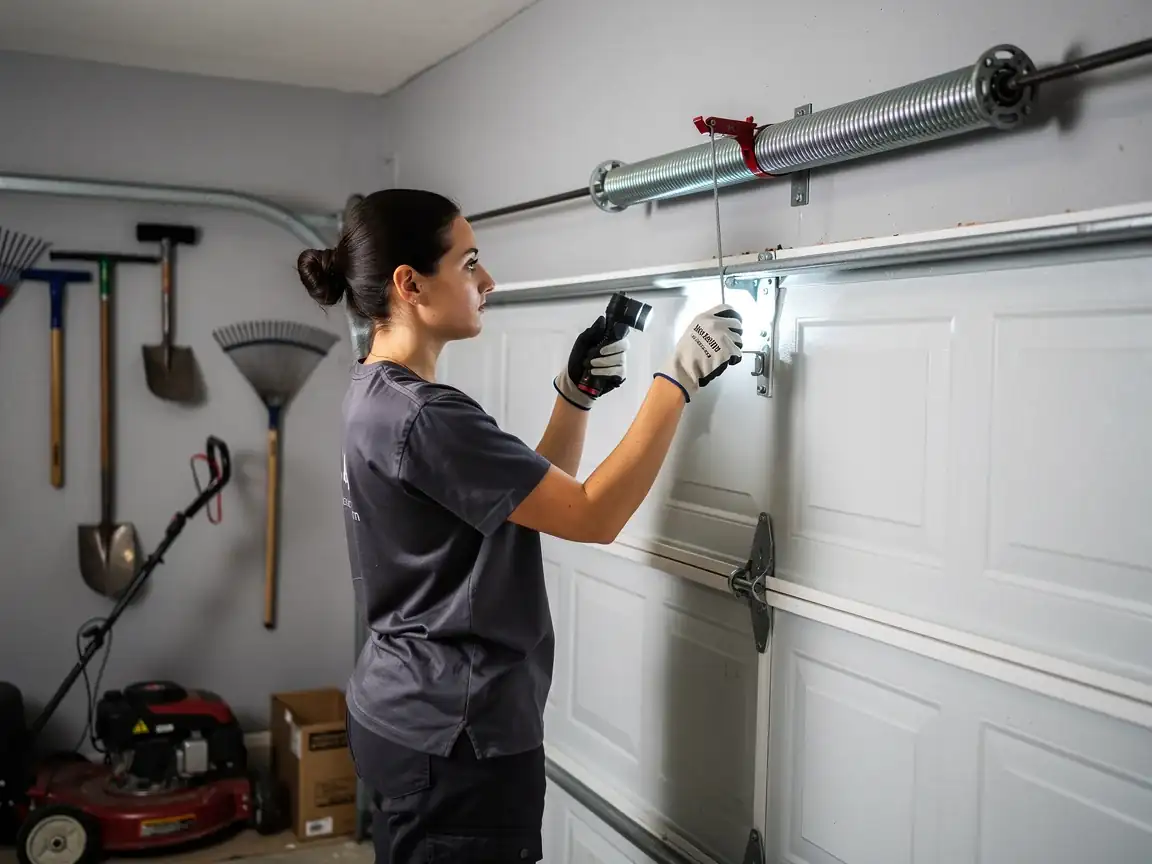
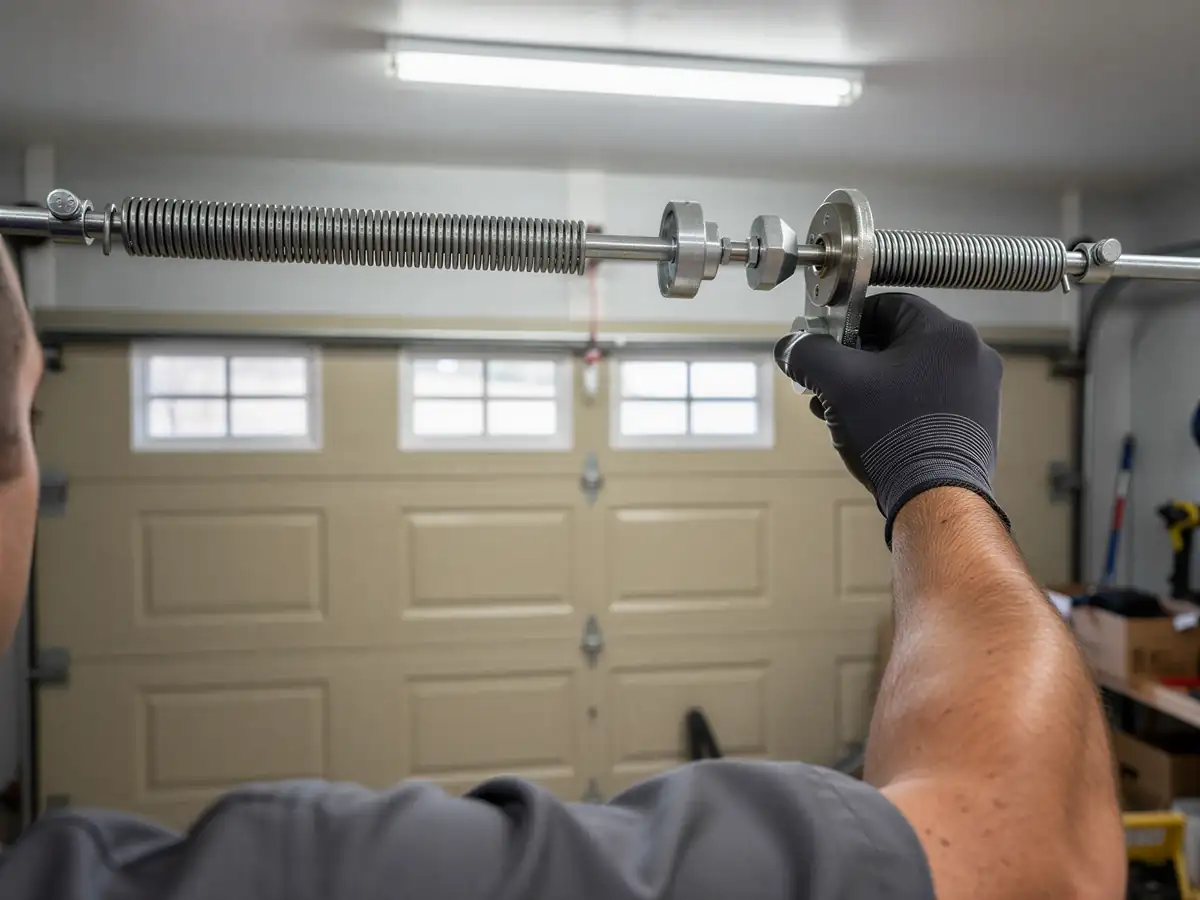
Look at the spring system while you're at it. Older torsion setups on these houses are frequently undersized for a heavier insulated replacement door, and that's a separate cost line people forget to ask about until the install day.
When to Get Help
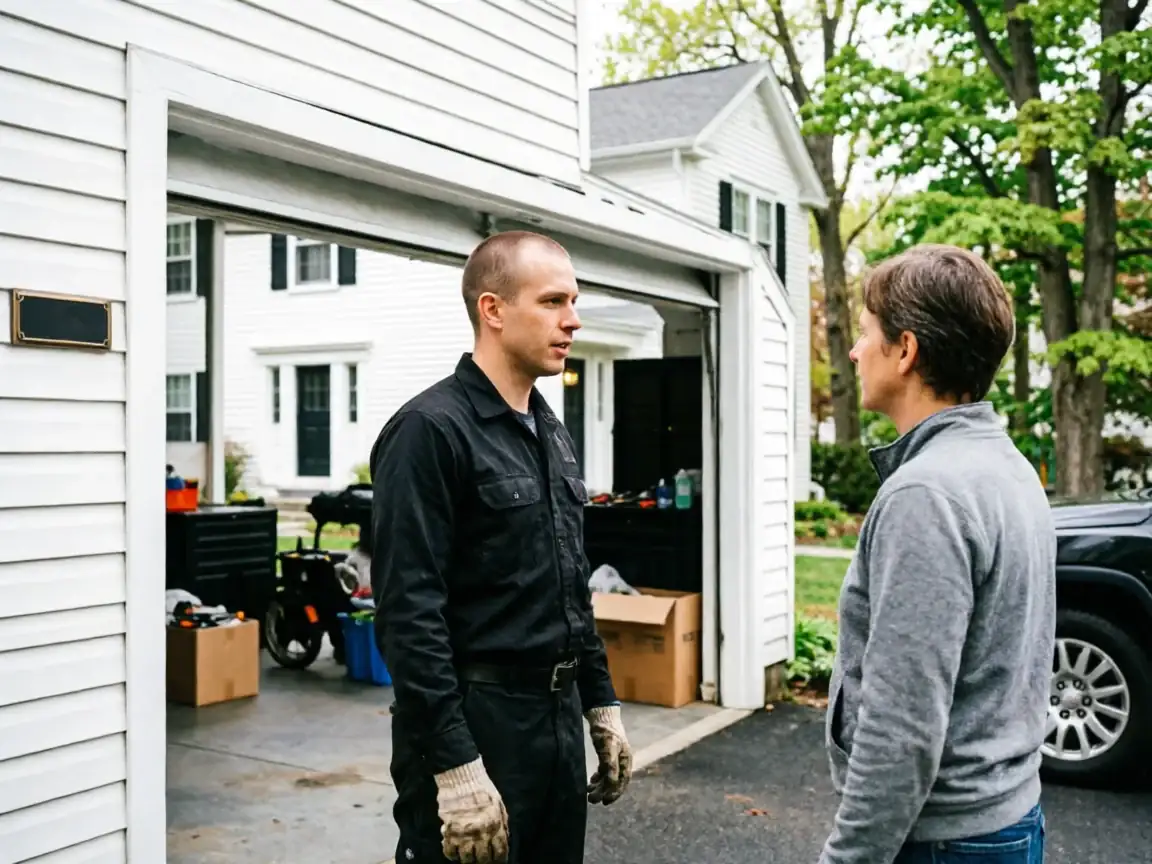
If your opening is out of square by more than about an inch, or the jamb has settled - both common in a house built before 1985 - get someone out to look before you order a door. A door cut to spec for a square opening will bind or gap on a frame that's shifted over fifty-plus years, and no amount of weatherstripping fixes that after the fact.
Get help too if you're not sure whether the existing track spacing works with a new low-headroom opener, which is often the only option when the header is shallow. That's a measurement and a parts question, not a guess.
One honest limit here: we don't do cosmetic refacing over an existing door shell. If the panel's rusted through or the core's waterlogged, replacement is the right call, and we'll say so rather than sell a patch that won't hold through another winter.
What the Weather Here Does to It
Needham sits in a climate zone rated cold and severe
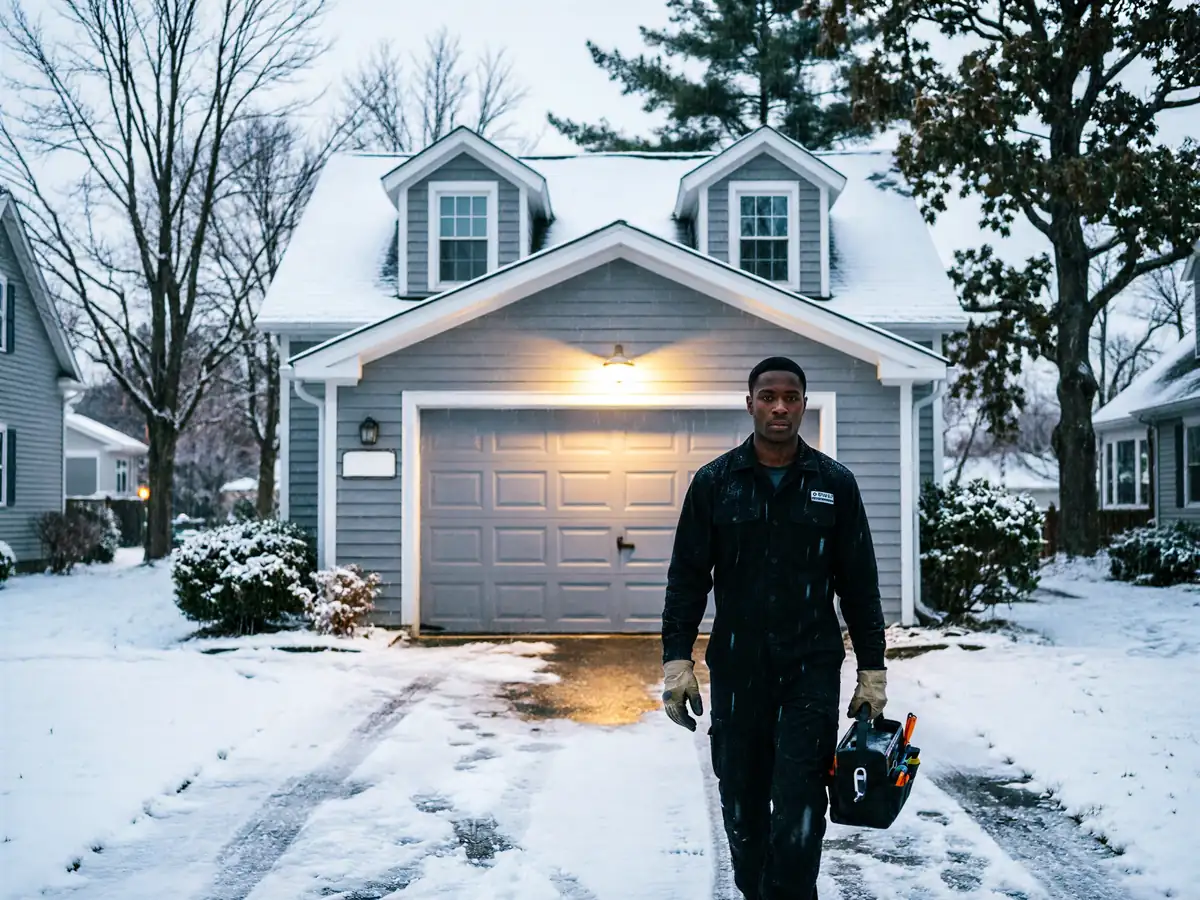
Which is the number one reason a replacement door here isn't the same purchase as it would be somewhere milder. An uninsulated or thinly insulated door lets a torsion spring and the steel track contract and bind in deep cold, and on an opening already slightly out of square from a decades-old frame, that's where you get a door that won't seat right by February.
A replacement here needs an insulation rating that actually matches a severe-cold winter
Not the baseline residential door sold everywhere. Weatherstripping at the bottom seal and between panels matters more here than in a milder region, since repeated freeze and thaw cycles work any small gap wider year over year.
If you're comparing quotes, ask what insulation value is actually in the door
Not just the brochure number for the line.
The Problem
The real issue in Needham isn't that doors fail - it's that a lot of what's failing was installed to fit a house built decades ago, on hardware sized for a lighter door and a smaller household load than what's standard now. With median household income in this service area around $154,011 and tens of thousands of owner-occupied houses across the broader region built in that same 1960s-70s window, there's a specific, repeatable mismatch: original openings, modern doors, and springs that were never upgraded to match.
Buying a replacement door here means solving that mismatch once - right header clearance, right spring rating for an insulated panel, right seal for a severe-cold winter - rather than installing a door that looks fine in the showroom and binds the first cold week it's asked to work.