What to Check
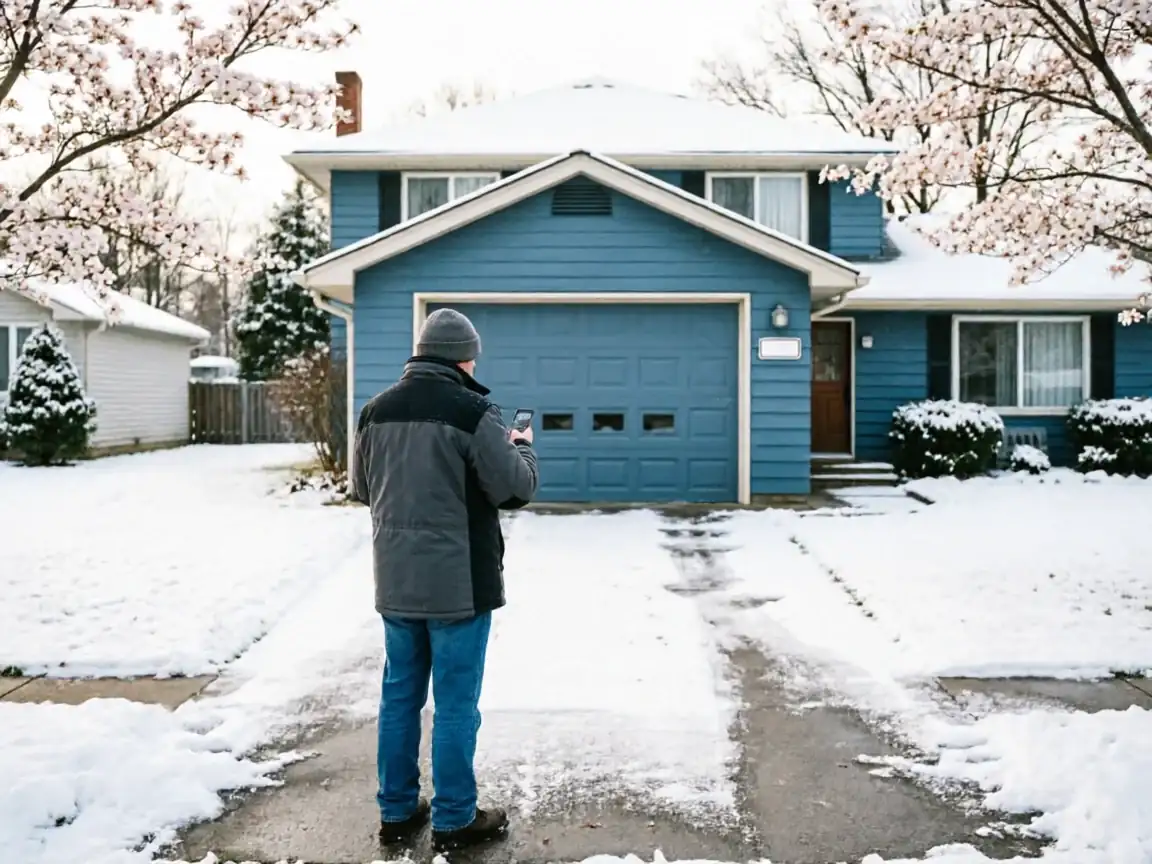
Most houses in Needham went up between 1938 and 1985, with the typical build year sitting around 1968. That means the door hardware we find on a service call is usually original to the house, or close to it: steel tracks bolted to wood jambs, torsion springs sized for panel weights nobody makes anymore, and openers from whatever decade the garage last got touched.
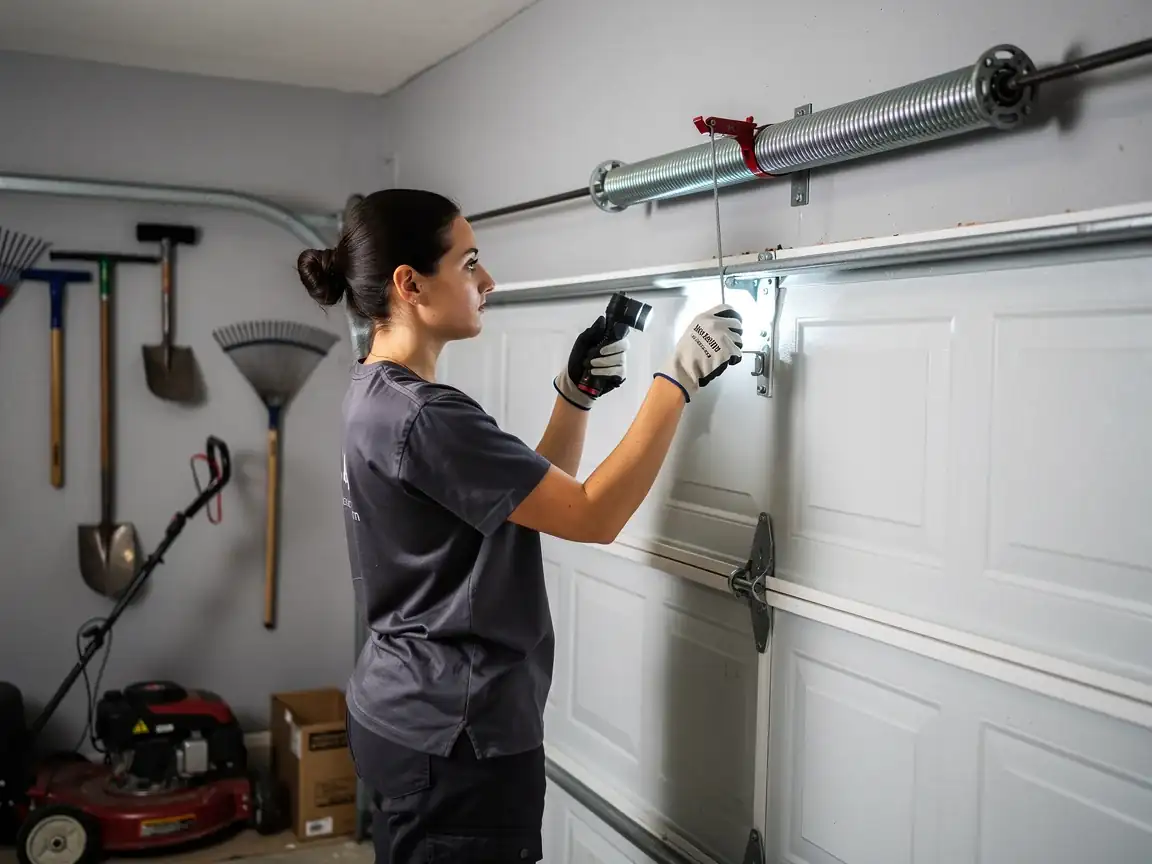
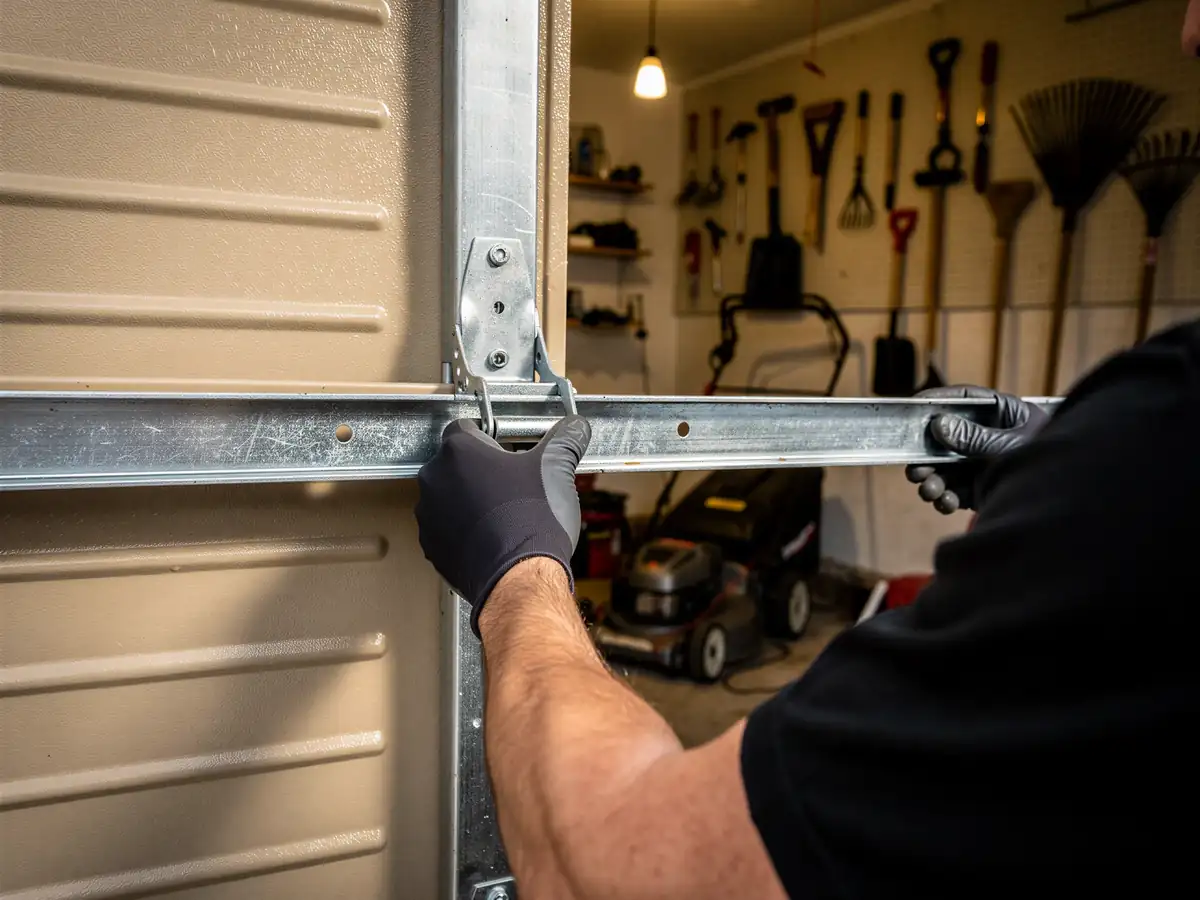
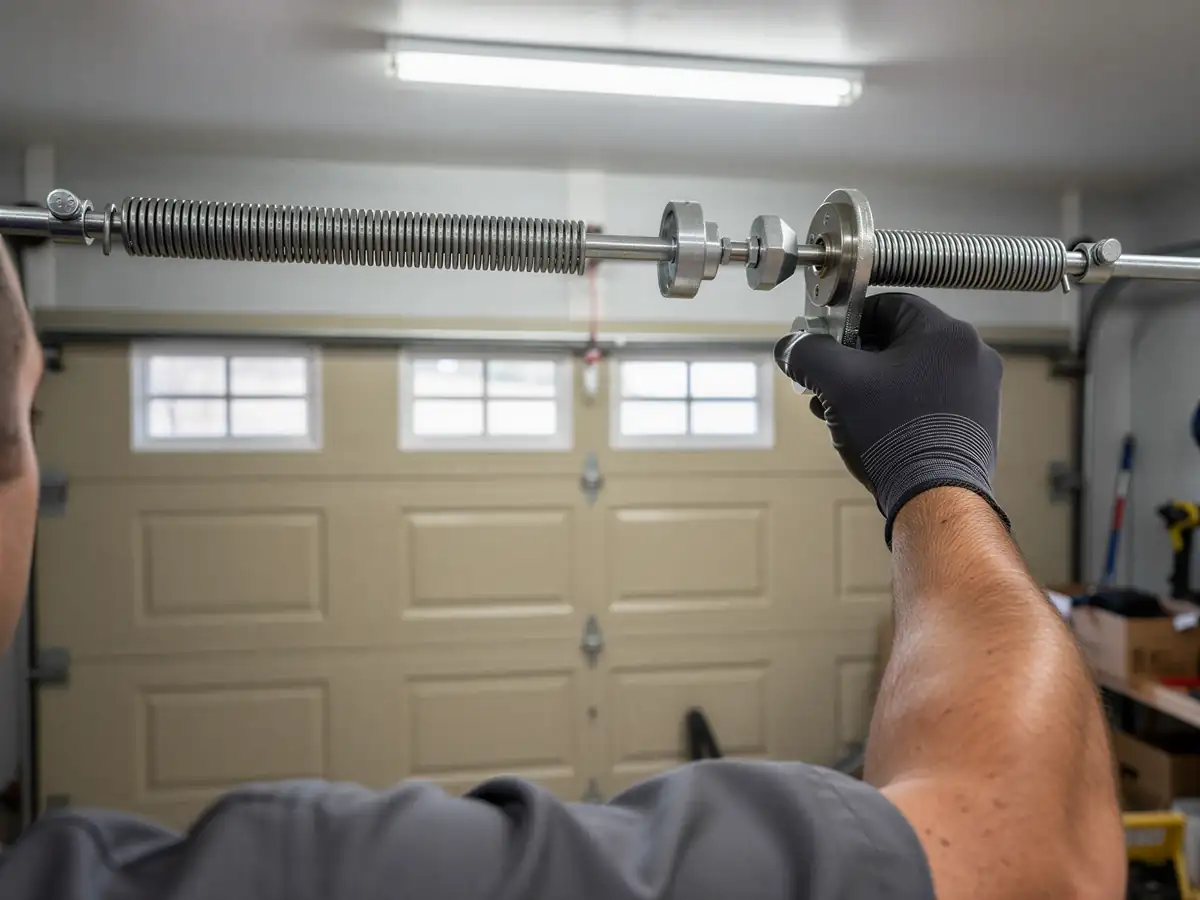
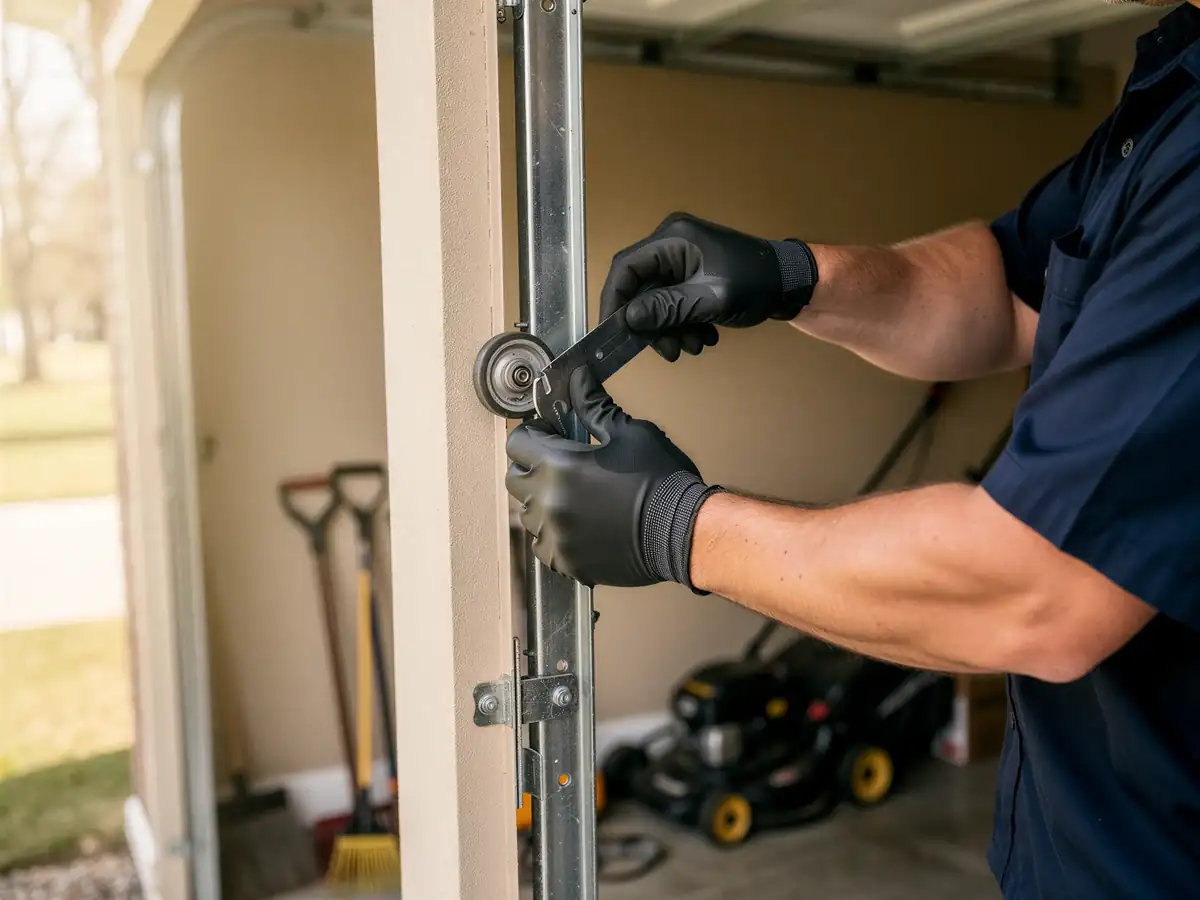
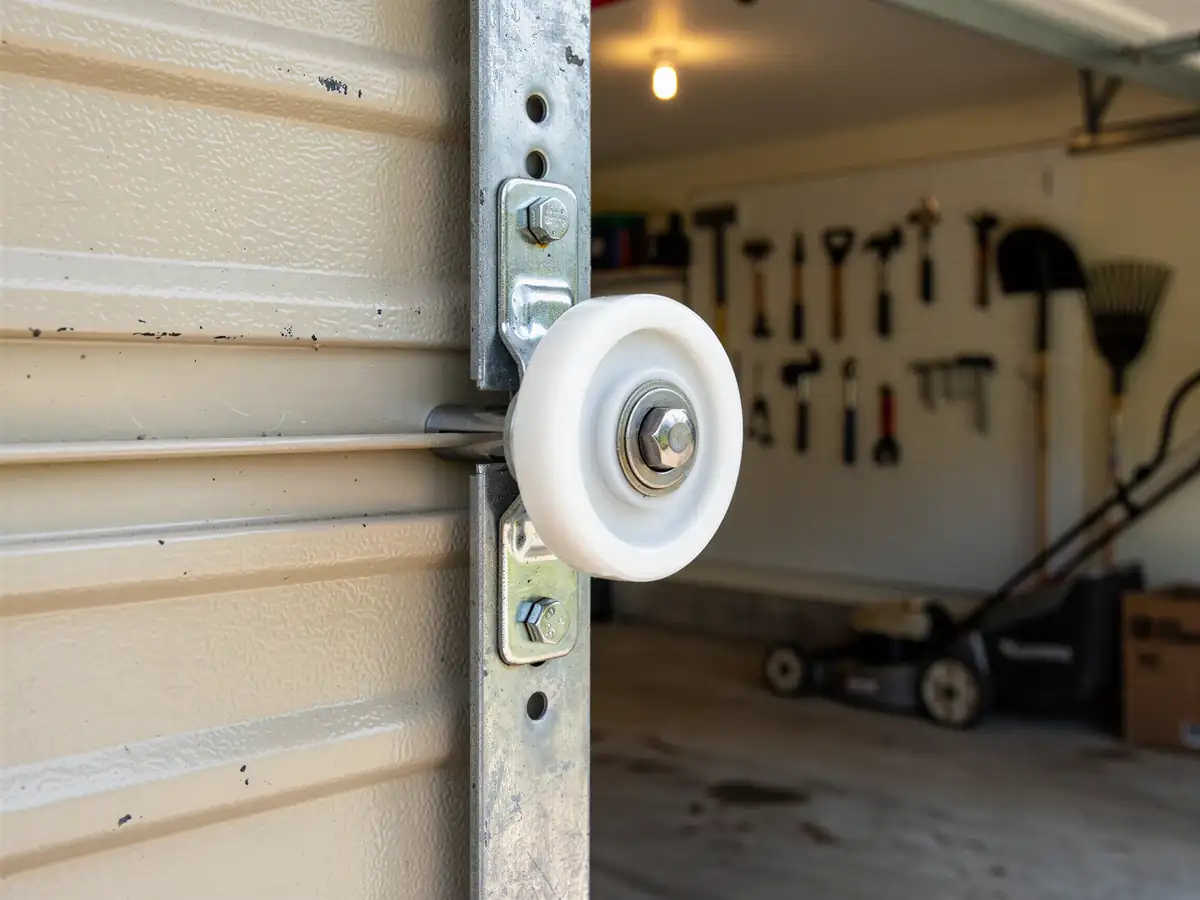
A real service call starts with the spring, not the opener, because a tired spring is what makes everything downstream work harder. We check spring wind and wear, then the cables running off the bottom brackets, then the track alignment on both sides, since a track that's walked out of plumb over fifty-plus years is common on original installs. We check roller condition, hinge wear between panels, and whether the bottom seal has hardened enough to let draft and water under the door.
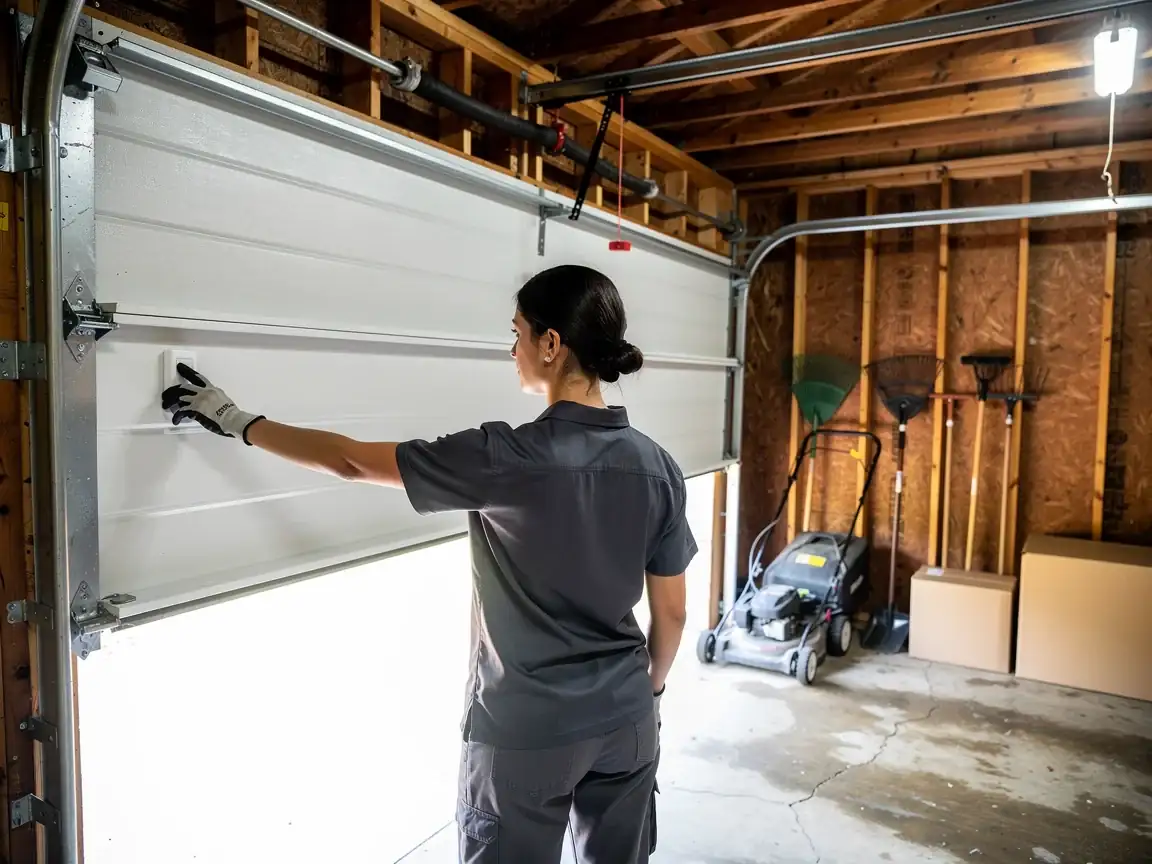
In a neighborhood like just a mile up the road, we run into the same original two-car setups from that build era, side-mount torsion hardware on a door that was never meant to carry a modern insulated opener. Checking the opener's force settings and the safety reversal sensors rounds out the call before anything gets touched.
When to Get Help
Call before the door stops working, not after. A spring that's visibly stretched, a cable with frayed strands near the bottom bracket, or a track that's pulled away from the frame are all signs you're close to a sudden failure, usually at the worst time, which on a torsion-spring door built in the 1960s or 70s often means the whole spring lets go rather than slowly weakening.
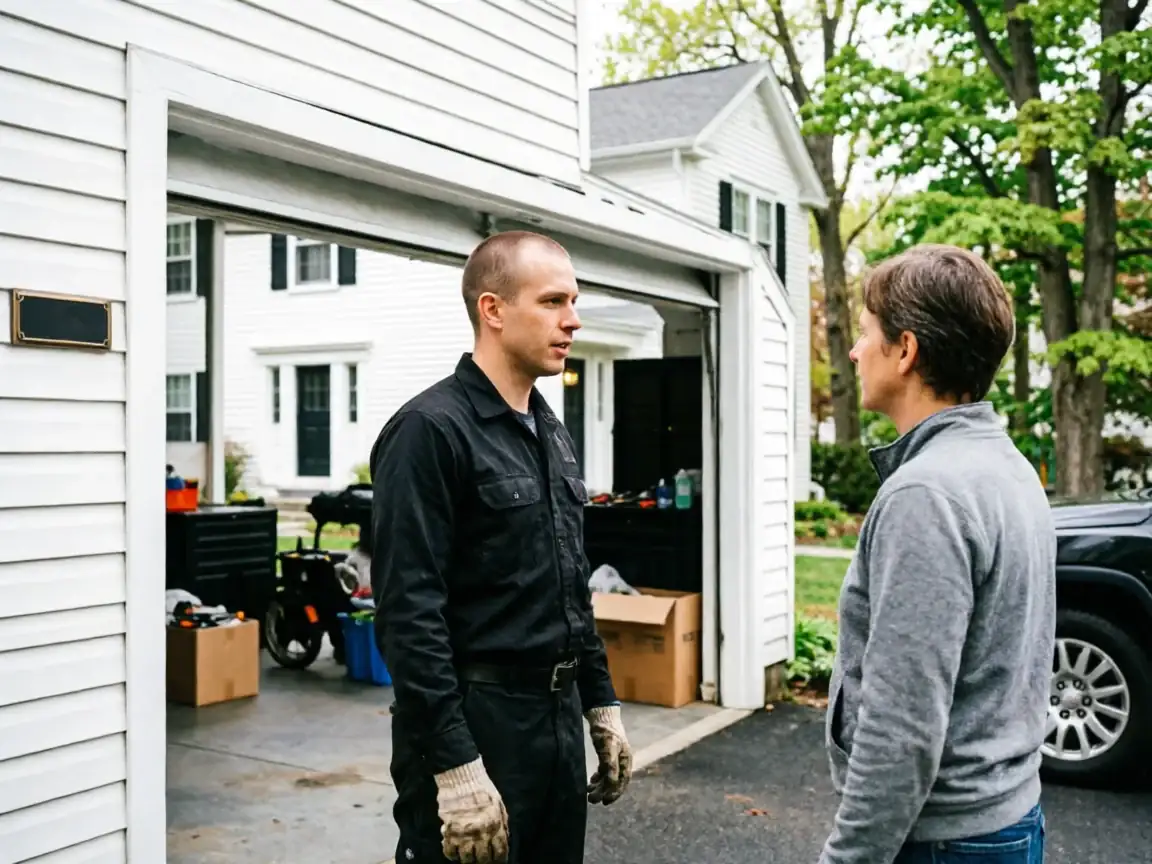
Signs worth a same-week call: the door shudders or jerks partway through its travel, one side drops faster than the other when closing, or the opener strains and reverses on its own. Any of those point to spring or cable trouble, and on an original-era door the fix usually means replacing hardware that was never serviced, not just adjusted.
We don't recommend DIY work on torsion springs under tension. That's not a sales line, it's the one job on a garage door that can put someone in the hospital. Everything else, from roller swaps to track realignment, is reasonable to watch a pro do once before you'd try it yourself.
What the Weather Here Does to It
Needham sits in a cold-winter climate zone
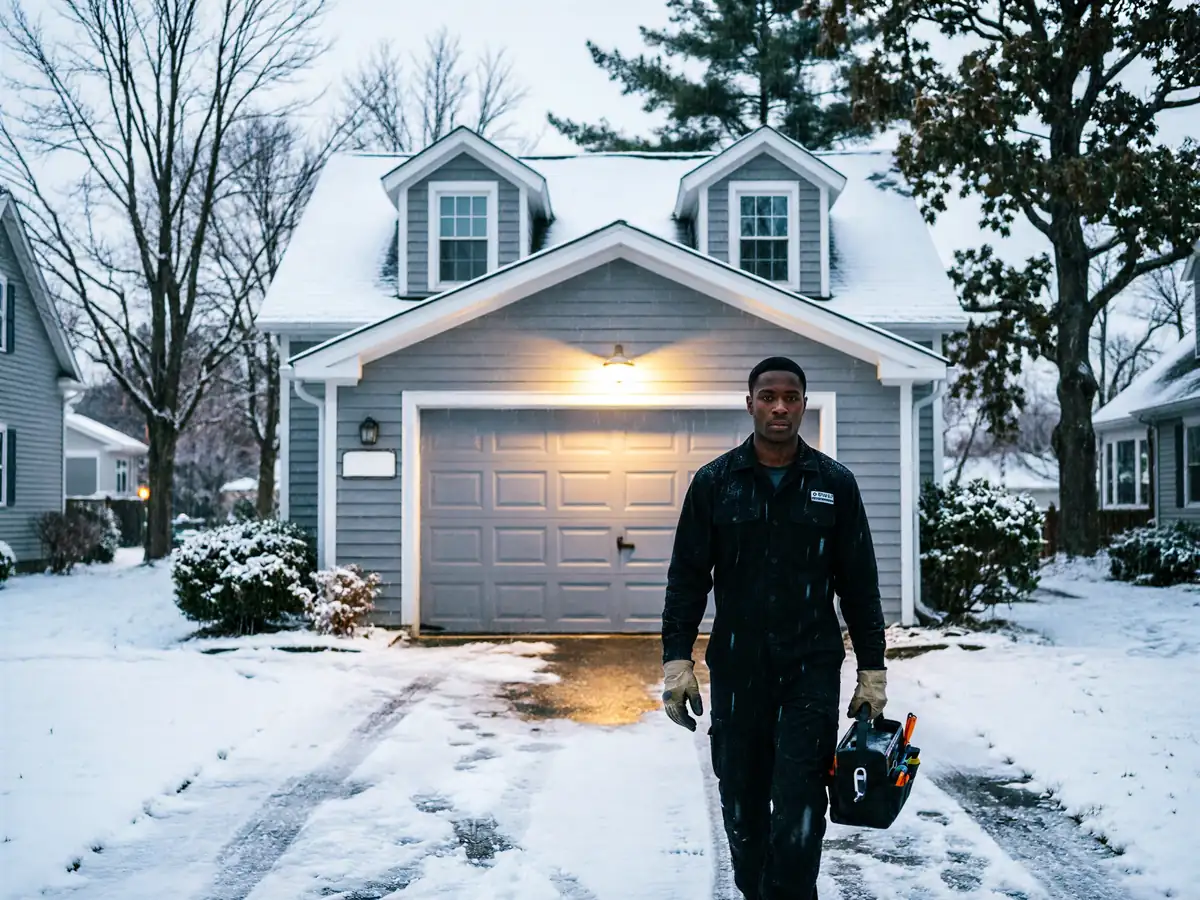
And the severity of it matters more than people expect for a door built decades ago. Steel contracts in the cold, grease in an old track thickens, and a door that rolled smoothly in October can bind solid on a January morning. On original 1960s and 70s track hardware, that binding puts extra strain on an opener's drive gear every single cold start, which is part of why openers from that era fail in winter more than any other season.
Moisture matters too
A bottom seal that's hardened with age lets water track in under the door, and that water sits against a steel panel bottom or a wood-faced door's lower edge through repeated freeze-thaw cycles. Rust at the bottom corners and swelling at the base of older wood panels both trace back to that same seasonal cycle, not to one bad storm.
We can't stop a track from contracting in the cold
What we can do is make sure the hardware is lubricated and aligned going into winter so the opener isn't fighting the door on top of fighting the temperature.
The Problem
The honest limitation here: on a door that's original to a house built before 1985, we sometimes can't get the exact replacement part. Track brackets, specific spring sizes, and some older opener drive assemblies are long out of production, and ordering a close match can mean a real wait, not a same-day fix. When that happens, we tell you up front rather than quoting a repair we can't actually deliver on schedule.
That's also the point where repair stops making sense. A door old enough to have failing original hardware on every front, spring, cables, rollers, and a tired opener all at once, usually costs more to patch piece by piece than to replace outright. Given the median income levels in Needham and the general quality of homes here, most owners are better served putting that money into one solid new door and opener than into a string of patch repairs on hardware pushing sixty years old.
We'll tell you straight when a door is a repair and when it's a replacement. We won't talk you into new hardware on a door that's still got years left in it just because it's old.