Why This Fails Locally
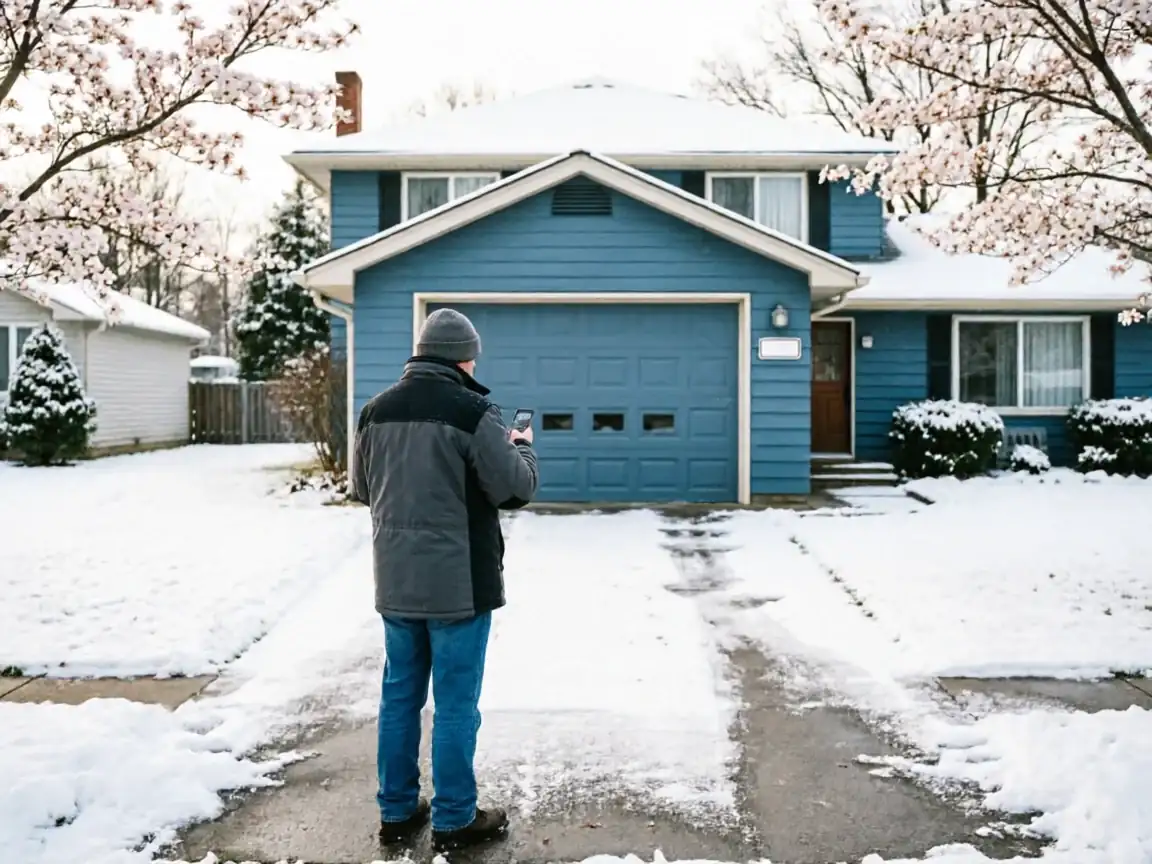
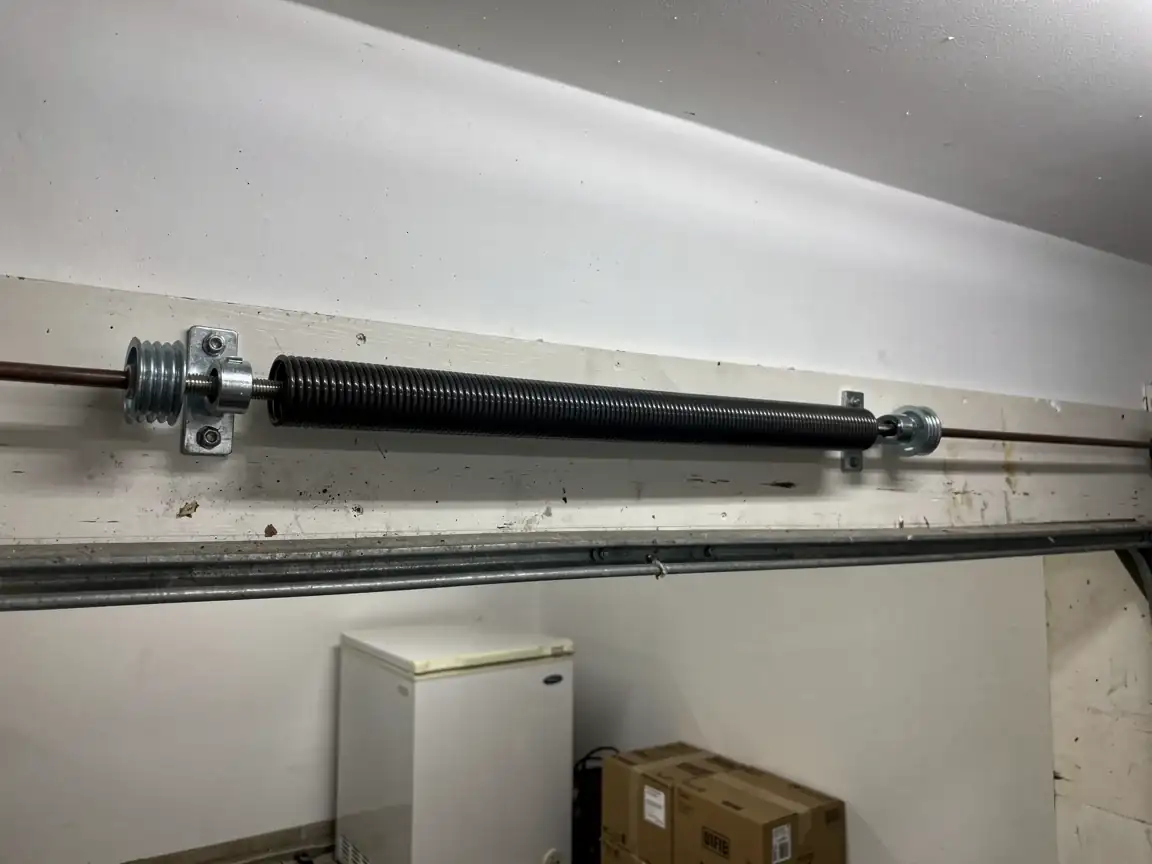
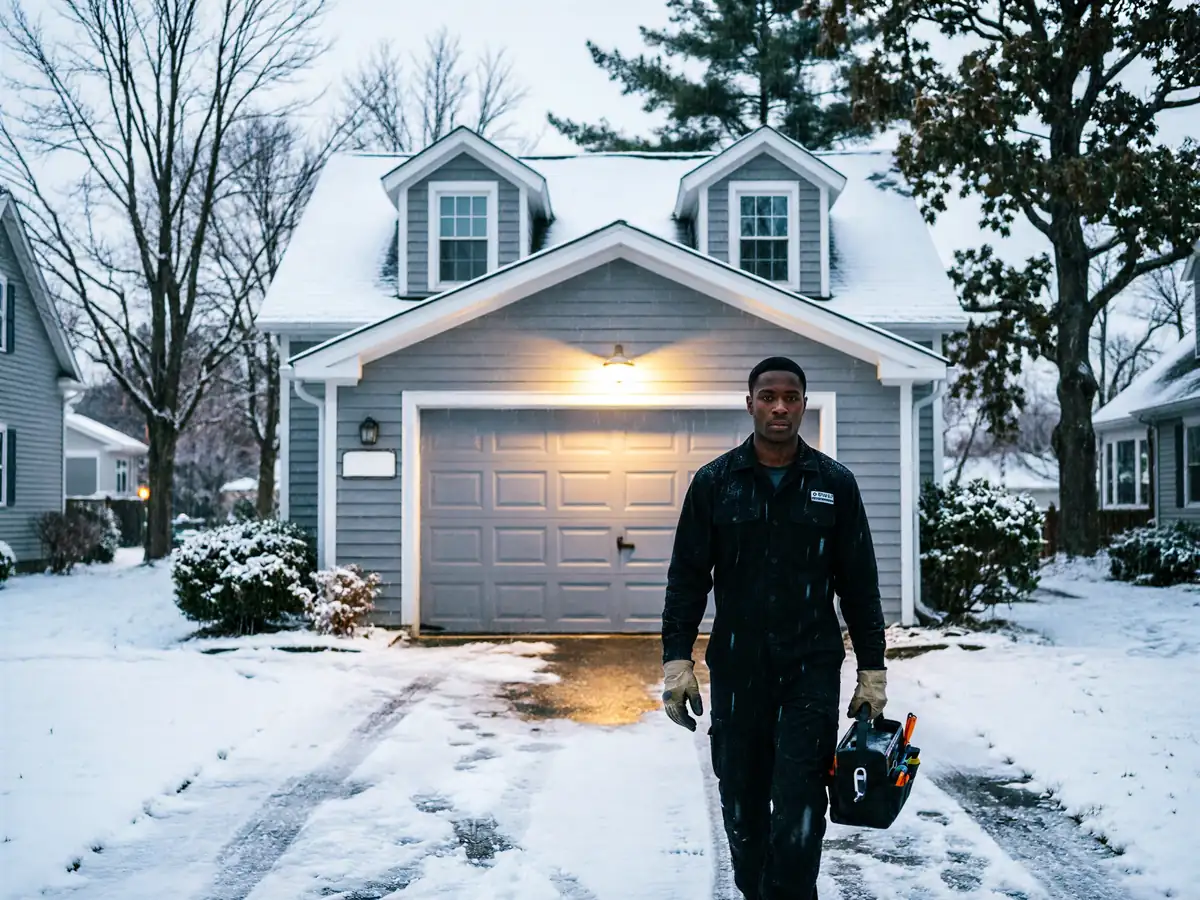
Needham's housing stock runs mostly 1960s and 70s, with a median build year of 1968, and that matters more than most homeowners realize when a door starts acting up. Doors and openers installed or replaced on that original timeline are now old enough that the torsion springs, worn rollers, and first-generation chain-drive openers are past their rated cycle count. A spring rated for roughly 10,000 cycles doesn't care how well it was installed in 1968 - it just wears out, and in a cold climate it wears out faster. Needham sits in a severe cold climate band, and repeated freeze-thaw swings stiffen steel, dry out lubricant, and make hardware that was already near the end of its life fail suddenly instead of gradually. A spring that's been creaking all autumn can snap on the first hard freeze of the year. This isn't a Needham-specific defect in materials - it's just math. A lot of the area's garages were built in the same ten- or fifteen-year window, so a lot of springs, cables, and openers are hitting end-of-life around the same calendar years, which is why we see clusters of the same failure across the same streets in the same season.
Doing It Yourself
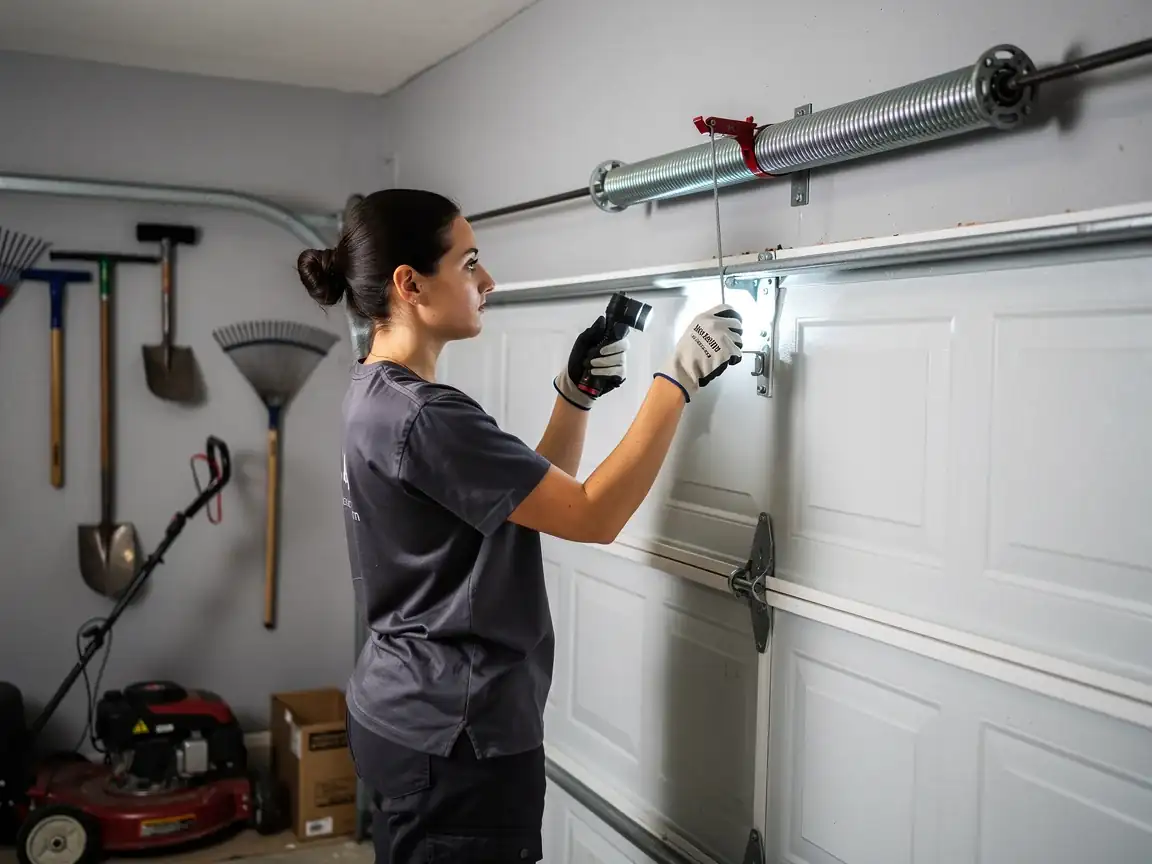
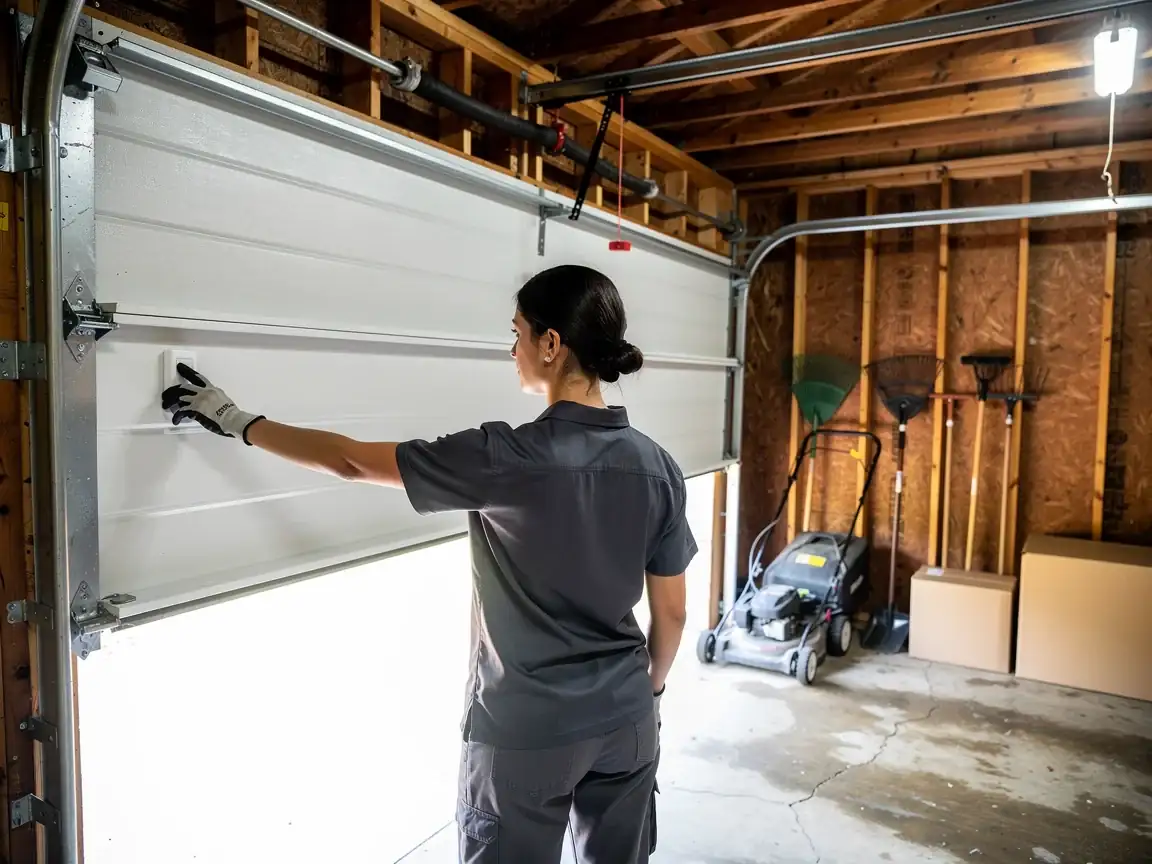
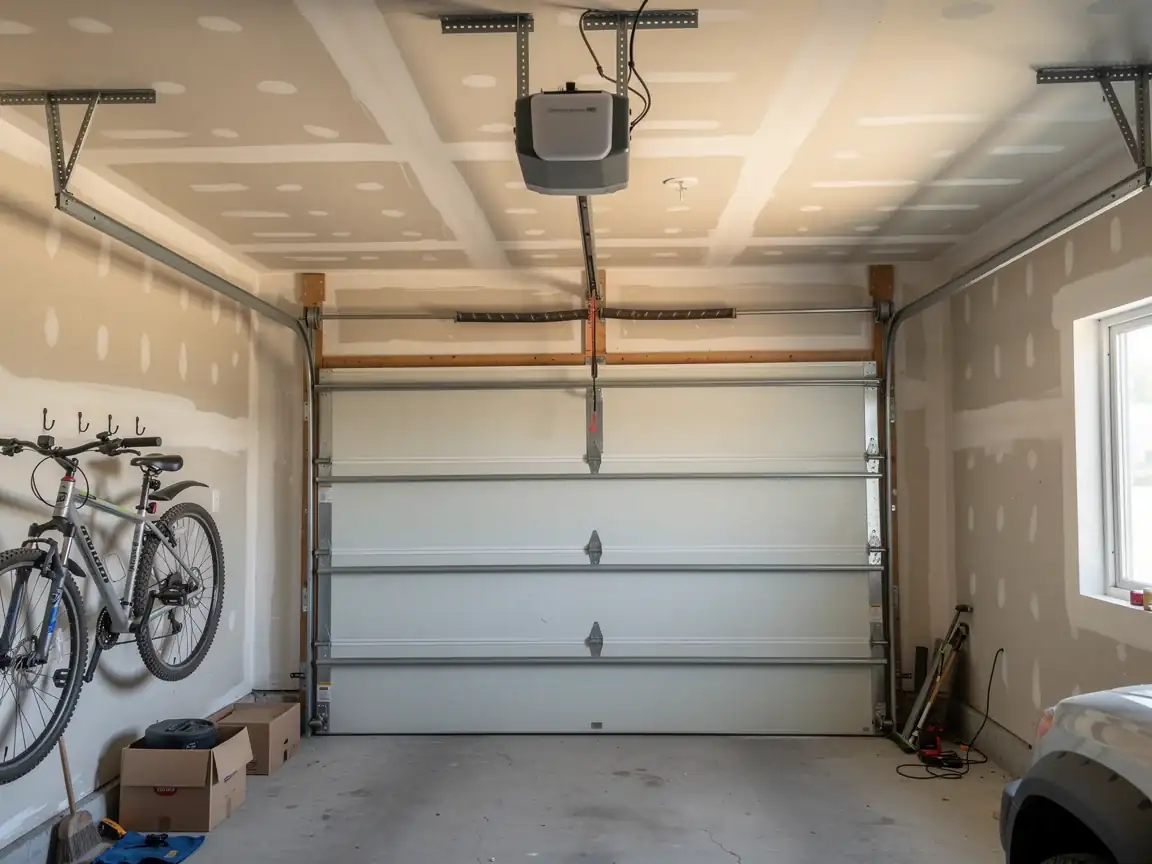
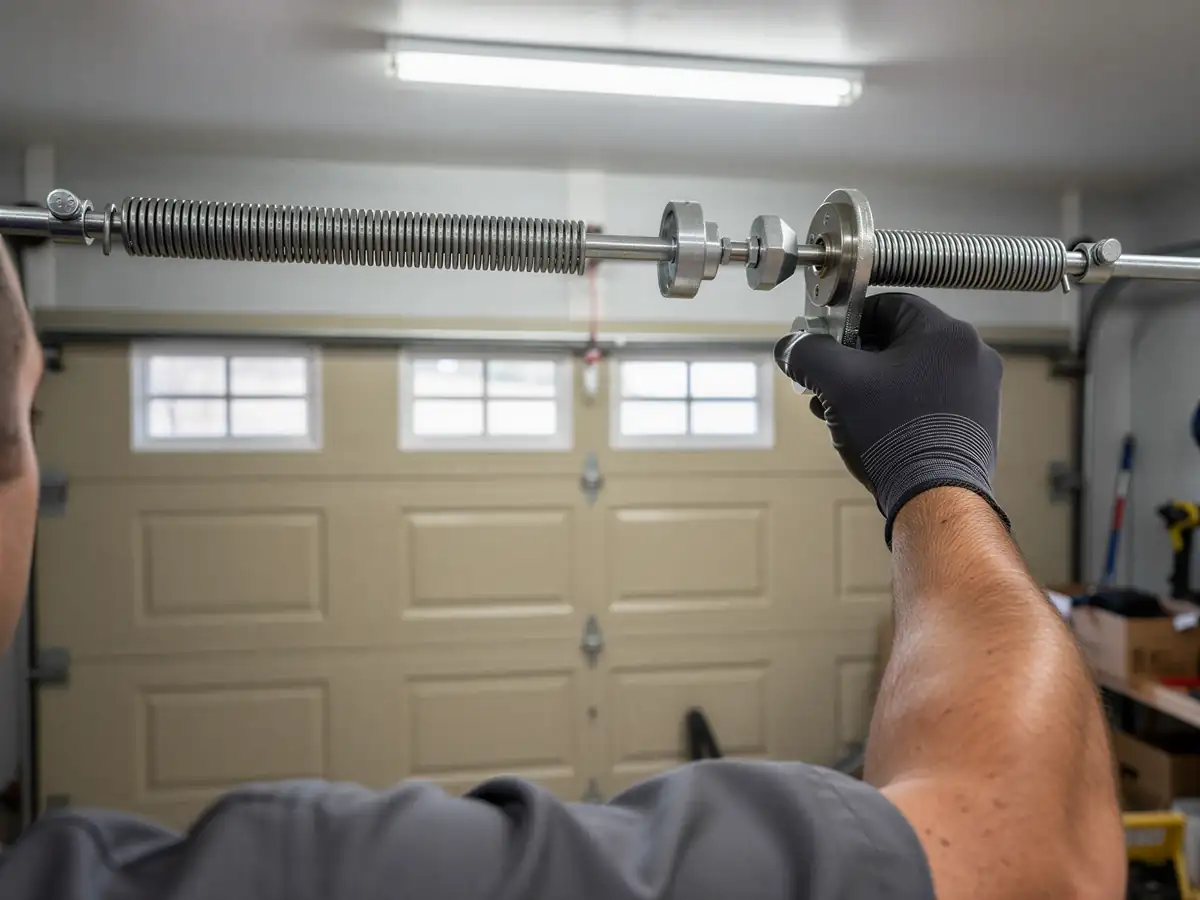
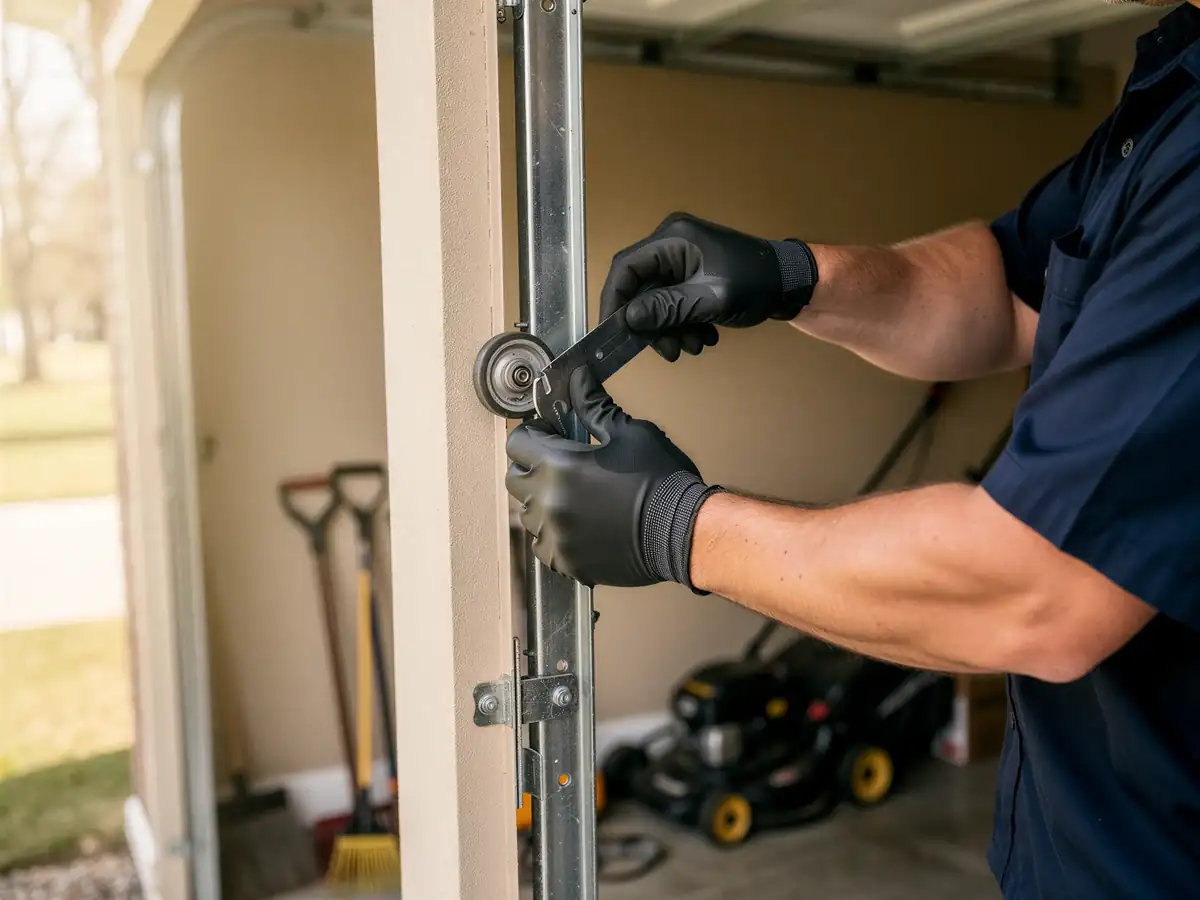
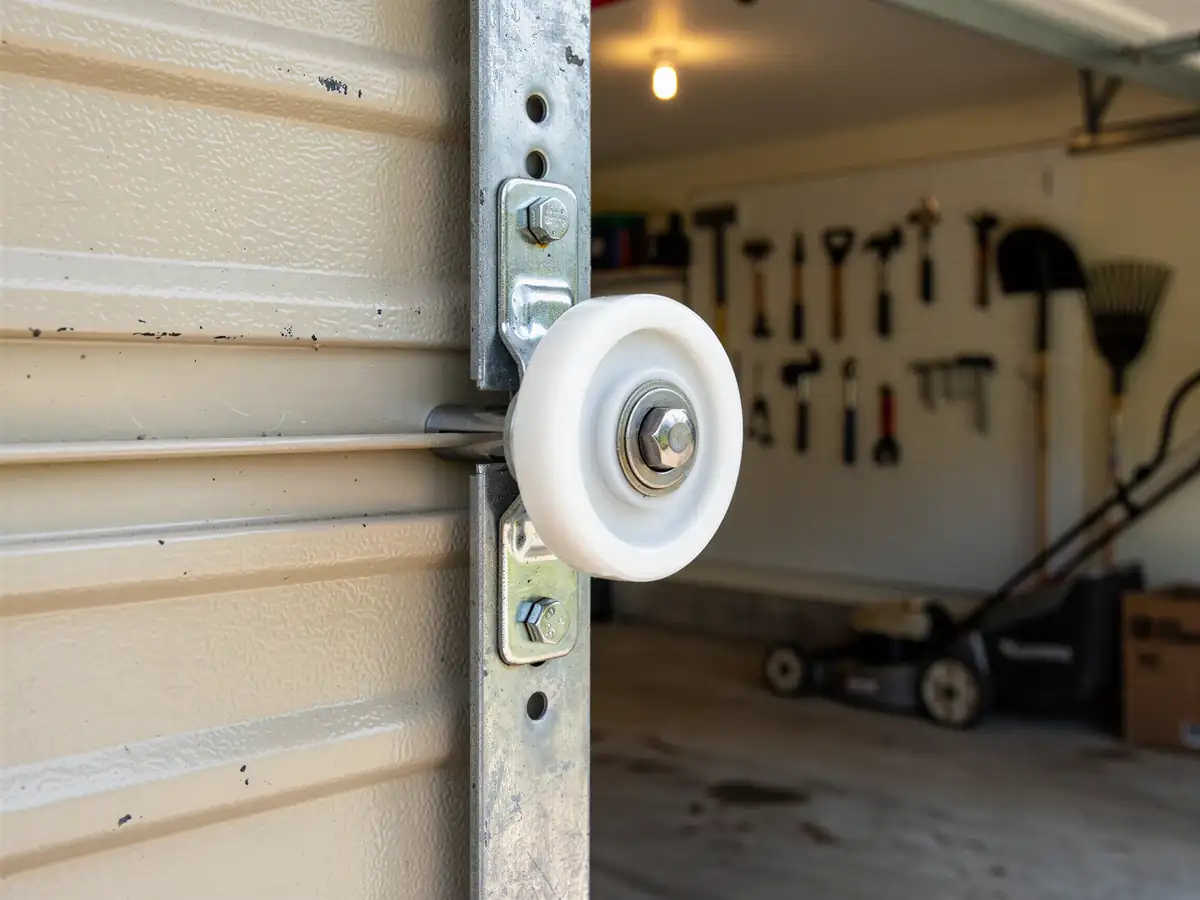
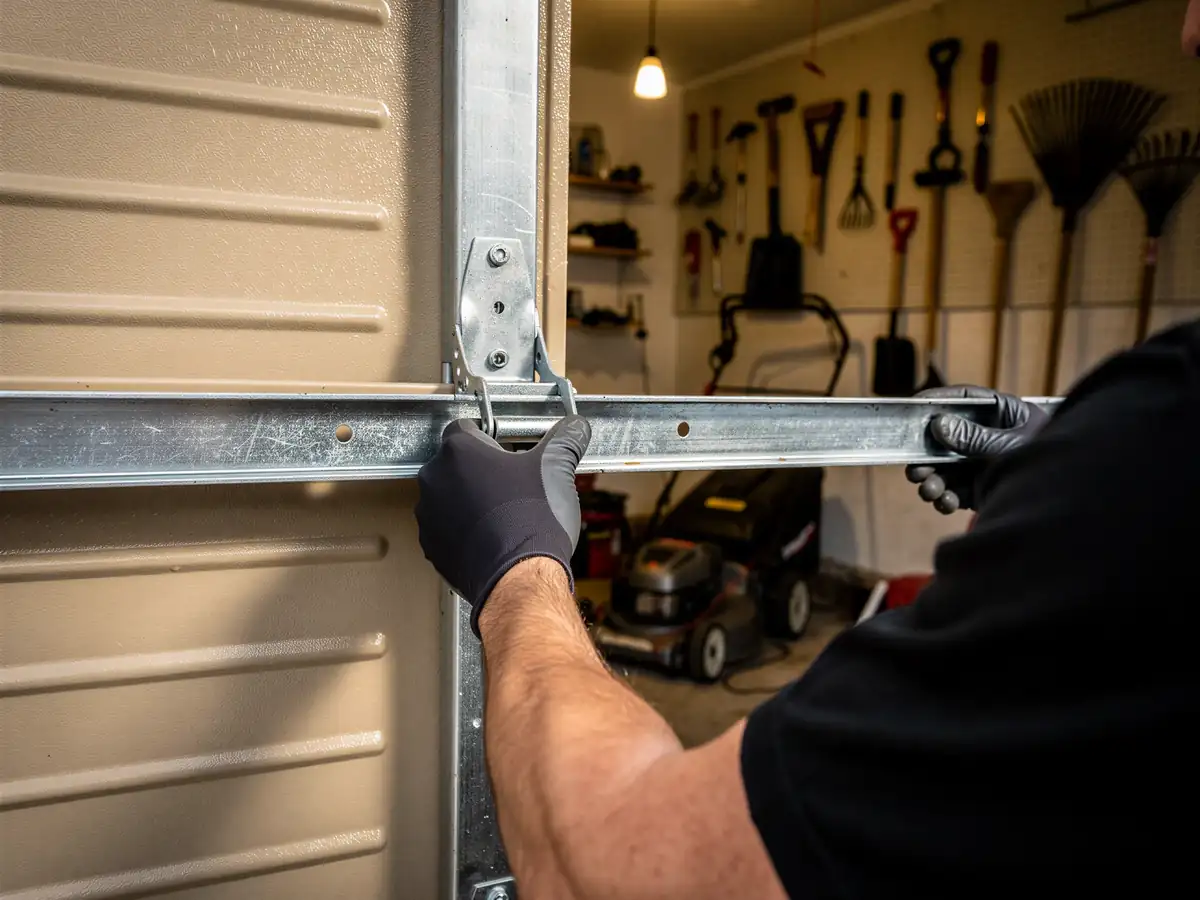
Some of this you can do yourself. Lubricating hinges and rollers, tightening loose bolts on the track, clearing debris from the photo-eye sensors, and testing the auto-reverse safety feature are all reasonable weekend jobs. What you should not do yourself is touch a torsion spring. These springs store enough tension to break a bone or worse, and on the older single-spring setups common in this area's 1960s-70s housing, there's no redundancy if it lets go while you're working on it. If your opener is original to a house built before 1985, and the chain is stretched or the gears inside the housing are grinding, replacing the opener yourself without knowing the backup battery and force-setting requirements for severe cold climates can leave you with a door that reverses unpredictably in winter. Know where the line is: cosmetic and routine maintenance, fine. Anything involving the spring, the cable drums, or the opener's internal gearing, call it in.
How We Fix It
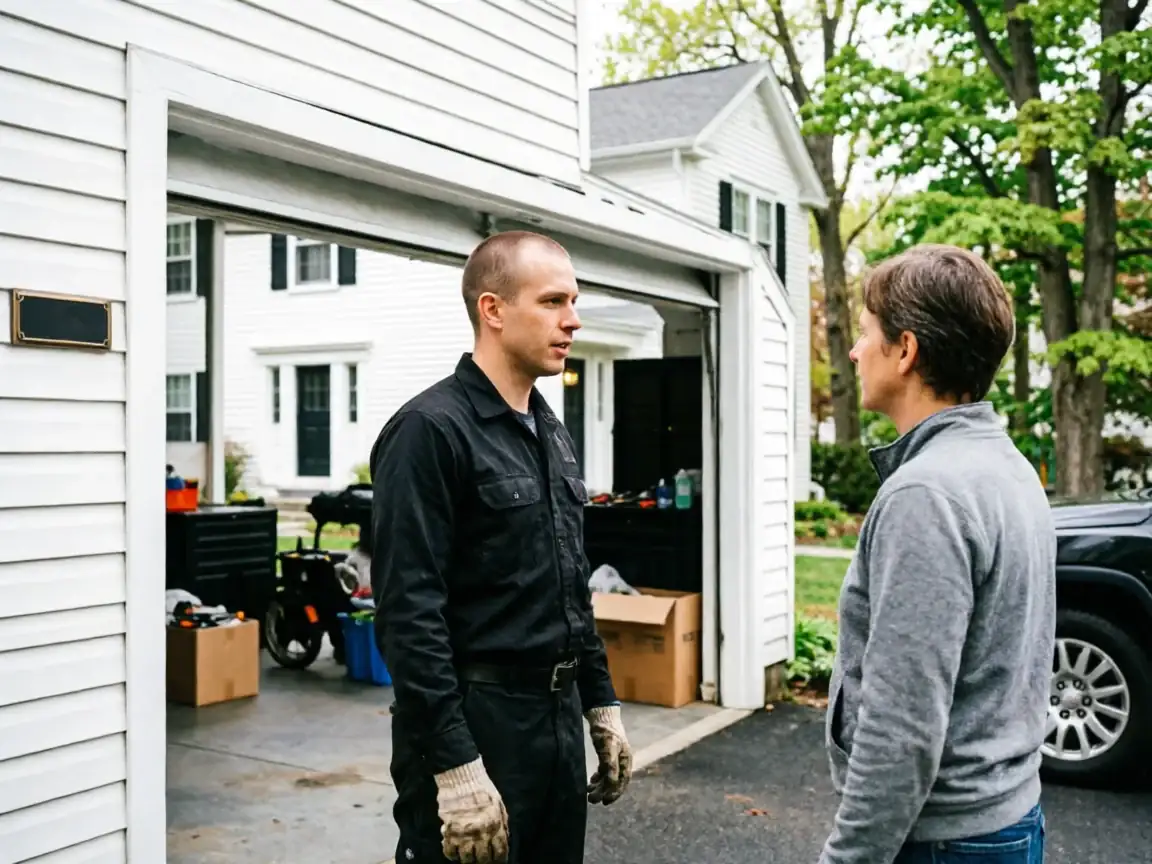
We diagnose before we replace anything. If the spring is the problem, we match it to the door's weight and size rather than grabbing a generic stock spring, since a mismatched spring just moves the failure to the opener motor. If the opener is original to a 1960s or 70s build, we'll tell you honestly when repair isn't worth it - parts for some of that era's hardware are hard to source, and a new opener with a proper cold-weather force setting often costs less over time than chasing parts for a 50-year-old unit. For cable and roller wear, which we see constantly given the climate here, we replace in sets rather than one at a time, since a new cable paired with a stretched one just transfers the load unevenly. We serve Needham and the close-in area - Wellesley, Dedham, Westwood - and we size every fix to the house in front of us, not a generic script.