Why This Fails Locally
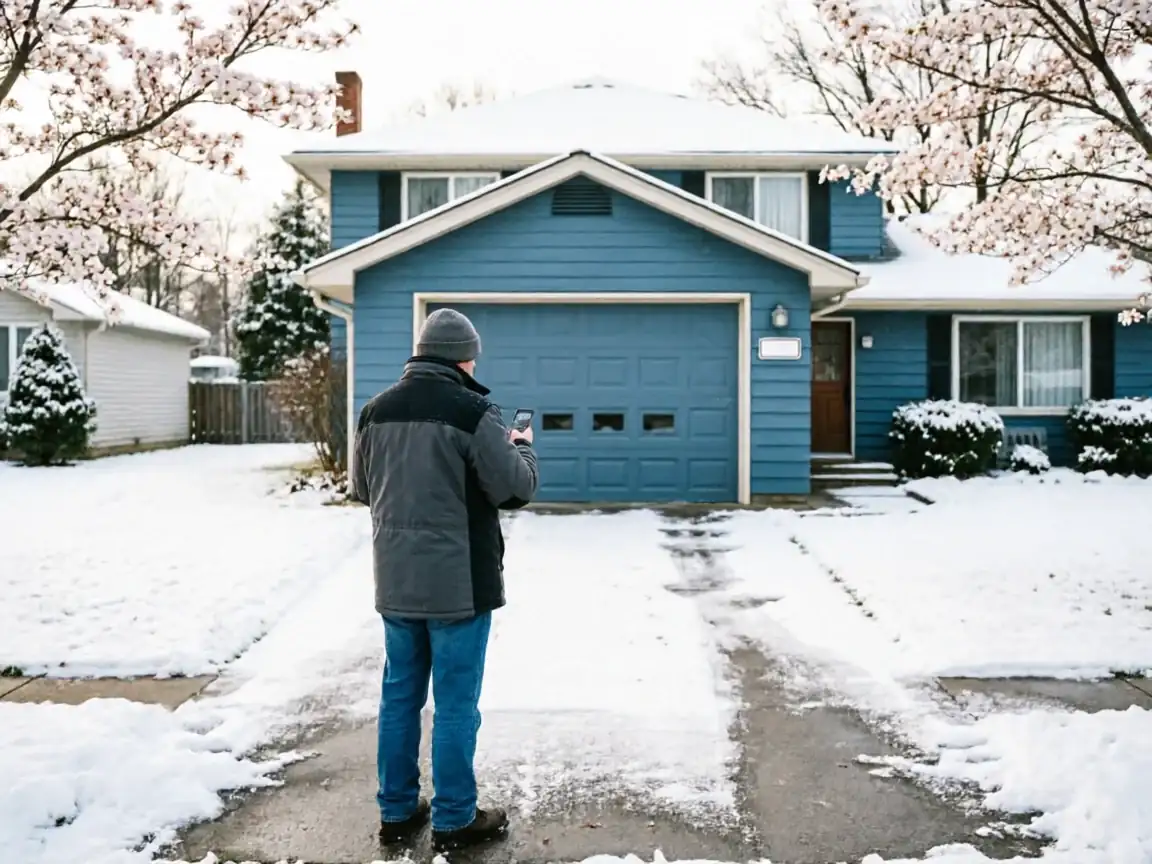
Most of the houses we get called to in this area went up between 1938 and 1985, with the bulk of that stock dating to the 1960s and 70s. That matters for springs more than almost any other part on the door. A torsion spring built and installed forty-plus years ago was sized for a wood door half the weight of the insulated steel or composite door that likely replaced it somewhere along the way. Heavier door, same old spring, same old shaft and bearing plate bolted to framing that's never been touched since Nixon. That mismatch is the number one reason springs give out early on these houses.
The cold is the other half of it. This area sits in a severe cold climate band, with real winter swings that stress steel. Torsion springs lose a bit of temper every time they cycle through a hard freeze and back, and on an older unit that was already undersized, that fatigue adds up fast. We see failures cluster in the first cold stretch of the season almost every year, and it's rarely a coincidence - it's forty-year-old steel finally giving up the fight it was never built for.
Doing It Yourself
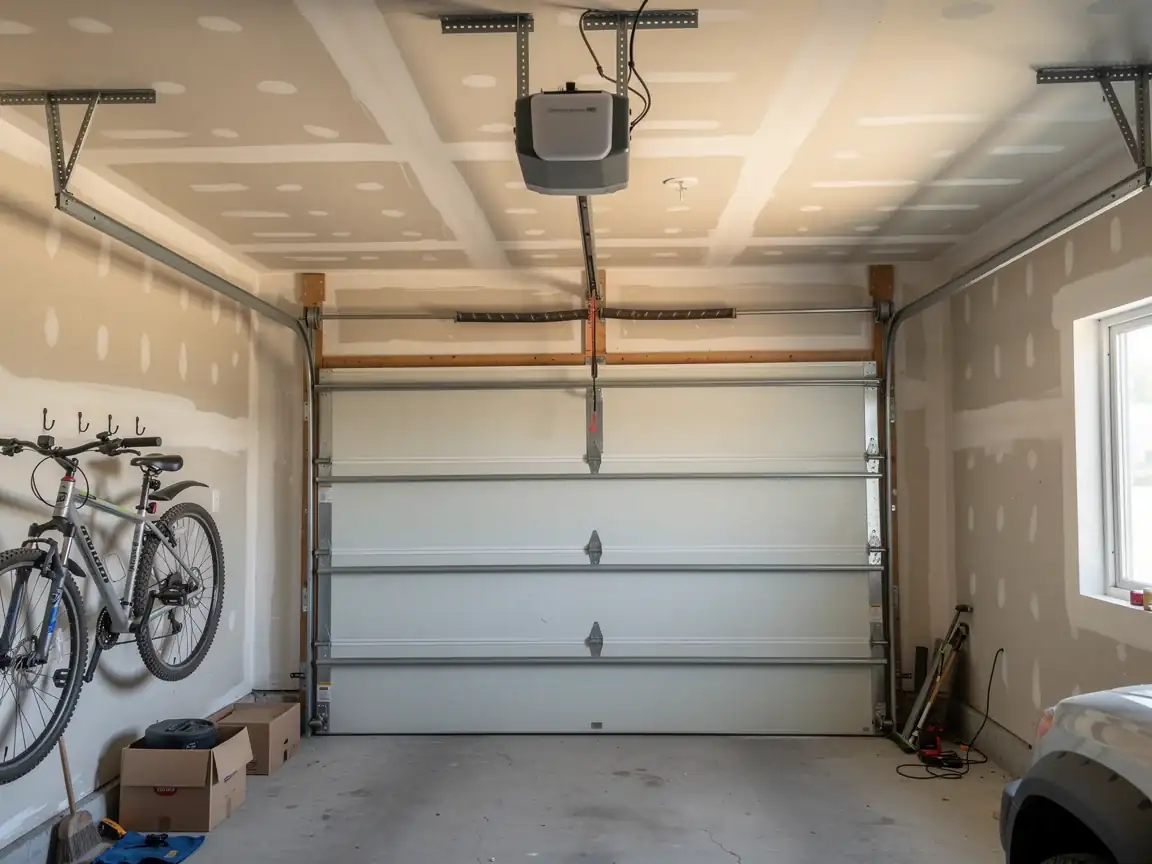
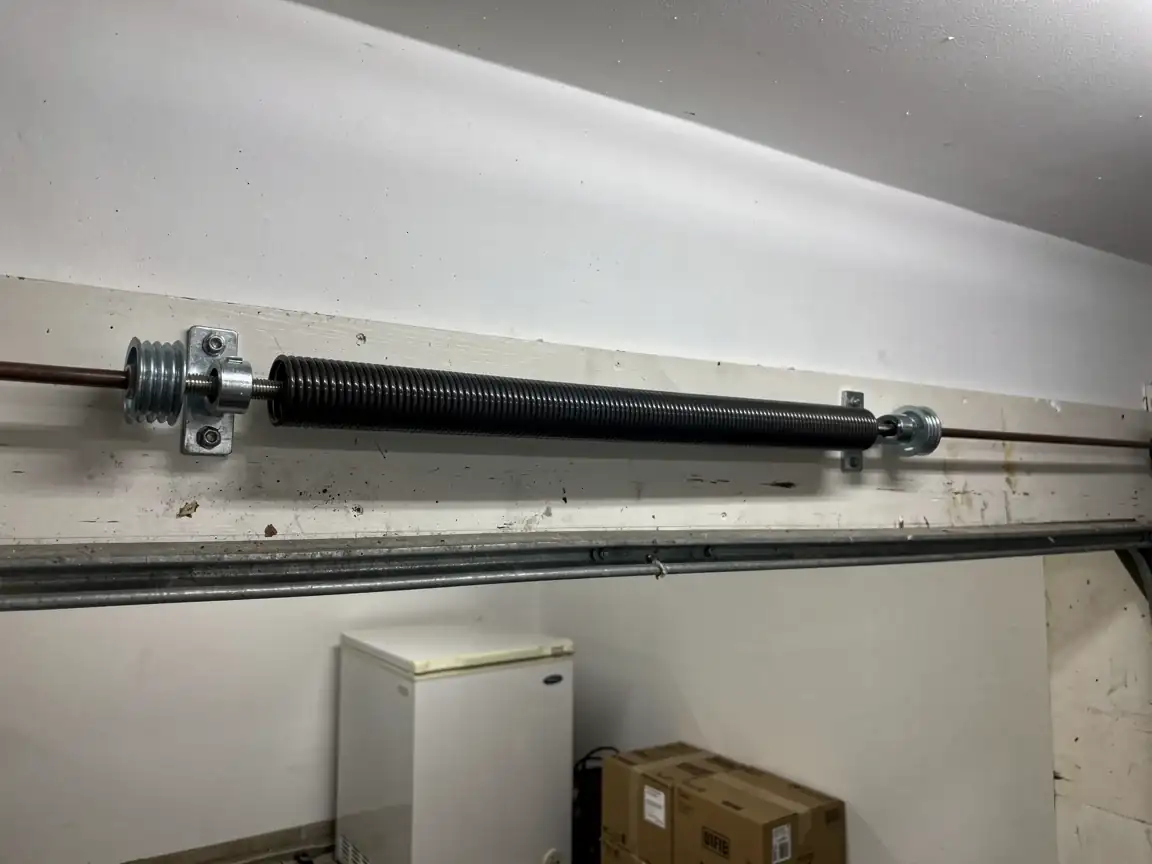
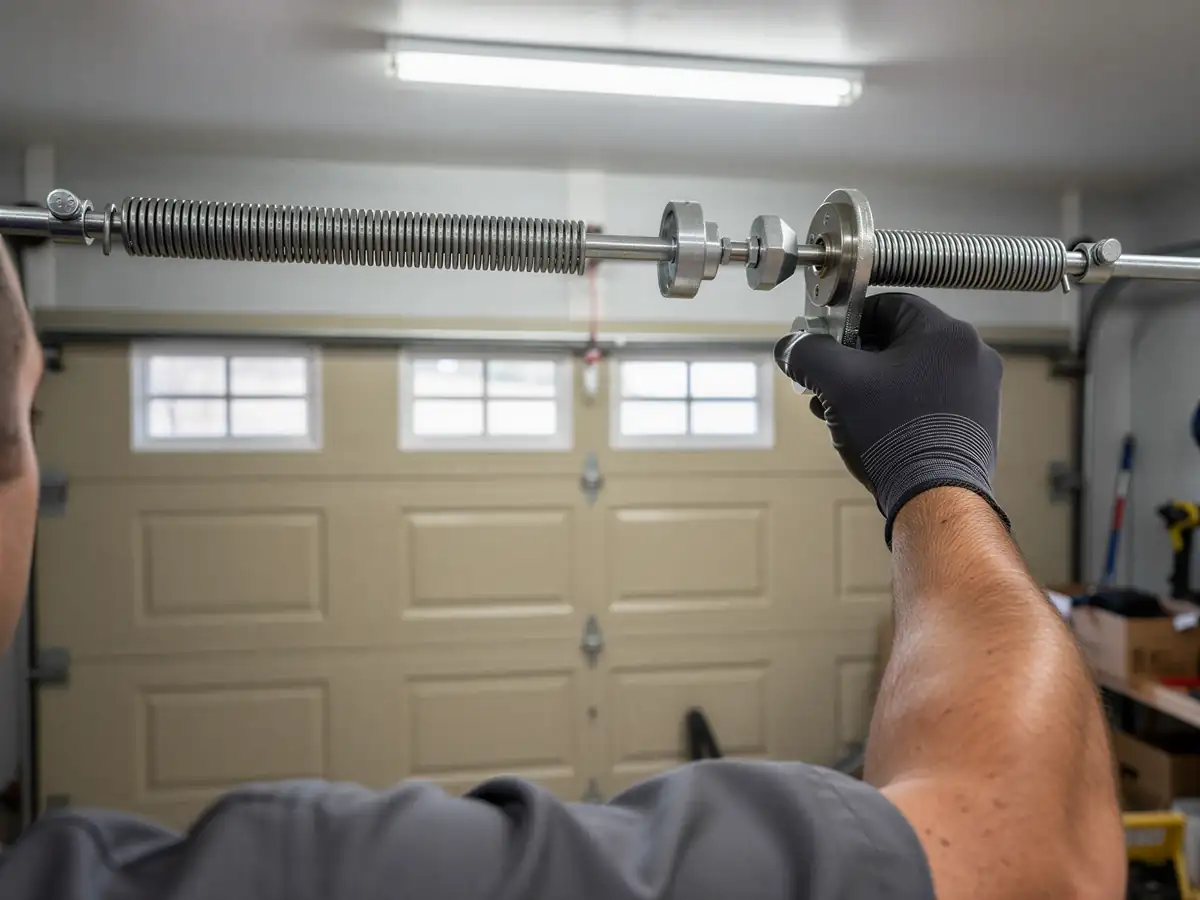
We'll say this plainly: do not try to replace a torsion spring yourself. A wound torsion spring holds enough stored force to break fingers or worse, and the tools to do it safely - winding bars, a vise grip clamped correctly, a properly rated spring for your door's actual weight - aren't things most homeowners have sitting in the garage. Extension springs (the kind mounted horizontally over the tracks on older setups) are lower-tension and a bit more forgiving, but even those can whip loose under load if the safety cable is missing or frayed, which is common on houses this old.
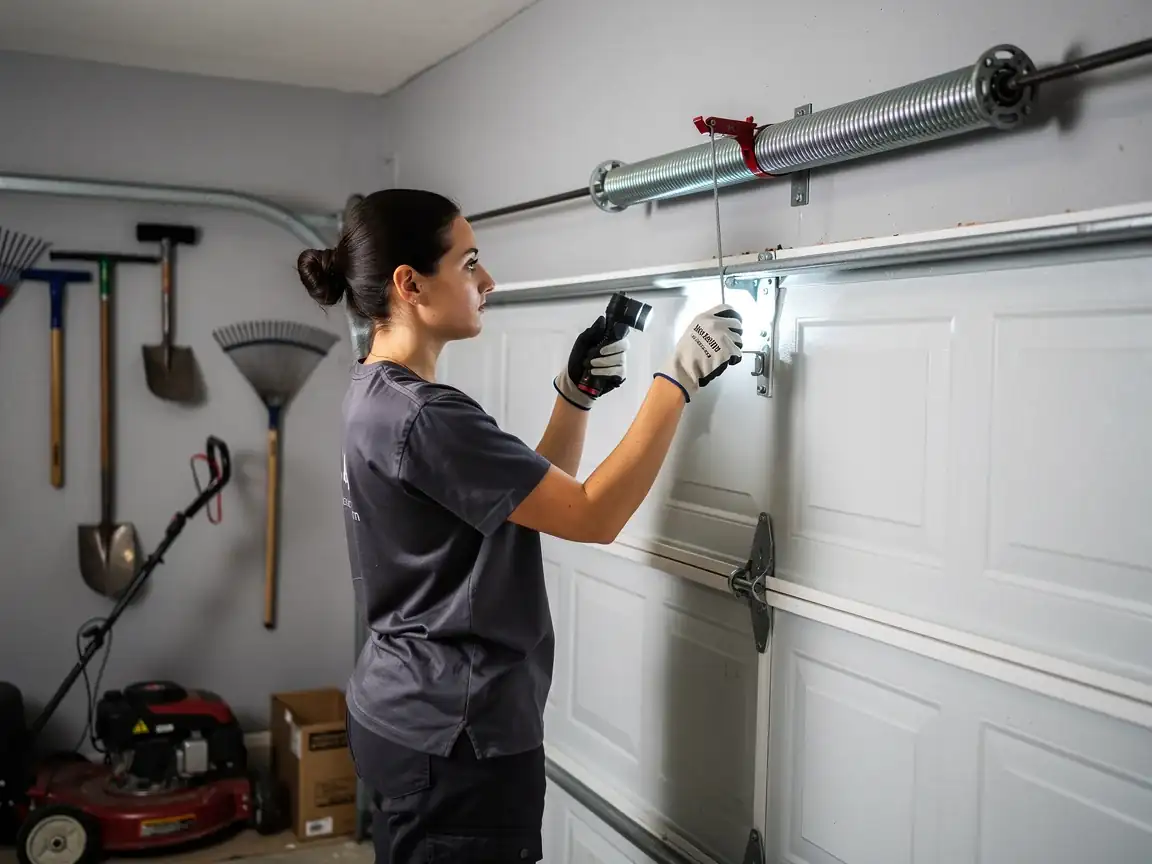
What you can safely do yourself: check whether the spring is torsion-style (above the door, on a shaft) or extension-style (over the tracks, usually with a pair of springs), note whether it's visibly stretched, gapped, or snapped, and leave the door down and the opener unplugged until someone looks at it. That's useful information for whoever shows up, and it costs you nothing but a few minutes with a flashlight.
How It Shows Up
The door won't move, or it moves and then drops
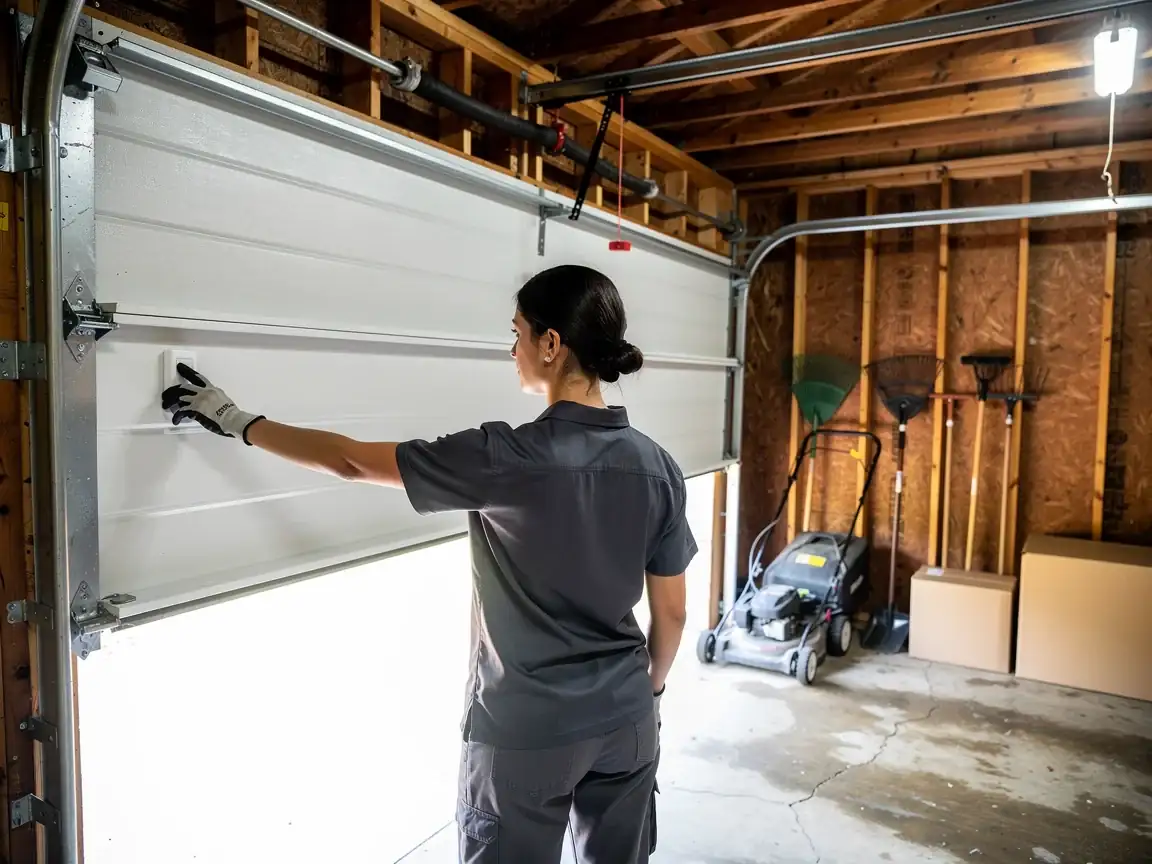
That's the classic sign - you hit the opener button and the motor strains, grinds, or the door lurches up a few inches and stalls. Sometimes there's a loud bang from the garage first, usually when nobody's home, which is the spring itself snapping under tension.
On older torsion setups you'll sometimes see the coil visibly gapped or twisted off-center on the shaft rather than sitting tight
On extension-spring doors, one side may hang lower than the other because one spring let go and the other is doing all the work, which also throws the door off its tracks over time if it's not caught early.
An opener that runs but the door barely lifts, or lifts unevenly side to side
Is almost always a spring problem, not a motor problem - swapping the opener won't fix it and just delays the real repair.
How We Fix It
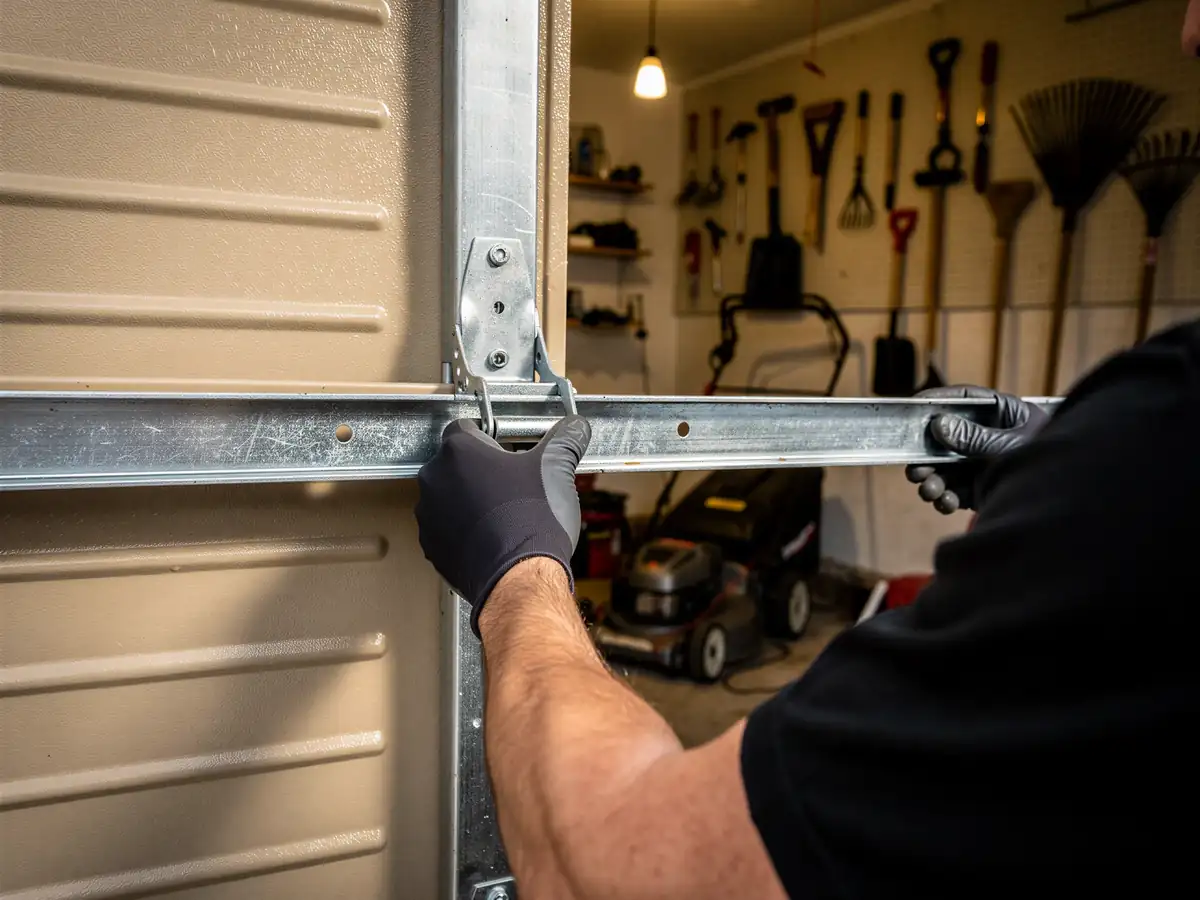
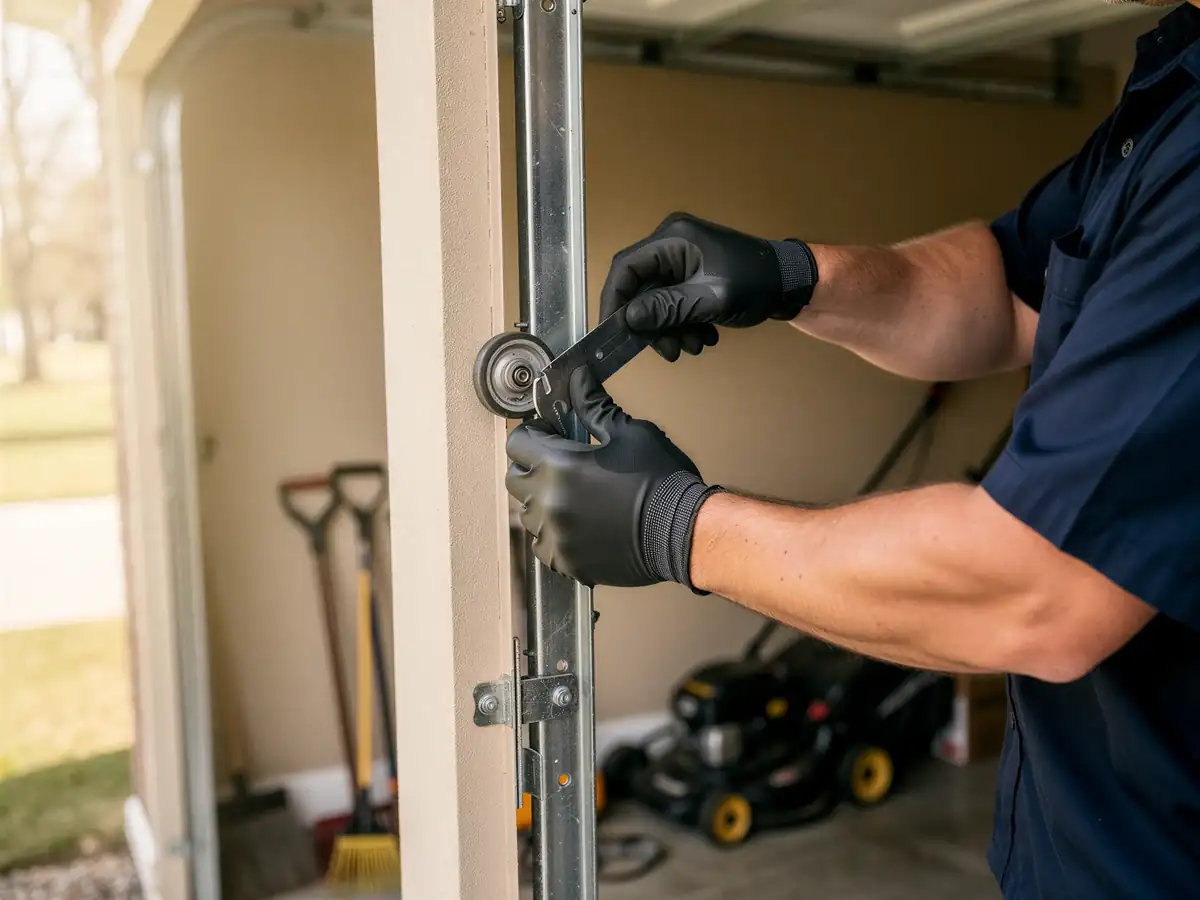
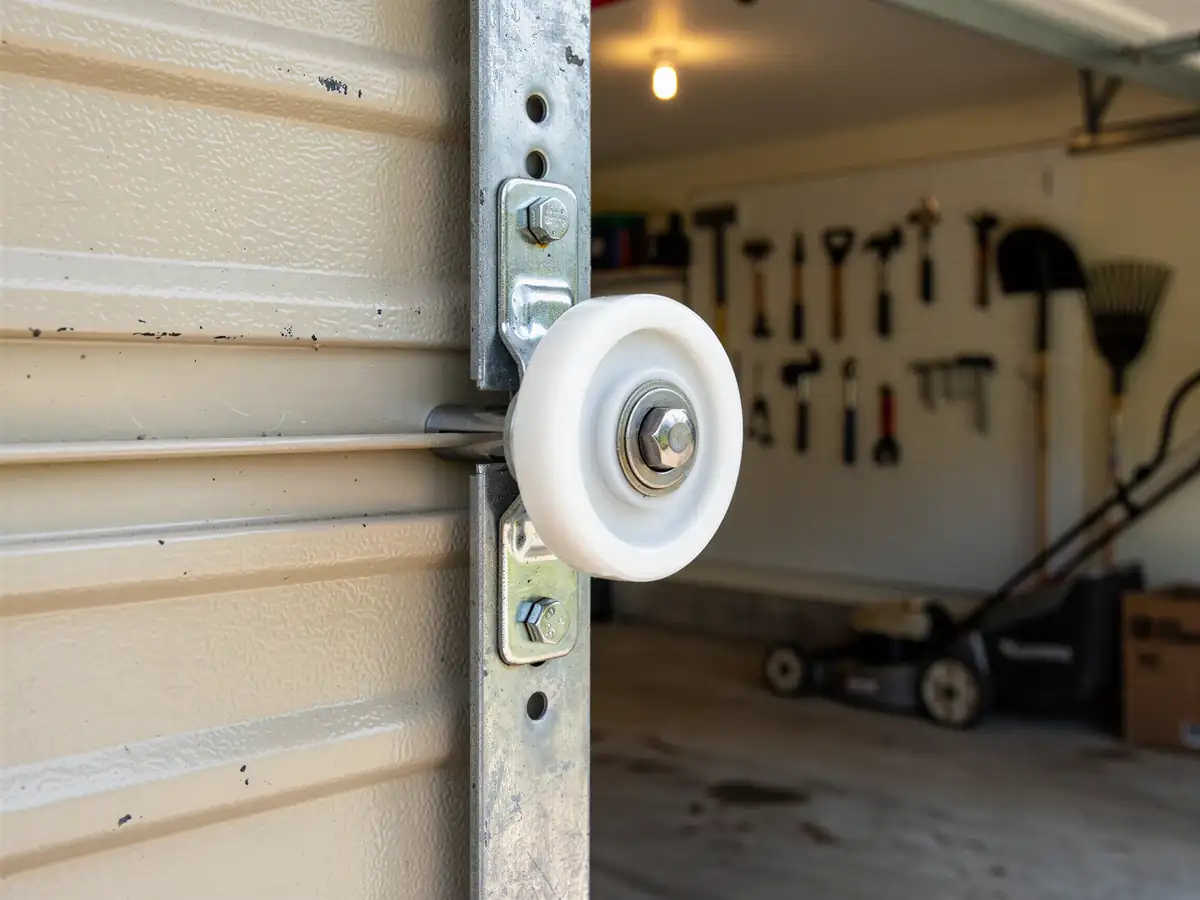
We size the replacement spring to the door you actually have now, not the one the house came with. That means weighing the door's real pull and winding tension correctly rather than matching whatever was installed last time, which is how so many of these older doors ended up undersized in the first place. On torsion setups we also check the shaft, center bearing, and cable drums while we're in there, since on a forty-plus-year-old installation those parts are often as tired as the spring itself.
For extension-spring doors we replace both springs as a pair, even if only one failed - mismatched tension on opposite sides is what throws these doors off their tracks. We also confirm safety cables are run through torsion springs and present on extension springs, since a lot of older installs never had them.
One honest limitation: if the door itself has sagged or warped from decades of uneven spring tension, a new spring won't straighten the panel. At that point we'll tell you straight whether it's a spring job or a door replacement, rather than selling you a spring that won't solve the actual problem.