What to Check
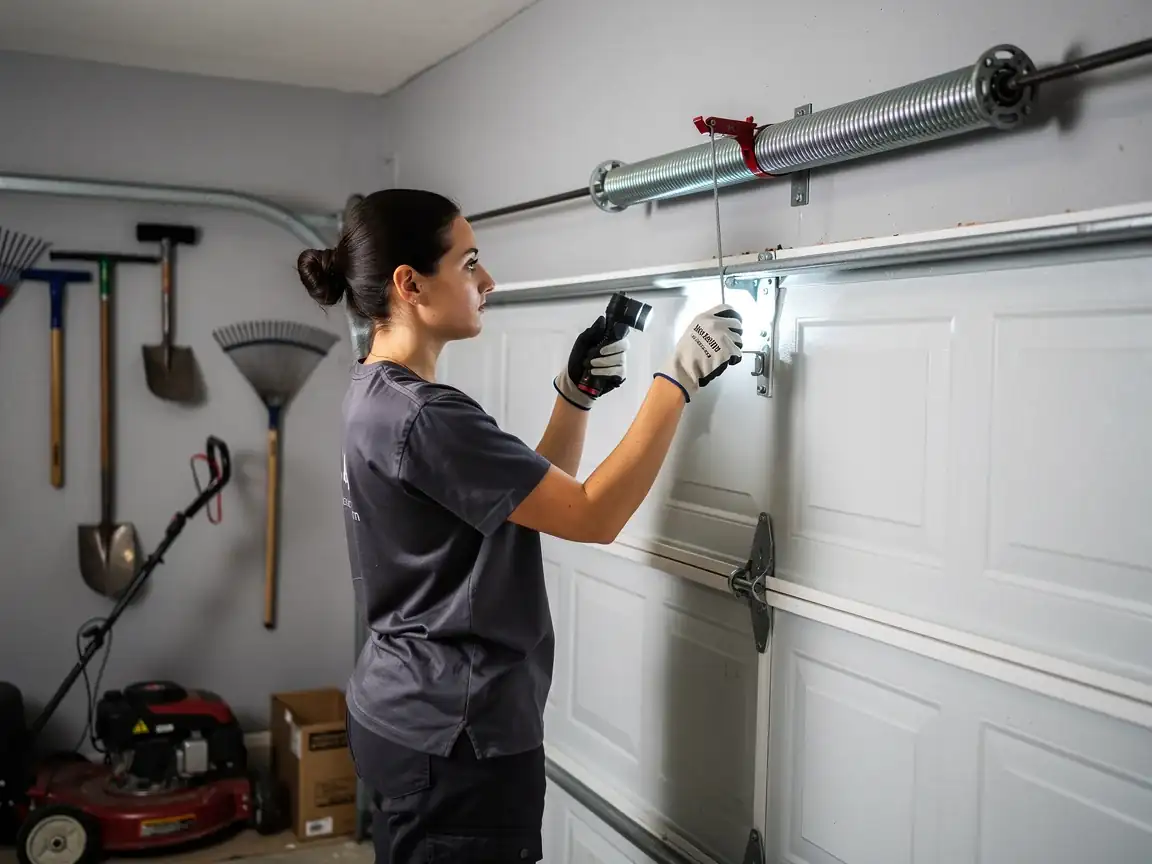
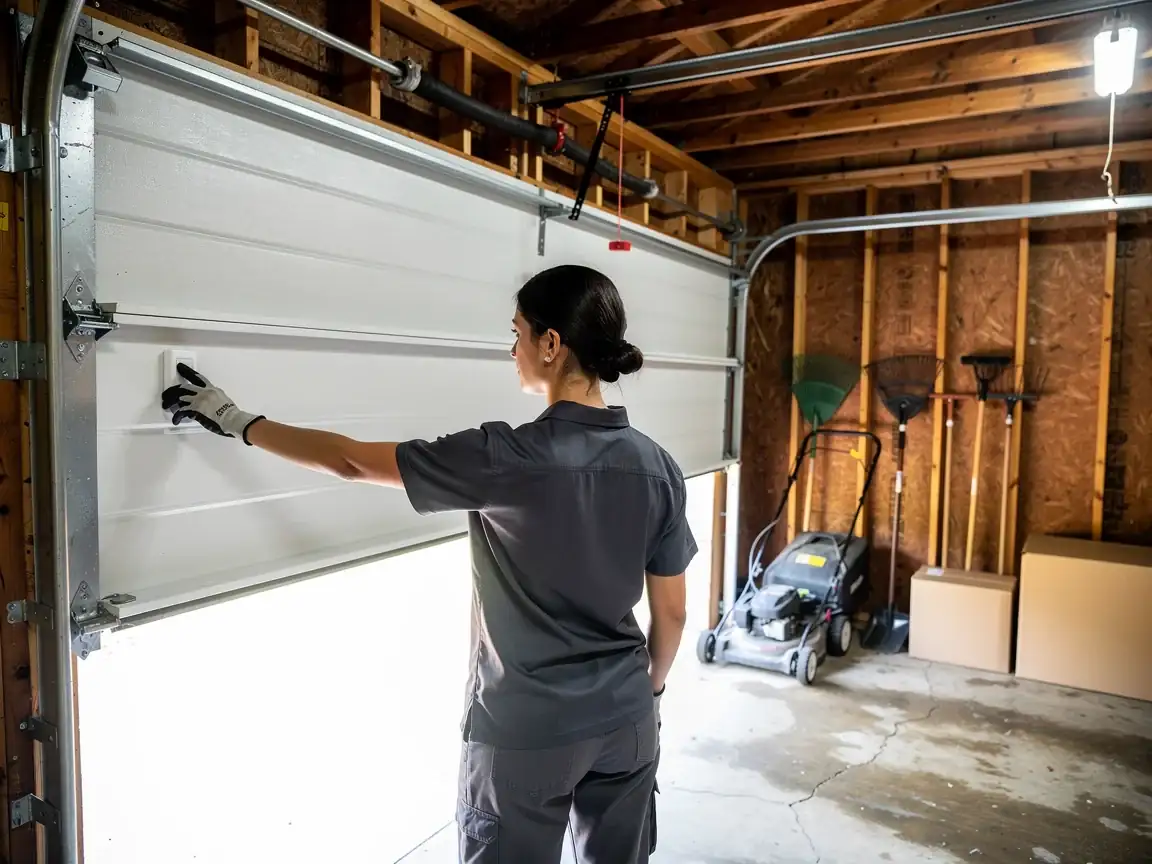
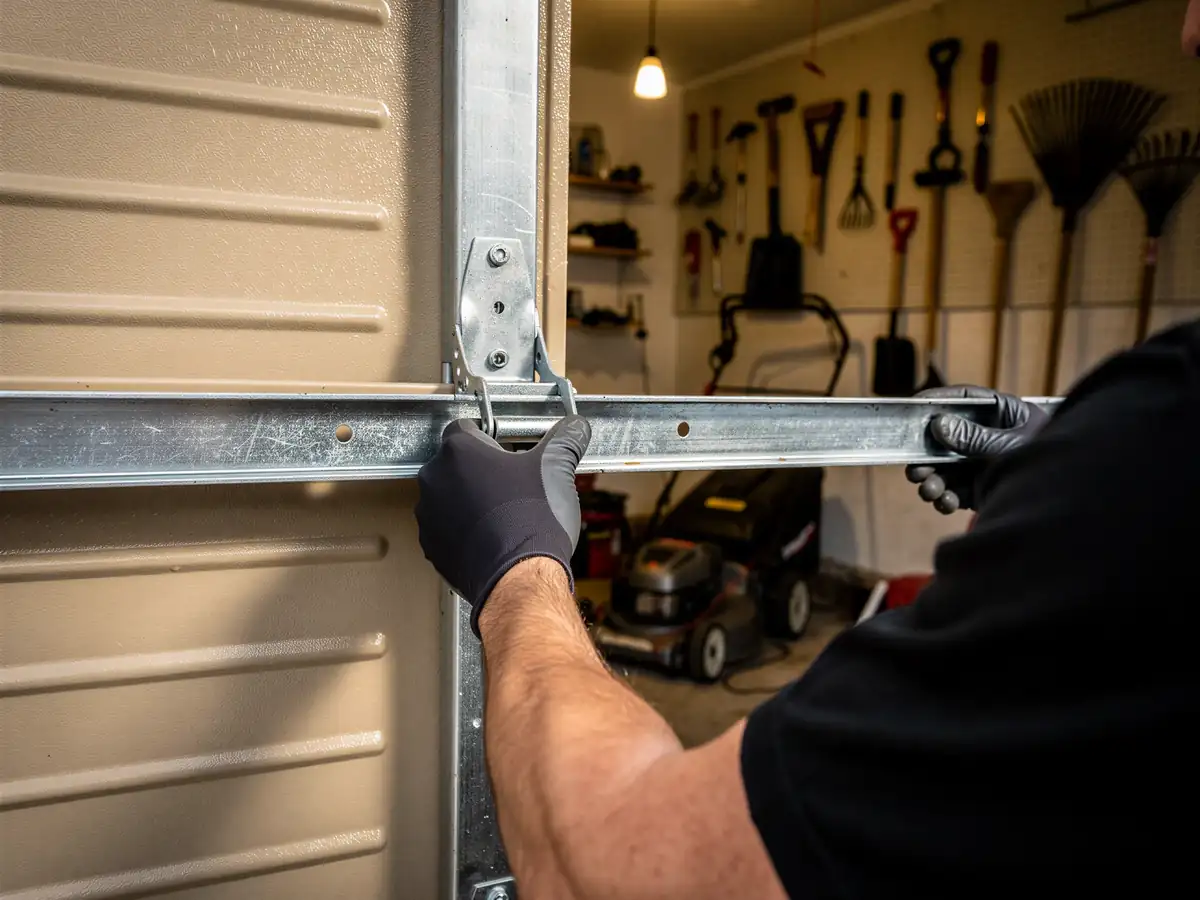
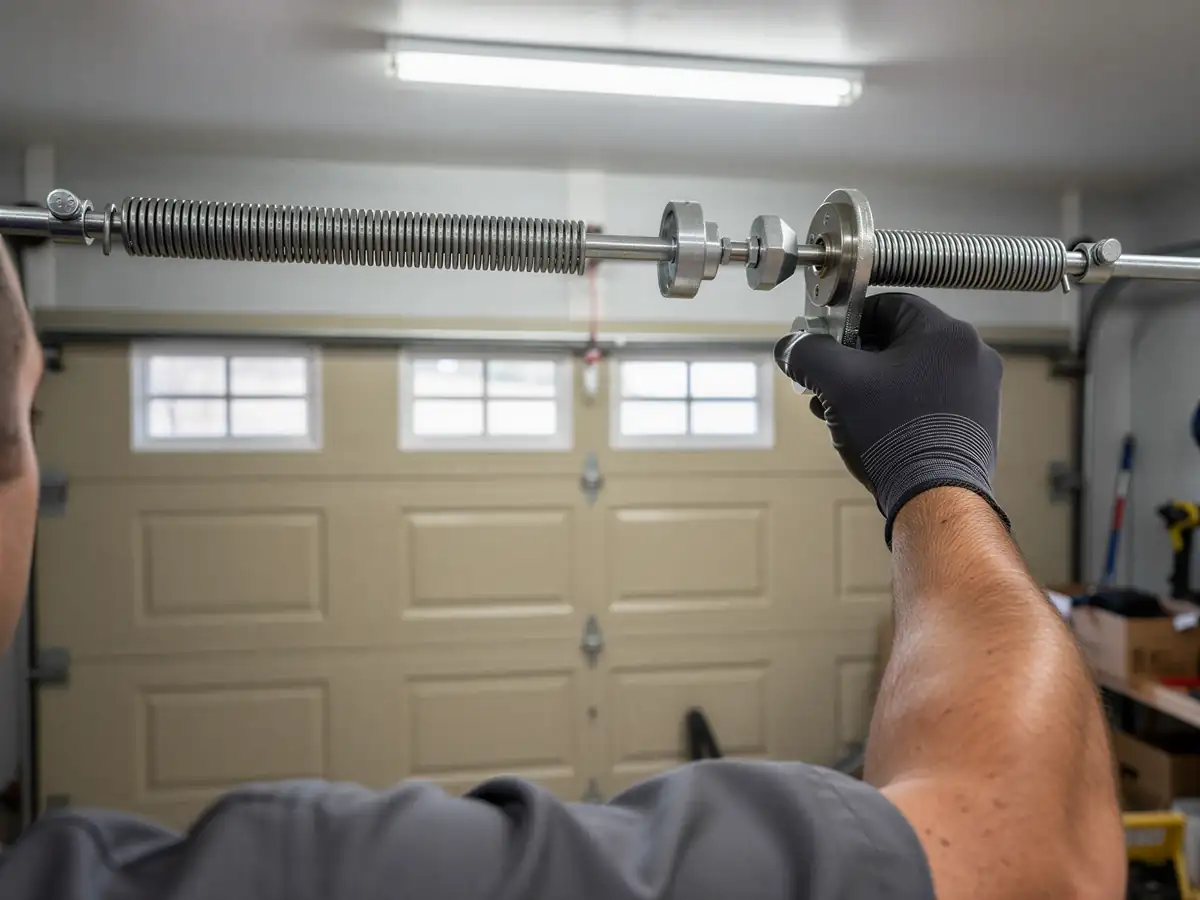
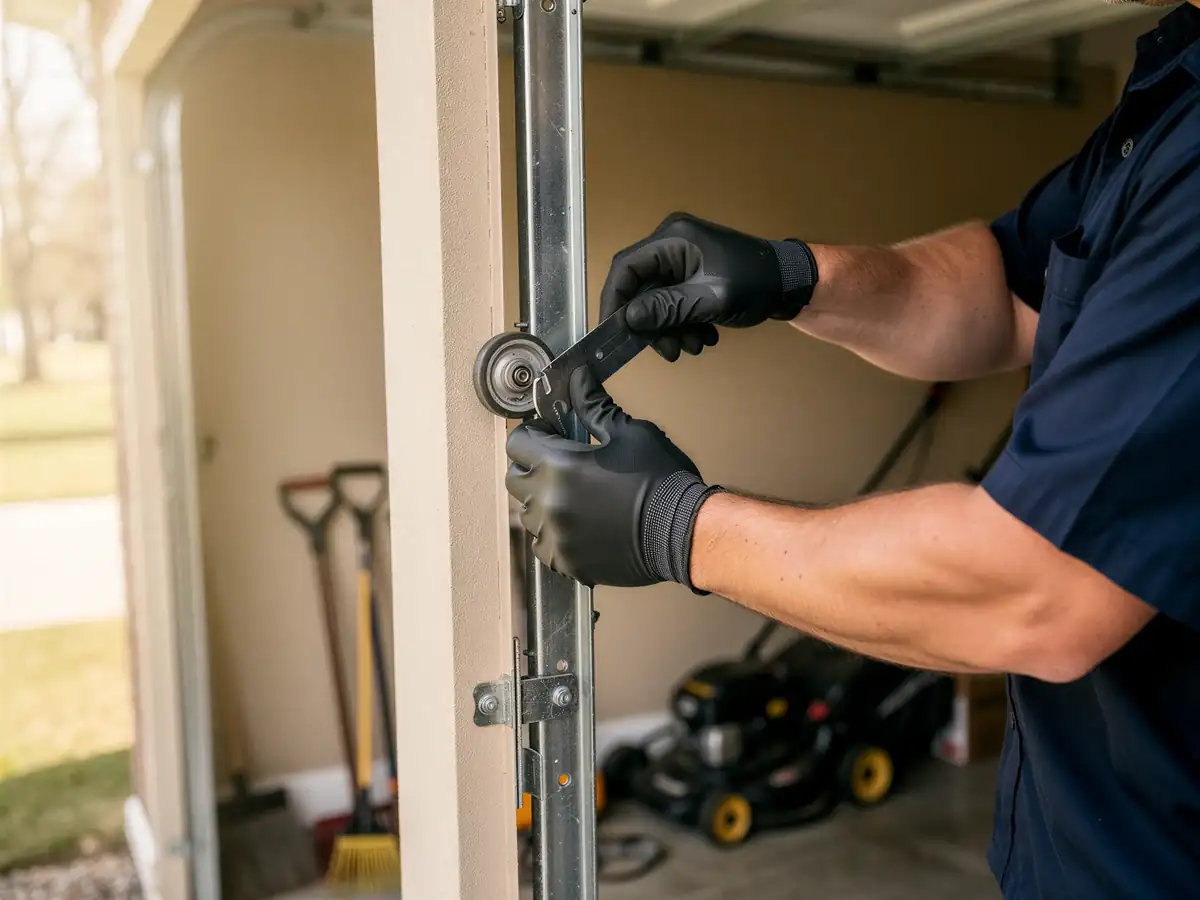
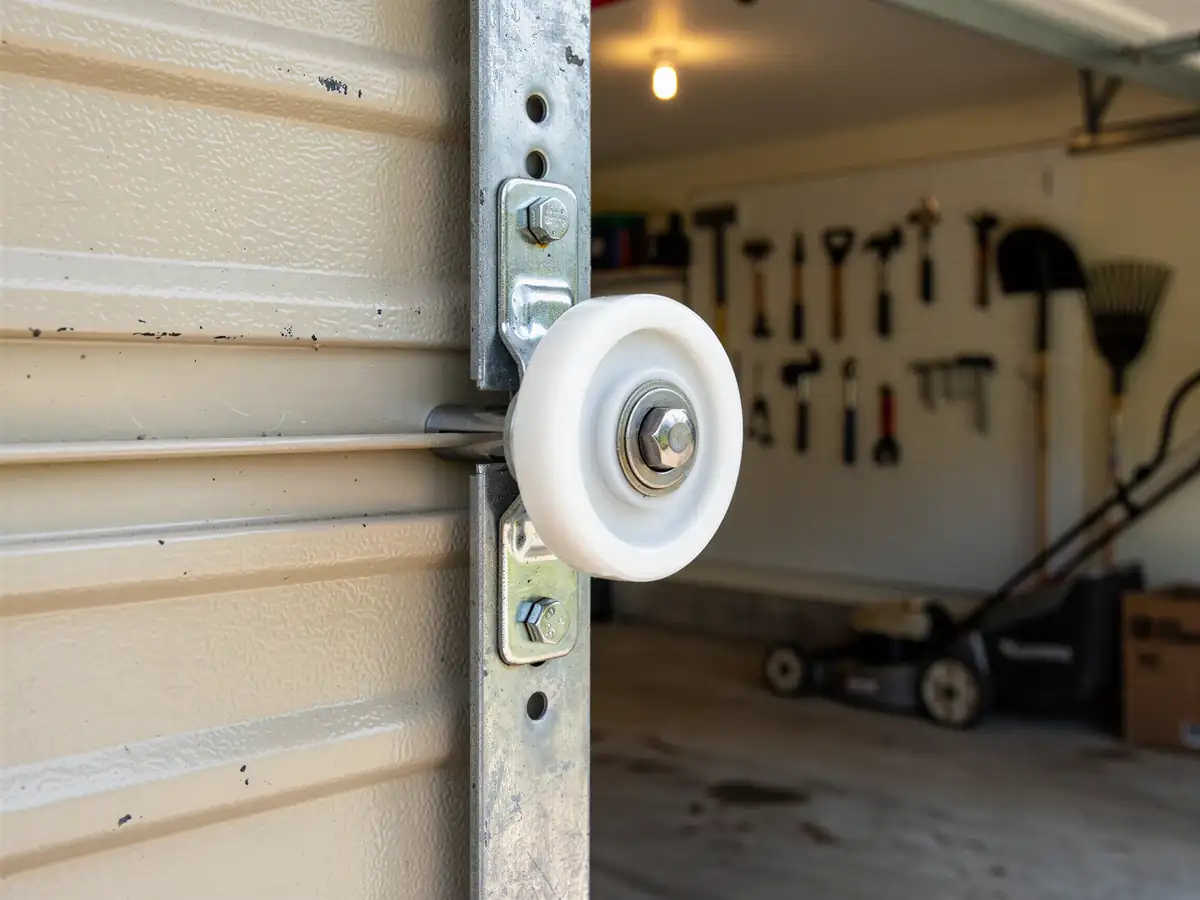
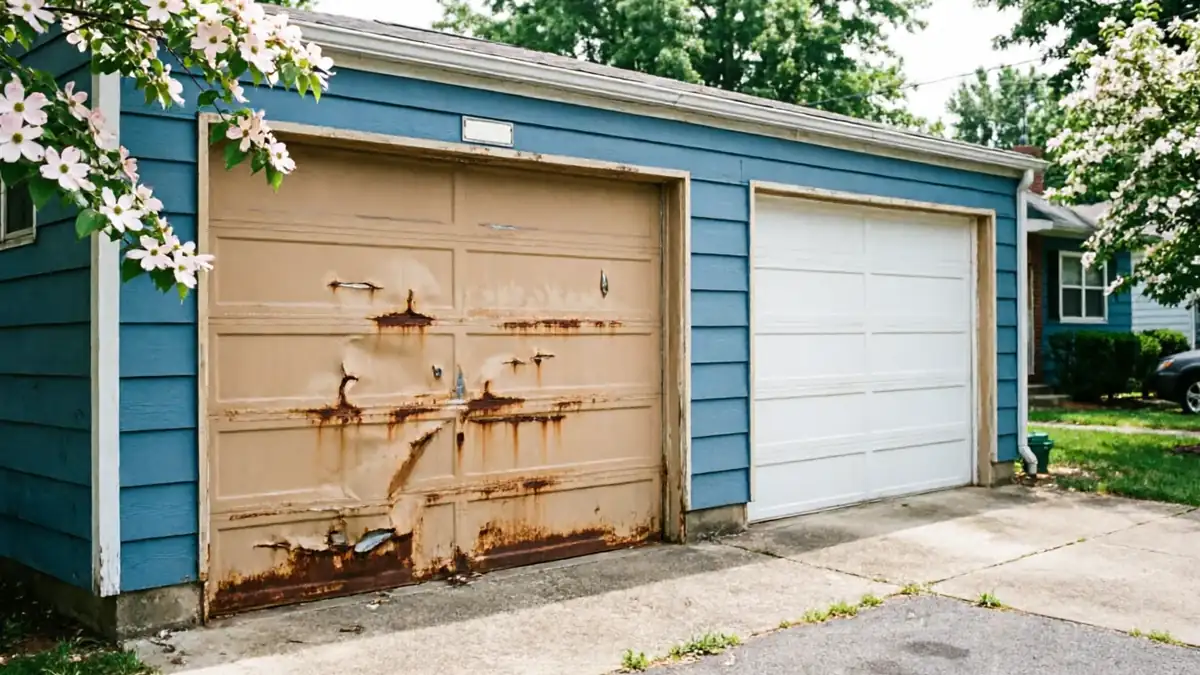
Start with the age of the house, not just the door. Most of Needham's housing went up between 1938 and 1985, with the median landing around 1968, which means a lot of garages still have the door, track, and spring setup that came with the house. Look at the spring - if it's the original torsion spring, it's rated for a steel gauge that isn't common anymore. Check the bottom panel for rust-through or delamination where it meets the slab; on a door this old, that's usually structural, not cosmetic. Run the opener manually with the door disconnected - if it's hard to lift by hand, the spring has already lost tension and the opener has been masking it. Check the track for bends or gaps at the rollers, and check the weatherstrip at the bottom for cracking that lets cold air and water under the door. None of this is exotic. It's what forty to eighty years of use does to steel, rubber, and lubricant in a house built before insulated panels and nylon rollers were standard.
When to Get Help
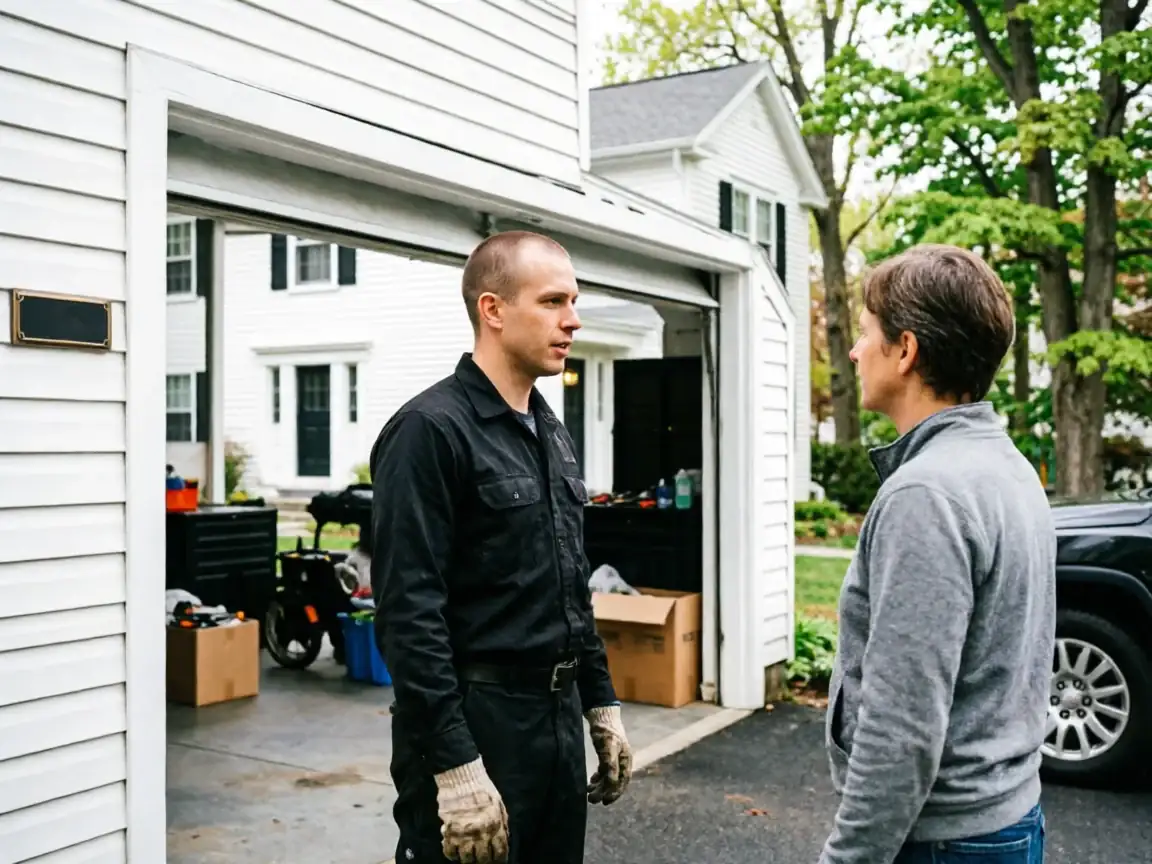
Call before you touch a torsion spring - that part stores enough force to break a bone or worse, and it's not a weekend project regardless of how old the door is. Get help if the door drops unevenly on one side, which usually means a cable has slipped or a spring is failing and the other one is about to follow. Get help if the opener runs but the door barely moves, or moves and then reverses - that's a safety sensor or a drive gear issue, and on an opener old enough to predate current rolling-code safety standards, it may not be worth diagnosing piece by piece. If the door is original to a house built in the 1950s or 60s, a repair call is also the right time to ask flat out whether the hardware is even still being made, rather than paying labor twice.
The Problem
Here's the honest math. A garage door install in this town is more likely to still be original equipment than not, given that the median house dates to 1968. At some point a repair stops being a repair and starts being a stall. If you've replaced the spring once and the opener twice, and the panel is still the original steel from a house built before 1985, you're not fixing a door - you're keeping a fifty-year-old assembly limping along one part at a time. We don't stock every obsolete torsion spring size from that era, and sometimes the part has to be special-ordered, which can cost more in time than a full replacement would in money. The honest answer, more often than we'd like, is that the track, the springs, and the panel are all at the end of their service life together, and fixing one piece just moves the failure to the next one.