Why This Fails Locally
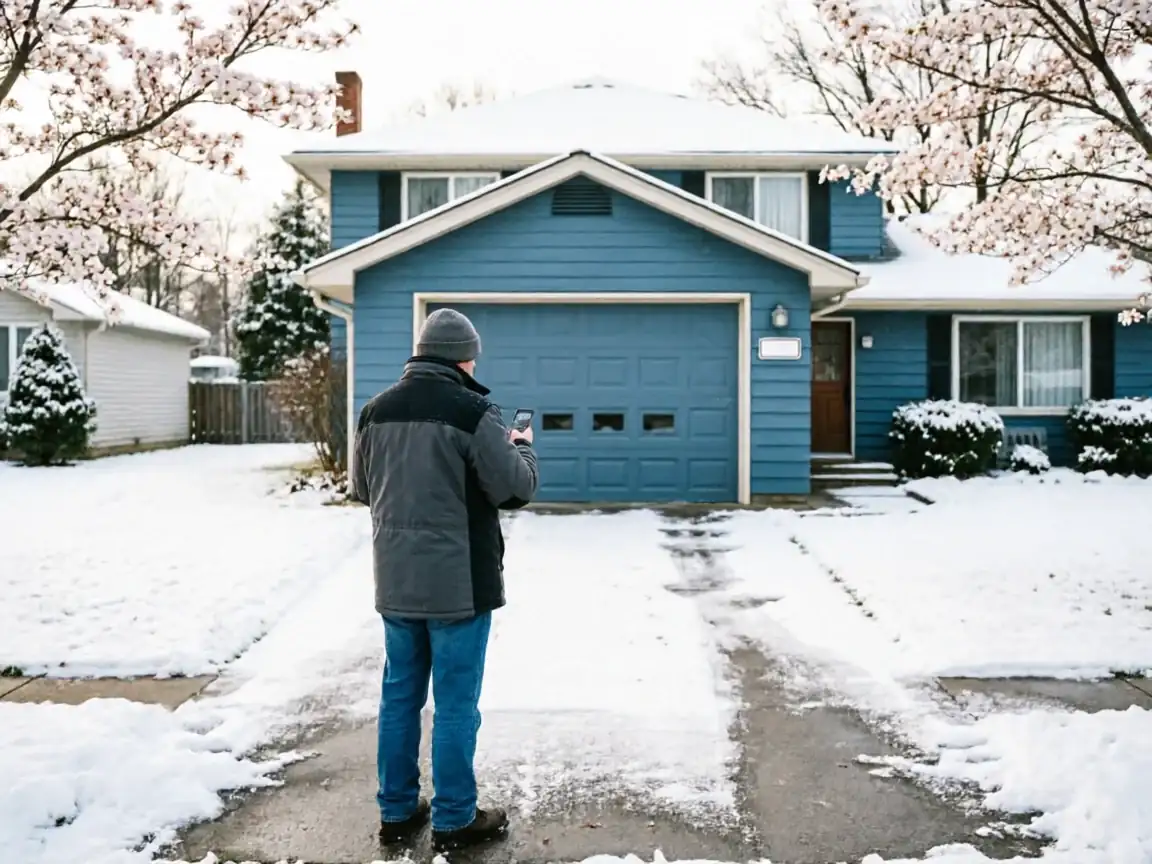
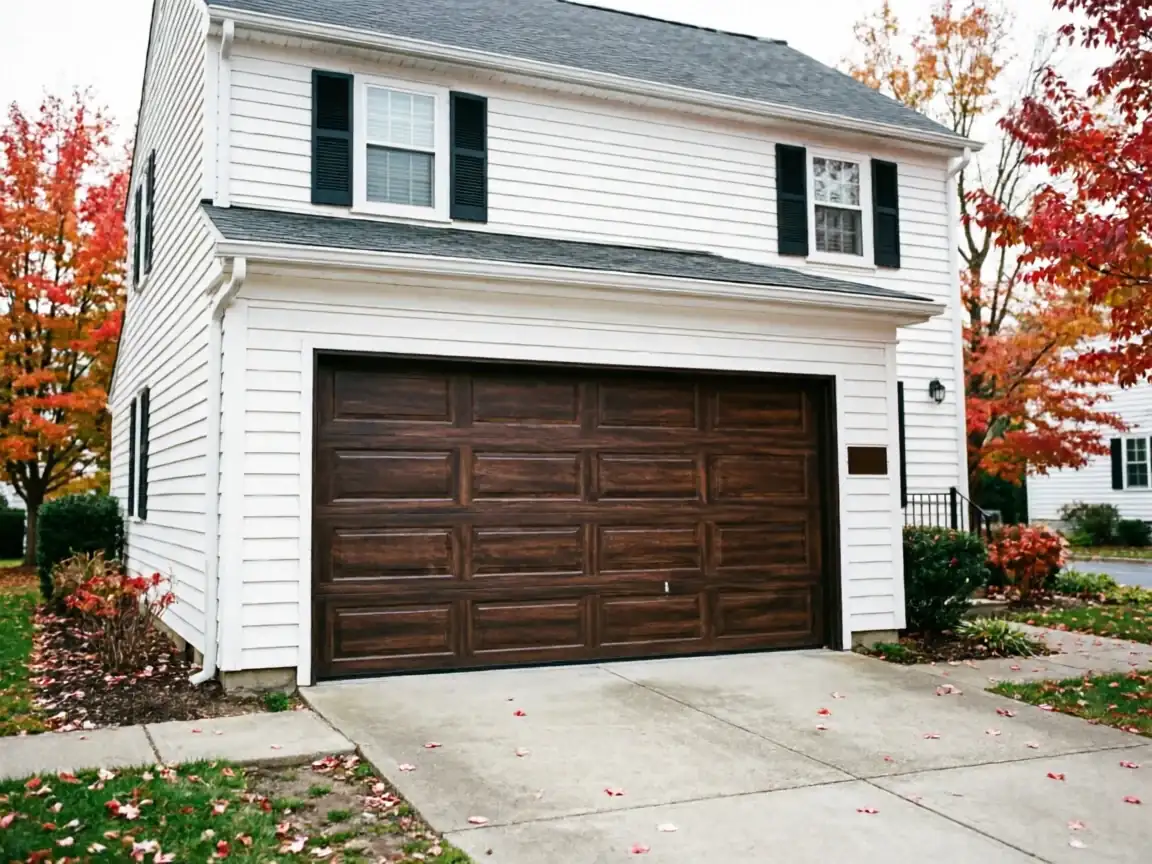
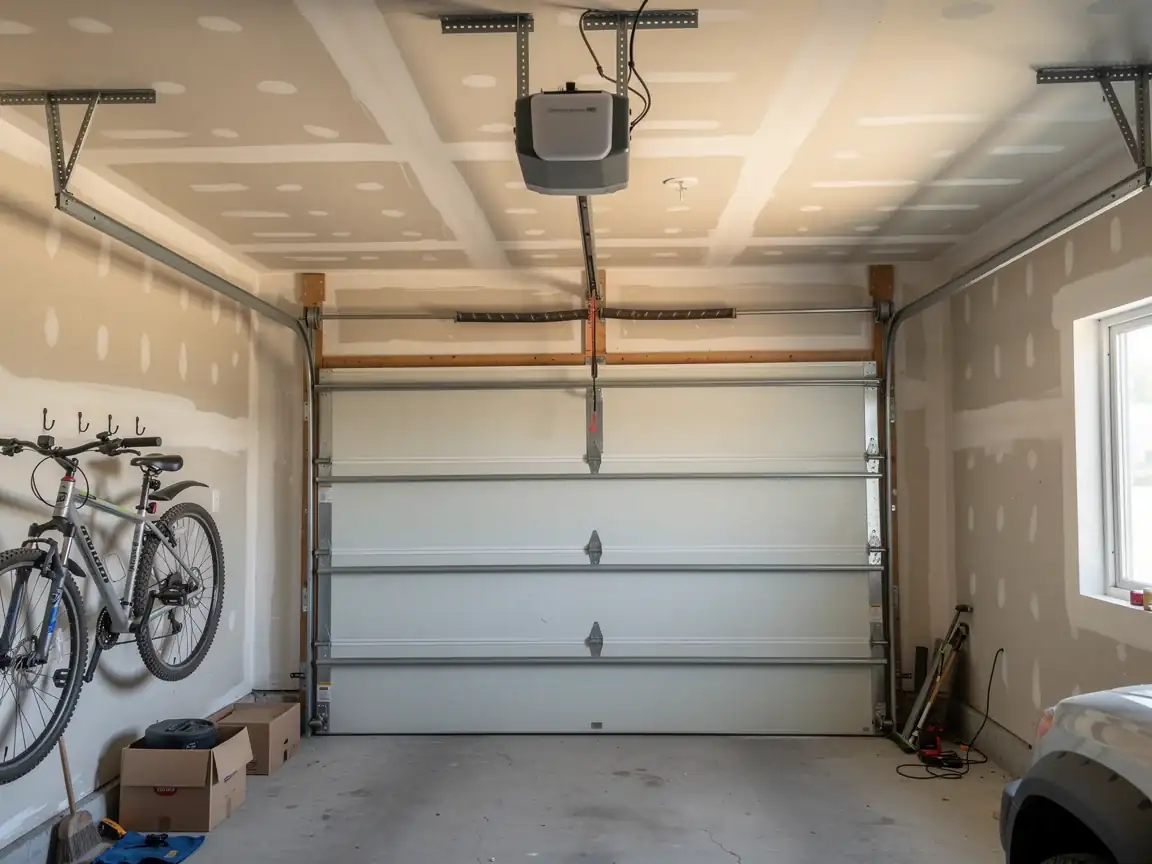
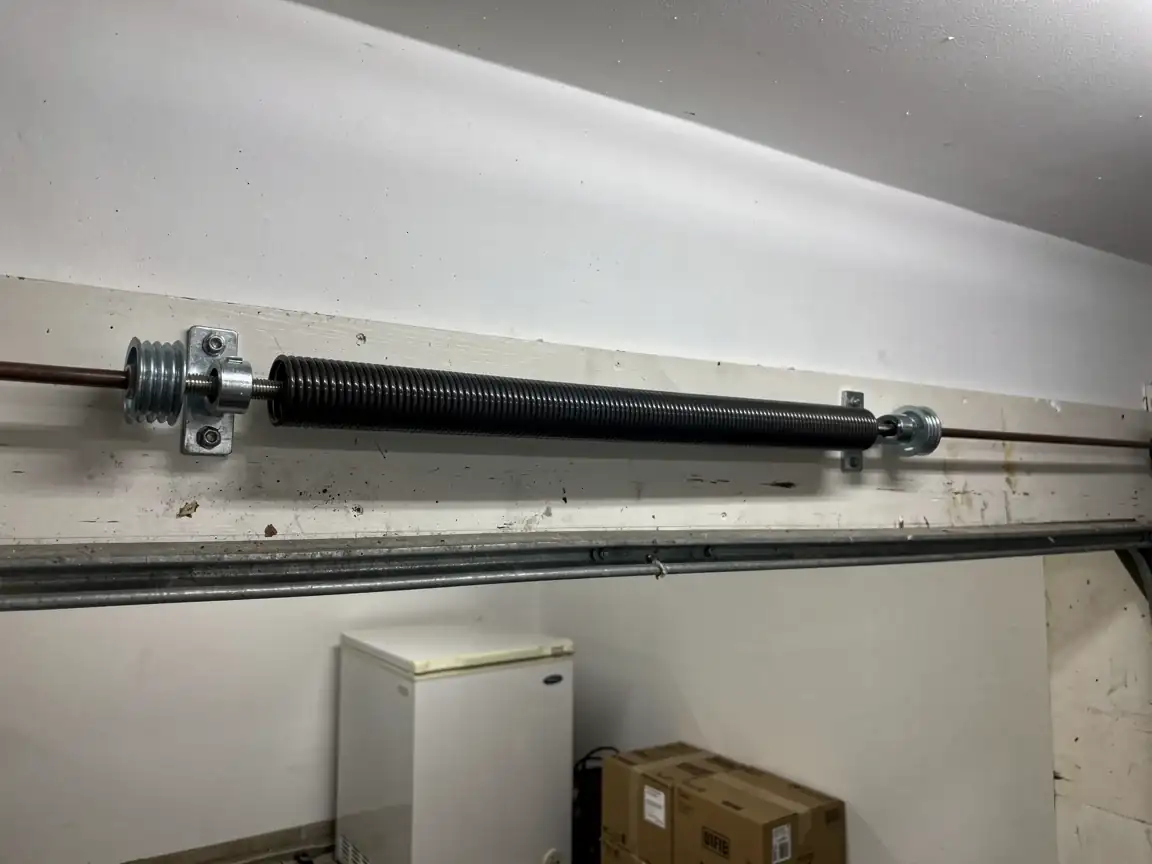
Most of the houses in this part of the service area went up between 1938 and 1985, with the typical build year sitting around 1968, and the heaviest run of construction is the 1960s and 70s wave that covers 58 named towns and villages in this corner of Massachusetts. That matters because the torsion springs, cables, and track hardware on a lot of these garages are either original or close to it - rated for the door weight and steel gauge of that era, not for whatever replacement panel got bolted on sometime in the last decade. Add in a climate band that federal data rates as cold and severe, and you get metal that contracts hard on the first real freeze, cable sheathing that gets brittle, and lubricant that gums up instead of flowing. A spring sized correctly in 1970 is still doing the same job fifty winters later, with fifty winters of fatigue on it. That's why the call that comes in at 6 a.m. in January is rarely a surprise failure - it's the last cycle on a part that was already near the end.
Doing It Yourself
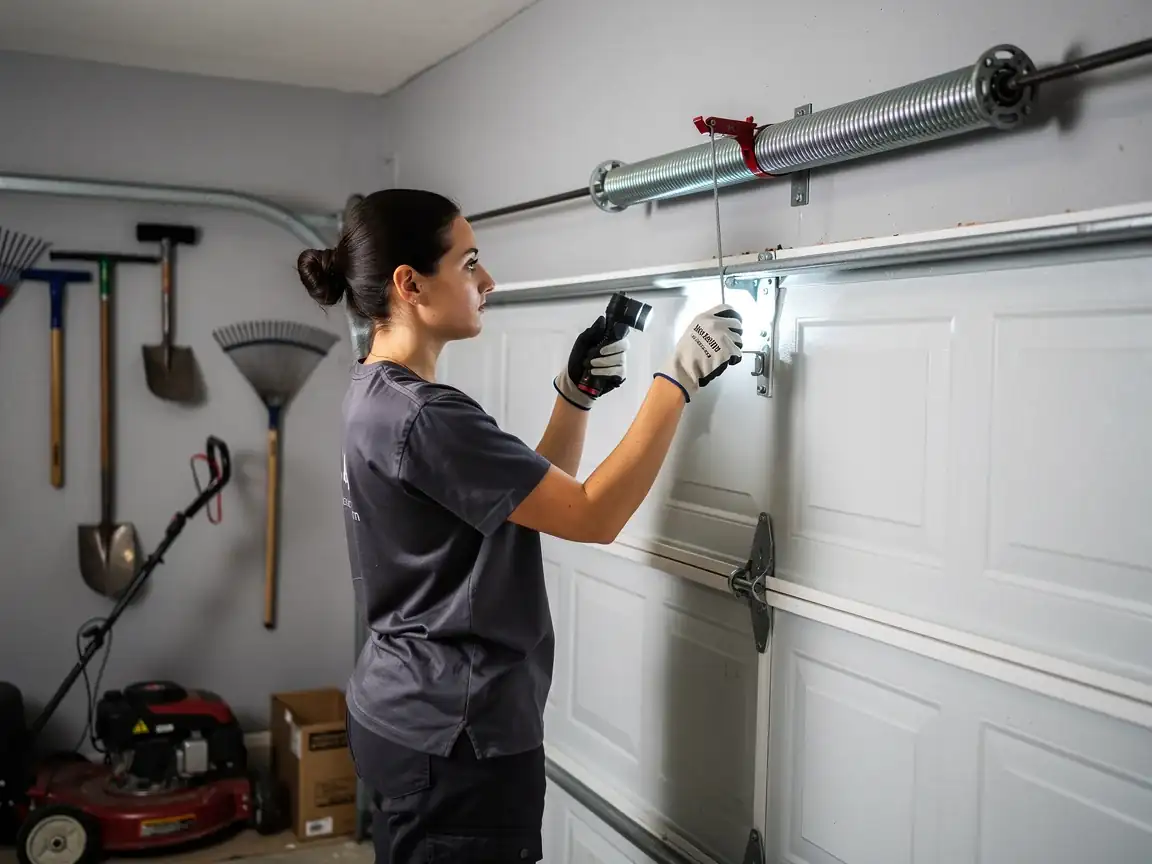
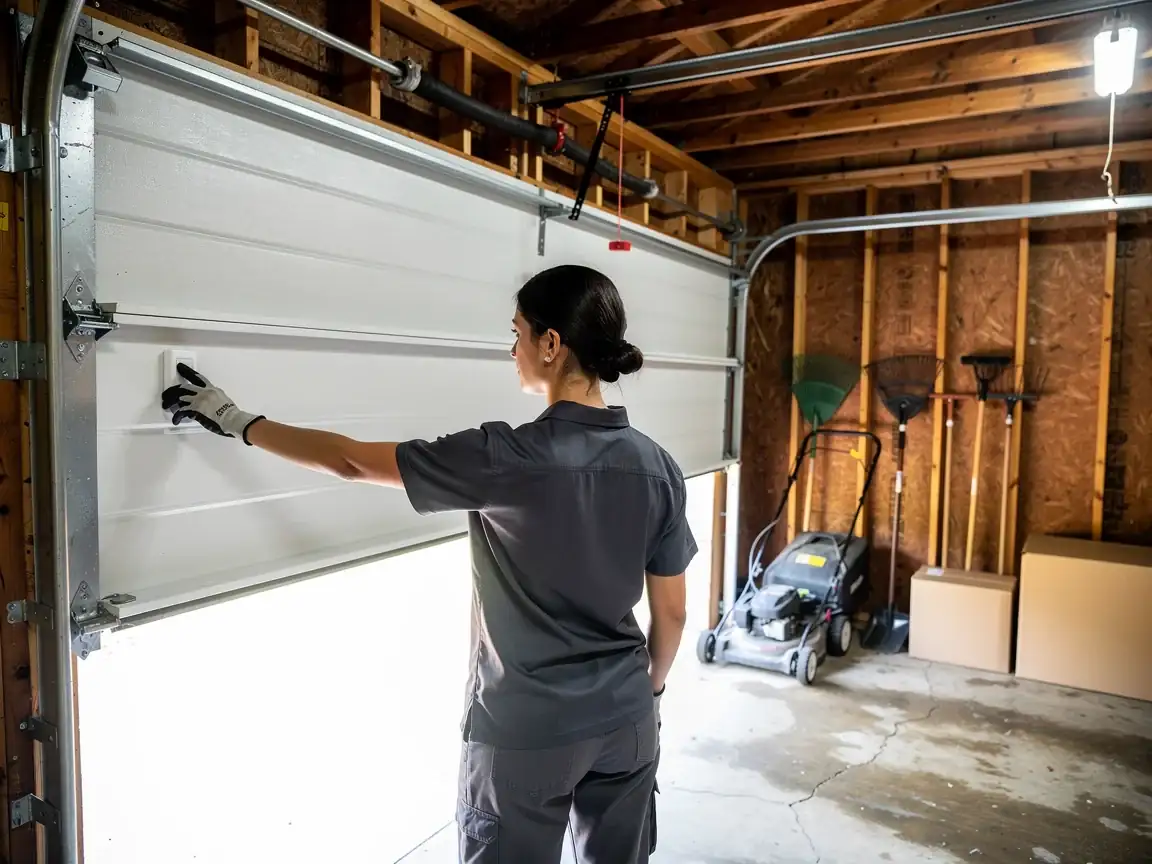
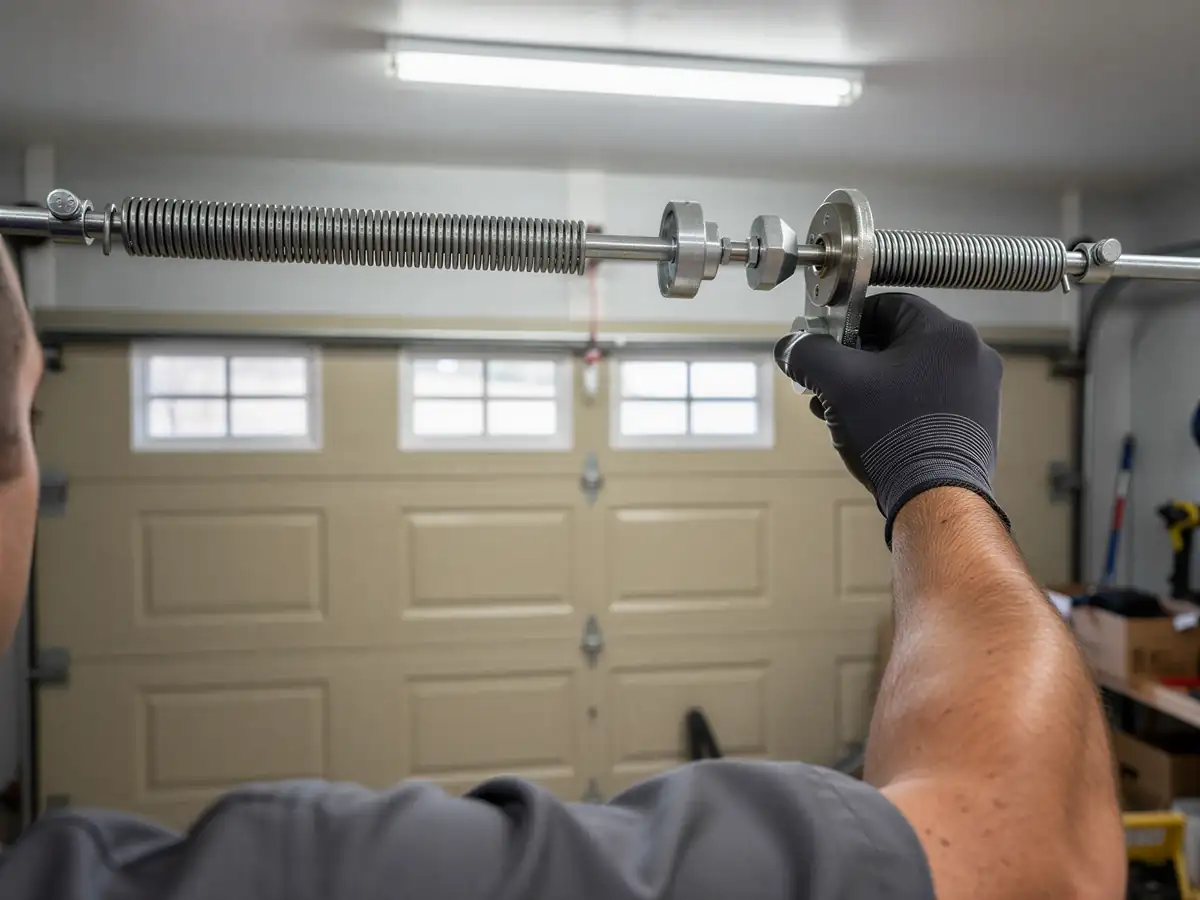
A torsion spring under load can break a hand or worse, and we're not going to pretend otherwise to sell you a service call. If the door is stuck shut, a cable has snapped, or you hear that flat twang from the spring bar, the right move is to leave the door alone, unplug the opener if it's still trying to cycle, and call someone. What you can safely check yourself: the wall switch for the opener, whether the photo-eye sensors are aligned and clean, and whether the manual release cord is caught on something. None of that requires touching a spring or a cable under tension. One honest limitation - if the door is a non-standard size or an older custom panel that this area's older housing stock sometimes has, parts aren't always on the truck and may need to be ordered, which adds a day or two even on an otherwise same-day call. We'll tell you that up front rather than string you along.
How We Fix It
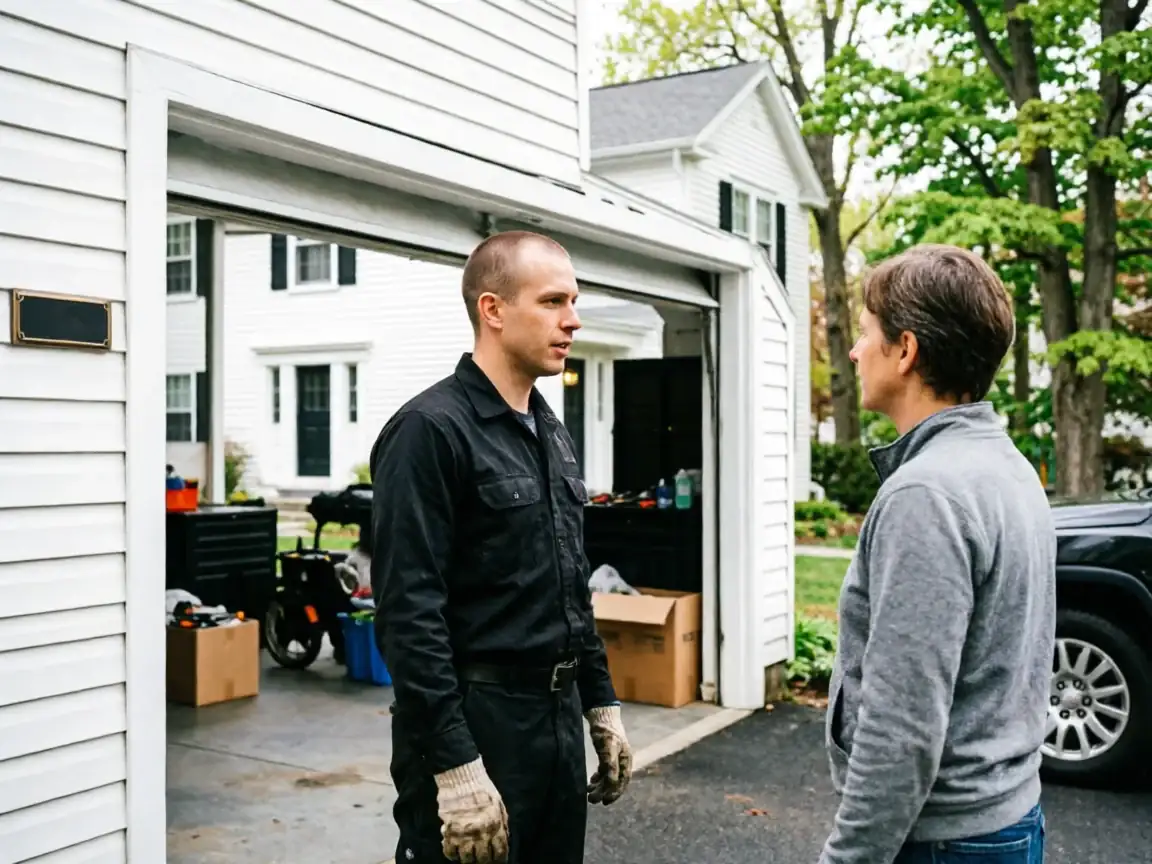
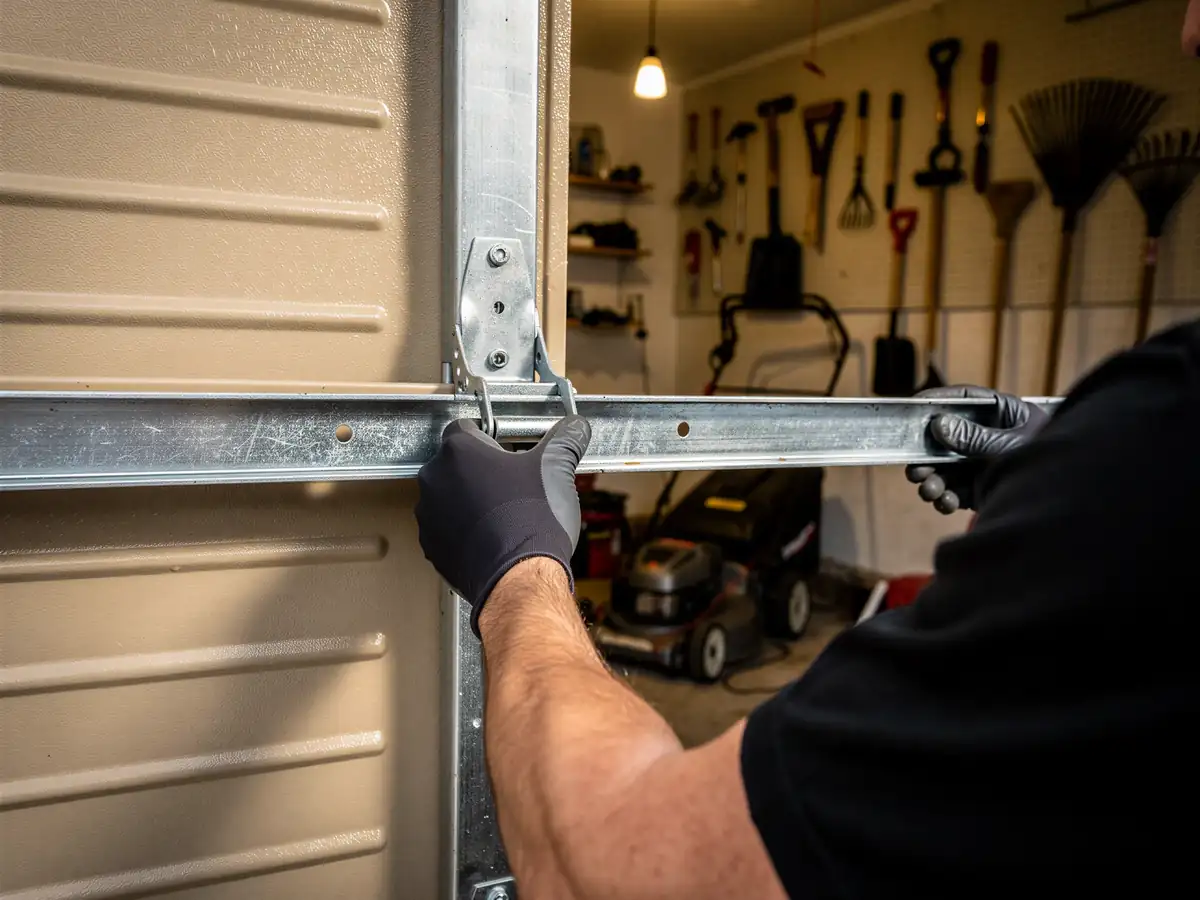
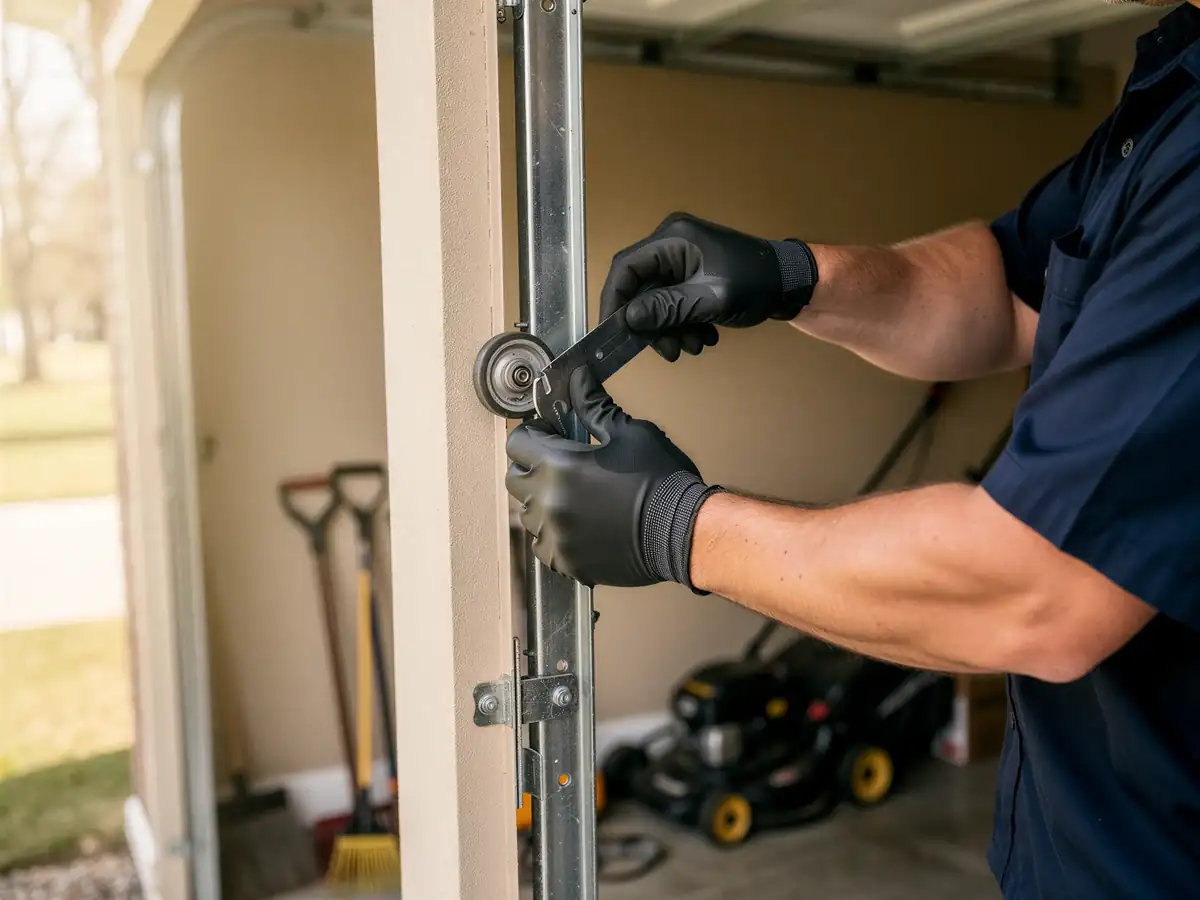
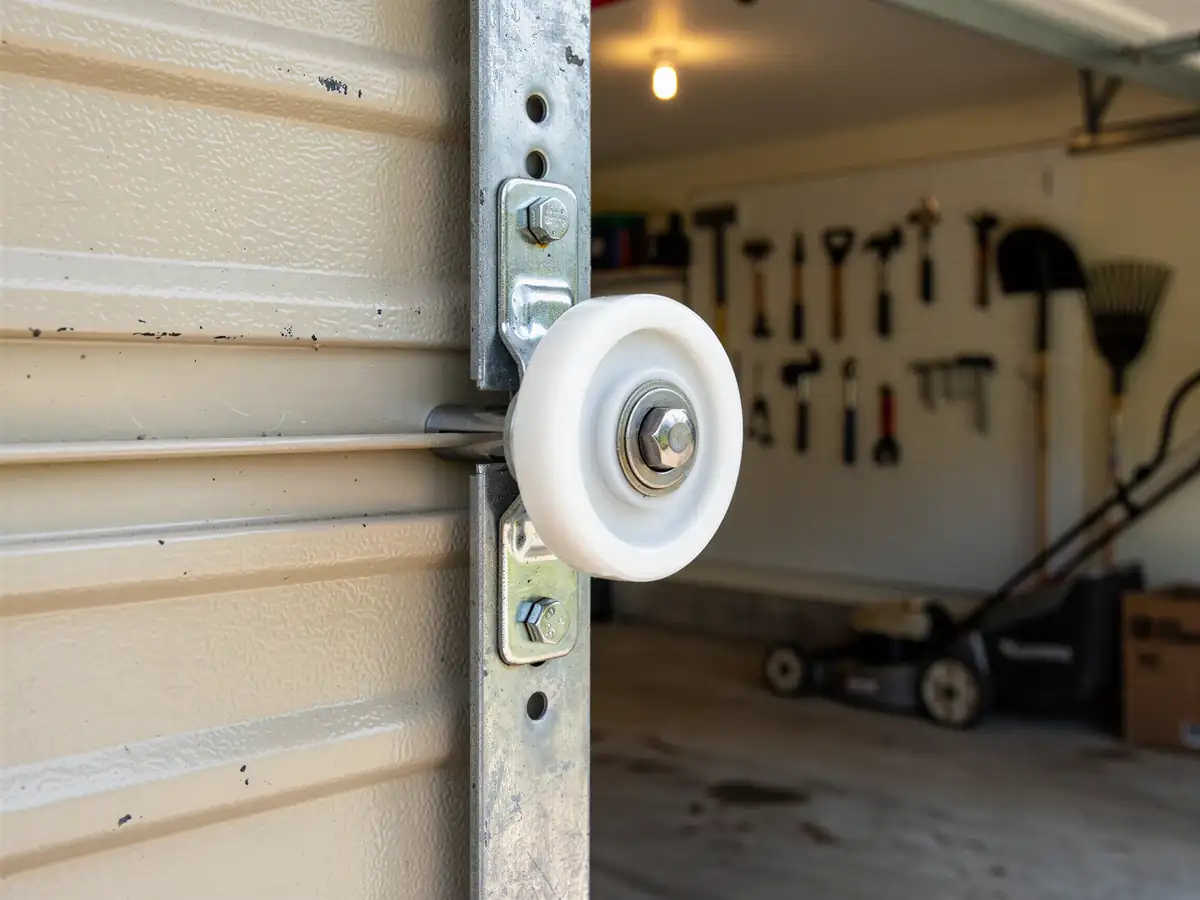
On an emergency call the first job is making the door safe - releasing remaining spring tension, securing the panel if it's off the track, and getting the opener disconnected so nobody gets hurt trying to use it. From there it's a straight repair: matched torsion spring for the door weight, new cable run if the old one frayed, or track realignment if cold-weather contraction pulled it off the wall. This service area runs wide. Wellesley is three miles out, Dedham four, and Westwood four, distances tight enough that an emergency call doesn't sit on a dispatch board all morning. sits six miles east-southeast four miles east, both covered without a half-day wait. Across the roughly 300,673 households and 166,696 owner-occupied houses in this broader area, most of these calls are the same handful of parts failing in the same handful of ways.