What to Check
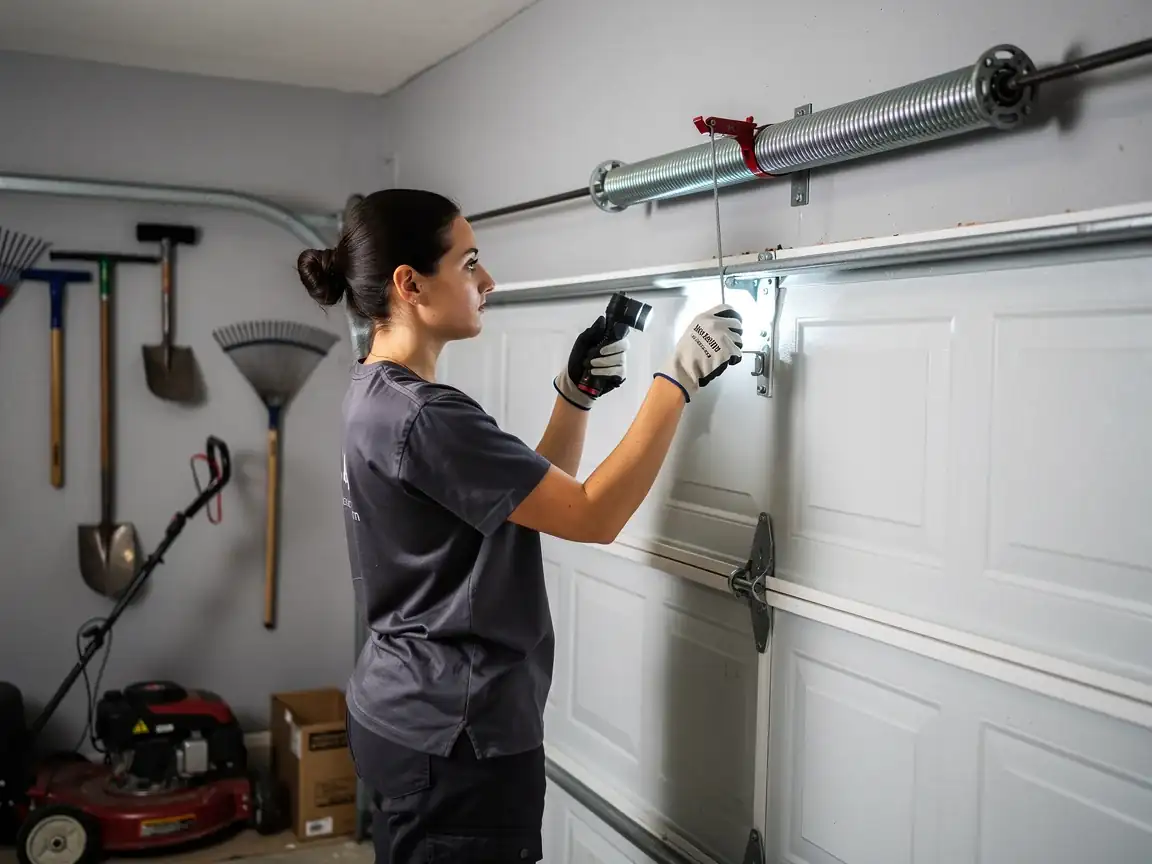
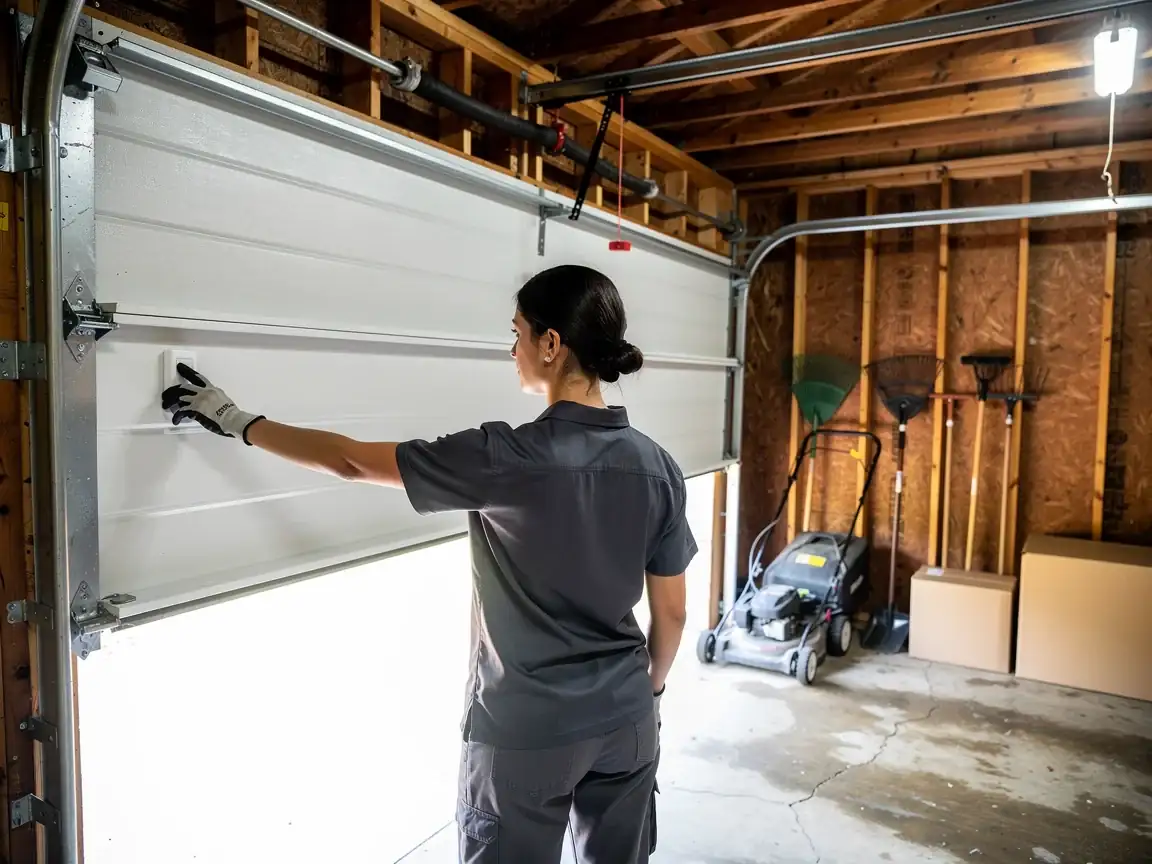
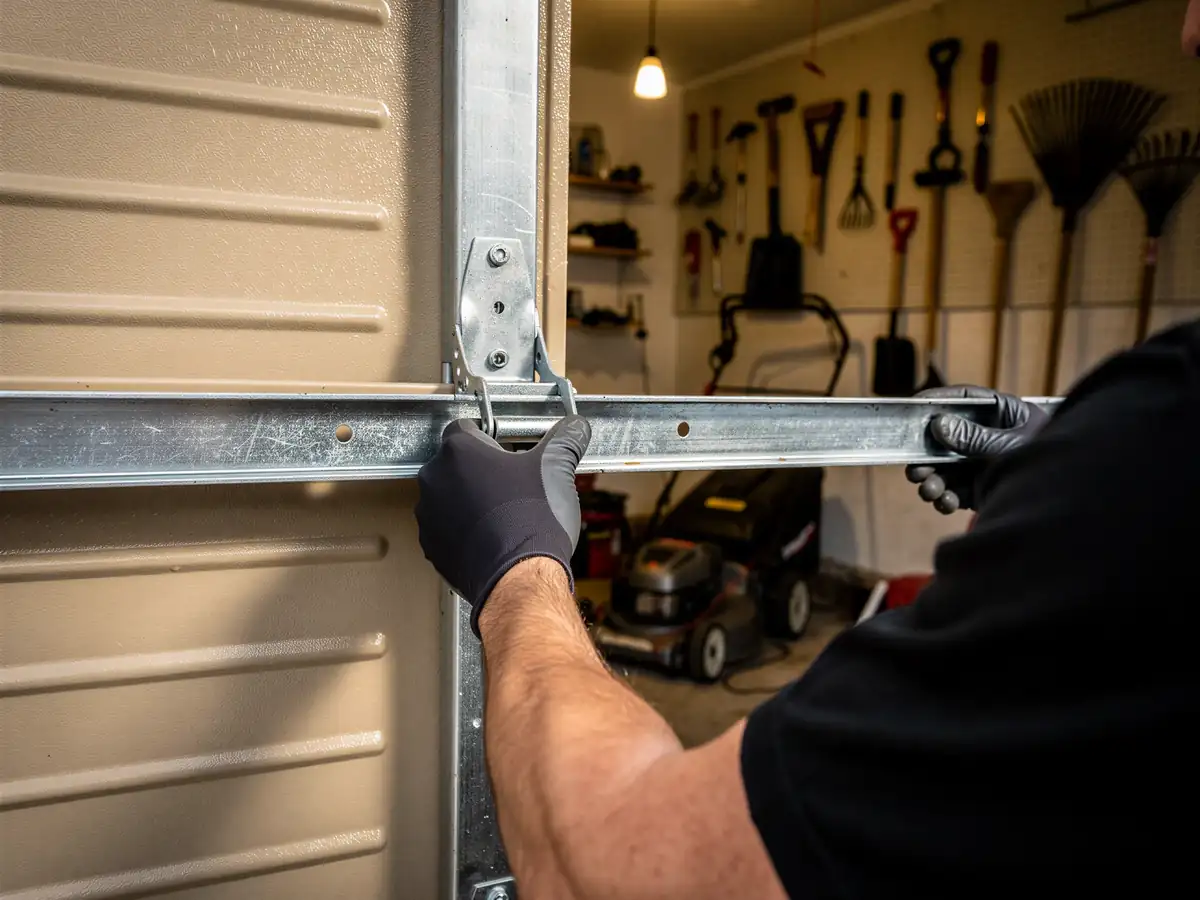
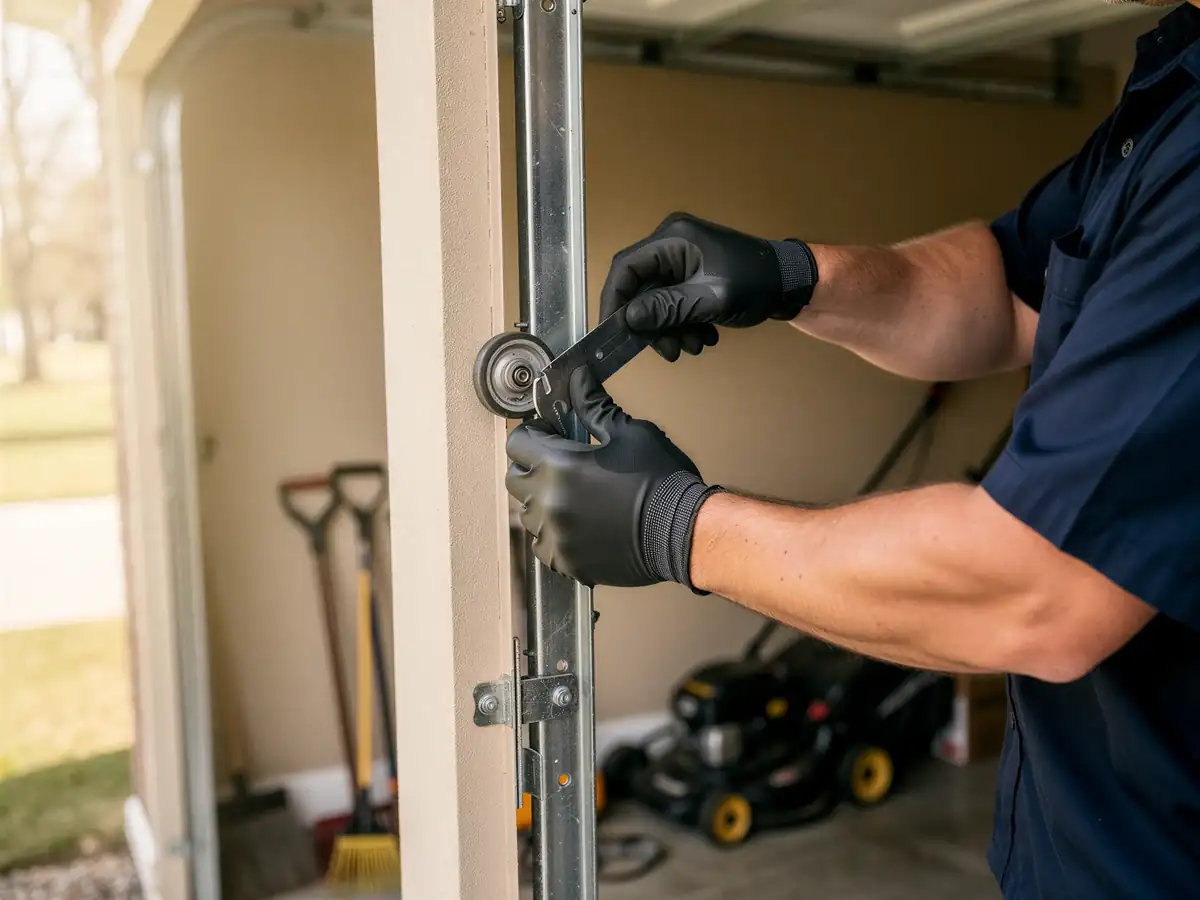
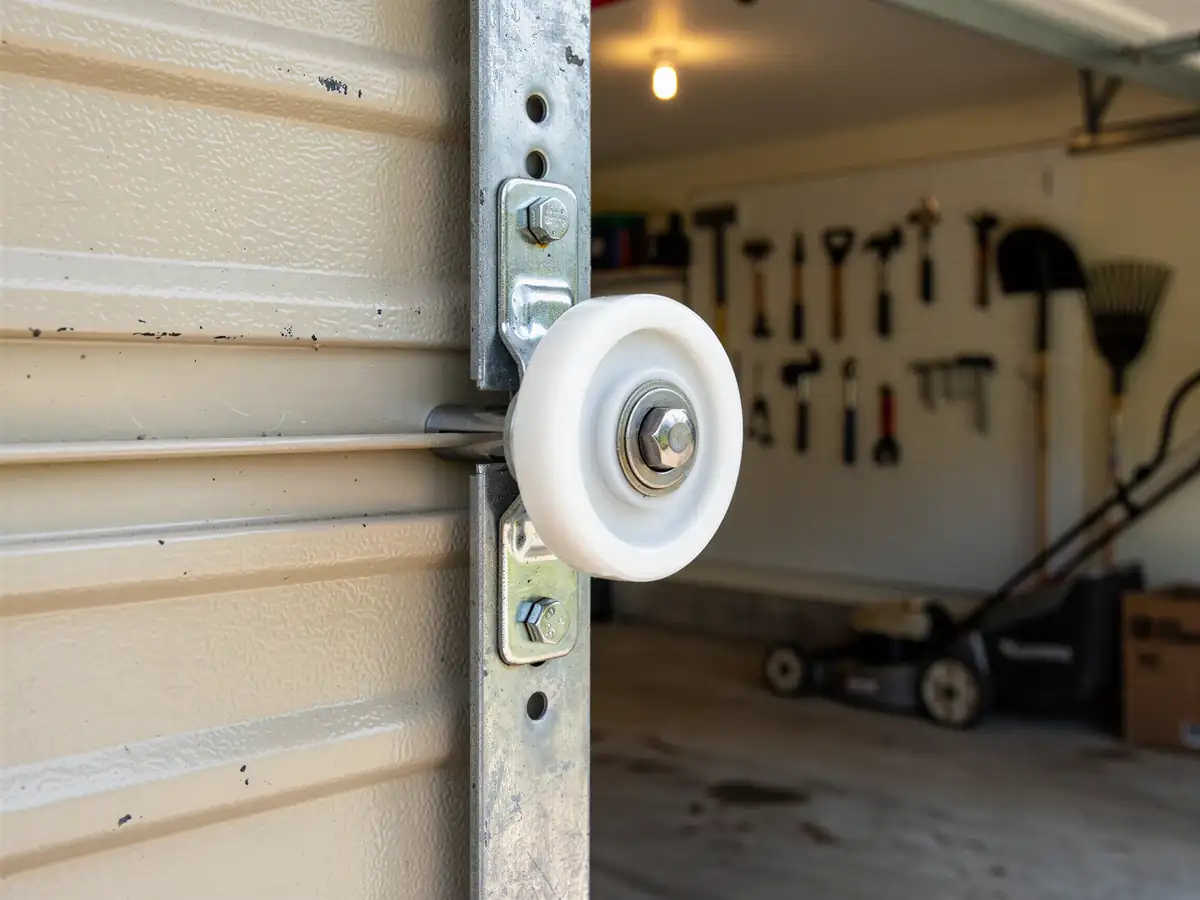
Most houses in Needham went up between 1938 and 1985, with the median build year sitting around 1968. That matters because a door installed on a house from that era is very likely running on its second or third opener but its original track brackets and jamb hardware, since those parts rarely fail outright and rarely get replaced on their own. A grinding sound when the door starts to move usually traces back to a roller that's worn flat on one side, something common on doors that have logged five decades of use on the same track. A rhythmic thunk once or twice per cycle, timed to when a specific panel section passes the opening, often means a hinge pin has worn an oval hole instead of a round one. Check the roller first - pull the door down by hand with the opener disconnected and watch each roller as it travels. If one hesitates or scrapes rather than rolling, that's your noise. Check hinges next by looking for visible play when the door is partway open. A loud bang on close is a different problem and belongs in the next section, not this checklist. Don't lubricate everything and call it fixed - grease on a bent track just masks the sound until the part that's actually failing finally lets go.
When to Get Help
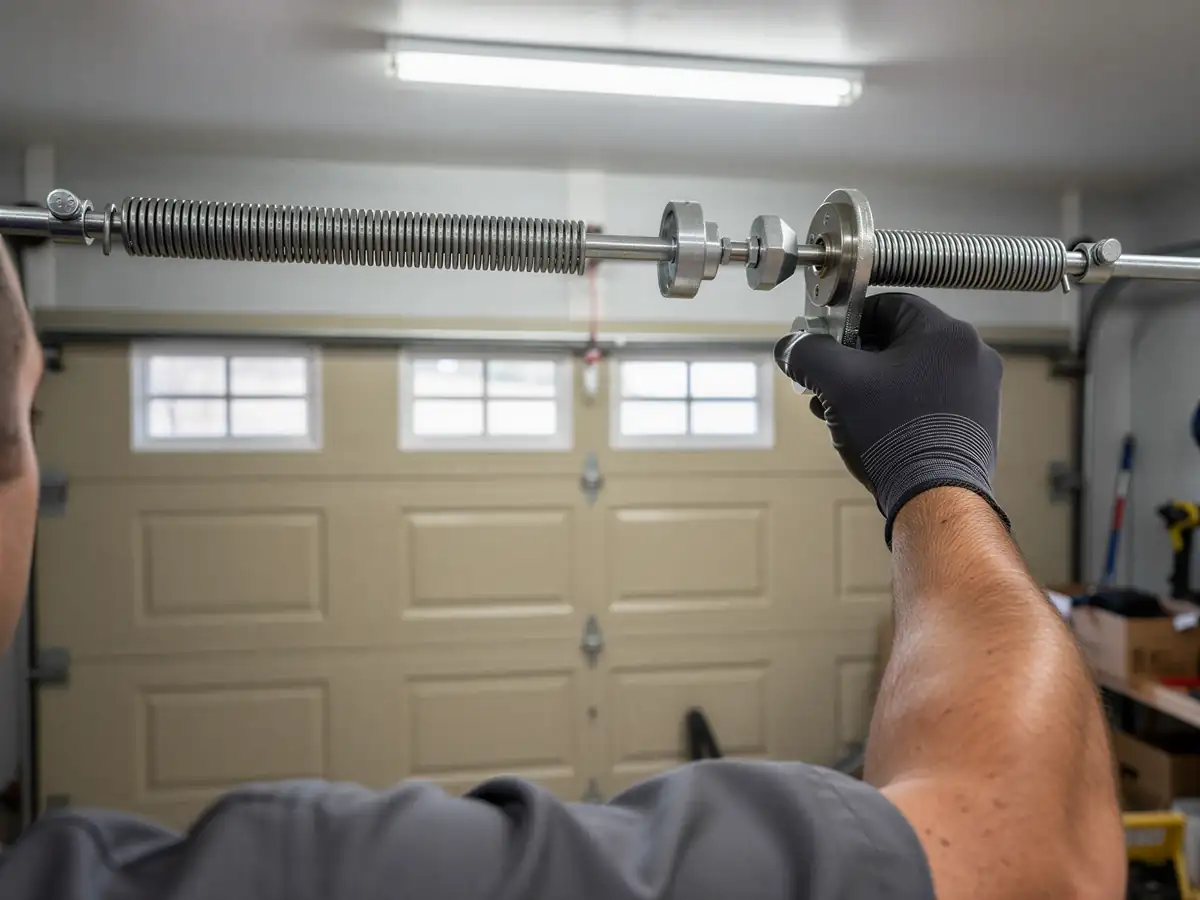
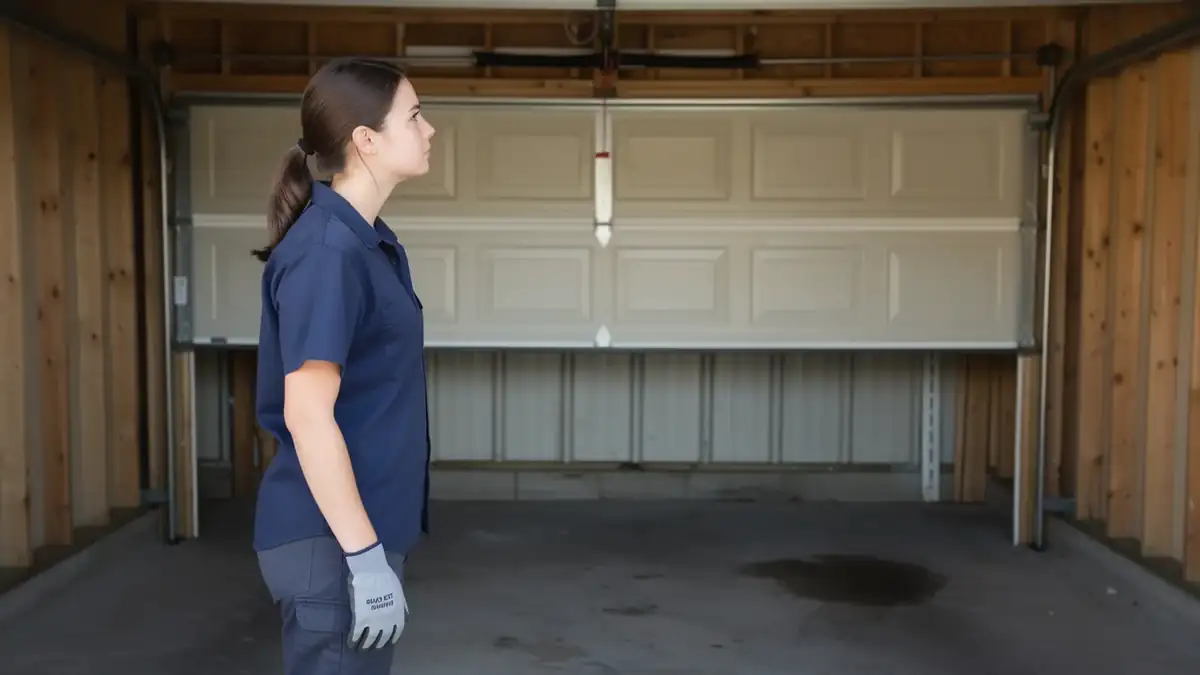
A squeak you can trace to a dry hinge is a weekend fix. A squeal that shows up only on cold mornings and vanishes by afternoon is a spring problem, and that's not a do-it-yourself repair on a torsion system - the spring is under enough tension to cause real injury if it lets go while you're working on it. If the noise is a sharp metallic pop followed by the door refusing to move at all, that's almost certainly a broken spring, and at that point the door shouldn't be opened by the opener motor again until the spring is replaced, because you're asking the motor to lift the full weight of the door alone. A grinding sound that gets louder over a few weeks, rather than staying constant, usually means a bearing or roller is failing rather than just dry, and waiting on that one tends to turn a $40 part into a cable or track replacement. One honest limit here: if the door is original to a house built in the 1960s or earlier, some of that hardware is no longer made, and a repair sometimes means replacing a bracket assembly rather than one part, which costs more and takes longer to source than homeowners expect.
The Problem
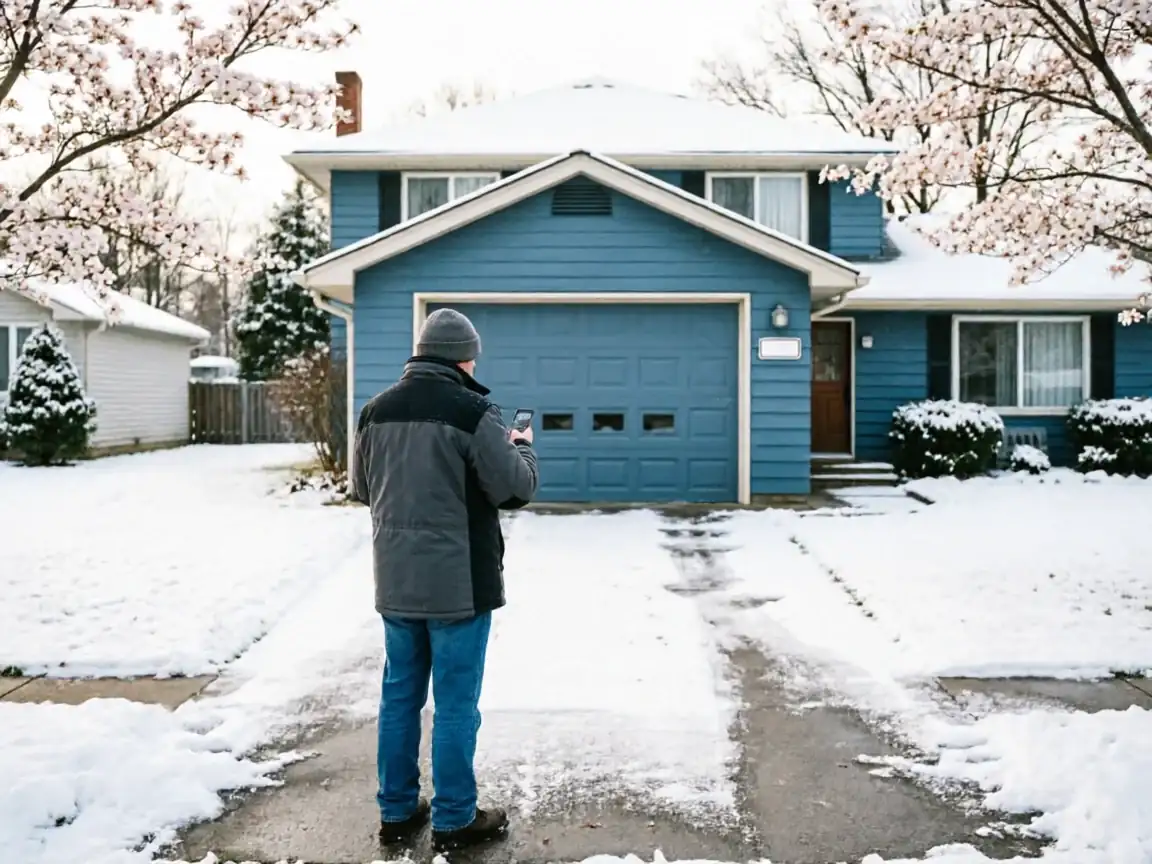
The real problem with garage door noise in a town like Needham is timing. With a median household income over $154,000 and housing built mostly in the 1960s and 70s, most owners here can afford to fix things properly rather than patch them, but a lot of people wait anyway because the door still opens. A noise is the door telling you something's wearing out before it fails completely - the spring hasn't broken yet, the roller hasn't jumped the track yet, the opener hasn't burned out trying to lift a door that's out of balance. Ignore it through one more freeze-thaw cycle and the part that's making noise now is often the part you're replacing in an emergency call six weeks from now, at a worse time and a higher cost than if you'd had it looked at when you first noticed the sound. We're not going to tell you every noise needs a service call - a lot of them are a ten-minute fix with a can of the right lubricant. But a noise that's new, getting worse, or showing up only in the cold is worth a look before it decides the schedule for you.