What to Check
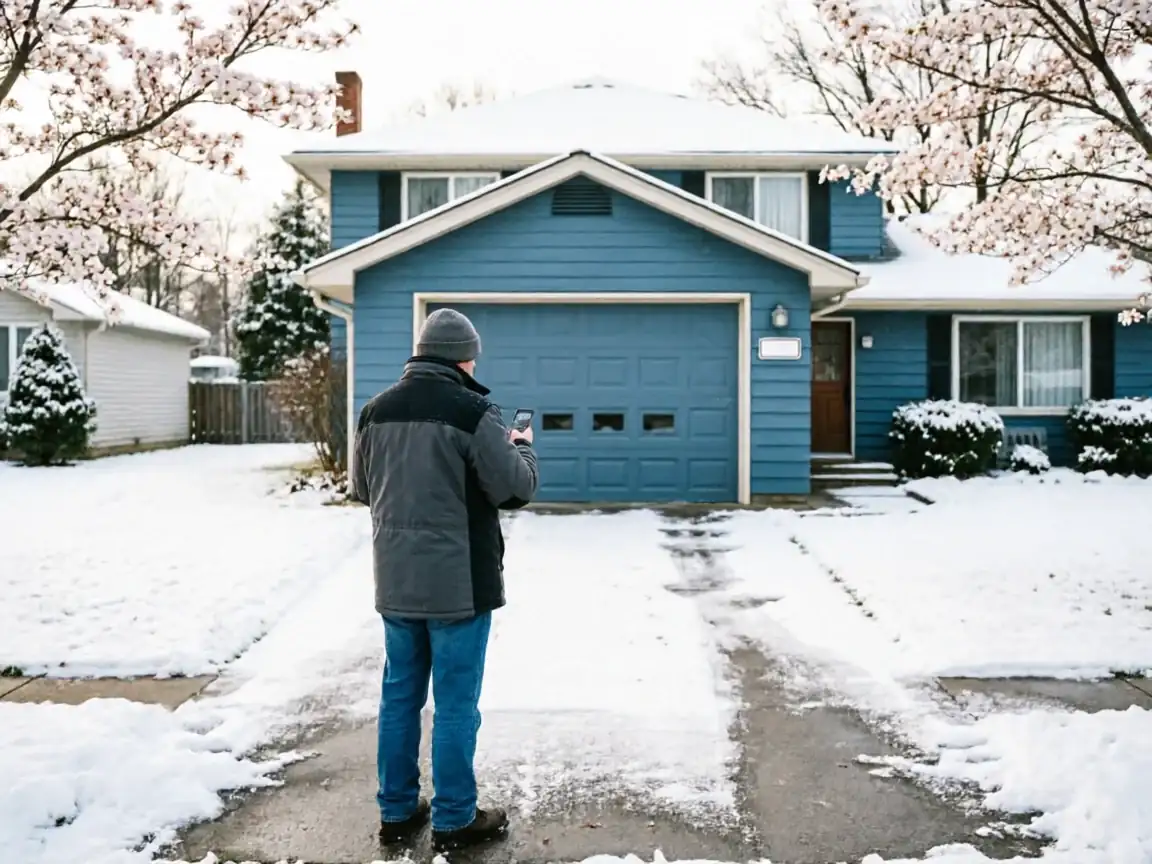
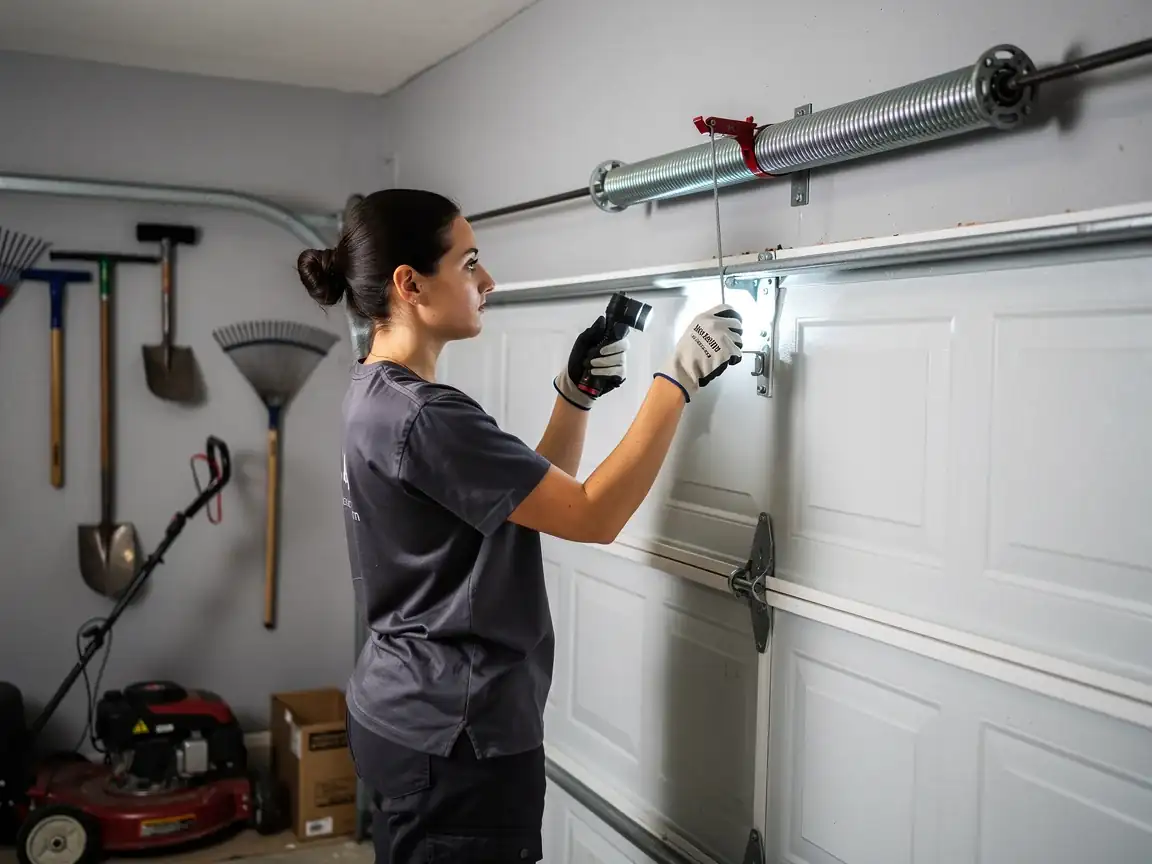
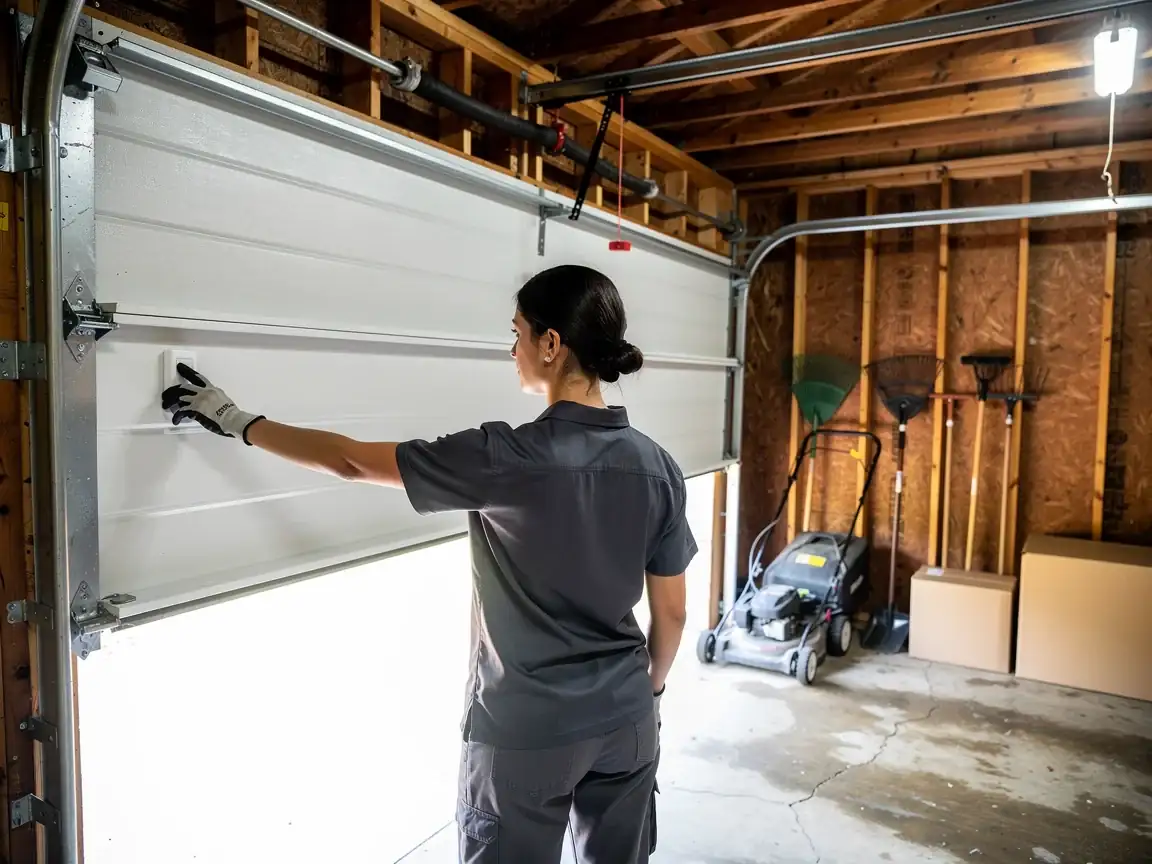
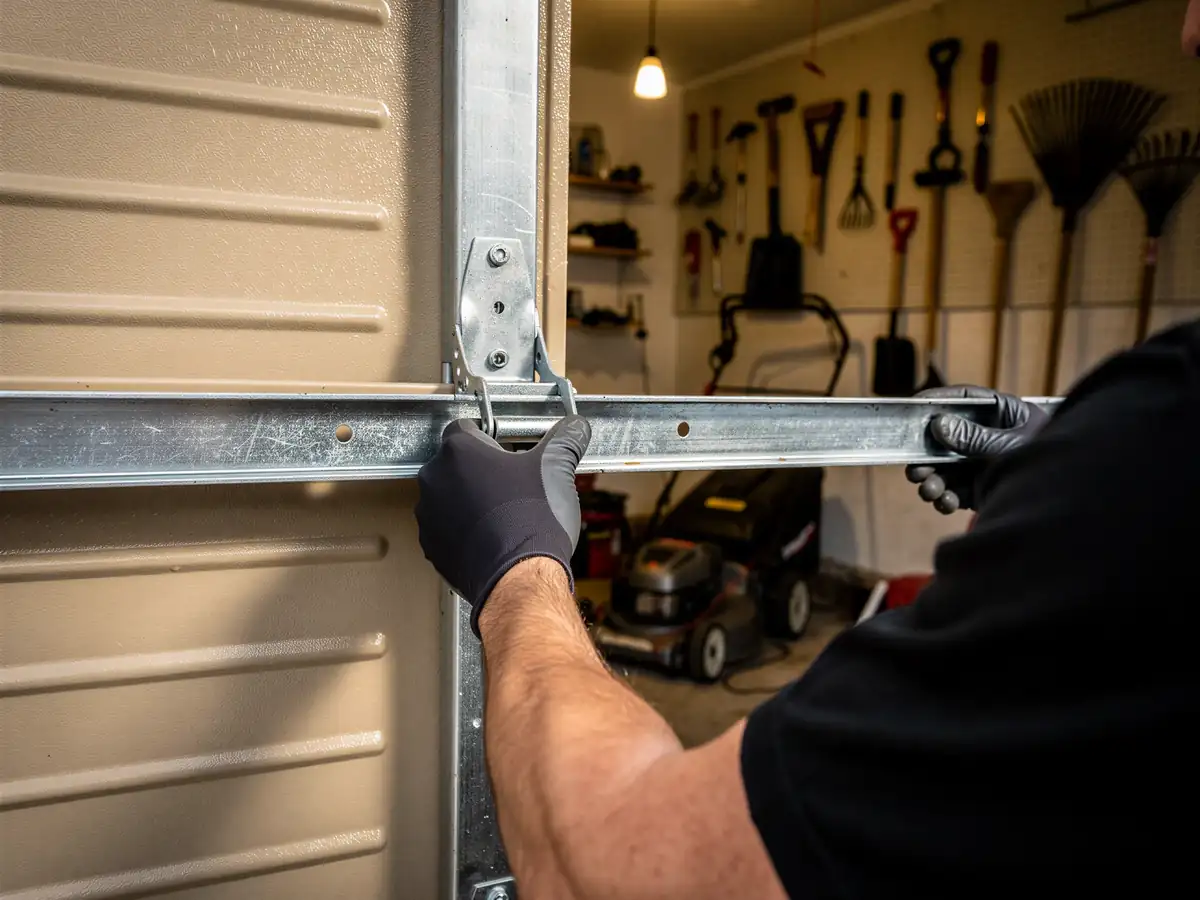
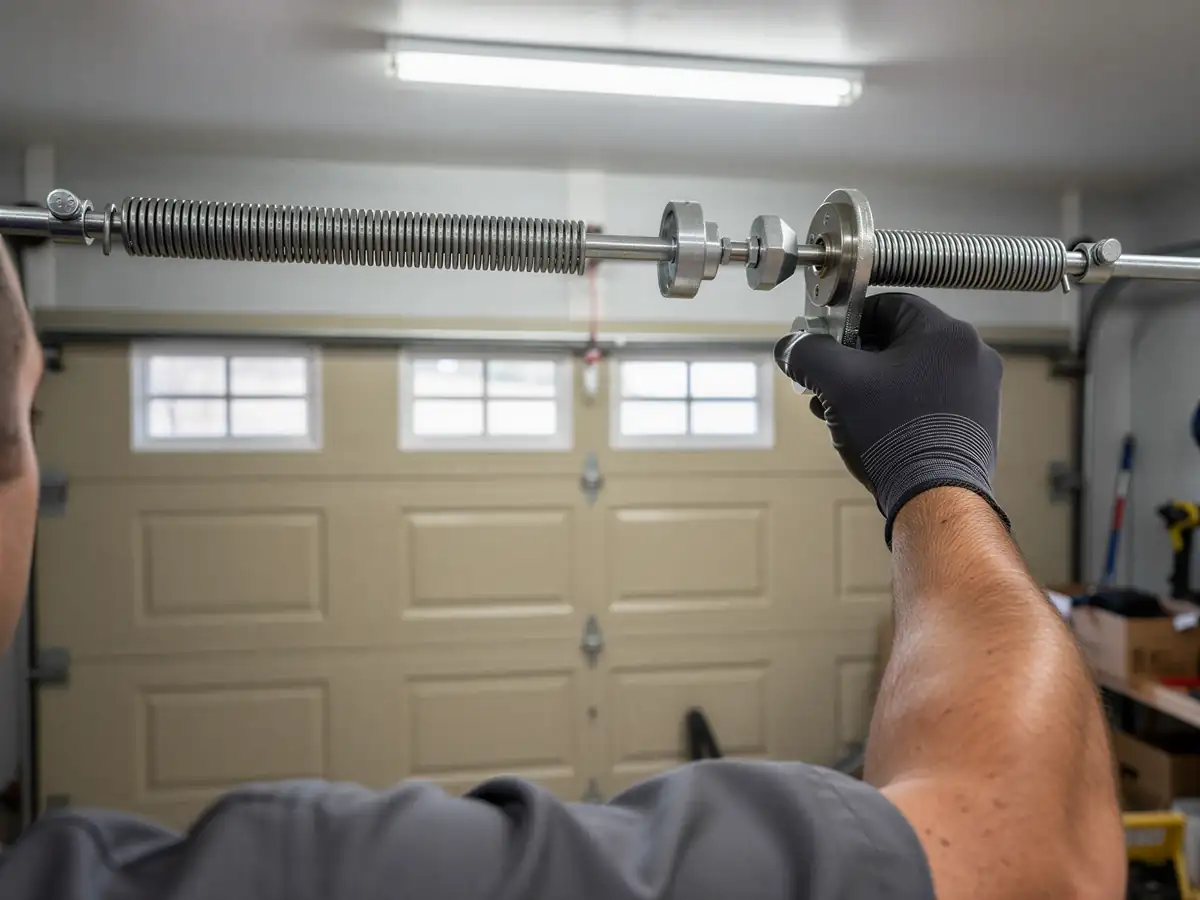
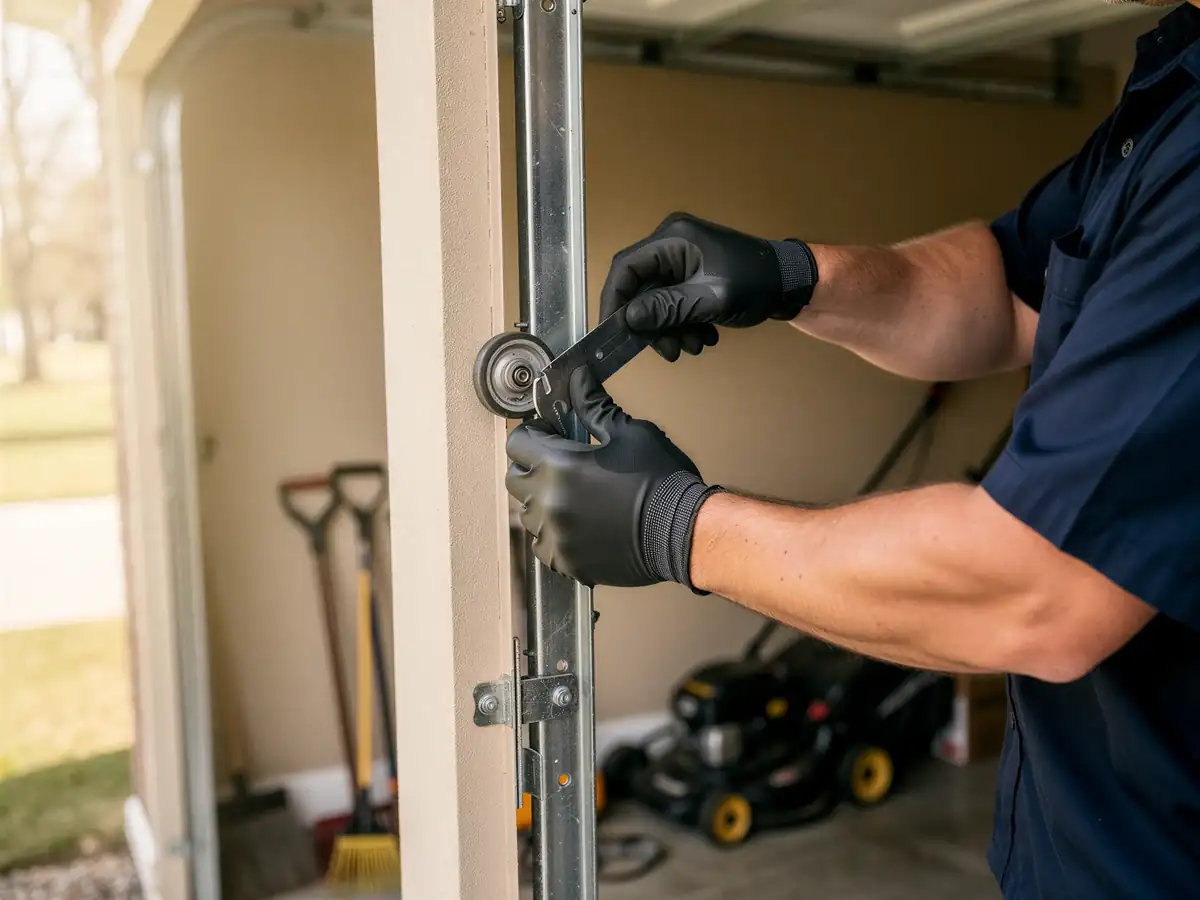
Start with the year the house went up, not the year you think the door went up. A lot of Needham houses date from 1938 to 1985, with the median landing around 1968, and most doors still on those houses are either original or a single replacement from decades back. Pull the panel open by hand with the opener disconnected. If it's heavy, uneven, or drops the last foot on its own, the springs are tired or mismatched to the door's weight. Look at the bottom panel for rust-through along the seam - on a door that old, in this part of the state, that's usually where water sat the longest. Check the track for bends, not just rust. A torsion spring system installed when the house was built was sized for the door it came with. If a prior owner swapped the door without resizing the spring, you'll feel it fight you. None of this takes long, and it tells you more than the door's age alone. An old door that's straight, tight, and running on good rollers is often worth keeping. One that's bowed, rusted at the bottom, and hanging off bent track usually isn't, no matter how it looks from the driveway.
When to Get Help
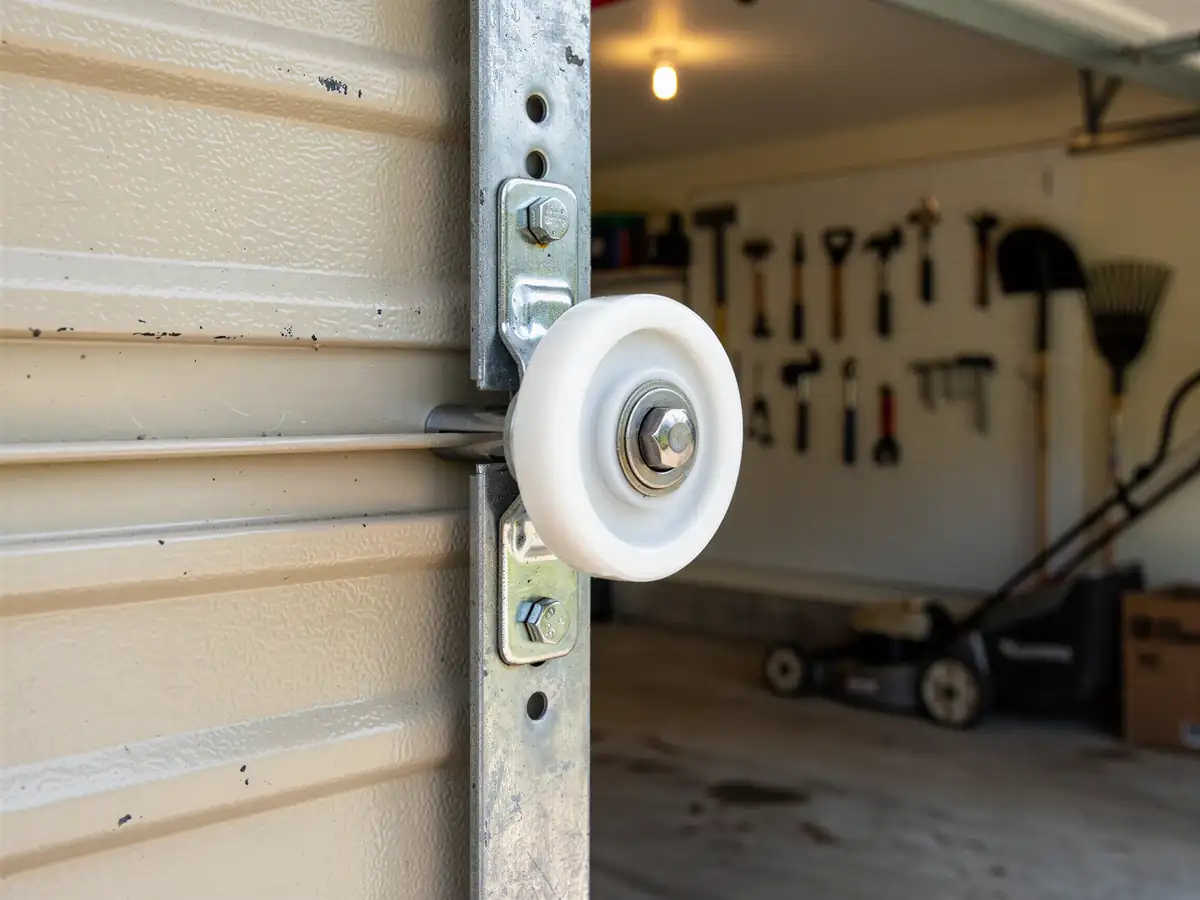
Call before the door fails all the way, not after. A spring that's visibly stretched, a cable fraying at the drum, or a panel that's started to separate at the seam - those are jobs where waiting costs you a second repair on top of the first. If the house is from the 1960s or 70s stretch that makes up most of this area's stock, the hardware underneath the door is often original too, and original torsion hardware on a 50-plus-year-old house isn't something we stock off the truck in every size. That's a real limitation: parts for some older setups take longer to source than a same-day repair on a newer door. If your door is making a grinding noise on one side only, that's usually a roller or a bent track section, and it's worth a look before it jumps the track entirely. If the opener is straining and reversing on its own, don't keep running it - that's the motor telling you the door is heavier than it should lift, which points back to the springs.
The Problem
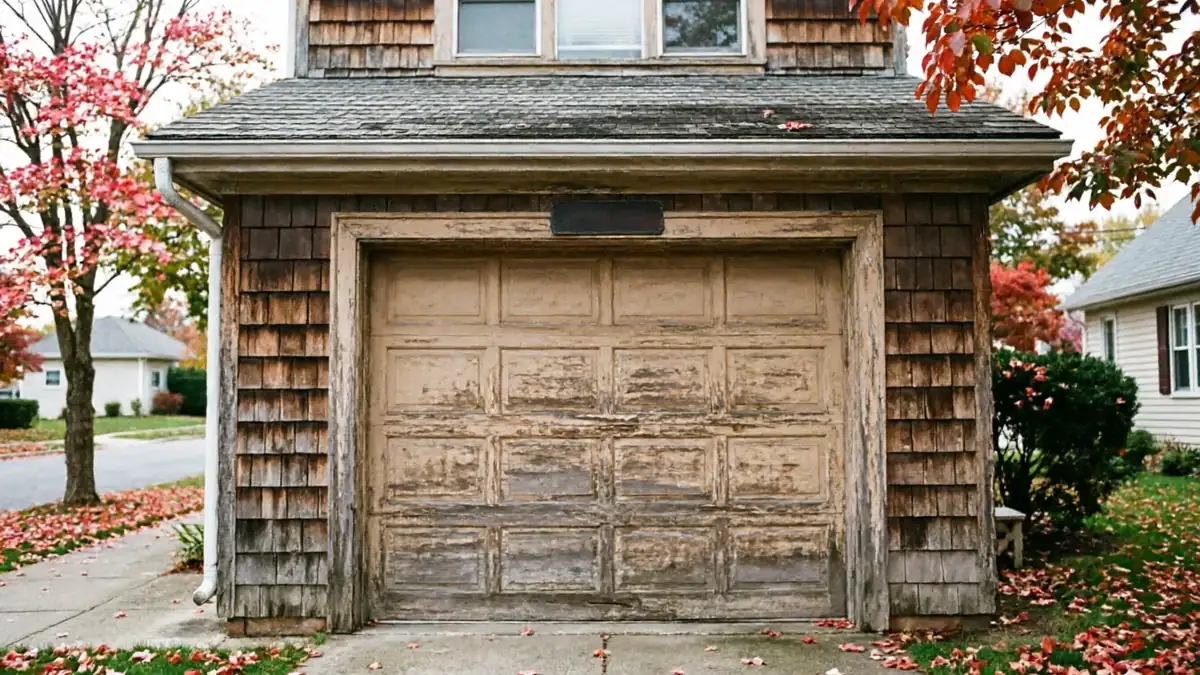
The real problem with an old door in this town isn't usually the door itself - it's what's attached to it. A door installed when a house in this area was built in the 1960s or 70s was never engineered with an automatic opener in mind; openers got added later, often onto track and hardware that wasn't sized for the extra stress. That's frequently where the money goes on an "old door" job - not the panel, but the opener mount, the track alignment, and a spring that's been quietly overworking for years. With median household income in this service area running around $154,011, a lot of homeowners here can reasonably choose full replacement over patching, and for a door with rust through the bottom panel and hardware this old, that's often the better call. But not always. A door that's structurally sound with worn rollers and a tired spring is a cheaper, faster fix, and there's no reason to replace sound steel just because it's old.