Serving Needham, MA & nearby
(781) 201-6677
Needham, MA

What Homeowners in Needham Need to Know About Older Garage Doors

Most Needham garage doors date to the 1938-1985 building boom, before modern insulation codes. Here's what that means for maintenance in our cold climate.

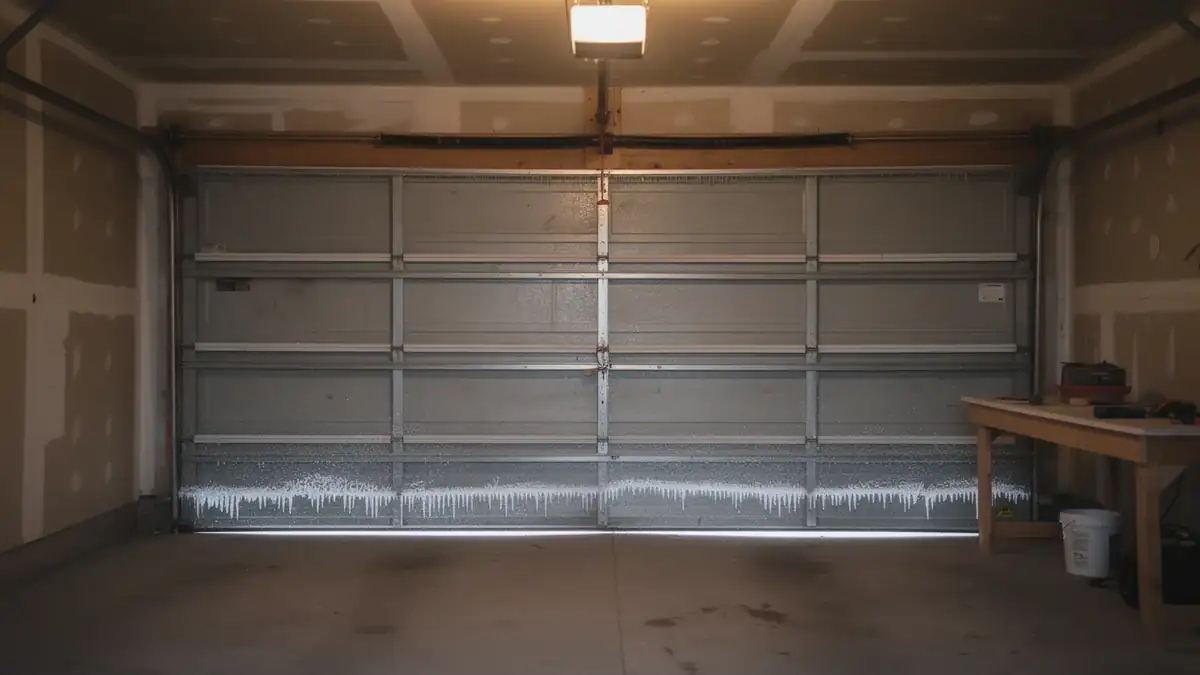
A closed garage door with icicles on the bottom.

What to Check

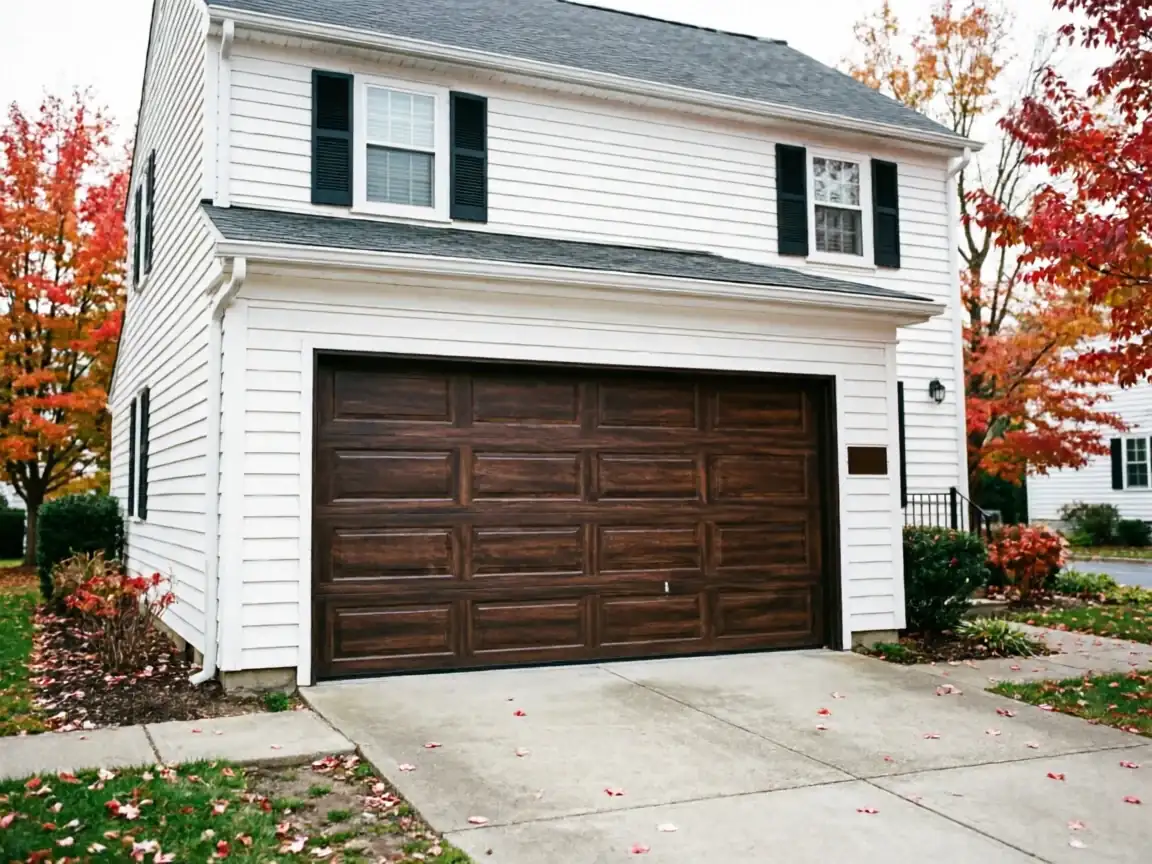
Needham's housing mostly went up in one long stretch, 1938 through 1985, with the median house on a given street dating to about 1968. That matters more than most people think when it comes to the garage door. A door from that era, or a door that's a direct replacement sized to that era's rough opening, was built before manufacturers standardized a thermal break between the inner and outer steel skins. So start by looking at the panel itself: is it a single layer of steel with no visible foam or vinyl backing? Run a hand along the inside face in winter - if it's cold to the touch all the way through, there's no insulation layer doing any work. Check the weatherstripping at the bottom and sides too; on doors this old it's usually the original rubber, cracked and flattened rather than sealing. Look at the springs and hardware. Side-mounted torsion setups and older extension spring systems were common on houses built through the 60s and 70s, and parts for them are getting harder to source. None of this means the door is broken. It means the door was built for a different set of expectations than what's sold today.

When to Get Help

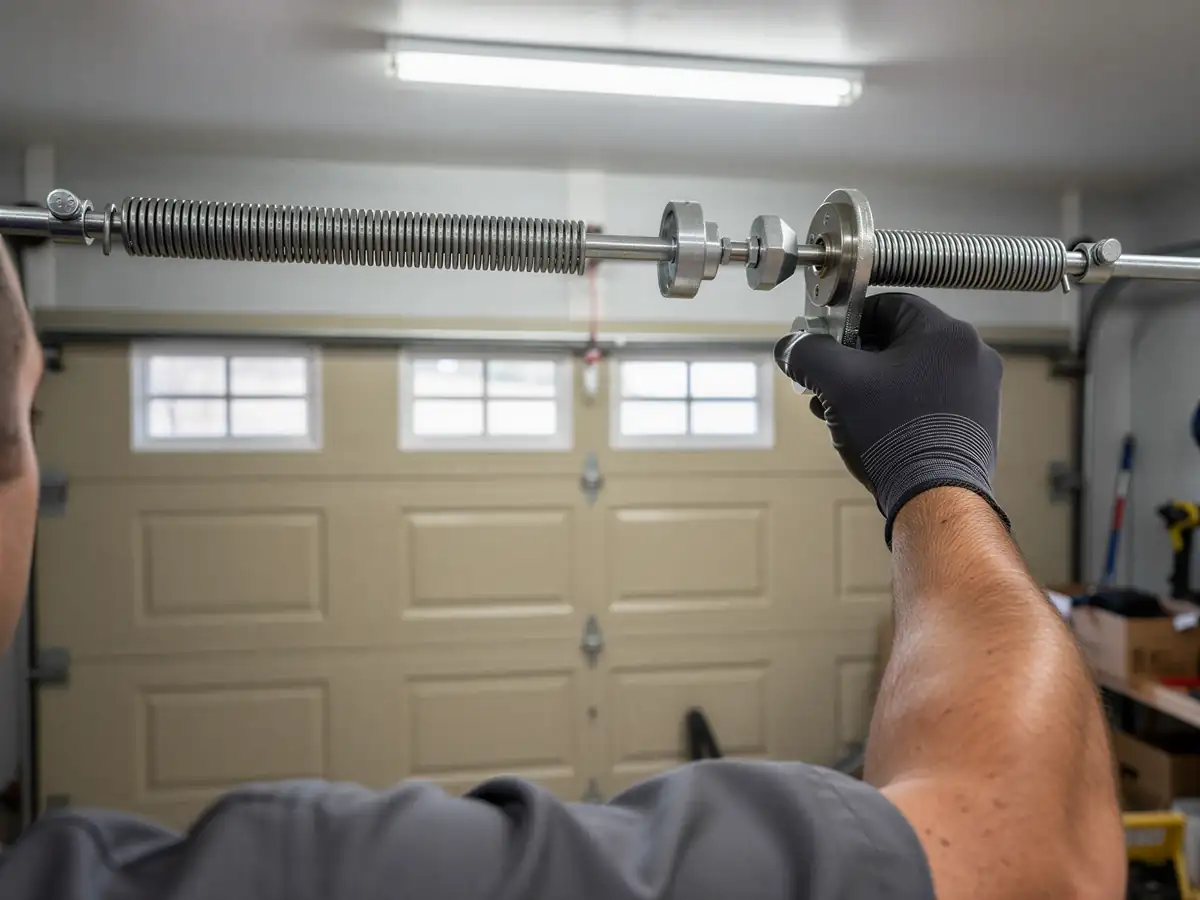
Call before small things become a weekend without a working door. If a panel on a pre-1985 door is delaminating - the steel skin separating from whatever backing it has, or just bowing under its own weight - that's not something to tape over. Springs on houses from this build era are often sized to the original door weight, and if a previous owner swapped in a heavier replacement door without resizing the spring, you'll feel it as the opener straining or the door reversing partway up. Get a torsion spring checked by someone who can test the cycle count rather than guess at it. Here's the honest limit: if the door is an original 1960s or 70s one-piece panel and the track hardware is original side-mount, we often can't just replace a single part, because that exact part hasn't been manufactured in decades. At that point patching isn't really a repair, it's a stall, and a full door swap ends up costing less over time than chasing parts for a design nobody makes anymore.

What the Weather Here Does to It

The climate here rates as cold to severe, and that works against an older, uninsulated door in a specific way. Steel contracts in deep cold, and on a single-skin panel with no insulating layer to buffer the temperature swing, that contraction happens fast and happens at the fasteners first. Hinges and track brackets that have been loosening gradually for years will suddenly rattle loose on the first hard cold snap. Torsion springs stiffen in low temperatures too - the steel's temper changes slightly, and a spring that was already near the end of its cycle life is more likely to snap on a cold morning than a warm afternoon. Lubricant thickens as well, which is why rollers that moved quietly in August start grinding in January. There's also a moisture problem specific to uninsulated panels in this kind of cold: warm garage air hits the cold steel skin and condenses, and over years that moisture works into any seam or rust spot on the original hardware. None of this is dramatic on its own, but on a door built decades before anyone designed for this climate's winter swing, it adds up faster than owners expect.

The Problem

Put the two things together and you get the actual issue: houses here were mostly built between 1938 and 1985, median around 1968, which means most garage doors in town are either original to that era or direct replacements matched to openings sized for it - built before insulation rules existed for this kind of door. Layer a cold, severe climate on top of that and you get a predictable failure pattern rather than a random one. Heat loss through a single steel skin, hardware that loosens on contraction cycles, springs rated for an older door weight stiffening and failing in cold snaps, and moisture working into seams that were never sealed against condensation. It's not that these doors were built badly. They were built to a standard that existed before insulated doors were common, for a climate that hadn't yet pushed manufacturers toward thermal breaks as the default. The fix isn't always full replacement - some of this is maintenance you can stay ahead of - but on a door this old, in this climate, deferred maintenance compounds faster than it would somewhere milder.
How it works

From “it’s stuck” to “it’s fixed”

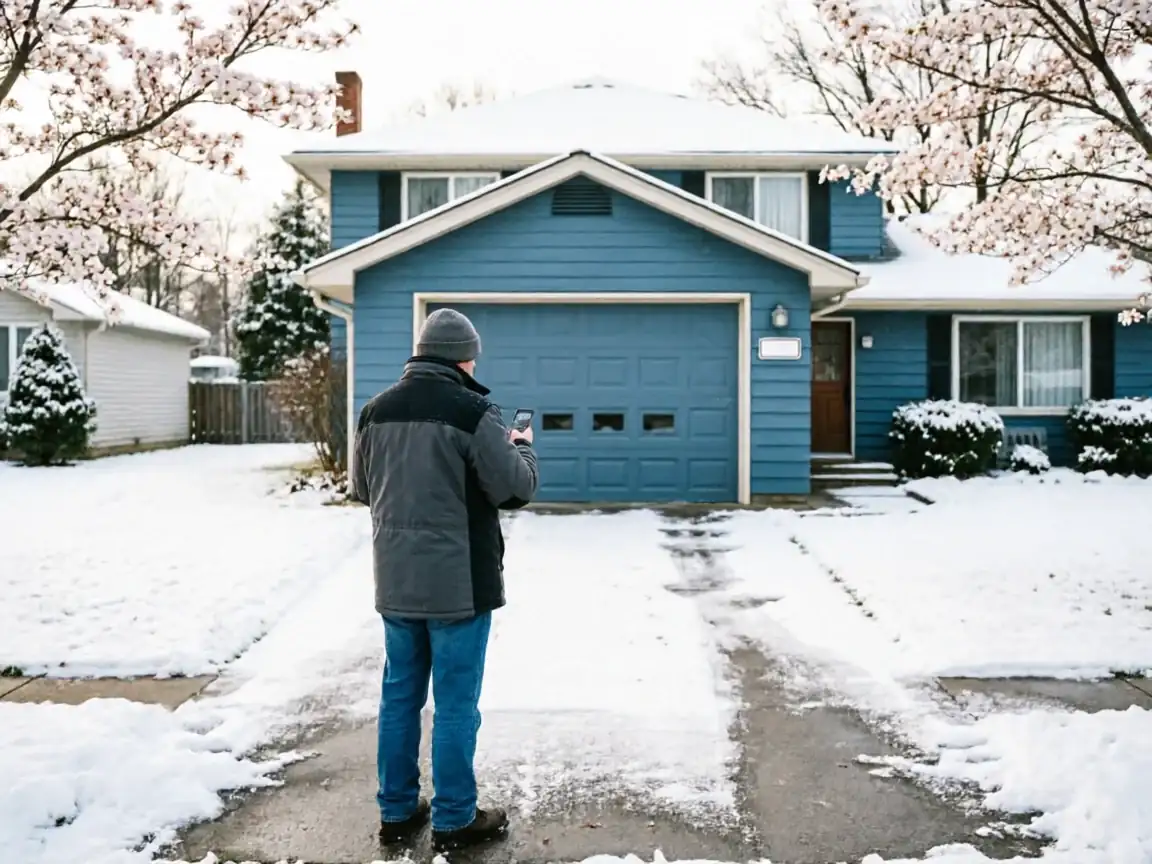
A technician stands in a snowy driveway, looking at a blue house with a garage.

Tell us what’s wrong

Describe the symptom - won’t open, loud bang, opener runs but the door won’t move.

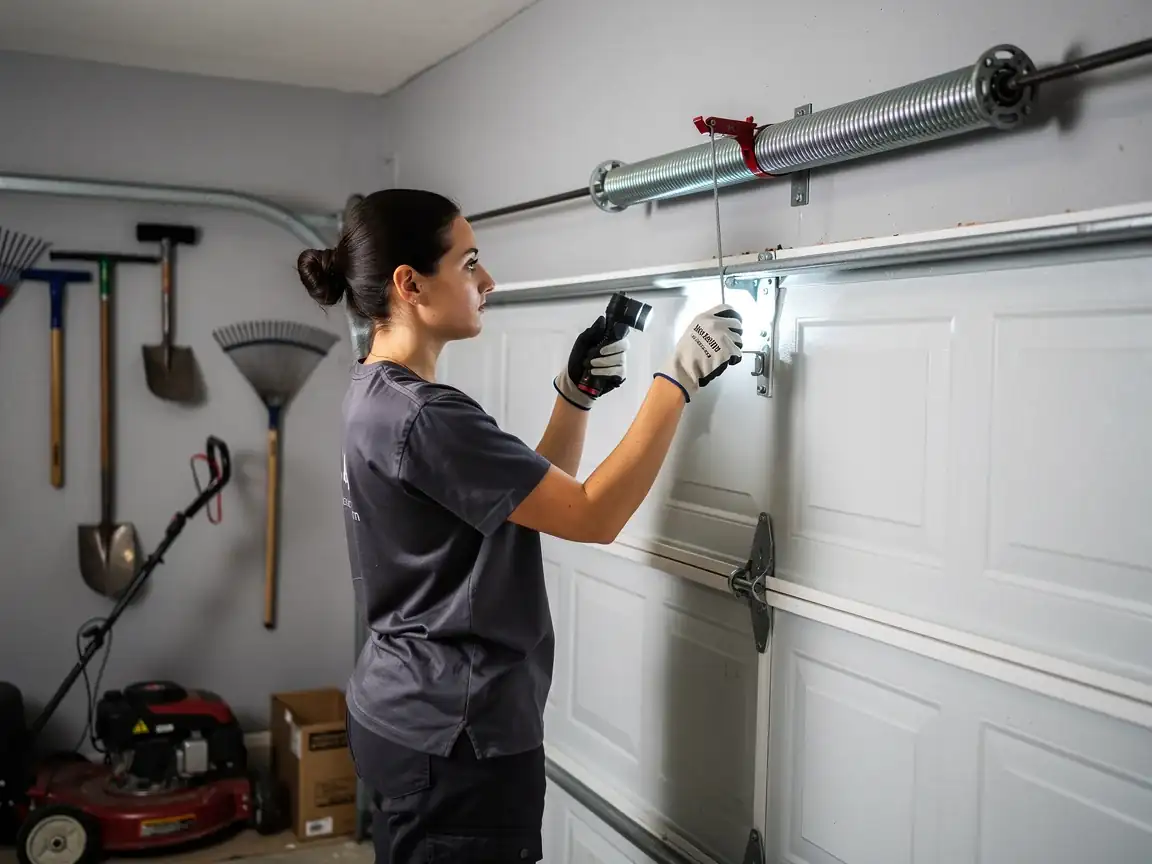
A technician shines a flashlight on a white garage door's top panel and roller.

On-site diagnosis

A technician tests the door under power and by hand and finds what actually failed.

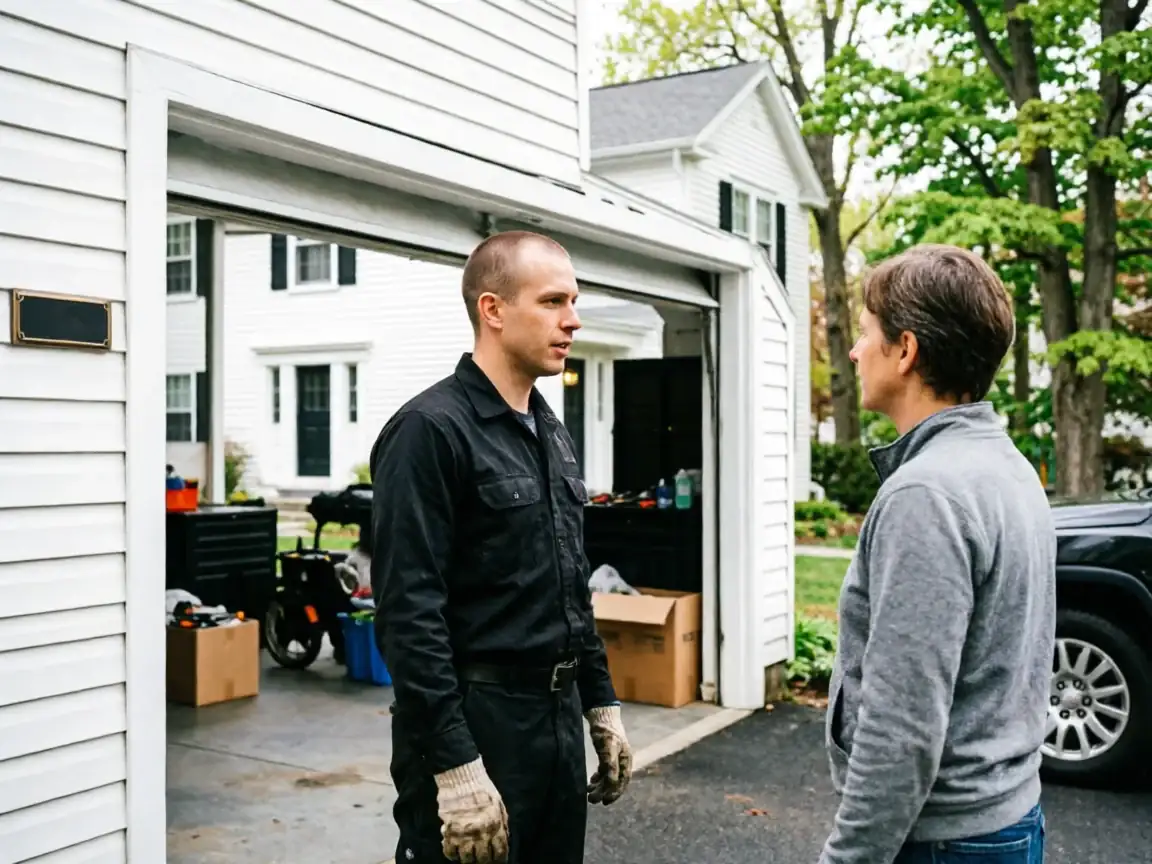
A technician in a black uniform talks to a person in a gray sweatshirt.

Clear, up-front plan

You get the fix that’s needed and what drives the cost - before any work starts.

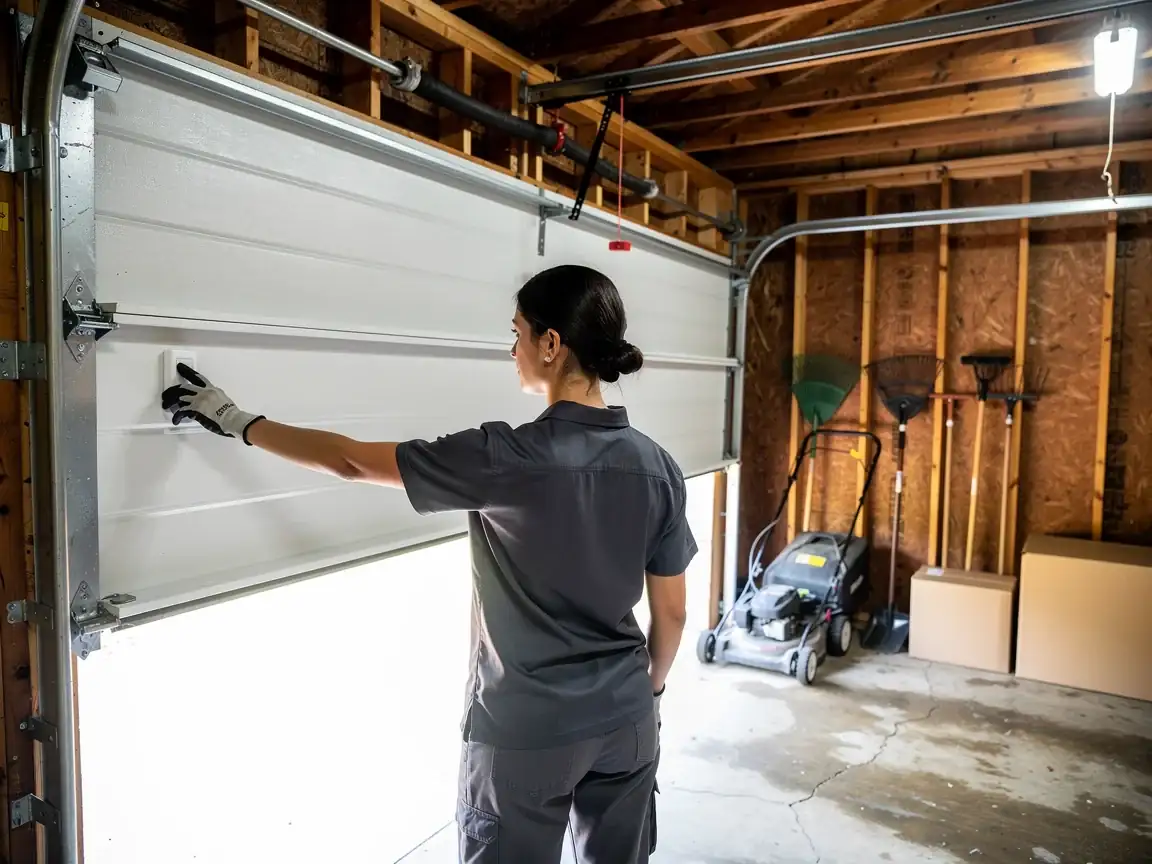
A technician in a gray uniform presses a button on a white garage door.

Repaired & tested

The repair is done, the door is set true and tested, and the work area left clean.

Not sure which repair your door needs in Needham, MA? Describe what it’s doing - every job starts with a diagnosis.

How we work

What to expect

Diagnosis firstEvery visit starts by finding what actually failed - not a pre-written parts list.
The right part for the doorSprings and openers matched to the door’s weight and age, so the fix holds up.
Straight answersWhen a repair makes more sense than a replacement - or the reverse - you hear it plainly.
Clean, careful workTension released safely, hardware set true, the door tested under power before we leave.
Questions

Frequently asked

Straight answers about garage door repair in Needham. Still unsure? Ask us directly.

Is my garage door too old to repair?

If it's original to a house built in the 1938-1985 window, or an early replacement matched to that era, it depends on what's failing. Hardware and springs can often be replaced. Delaminated panels or rotted original wood doors usually can't be patched - at that point replacement costs less than chasing discontinued parts.

Why does my door get harder to open every winter?

Needham's climate rates cold to severe, and steel contracts and lubricant thickens in that kind of cold. On an older single-skin panel with no insulation layer, that contraction happens faster and puts more strain on hinges, rollers, and springs than it would on a newer insulated door.

Should I add insulation to an old door instead of replacing it?

Sometimes. A retrofit insulation kit can help with comfort on a structurally sound panel. But if the door was built before insulation rules existed for this type of construction, the frame and seals around it usually weren't designed for an airtight fit either, so the gain is limited.

Ready to get your garage door sorted?

Tell us what it’s doing and where you are in Needham - we’ll take it from there.

Request a QuoteCall