What to Check
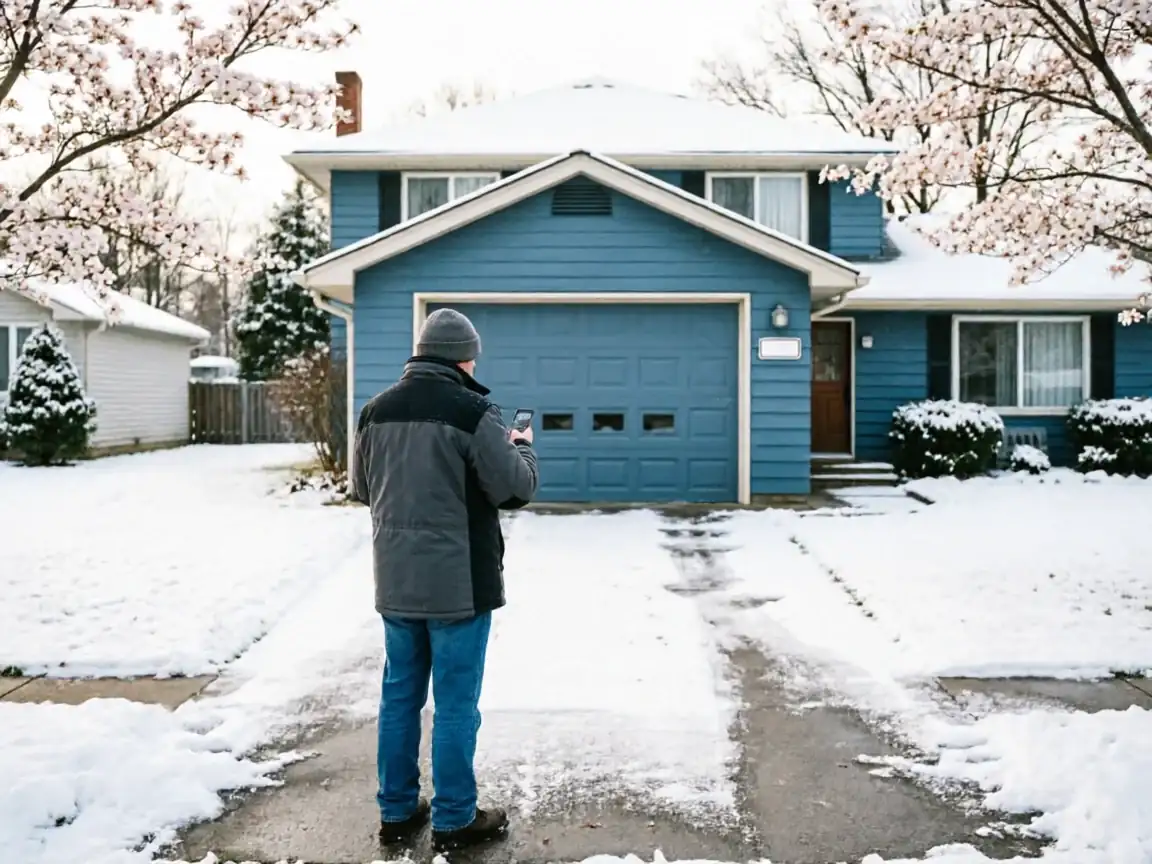
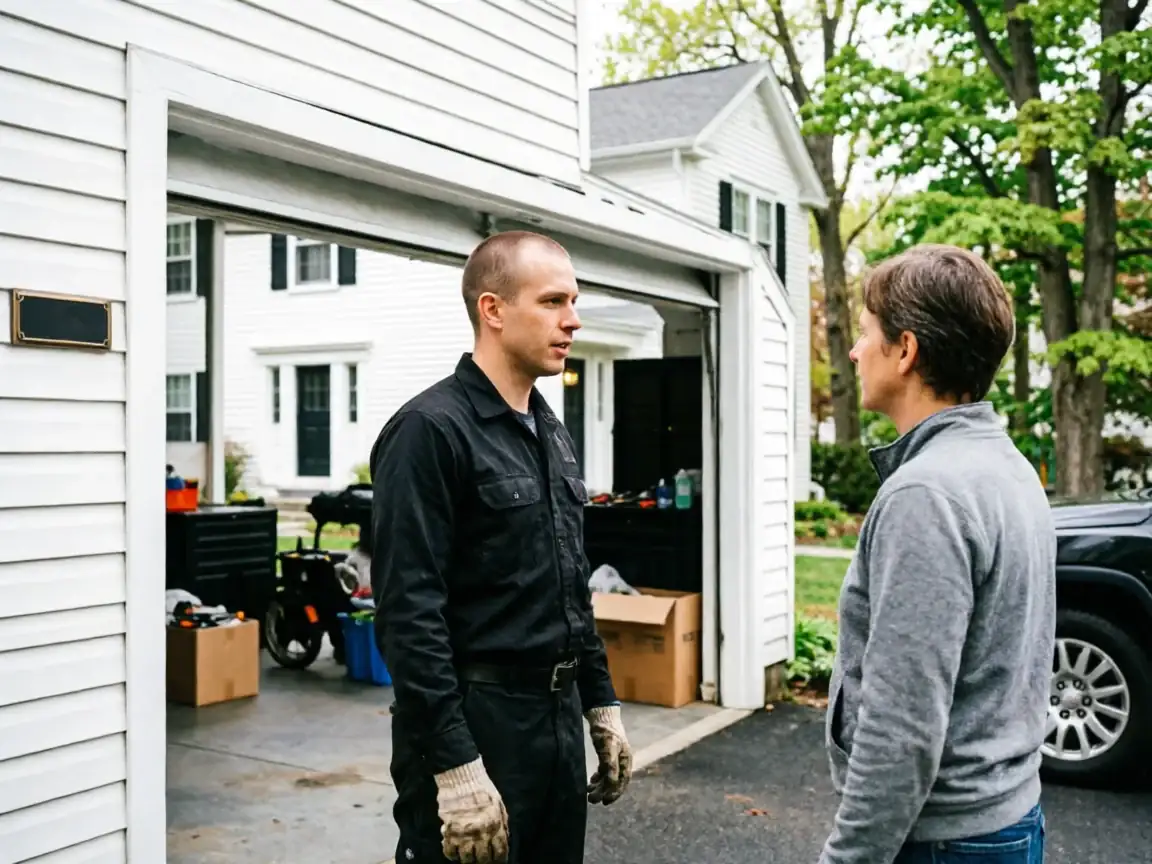
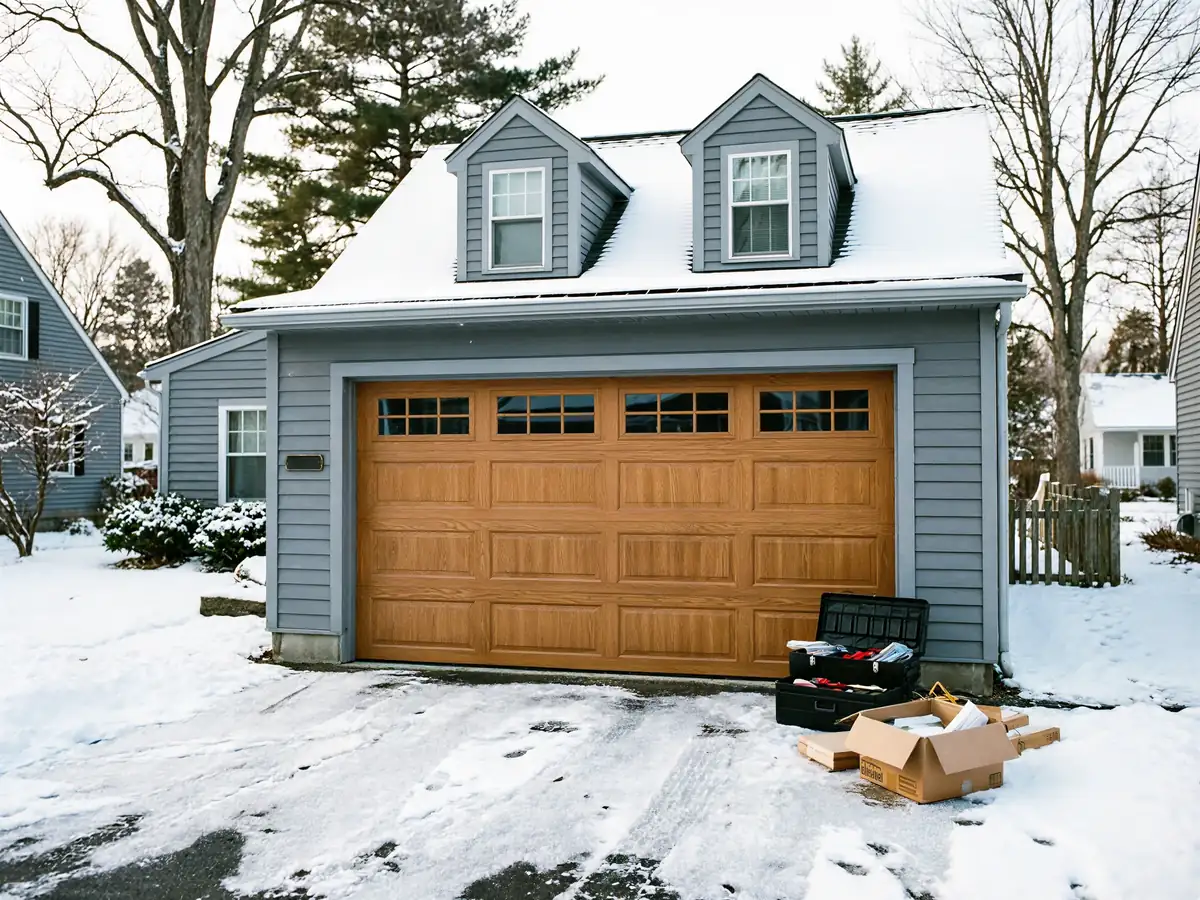
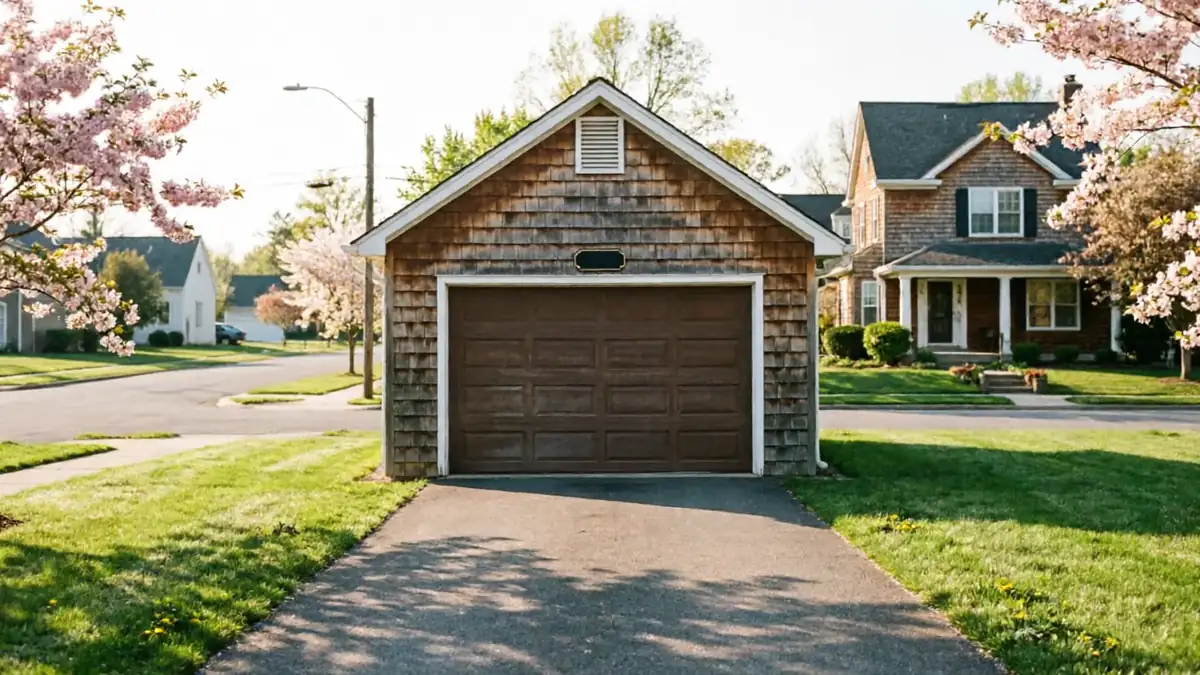
Needham's housing stock runs 1938 to 1985 with a median build year of 1968, and that spread matters here. The older end of that range, the capes and colonials put up before 1960, tend to have a detached garage set back from the house, often on a slab that was never insulated or even sealed against ground moisture the way the house foundation was. If your garage is one of those standalone structures, check the bottom seal first. A detached garage has no shared wall to buffer temperature swings, so the rubber at the floor line hardens and cracks faster than it would on an attached unit.
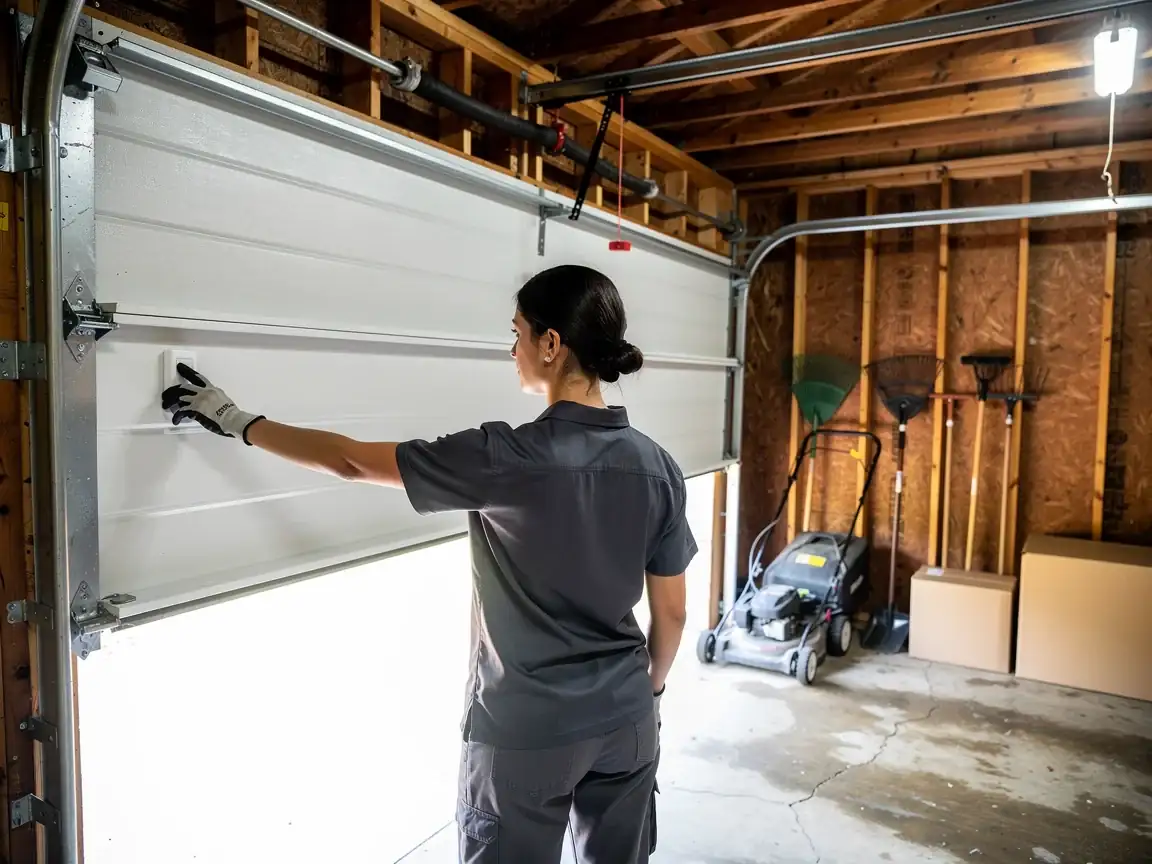
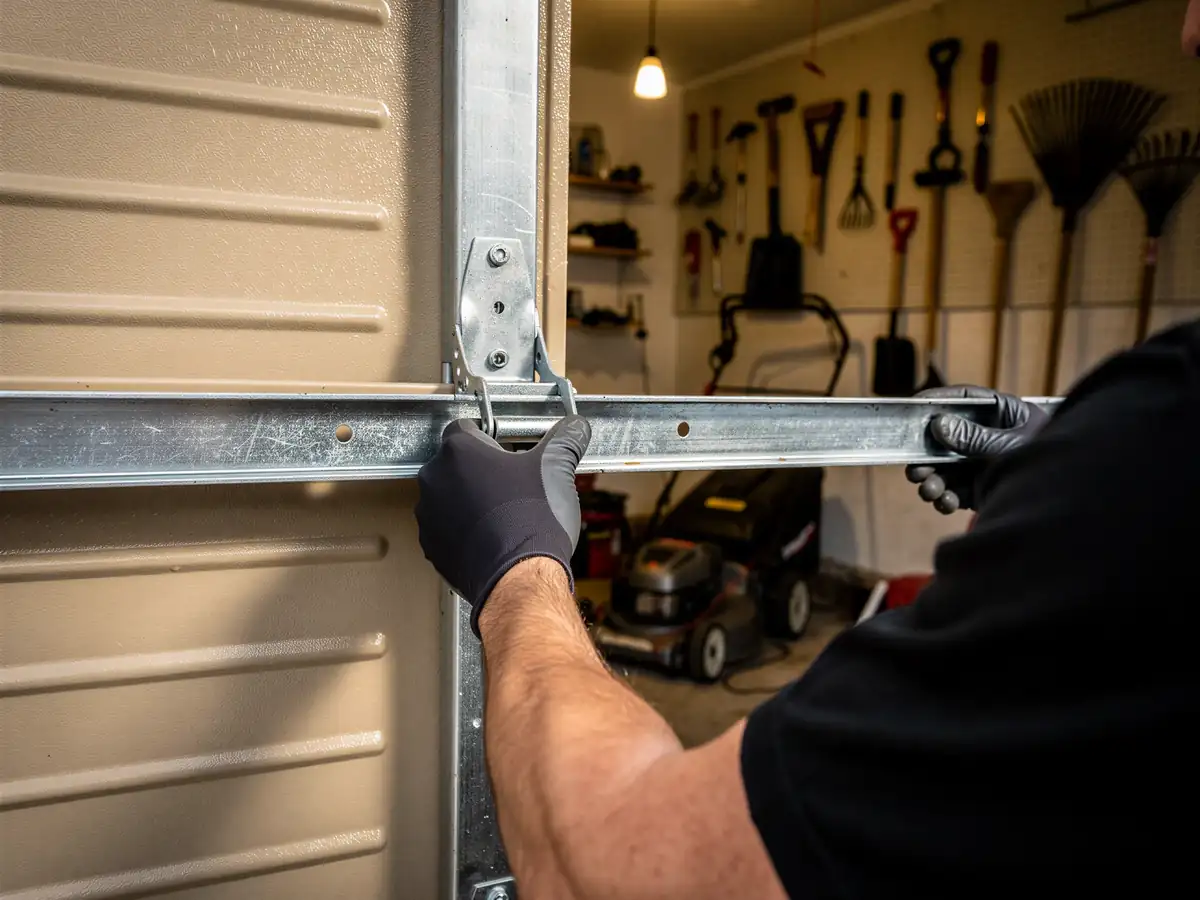
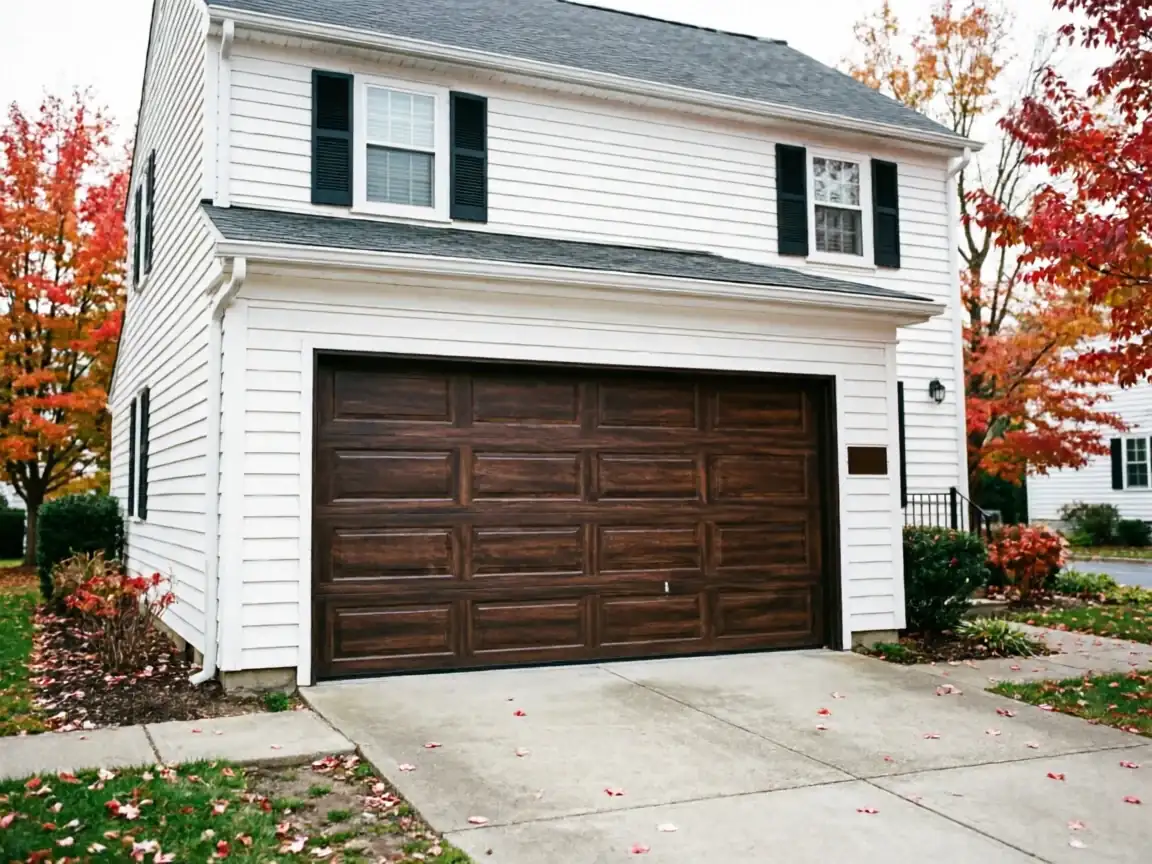
If you're in one of the ranches or split-levels built through the 60s and 70s, which make up most of the stock across this area, your garage is almost certainly attached, often with living space directly above or beside it. Check the weatherstripping where the door meets the house wall, not just the floor. On attached garages, a bad seal there doesn't just let in cold air, it lets it into a wall cavity that backs onto a room you heat. Check the panel seams too; attached doors on 50-plus-year-old tracks often have hardware that was never upgraded past the original install.
When to Get Help
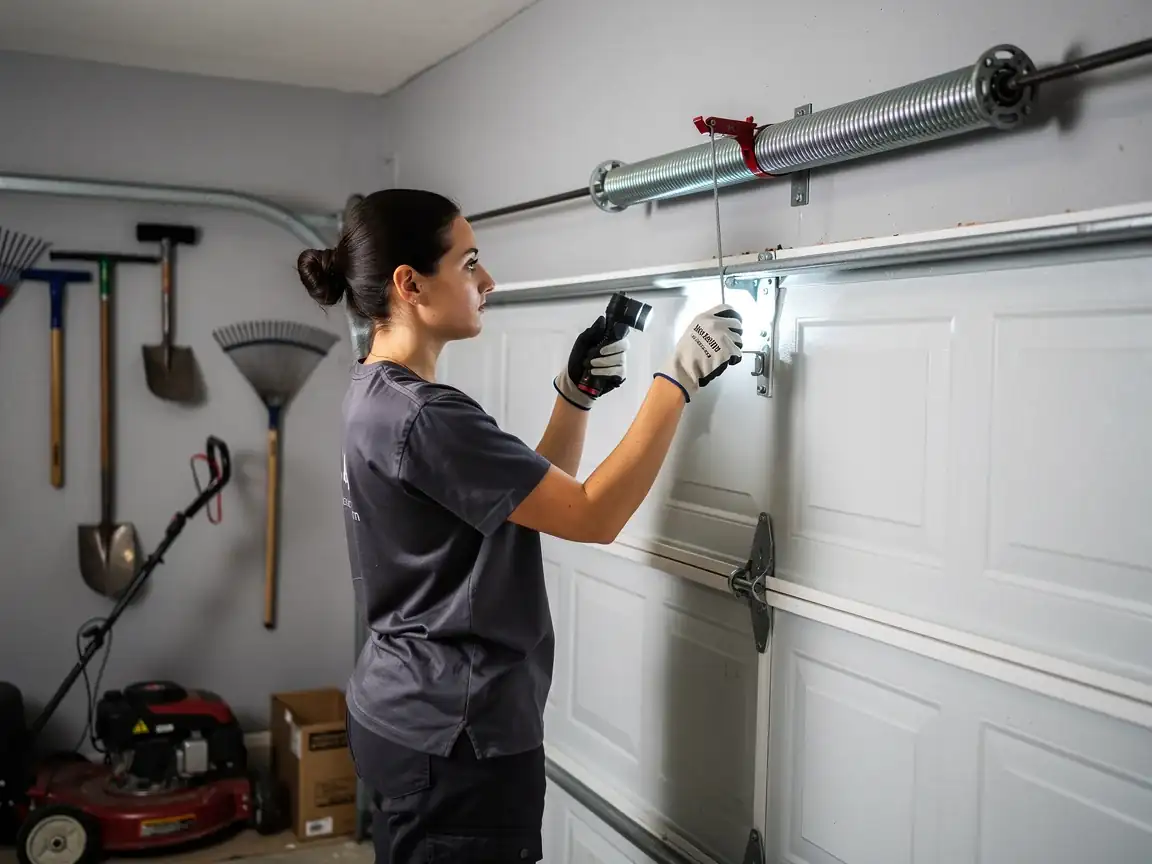
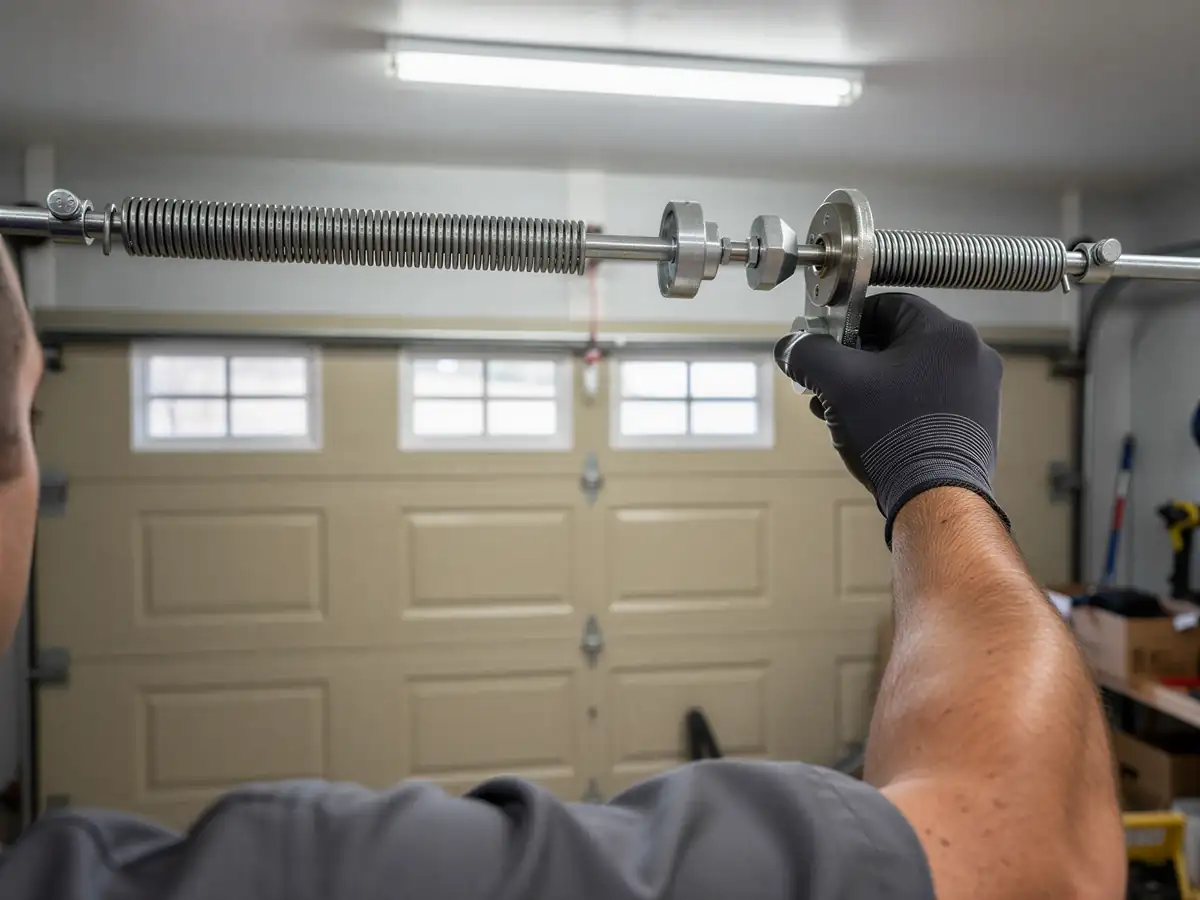
Call before a spring breaks, not after. On a detached garage, a broken torsion spring just strands you in the yard. On an attached garage, especially the ranch-style layouts common from the 60s and 70s build-out, a door that won't close all the way is a gap straight into conditioned space, and in a severe-cold climate that's a pipe-freeze risk, not just a comfort issue.
Get someone out if the door is noticeably harder to lift by hand than it used to be, if you hear a bang or pop from the spring area, or if the door reverses on its own partway down. Those are hardware failures, not adjustments you fix with a can of spray lubricant. If your garage is detached and unheated, which is typical for the pre-1960 stock here, don't wait on a cracked panel either; once cold gets behind a split panel the wood or composite underneath keeps degrading through the winter.
What the Weather Here Does to It
This area sits in a severe-cold climate band
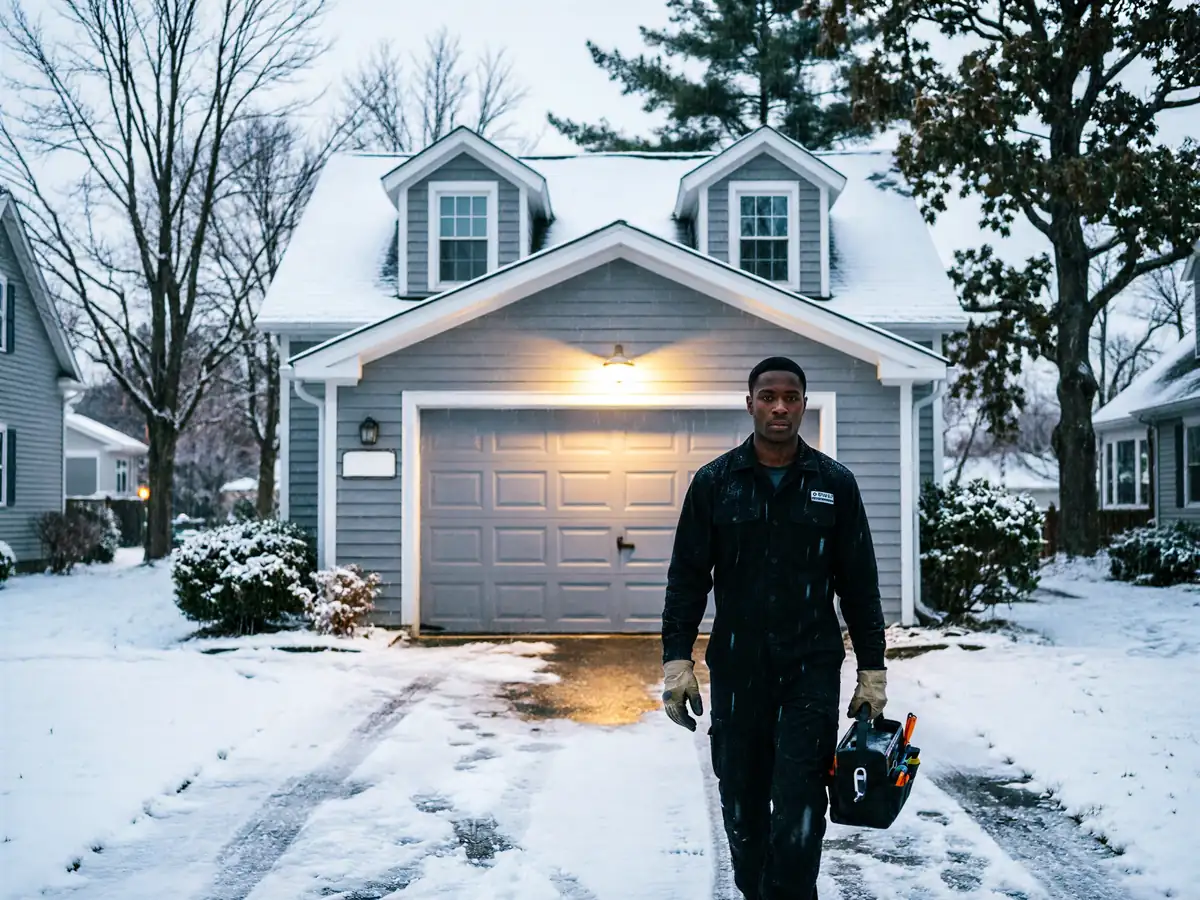
And the two garage types take that cold differently. A detached garage has no heat source at all most of the time, so its door hardware sits at outdoor temperature all winter. Steel contracts, lubricant thickens, and springs lose a little tension every freeze-thaw cycle. That's the structure most likely to need a spring replaced mid-winter rather than on your schedule.
An attached garage usually runs a little warmer because it shares a wall or ceiling with heated space
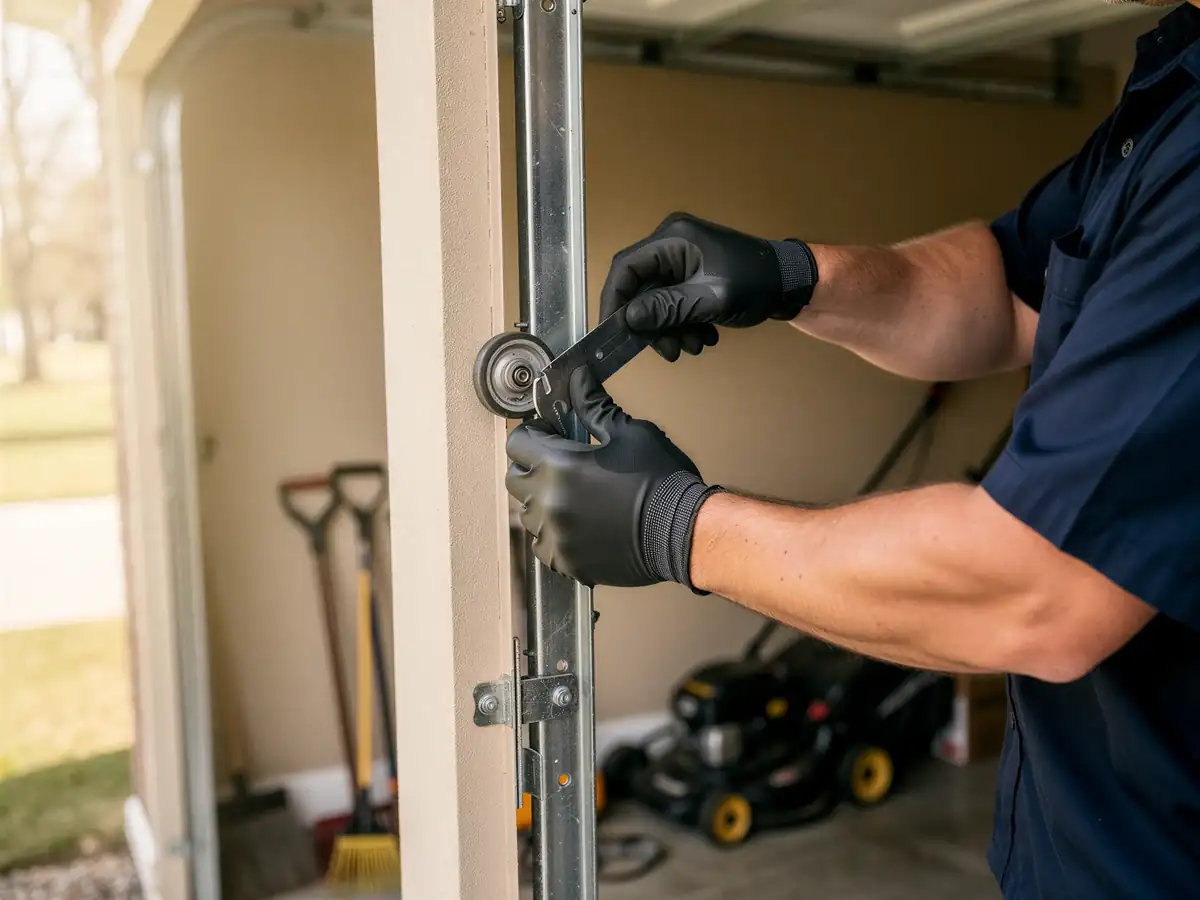
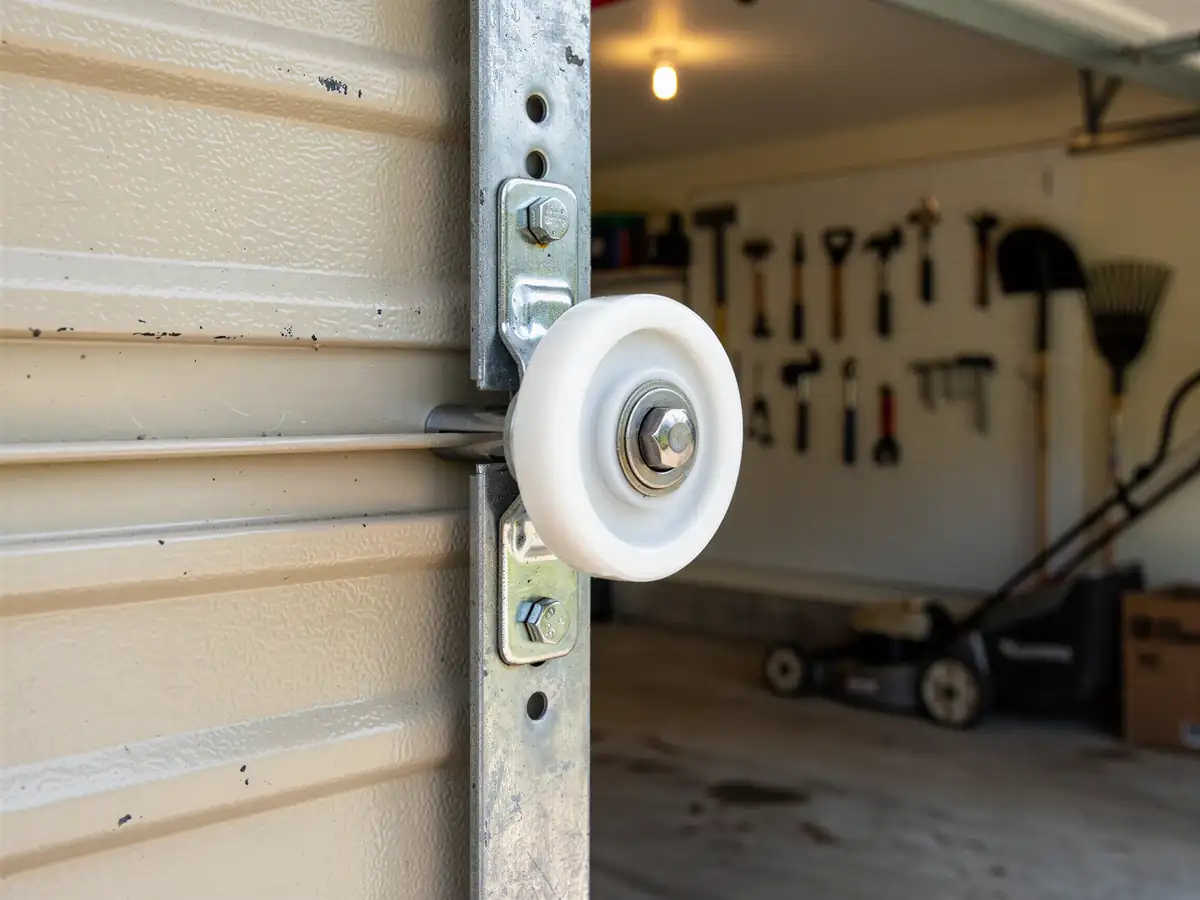
But that's a mixed blessing. The temperature difference between the garage and the house next door drives condensation on the inside of the door and on the track, and that moisture is what actually rusts rollers and hinges on attached setups here, more than straight cold does. Either way, the fix isn't the same: a detached door needs cold-rated lubricant and a floor seal built for an unheated slab, while an attached door needs the moisture dealt with, not just the cold.
The Problem
The real issue in Needham is that houses built in that 1938 to 1985 window, especially the 1960s-70s majority, were fitted with hardware sized for the building codes and materials of their decade, and detached and attached garages were never treated the same way even when they went up a few years apart. A detached garage from the 50s often still has its original low-headroom track, built when nobody expected to run an opener strong enough for an insulated door. An attached garage from the 70s more often has standard headroom but an opener that's outlived two or three doors.
We'll be straight that not every old track is worth saving. If the detached garage's rail is the original low-headroom style and the drums are pitted, replacing the whole track assembly usually costs less over time than nursing it along, and we'll tell you that up front instead of billing you for repeated spring tension adjustments on hardware that's done.