What to Check
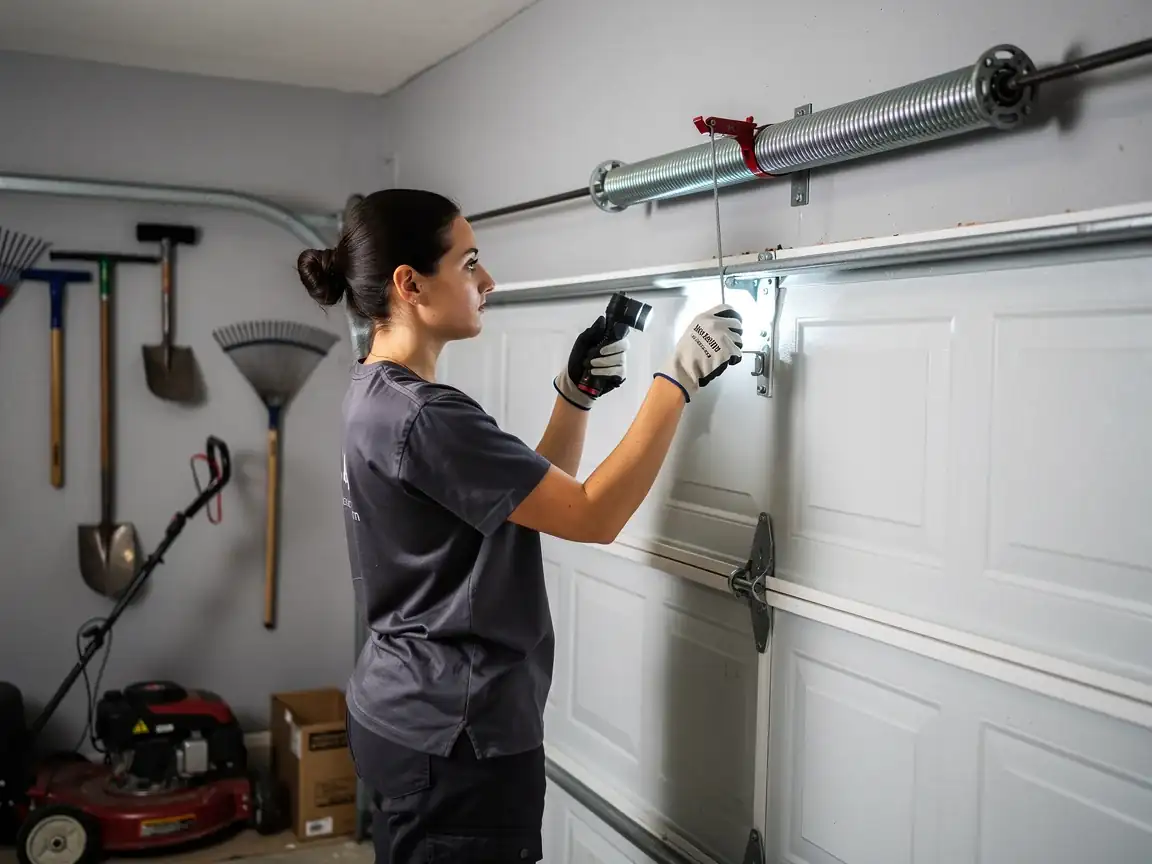
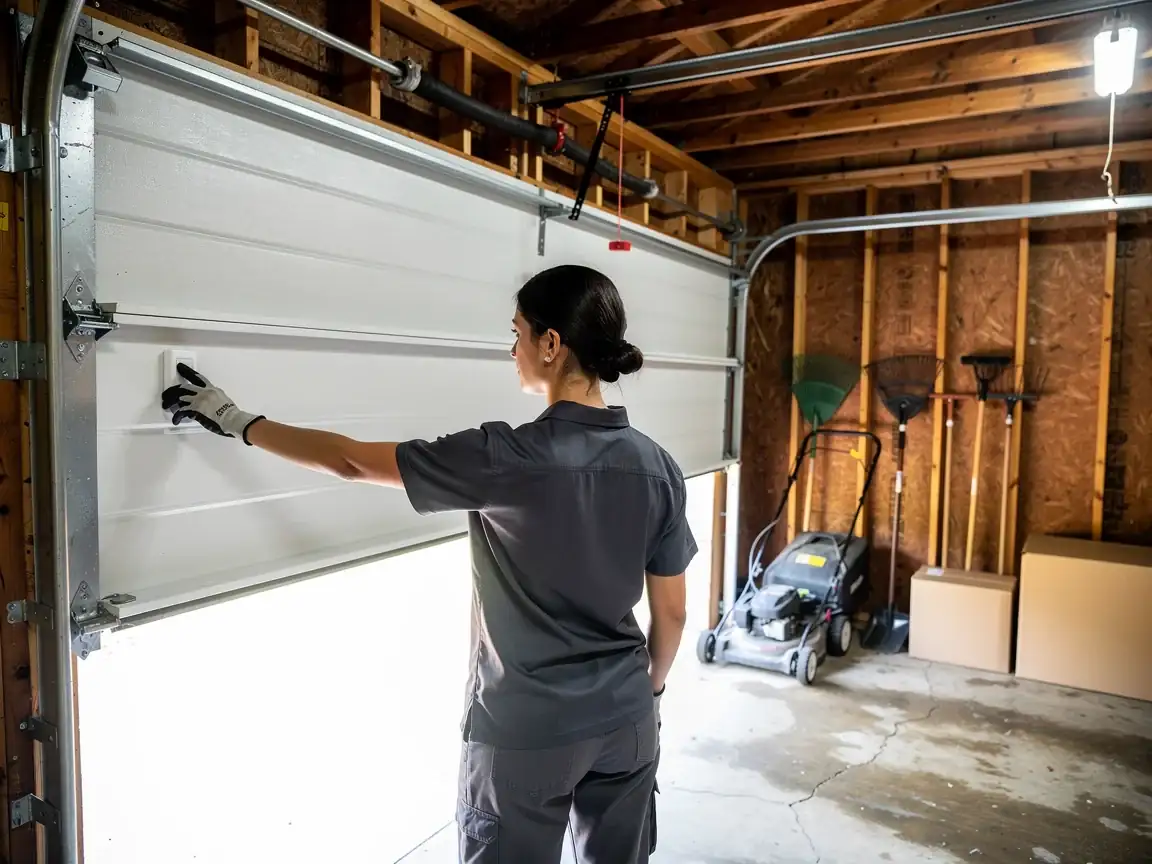
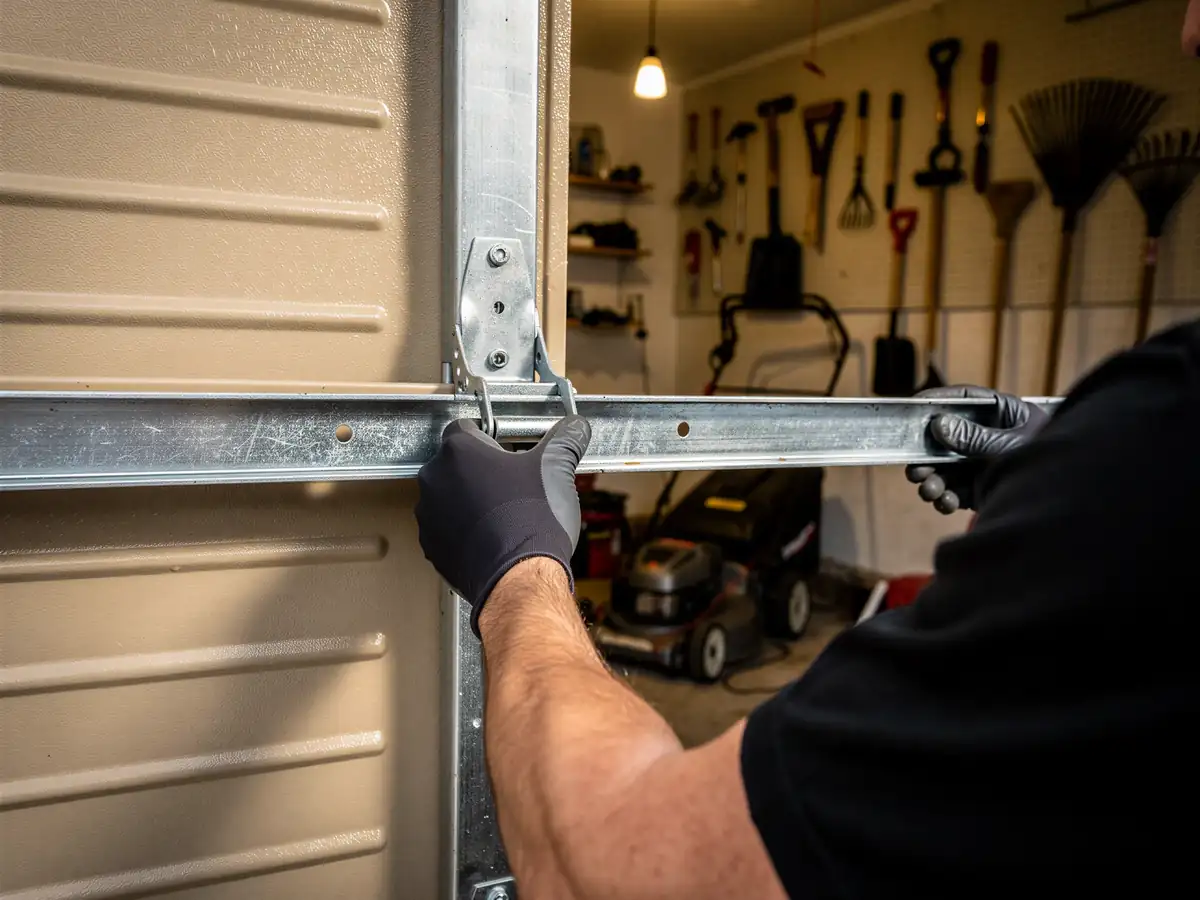
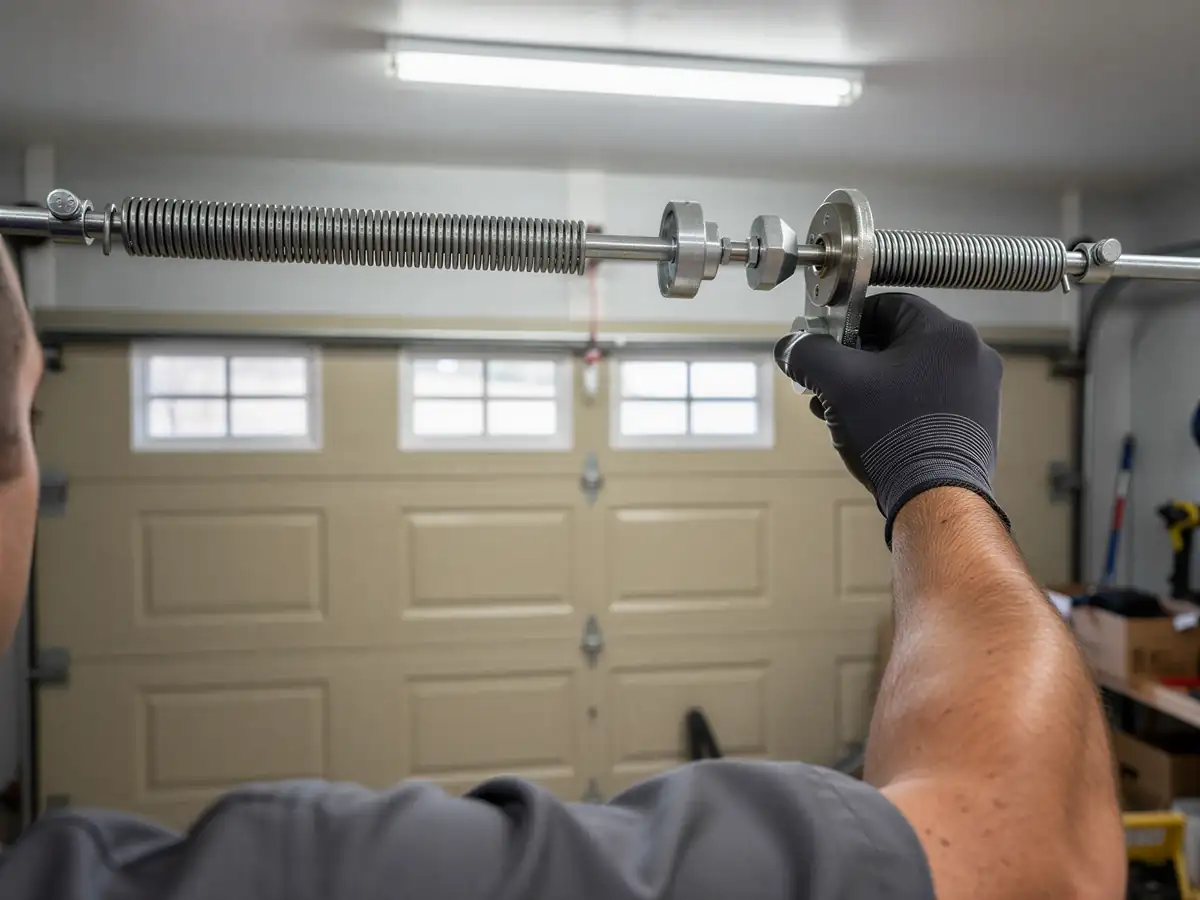
Most of Needham's housing went up between 1938 and 1985, with a median build year around 1968. That matters because a torsion spring installed in a house from that era has had decades of cold-weather cycling, and steel that's flexed for fifty-plus winters doesn't behave like new steel. Start by looking at the spring itself, above the door, for a visible gap in the coil - that's a break, not a stretch. Next, check the cable drums on either side; if one cable has gone slack while the door is down, the spring on that side has likely let go. Listen for the door, too. A healthy torsion spring makes a smooth, even sound as it unwinds. A spring under strain from age or cold often pops or bangs once before failing outright. Don't try to lift the door manually if you suspect a broken spring - without that spring holding tension, a double door in this size range can weigh well over a hundred pounds, and the track hardware common to houses from the 1960s and 70s wasn't built to take that load unassisted. If the opener strains, reverses, or the door only rises a few inches before stopping, treat that as a spring problem, not an opener problem, until you've looked at the spring directly.
When to Get Help
Call before you touch the spring itself. Torsion springs are wound under heavy tension, and on original hardware from a house built in the Needham area's common 1960s-70s range, the winding cones and center bracket have often never been serviced. If the bracket looks bent, if the shaft is visibly bowed, or if you hear metal grinding against metal when the door moves, stop and call - that's not a DIY wind-down. The same goes for any door that drops suddenly partway through opening; that's the signal of a cable or spring that's about to finish failing, not one that's already failed cleanly. If you've got one car trapped inside and no way to get the door up safely, that's also a same-day call, not a weekend project. One honest limit here: if the drums, shaft, or track on an older door are rusted or warped enough that a straight spring swap won't hold, replacing the whole operating hardware is usually cheaper over time than repeated spring failures, and we'll tell you that up front rather than keep patching it.
The Problem
The real problem isn't the spring breaking - springs are a wear part and they're supposed to eventually give out. The problem is what breaks with it on a door that's fifty-plus years old. Cable drums, bearing plates, and the center bracket on original 1960s-70s hardware weren't designed to be serviced repeatedly, and once one part of that system fails under cold-weather stress, the parts around it are often close behind. A homeowner in Needham's 154,000-median-income bracket isn't choosing between a repair and no repair - the choice is usually between fixing the spring alone now or replacing the whole operating system once the rest of the original hardware starts going too. We can't tell you which applies to your door without looking at it in person, and we won't guess over the phone just to get a job booked.