What to Check
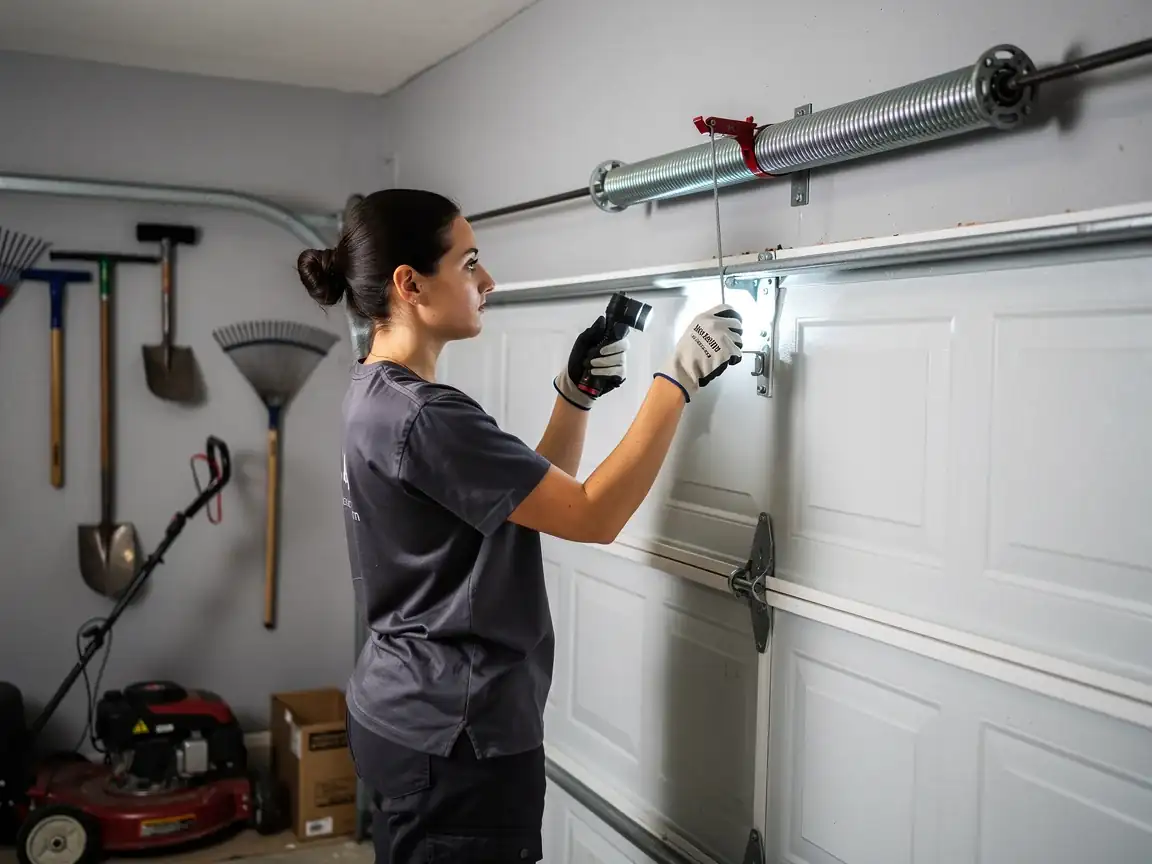
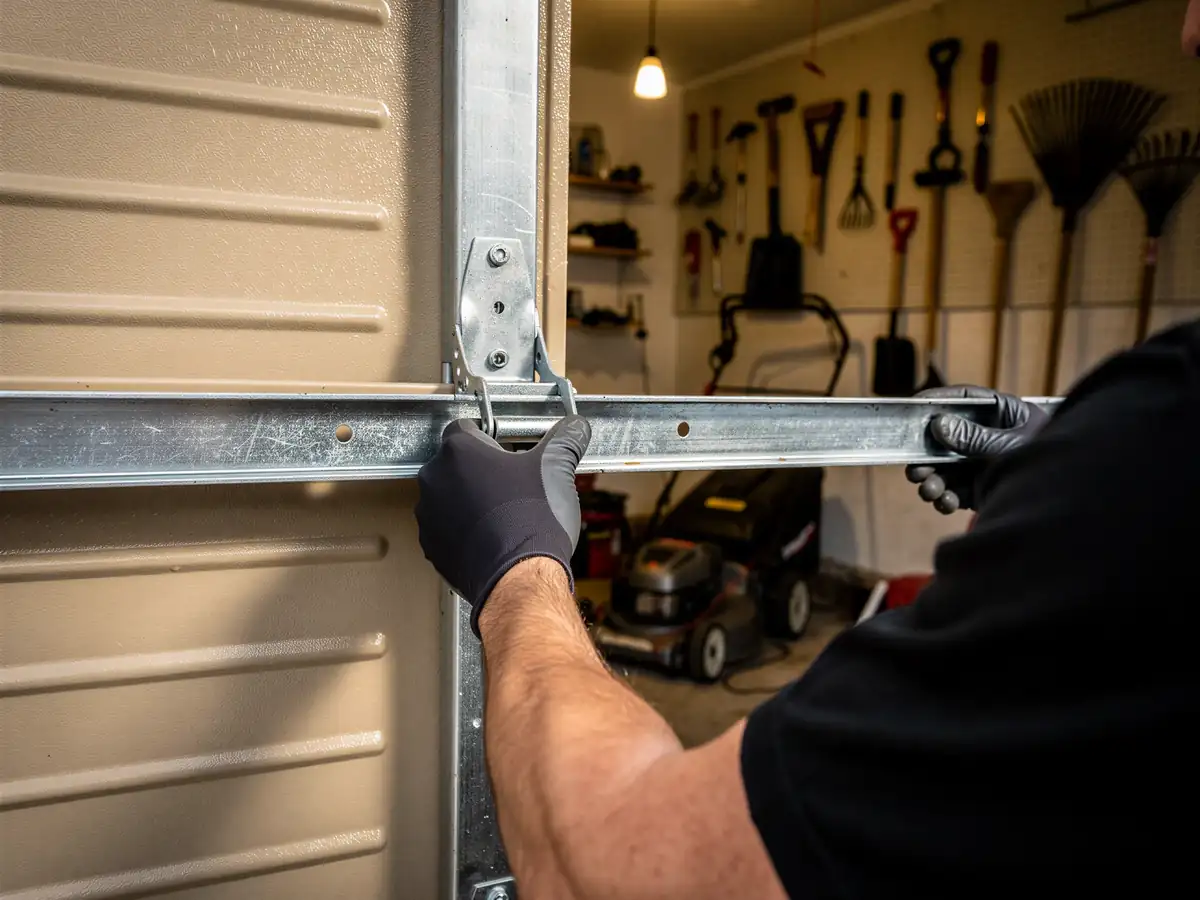
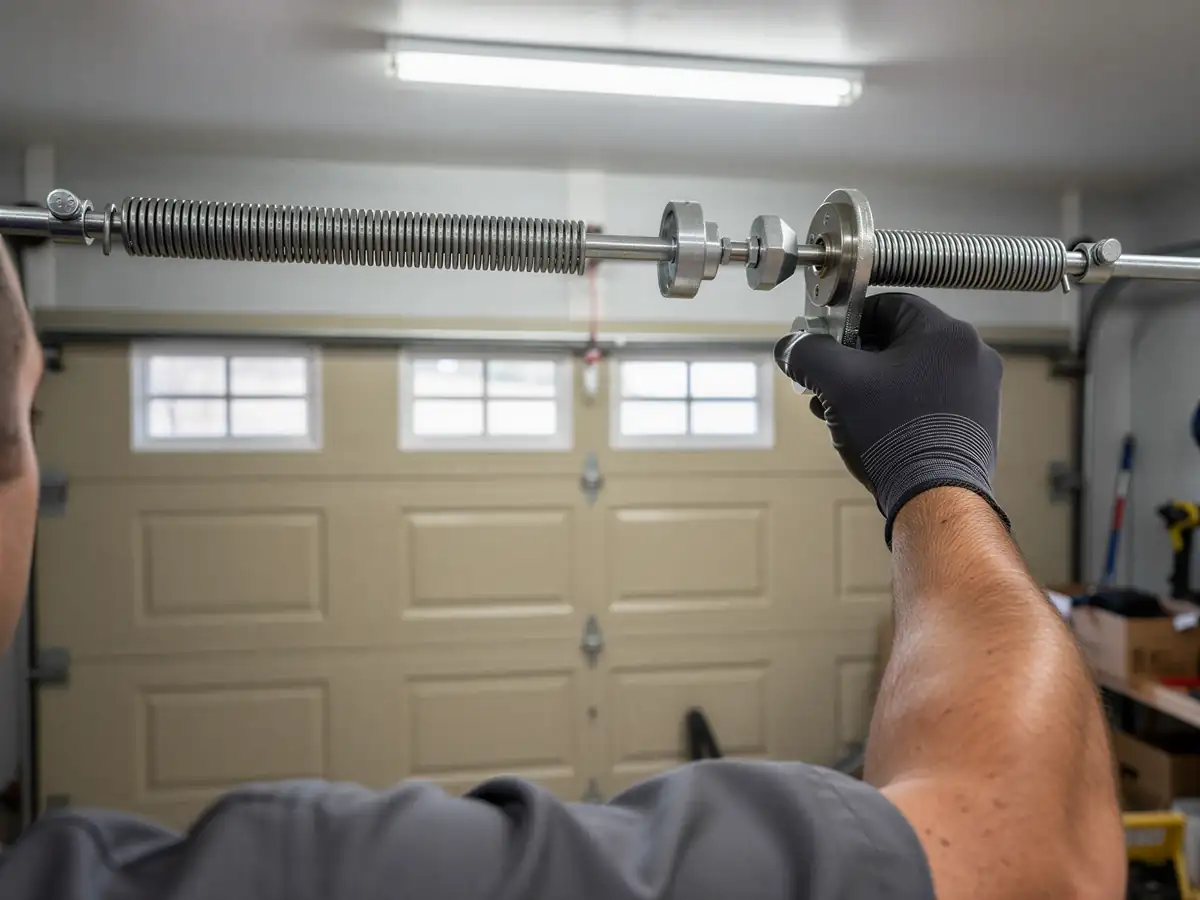
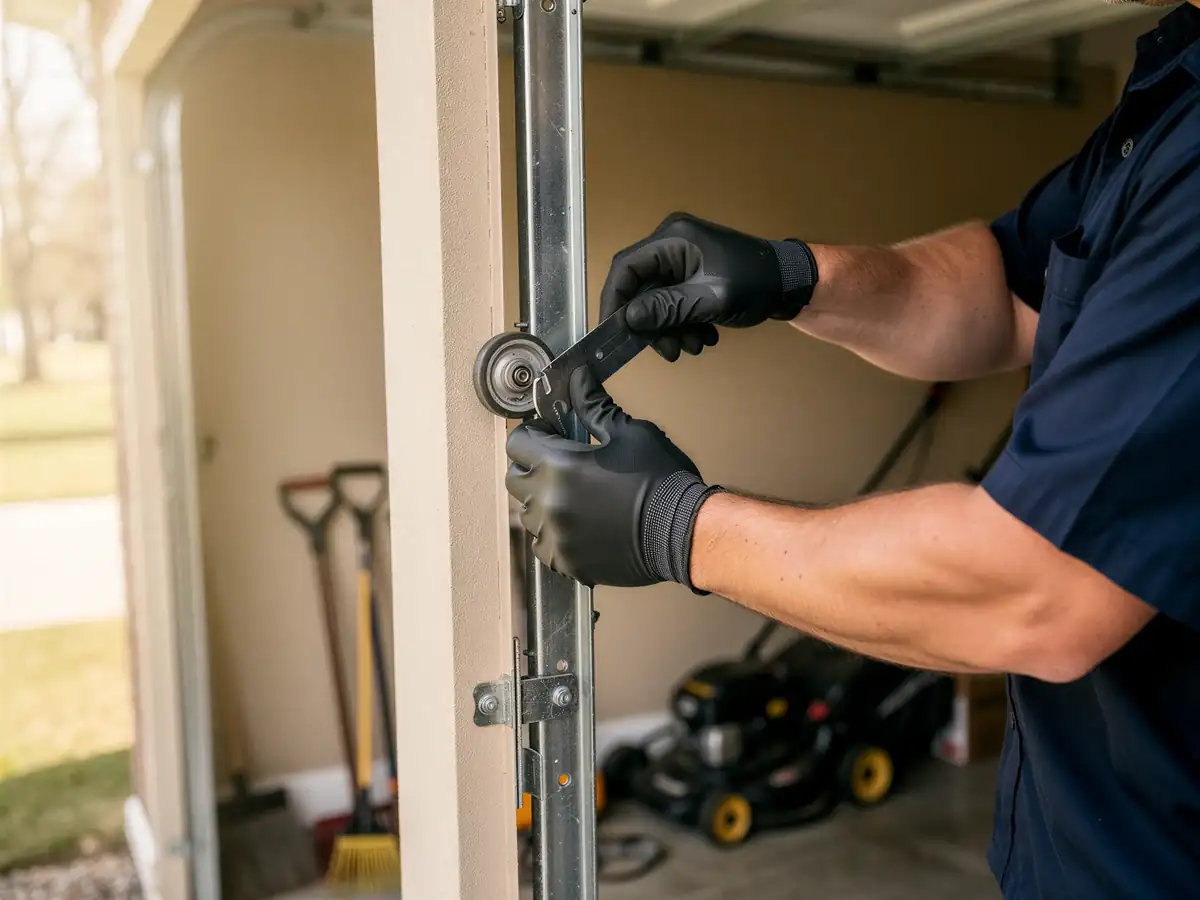
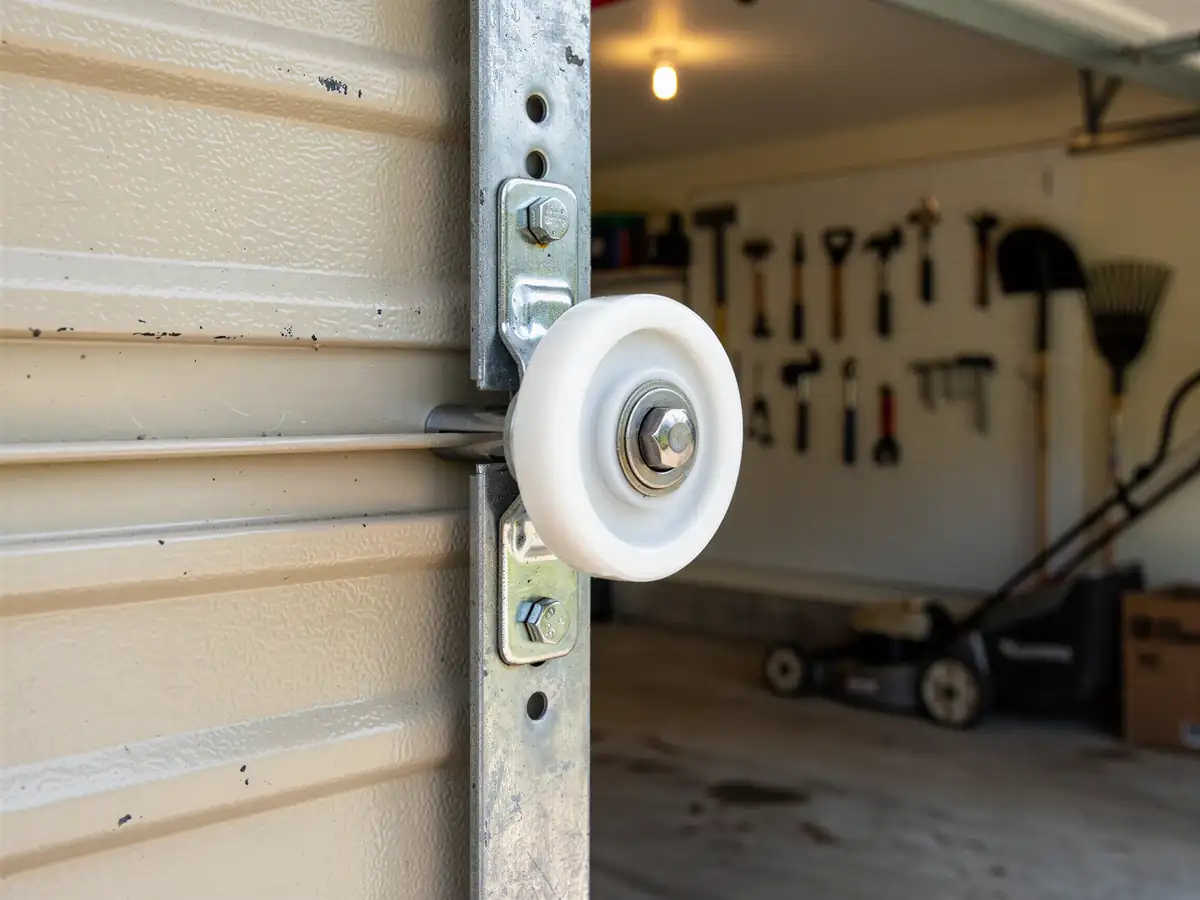
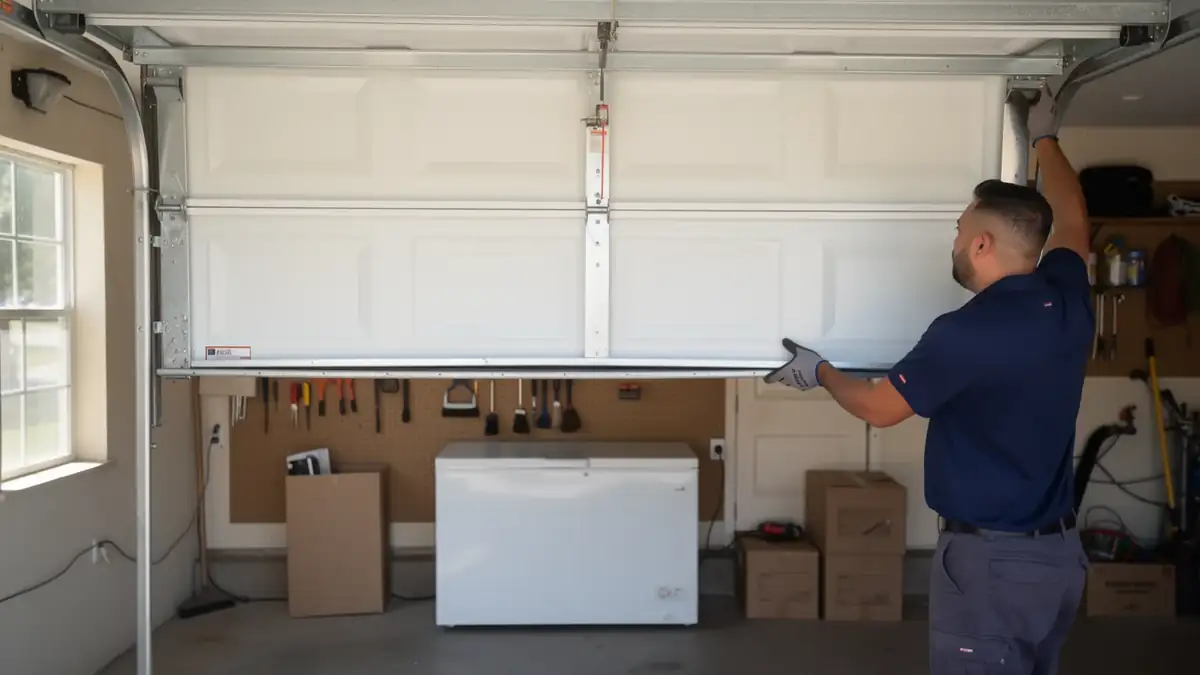
Most of the housing stock around Needham went up between 1938 and 1985, with the median house dating to 1968. That means a tech walks up to your door already guessing at what's behind the bracket before the garage door even opens. On a house from that era, the first stop is the spring type and mount - a lot of 1960s and 70s builds in this area still run extension springs over the track rather than a torsion bar centered above the door, because that was the standard install when the house was framed. Next is the track itself: original steel track on a house this old has usually been re-aligned at least once, and the rollers in it are often the original nylon or steel ones, worn thin on one side. Third is the panel seams - doors from this vintage are steel or wood sectional, and the hinges between panels loosen with age in a way that newer insulated steel doors don't. Last is the opener, if one was ever retrofitted onto original hardware; a lot of these houses had openers added decades after the door went in, and the bracket mounting doesn't always match what the opener manufacturer expects. None of this is guesswork once you know the build era - it's just checking the parts that era actually used.
When to Get Help
A door that's noisy but moving smoothly is different from a door that hesitates, reverses, or drops partway - the second kind means a spring or cable is close to failing, and on original 1960s-era hardware, that failure is sudden, not gradual. If you're in one of the closer-in neighborhoods like a mile or so up from the center, or down toward the line, the housing age doesn't change street to street - it's consistently the same window, 1938 to 1985 - so the advice holds across town: don't keep running a door that's started grinding on the way down. Extension springs under tension, common on this era's installs, can let go without warning, and they're not something to adjust yourself. If the opener is original to a retrofit decades ago and the door now needs a hard shove to start moving, that's the opener motor losing torque, not the door being heavy. Call before the door drops the rest of the way on its own; a spring that's two-thirds gone is cheaper to replace on a bench visit than after it snaps and bends the track on the way down.
The Problem
The honest limitation here: a door built in 1968 on original hardware is sometimes not worth repairing piece by piece. We can replace a spring, a roller, or a cable on original equipment, but if the track is bent from decades of tight winter clearance and the panels are original steel with rust at the seams, patching one part just moves the failure to the next one. On houses from this build era, we'll tell you straight when a repair is a stopgap versus when the door's done. That's not an upsell - it's that parts for some original 1960s hardware aren't stocked anymore, and chasing a discontinued roller size costs more in labor than a straightforward panel or full door swap. We'd rather say that up front than bill you for three small fixes on a door that needed one bigger one.