What Was Built Here
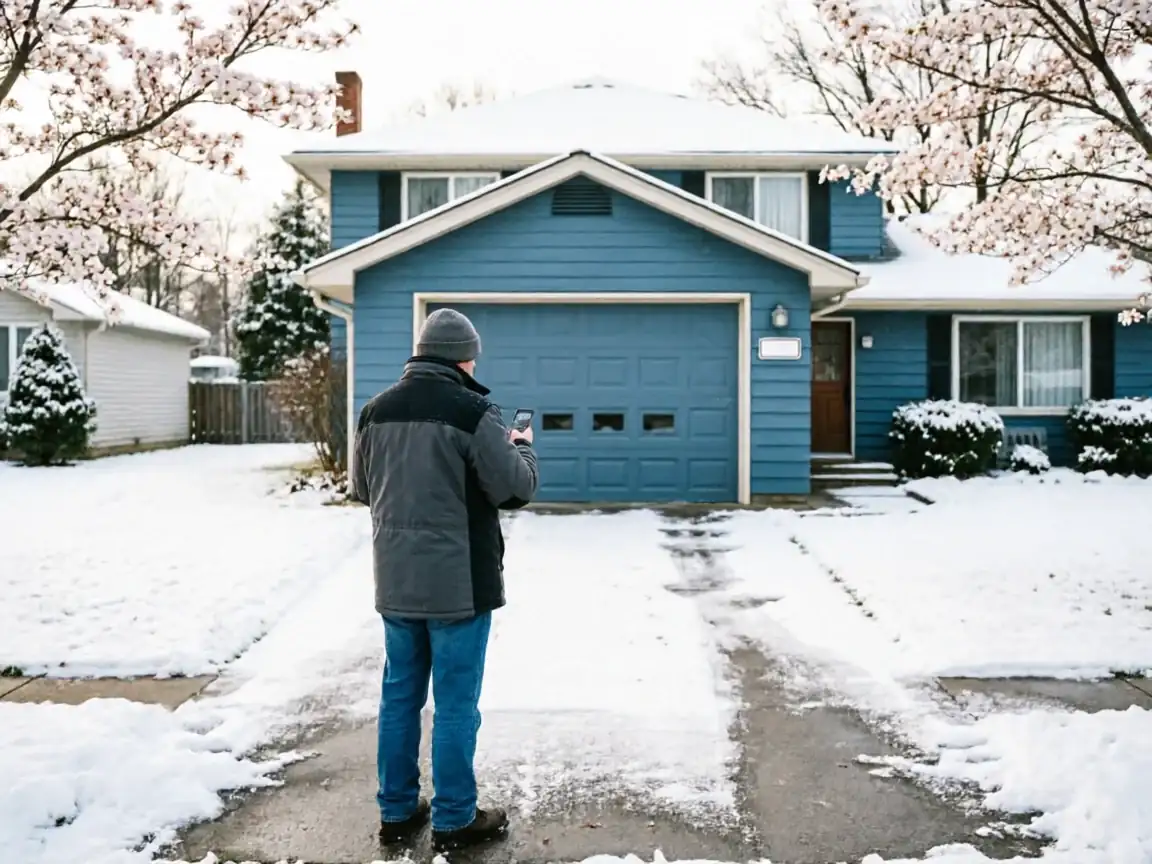
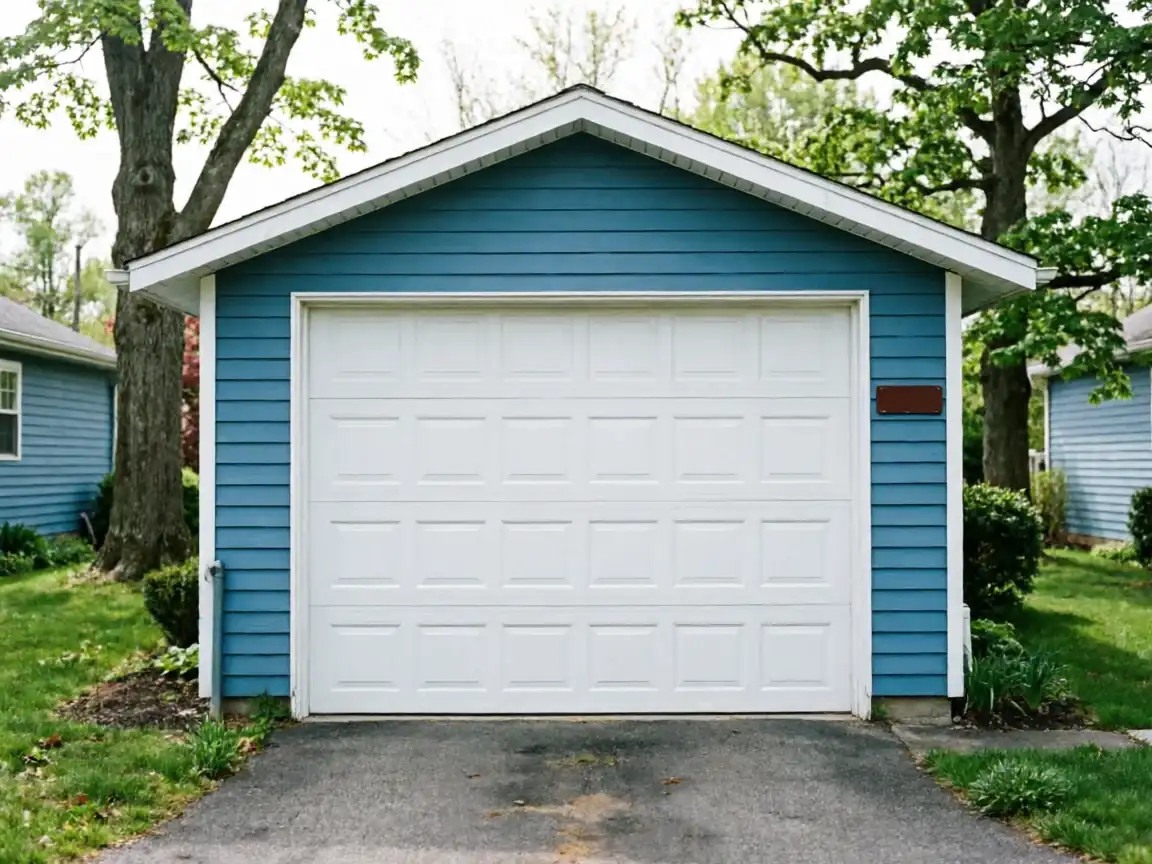
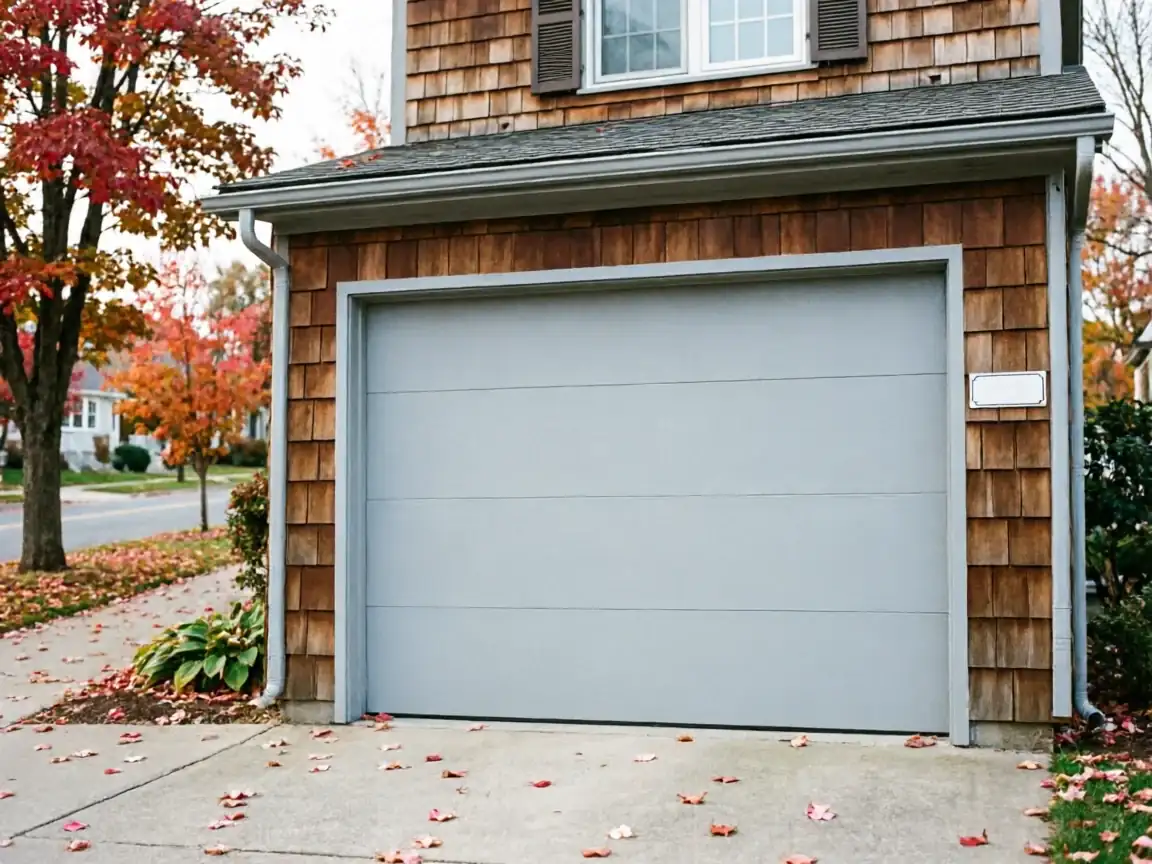
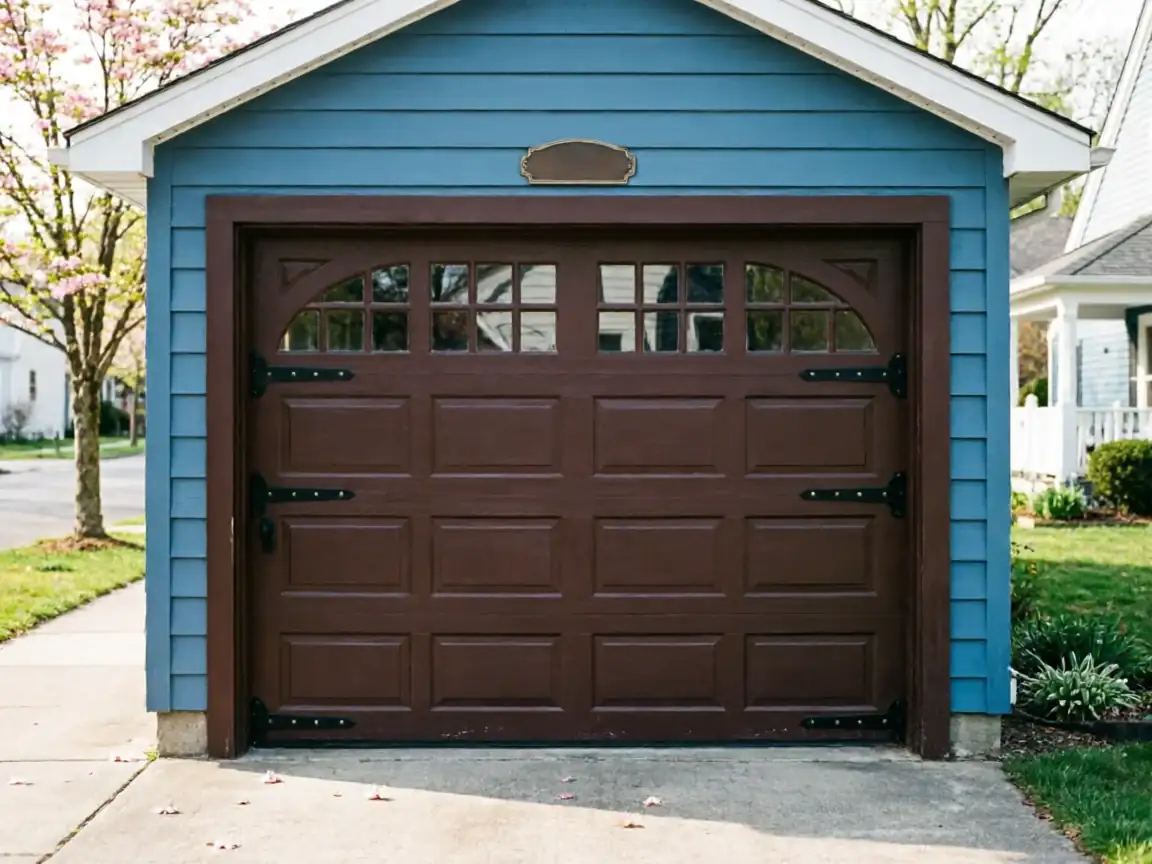
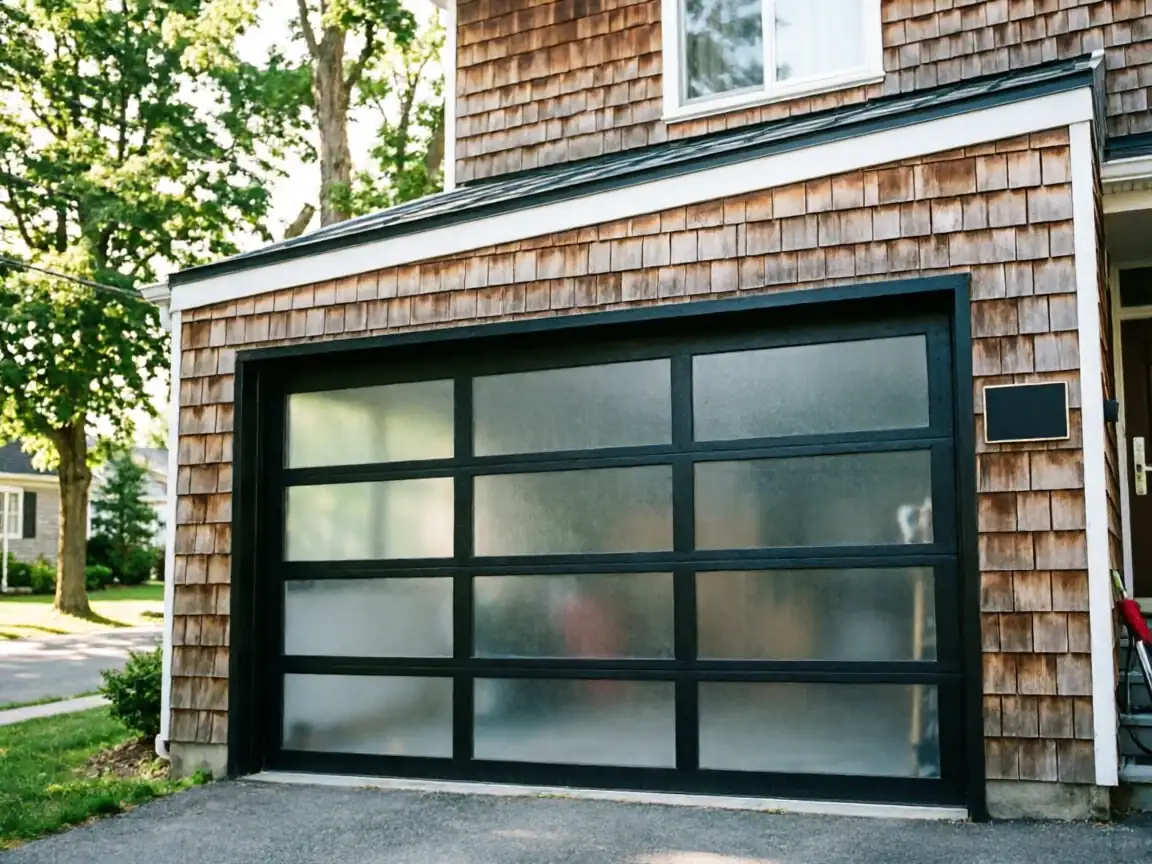
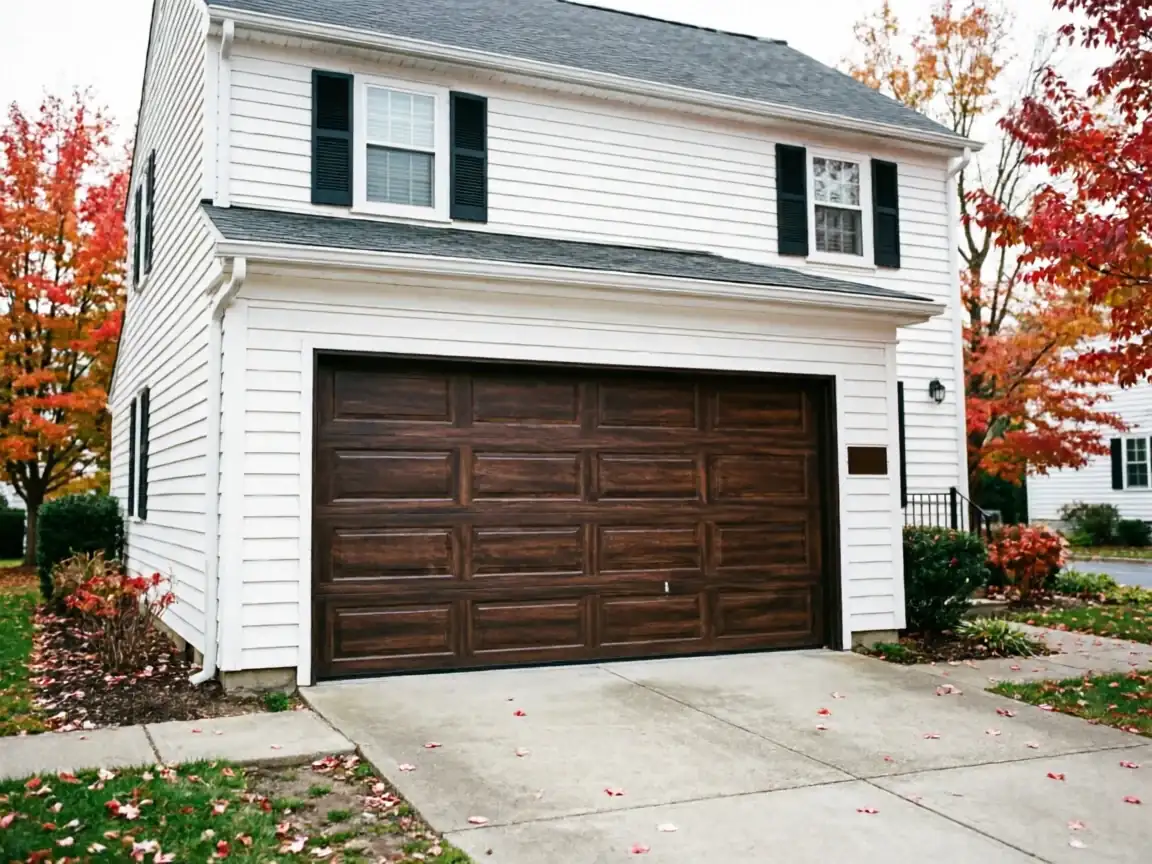
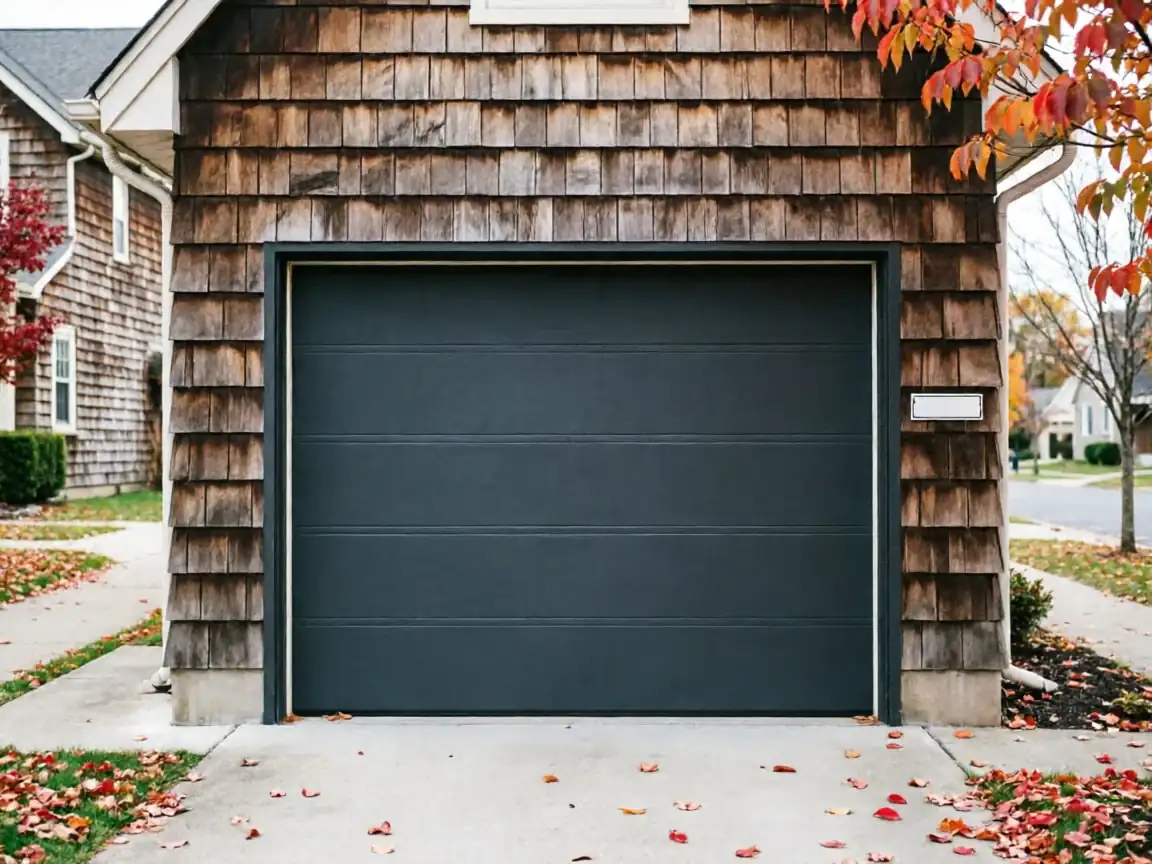
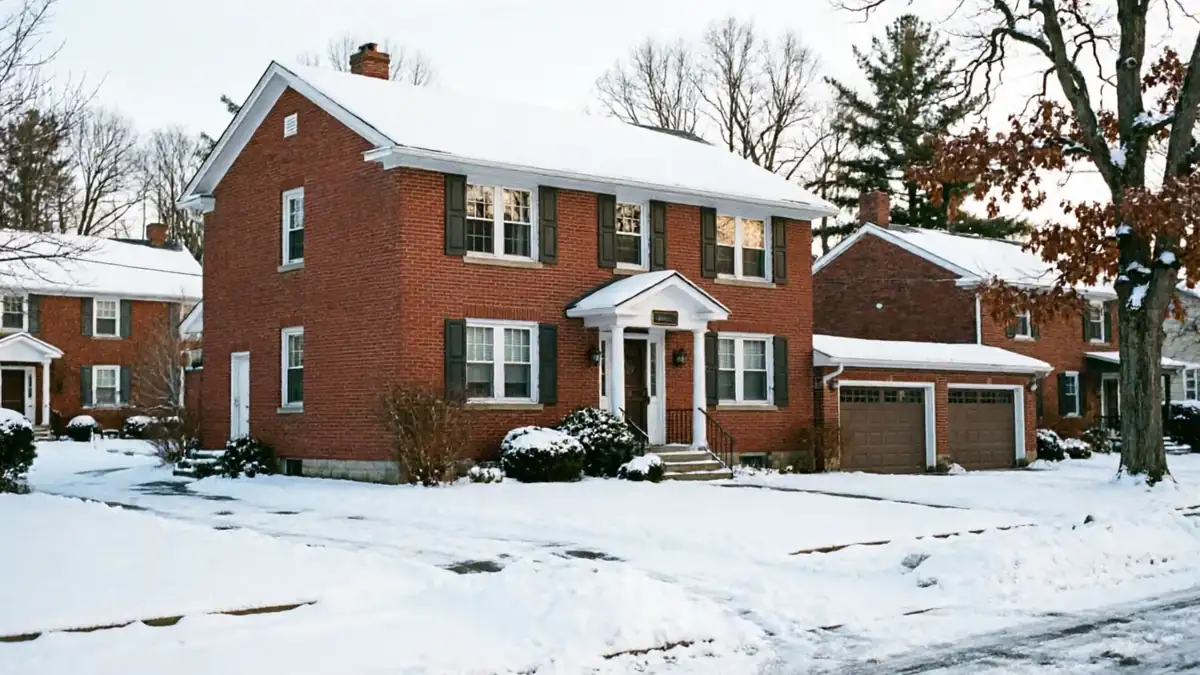
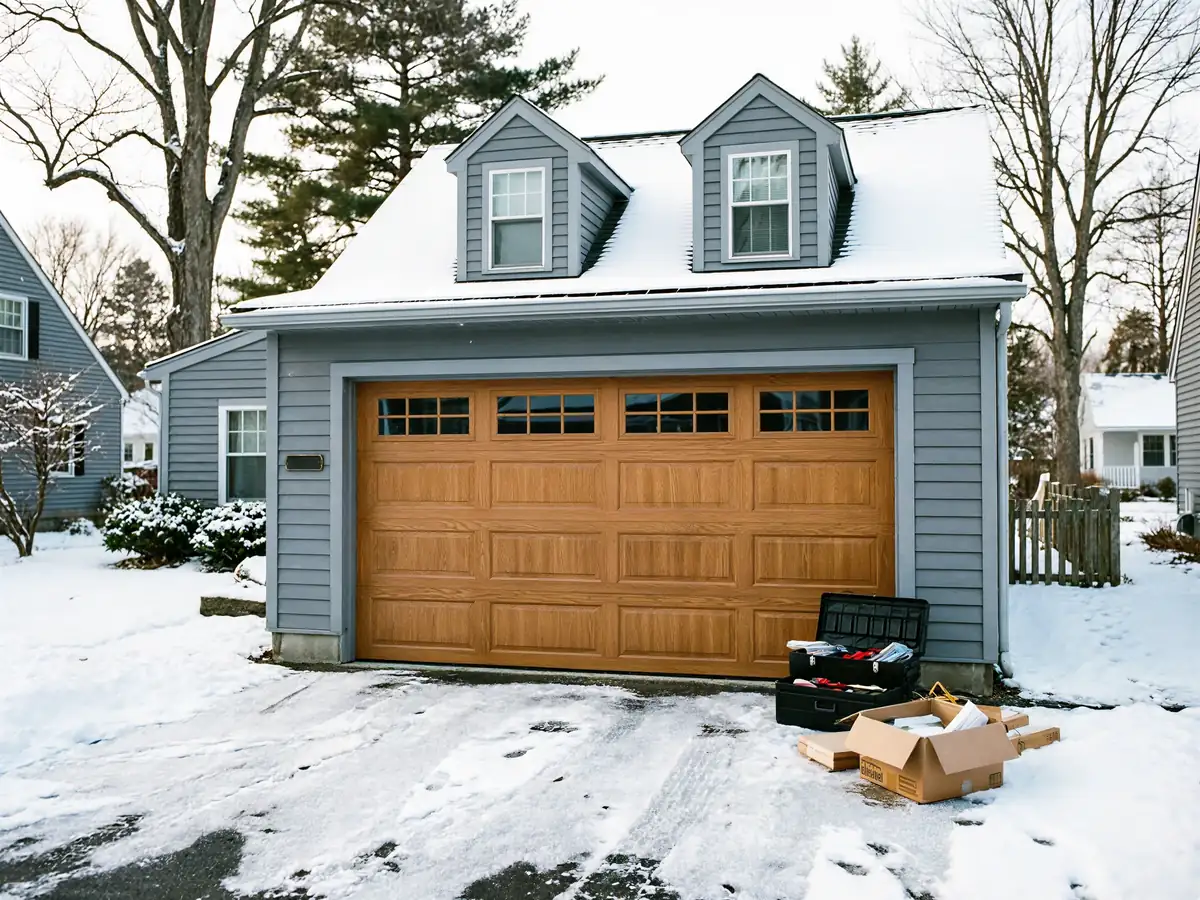
Milton's housing skews older than most of the towns we cover. The median year built here is 1944, which puts a good share of the stock ahead of the 1968 median across our wider service area. That six-figure gap in F1's range matters: a door and opener installed on a house built in the late 1940s has usually been replaced once or twice already, but the structural opening itself - the jamb width, the headroom above the door, the way the garage ties into the house framing - was never updated to match later standard sizes. We see more single-car openings here, more low-headroom situations, and more jobs where the fix has to work around a frame that predates modern torsion spring mounting. If your garage still has the original wood jamb, that's consistent with the age of the neighborhood, not a sign something was done wrong.
This isn't a tear-down-and-standardize town. It's a measure-twice town.
How We Get to You
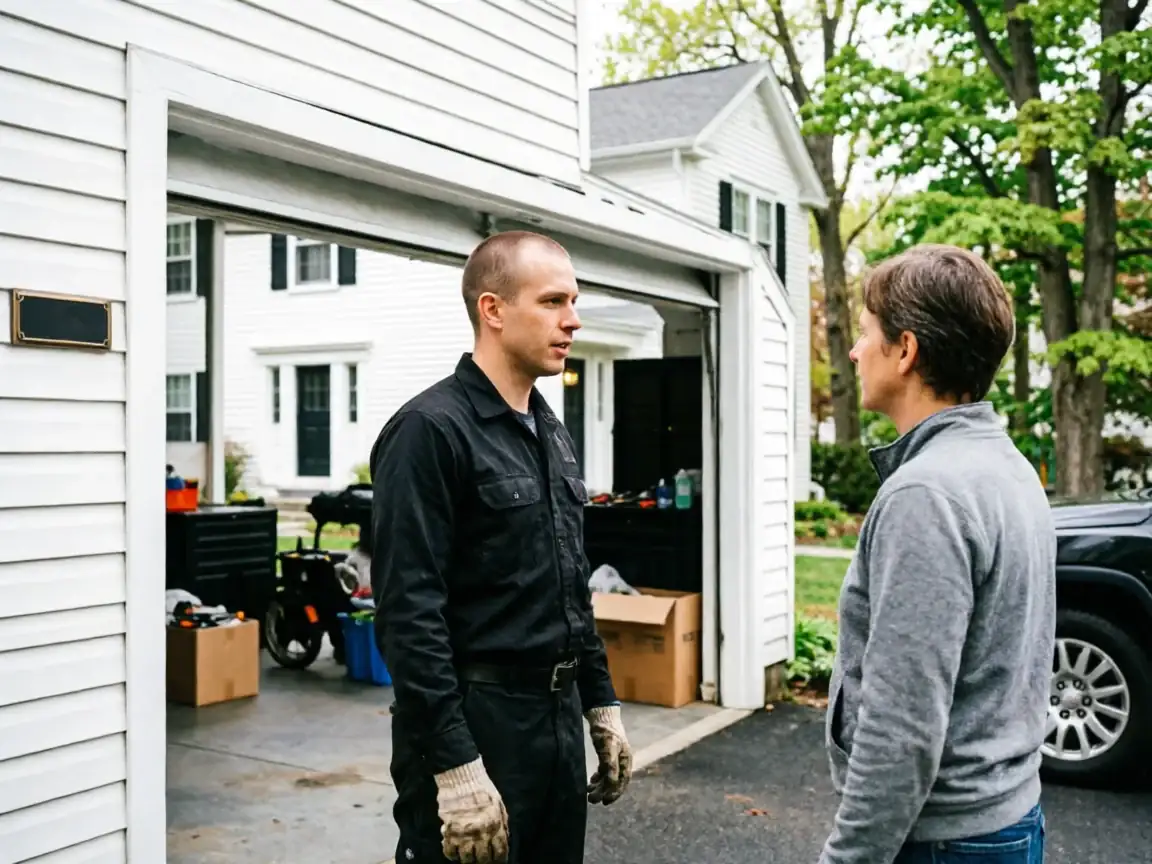
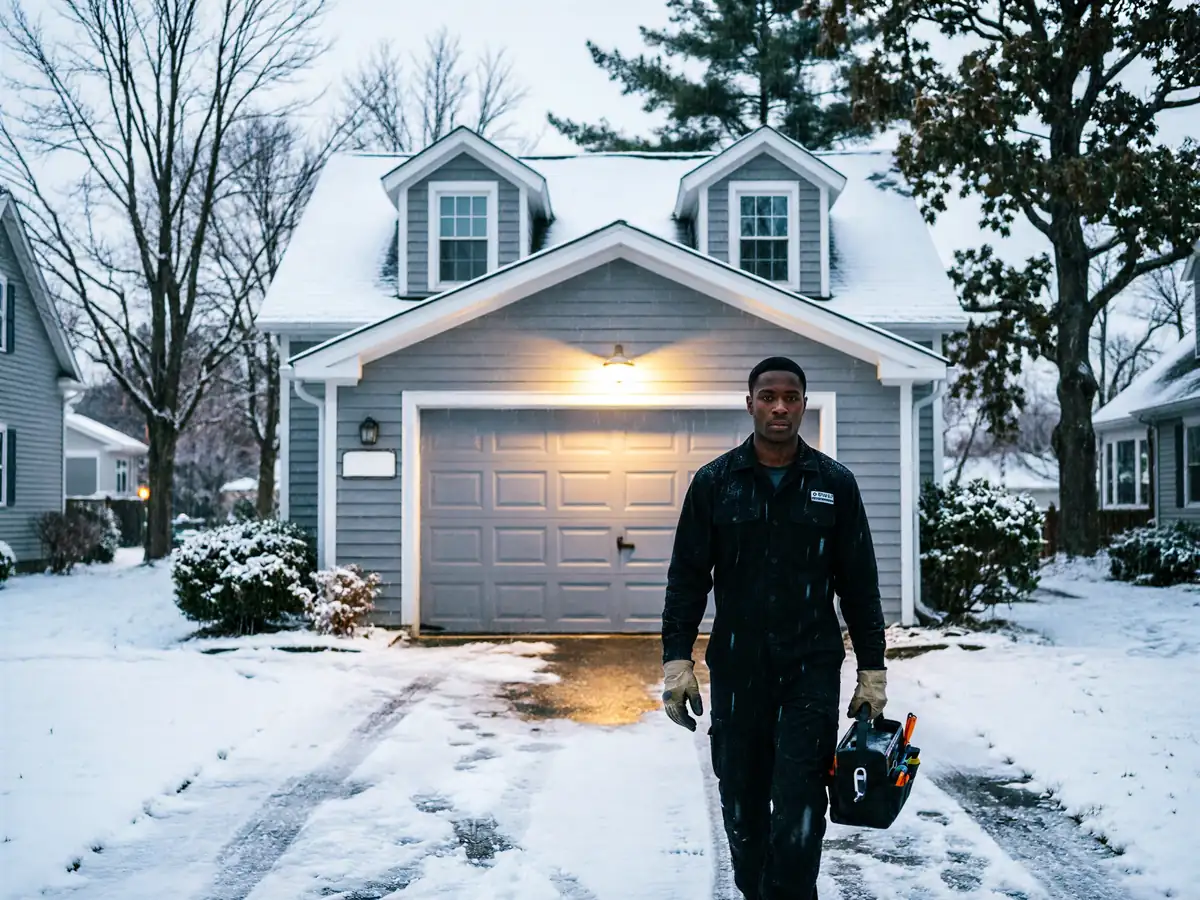
We run out of Needham, about 9 miles from Milton. That's close enough that a same-day call isn't a stretch on a normal day, but we're not going to tell you we have a crew sitting in Milton waiting - we don't have a depot here, and we won't pretend otherwise. What that distance means in practice: we plan the truck's day around where the morning and afternoon calls land, and Milton jobs get slotted alongside the rest of our Needham-based coverage. If you need a spring replaced and the job is straightforward, we can usually work you in. If it's a full door swap that needs a second trip for a special-order panel, the first visit is about measuring and ordering, not finishing in one shot. We'd rather tell you that up front than have you waiting on a truck that was never coming same-day.
What the Housing Means for Your Door
With a 1944 median build year, a lot of Milton garages were sized for the cars and doors of their era
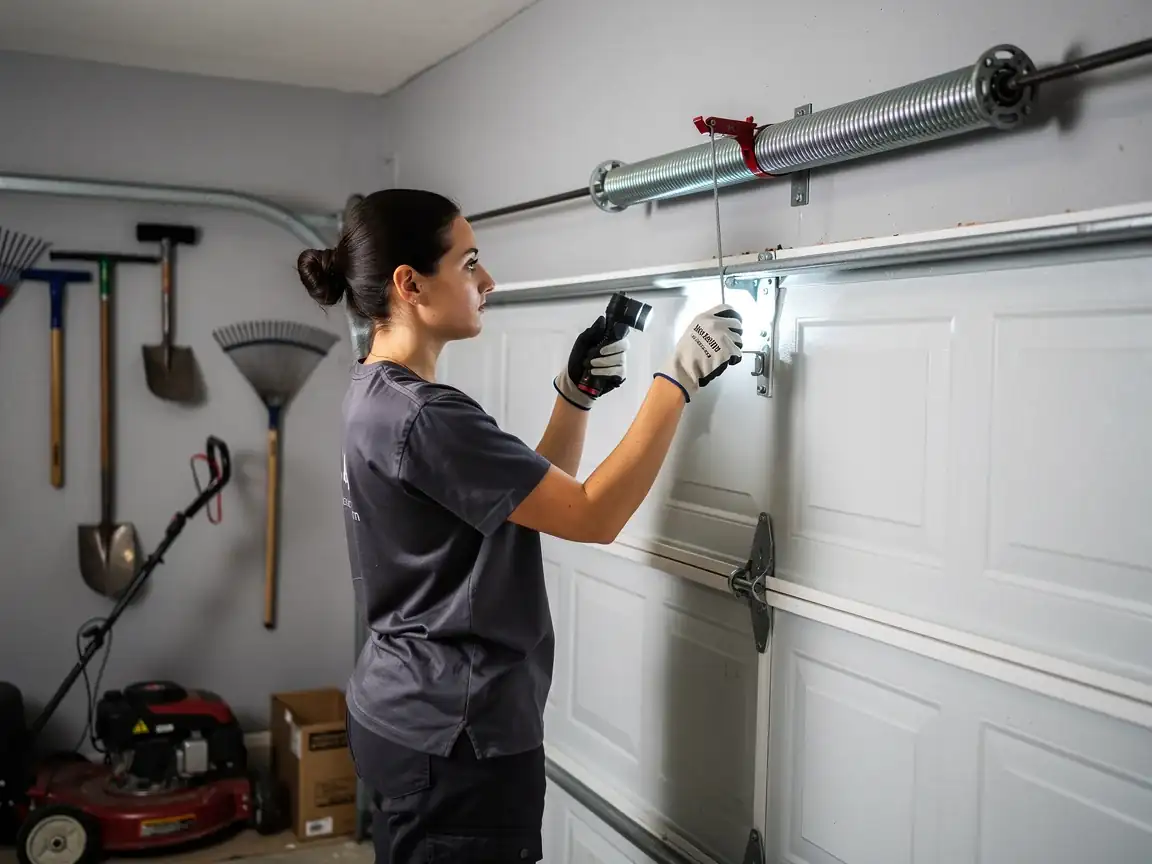
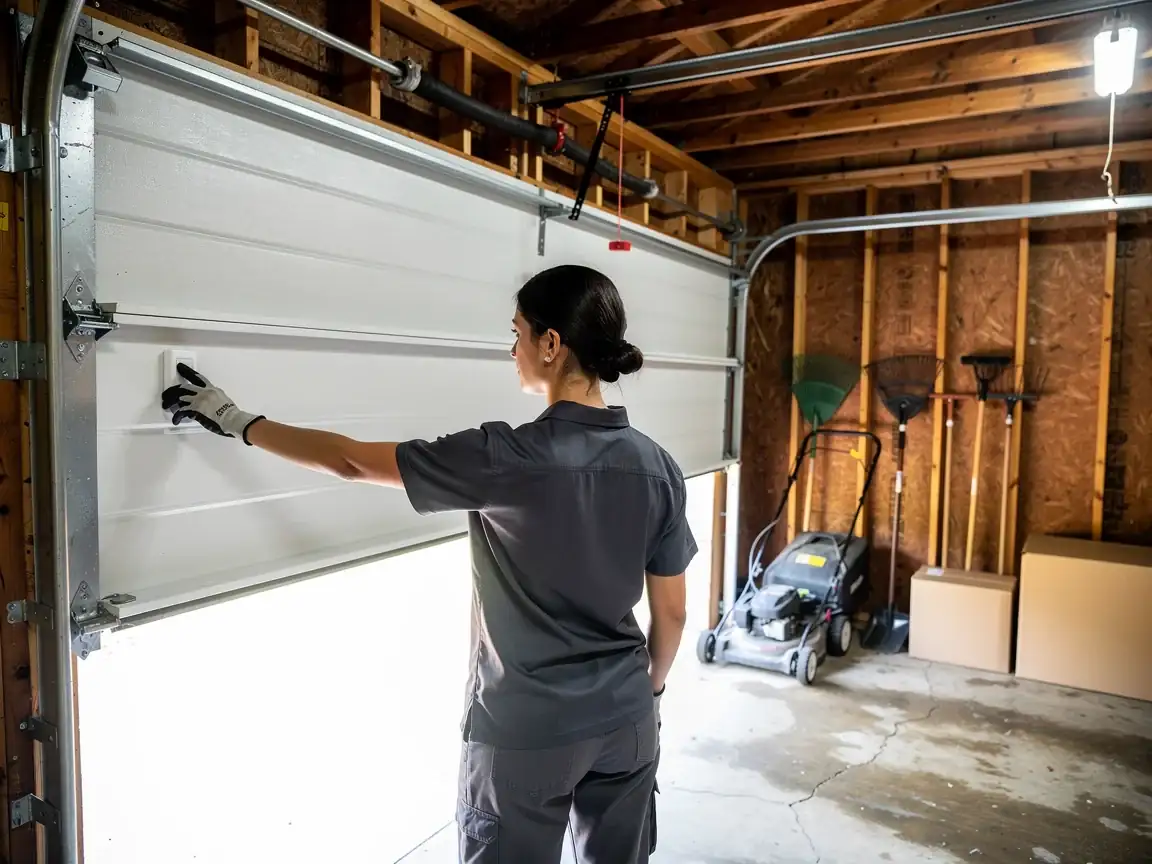
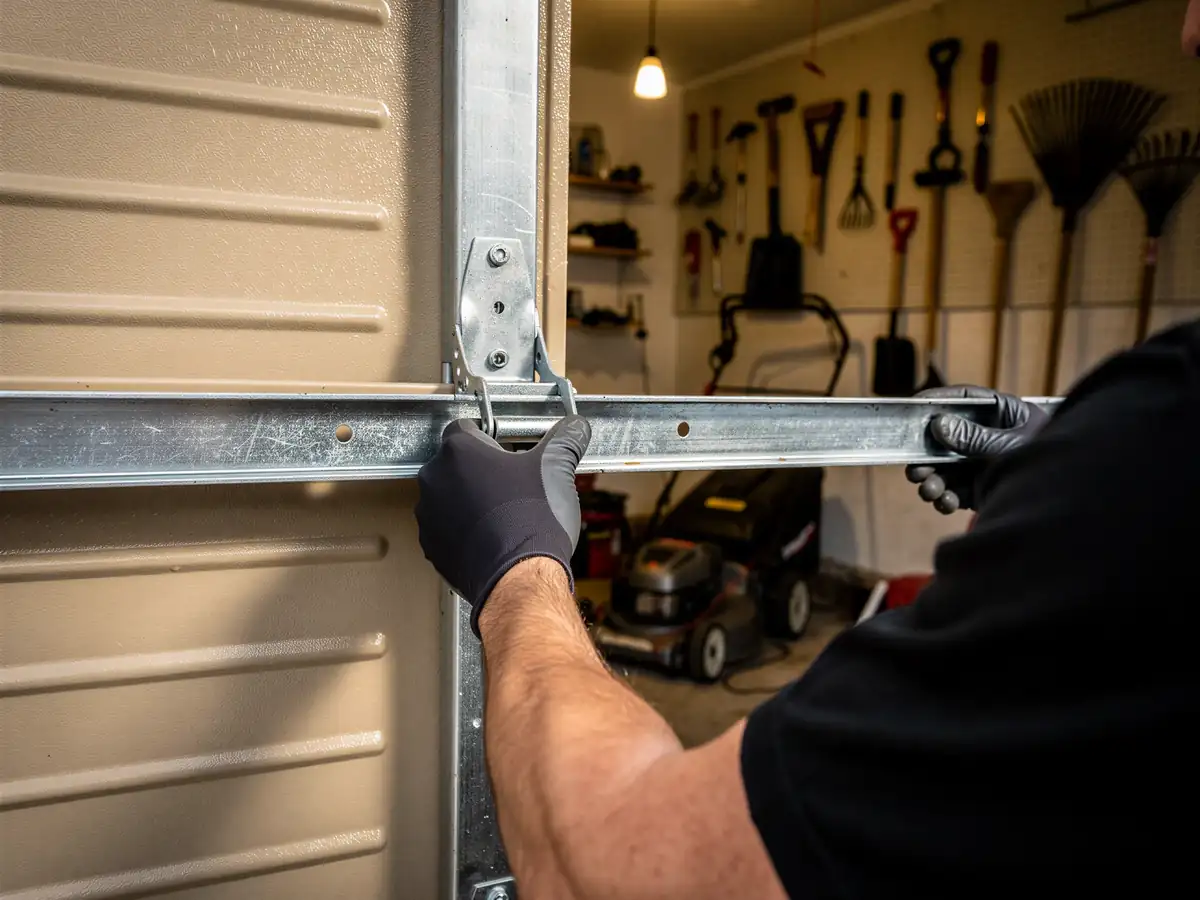
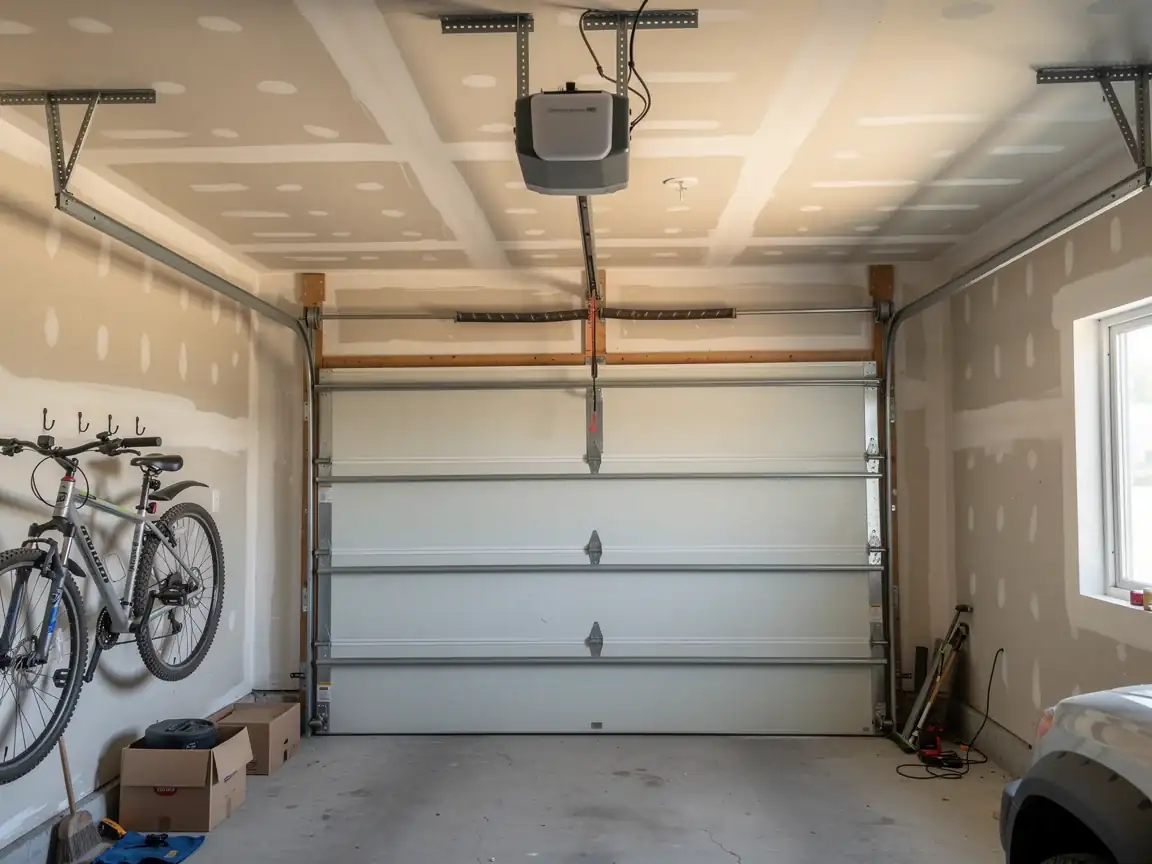
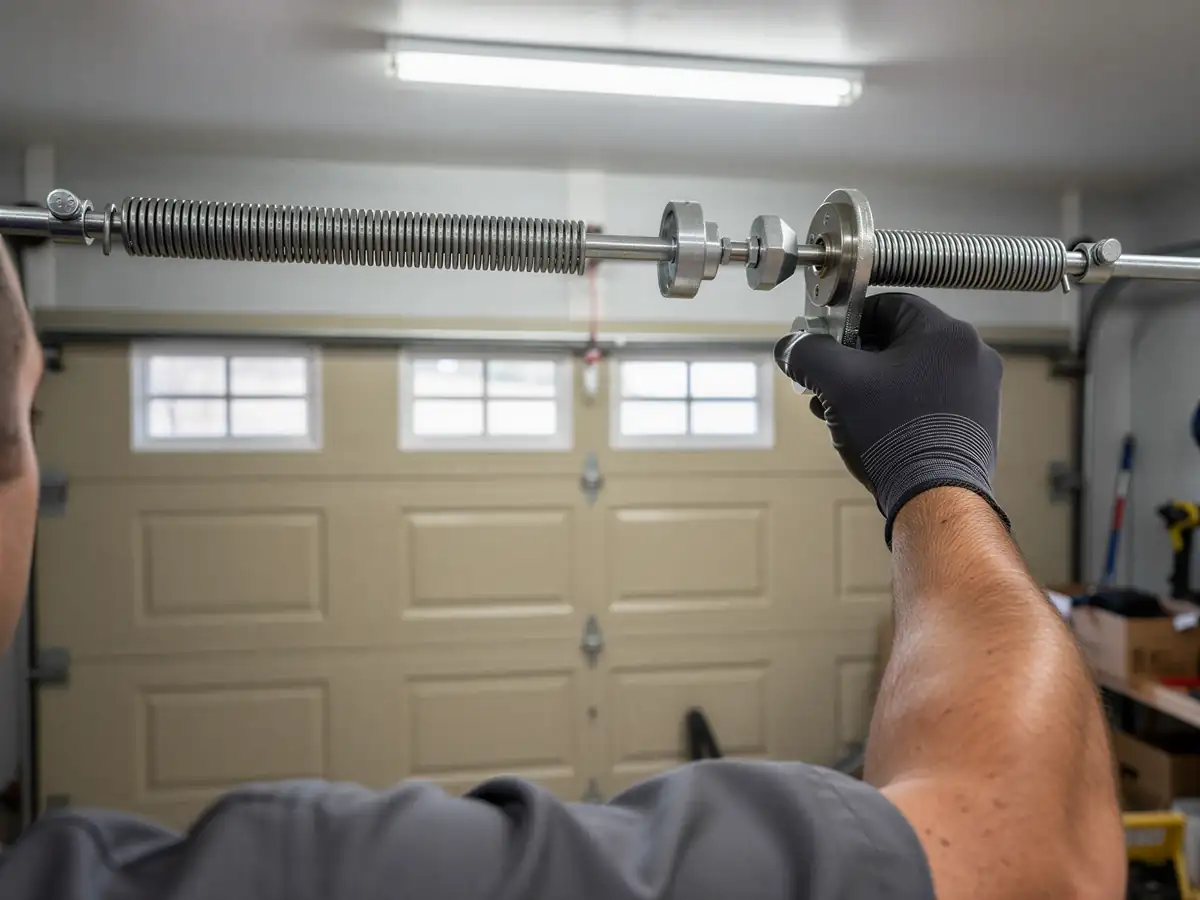
Narrower, lower, and often single-bay even on houses that have since added a second vehicle. When an opener finally fails on one of these, the replacement unit is rarely a drop-in; the mounting bracket, the door's track radius, and sometimes the header clearance all need a second look before we quote anything. Springs on original or early-replacement setups also tend to be sized differently than what you'd find on a 1970s or 1980s build, since the doors themselves were lighter wood construction rather than the heavier steel sandwich panels that came later.
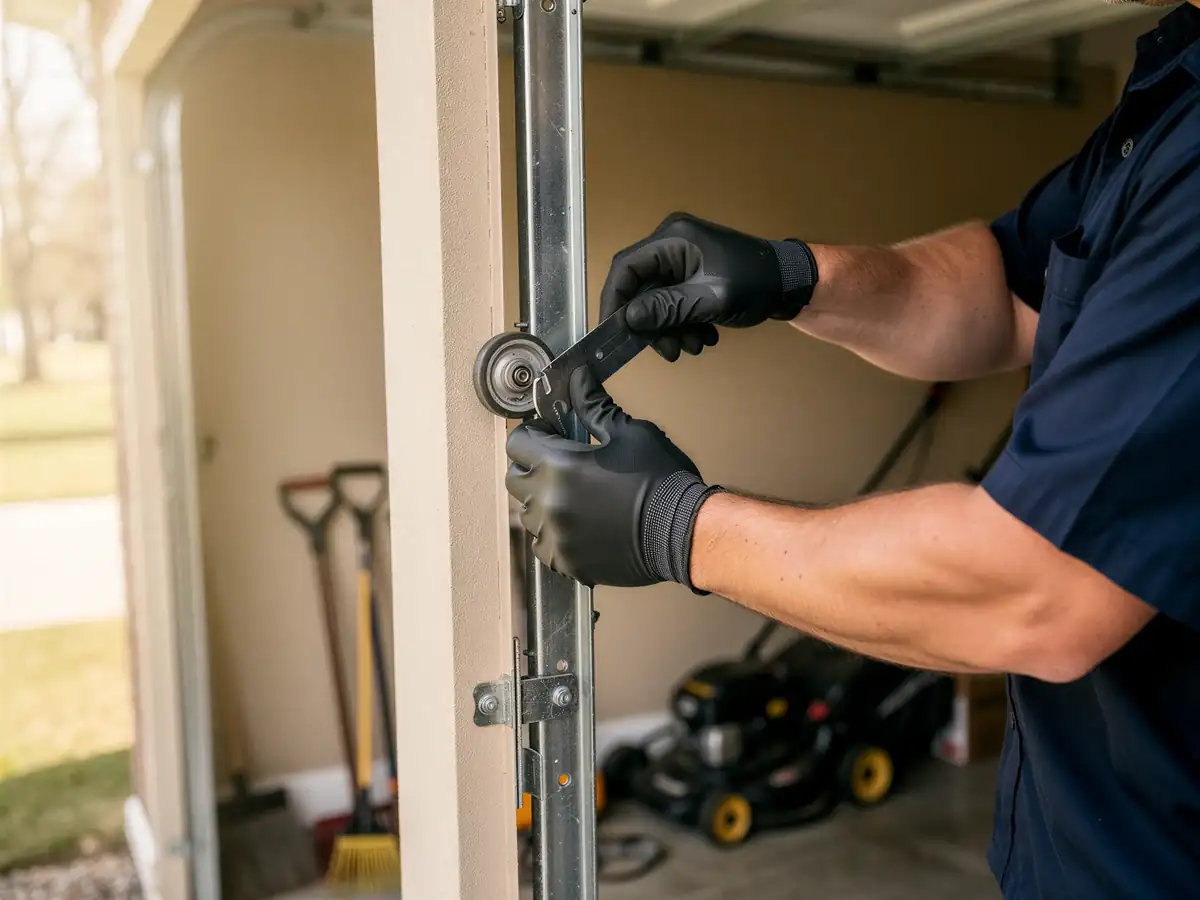
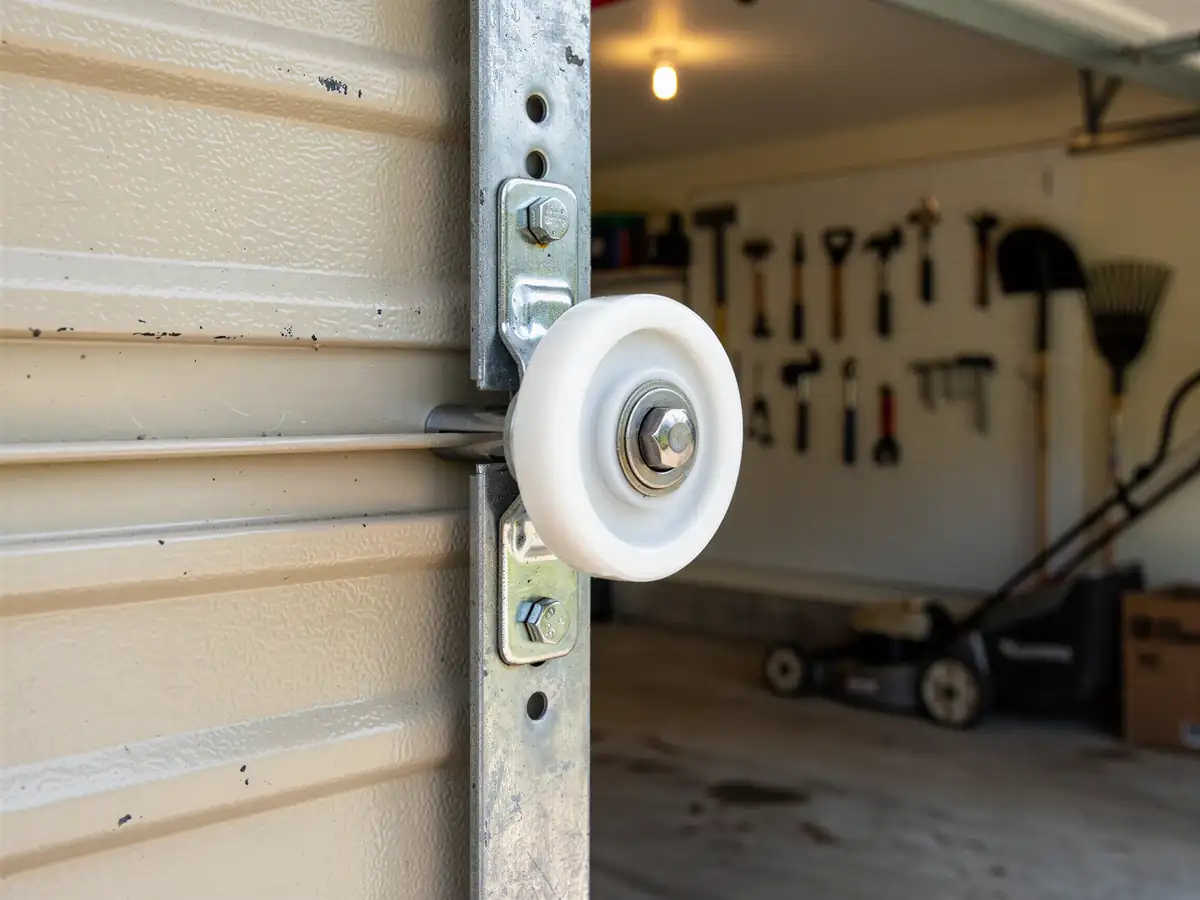
Winters here are the same cold-climate conditions as the rest of the region, and an older, less-insulated door built before double-wall steel construction was common will show it - frozen tracks, stiff rollers, a cable that's lost its give in the cold
None of that is unusual for a house this age. It's just a different repair than the one your neighbor two towns over with a 1970s colonial is going to need.
Old Streets and New Ones
Milton sits 9 miles from our Needham base, and it's one of the closer towns in our coverage. The town has roughly 9,139 households, smaller than the 300,673-household total across our whole service area, and the median household income here runs noticeably higher - $178,053 against a service-area median of $154,011. That income gap tends to show up in the work: more owners replacing a tired door outright rather than patching it twice, and more interest in insulated or higher-end panel options when the time comes.
We don't claim a long history serving Milton specifically, and we're not going to invent one. What we can tell you is that the age of the housing stock here is consistent enough - pre-1950s construction being common - that we see the same handful of issues repeat: original jamb widths, lighter door weight, and hardware that's been replaced piecemeal over seventy-some years rather than all at once.