What to Check
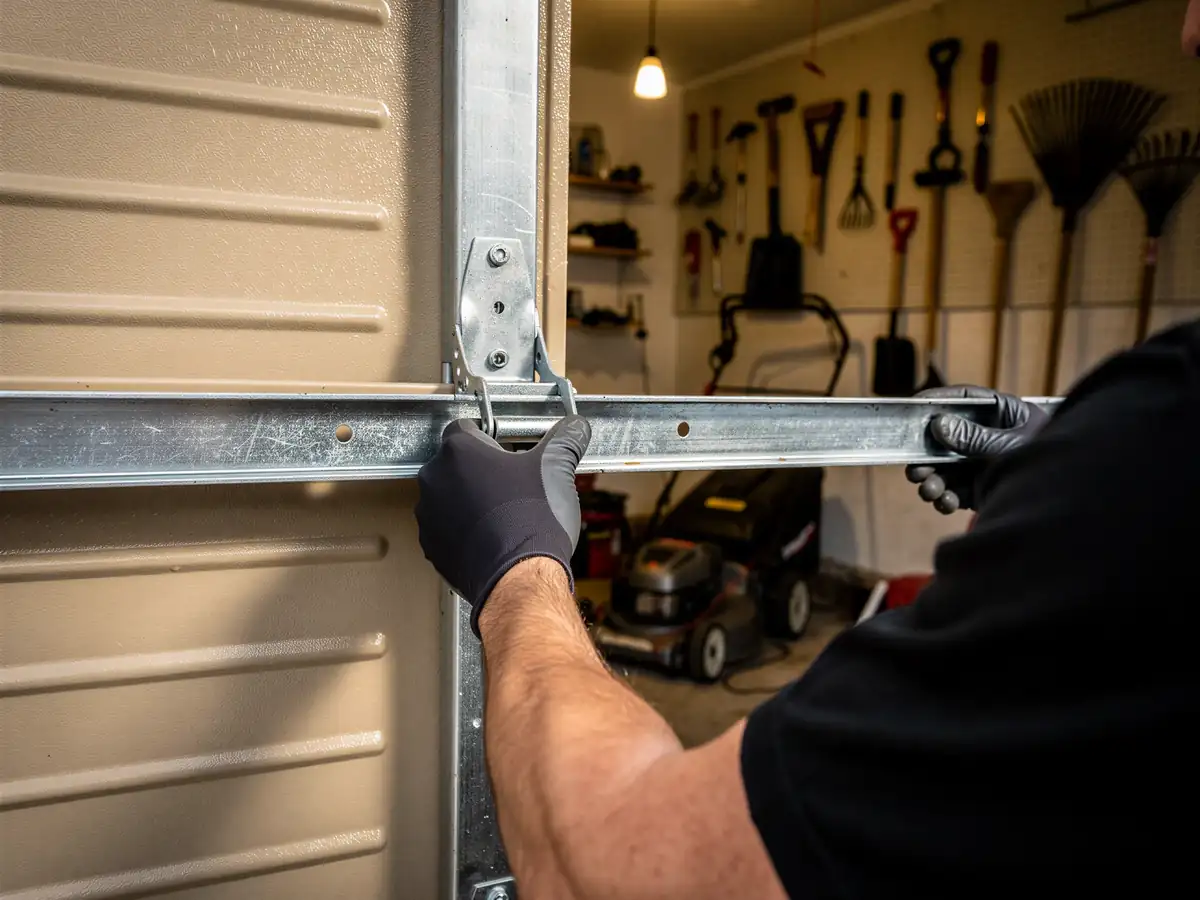
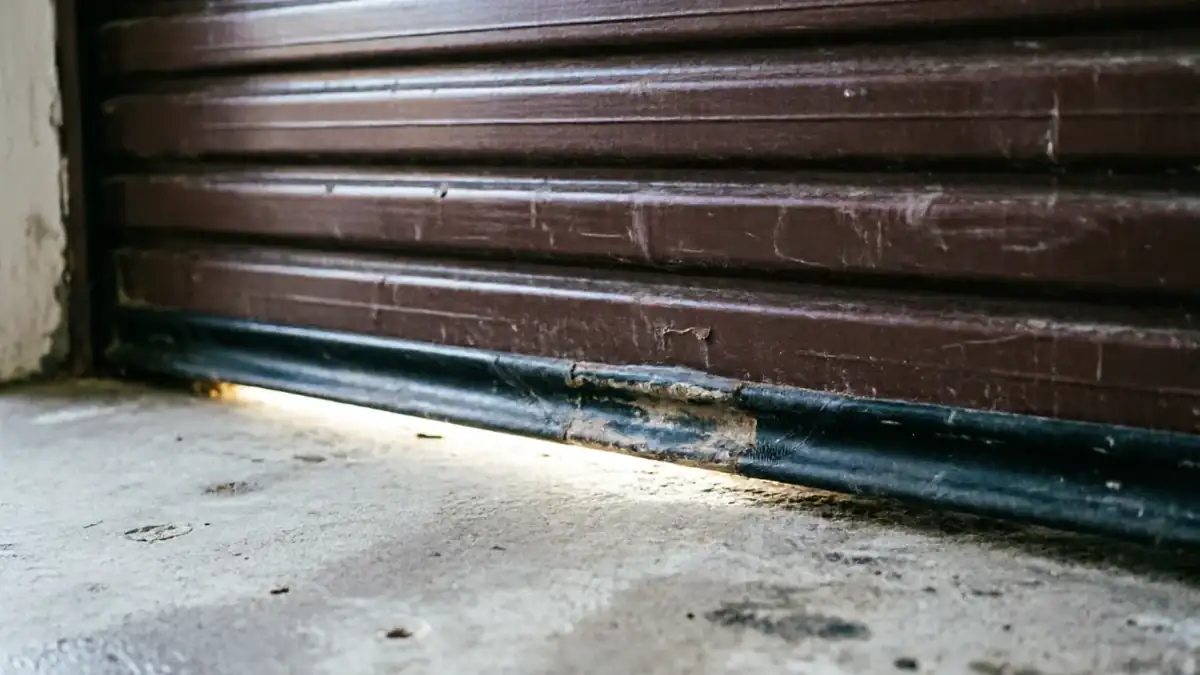
Start at the bottom of the door. On a house from the 1960s or 70s - and most of Needham's housing dates between 1938 and 1985, with the typical build year around 1968 - the original rubber astragal has usually hardened and cracked by now. Run a hand along it on a cold morning. If you feel air moving instead of rubber flexing, that seal is done, not just dirty.
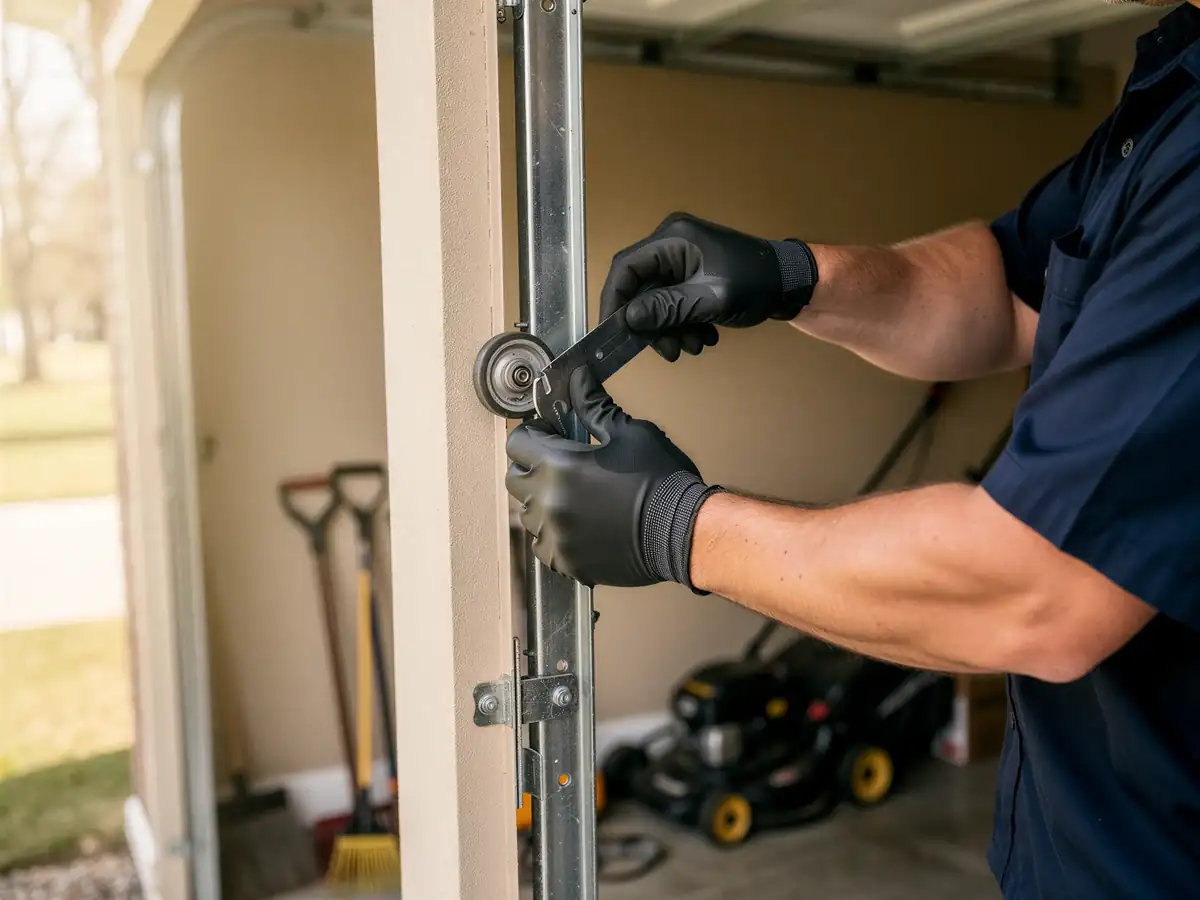
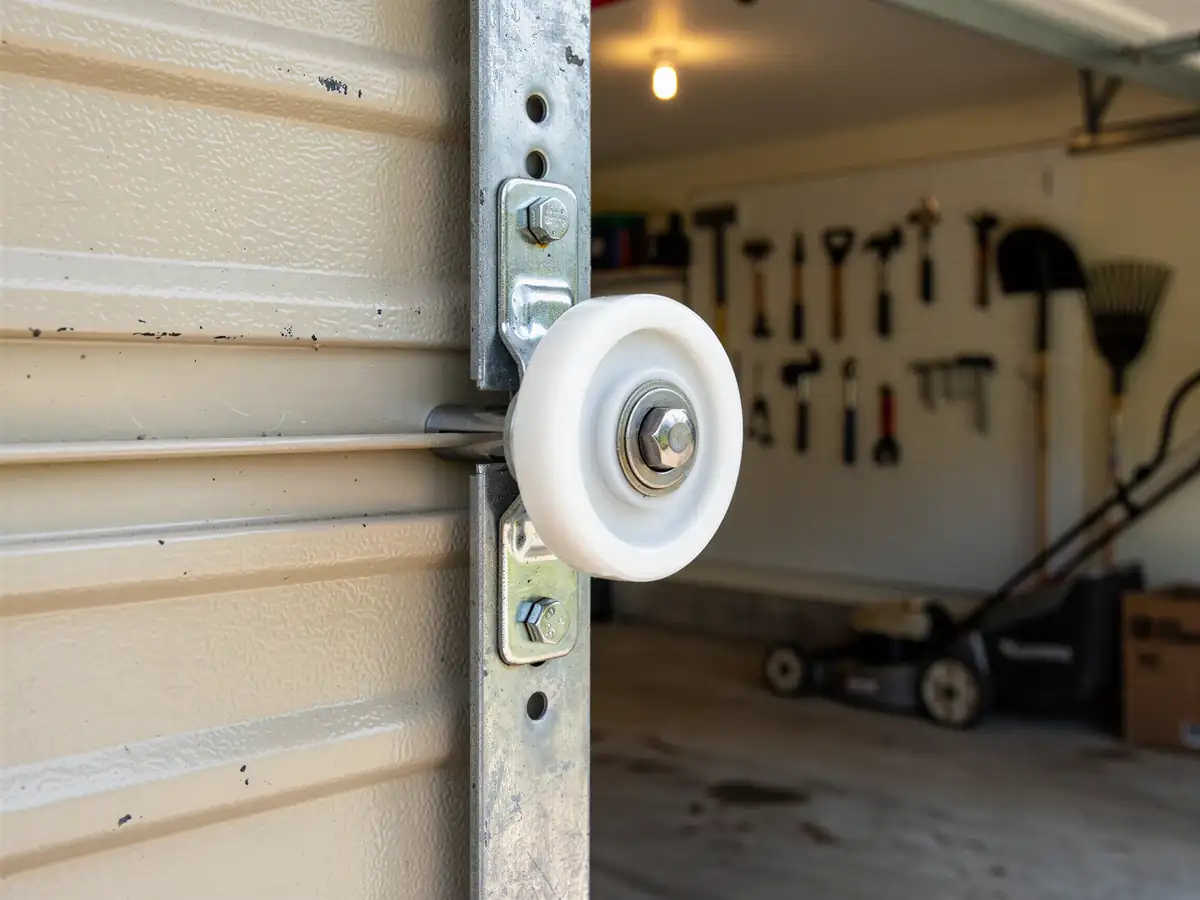
Check the side jambs next. Steel doors from that era were set into wood or masonry openings with a thin strip of weatherstripping stapled or nailed in place. Decades of seasonal swelling and shrinking in the framing around it pull that strip loose at the corners first, so look there before you look anywhere else.
Last, check the top seal where the panel meets the header. On older torsion setups, this is often the thinnest foam of the three, and it's the one owners forget because it's out of eye line. If you can see daylight at any of these three points, you've found where the cold is getting in - not just a draught, but a path for snowmelt and condensation to sit against steel that's already fifty-plus years old in places.
When to Get Help
A seal you can replace yourself is a seal that's cracked but the track and bottom bracket are still square. That's a twenty-minute fix with the right strip, and we won't talk you into a truck roll for it.
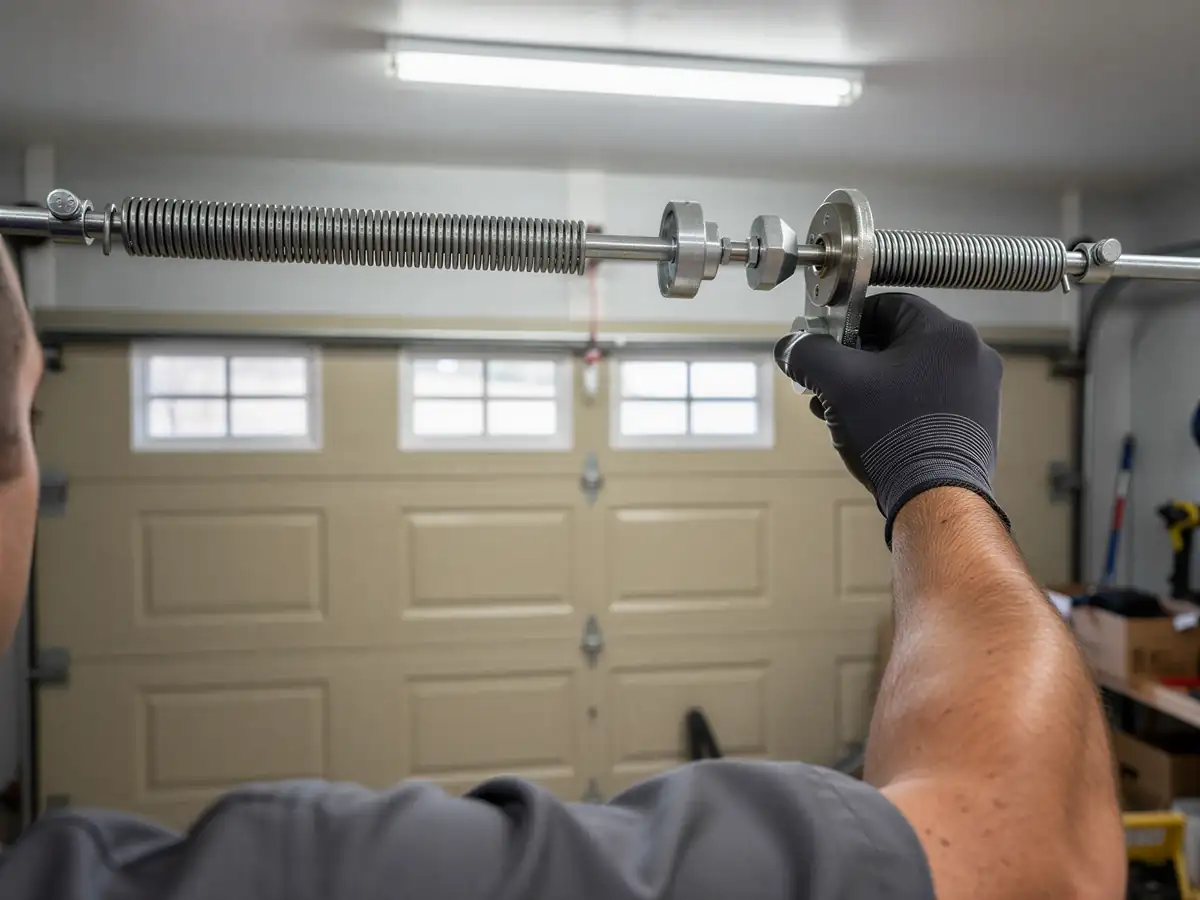
Call when the draught comes with something else: a door that's noticeably heavier to lift than it used to be, a bottom panel that's rusted through at the corners, or a track that's pulled away from the jamb. On houses built in the 1938-1985 window that make up most of Needham's stock, those three problems tend to show up together, because the hardware and the seal were installed at the same time and age at the same rate.
Here's the honest limit: if the door itself has rusted at the bottom panel or the frame has shifted enough that a new seal won't seat flush, buying another strip of weatherstripping is money spent on a problem that's still there next winter. At that point replacing the bottom section, or the whole door, costs less over five years than re-sealing it twice. We'll tell you which one you're looking at before we quote anything.
What the Weather Here Does to It
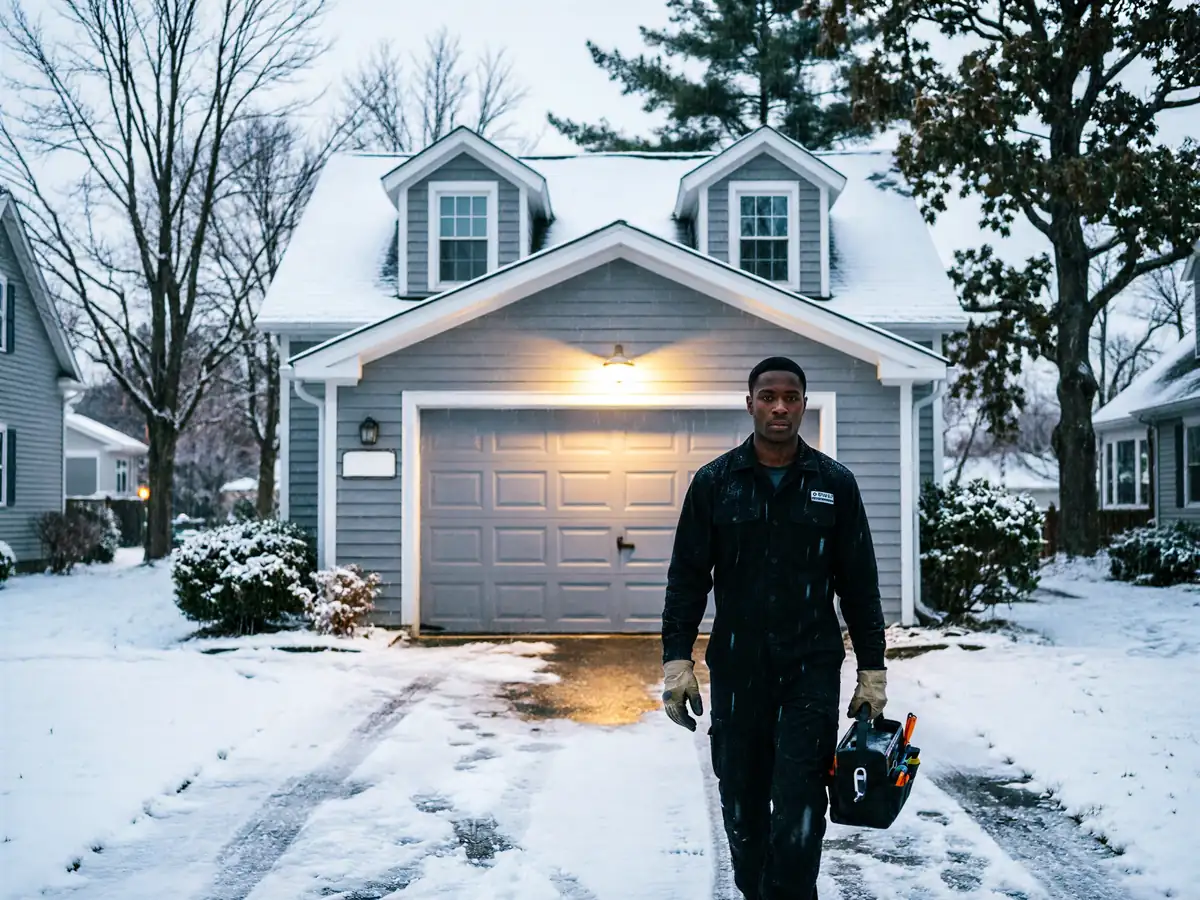
Needham sits in a climate band classed as severely cold
And that matters more for a garage door than almost anywhere else in the house, because the seal is the one part of the building envelope that's designed to flex every single day. A wall doesn't move. A door does - up and down, dozens of times a week, through freeze and thaw.
On a house from the 1960s or 70s, the foam or rubber used in the original seal wasn't engineered for the number of freeze-thaw cycles a severe-cold climate puts it through over fifty-plus years
It compresses a little more each winter, takes a set, and stops springing back. By the time a homeowner notices the draught, the seal has usually been losing its shape for several seasons already - the cold just makes the gap obvious.
This is also why a seal that looked fine in August can fail by January
Rubber that's gone stiff from age flexes less, and the same cold that makes the gap noticeable is the cold that's finishing the seal off. If your door is from that original building era, the climate isn't causing a new problem - it's exposing one that's been building for decades.
The Problem
The real issue isn't the strip of rubber at the bottom of the door. It's that a lot of Needham's garage doors are original to houses built in that 1938-1985 window, median year around 1968, and the materials used then weren't made to last this long. In neighborhoods like a mile north-northeast of the center, two miles northwest, that same housing stock means the same aging seals on the same era of steel door.
Across the wider service area, roughly 166,696 of 300,673 households own their homes, and a large share of those houses share this build era. That's a lot of original hardware still doing its job, poorly, every winter. A new seal on an old door buys you a season or two. A new seal on an old door with a warped bottom panel or a shifted track buys you nothing.
We're not going to tell every caller they need a full door - most of the time a seal and a look at the bottom bracket solves it. But if you're near Wellesley, both about three miles out, and your door is from that same construction era, the draught you're feeling is the seal telling you its job is finished, not the weather being unusual.