Parts We Carry
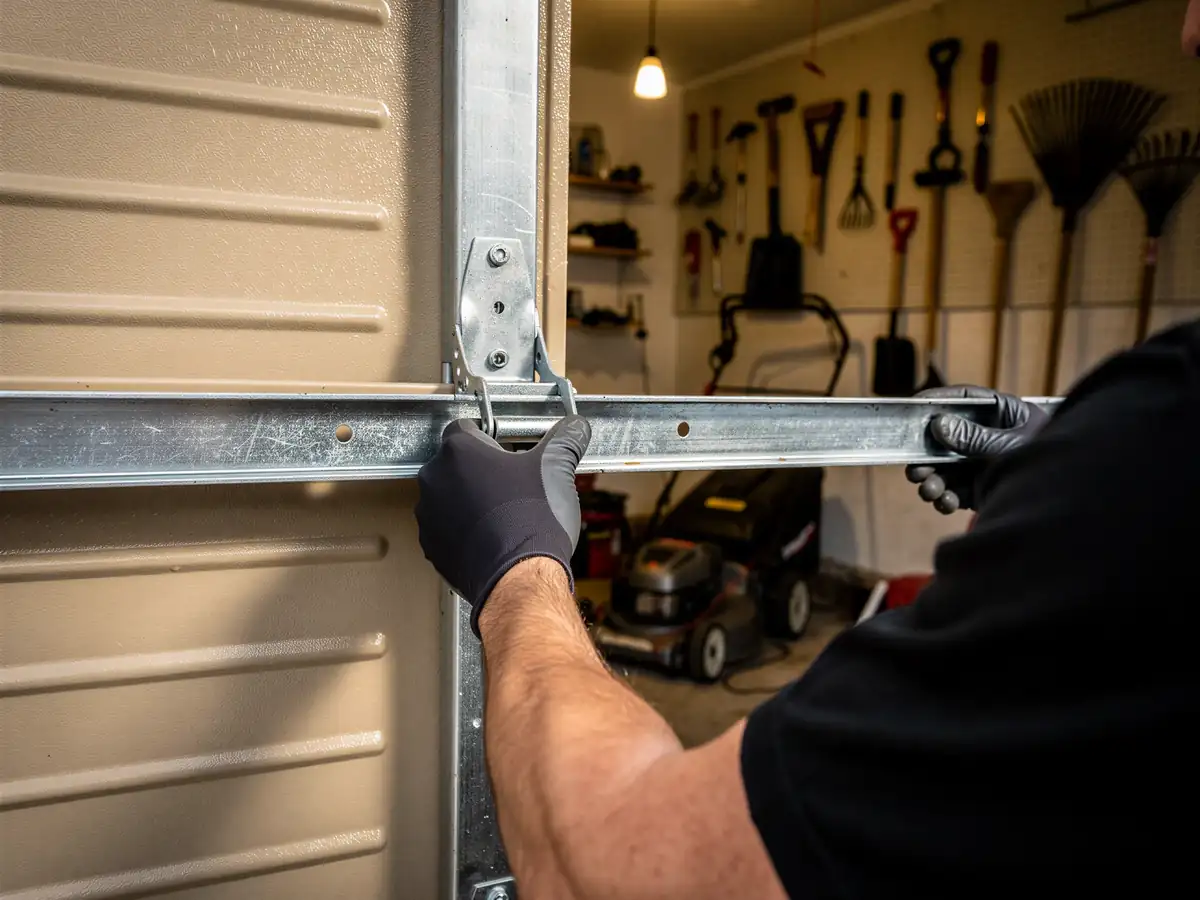
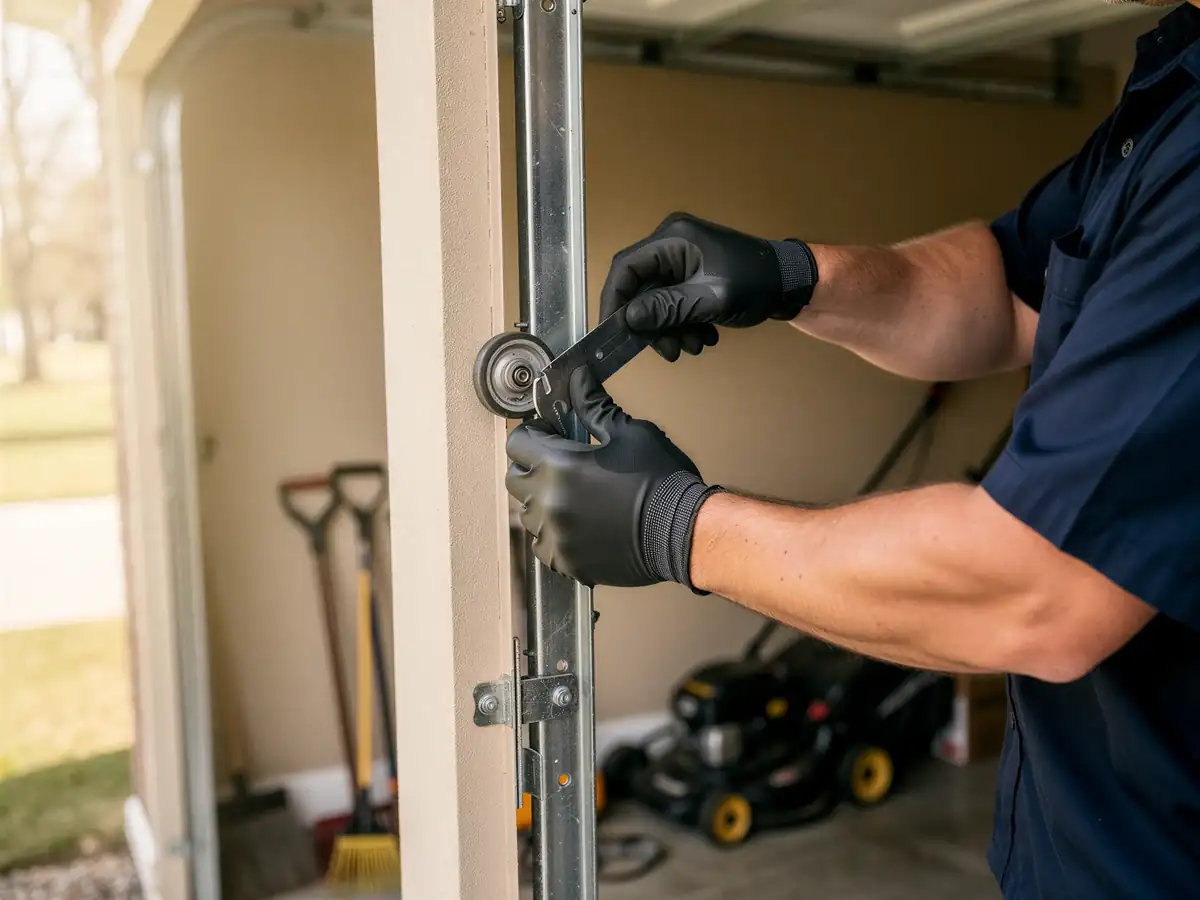
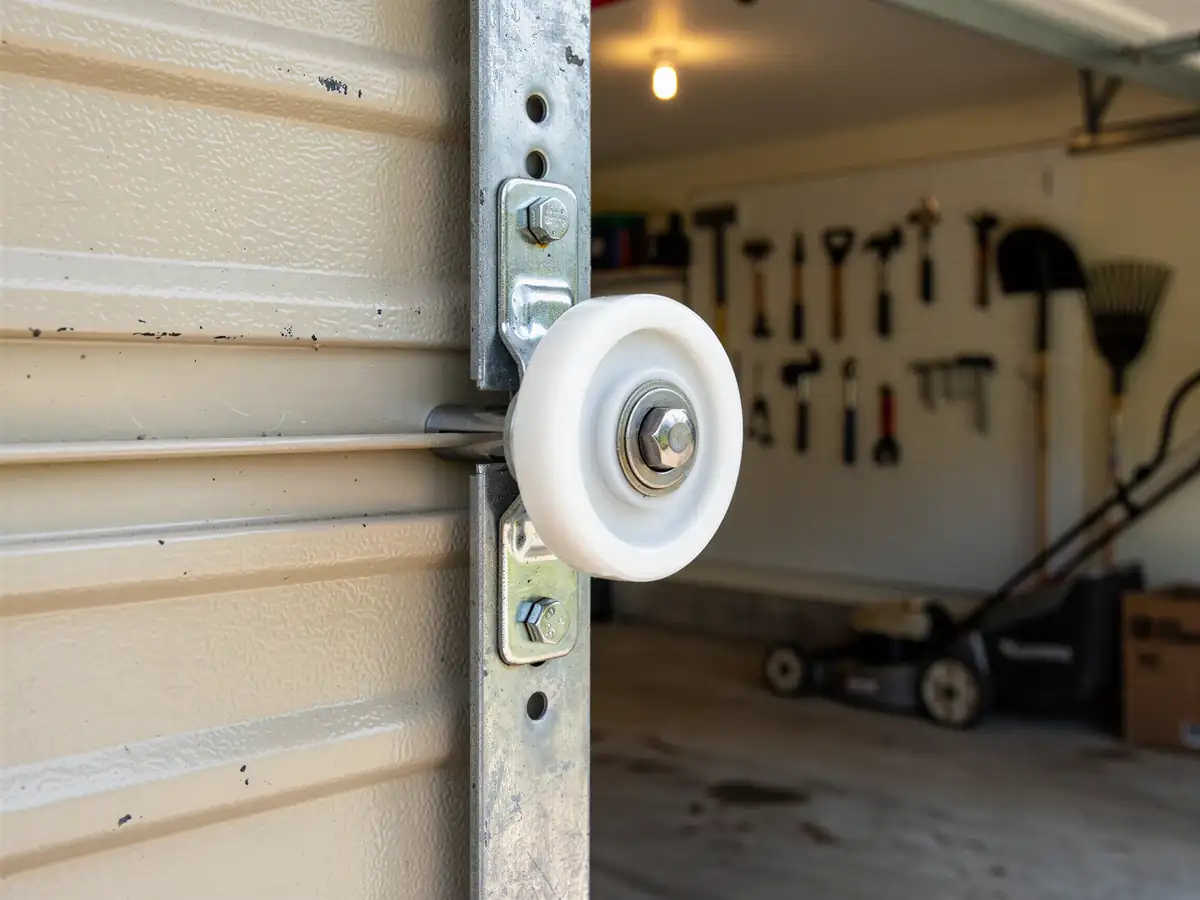
We bring both steel ball-bearing rollers and sealed nylon rollers on the truck, because which one belongs on your door depends on what's already riding in the track. A lot of Wellesley garages still have the original steel track from when the house went up, and steel track wants a roller stem and wheel diameter that current big-box kits don't always match. We carry the common stem lengths - 4 inch and 7 inch - and both 2 inch and 3 inch wheel sizes, so we're not guessing on the first trip.
What we don't carry is every obsolete roller bracket ever made. If your door has a bracket pattern nobody's manufactured in decades, we'll tell you straight that a full roller-and-track swap beats trying to source a part that may not exist anymore. That's not a sales pitch - it's the honest math on a door that's been running the same hardware since the Eisenhower administration.
Nylon rollers go on by default unless you ask for steel, mainly because nylon doesn't need lubrication and runs quieter on an older track that's already lost some of its factory-smooth finish. Either way, we replace all ten rollers in a set rather than the two or three that are visibly worn - uneven roller age is one of the most common reasons a door comes back off track within a year.
The Complications
Wellesley's housing stock centers on 1954, which puts a lot of garage doors here on hardware that predates the roller and track standards most repair trucks are set up for today. Original one-piece and early sectional doors from that era often ride on narrower track than anything sold now, so a roller that looks like a drop-in fit can bind or pop the track within weeks if the gauge is off by even an eighth of an inch.
Cold is the other half of the problem. This area sits in a severe cold climate band, and steel rollers without sealed bearings seize or develop flat spots faster when they're cycling through freeze-thaw mornings all winter. On an older track, a seized roller doesn't just squeal - it drags the whole door off its rails, which is how a roller job turns into a track and bracket job if it sits too long.
The complication we can't solve on the spot: if the track itself has rusted or bent from years of a bad roller grinding against it, roller replacement alone won't quiet the door. We'll tell you when that's the case before we start swapping parts, not after we've billed for rollers that were never the real issue.
How Long It Takes
A straightforward ten-roller swap on a double door, once we're on site, runs under two hours in most cases
Less if the brackets and track are in decent shape and we're not fighting rust. The variable here isn't the labor, it's the drive. We run this job from Needham, and Wellesley is close at about 3 miles out, so travel isn't adding real time to a scheduled visit the way it might for a town further down the list.
- 3 miles
What does add time is diagnosis on older hardware
If your door's original track dates to the 1954-era build common in this town, we spend a few extra minutes checking gauge and alignment before we commit to a roller size, because putting the wrong stem length into tight original track causes more harm than the worn roller did. That inspection is part of the visit, not a separate trip.
If we get into the job and find the track needs straightening or the brackets are cracked
We'll say so on site and give you the choice to proceed that day or schedule the larger repair separately - we don't like surprising anyone with scope creep once the door's already apart.
Booking a Visit
If you're not sure whether what you're hearing is a roller problem or something else - a bad opener, a failing spring, a cable starting to fray - start with our general repair page for Wellesley and we'll sort out the actual fault before quoting anything. Rollers are usually the easy diagnosis: a grinding or popping sound as the door moves, worse in cold weather, is close to a textbook roller symptom.
Booking works the same whether you call it in or request online - we schedule the visit out of Needham and bring roller stock sized for both modern and older track, so the common Wellesley case of 1954-era hardware doesn't turn into a second trip for parts. If you'd rather read the full service writeup that covers roller work across the Needham base itself, that page is linked below too.