Doing It Yourself
Most of the emergency calls we get from Burlington start the same way: a torsion spring snaps on a double-wide door and the door won't move, or barely moves, with a loud bang that homeowners mistake for something falling in the garage. That bang is the spring letting go, not a shelf collapsing.
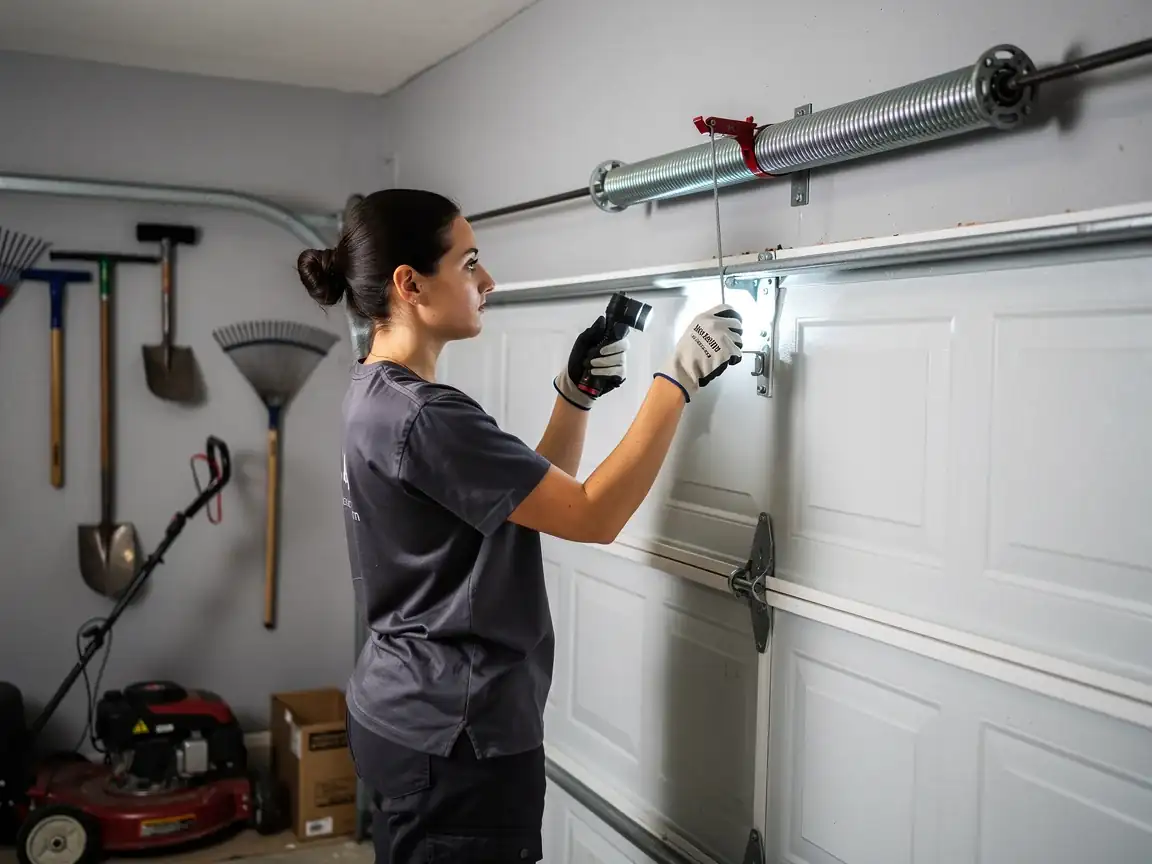
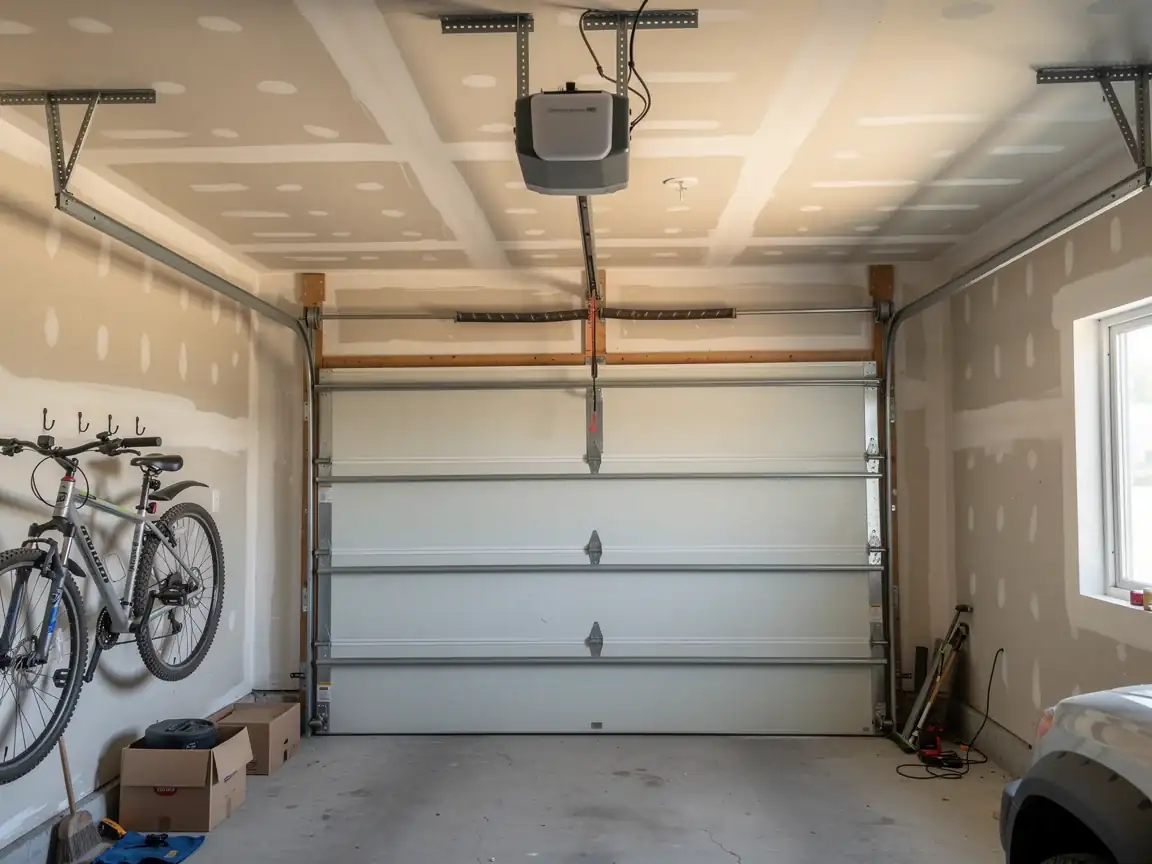
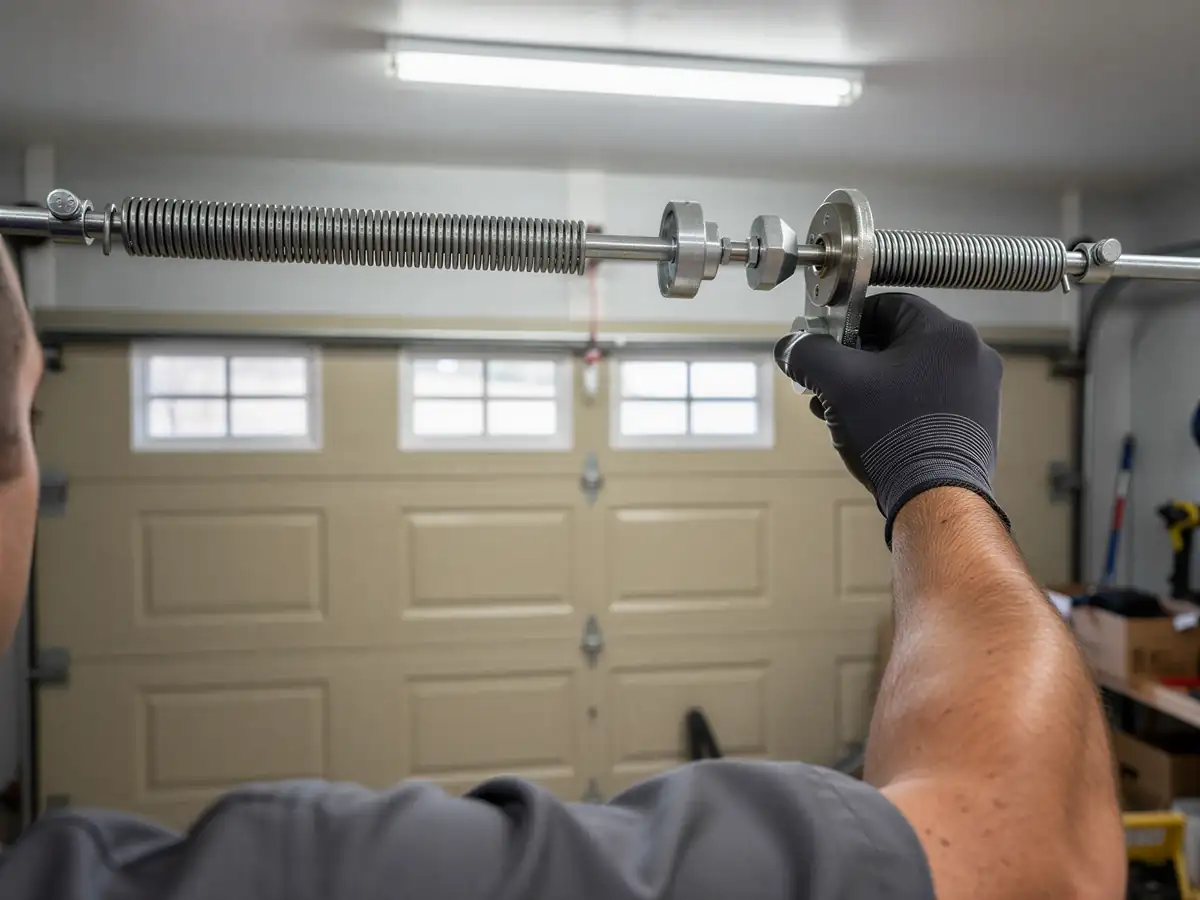
Burlington's housing stock centers on 1971, which puts a lot of these garages in the generation where builders switched from side-mounted extension springs to torsion bars over the header. That's good news and bad news. Good, because torsion systems are more predictable to diagnose. Bad, because the spring is under enough tension to break a hand or worse if you try to wind or unwind it yourself.
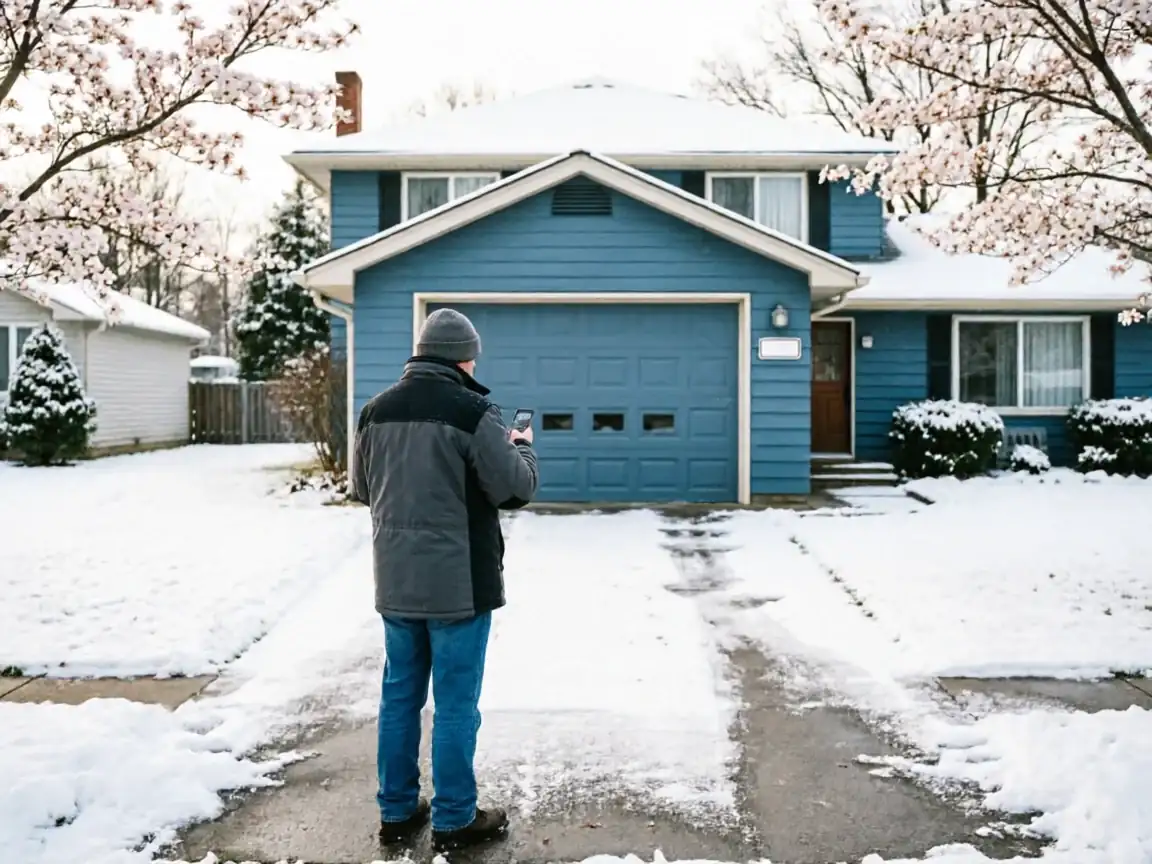
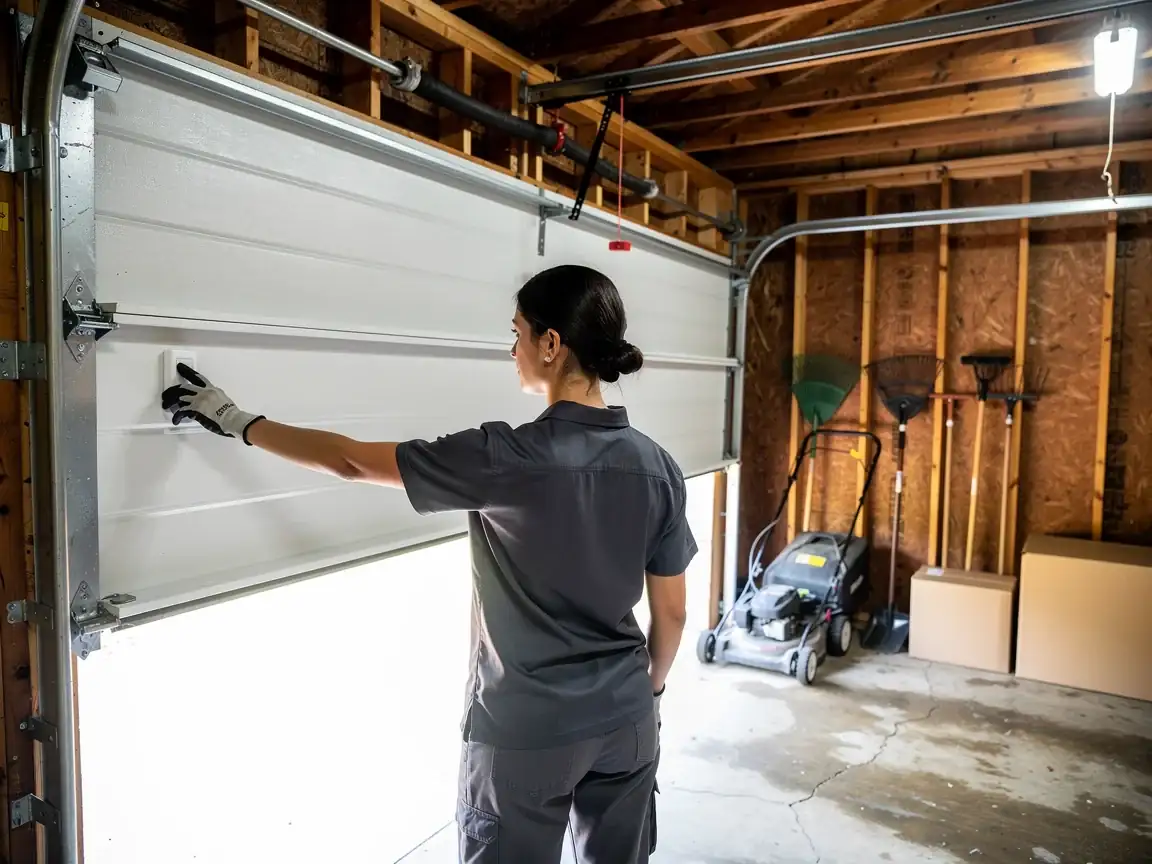
Here's what you can safely check before calling anyone: is the opener plugged in and getting power, is the wall switch's wire chewed or loose, are the photo-eye sensors near the floor clean and aligned, and is anything physically blocking the track. If the door is stuck shut and you can see a coiled spring that's split in two above the door, stop there. Don't cut the cable, don't force the door by hand, and don't let anyone stand under it. That's a job for someone who works on these every day, not a Saturday-morning fix.
How Long It Takes
We run this call from Needham, about 16 miles out, so there's no branch truck sitting in Burlington waiting on standby. We won't promise a same-day window we can't back up, and we're not going to invent a response time just to sound reassuring. What we can tell you is that the drive is the variable, not the diagnosis - once we're in the garage, a broken torsion spring or a stripped opener gear is usually a known quantity.
What changes timing on our end is parts. If your door is old enough that it's running a spring size or drum we don't carry on the truck, that adds a trip. Burlington's garages skew toward that early-1970s build window, and depending on the door width and the headroom in the garage, spring diameter varies more than people expect. We'd rather tell you upfront that we need to confirm a measurement before quoting a fix than show up and guess.
Parts We Carry
We stock torsion springs across the common sizes that match 1960s and 70s construction
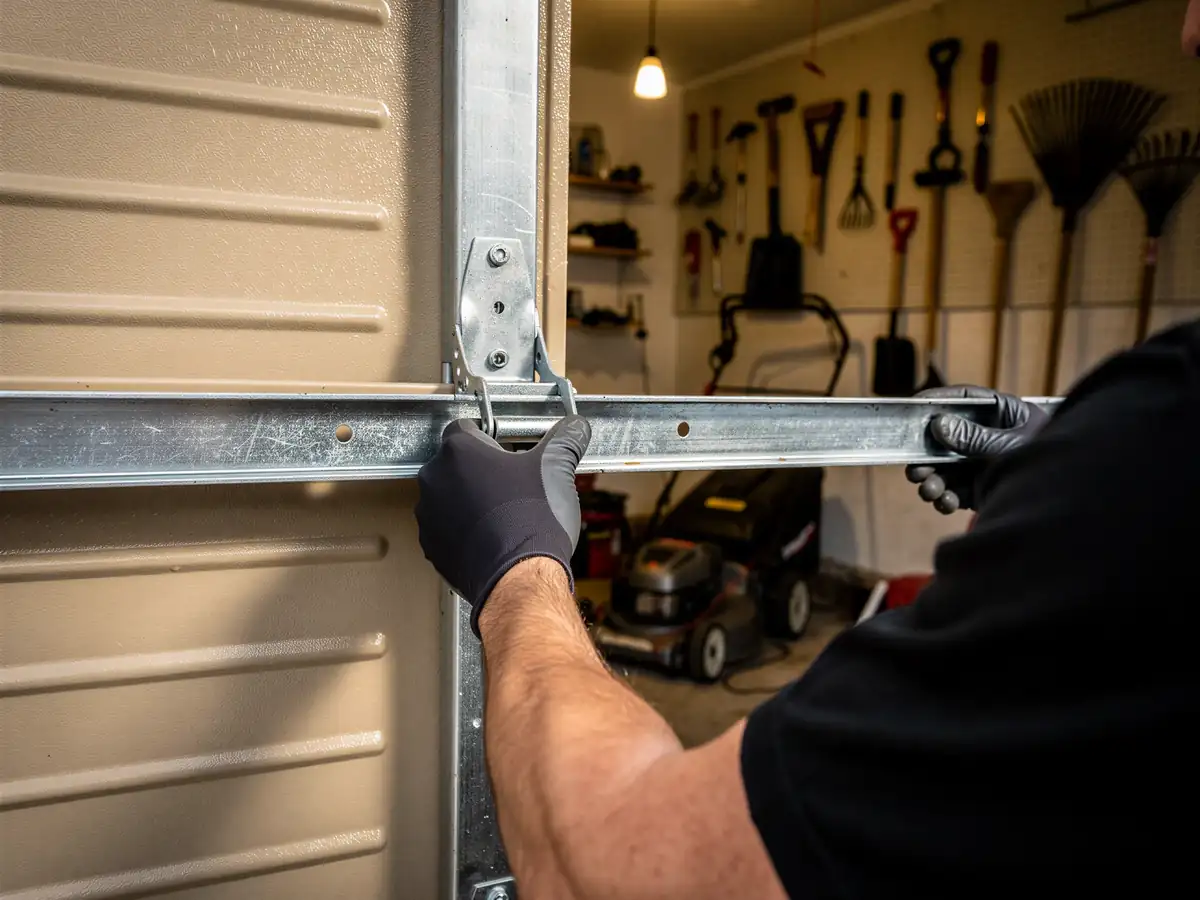
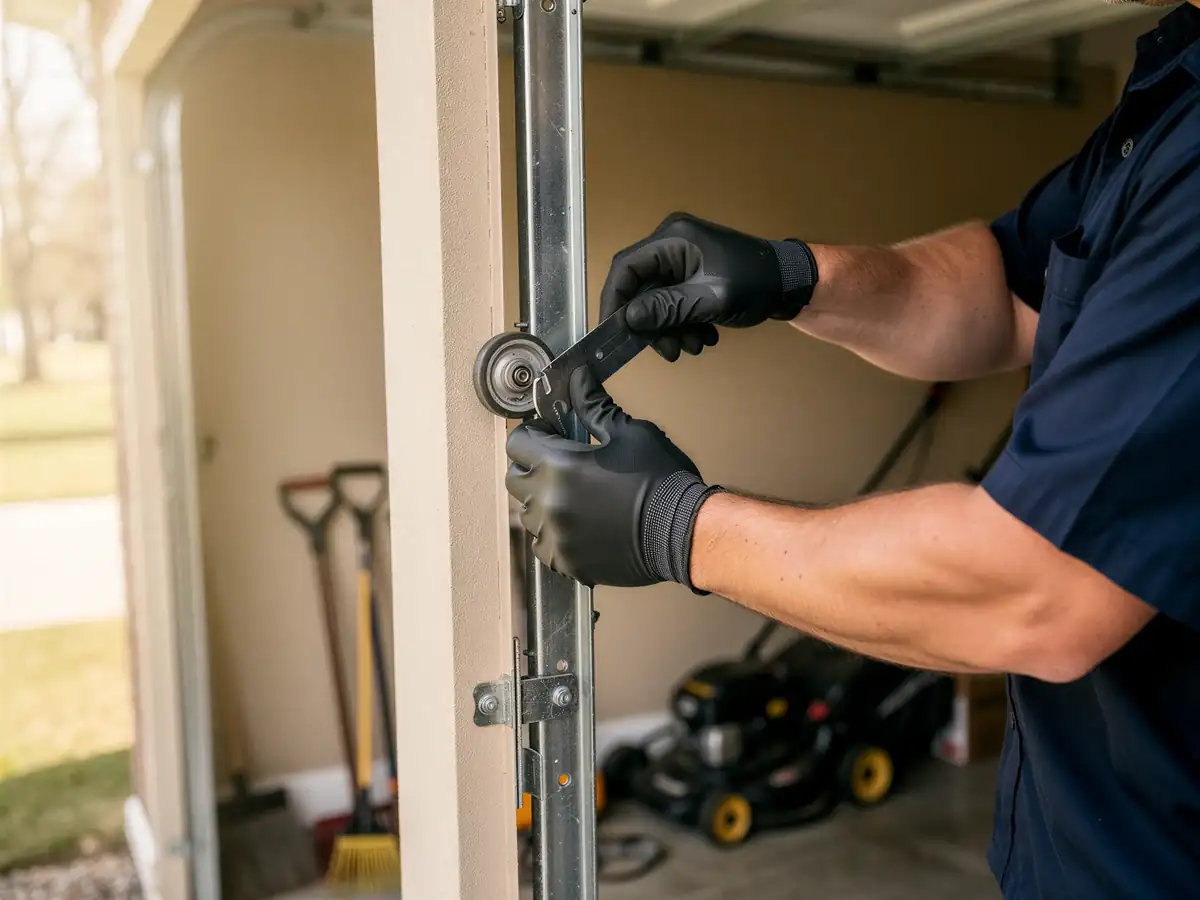
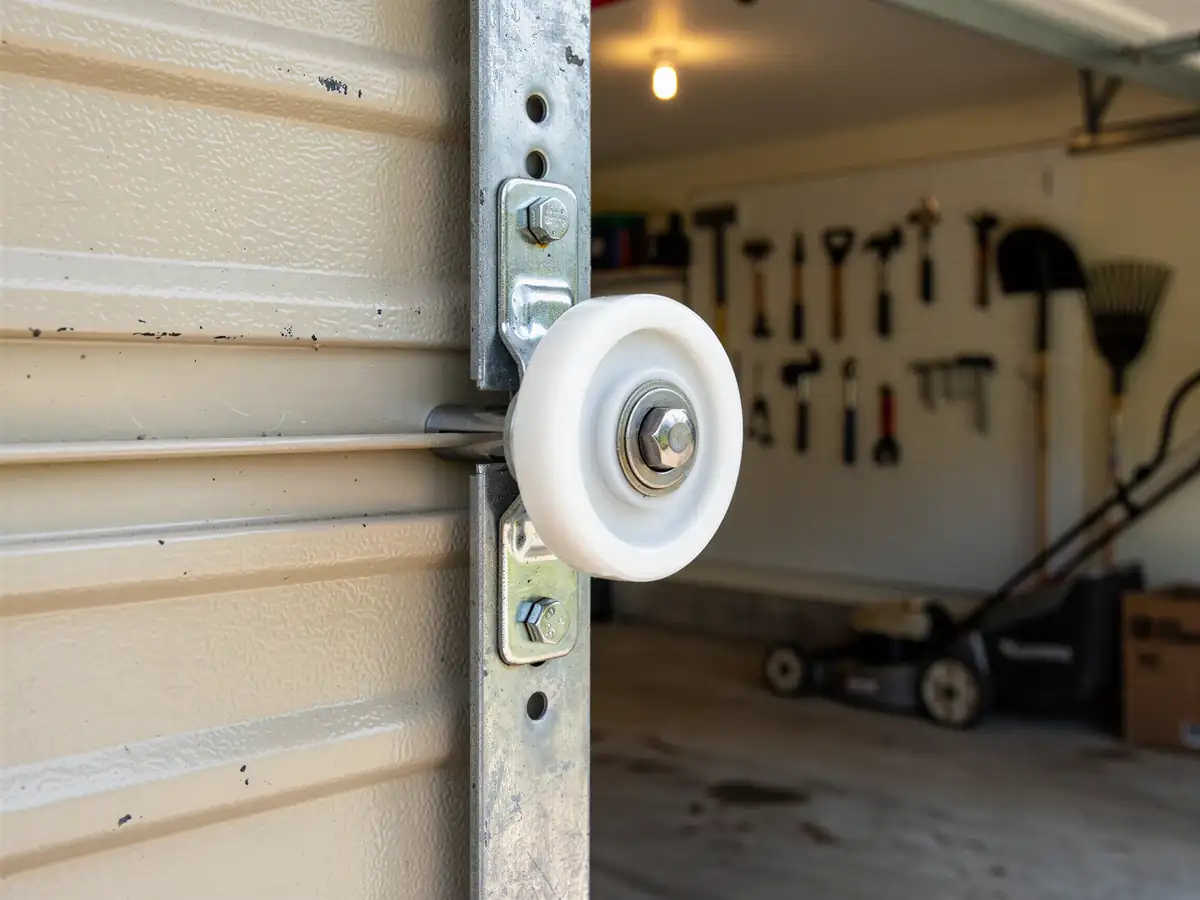
The era that dominates not just Burlington but most of the towns we cover out of Needham. That means standard-wind torsion springs, galvanized lift cables, sheave pulleys for older extension setups where they still exist, nylon and steel rollers, and hinges sized for 24-gauge and 25-gauge steel panels, which is what most doors from that build period use.
The climate matters here too
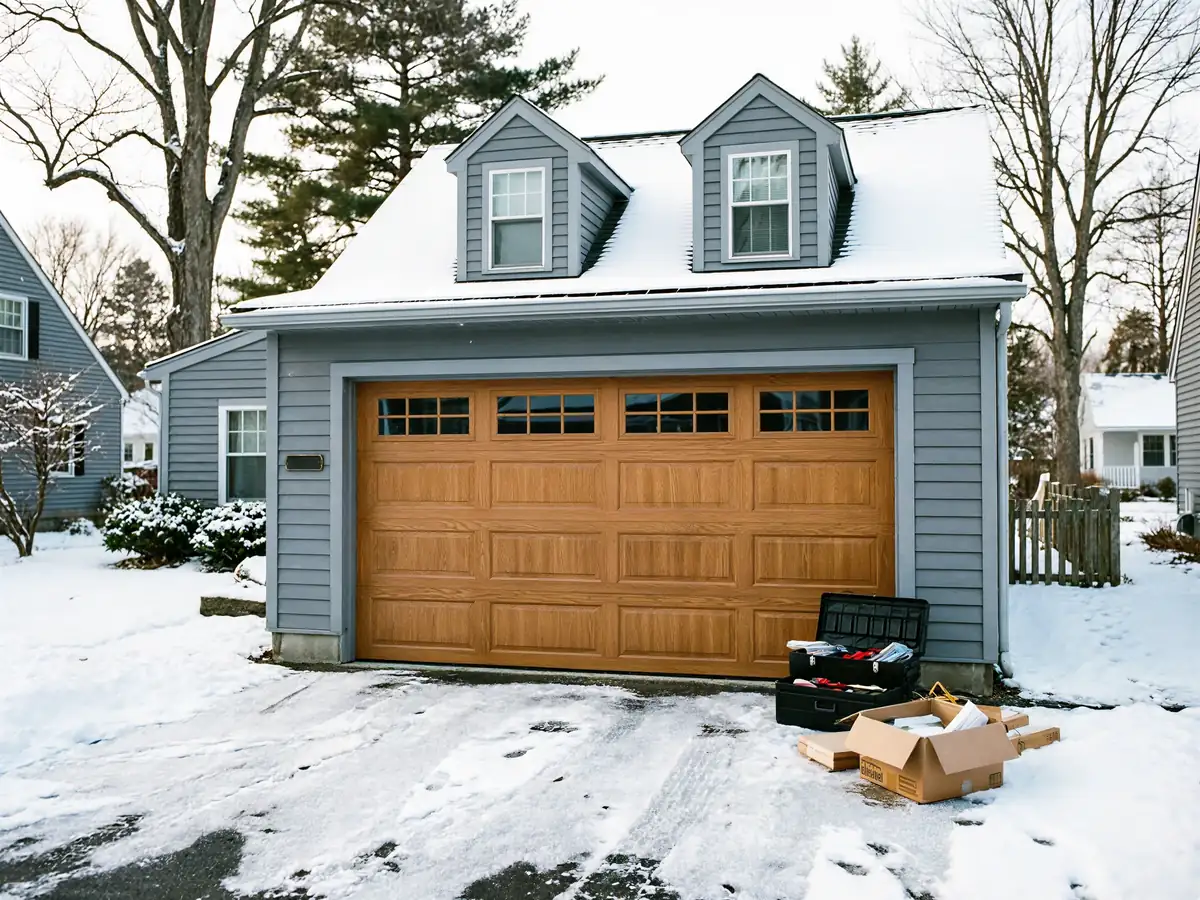
This part of Massachusetts sits in a cold, severe climate band, and steel springs lose some of their temper faster through decades of winter contraction and summer expansion than the same part would in a milder state. That's part of why a spring that's held since the house was built in the early 1970s is more likely to go now than it was ten years ago - the metal's simply had more cold winters to work against it.
What we don't carry on the truck
Obsolete wood panel sections and some proprietary opener logic boards from manufacturers that no longer support parts for units installed decades ago. If your door needs one of those, we'll tell you straight that it's a special order, and we'll give you the honest choice between waiting on the part or replacing the section.
Booking a Visit
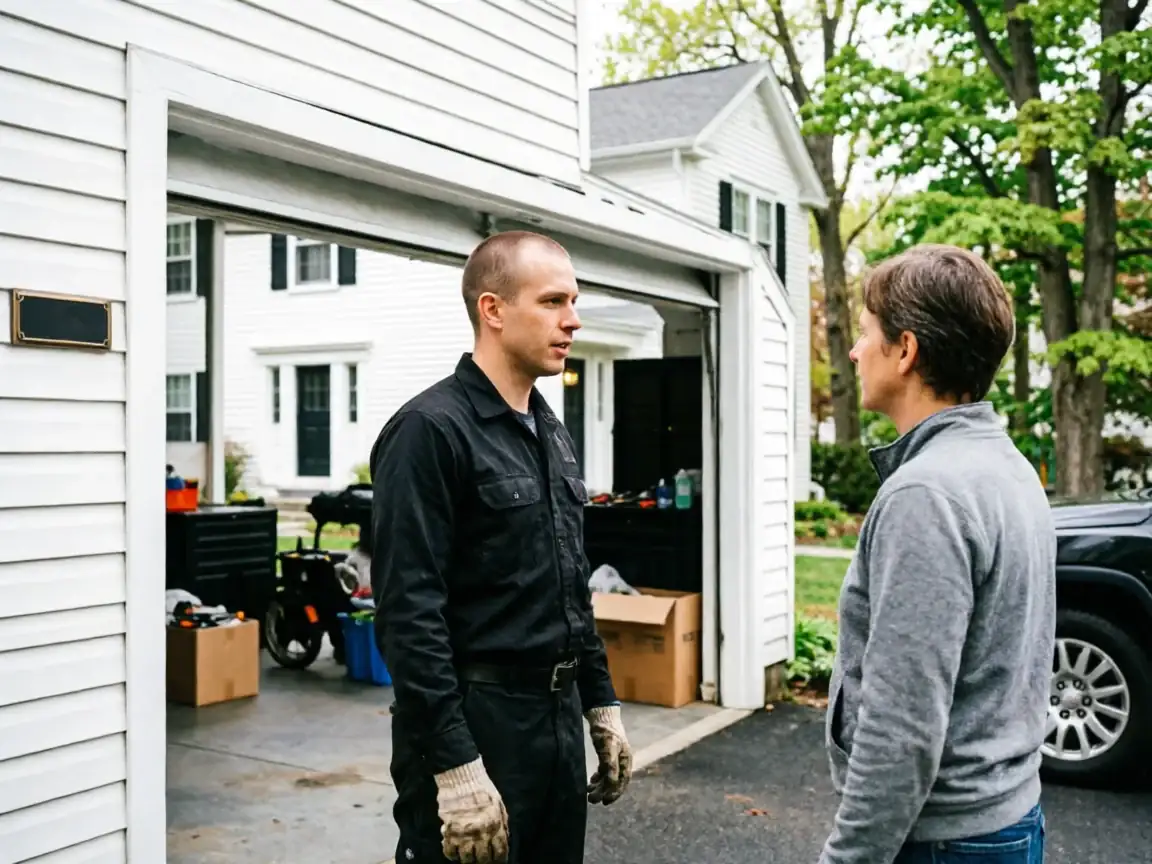
If the door is down and it's an emergency - spring broken, cable snapped, door off track and leaning - call and tell us it's urgent and that you're in Burlington. We'll ask what you see and hear before we drive out, because that shapes what's on the truck when we get there.
For non-emergency work, or to see the fuller range of what we do in this town, the Burlington garage door repair page covers installs, tune-ups, and opener swaps outside of the urgent cases. And if you're closer to Needham itself, or want to see how we handle the home-base side of the business, that's on the Needham emergency garage door repair page.