Doing It Yourself
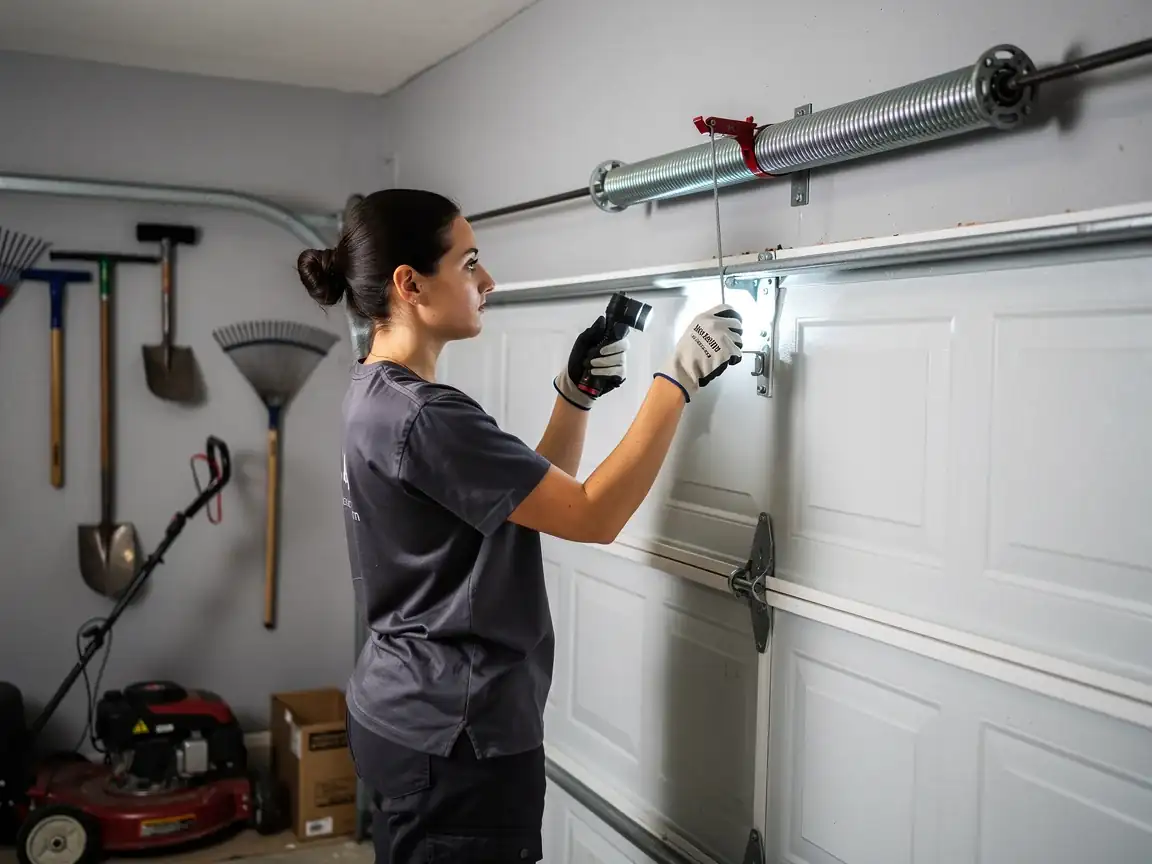
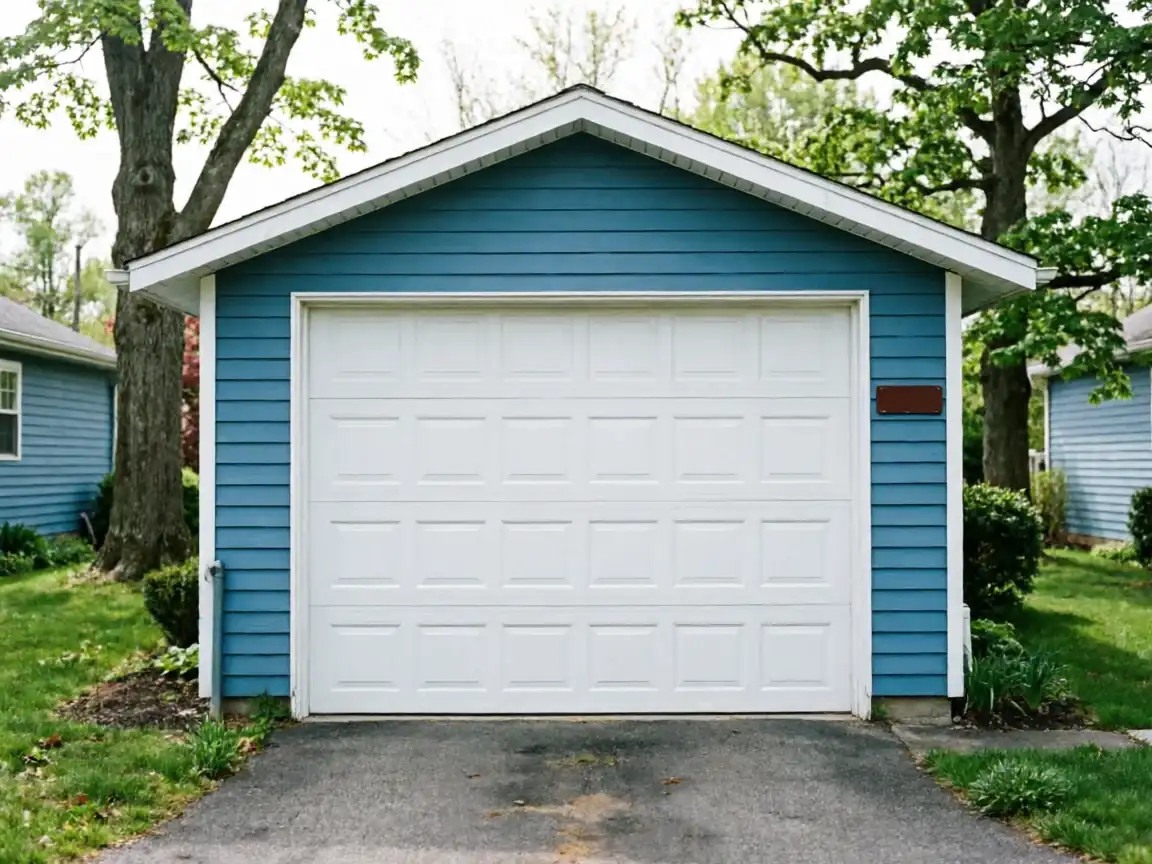
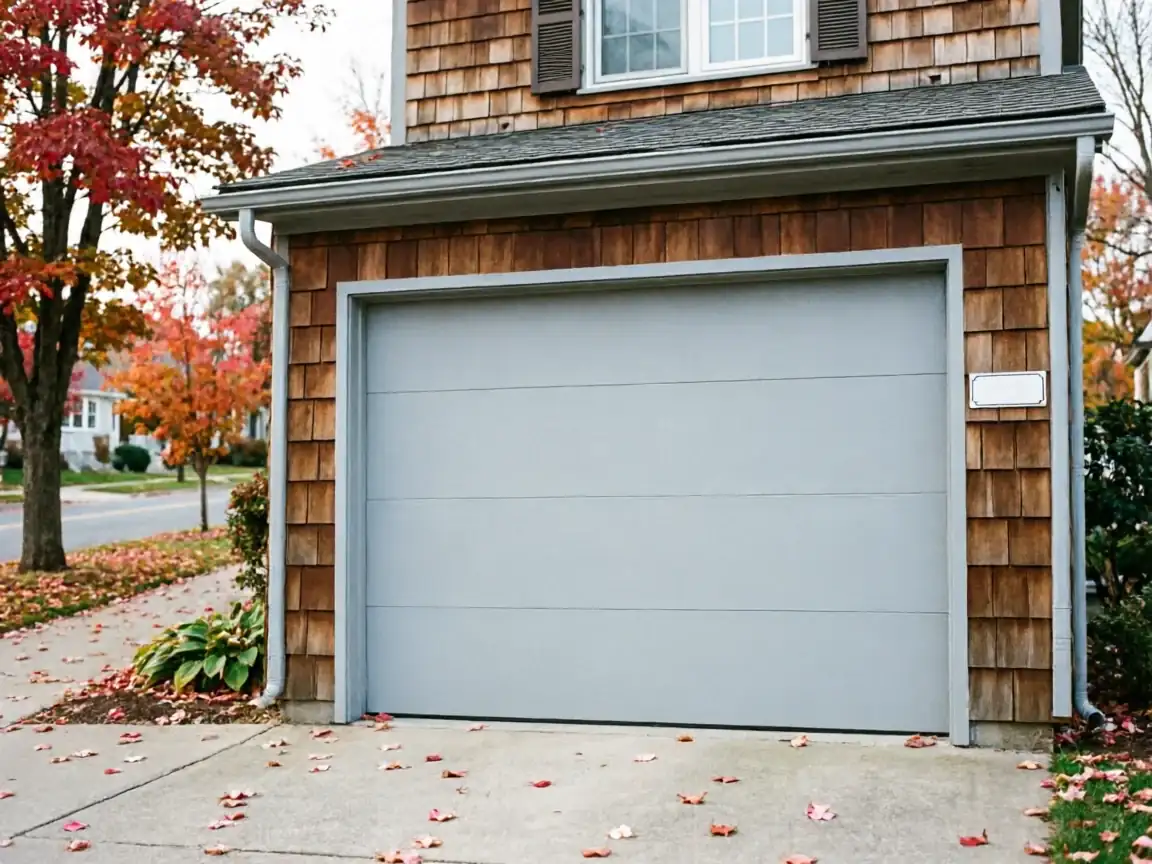
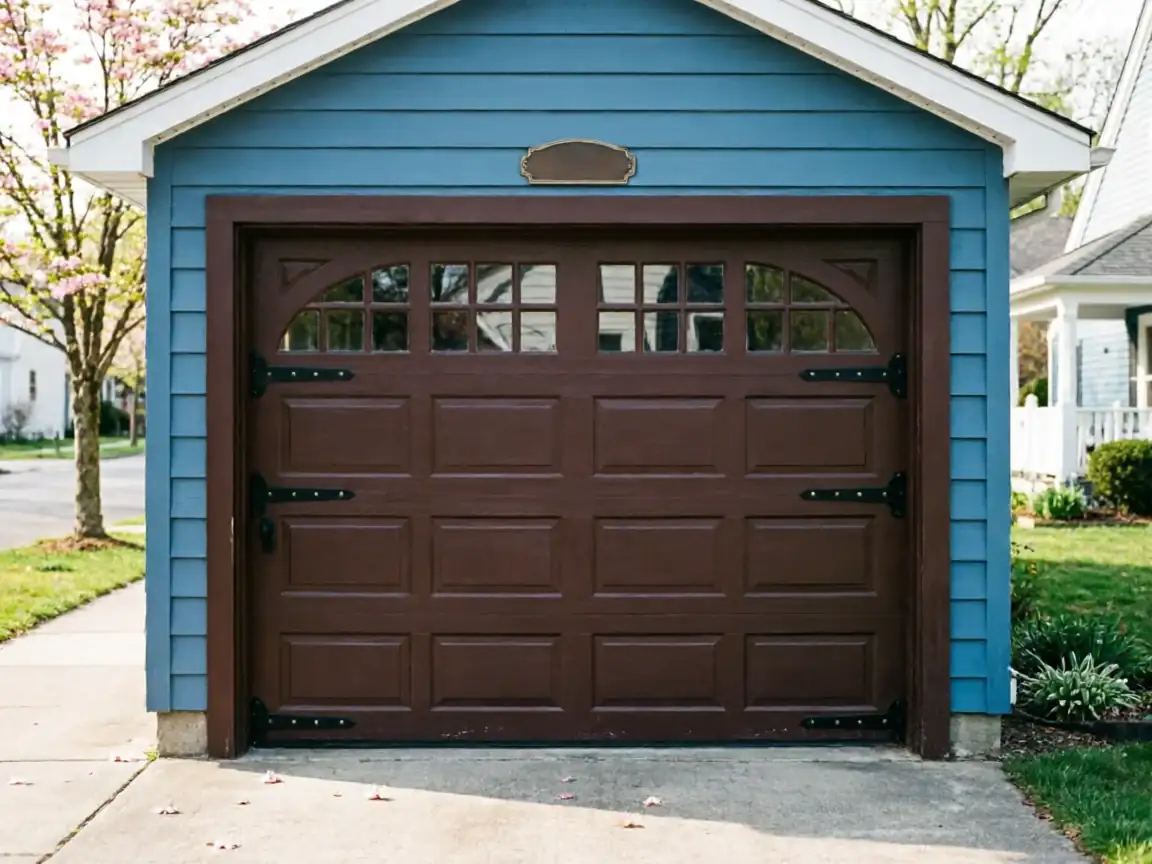
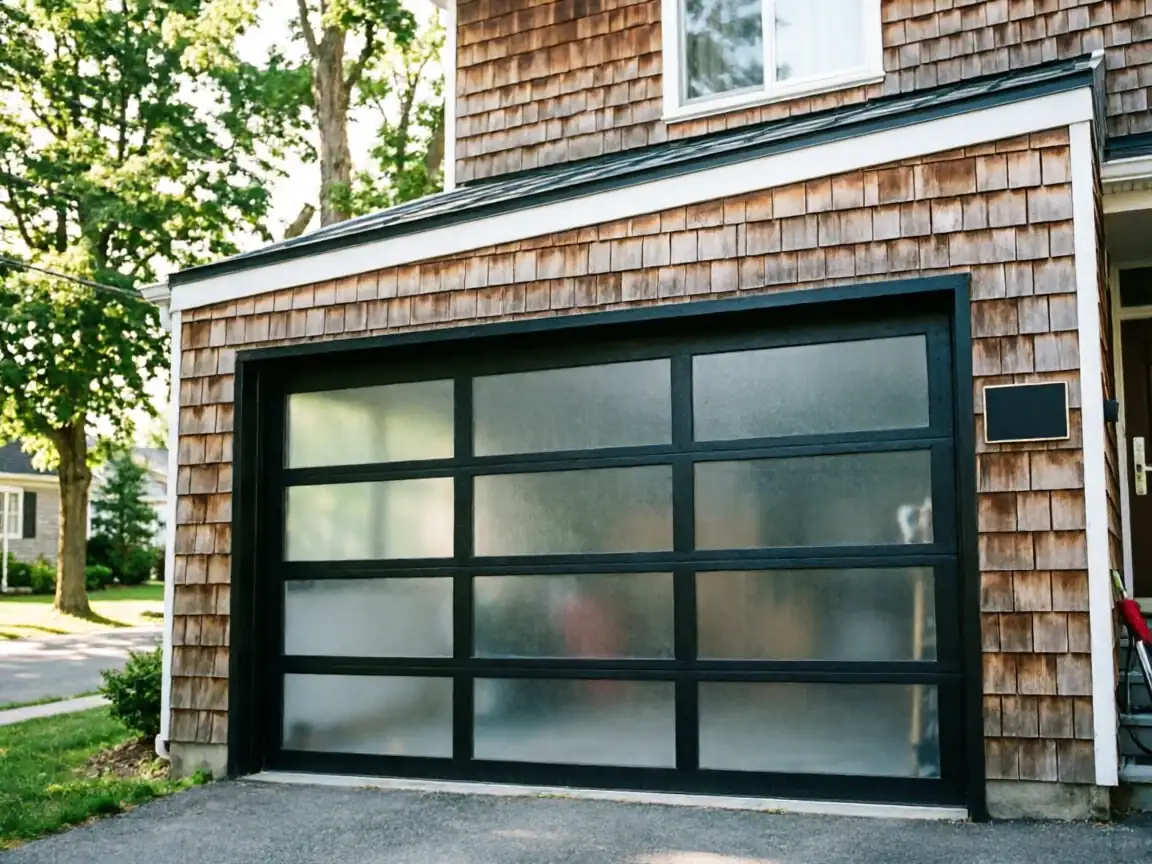
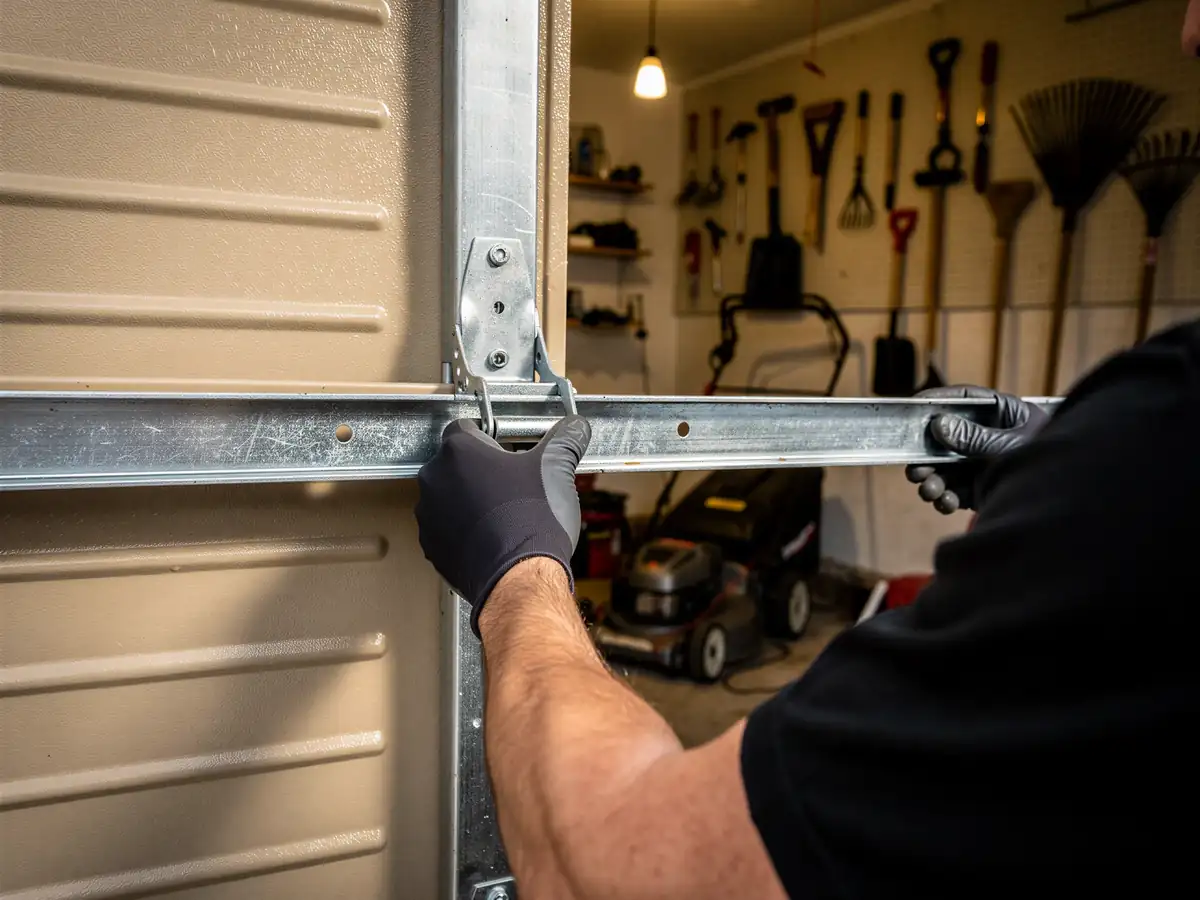
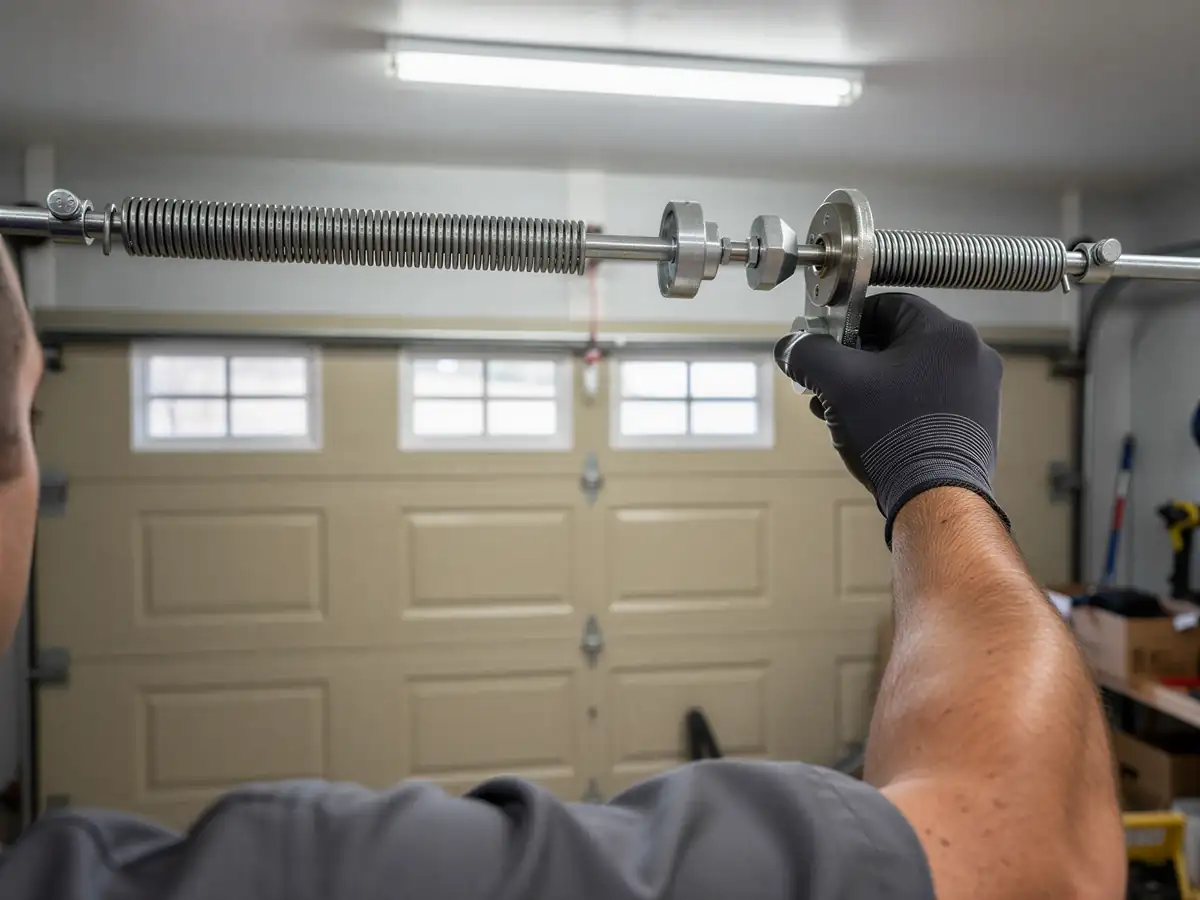
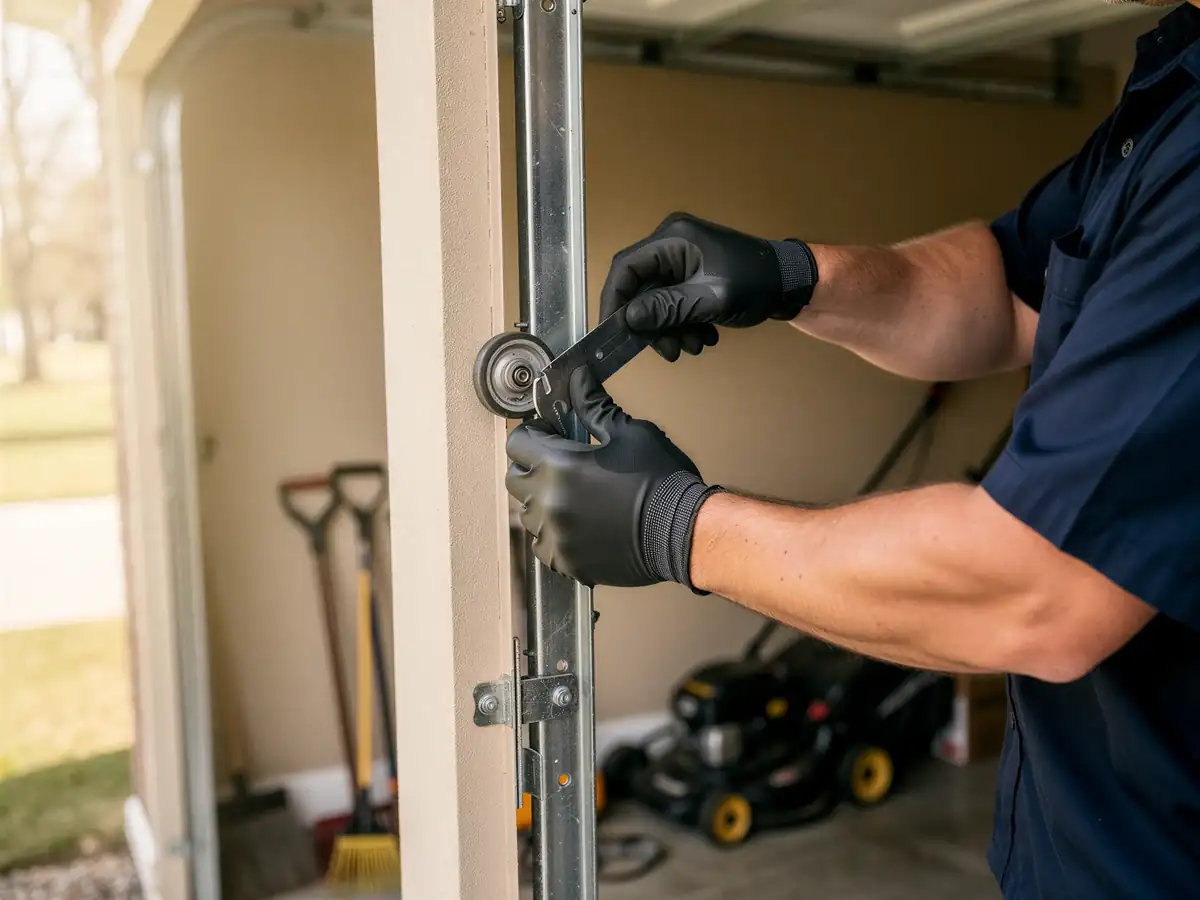
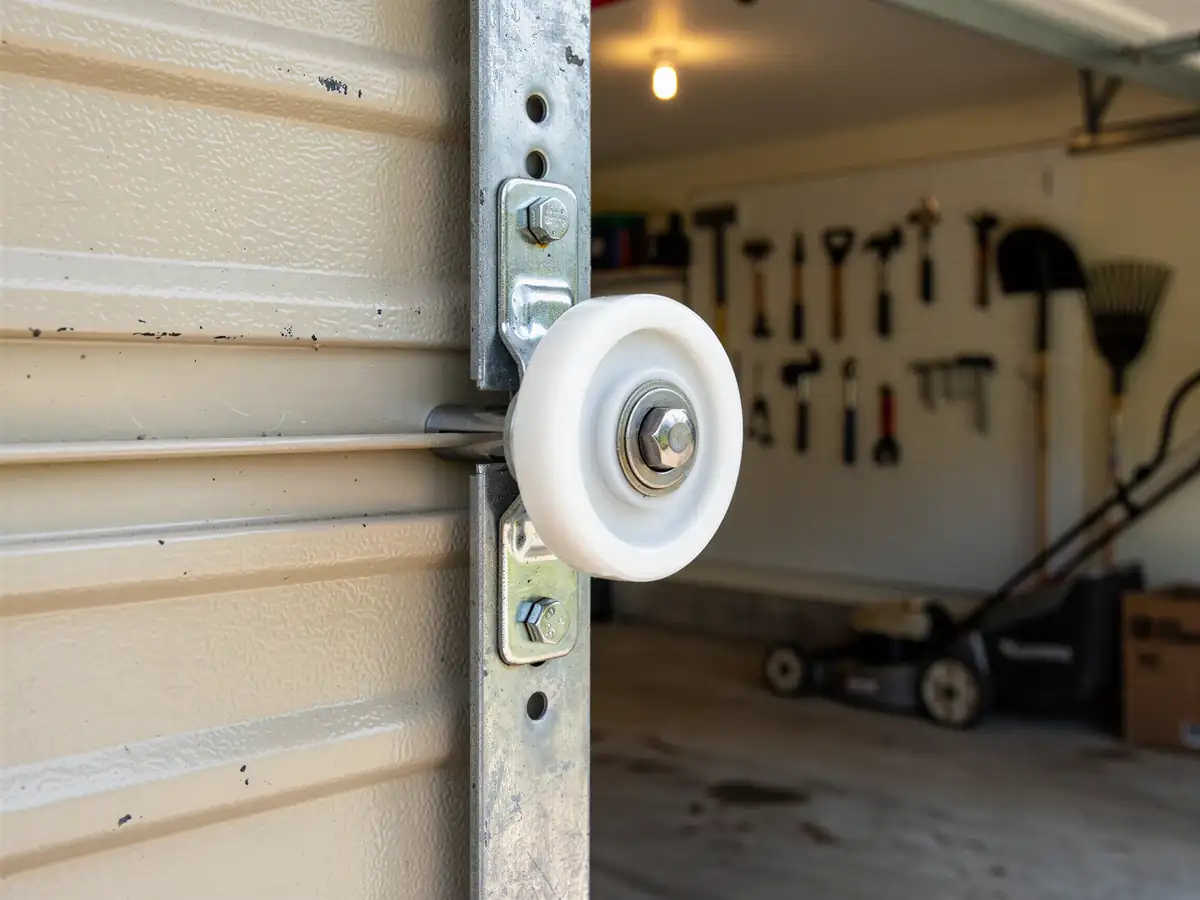
Burlington's housing stock centers on 1971, and doors from that era shipped with plain steel rollers riding bare in the track - no bearing, no seal, just metal on metal. By now most of those original rollers are worn oval instead of round, which is why the door sounds like a shopping cart every time it moves. Swapping a roller yourself is possible if you're comfortable with a vise grip clamped on the track below the roller you're pulling, so the door section can't slide down on you. The part that trips people up isn't the roller near the bottom - it's the top roller on the side nearest the opener arm, because you're working close to a torsion spring under load. We won't talk you through disconnecting that spring here. If a roller is seized in a track that's also bent or rusted - not uncommon this far into a cold-climate winter cycle - replacing the roller alone won't fix the slam you're hearing. At that point you're looking at a track swap too, and that's a job to call in rather than wing on a Saturday.
How Long It Takes
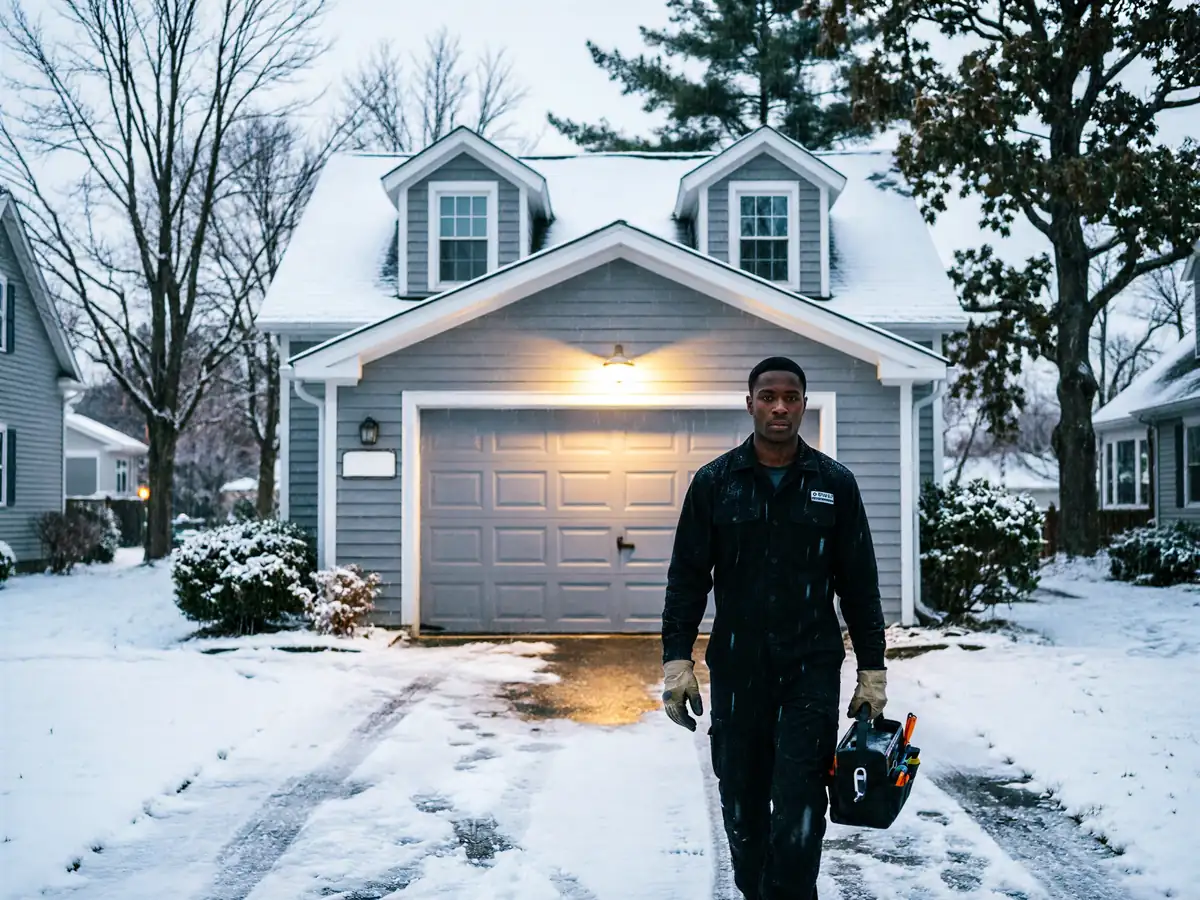
A straight roller swap on a door with sound tracks is a short visit - most of the time goes into pulling the old rollers one at a time rather than dropping the whole door. Doors built to the 1971 standard typically ran ten rollers per door, and on a two-car door we're often replacing all ten at once rather than just the one that's screaming, since the rest are the same age and failing the same way. If the track itself has pitted or bent from decades of New England winters - the service area sits in a cold climate with real freeze-thaw cycling - we flag it on site rather than force a roller into a track it won't ride straight in. We're coming from Needham for this call, about 16 miles out, so we plan the visit as one stop rather than a quick drop-by; that's worth knowing if you're trying to schedule around something else that morning.
Booking a Visit
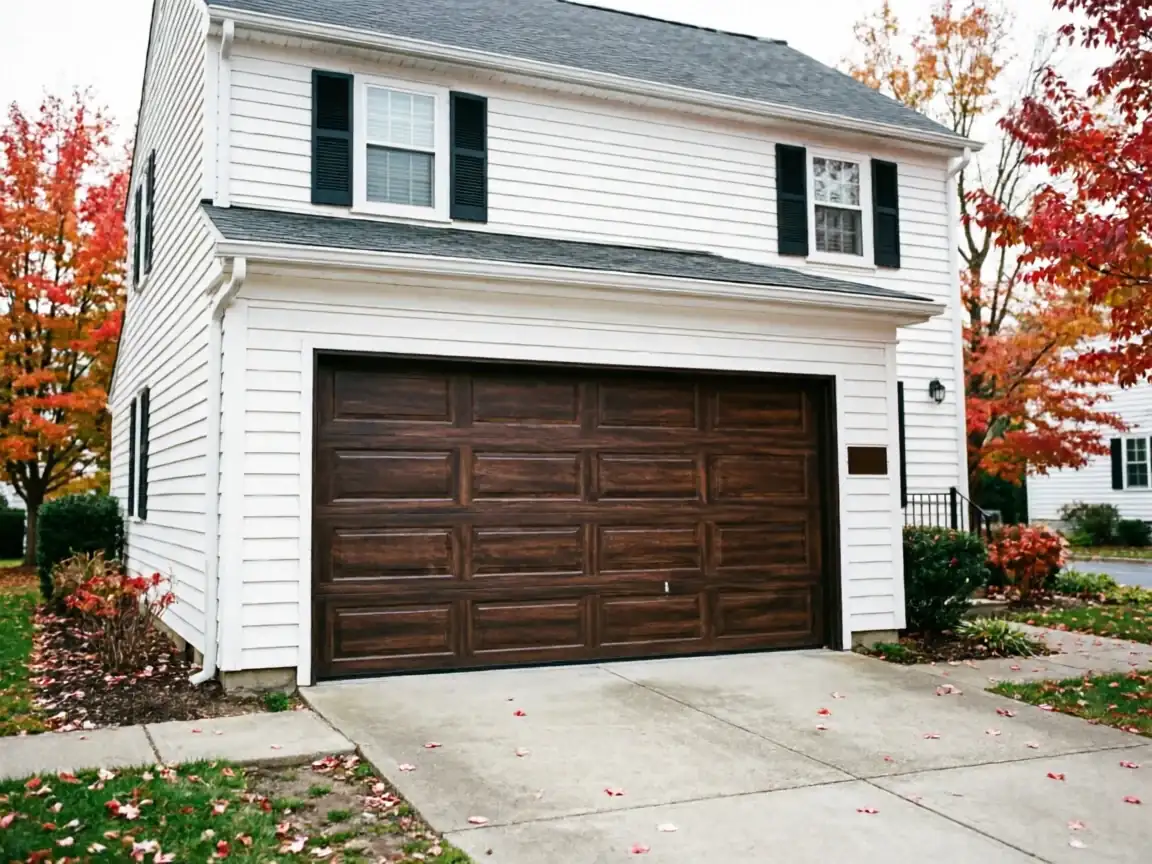
Burlington is about a 10,056-household town where the median income runs $142,207, numbers that matter to us mainly because they tell us what's actually on the doors here - mid-grade steel sectional doors from the early 1970s build wave, not the high-end insulated models you'd see in newer construction. We travel out from Needham for this work, so when you call we ask what the door sounds like and where on the track it sticks, which helps us bring the right roller stock the first trip instead of a second one. If your roller noise turns out to be a cable or a spring instead, we'll say so on site rather than replace parts that aren't the problem.