
How Long It Takes
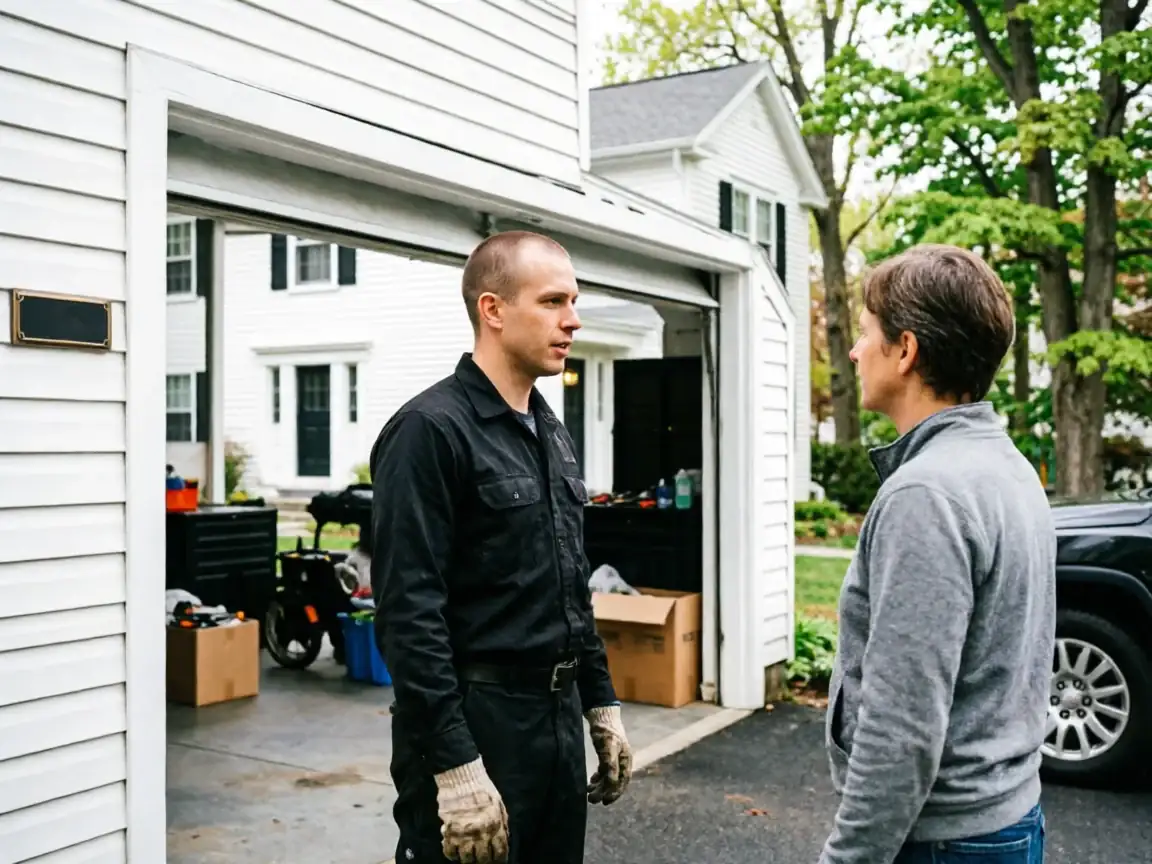
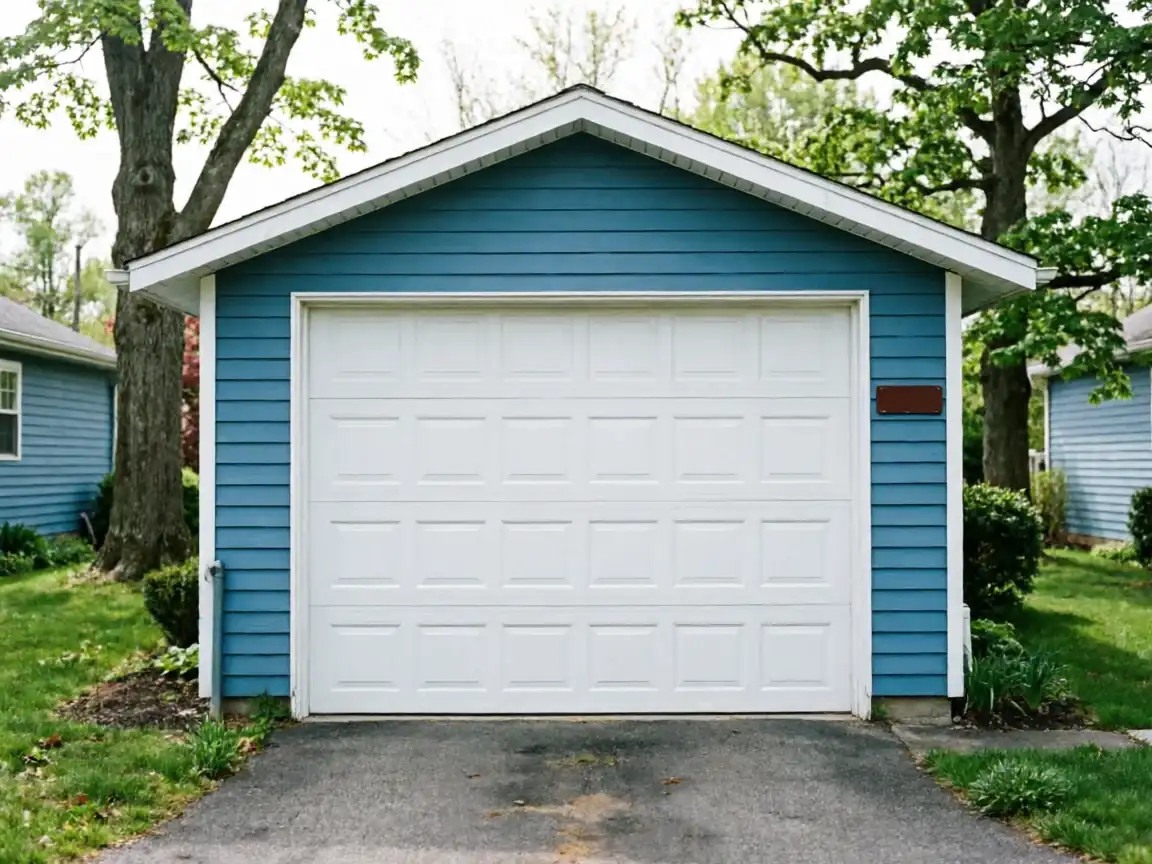
Dedham sits about 4 miles from our Needham base, so we're not sitting on top of the town, but we're close enough that an emergency call doesn't mean a long wait behind other jobs. The bigger variable isn't distance - it's what we find when we get there. A house built around 1955, which is the typical build year for this town, usually has a door and track system that's been touched more than once over the decades: a replacement opener bolted onto original rail, or a section swapped out that doesn't quite match the rest. That history adds diagnostic time before any repair starts. We'd rather spend ten extra minutes figuring out what's actually wrong than guess and have the door fail again in a week. If a spring has let go or a cable has jumped the drum, that's usually a same-visit fix once we're on site. If the opener itself is the problem - shorted logic board, stripped gear - we may need to order a part, and we'll tell you that up front instead of promising something we can't deliver from a truck.
Doing It Yourself
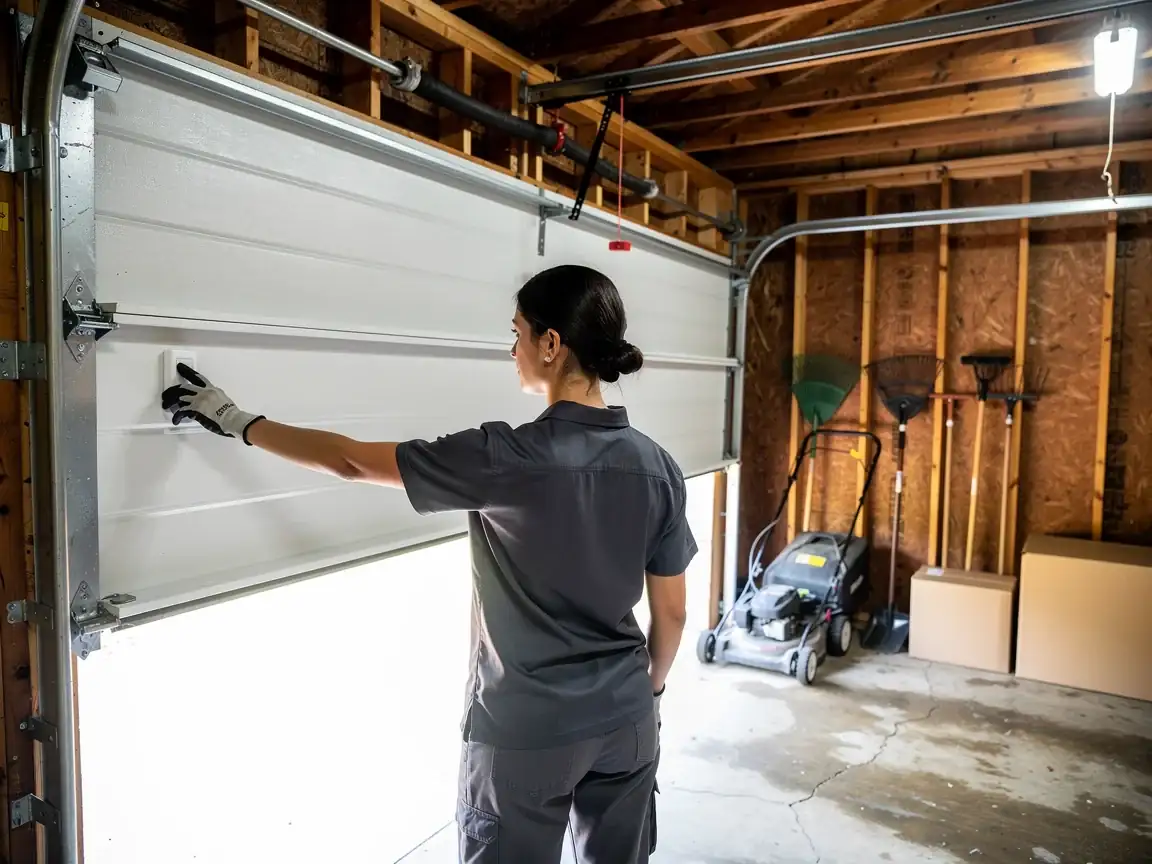
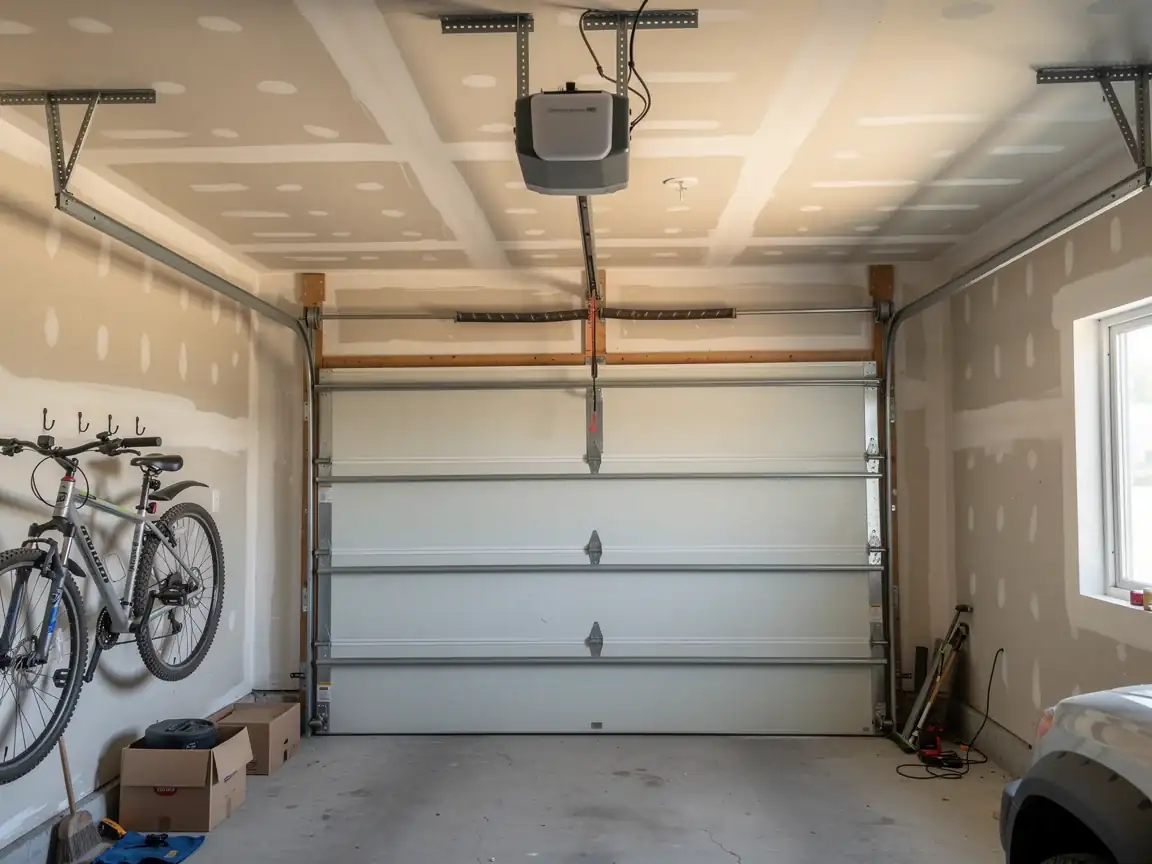
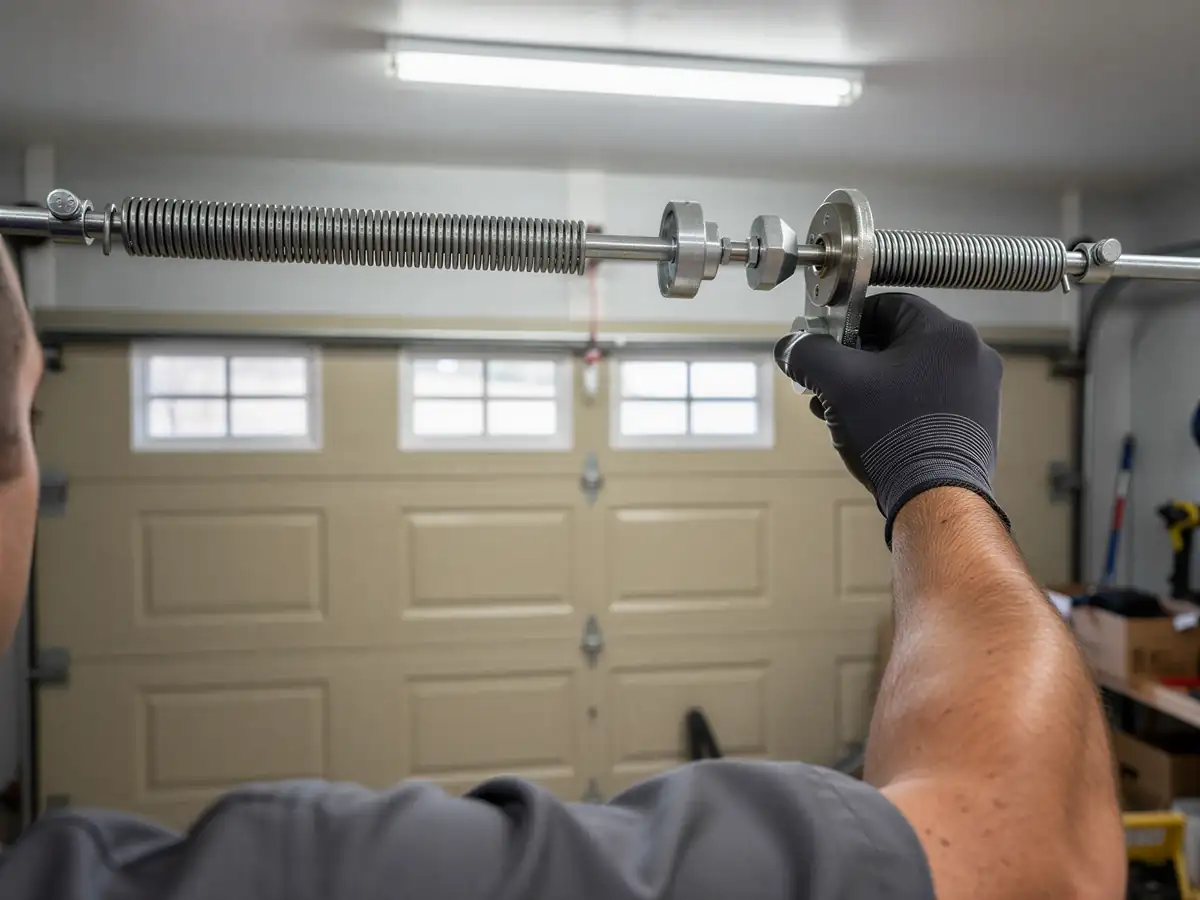
On a door this old, the temptation to just prop it open with a 2x4 or force it down by hand is understandable, but it's also how people get hurt. A torsion spring wound for a door built in the mid-1950s is under real tension, and if it's the original or a mismatched replacement, nobody on site knows exactly how much force it's holding until it's released - safely, with the right bars, or not safely at all. Garage doors from this era are heavier per square foot than what gets installed today; a lot of this housing stock has steel doors with thinner insulation than current code, so the panel itself weighs more on the springs and cables than a buyer might expect. If the door won't open and you can see a spring has snapped - a visible gap in the coil above the door - don't cut the cable, don't try to rewind it, and don't put your hand near the bottom bracket. Cutting power to the opener and leaving the door down until someone can look at it is the safest thing you can do yourself.
How We Fix It
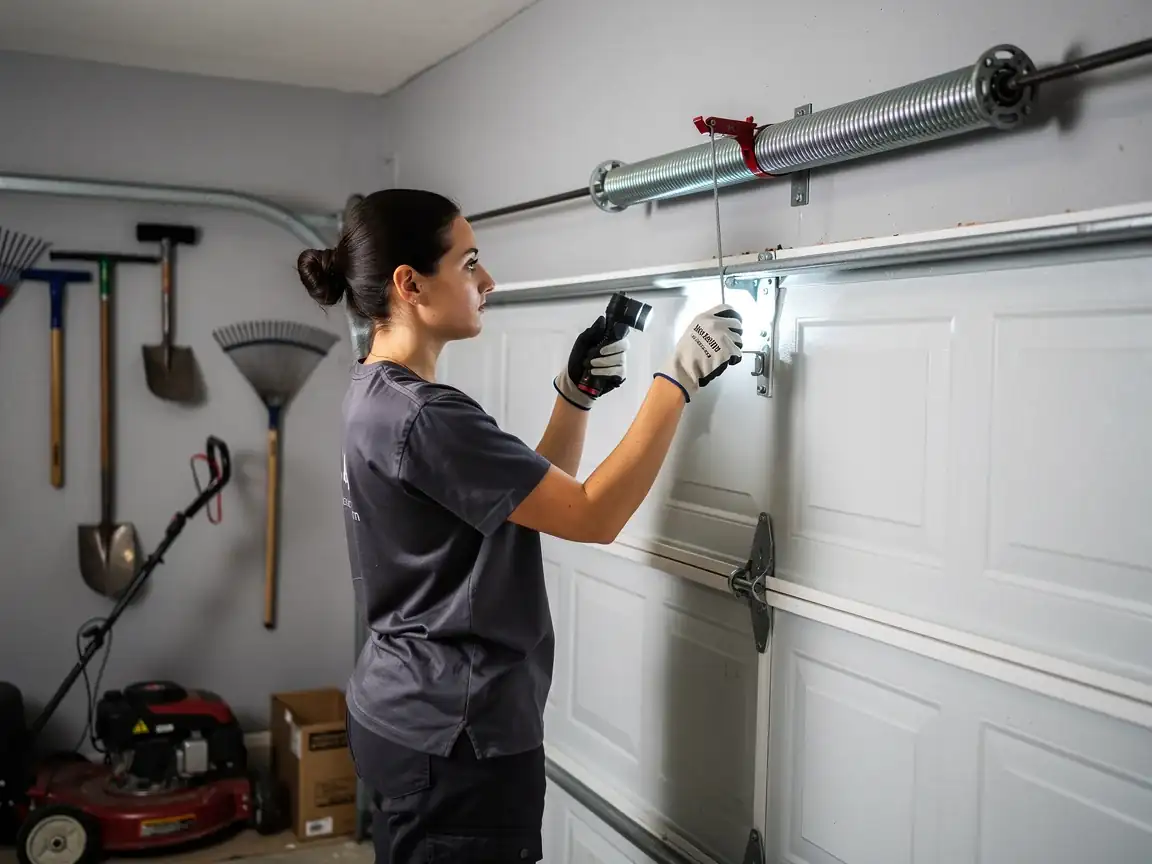
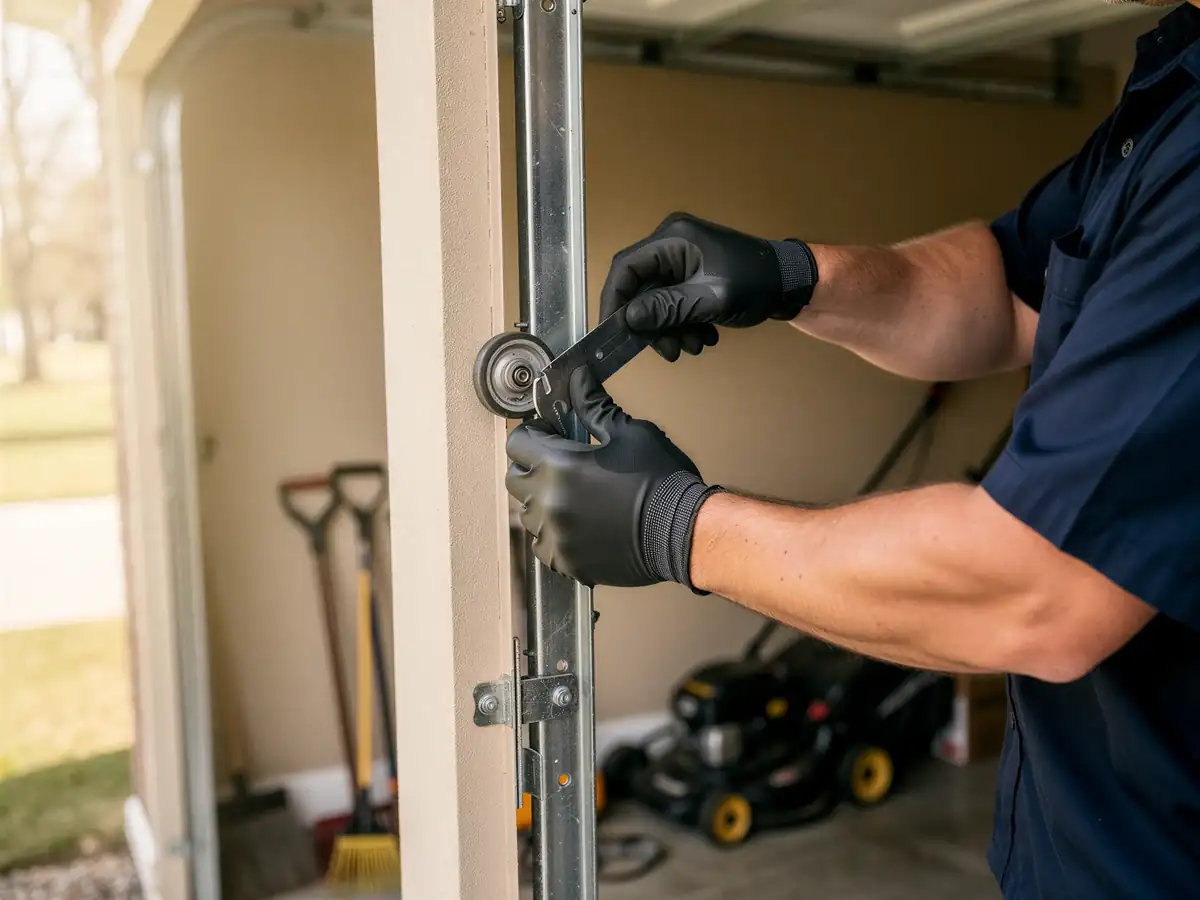
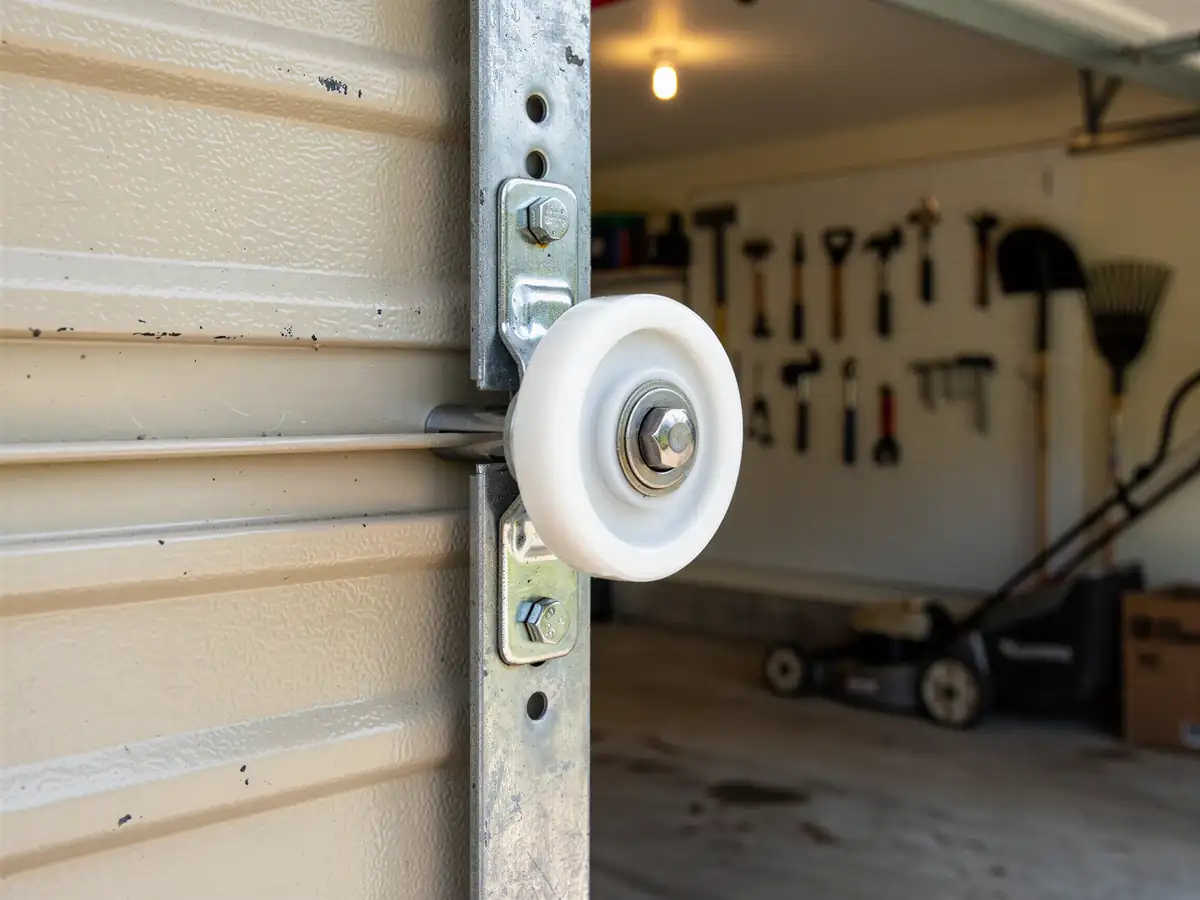
We start by figuring out what's original and what's been patched, because on a 1955-era door those are rarely the same system. If it's a spring failure, we replace both springs as a pair even if only one let go - an original-era torsion setup on one side and new steel on the other is a mismatch that fails again inside a year. If the track is bent or the rollers are shot, we check whether the header clearance and jamb still match the door's age before swapping parts, since post-war framing in this area doesn't always line up with hardware made for newer stud spacing. We carry springs and cable sized for the heavier, less-insulated doors common in housing from this period, so most jobs don't need a special order. What we won't do is force a cheap universal bracket onto a door frame that's out of square - that's a repair that looks done and fails again in six months, and we'd rather tell you it needs a proper fix than bill you twice for the same call.