How Long It Takes
Dedham sits about 4 miles from our shop in Needham, so travel time is short and doesn't change your wait much compared to jobs closer to home. What does change the clock is the age of the door itself. Dedham's housing stock centers on 1955, roughly a decade ahead of the 1968 median across the wider area we cover. That earlier build year means more of the original hardware is still in place: older torsion setups, narrower track gauges, and openers that have already been swapped once or twice by a previous owner. A broken spring on a door from this era is usually a same-visit fix once we're on site, because the failure itself is simple. The slower jobs are the ones where the track or the drum has been bent or worn past matching, and we have to source a compatible part rather than grab one off the truck. We'll tell you on the phone, before we drive out, which kind of job yours sounds like.
Doing It Yourself
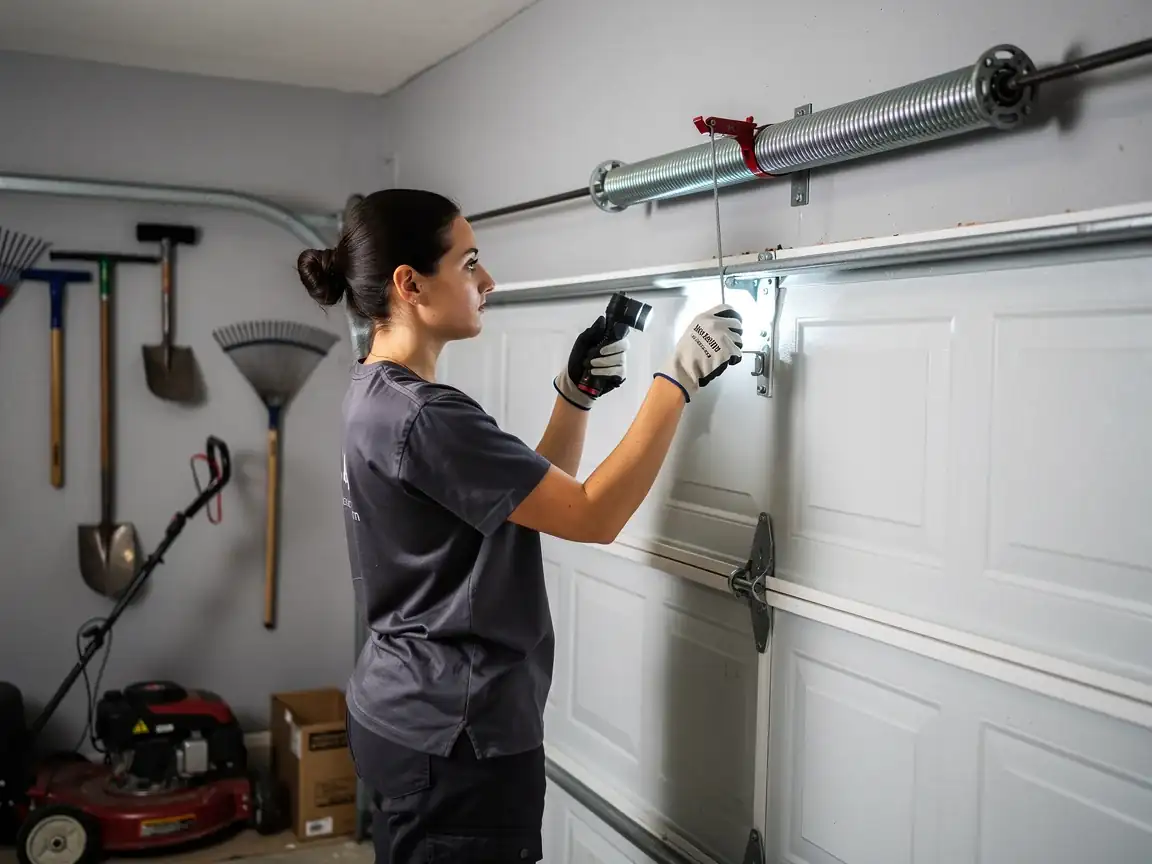
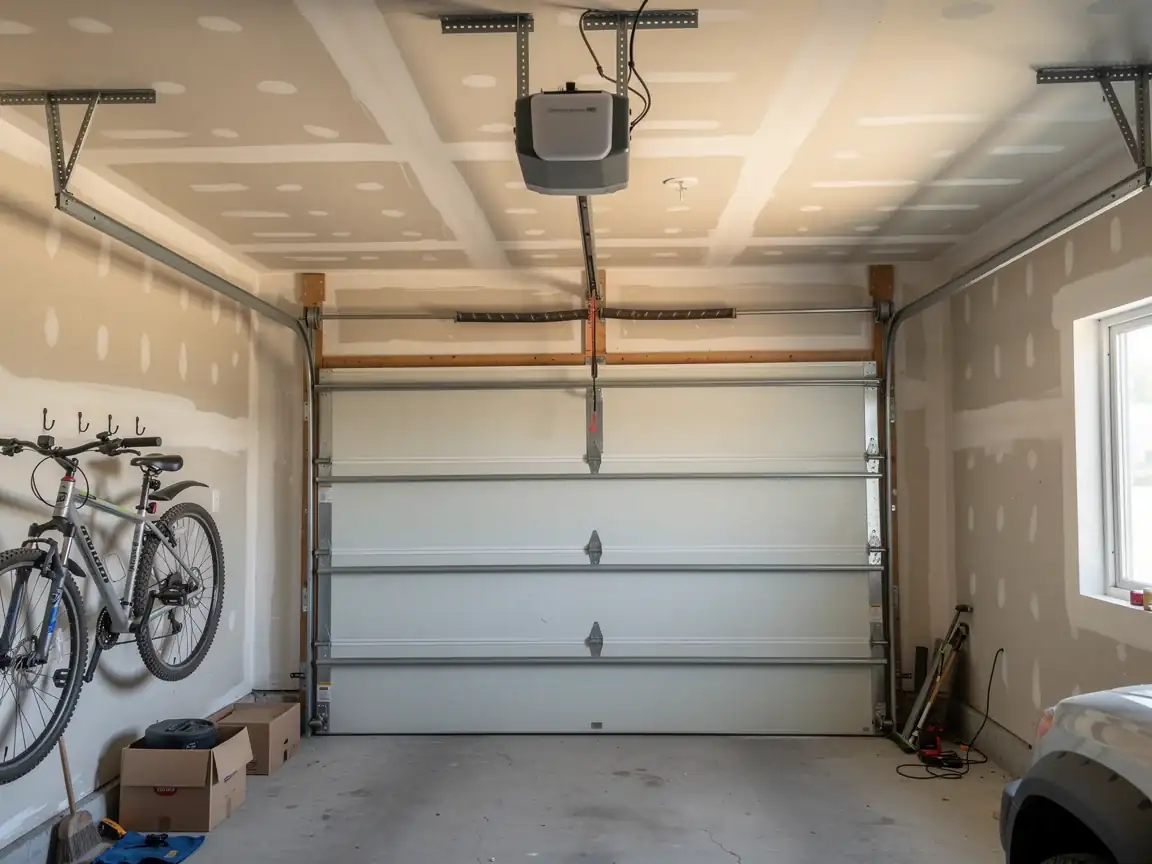
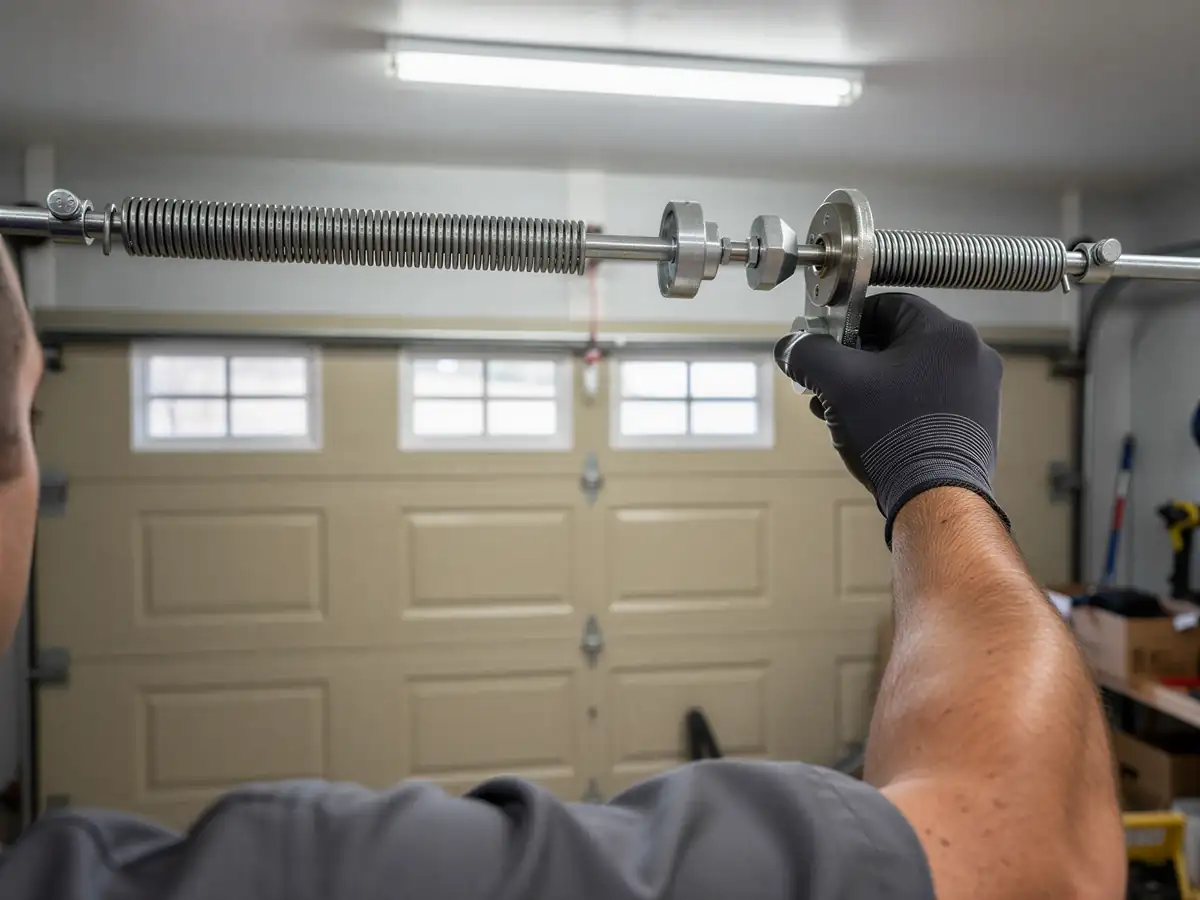
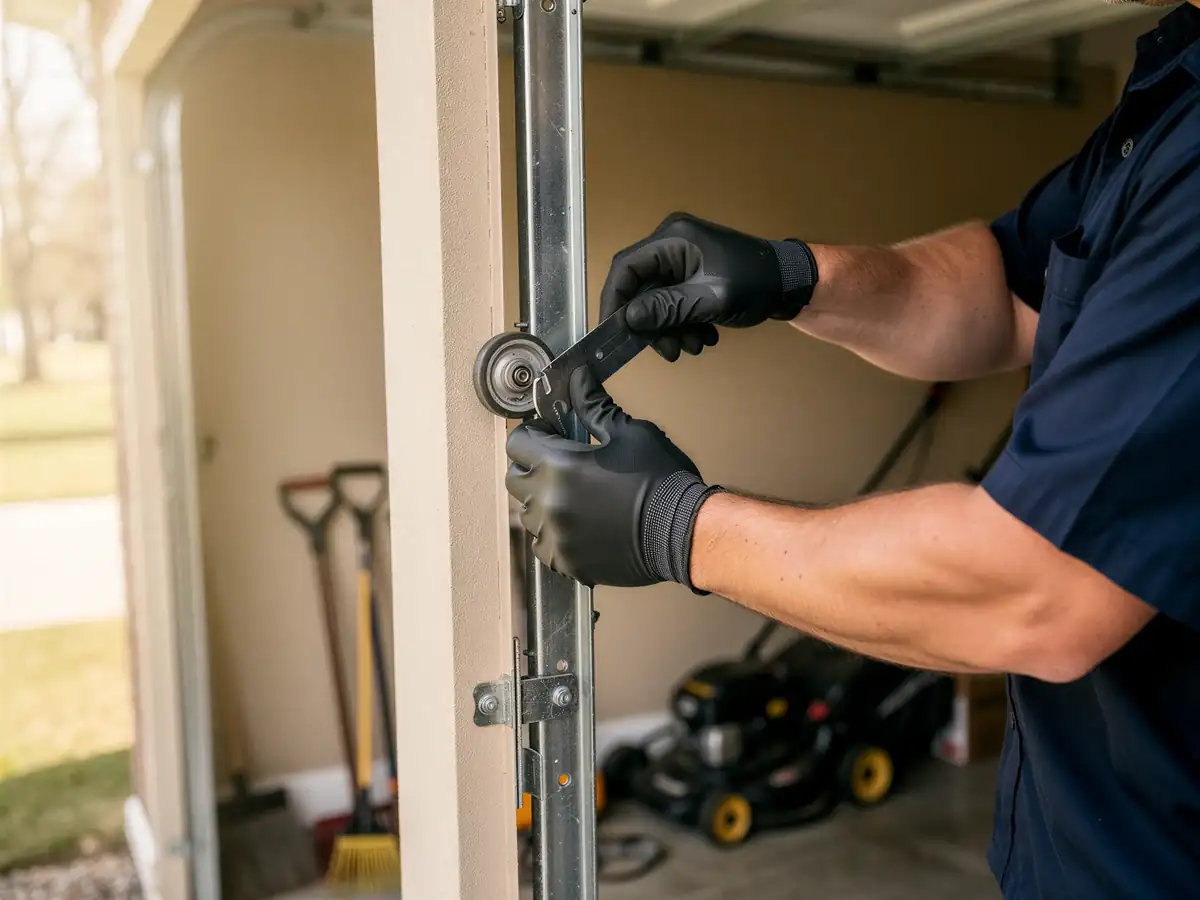
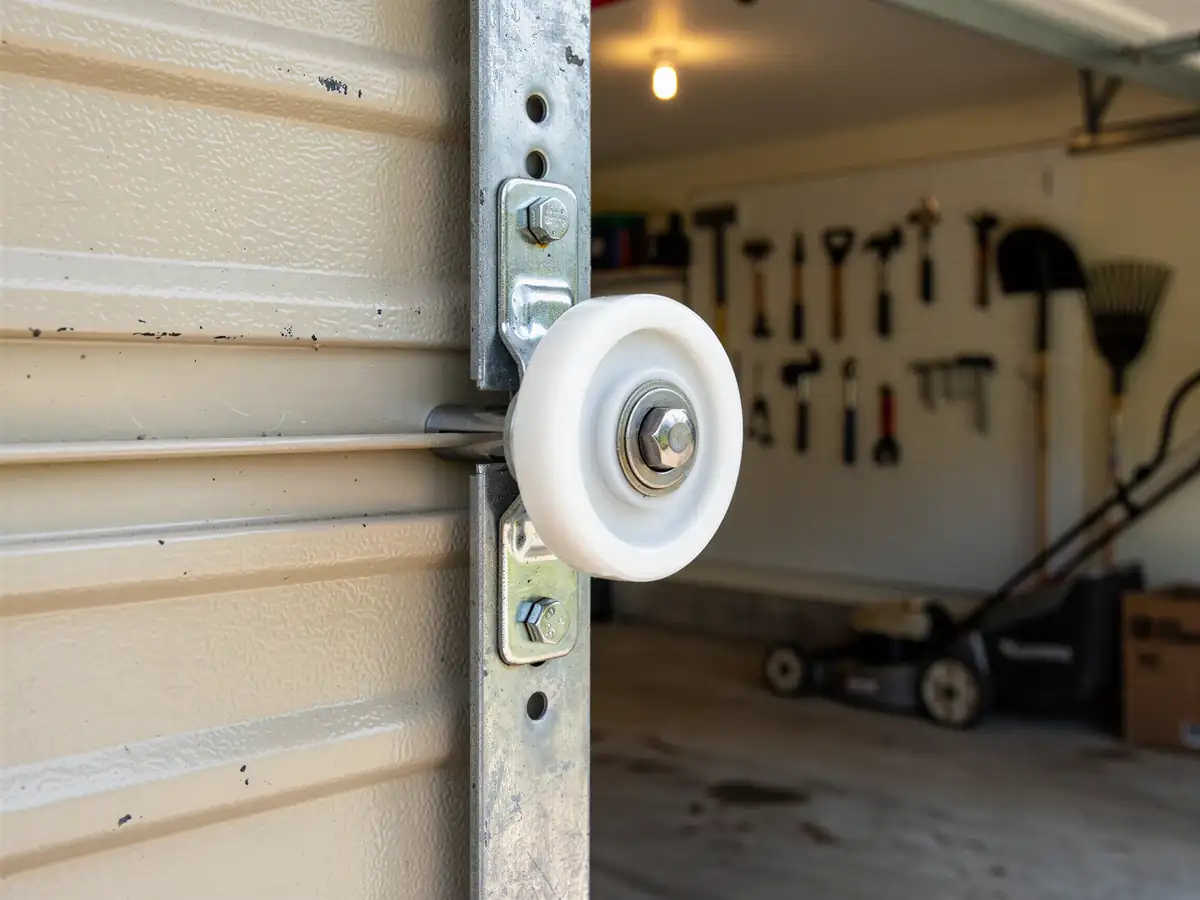
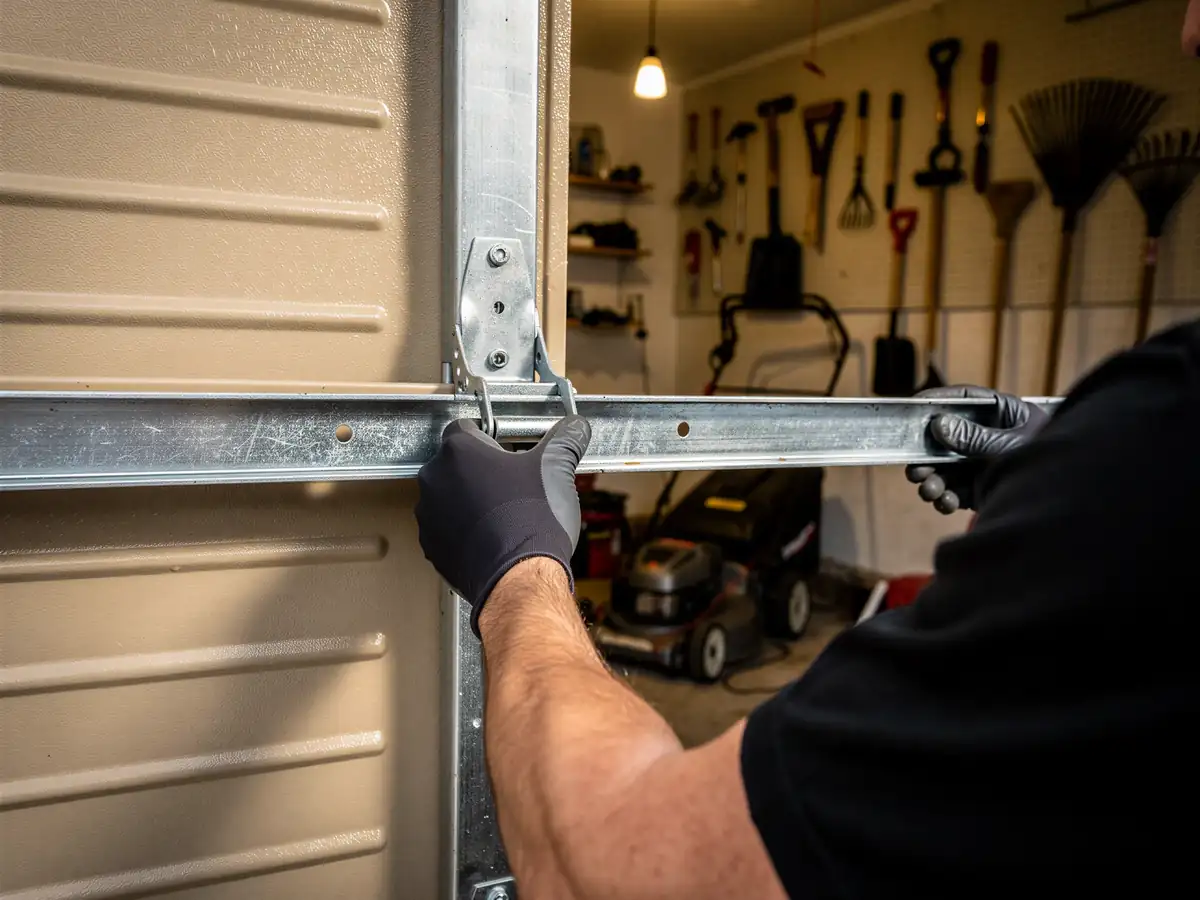
If your door won't open and the opener motor is humming but nothing moves, that's very often a broken torsion spring, and on a 1950s door in this area, that's not a weekend DIY repair. These doors carry spring tension that can seriously hurt you, and the mounting hardware on houses from this era is often older gauge steel that doesn't match what's sold in stores today. Swap out a cable or a roller yourself if you're comfortable and the door is still on the ground and unpowered. But don't try to wind or unwind a torsion spring, and don't try to force a door that's binding on the track - on houses built around 1955, that binding is frequently a sign the track itself has shifted with the frame over sixty-plus years, not a simple roller problem. Call before you make it worse. A ten-minute phone diagnosis usually tells you whether this is safe to touch or not.
How We Fix It
We come from Needham, about 4 miles away, so there's no local branch or storeroom in Dedham itself - what's on the truck when we arrive is what we start with. For the common failures on houses from this era - broken torsion springs, worn rollers, cables frayed from age rather than accident - that's usually enough to finish the job on the first visit. For hardware that's been discontinued or custom to an older build, we may need to order a part and come back, and we'll say so up front rather than guess. Given the income level and household size typical of this area, we try to be straight about whether a repair is worth the cost versus a full door replacement, especially on doors original to a 1955 build. We're not going to sell you a new door when a spring and a service call solve it, and we're not going to patch a track that's going to fail again next winter.