How Long It Takes
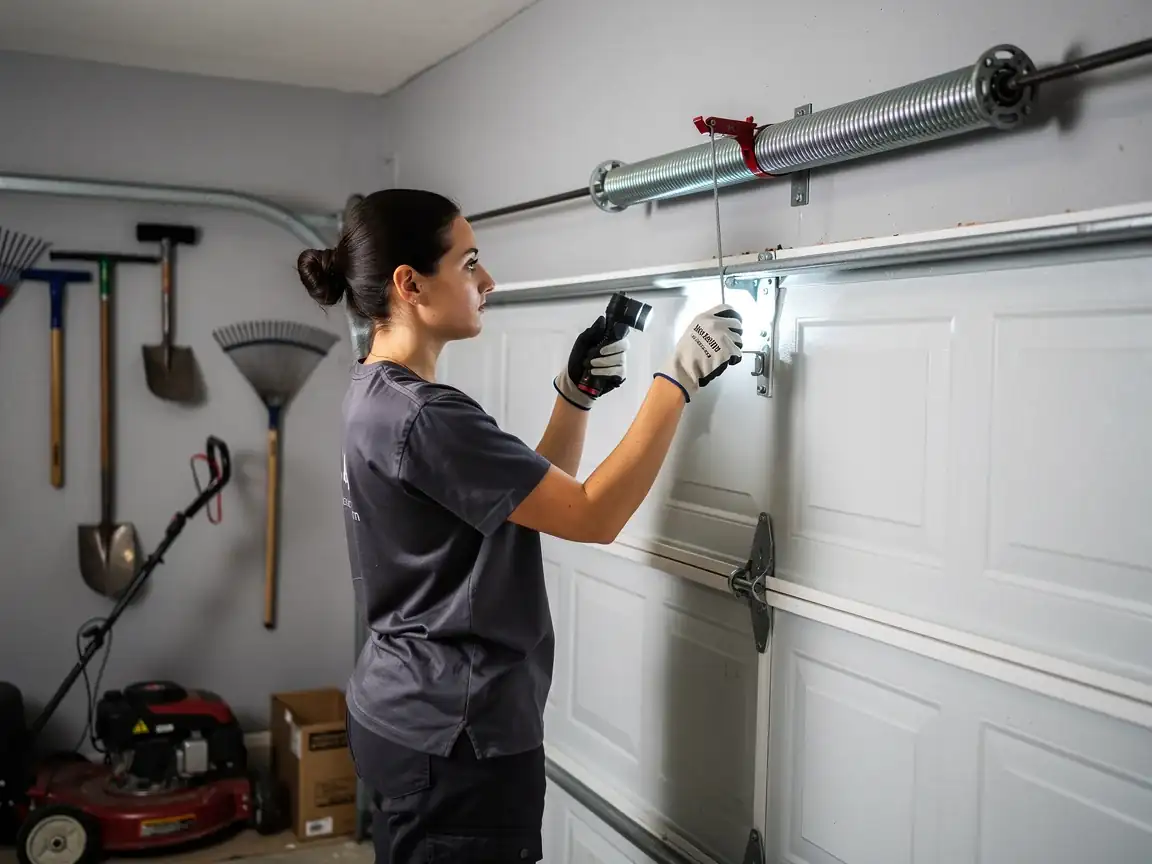
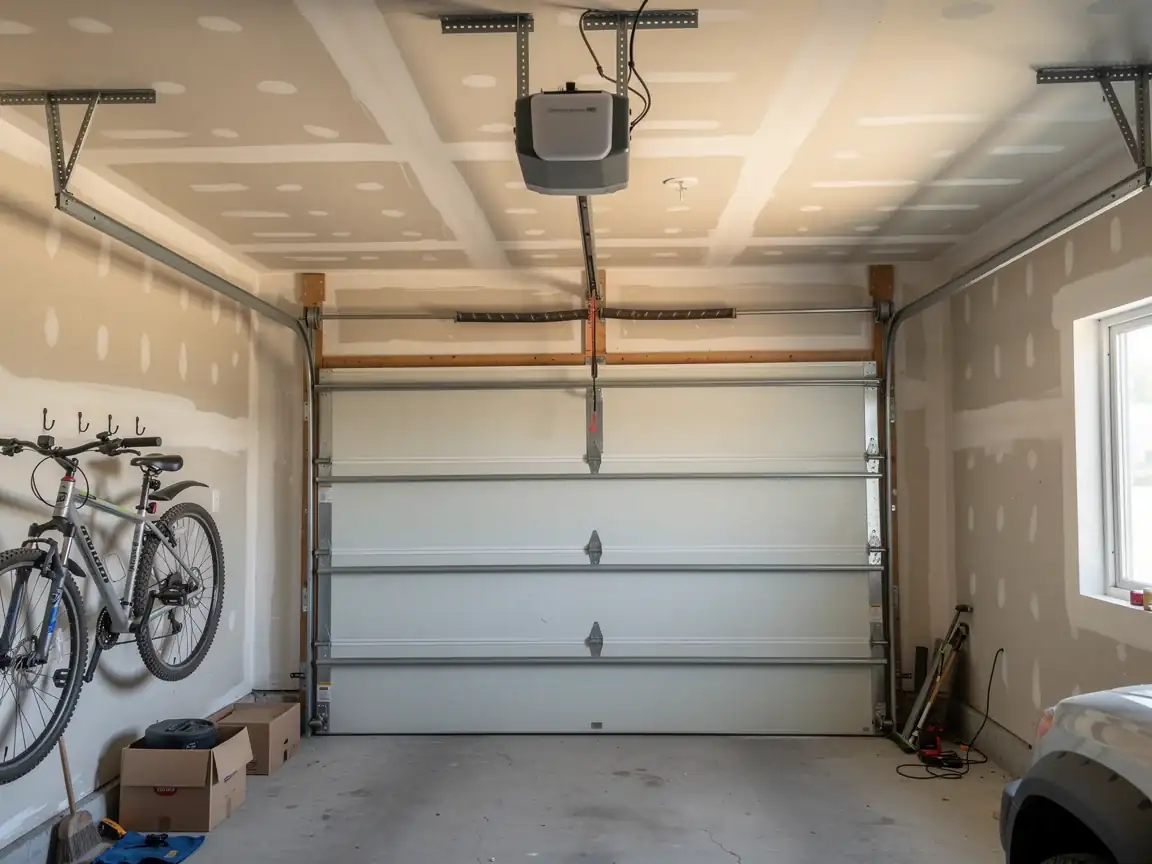
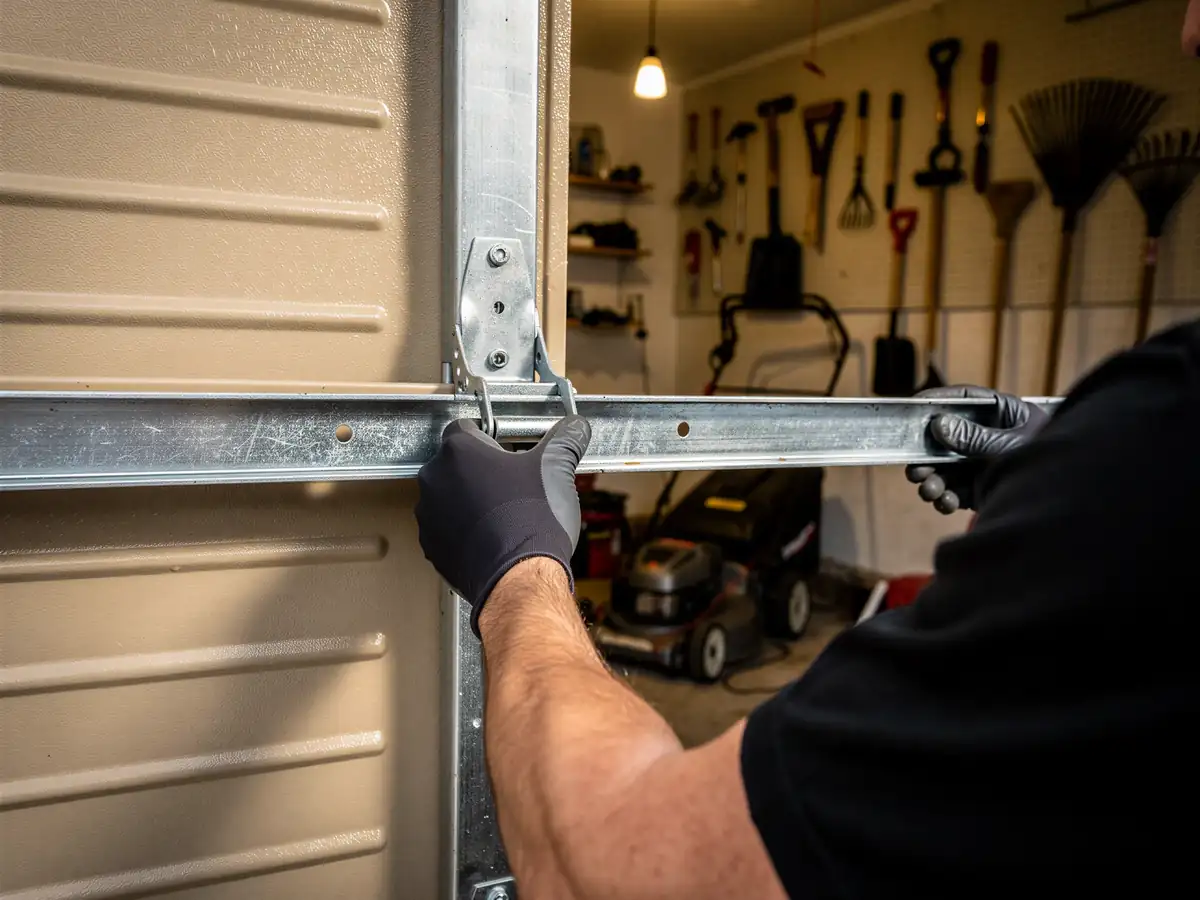
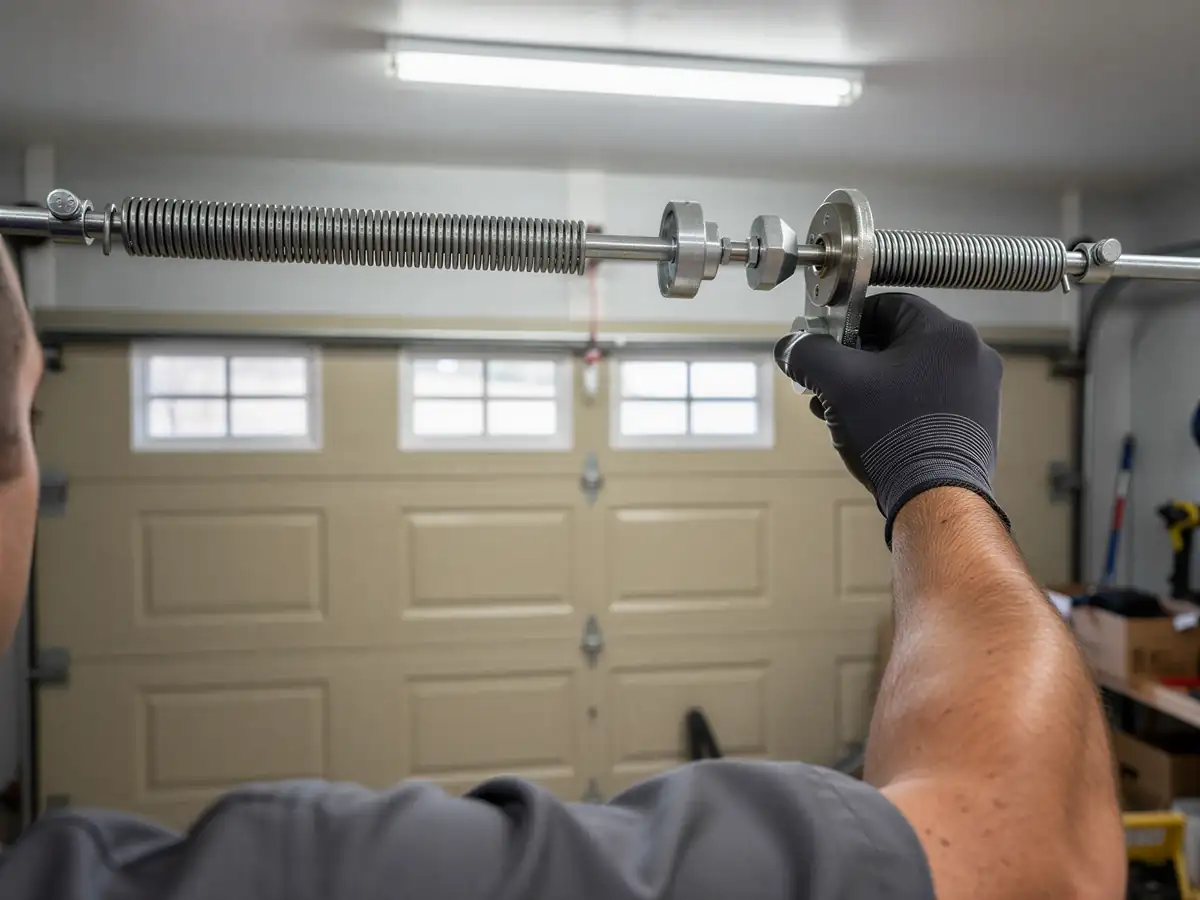
Houses in Dedham built around 1955 often still run the original extension-spring setup bolted over the track - not the torsion spring that became standard decades later. These springs stretch along the horizontal rail above the door, and when one lets go there's no drum or cable system to catch it the way a torsion setup has. That's the fault we see first on this side of town, more than on newer builds.
The median home in Dedham went up in 1955, inside the broader 1938 to 1985 window across the area we work in. That means doors here are more likely than in newer suburbs to still be carrying original rail-mounted springs, single-layer steel panels, and an opener that's a later retrofit bolted onto a frame it wasn't designed for.
Once a tech is on-site, swapping an extension spring or a torsion spring both run about the same length of job - the difference is we have to carry stock for both kinds since you can't always tell which one's installed until someone's standing in the garage. We come from Needham, 4 miles out, so that stock has to be loaded before the truck leaves, not figured out halfway through a repair.
Doing It Yourself
An extension spring under tension is not a safe DIY project, full stop. The spring is stretched along the track at full extension most of the time the door is down, and releasing that tension without the right bar and clamps is how people lose fingers or take a cable to the face. If your house is one of the 1955-era builds still running that setup, this is the one repair we'd tell you flat out to leave alone.
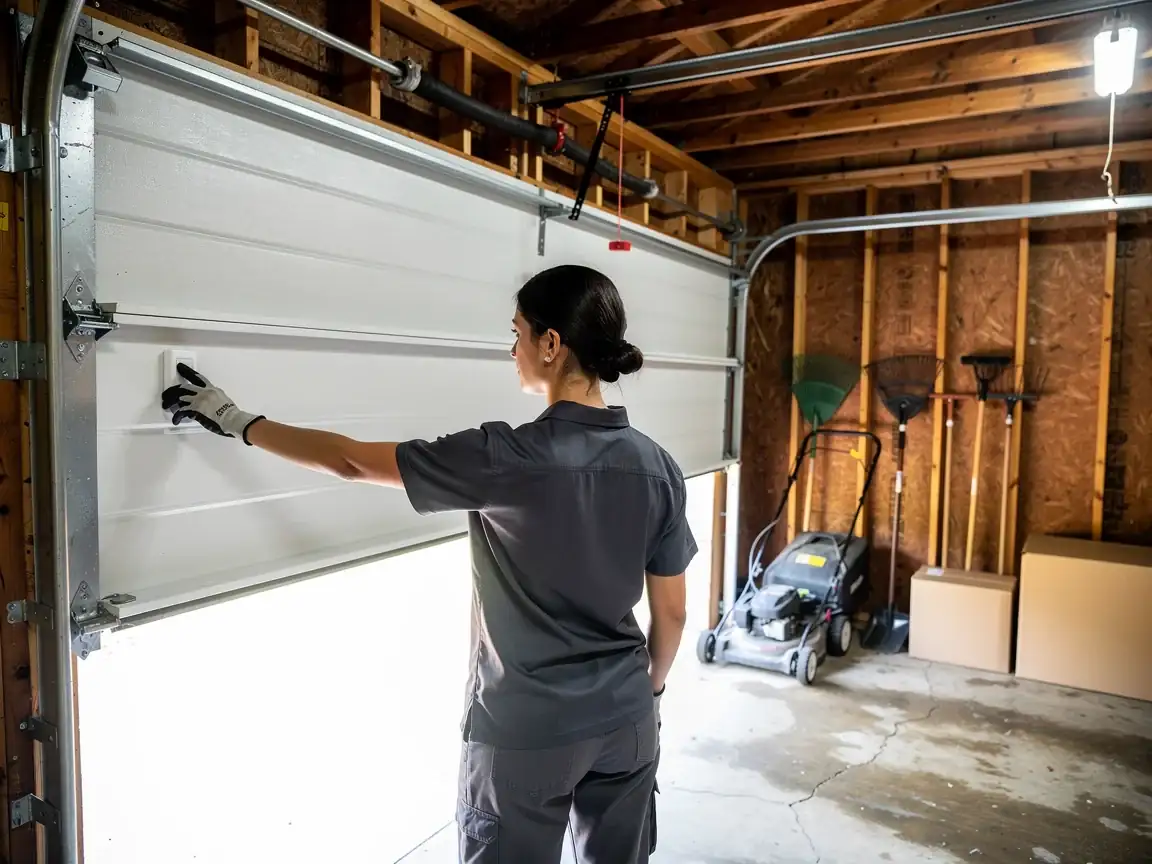
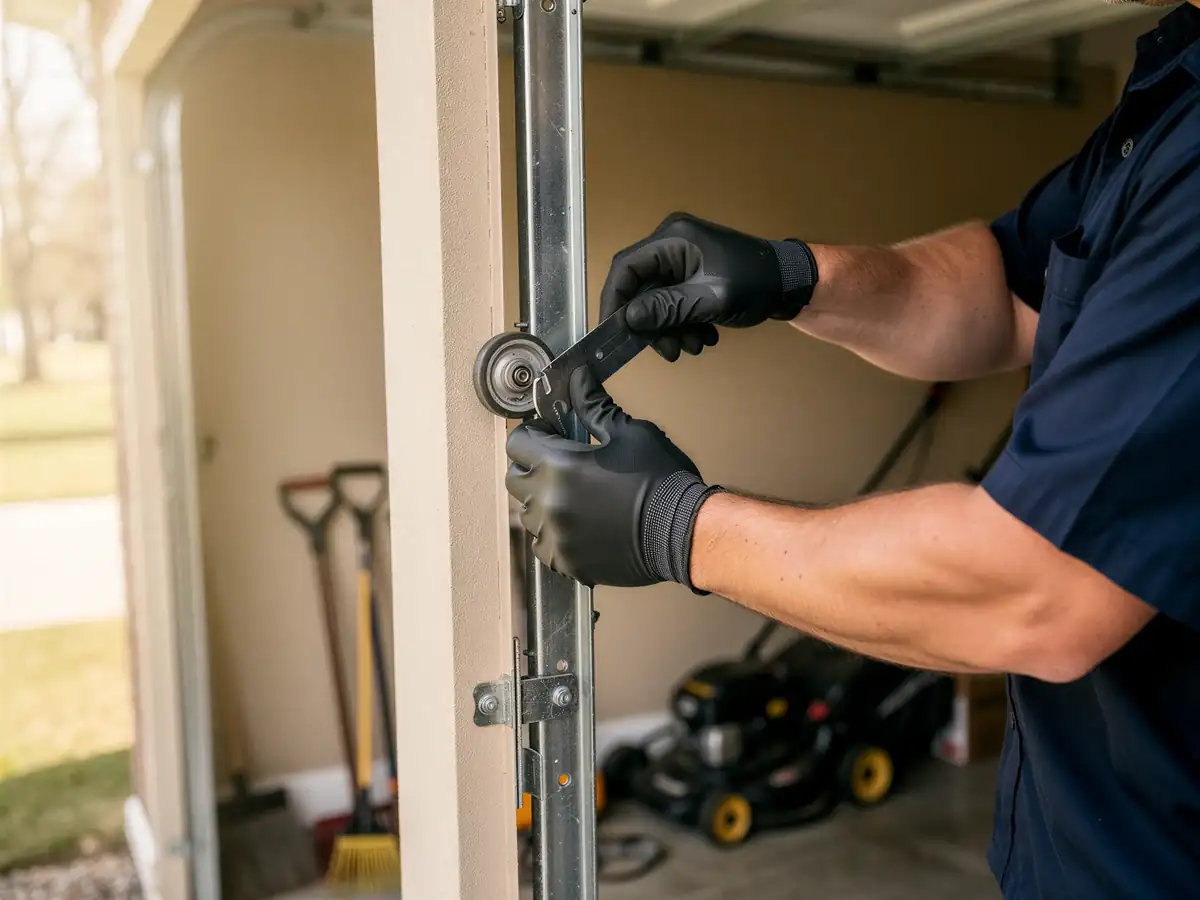
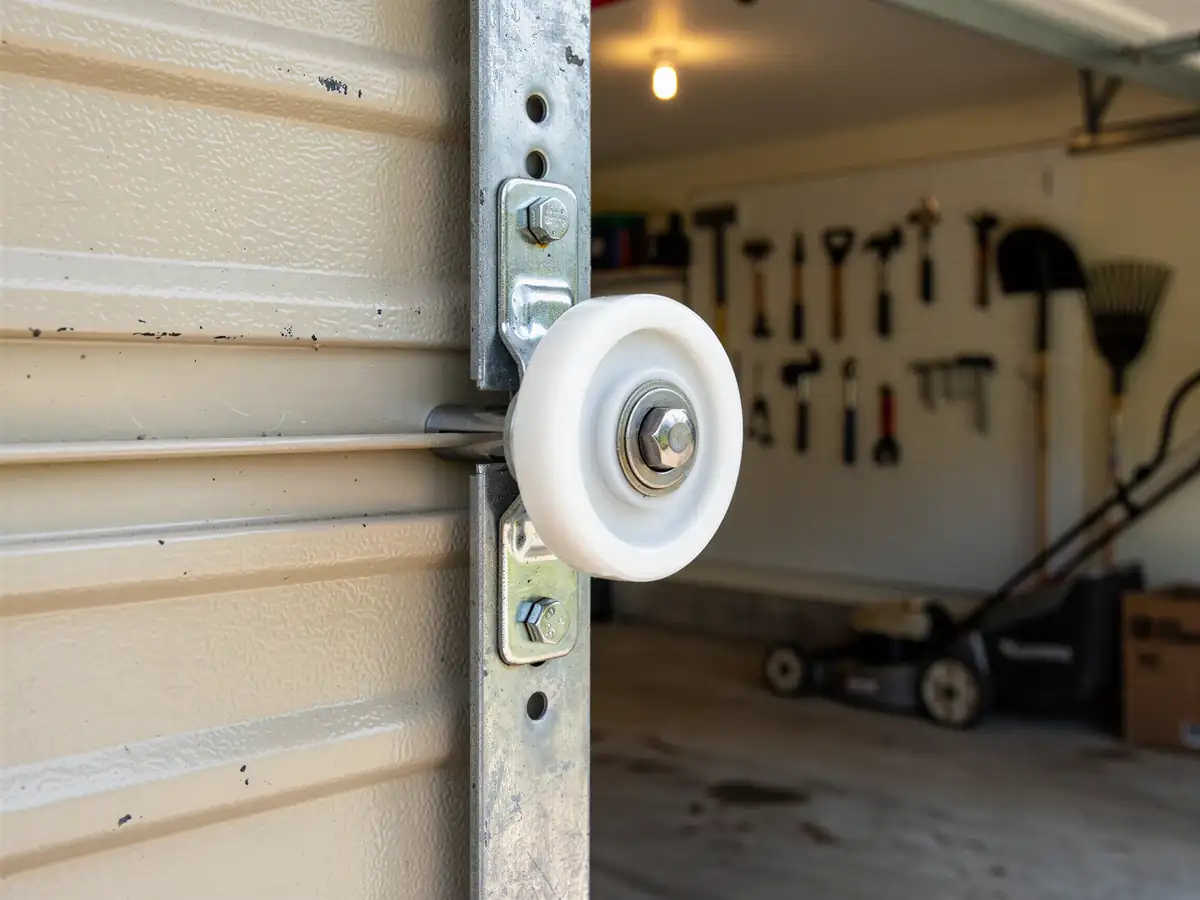
What you can reasonably do yourself: tighten loose hinge bolts, clean and lubricate rollers, check that the photo-eye sensors near the floor are aligned and not caked in dust. None of that touches the spring or the cable system.
Here's the honest limitation: if your opener is original to a 1950s or 60s install and the door itself has warped or rusted through, we're not going to spend an hour trying to true up a panel that's going to need replacing anyway. Sometimes the right call is a new door, not a patched one, and we'll say so rather than bill you for a repair that won't hold.
The Complications
Dedham sits in a cold-severe climate band
And that matters more on an older extension spring than it does on a newer torsion one. Cold stiffens the lubricant on a spring that's already fatigued from age, and a spring that's been slowly weakening for fifty-some years can finally let go on the first hard-frost morning rather than spread out gradually.
The other complication is sizing
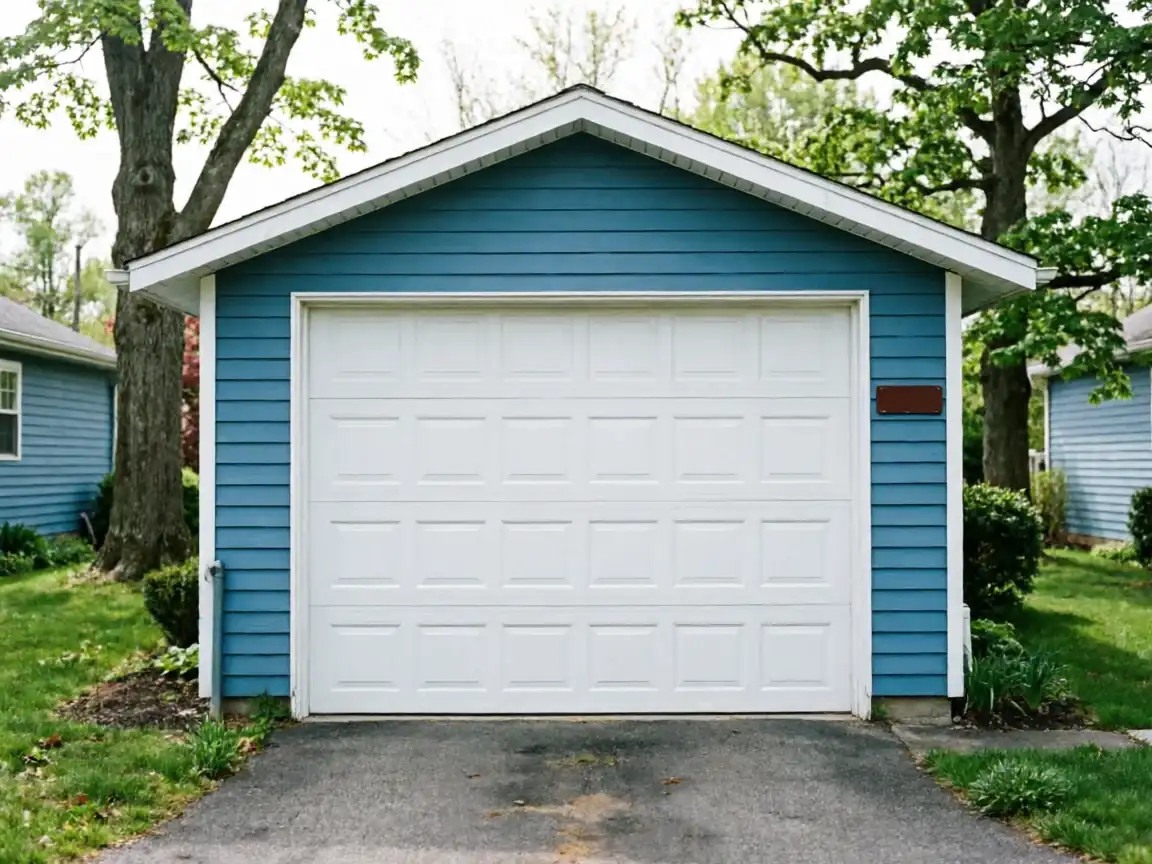
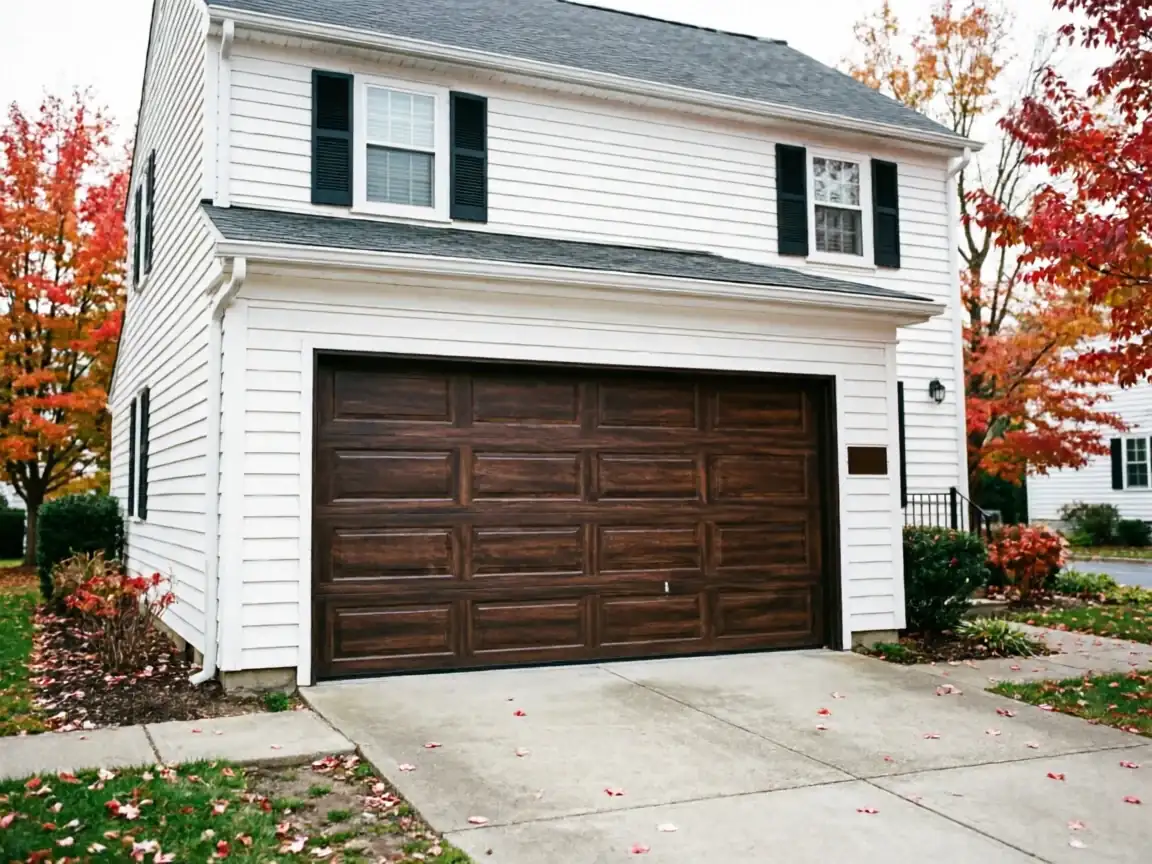
Garages built in the 1938 to 1985 window weren't built to a single standard width, so a replacement panel that fits a 2005-built door down the street often doesn't fit a 1955 opening. That means more measuring before we order anything, and sometimes a longer wait if a panel has to be special-ordered rather than pulled off a shelf.
We don't stock every width for every era - that's the honest limit here
If your door is a non-standard size and the manufacturer no longer makes a matching panel, full replacement is usually faster and cheaper than chasing down an obsolete part.
How We Fix It
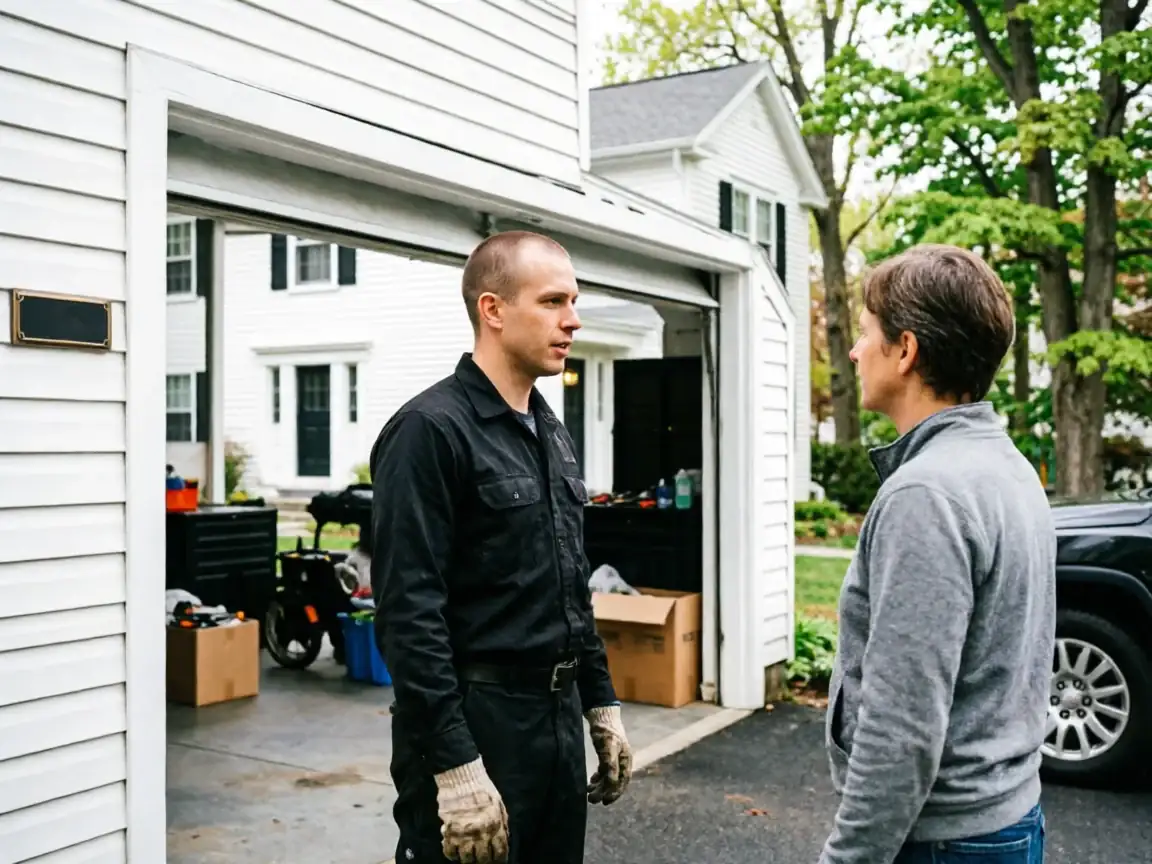
We drive the 4 miles from Needham to Dedham with stock for both spring types, since you can't tell which one's installed until you're standing in the driveway. First thing on any call here is identifying what's actually on the door - extension or torsion, original or retrofitted - before quoting a fix.
For the extension-spring jobs common in Dedham's older stock, we replace in pairs even if only one has failed, since the other is carrying the same decades of fatigue and cold-weather stress. For torsion conversions on older frames, we check that the header above the door can actually take the load before we mount anything.
If you want the full rundown on repair work in town, see our Dedham garage door repair page. For the broader list of what we handle out of our home base, that's covered on the Needham garage door service page.