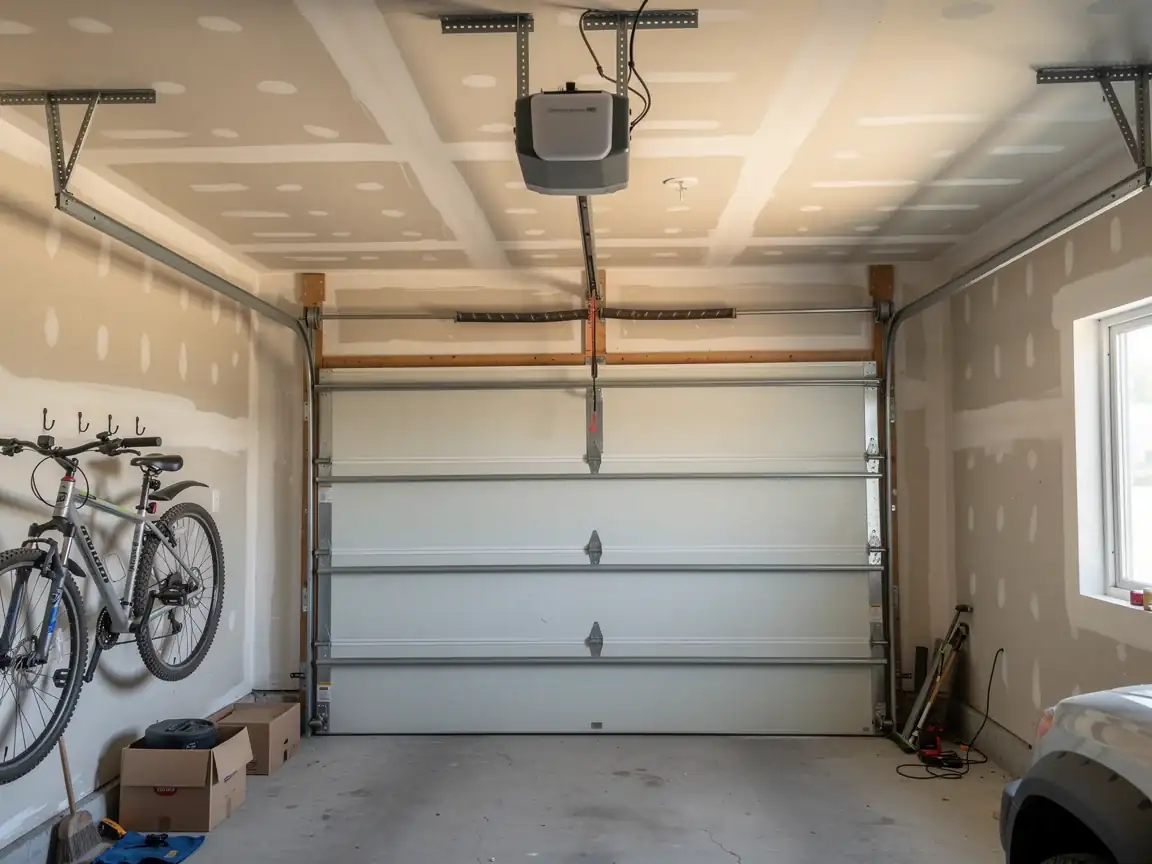
The Complications
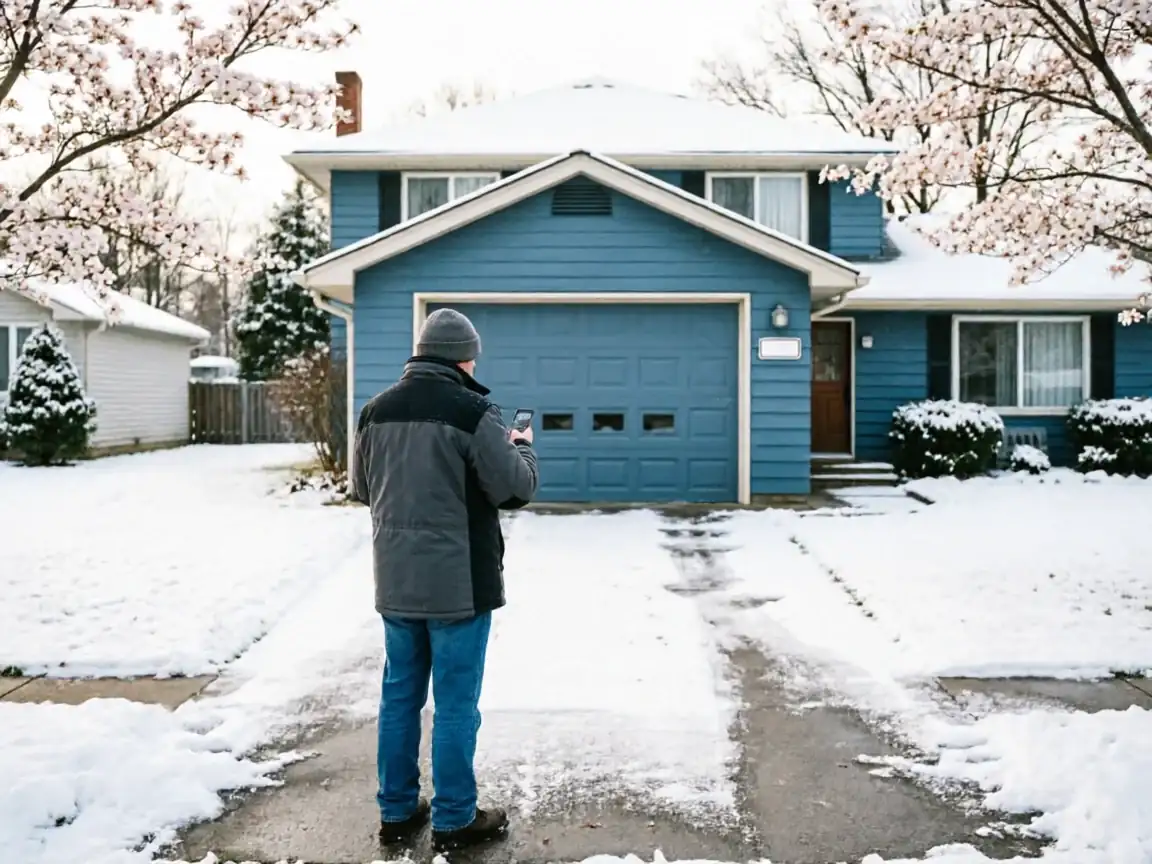
The median household income in Reading is $163,725, well above the $154,011 median across the wider service area we cover out of Needham. That number matters because it changes the math on a failing door. At this income level, replacement is rarely blocked by budget the way it can be elsewhere - the real question is whether the door is worth saving, not whether the owner can afford to fix it.
And the doors in Reading mostly date from right around 1960, which puts them near the early end of the 1938-1985 range we see across the 58 communities we serve. A door installed in 1960 has likely been replaced once already, but the opener, track, and hardware underneath it get swapped piecemeal over the decades, which means a service call here is as likely to turn up mismatched parts from three different eras as it is a single clean fault. We see this more in Reading's older pockets than in neighborhoods built later.
Winters here fall into the same cold-severe climate band as the rest of the territory, so temperature swings still stiffen springs and thicken grease on any door regardless of age. That part isn't unique to Reading. What is unique is how often the fix involves tracking down a part that matches a fifteen- or twenty-year-old installation instead of something off a current shelf.
How Long It Takes
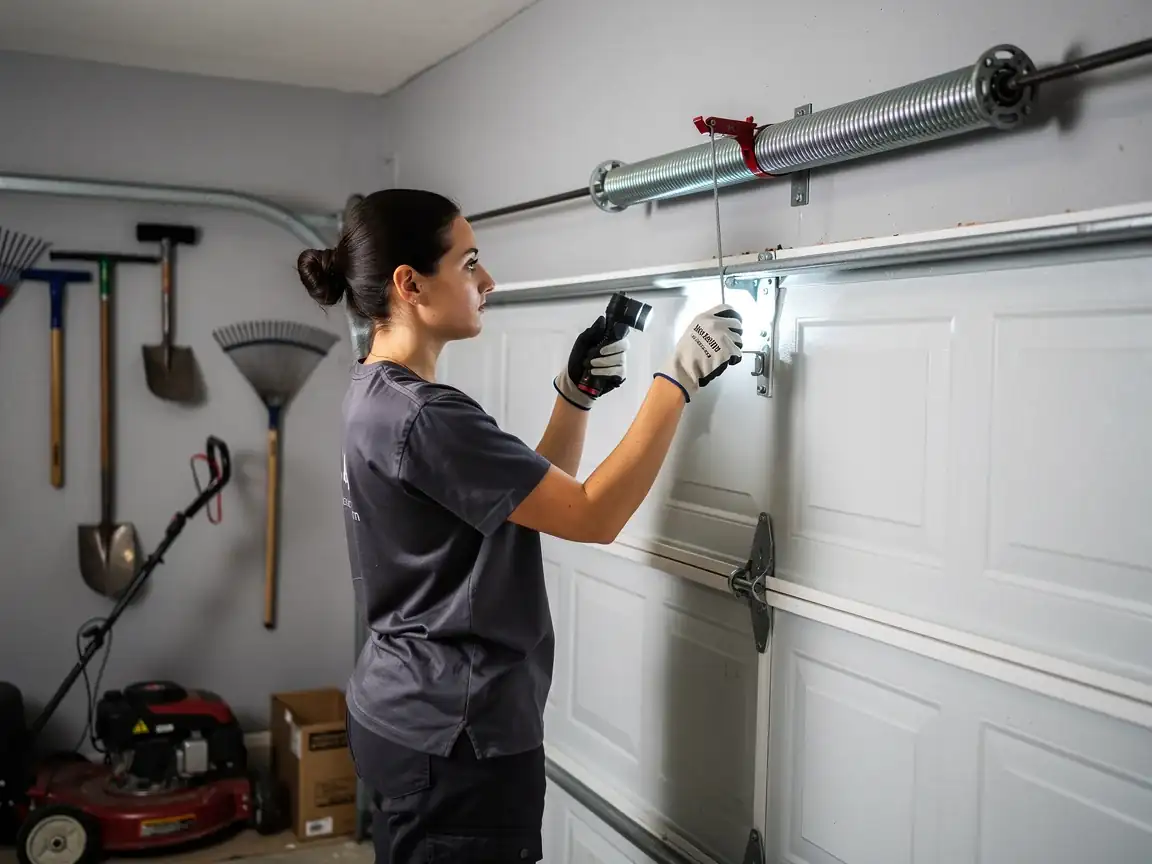
We travel to Reading from Needham, about 19 miles each way, so we don't promise a same-day slot the way a shop with a local yard might. What we can tell you is that the job itself - once a tech is on site - runs the same length as anywhere else in the territory: a spring swap is usually under an hour, a full opener replacement closer to two.
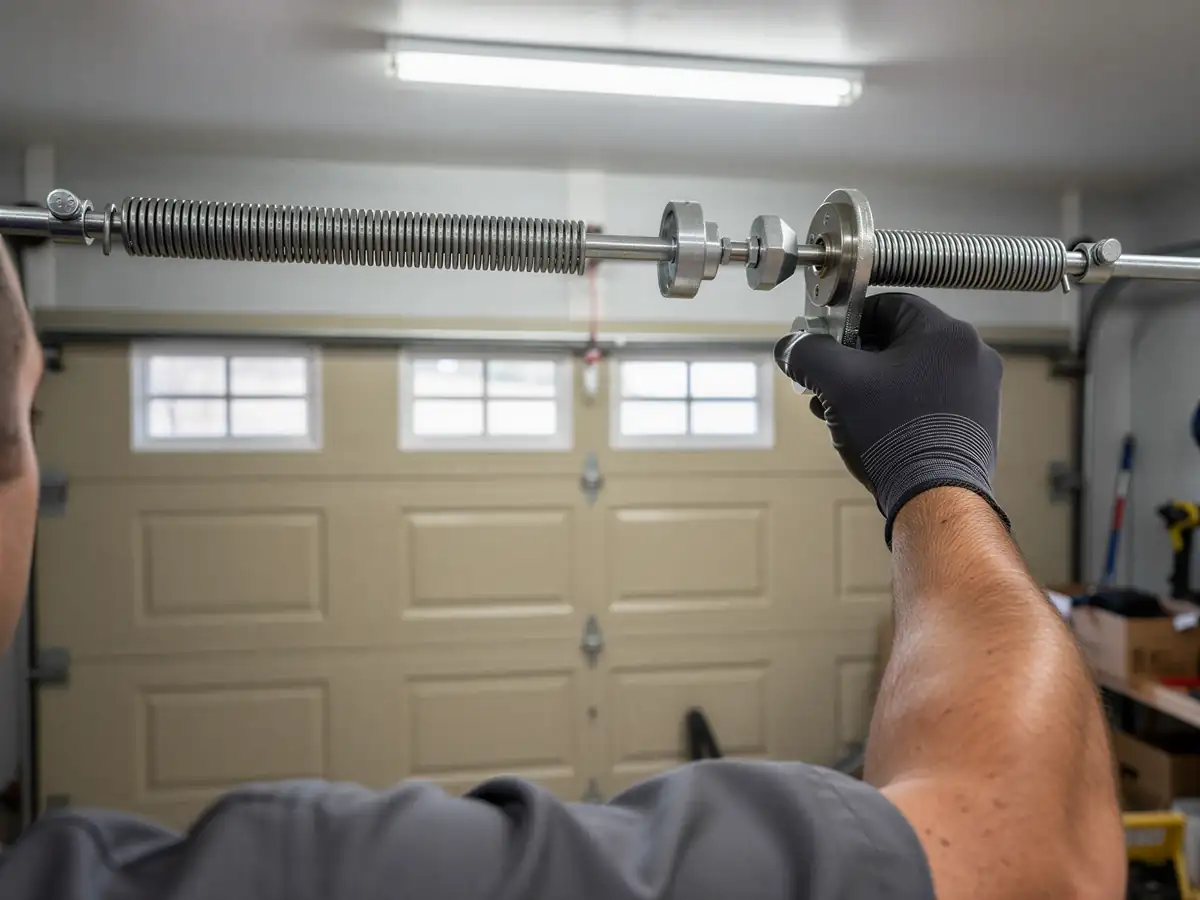
Where Reading adds time is diagnosis. With housing stock centered on 1960 and 9,574 households in town, we're dealing with a wide spread of door ages and opener generations even on a single street. A tech has to confirm what's actually installed - torsion or extension, chain or belt drive - before quoting the repair, and on an older setup that sometimes means pulling a cover panel just to see the spring size stamped on the end cone. That's five or ten extra minutes that a newer, more standardized install wouldn't need.
Booking a Visit
Tell us the door's approximate age and what it's doing
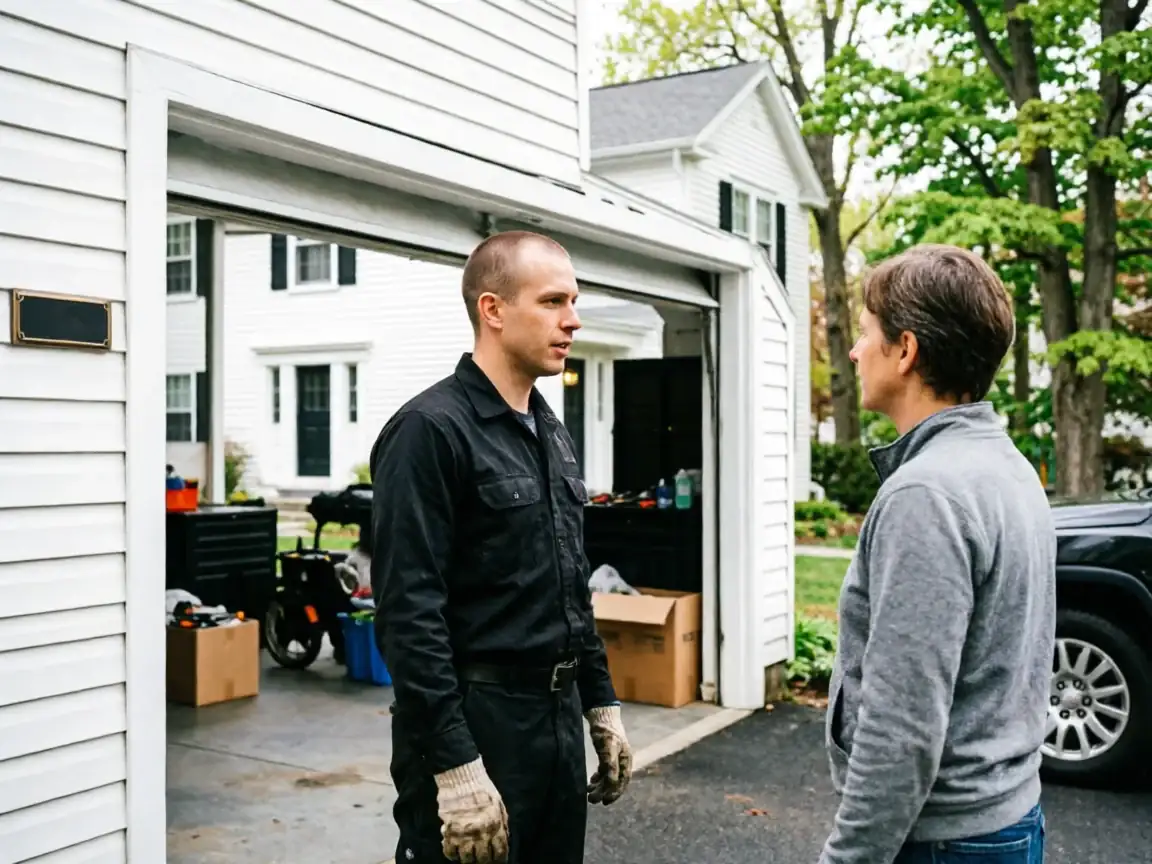
Won't open, won't close, grinding, off track - and we'll get a tech routed out from Needham. Because Reading sits at the far edge of our travel radius, we batch calls here when we can, so the more specific you are about the symptom up front, the better we can match a technician who's already carrying the right spring size or opener board.
If you're not sure whether your door is original to a 1960s build or a later replacement, that's fine
Most owners don't know, and it's one of the first things we check. We'd rather ask than guess.
How It Shows Up
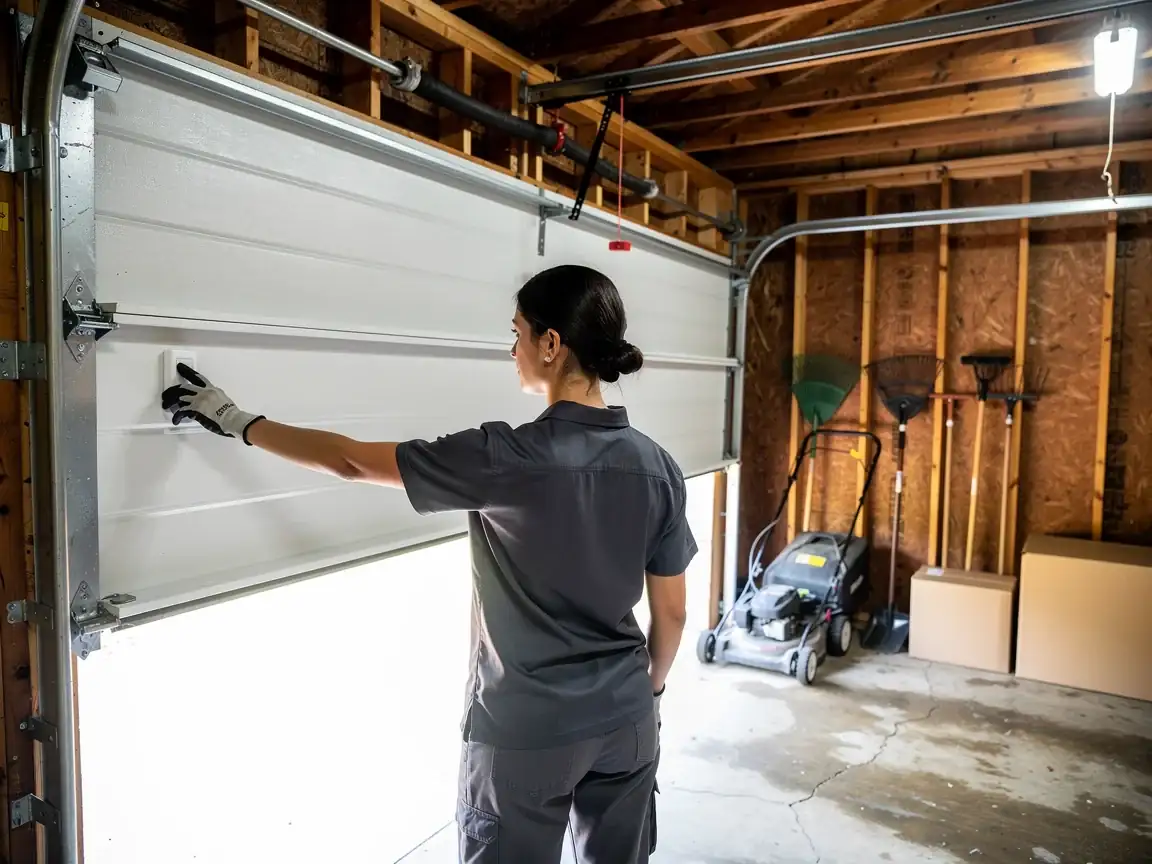
On a house with original or early-generation hardware, the first sign is usually a spring that's lost tension gradually rather than snapping outright - the door feels heavier each month until one day it won't lift past waist height. On the opener side, chain-drive units from the same era tend to start slipping gears before they fail completely, so you'll hear grinding a week or two before the door stops responding at all.
Given the median income in Reading, we also see more owners choosing full replacement over patch repairs on doors that are already near end of life - not because the repair is unaffordable, but because they'd rather not keep spending on a door that's going to need the next part in a year anyway. We won't push that on a door that still has real life left in it. If a cable or roller job will hold for years, we'll say so, even if replacement would be the easier sell.