The Complications
Reading has about 9,574 households, which is a fraction of the roughly 300,673 households spread across the wider area we cover out of Needham. That smaller number matters: it means the spring failures we see from Reading aren't a flood of identical calls from one subdivision built in a single year. The town's median home dates to around 1960, a bit older than the broader service area's 1968 median, which puts a good share of Reading's garage doors on original or first-replacement torsion hardware from the 1960s and 70s.
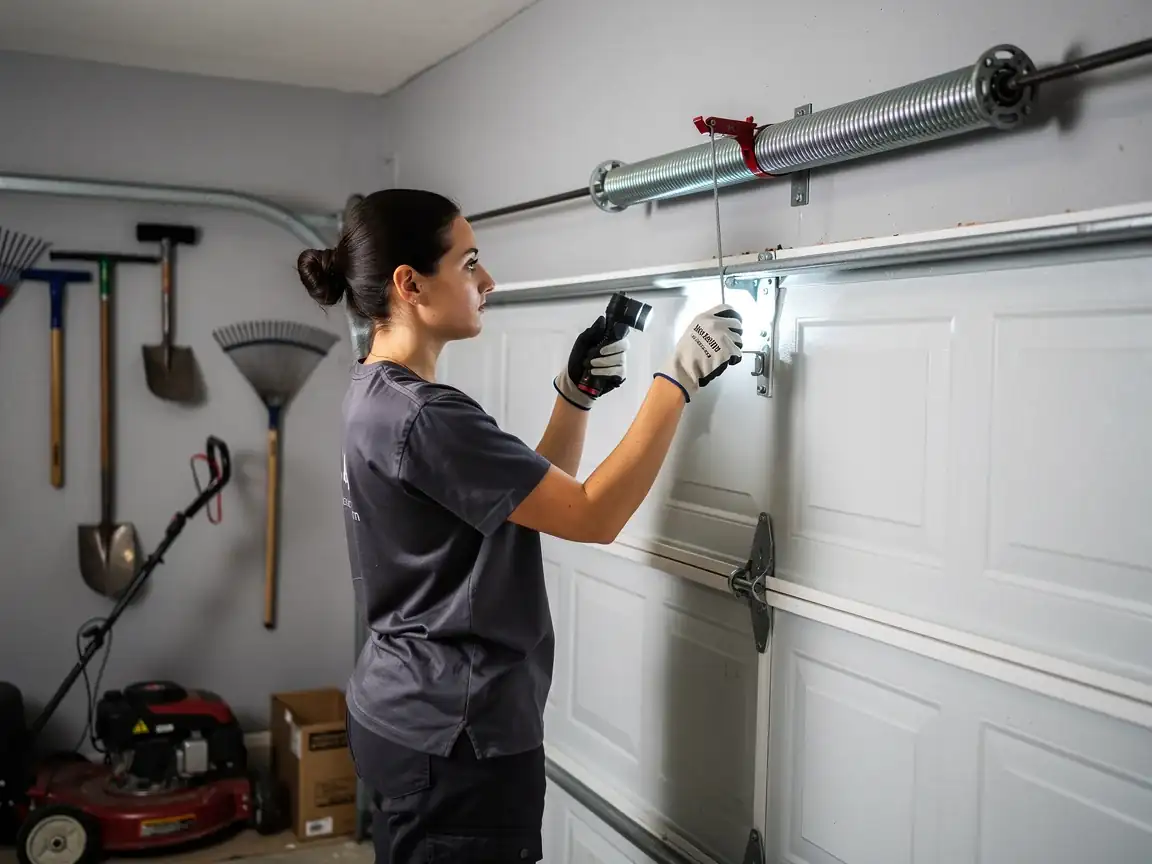
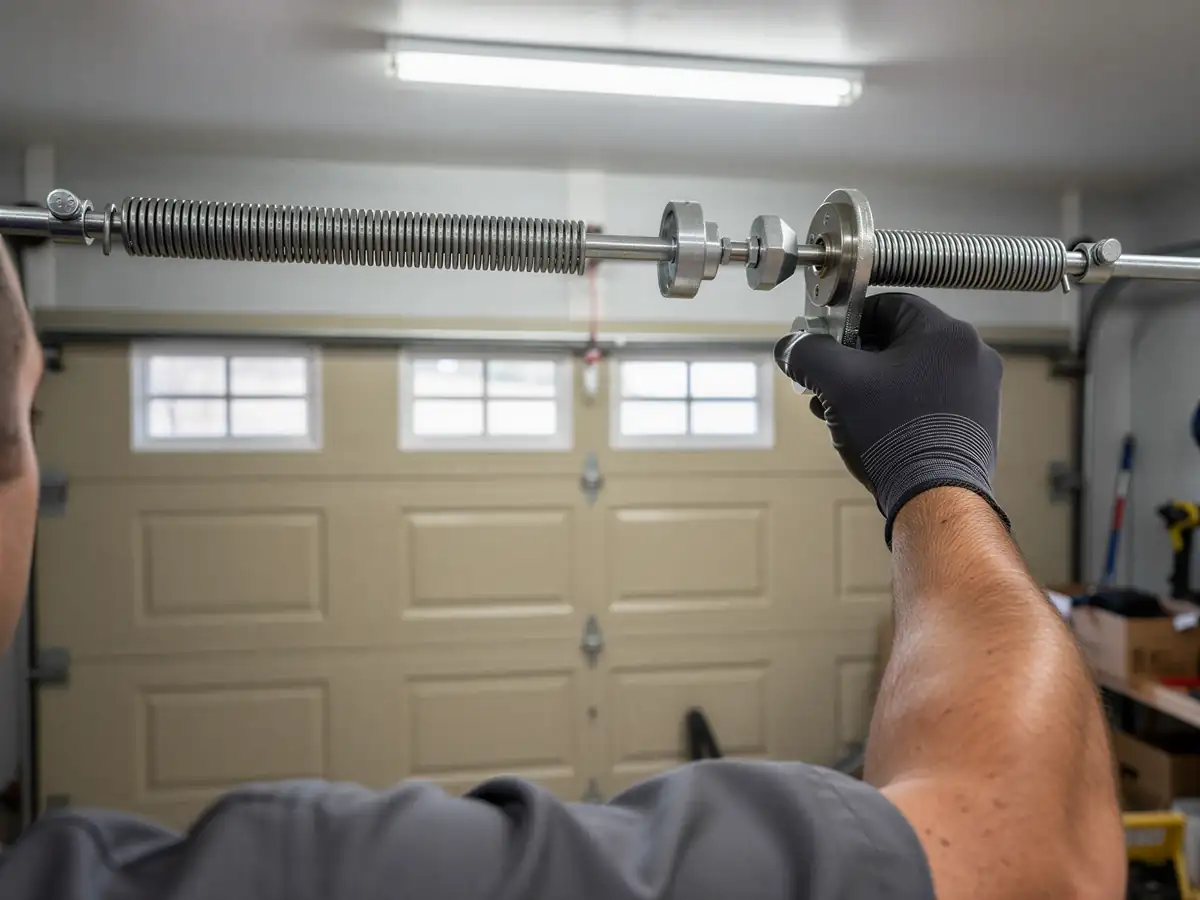
That older stock brings its own complications. Torsion springs wound for a door built in 1960 are often sized for a heavier, thicker wood panel than what's on the house now if the door's been swapped out once already - and that mismatch is one of the more common reasons a "new" spring fails fast. We also see single-spring setups on doors that really should have two, left over from an era when that was standard and nobody's upgraded since.
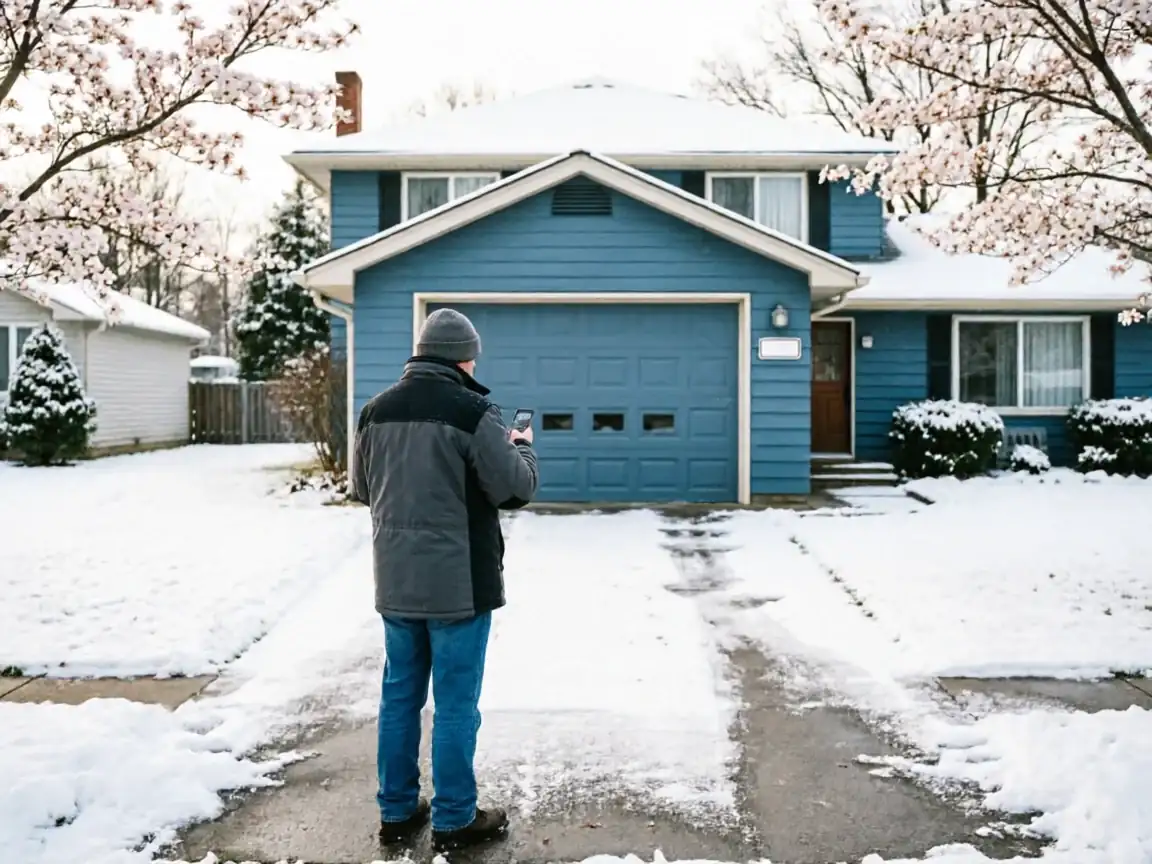
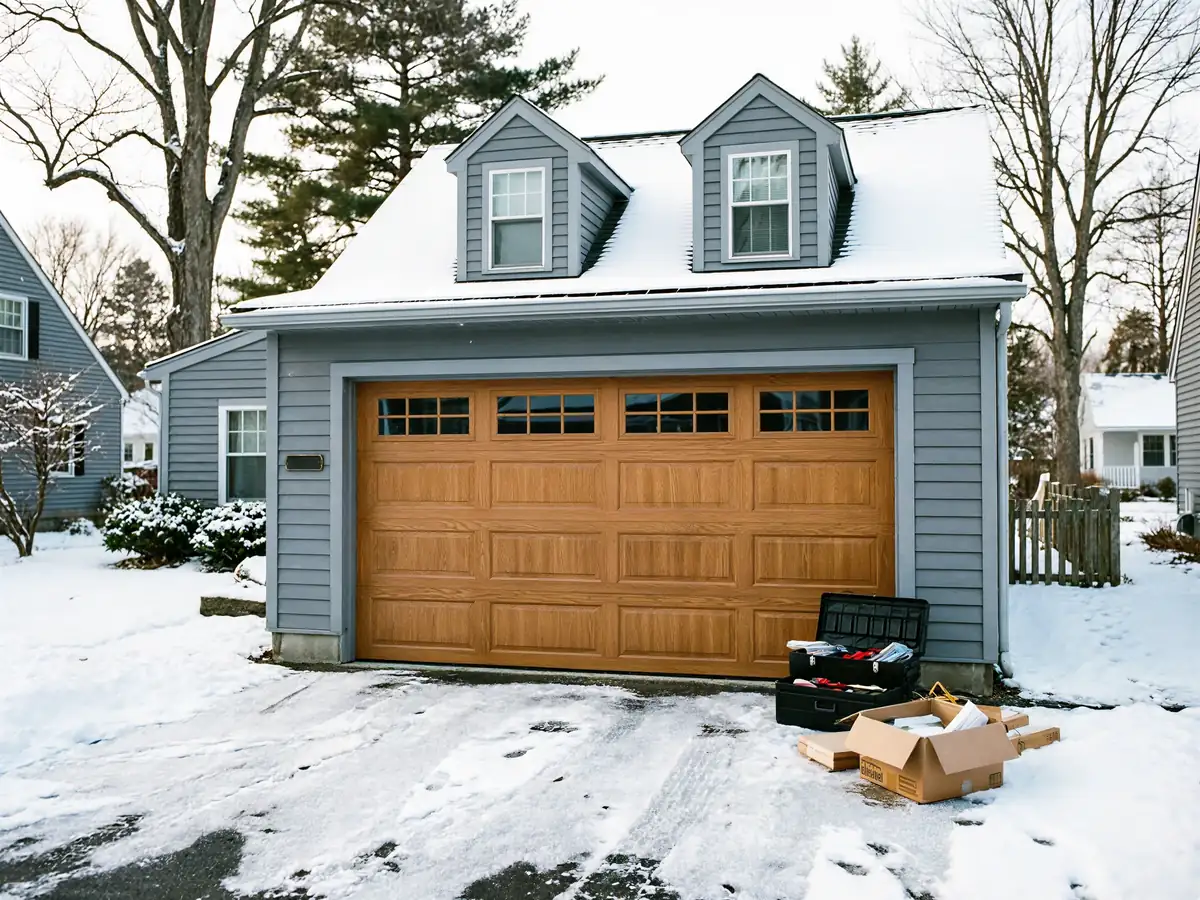
The cold is the other factor. This area sits in a severe cold climate band, and steel springs lose some flex in deep winter, which is exactly when the extra strain of a cold start snaps a spring that's already fatigued.
How Long It Takes
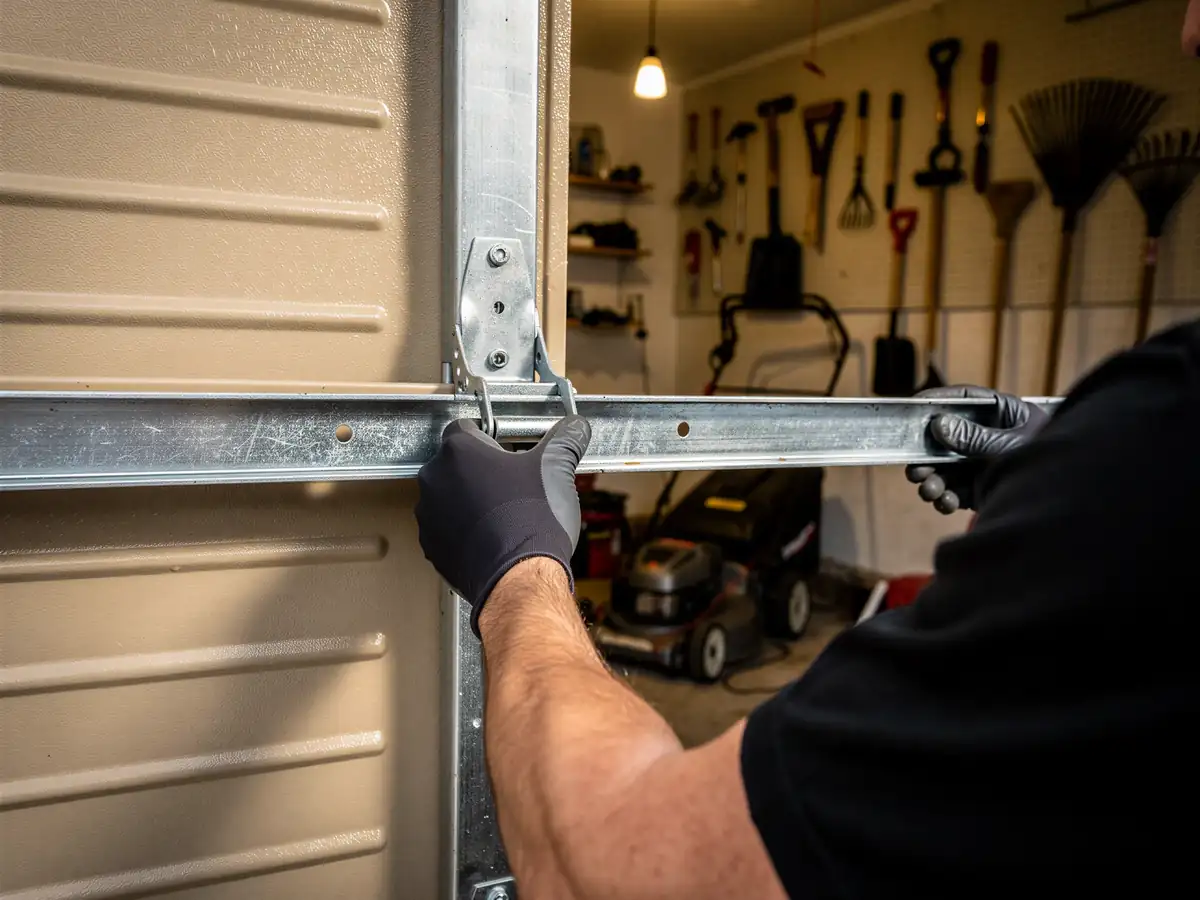
A straightforward torsion spring swap, once we're on site, usually doesn't take long - most of the job is diagnosis and matching the replacement to the door's actual weight and cable setup, not the wrench work itself. Where it takes longer is when the door is older than the spring, meaning the cables, drum, or bearing plate are also worn and need attention at the same time. Given how much of Reading's housing is from the 1960s and 70s, that's not rare here.
We travel the 19 miles from Needham to reach Reading, so the time on the clock includes that drive. We don't keep a branch or crew stationed in Reading, and we're not going to pretend otherwise - every job here is a trip out, not a local dispatch. That's worth knowing if you're comparing us to an outfit that's actually based closer to you.
One honest limitation: if a spring has already let go and the door came down hard, we sometimes find bent track or a cracked panel underneath, and that's a second repair, not a quick bolt-on fix. We'll tell you straight if that's what we're looking at before we start charging for parts that won't solve the real problem.
Booking a Visit
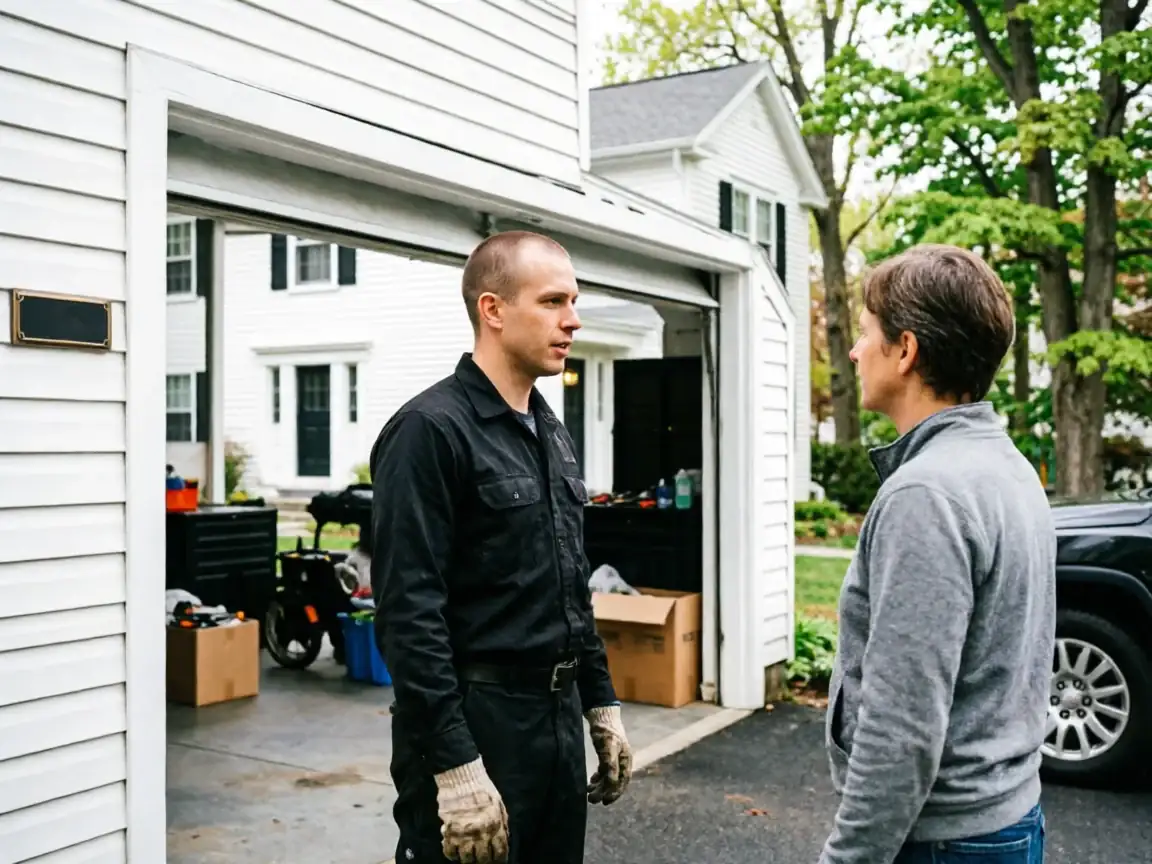
Because we're coming from Needham, it helps to know roughly what you're dealing with before you call
One spring snapped versus both, a door that won't budge versus one that's noisy but still moving. That lets us bring the right spring size instead of guessing twice.
If your house in Reading was built or last had its door replaced somewhere in that 1960s-into-1970s stretch that covers most of this town
Mention that too. It's a useful clue for what hardware we're likely to find, especially on a single-spring door that's never been upgraded to a pair.
We book the visit, quote the job once we've seen the door and spring
And do the repair the same trip in most cases. We don't do same-day emergency dispatch out to Reading - the distance doesn't support it - so if your door is stuck down with the car inside, plan for us to get out there, not necessarily within the hour.
How It Shows Up
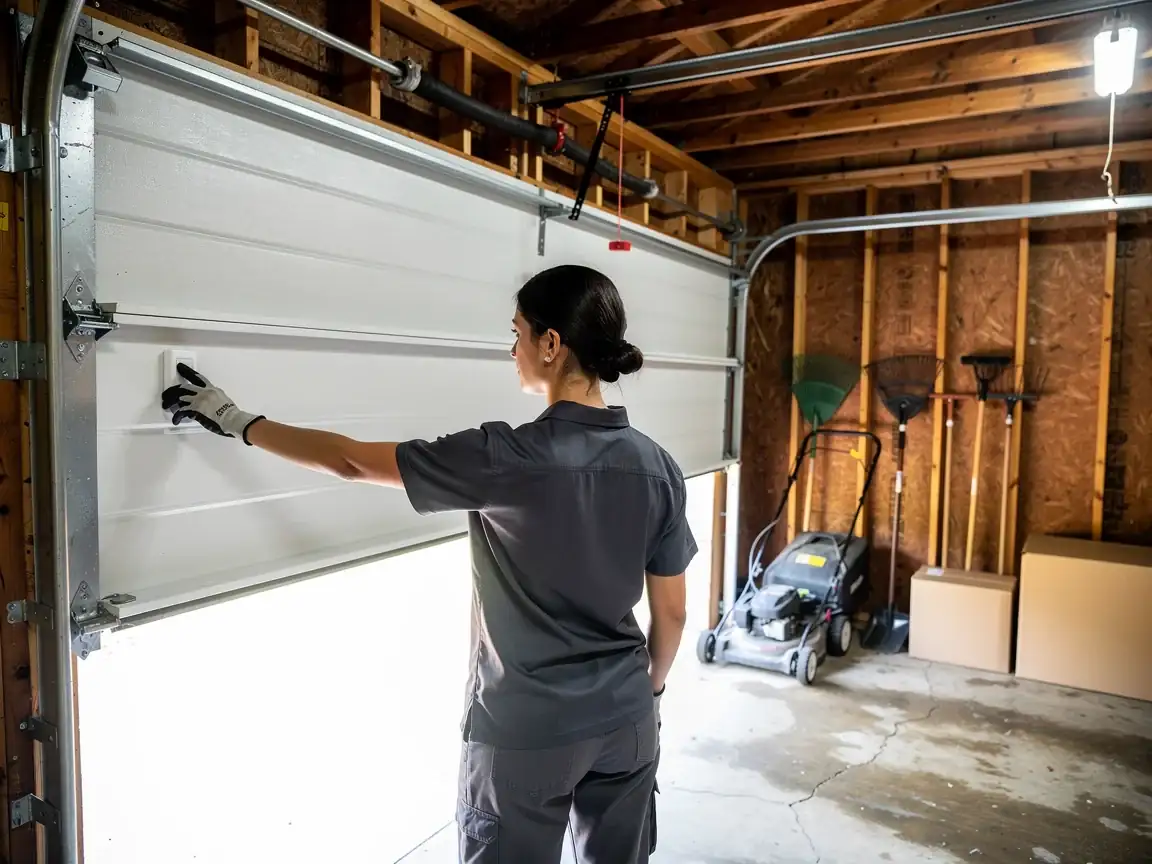
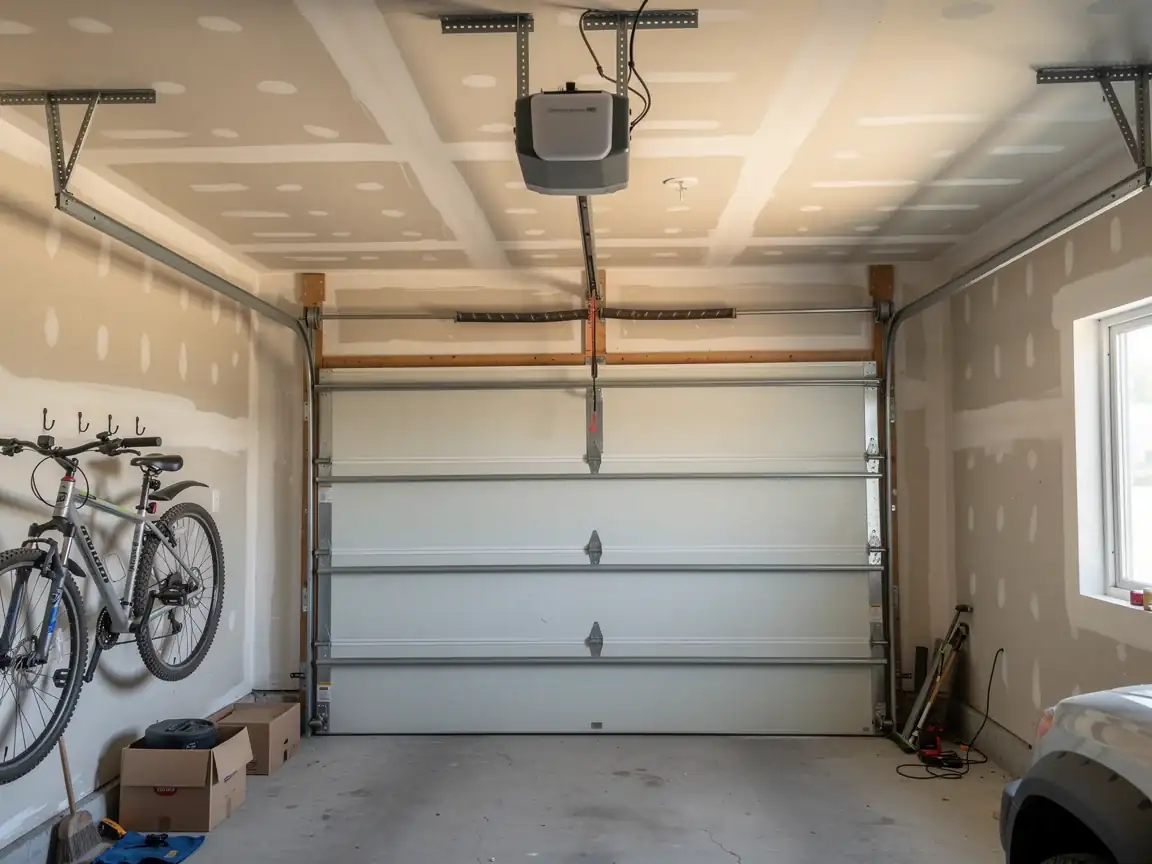
The classic sign is a loud bang from the garage, usually when the door's sitting closed and nobody's touched it - that's a torsion spring letting go under its own wound tension, not something a cat or a dropped tool could cause. After that, the door either won't lift at all or an opener tries and stalls partway, straining the motor.
On Reading's older doors, we also see a slower version: the door gets harder to lift by hand over a few weeks before it finally fails outright, as the spring loses tension gradually rather than snapping clean. With median household income here at $163,725, a fair number of these calls come in as a planned repair rather than a true emergency - people notice the door getting heavy and call before it strands the car.
Either way, don't try to adjust or remove a wound torsion spring yourself. The tension stored in one is enough to cause a serious injury, and that's true whether the spring is six months old or from 1965.