The Complications
Reading is about nineteen miles from our Needham base, which is enough distance that a roller call here gets bundled with other stops on the same run rather than squeezed in between two close-by jobs. That's not a complaint, it's just how the math works on a truck - we plan the day around it so the visit itself isn't rushed.
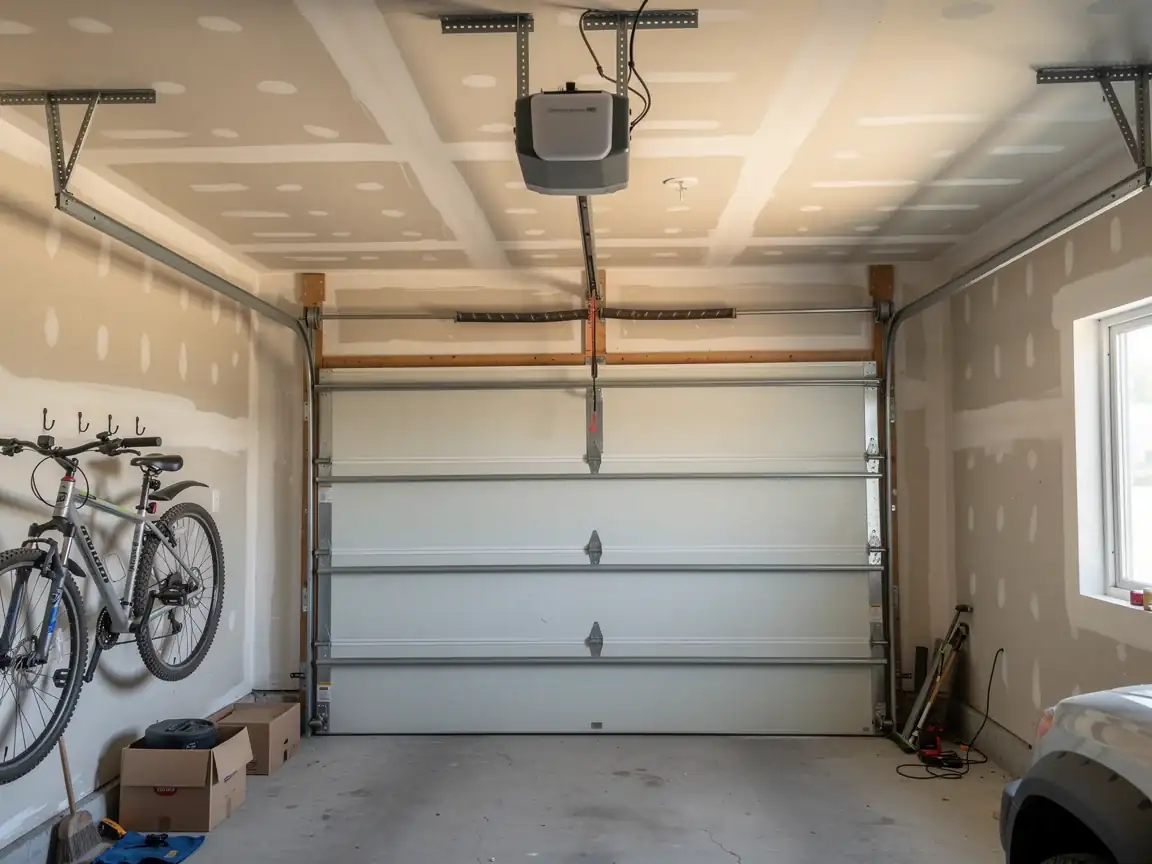
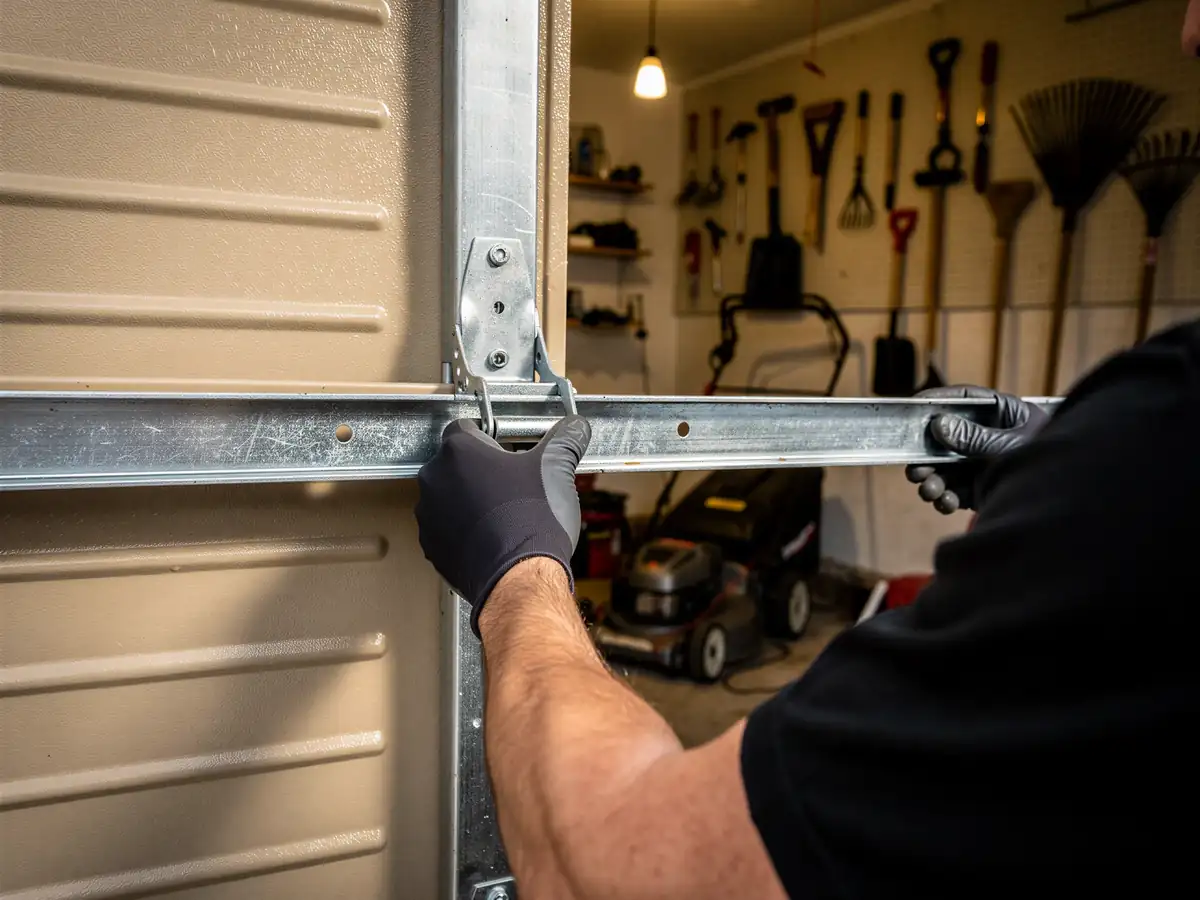
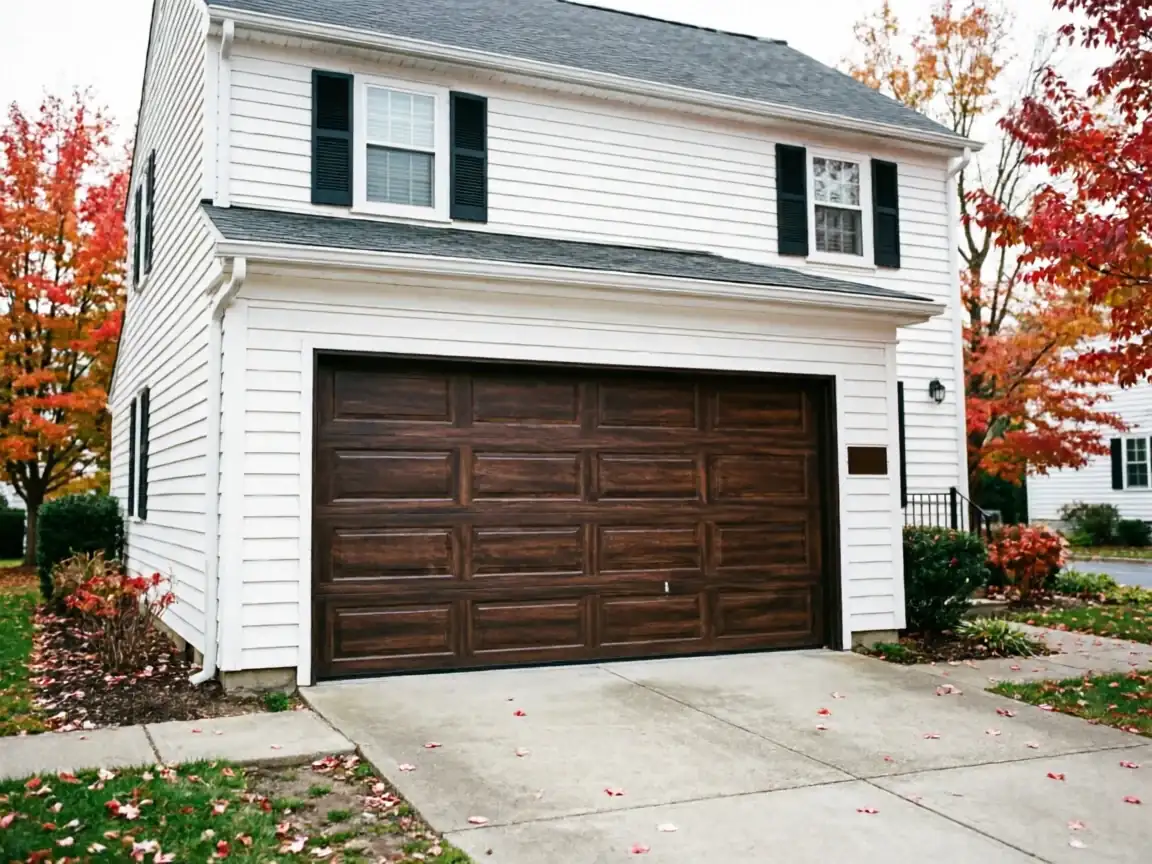
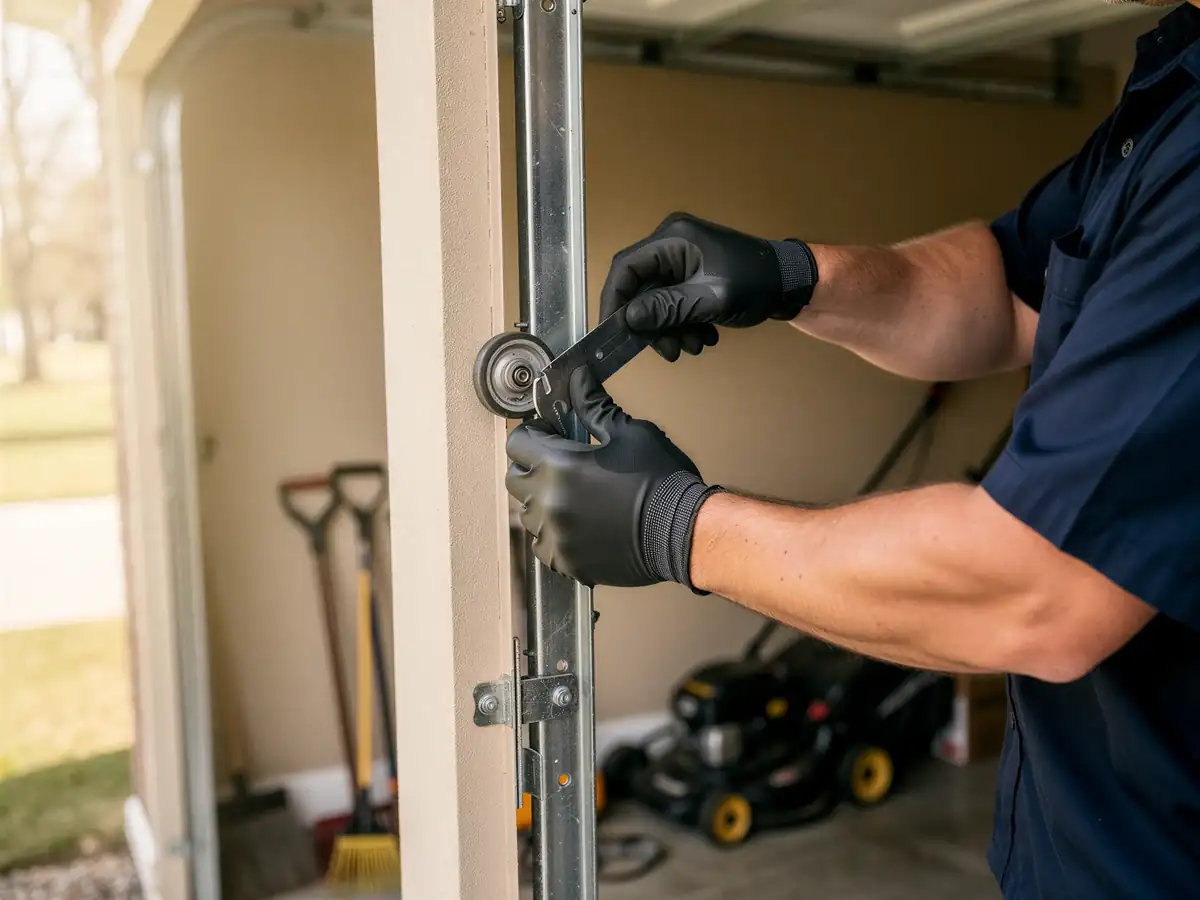
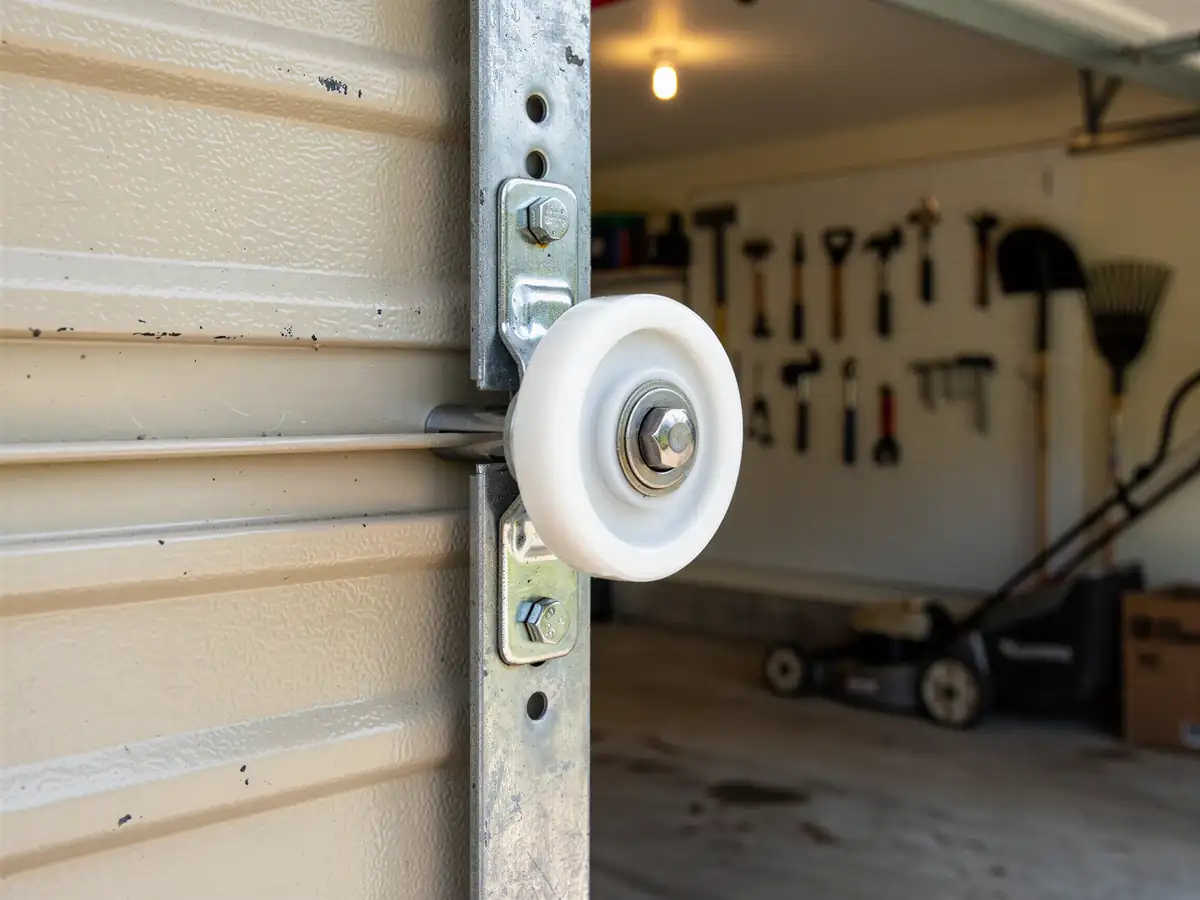
The bigger complication is what's actually on the door once we get there. Most houses in Reading went up around 1960, a few years ahead of the 1968 median for the rest of our service area, which puts a lot of these doors squarely in the original steel-roller, steel-track generation. Galvanized rollers on that era of hardware wear a groove into the track over fifty-plus years, and once that groove is there, a straight roller swap without addressing the track can leave the door riding rough again within a season.
Winters in this part of Massachusetts fall into the same severe cold band as the rest of the region we work. Cold makes steel rollers brittle at the edges and makes any existing track wear worse, because the door's moving slower and catching harder on a cold morning. That combination - older track geometry plus hard winters - is the actual fault pattern we're solving for, not a generic "roller replacement."
How Long It Takes
A straight 10-roller swap on a double door, done once we're on site, usually runs under two hours. Add in the drive from Needham and the visit itself still fits into one appointment window - we just don't promise a same-hour arrival the way we might for a town five miles out.
Where the time adds up is the track. On a lot of these 1960-era Reading garages, the original steel track has worn enough at the roller contact points that we're not just swapping rollers, we're also straightening or replacing short sections of track so the new rollers don't just wear the same grooves again. That's the honest limitation here: if the track is badly worn, a roller-only job is a temporary fix, and we'll tell you that on site rather than sell you a swap that won't hold.
We also don't stock every obsolete roller size on the truck for every house. If your door uses an unusual stem length from that era's original hardware, we may need to order the part rather than finish same-visit - we'd rather say that up front than show up without it.
Booking a Visit
Because Reading is a longer leg from Needham than some of the closer towns we cover
We book roller jobs here as a full appointment rather than a quick add-on, so there's no rushing the track inspection once the truck's parked. Tell us the door's age if you know it - on a house built around 1960, that single detail changes what we bring: steel rollers and track hardware for an original setup look different from what you'd need on a newer door.
If you're not sure whether what you're hearing is a roller problem or something else
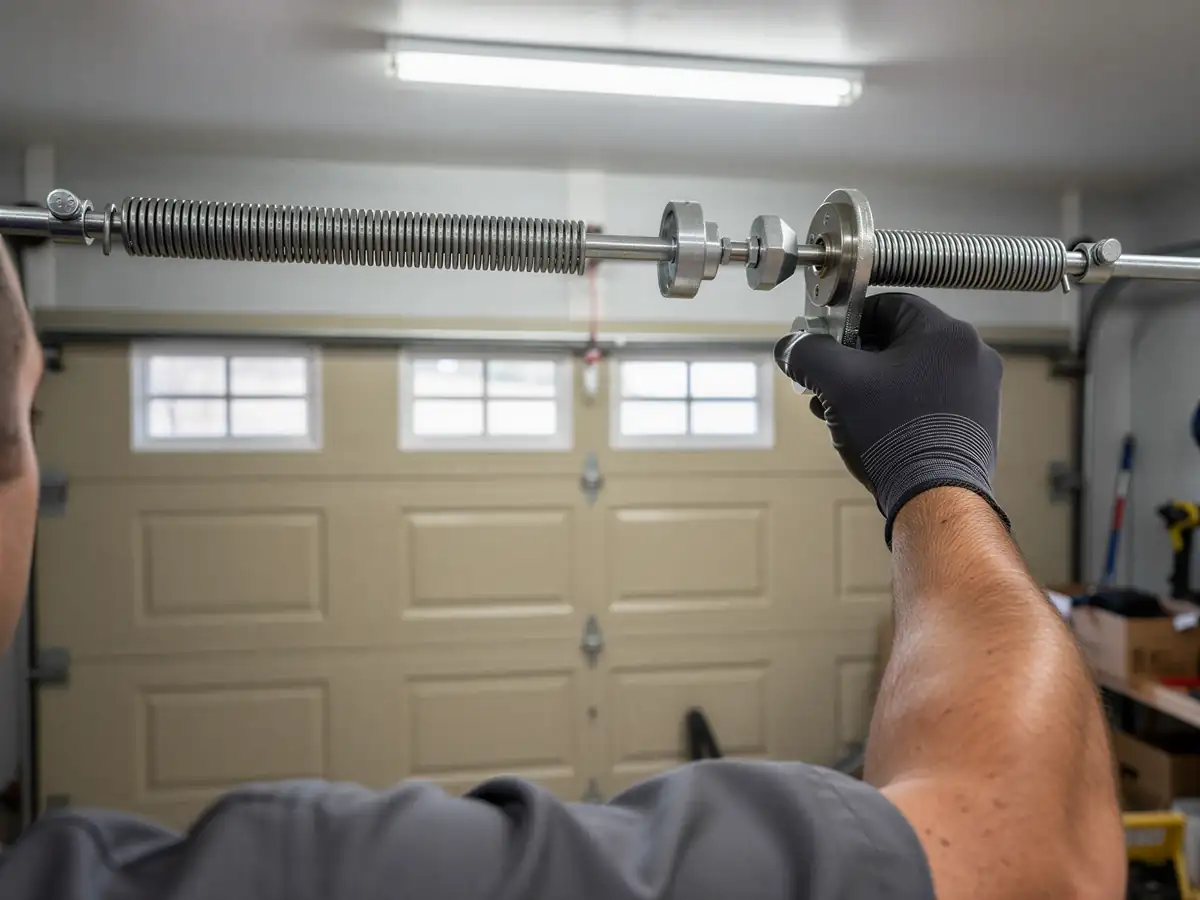
A bent track, a dragging cable, a spring that's lost tension - say what you're hearing when you call and we'll tell you honestly whether a roller swap is the fix or whether it's something bigger. We'd rather diagnose it right over the phone than drive the distance for the wrong job.
For general repair work on a Reading door beyond rollers
That's covered on our Reading garage door repair page.
How It Shows Up
On a Reading door from the 1960 era, roller wear tends to show up as a grinding or grating sound right as the door starts moving, loudest at the bottom of the track where the door spends the most time sitting under its own weight. You might also notice the door hesitating or jerking at specific spots on the track - that's usually the worn groove we mentioned, not a random glitch.
In cold weather, which this area gets in the same severe band as the rest of our coverage area, that grinding often gets sharper first thing in the morning before the door's moved a few times and things loosen up slightly. If a roller has actually cracked or come off its stem, you'll sometimes see the door sit crooked in the track on one side, or hear a sharper clunk rather than a grind.
Either way, it's worth having it looked at before a cracked roller jumps the track entirely - that turns a roller job into a track and possibly a panel repair, which costs more and takes longer than catching it early.