Doing It Yourself
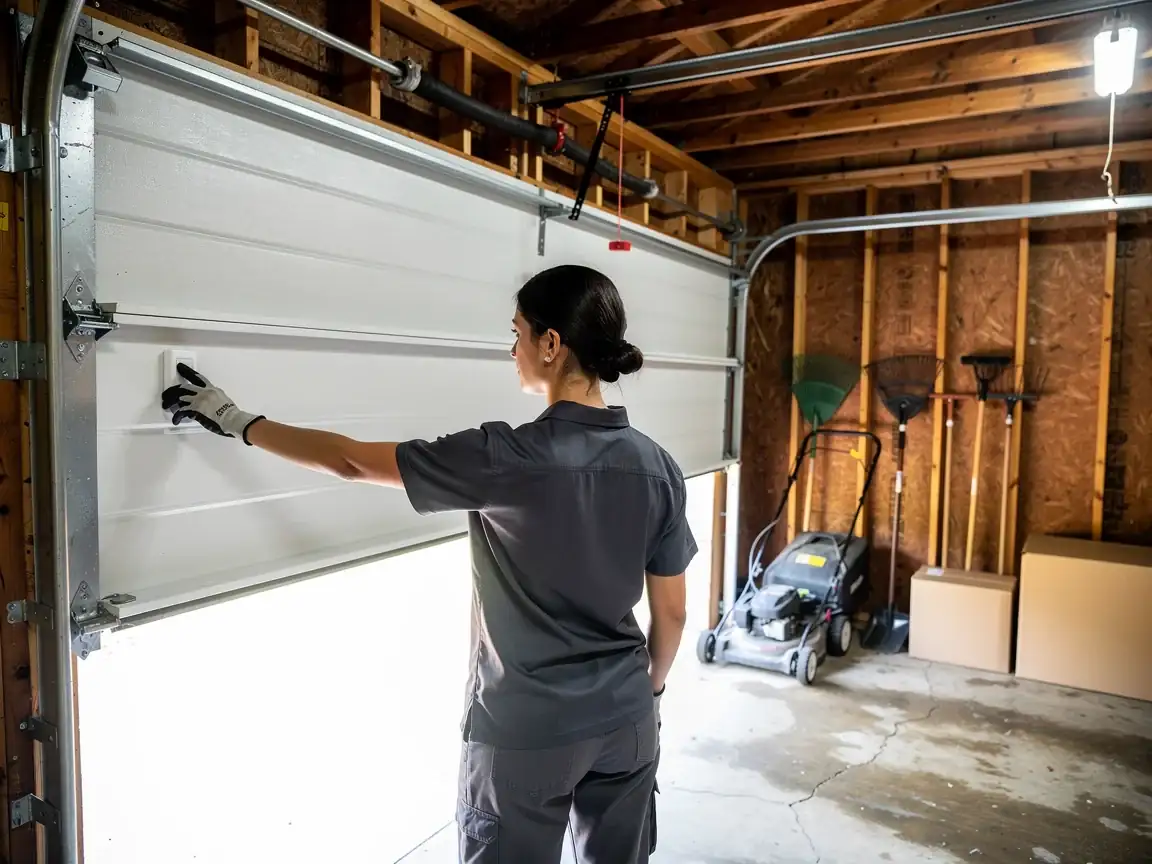
If the door won't move and the opener light is blinking or dead silent, check the obvious first: the wall switch battery, whether someone bumped the vacation lock, and whether the photo-eye sensors near the floor are lined up and clean. That covers a fair share of calls that aren't really emergencies.
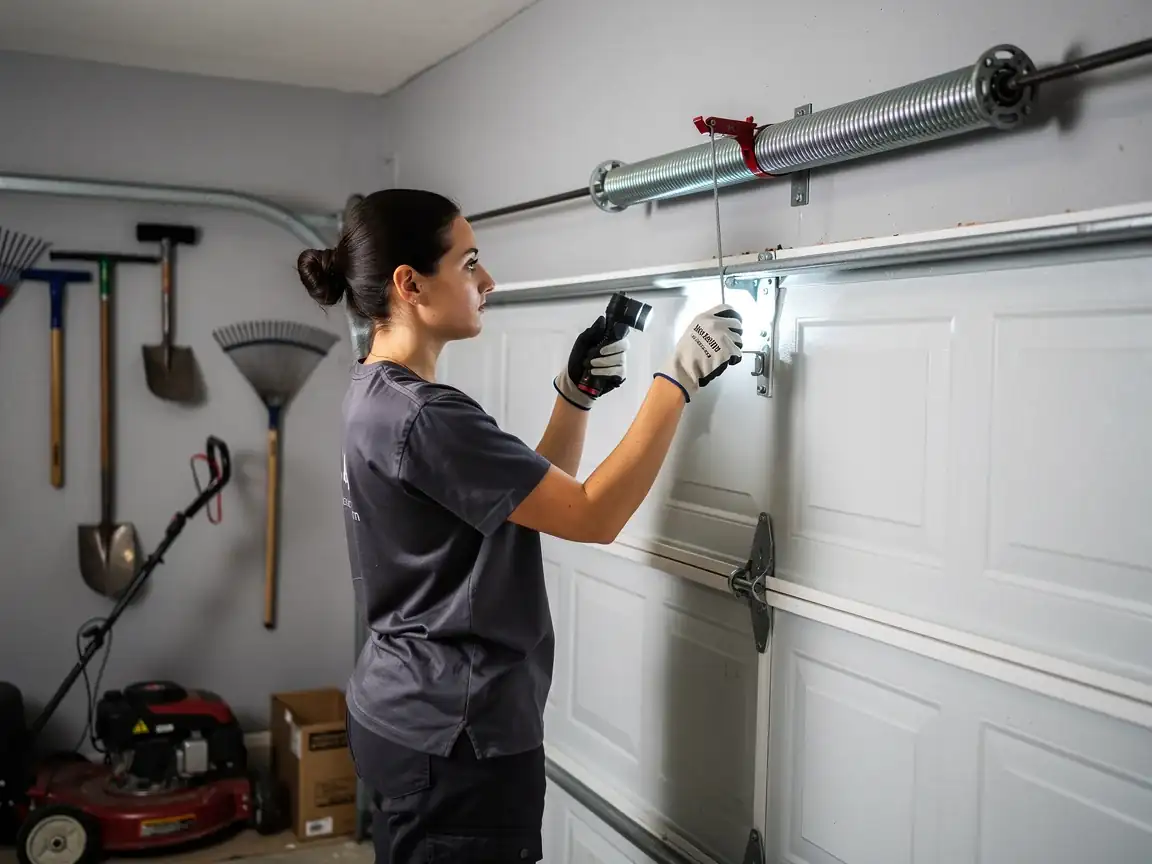
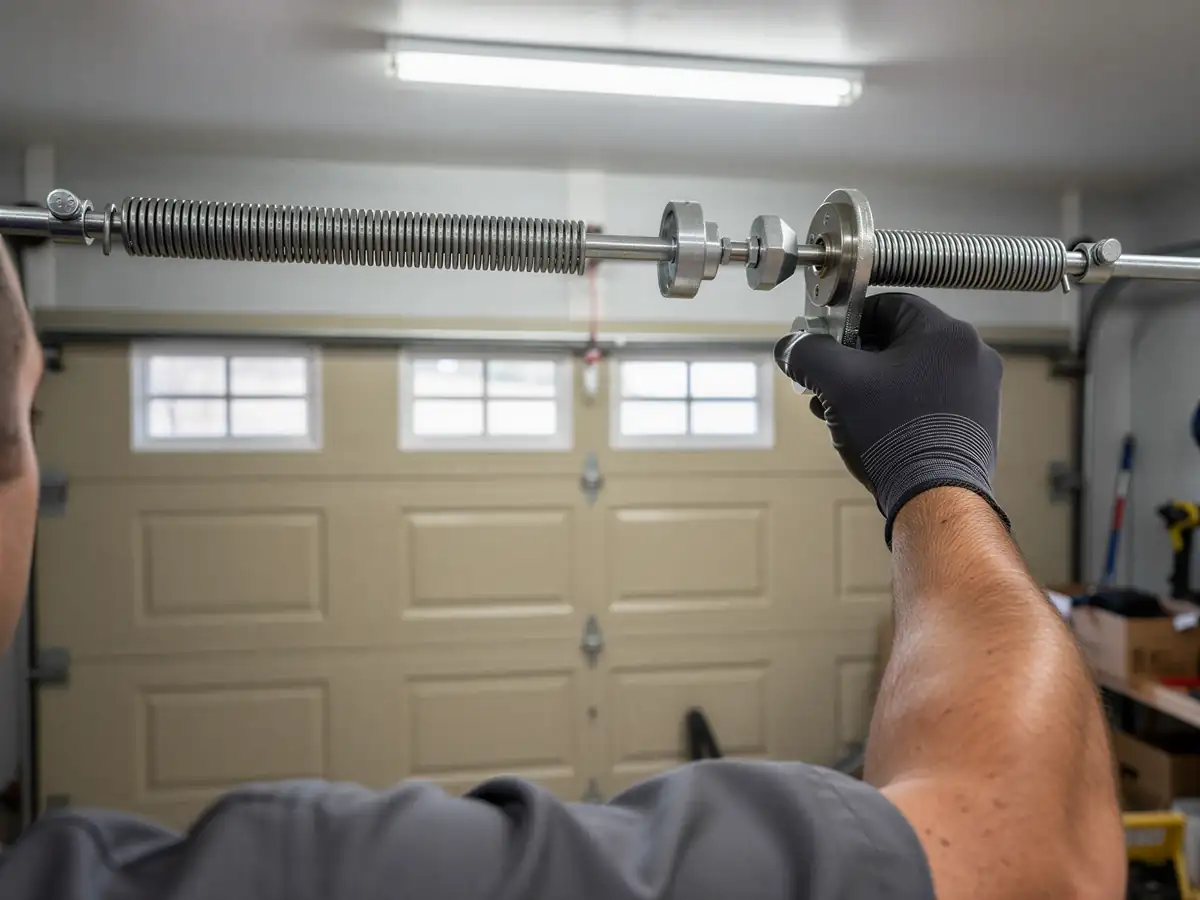
What you should not do is cut a torsion spring, pull a cable off a drum, or force a door past a bent track. Westwood's housing stock sits around the 1968 median build year for our whole coverage area, which means a lot of these doors are running original or second-generation torsion hardware that's now pushing 55-plus years old. Springs under that much tension, on hardware that old, don't forgive a wrong move. If the door is stuck halfway, off its track, or the spring has visibly let go (you'll know - it's loud and the door goes slack), stop and call. Disconnect the opener by pulling the red release cord and lift manually only if you can do it without forcing anything. If you can't lift it with one hand, something's broken and lifting isn't the fix.
Booking a Visit
We run out of Needham, about four miles from Westwood, so when you call we're not dispatching from a branch in town - we're sending a truck over. That's a short drive, not a long one, but it's worth knowing we don't keep a crew parked locally waiting on calls.
Tell us what the door is doing: won't open, won't close, opens partway and reverses, or makes a bang and drops. That tells us what's likely broken before we're in the driveway, and whether we need to bring a wider spring or longer track section - more common here than in the denser, older parts of our service area, since Westwood runs more two-car and oversized bays. Book a visit or read about what we cover across the rest of the territory on the Needham emergency repair page.
What It Costs
We don't have a flat emergency rate to quote you here, and we're not going to invent one
What we can tell you is what drives the number: whether it's a spring, a cable, a broken roller, or an opener board, and whether the part is a standard size or a wider one.
Westwood's median household income runs near $205,000
Well above the $154,011 median across the rest of our coverage area. In practice that means more of the Westwood jobs we take are wider doors, insulated panels, and heavier openers rather than the single steel panel on a narrow one-car bay we see more often in older, denser neighborhoods. Wider and insulated means more material, and sometimes a part that isn't sitting on the truck - which brings us to the one limitation worth saying plainly: if your door needs a non-standard panel or a specialty opener board, that's a special order, not a same-visit fix. We'll tell you on site if that's the situation instead of promising a part we don't have.
How We Fix It
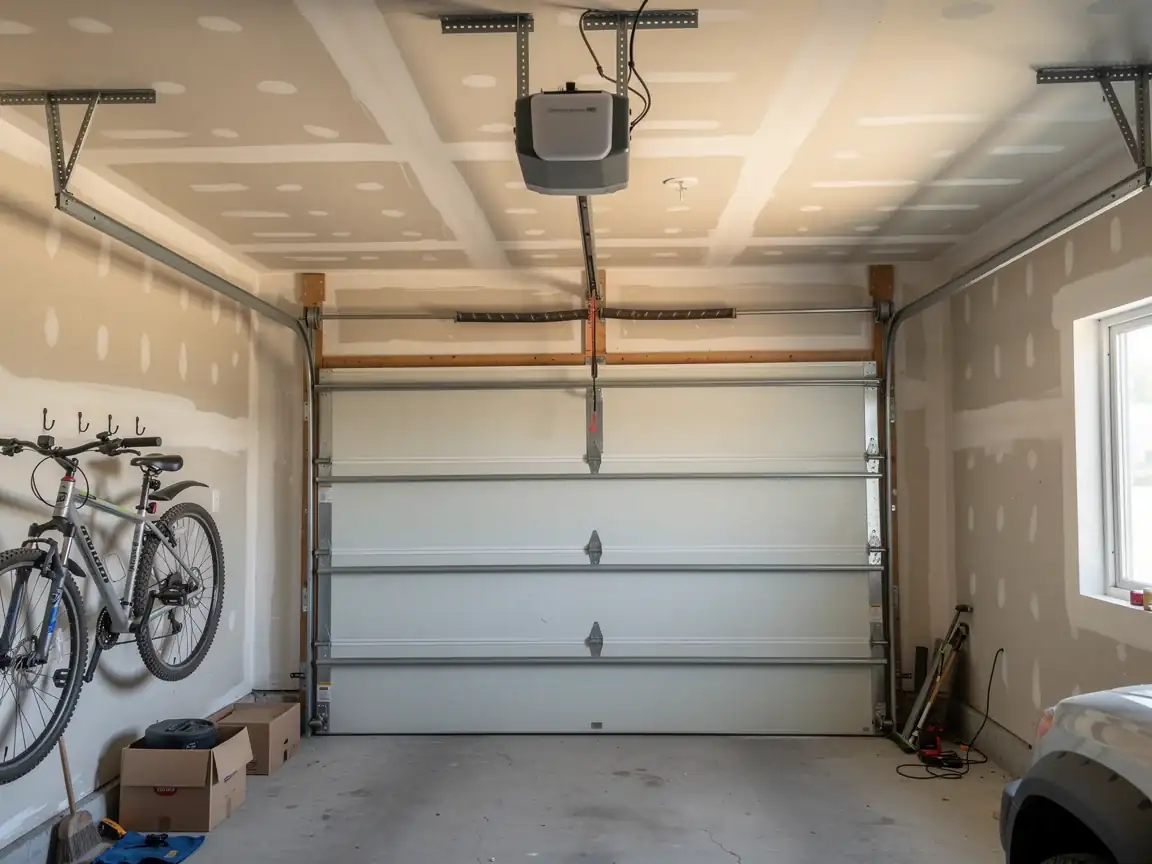
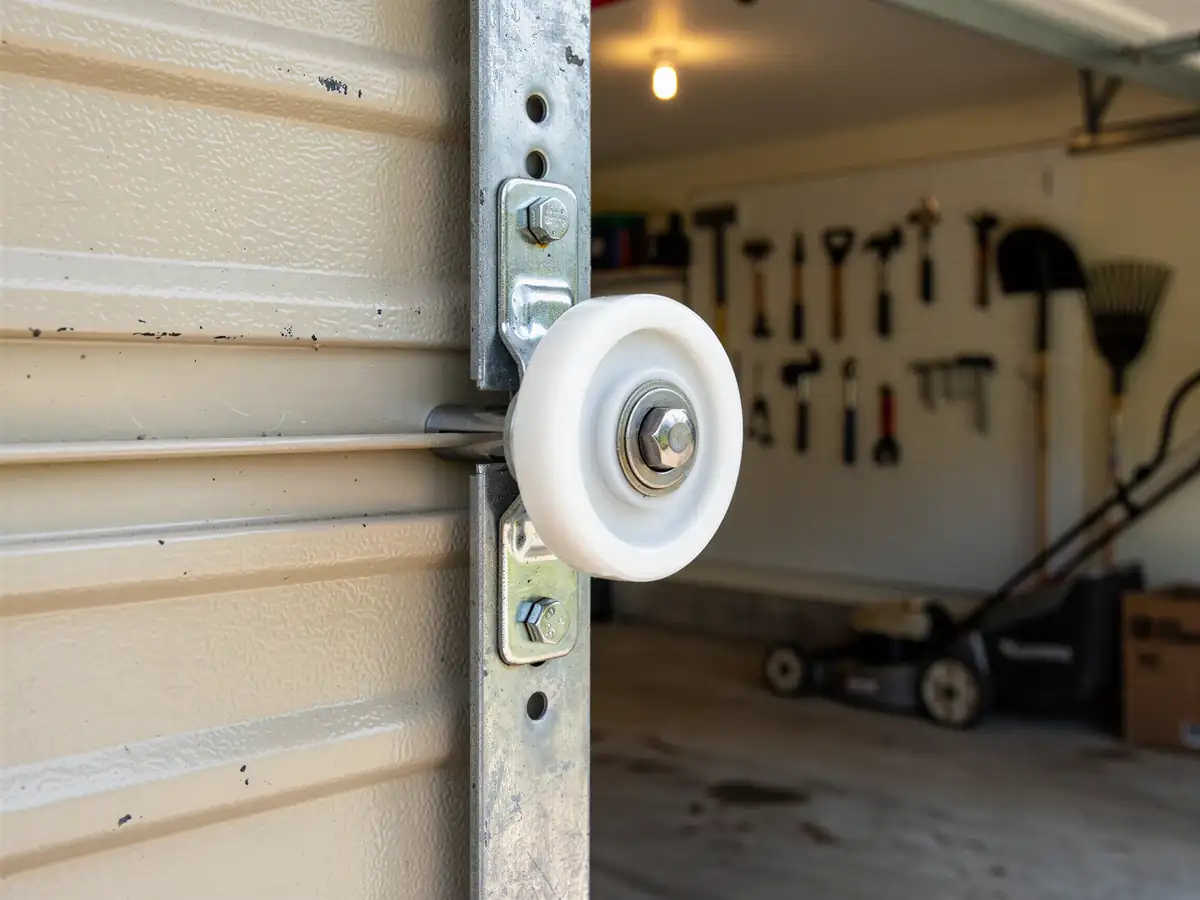
Most emergency calls break down to one of four things: a snapped torsion spring, a cable that's jumped the drum, a roller or hinge that's failed and let the door rack sideways in the track, or an opener that's lost its grip on the chain or belt. Each one gets fixed differently and none of them get fixed by tightening a bolt and hoping.
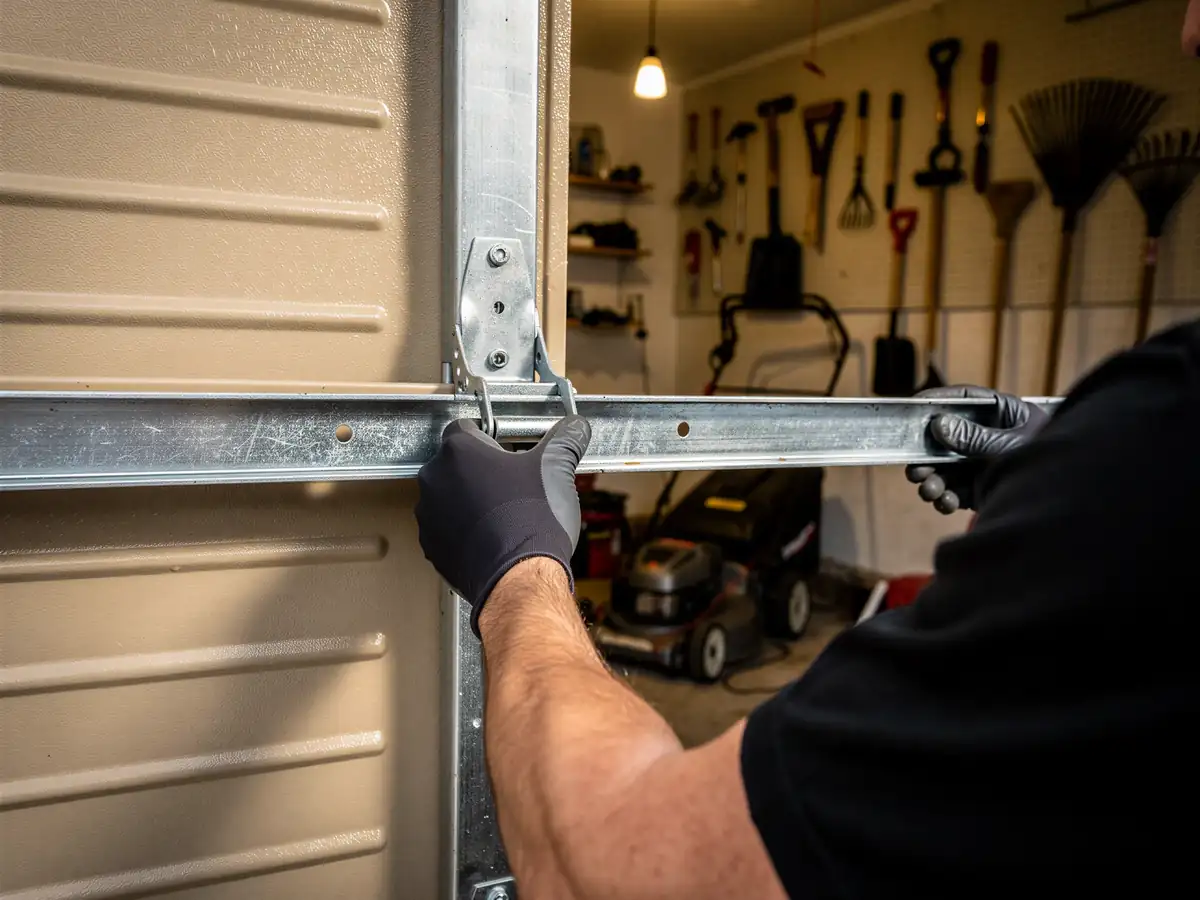
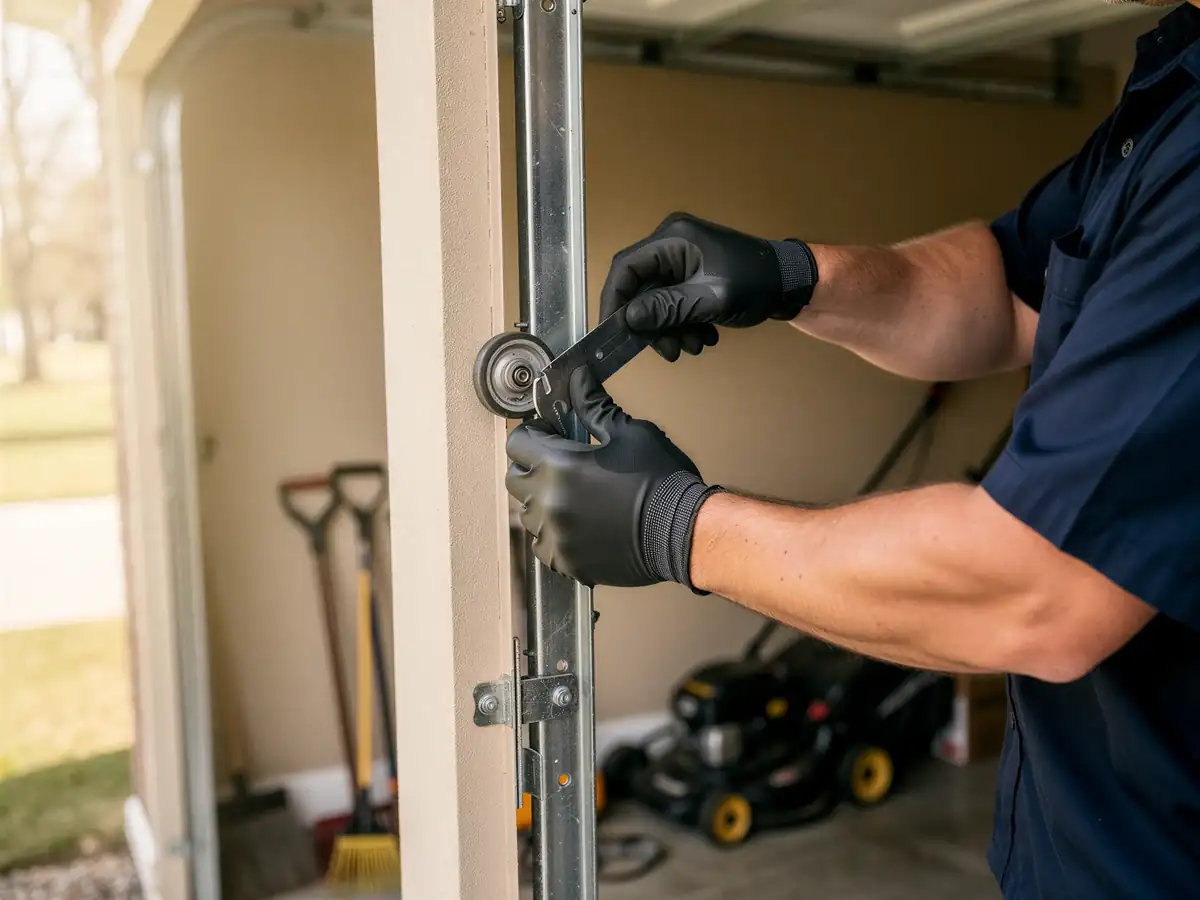
A snapped spring gets replaced in pairs, matched to the door's weight and the drum size - on the wider, heavier doors more common in Westwood, that often means a different spring size than what we'd use on a standard single-car door down the street. A jumped cable gets re-seated and the drum checked for wear before we close the door back up. A racked door on bent track gets the track pulled, straightened or swapped, and the rollers checked - this is also where we tell you if continuing to force the door has bent the panel itself, because at that point replacing the section costs less than trying to hammer it flat. Opener issues usually come down to the drive gear, the logic board, or the limit switches, and we test before we replace, not after.
How It Shows Up
We're in a severe cold climate band here, and that matters for how these doors fail, not just when. Cold makes steel springs more brittle and grease inside openers stiffer, so the failure that's been building all year - a spring with one coil fraying, a cable with a few strands gone - tends to finally let go on a cold morning when the door's asked to do its normal job under extra load.
In Westwood specifically, we see this play out on doors original to the 1960s-70s building stock that the area shares with the rest of our service area: original torsion springs that have simply outlived their cycle count, openers from an earlier generation that are on borrowed time, and tracks that were fine for 50 years until one cold snap finally bent the last good roller. None of that is unique to any one street - we don't have landmark-level detail for Westwood to point to - but the pattern across a town built mostly in that same era is consistent enough that we can usually guess the failure before we see the door.
The Complications
The complication we run into most in Westwood isn't the door
It's the opener and door not matching. A heavier insulated door installed later on an older, lighter-duty opener will eventually burn out the opener trying to lift weight it wasn't built for. That's not a five-minute fix; it's a conversation about whether the opener needs to be upsized along with whatever repair brought us out.
The other complication is garage size
With household incomes well above the area median, we see more two-car and oversized single bays in Westwood than in some of the older, smaller-footprint neighborhoods nearby. Wider doors mean wider springs and longer track sections, and those aren't always something we're carrying on the truck for an unscheduled call. We'd rather tell you that on site and come back with the right part than force a mismatched one onto a door that size - a quick fix that doesn't hold is worse than a short wait for the right one.