Doing It Yourself
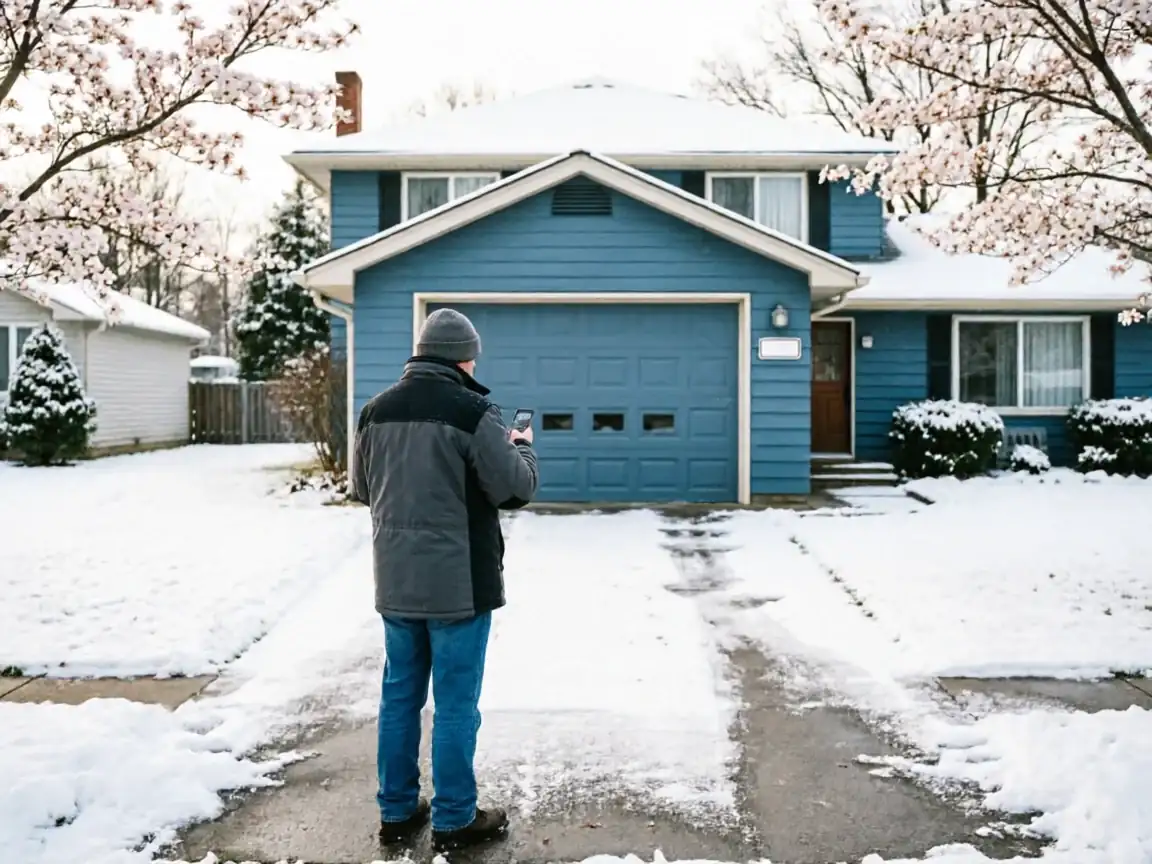
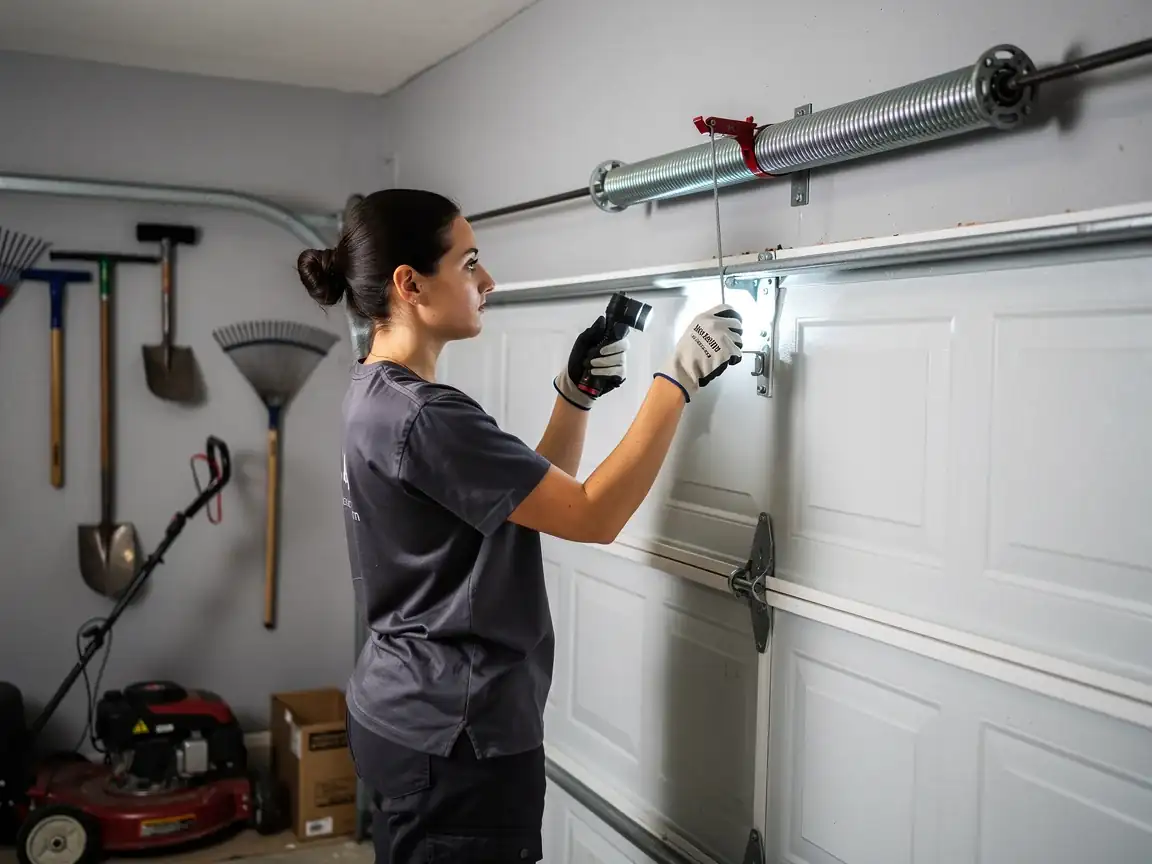
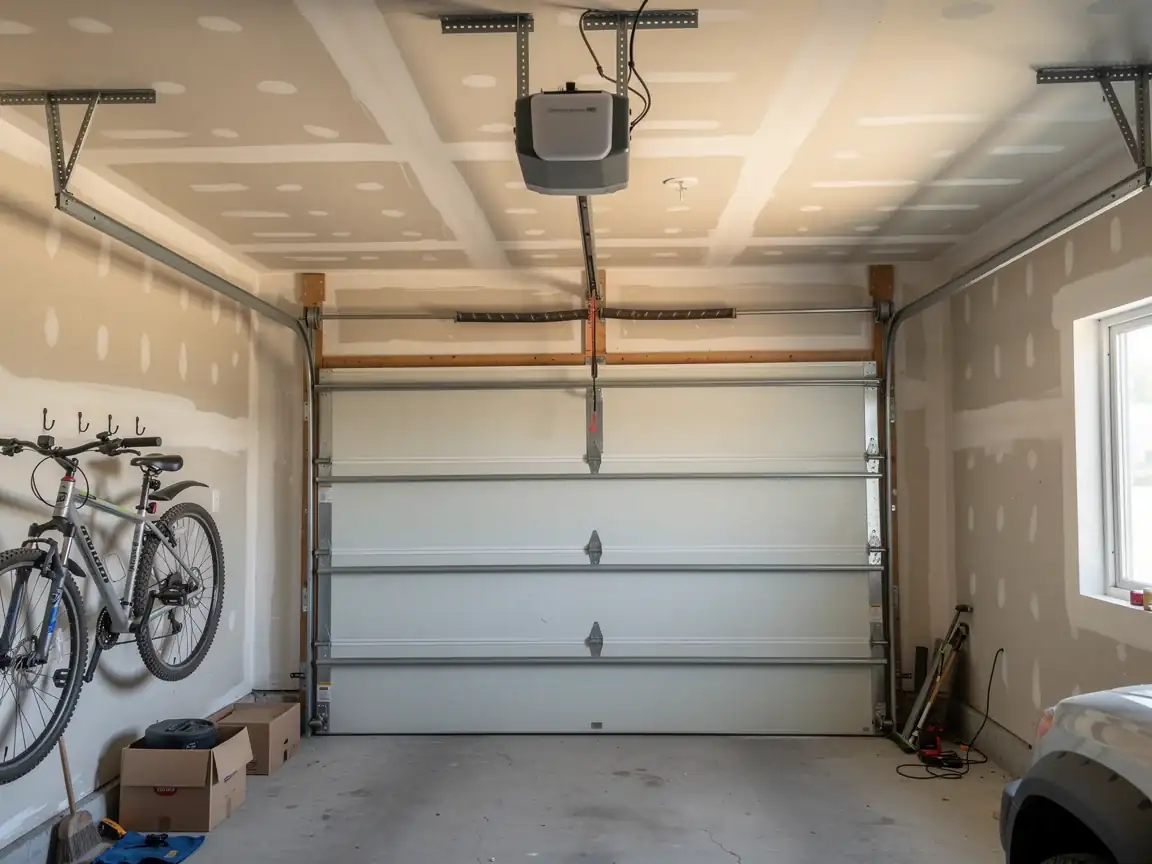
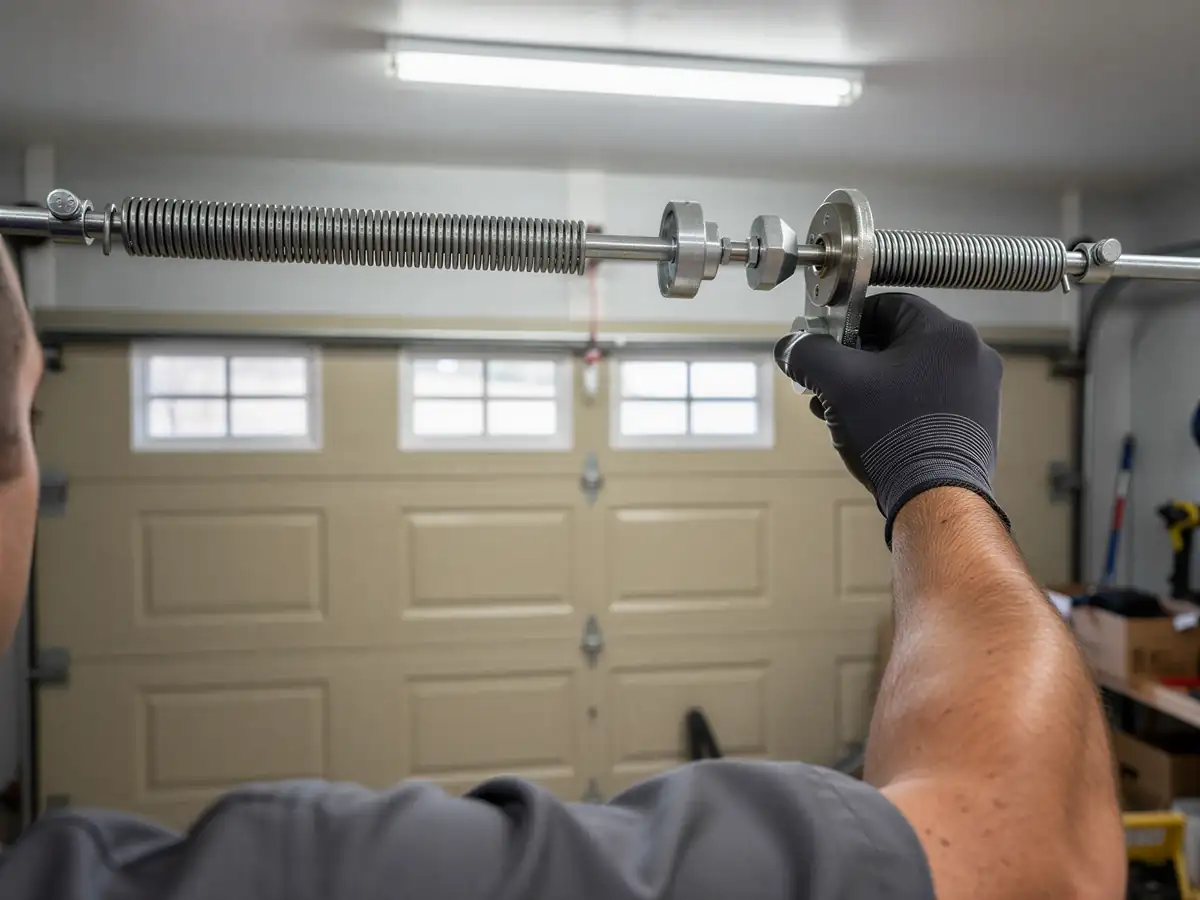
Westwood counts 5,492 households, a small enough town that the same handful of garage door faults keep showing up call after call rather than a wide scatter of one-off problems. That matters for what you can safely handle yourself. A loose bracket, a dirty track, or a sensor knocked out of alignment are fair game for an owner with a ladder and some patience. A torsion spring is not. The median home here went up in 1968, which puts the original torsion spring and steel panel door on a lot of these driveways, and that spring is holding back 150 to 400 pounds of door under tension. We won't walk you through releasing it over the phone, and any guide that does is leaving out the part where people get hurt. If the door won't open, won't stay open, or makes a bang and then drops, that's a call, not a weekend project. Where DIY actually pays off is maintenance - lubricating rollers and hinges twice a year, checking the weatherstripping, tightening visible hardware. That upkeep is the same no matter where you live. The age-specific failures are not.
Booking a Visit
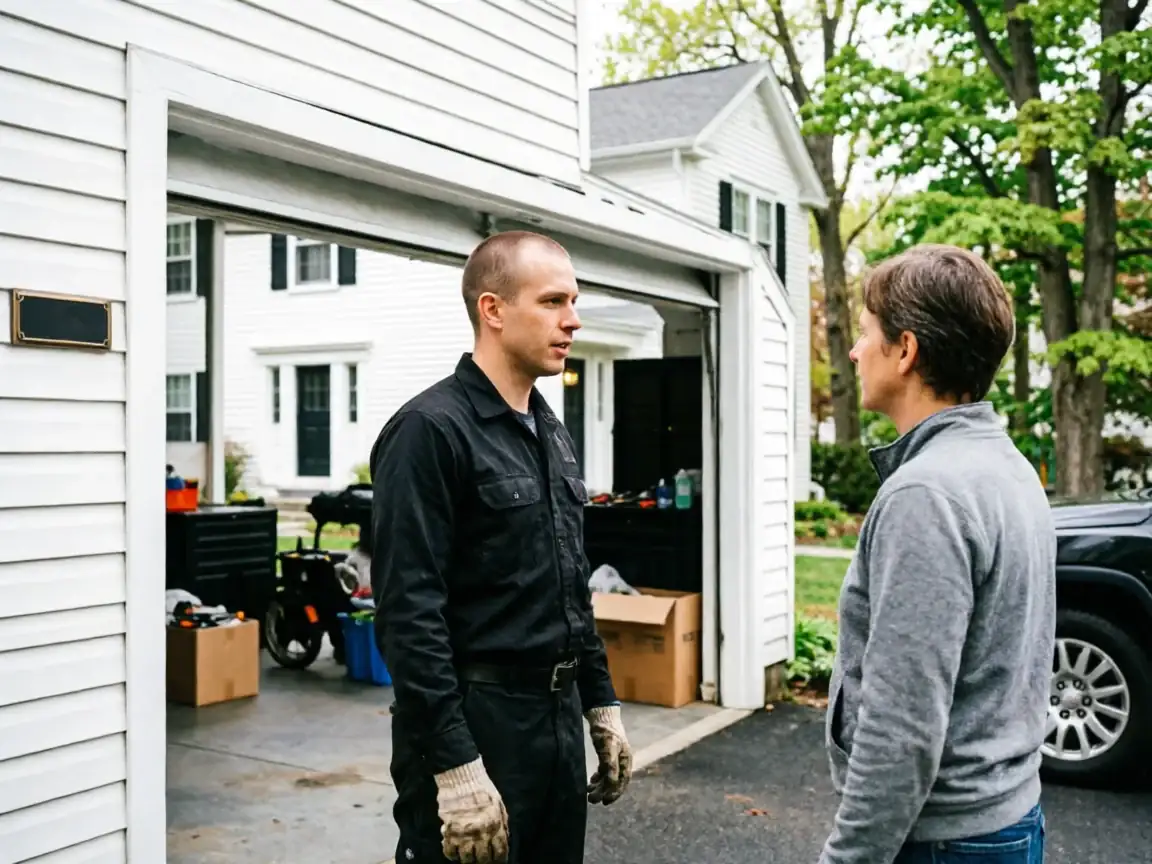
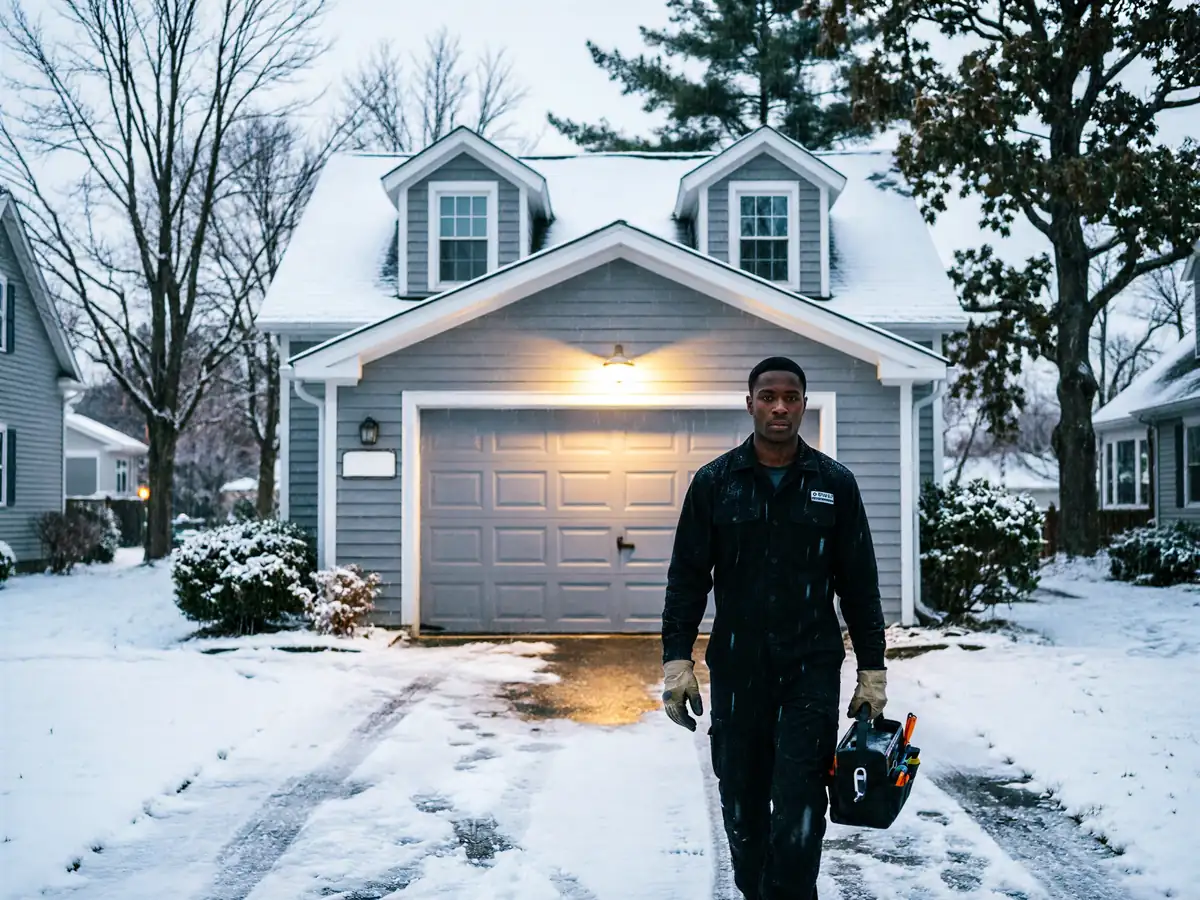
At a four-mile drive from our Needham location, Westwood is one of the closer towns we cover, which keeps scheduling straightforward - there's no branch office here, we come from Needham for every job. When you call, tell us the age of the house if you know it and what the door is doing (or not doing). A door that won't budge, a spring that's already snapped, and a noisy-but-functioning door get sorted differently, and knowing which one you have before the truck leaves saves time on both ends. We book repair and replacement visits for Westwood the same way we do for the rest of the towns inside the Needham radius - no separate intake, no separate pricing structure, just the same crew making the shorter drive. If you're not sure whether what you're hearing is a real problem or just an old door being an old door, describe it when you call and we'll tell you honestly whether it needs a visit now or can wait.
How We Fix It
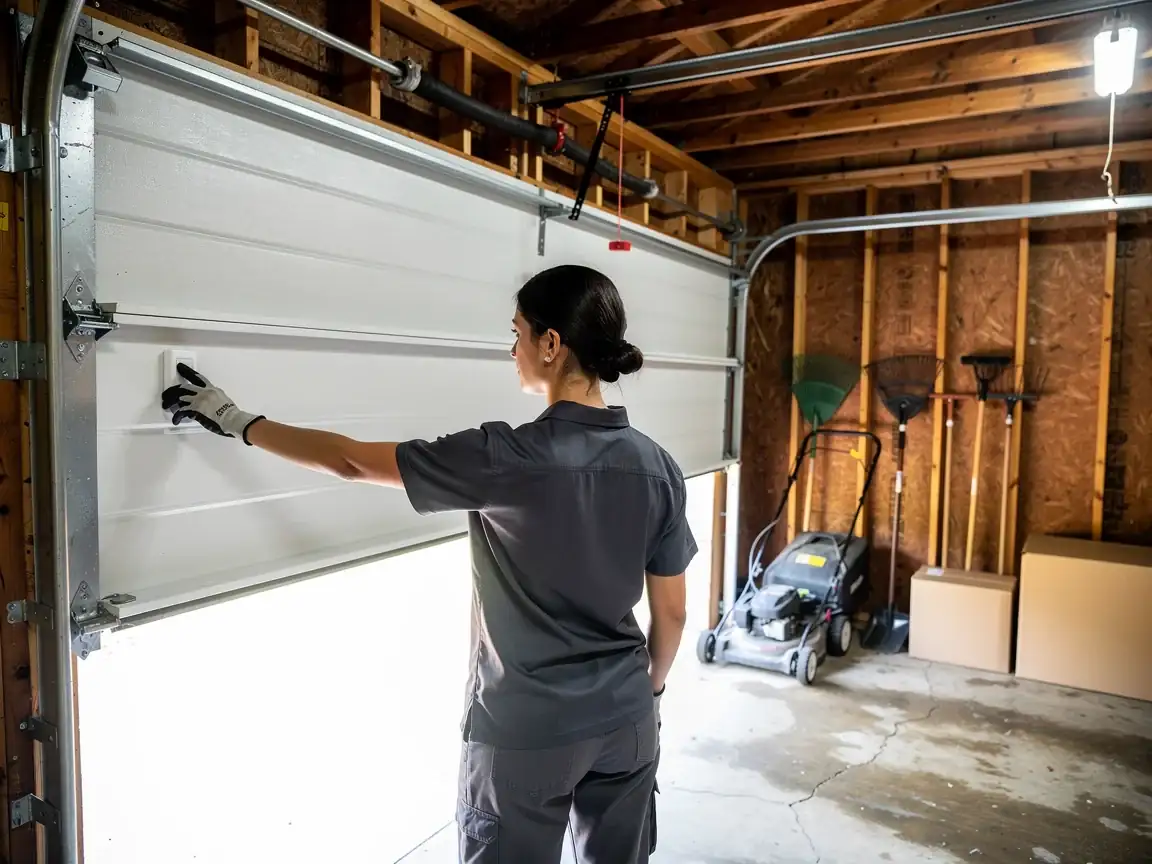
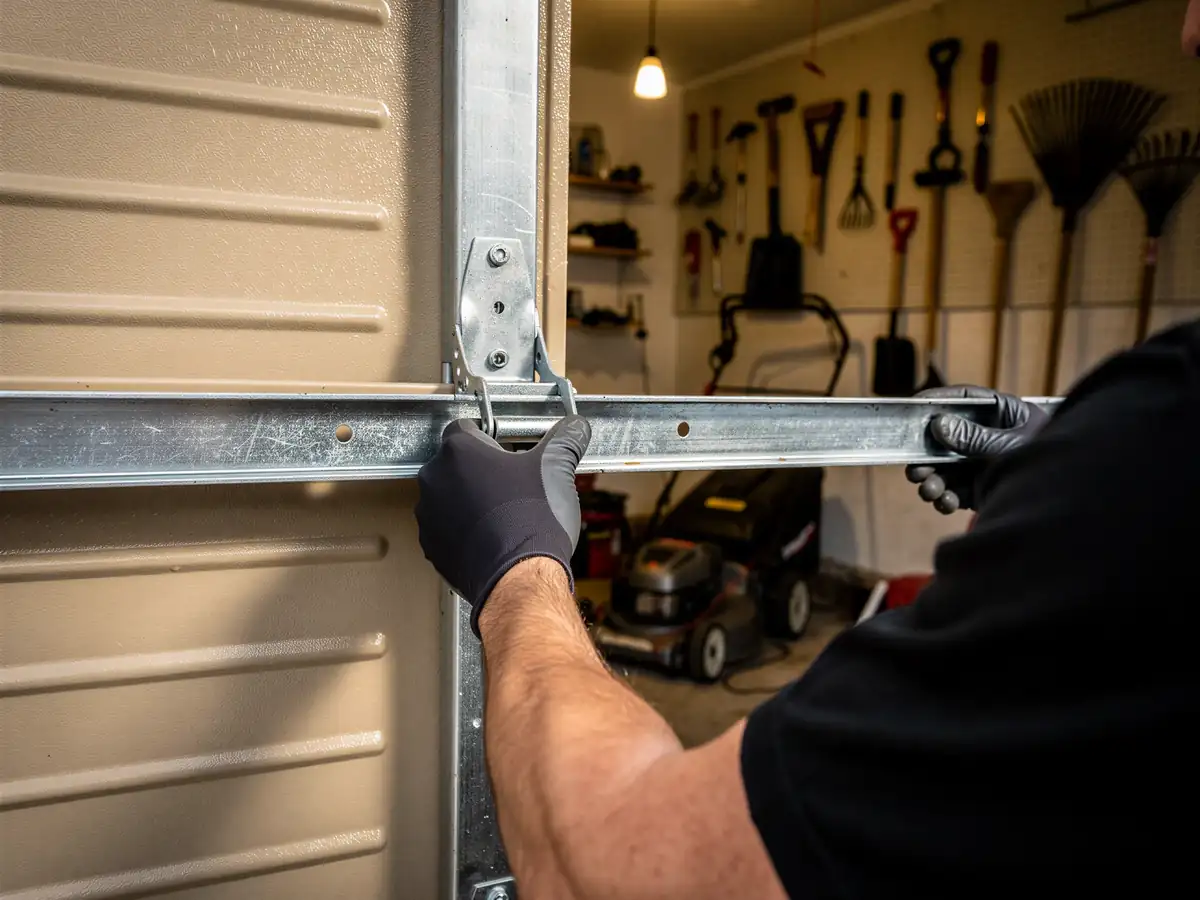
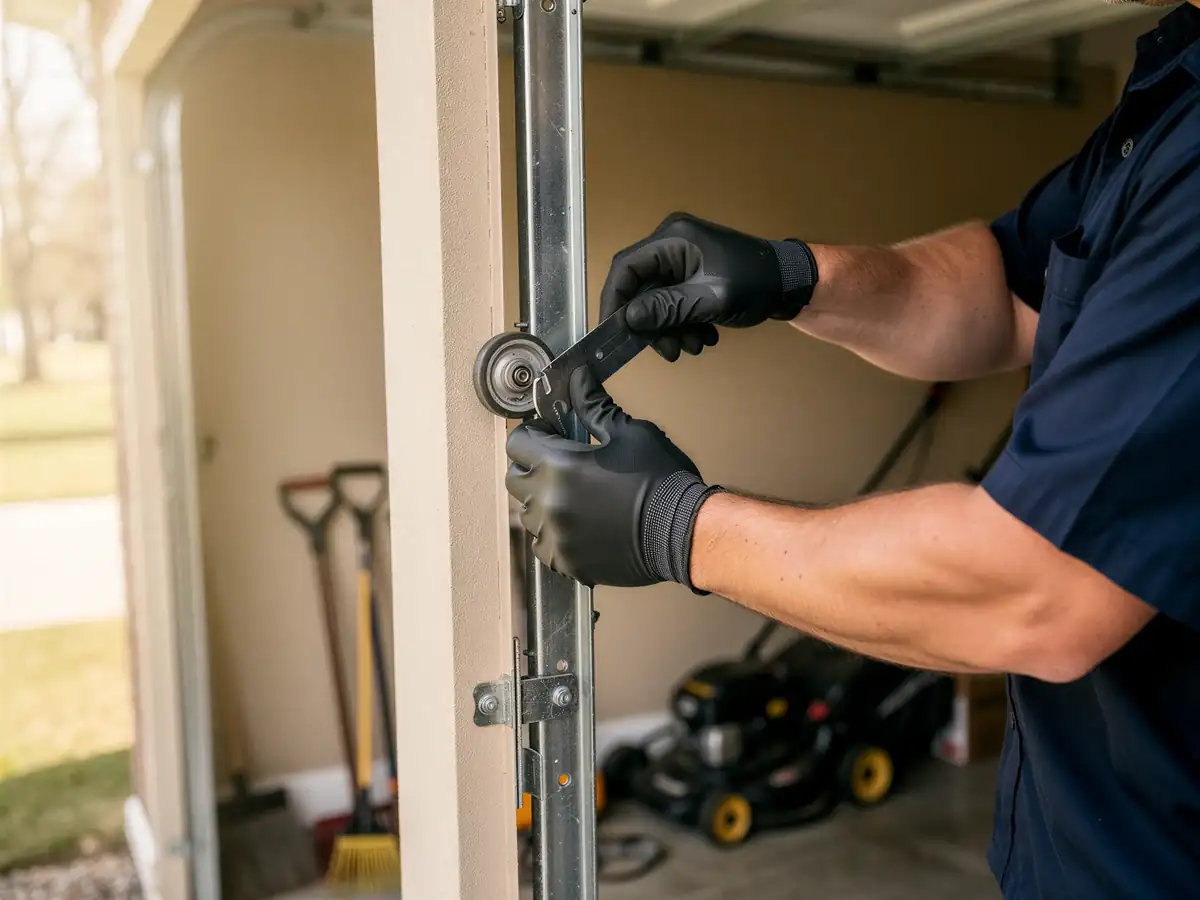
Most of the torsion spring work we do in Westwood is on the same hardware configuration - steel sectional doors on side-mounted torsion springs, installed when the house was built around 1968. We carry replacement springs sized for that era's standard door weight, along with the matching end bearings and cable drums, since the originals are long past their cycle life even if they haven't snapped yet. On openers, we see a mix of ages: some houses still running a chain-drive unit from a prior owner's upgrade, others on newer belt-drive models. Track alignment work is routine here - steel doors on original hardware tend to walk out of plumb over fifty-plus years of use, which shows up as grinding or a door that binds halfway. Our winters put this climate in the severe-cold band, so we use a lubricant rated for that range rather than a generic household spray, which gums up and slows the door down by midwinter instead of helping it.
How It Shows Up
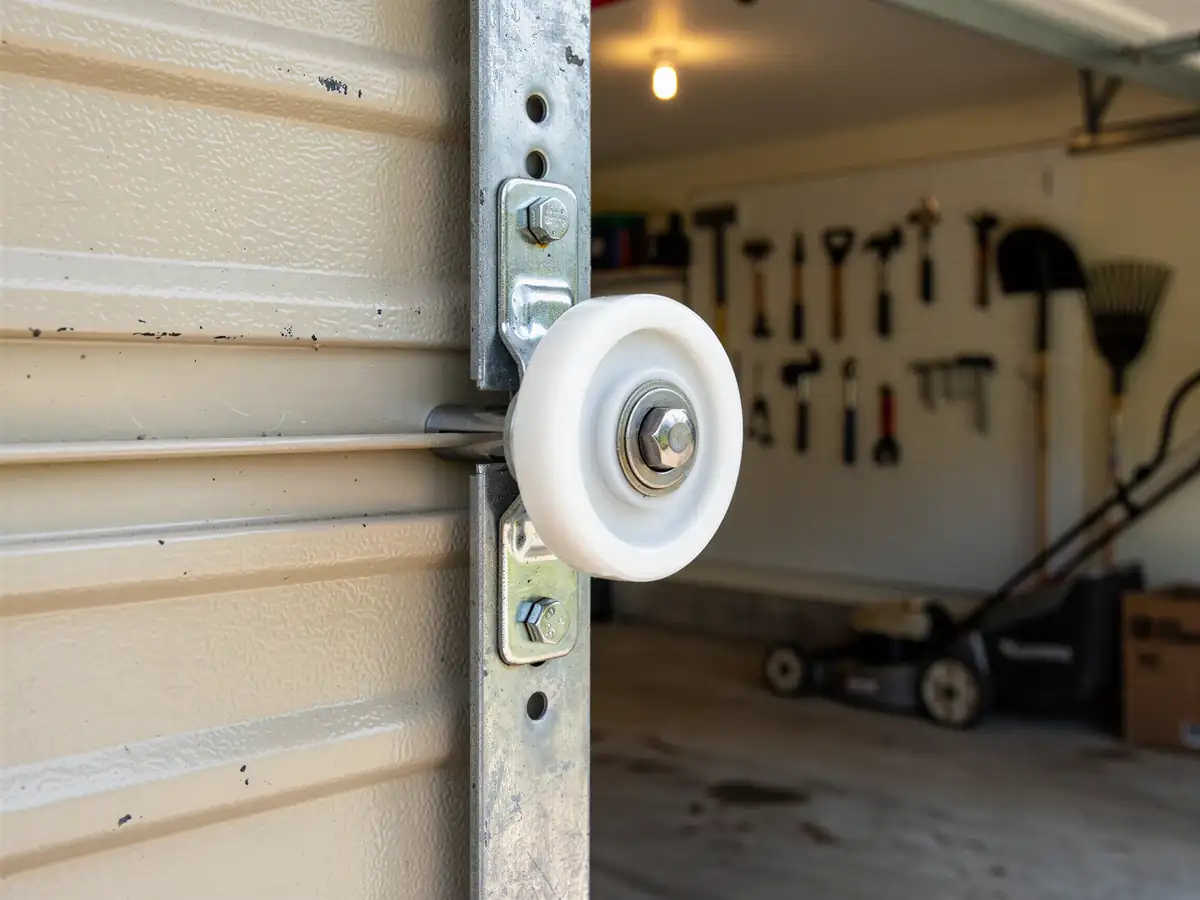
The complaint we hear most from this stretch is a door that worked fine in September and is sluggish or noisy by December. That's the cold-weather grease problem - factory lubricant on an older spring or roller thickens in low temperatures and the door motor has to work harder to compensate, which either trips the opener's force setting or burns out the drive gear early. On the hardware side, a 1968-built door is old enough that galvanized rollers have worn down to bare metal on the track, producing a grinding sound that gets worse with use. Panel warp is less common here than in some towns because original steel doors hold their shape well, but where panels have been dented or patched over the decades, you'll see uneven gaps at the seams. None of these are emergencies the moment you notice them, but a door that's binding or groaning is one bad cold snap away from a stuck cable or a snapped spring, and that one is.