Doing It Yourself
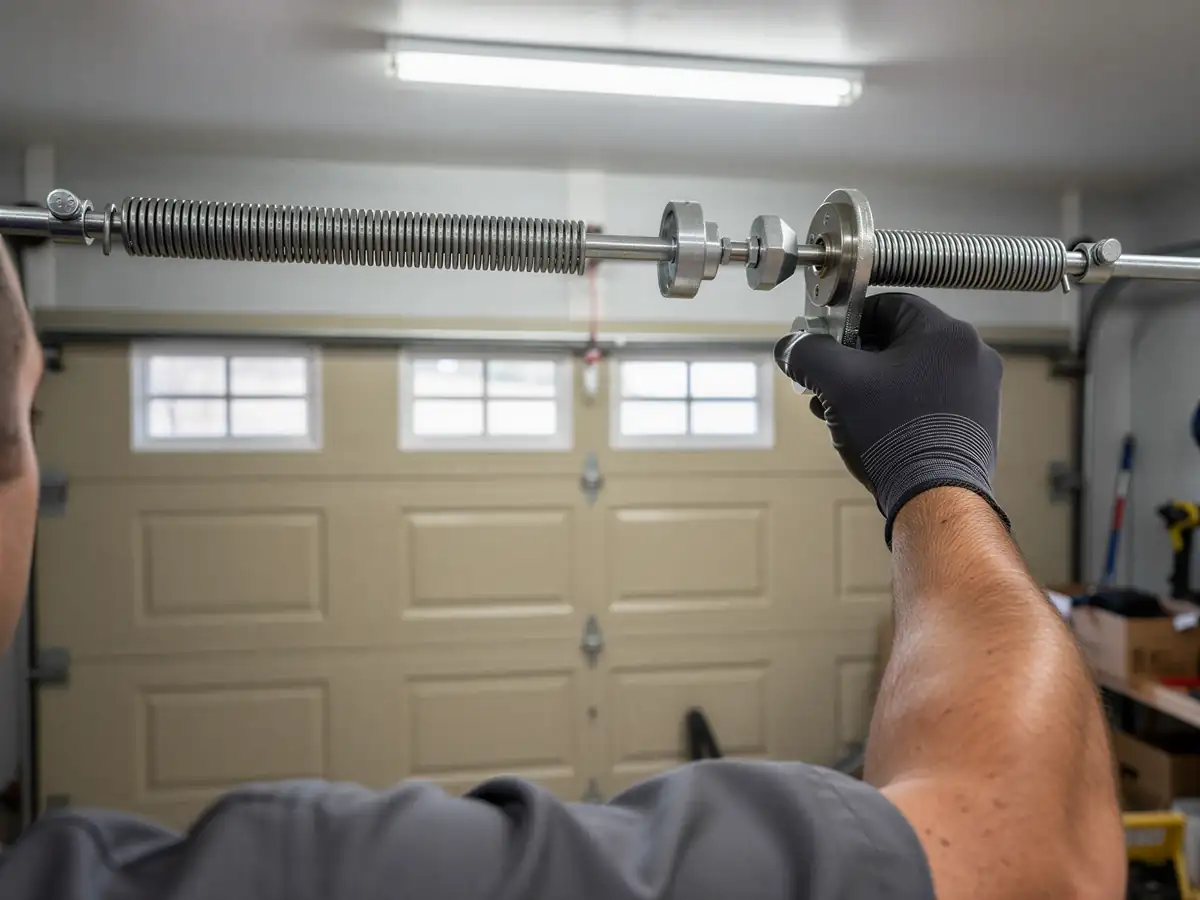
A torsion spring holds a door that can weigh well over 100 pounds, wound tight enough to snap a bar out of your hand if you get the winding cones wrong. We get calls from homeowners who tried it after watching a video, and some of them had a spring bar come loose mid-turn. That's not a scare tactic, it's just what happens when you unwind stored tension without the right cones and a solid grip on the bar.
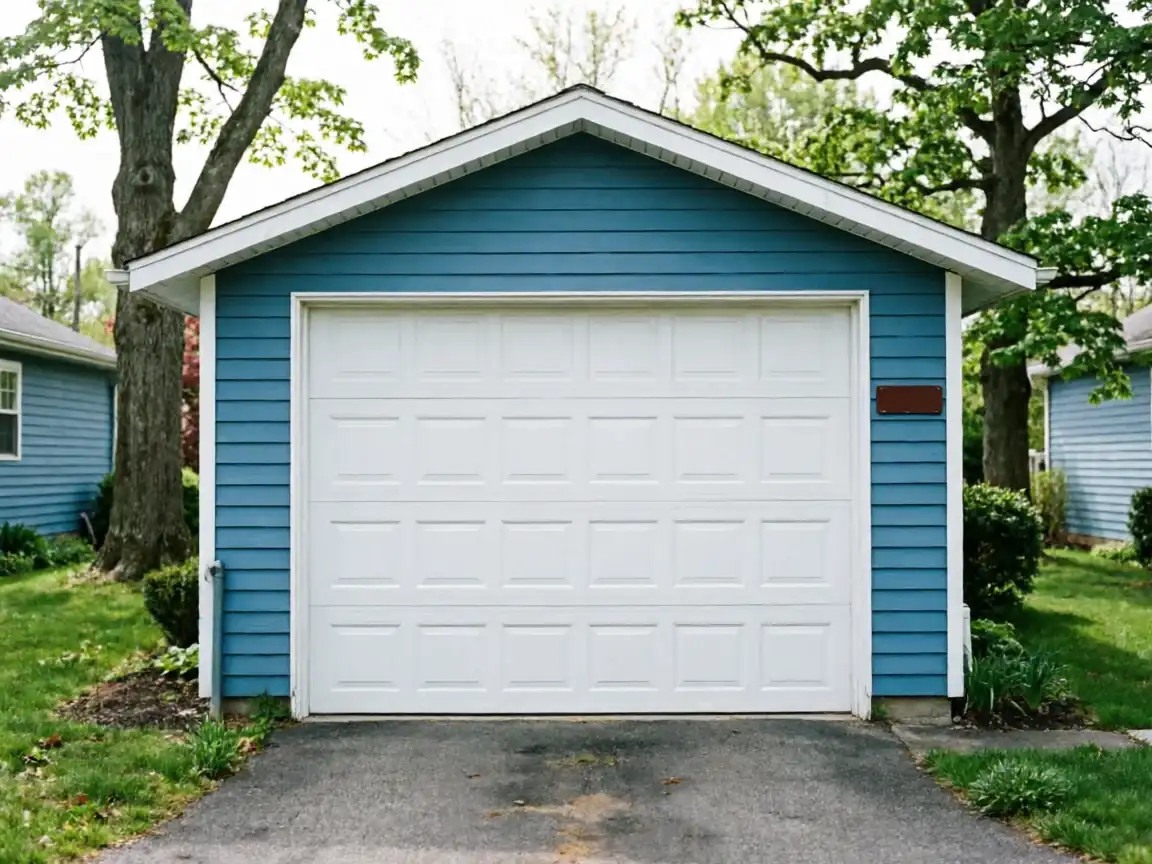
Westwood's housing stock runs from the late 1930s into the mid-1980s, with most of it going up around 1968. Doors from that era were commonly hung on torsion springs sized for wood sectional panels, not the lighter steel or insulated doors that replaced them later. If your spring was sized for the original door and somebody swapped the door out since, the spring may be wrong for the current load - which is its own problem, separate from the break.
What you can safely do yourself: check whether the door opens by hand with the opener disconnected (it should move with light, even effort), look for a visible gap in the coil, and note whether the door is stuck shut or stuck open. That tells us what we're walking into before we open the truck. Winding or unwinding the spring itself is not a DIY repair here. The torque involved doesn't forgive a bad guess.
Booking a Visit
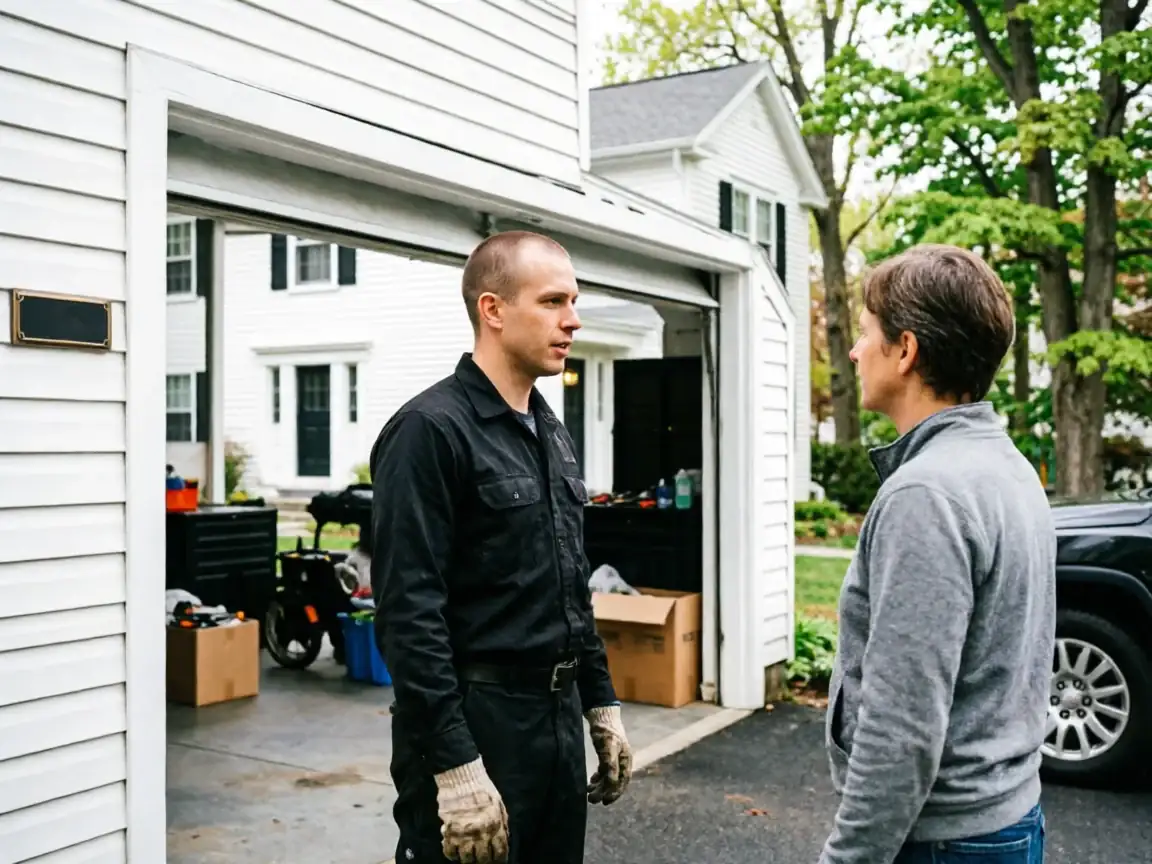
We cover Westwood out of Needham, about 4 miles up the road. There's no branch or depot here - one company, one shop, serving the surrounding towns including yours. When you call, tell us the door's approximate age if you know it (if your house dates to the common Westwood range of the 1960s, say so) and whether the spring broke clean or is just sagging. That detail changes what's on the truck when we show up.
We book the visit, bring spring stock sized for the common torsion setups found in homes from this build era, and confirm the exact size once we're looking at the door and the drums. If your door was replaced since the house was built, the spring on it now may not match what's typical for a house built around 1968, and we'll size off what's actually mounted, not off a guess.
What It Costs
We don't post a flat number here because spring cost depends on the size and number of springs
Whether it's a single door or a double, and what's involved in getting the old one off. A torsion spring that matches original 1960s hardware is a different part number and sometimes a different price than one sized for a newer insulated door, and we won't know which you have until we're standing in front of it.
What we can tell you
Broken-spring calls are usually a same-visit fix once we've confirmed the part. If the drums, bearing plates, or shaft are worn from decades of use - not uncommon on a door that's been running since the 1970s - that adds to the job, and we'll quote it before we touch anything further. No surprise add-ons after the fact.
How We Fix It
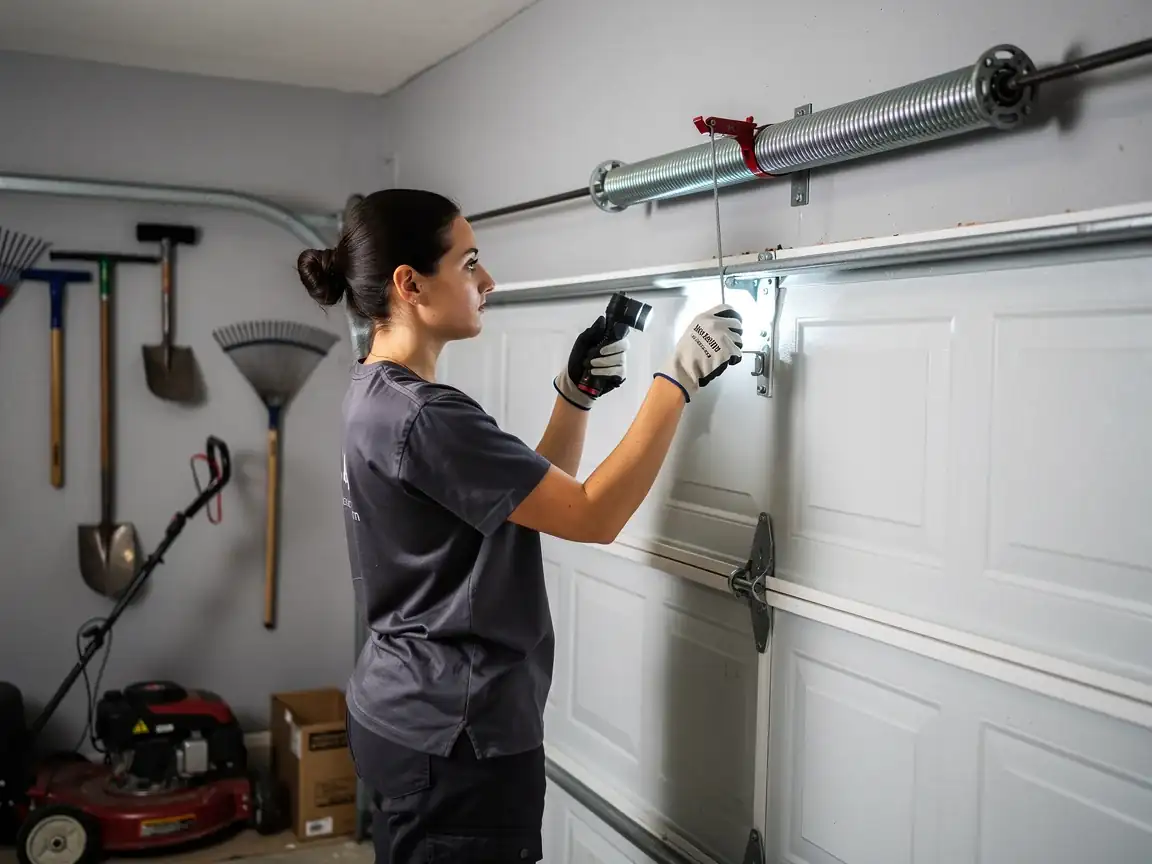
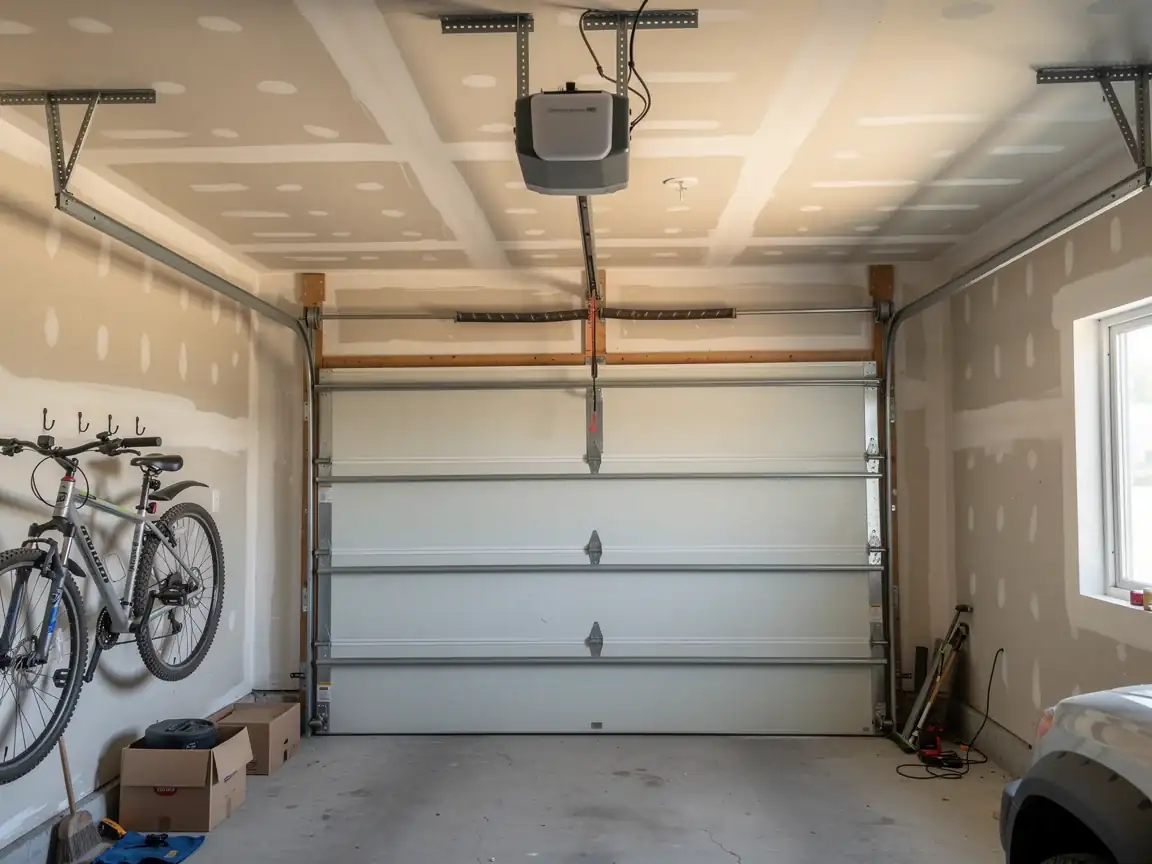
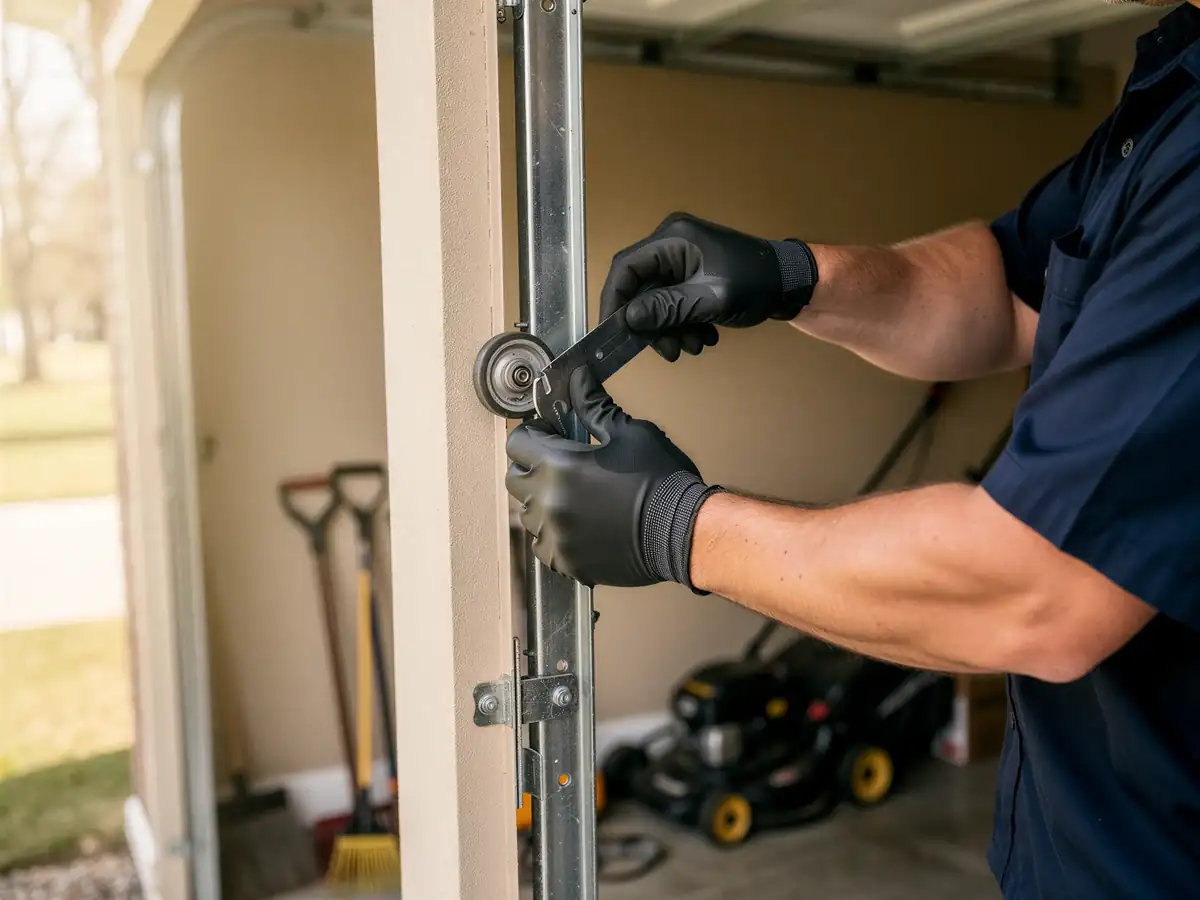
We disconnect the opener first - a spring failure under power is a different hazard than one with the motor off. Then we clamp the door, relieve what tension is left in the broken spring, and pull it off the shaft. We check the cable drums, bearing plates, and the center bracket while the shaft is exposed, since a 1960s-era setup that's never been serviced often has wear in more than one spot.
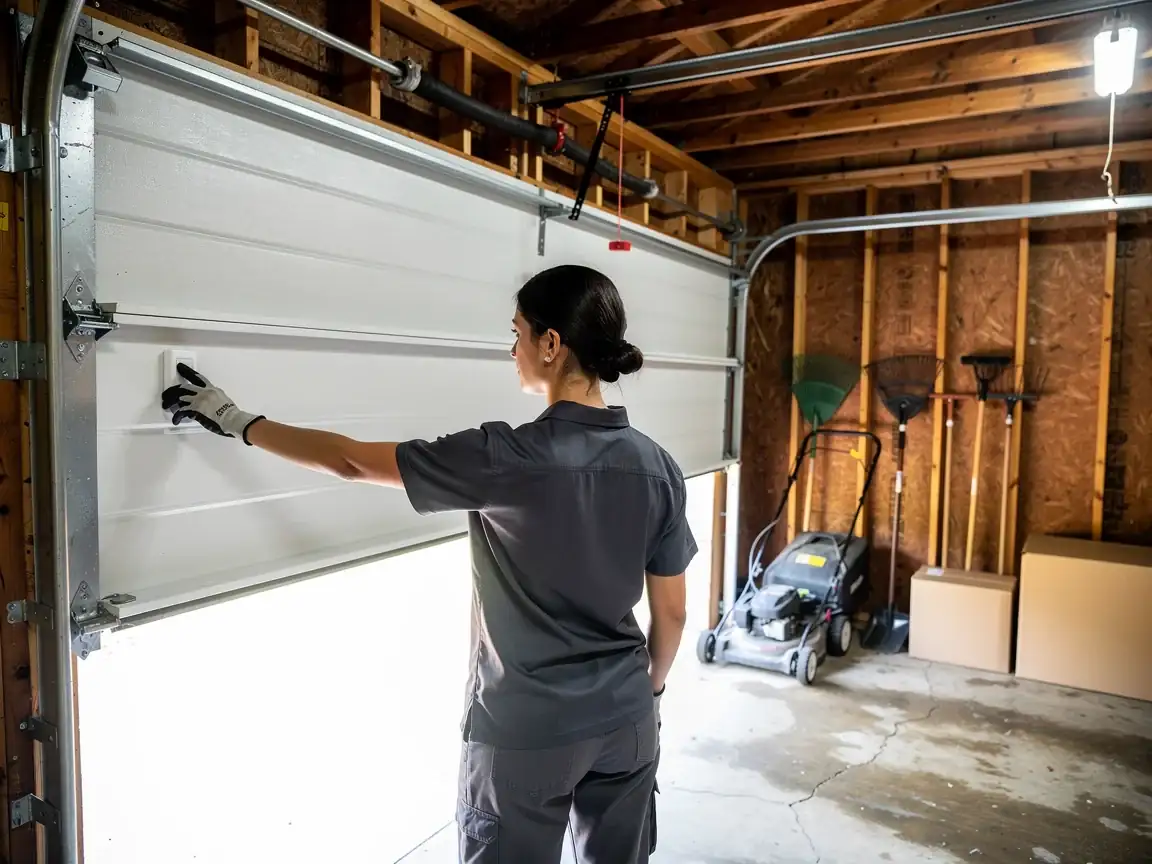
New spring goes on sized to the door's actual weight, not a stock guess. We wind it to spec, run the door through a full cycle by hand before reconnecting the opener, and check balance - a door that holds steady at waist height with the opener off is balanced; one that drifts up or down isn't, and that's a sign the spring rate is off even on a brand-new part. We test the opener's force settings last, since a new spring changes how hard the opener has to work.
How It Shows Up
A broken torsion spring usually announces itself the same way regardless of the house: the door feels heavy, won't lift past a few inches by hand, or the opener strains and reverses. On the older end of Westwood's housing - the 1940s and 50s construction mixed in with the more common 1960s builds - we sometimes find single springs on doors that really need two, which shortens the life of the one spring that's doing double duty.
Cold matters here too. This region sits in a severe cold climate band, and steel springs lose a little flex in sub-freezing temperatures, which is part of why winter sees more spring failures than summer. If your door has been fine for years and suddenly won't budge on a cold morning, a fatigued spring finally giving out in the cold is a common cause, not a coincidence.
The Complications
Not every spring job is a straight swap
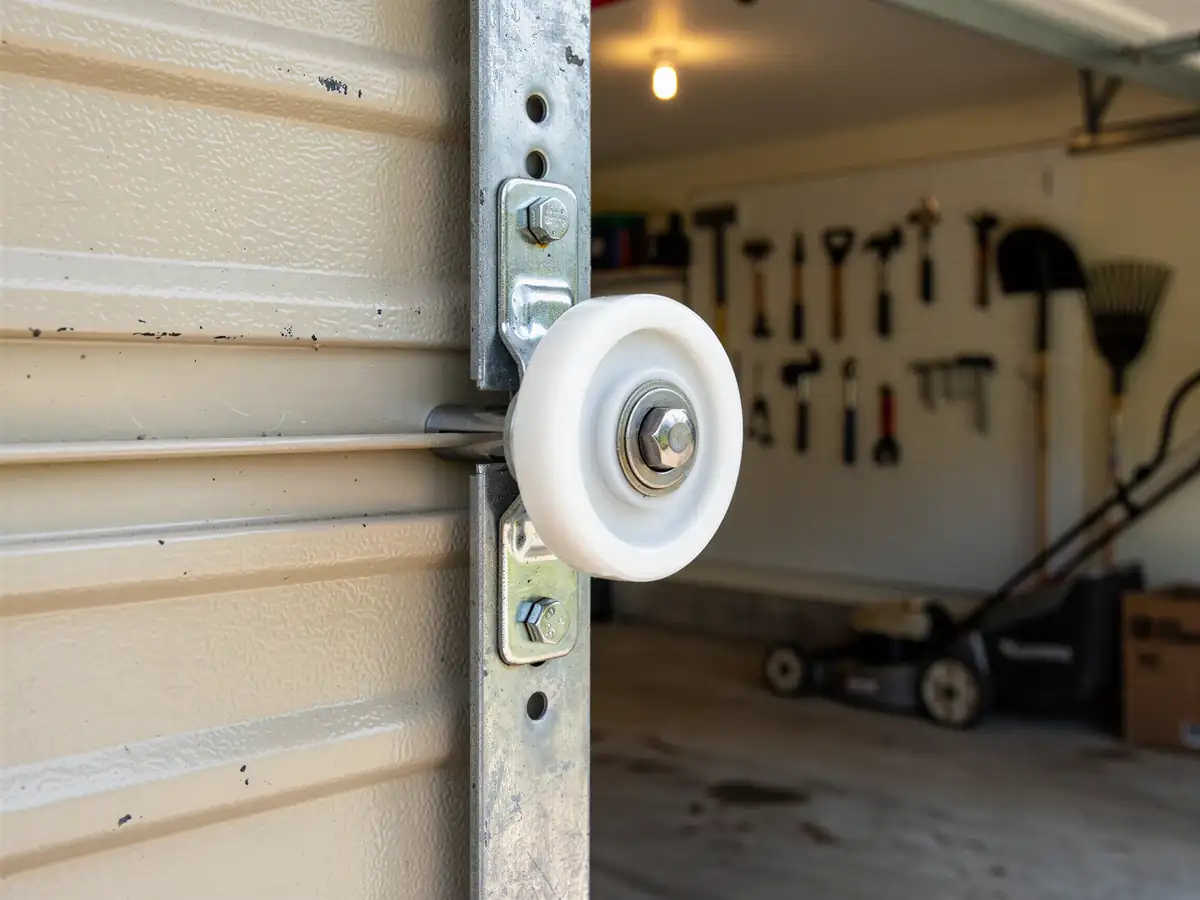
If the shaft is bent, the drums are cracked, or the bearing plates have worn an oval into the shaft hole, replacing just the spring leaves the new one fighting bad hardware - and it'll fail again, faster. On original doors from the 1960s construction wave, we also sometimes find the track or hinges have enough play that balance never holds steady even with a correctly sized spring.
One limitation worth saying plainly
If your door is original to a house built in that era and the panel itself is failing - delaminating, rusted through, or warped - a new spring won't fix that, and we'll tell you honestly when replacement is the better call rather than spend your money on a repair that won't hold. We'd rather lose that upsell than have you calling back in six months.