Doing It Yourself
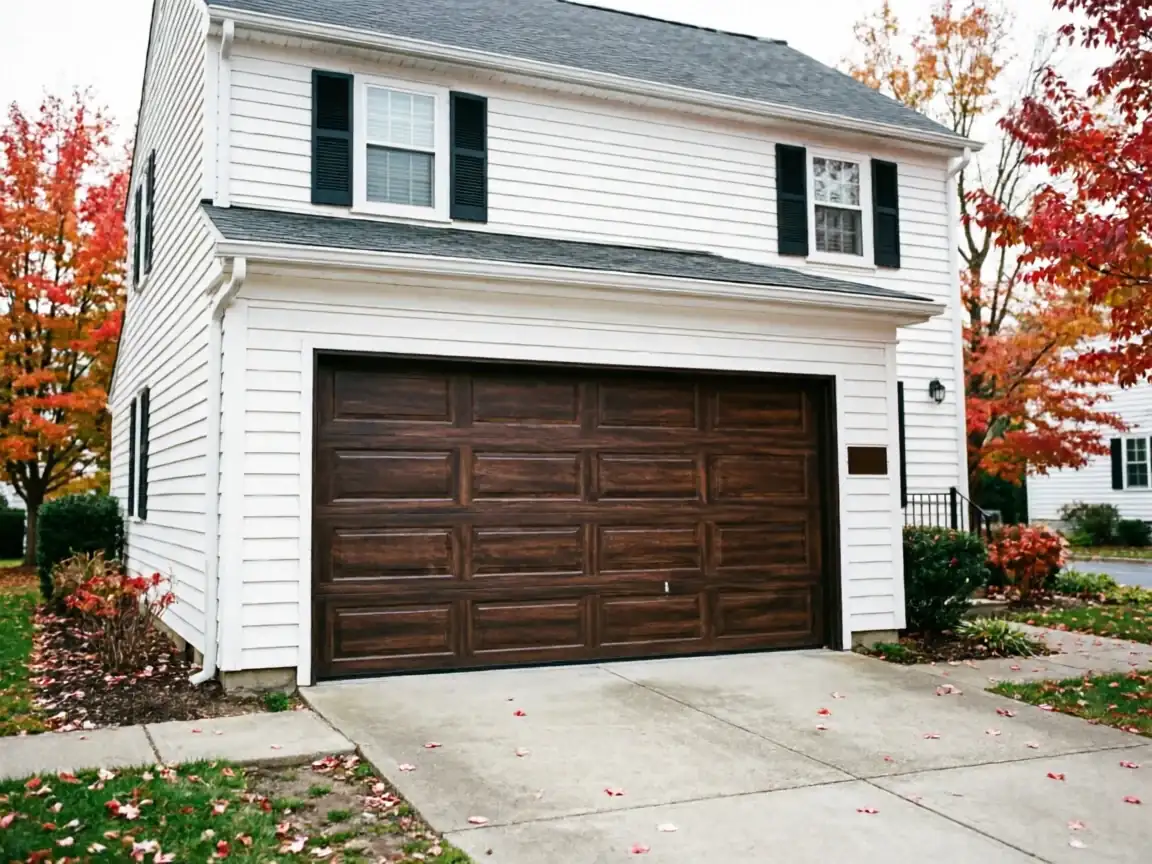
Most garage doors in Westwood went up between the late 1950s and the mid-1970s, with a median build year of 1968. That means a lot of steel doors riding on galvanized steel rollers in steel tracks, not the nylon rollers you'd find on anything built after 1990. Pulling and swapping a roller on that hardware looks simple until you realize the track gauge and roller stem length on a door that old often don't match what's on the shelf at a hardware store. Buy the wrong stem diameter and the roller binds in the track within a month.
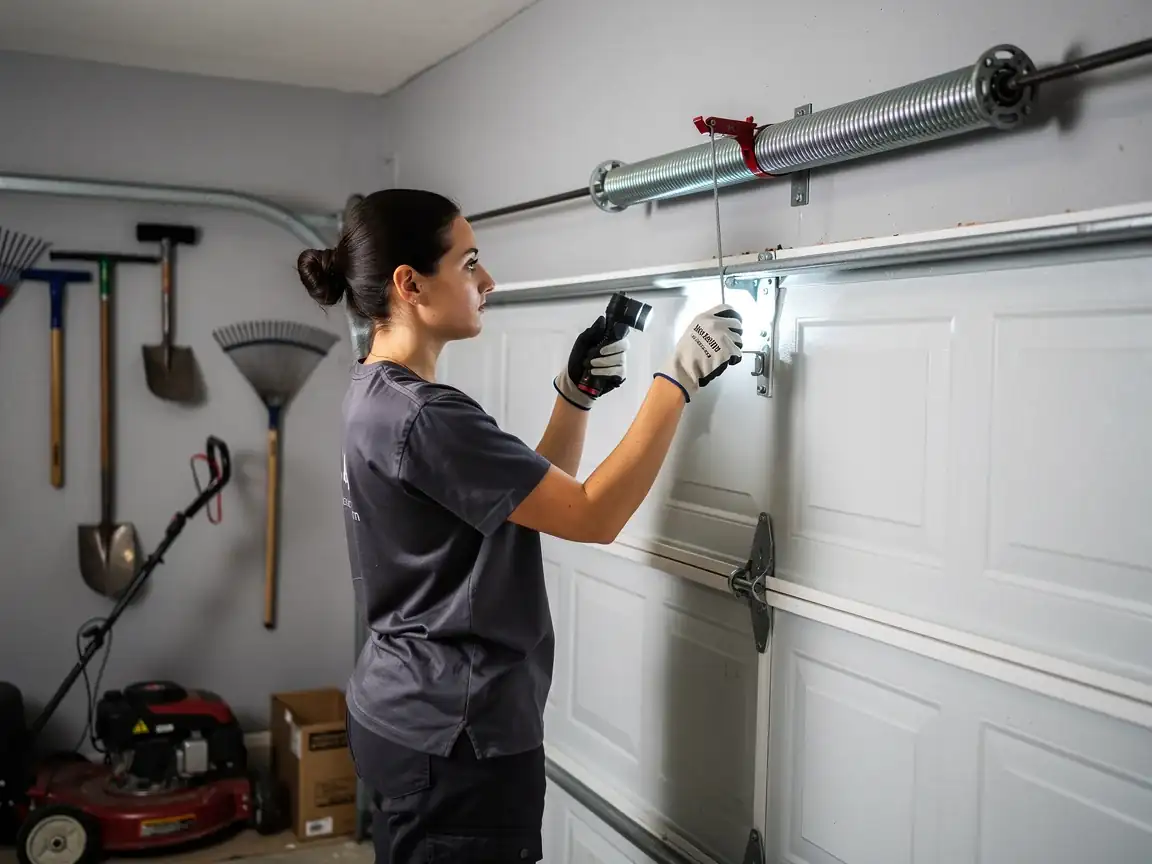
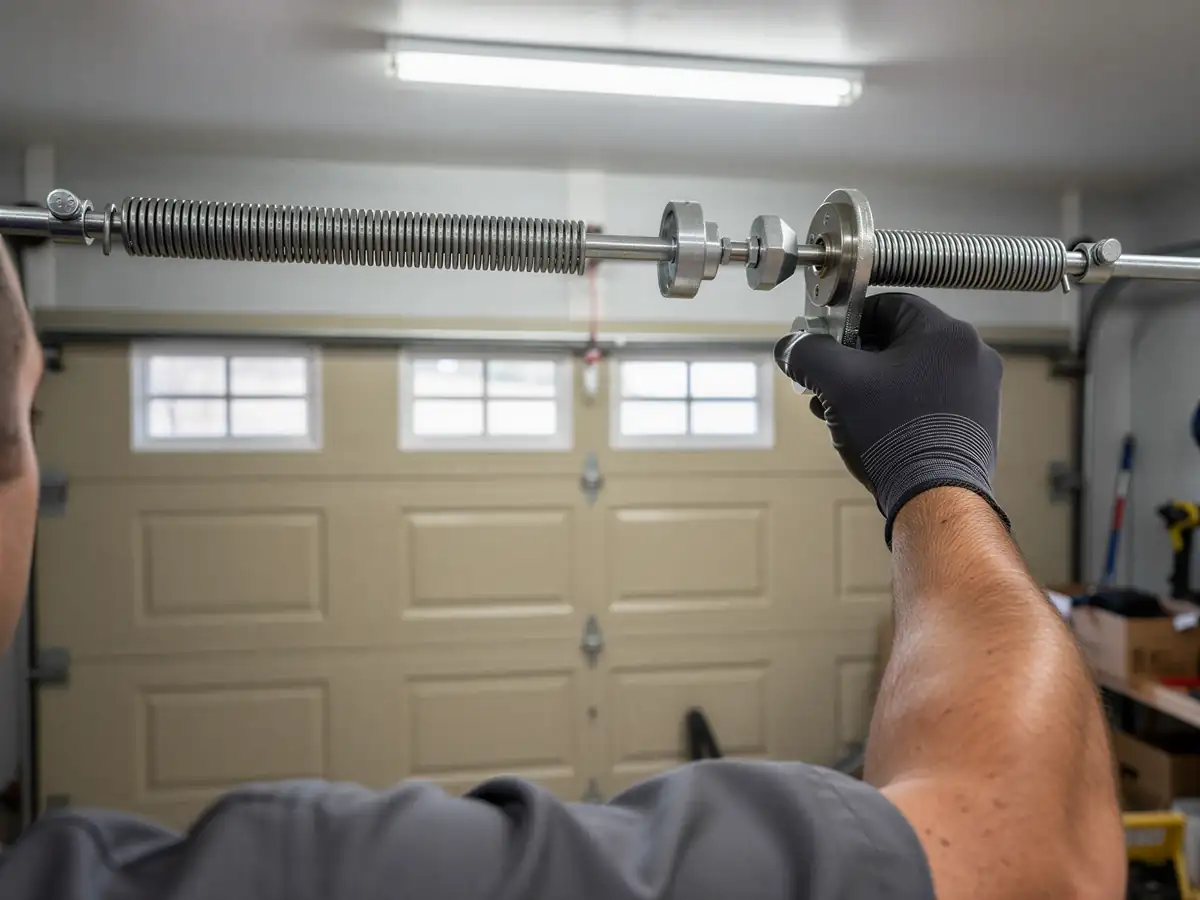
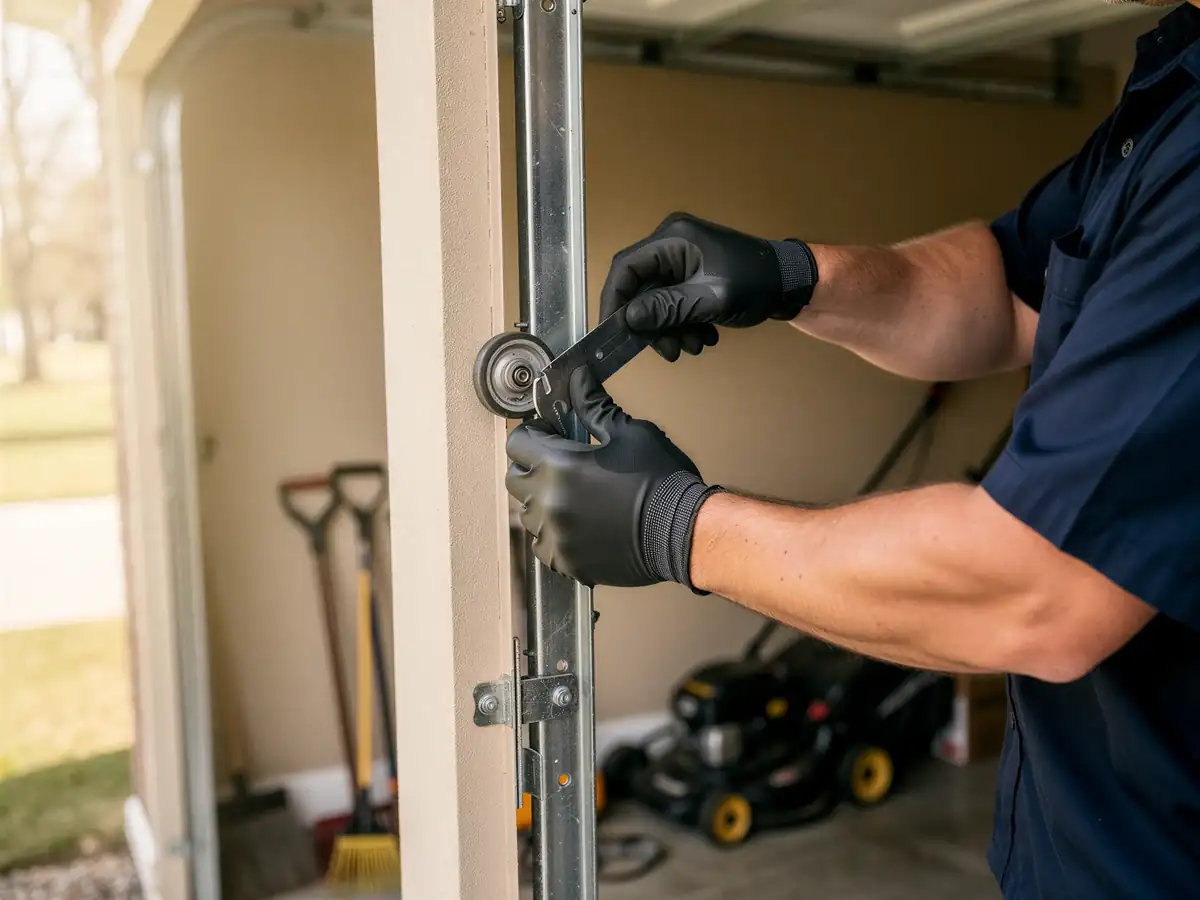
If you're comfortable with a ratchet and you've got a helper to hold the door, replacing a bottom roller on a door that's not under spring tension at that point isn't beyond a homeowner. The part that trips people up is the top rollers near the spring and cable system - that's where a slipped cable or a dropped door section can do real damage to a hand. We'll walk you through which rollers are safe to do yourself over the phone if that's what you want, but we won't pretend every roller on a 1960s door is a weekend job.
Booking a Visit
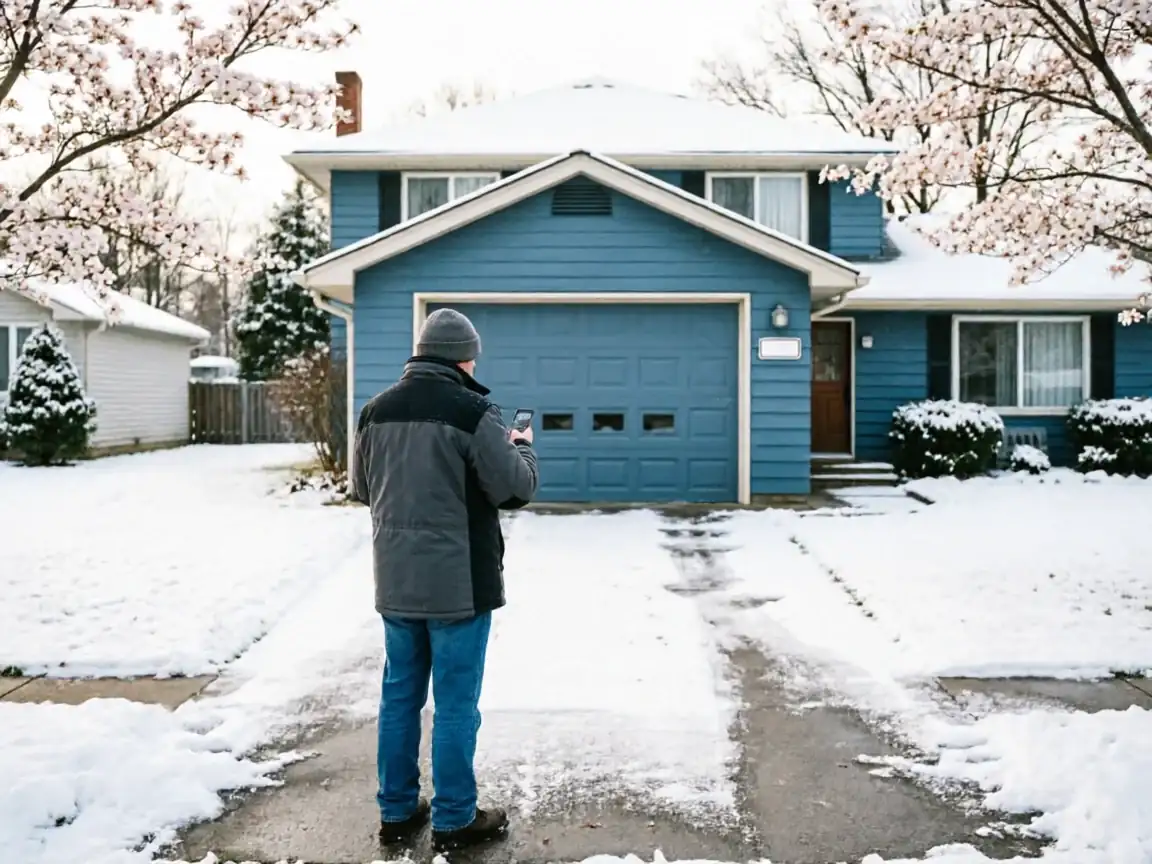
We cover Westwood out of our Needham shop, about 4 miles up the road. There's no separate branch here and no local crew - it's the same trucks and the same scheduling that handle every call in this part of the service area. When you call, tell us the rough age of the house and whether the rollers are steel or nylon if you know; it changes what we load on the truck before we leave Needham.
For general repair work on the door itself, not just the rollers, see our Westwood garage door repair page. This page is specifically about the rollers - the wheels that ride in the track and carry the door's weight.
How We Fix It
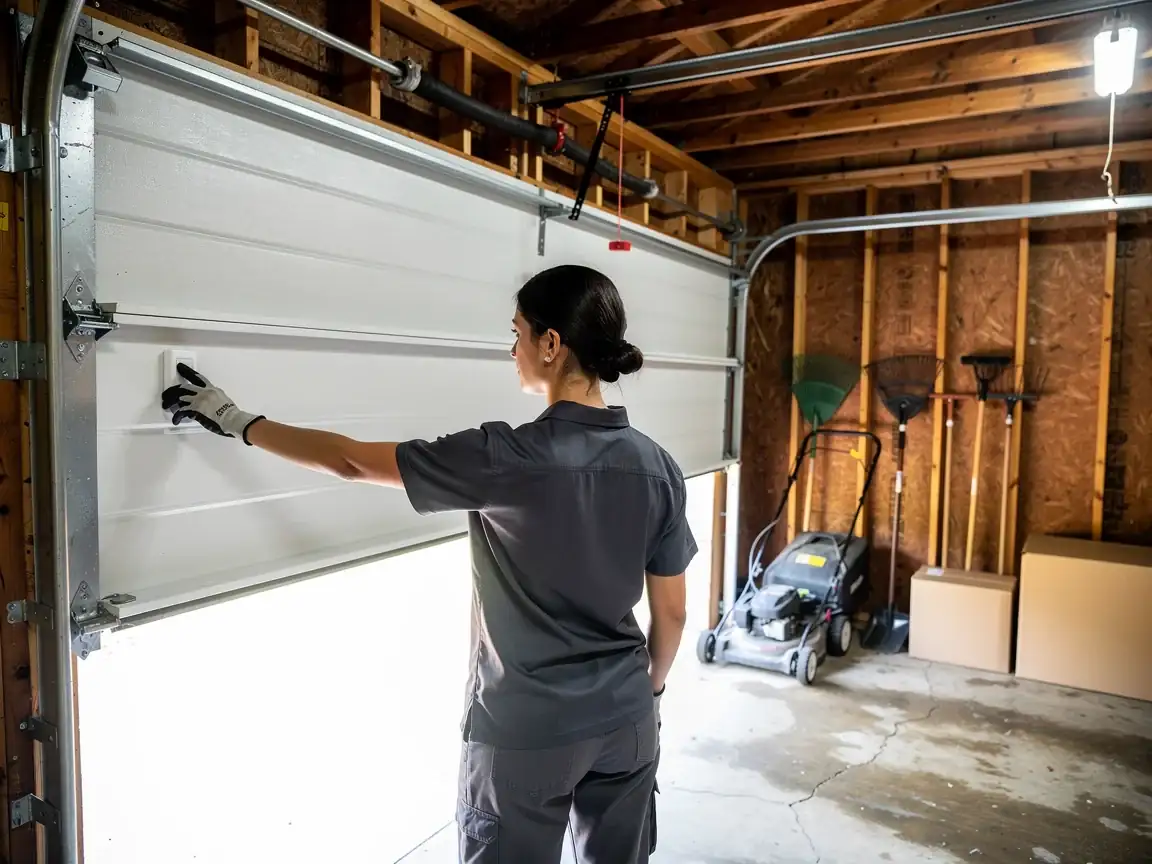
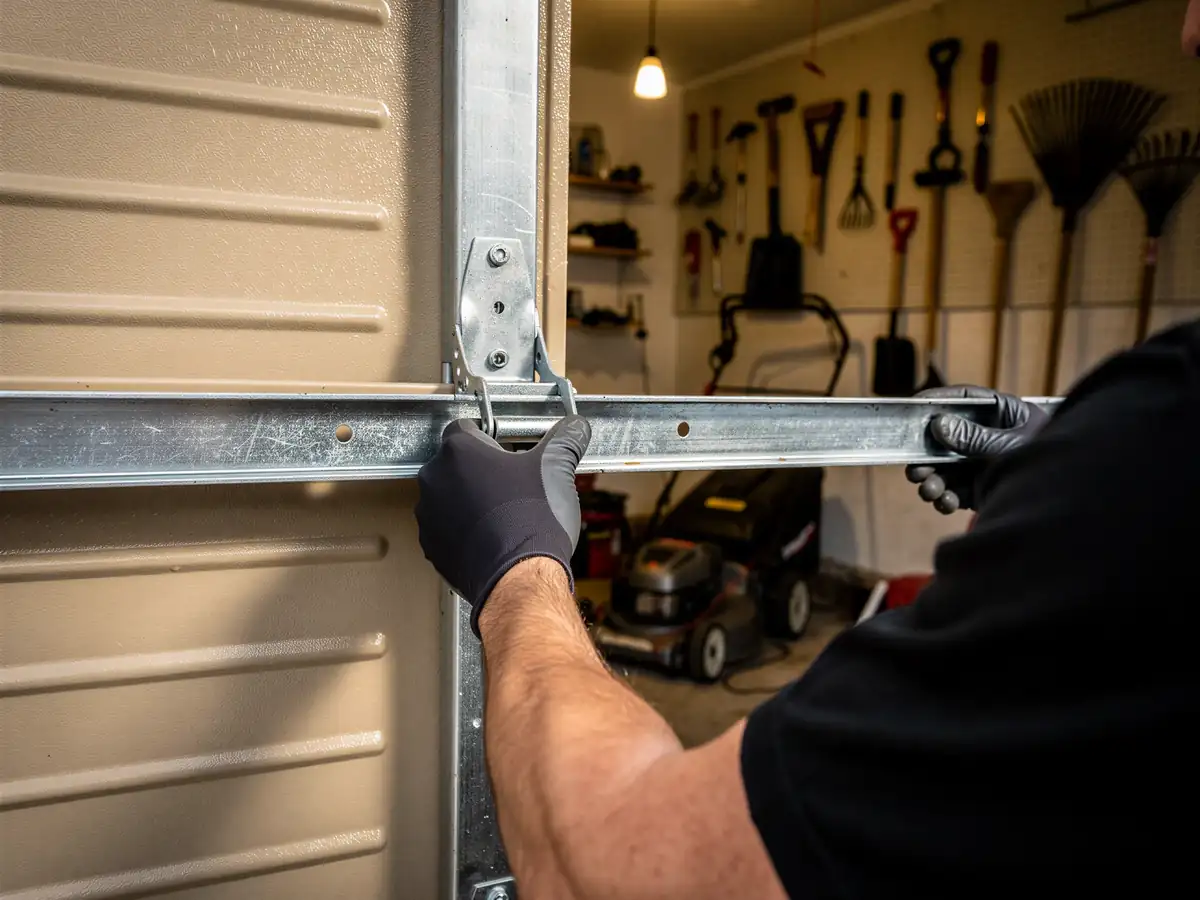
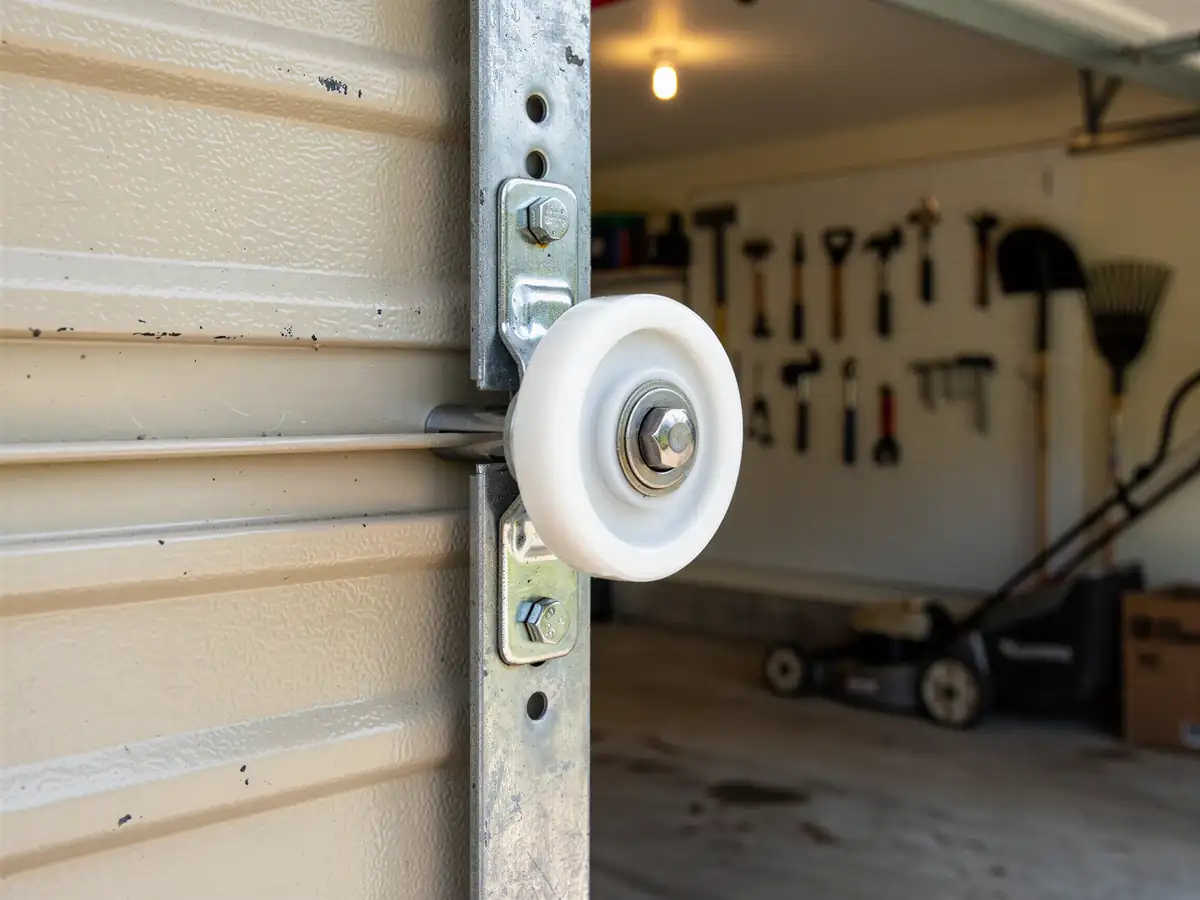
On most of the doors we see in Westwood, we're pulling old steel rollers and setting sealed-bearing nylon rollers in their place - quieter, and they don't need the periodic oiling the originals did. Before any roller comes out we check the track alignment, because a roller swap on track that's out of plumb just wears the new rollers the same way it wore the old ones.
We do the bottom rollers first since they're not under spring tension, then work up the track to the rollers nearest the top bracket, which do sit close to the spring and cable system. On a door with steel track from the original 1960s or 70s install, we also check whether the track itself needs straightening or replacing alongside the rollers - on hardware that old, the two jobs often go together.
How It Shows Up
The first sign is usually noise - a grinding or clunking as the door travels, worse in the cold months. Westwood sits in the same severe-cold climate band as the rest of this area, and the grease packed into those original steel rollers has had decades of freeze-thaw cycles to thicken, crack, and let rust into the bearing. You'll often hear it before you see it.
Look for flat spots worn into the roller wheel itself, or a roller that's visibly loose and wobbling in the track rather than riding smooth. On steel rollers specifically, surface rust on the wheel is a reliable sign the bearing underneath is going too.
The Complications
Across Westwood's roughly 5,492 households
The bulk of the doors we get called out to for roller work are that same 1960s-70s stock. The complication on a lot of these jobs isn't the roller - it's that the track it rides in was installed to a gauge nobody stocks anymore, which means straightening or splicing the existing track rather than ordering new.
- 5,492 households
Our honest limitation
If the track is bent badly enough, or the door panel itself has sagged out of square, new rollers won't fix the noise or the binding. At that point we'll tell you straight that it's a track or door problem wearing a roller symptom, and replacing rollers alone would just mean another call in a year.