Doing It Yourself
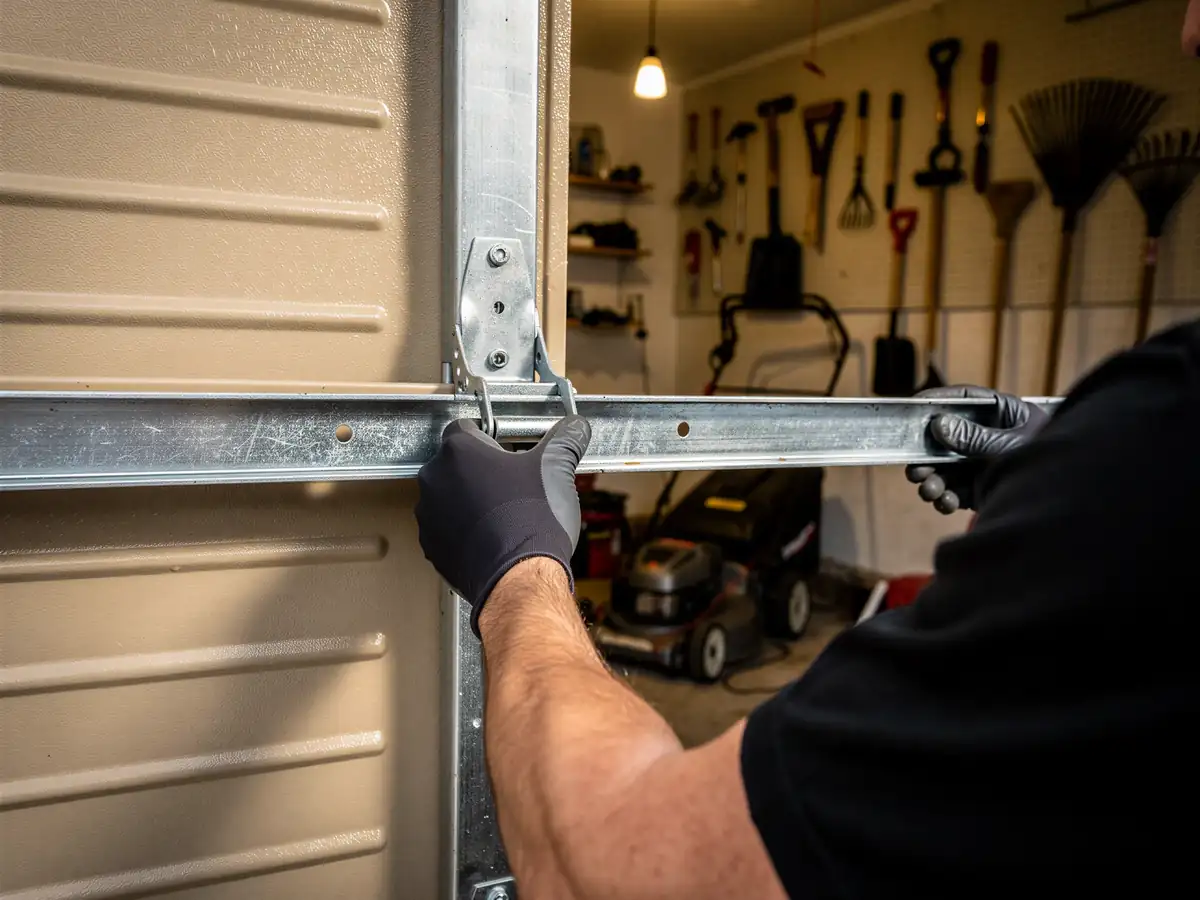
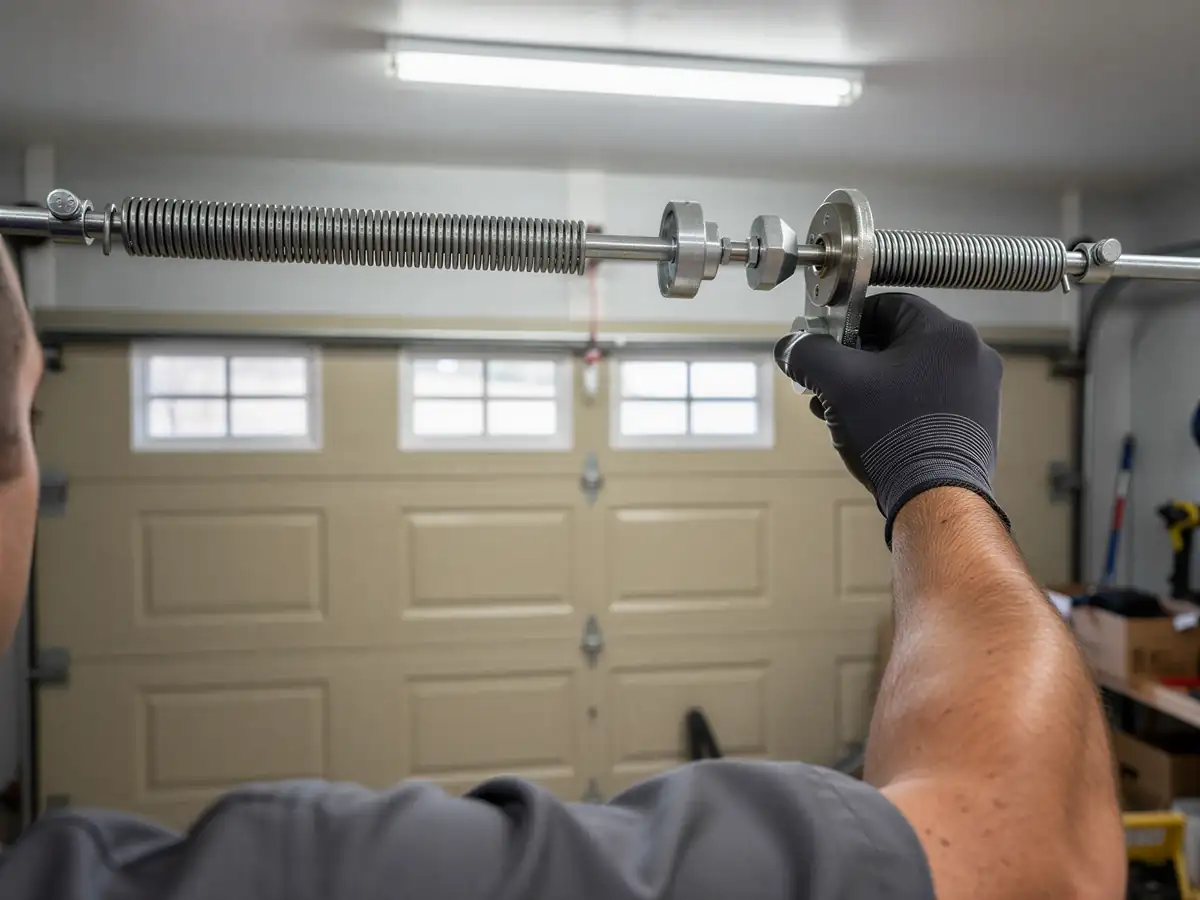
When a door jumps its track, the instinct is to grab the bottom panel and shove it back into the rail. Don't. On a door built to the specs common in Westwood homes from the 1960s and 70s, the track is lighter gauge steel than what goes into new construction, and forcing a panel back in often bends the rail further instead of fixing it. If the door is only slightly cocked and nothing is under tension, you can safely check that the track bolts haven't shaken loose - that's a five-minute fix with a wrench. But if a cable has come off the drum, or the door is hanging at an angle, stop there. A door that's off-track because of a snapped cable can still have a spring loaded under 100+ pounds of force, and that's not a DIY repair, it's an ER visit waiting to happen.
Booking a Visit
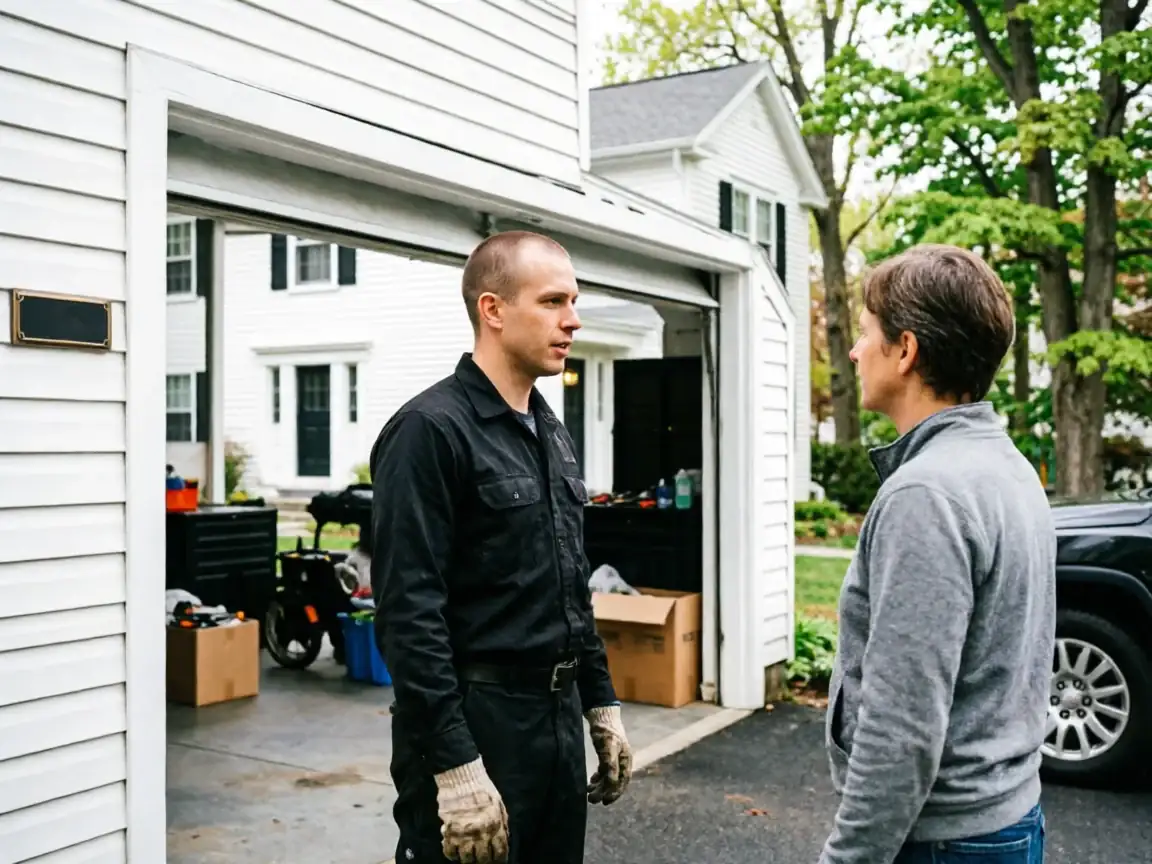
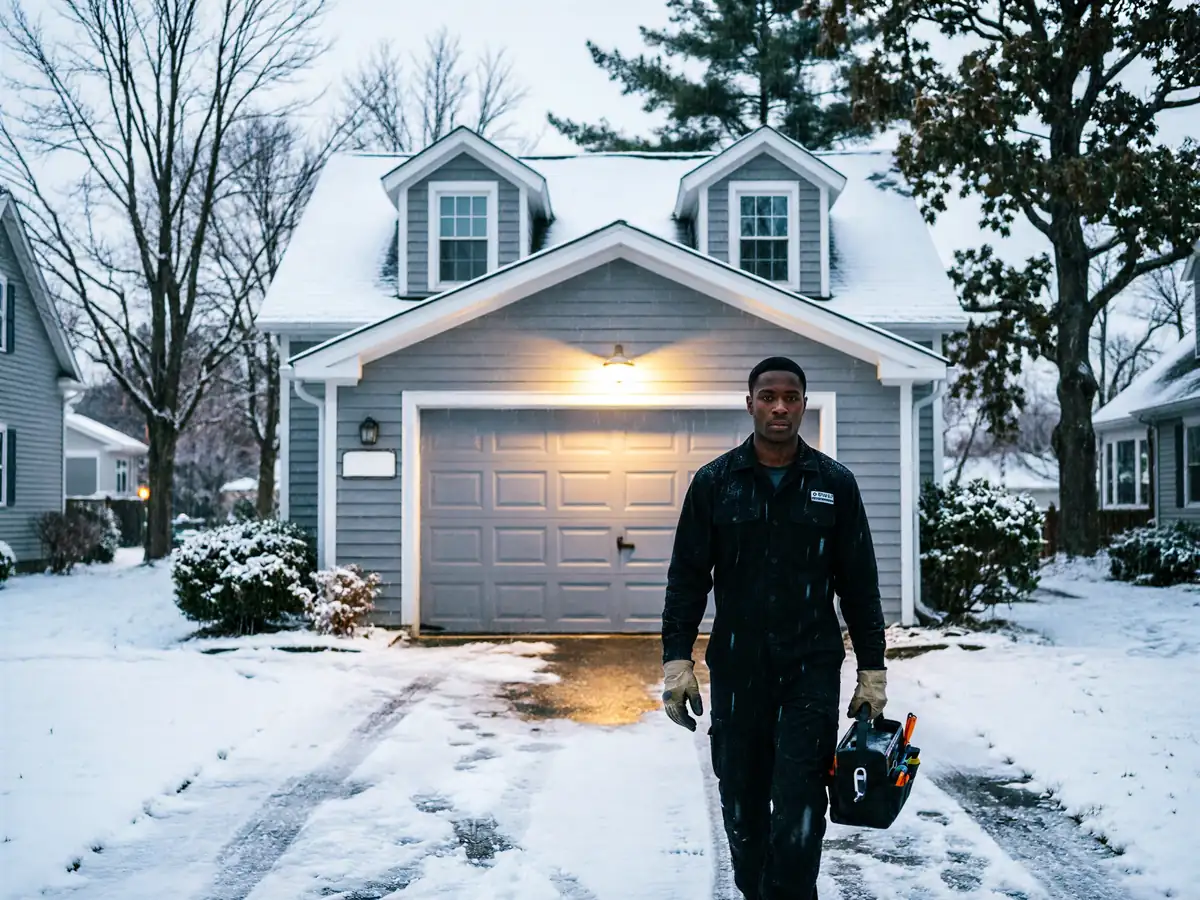
We cover Westwood out of Needham, about 4 miles away. There's no branch office here and we don't promise a same-day slot just because of the short drive - we book based on what's already on the truck for that day. When you call, tell us whether the door is stuck open, stuck shut, or hanging unevenly; that tells us whether to bring extra track stock or just tools. Westwood homes built in the 1960s often still run on original or first-replacement track, so if you know roughly when the house was built, mention it. It saves a trip back to the truck.
How We Fix It
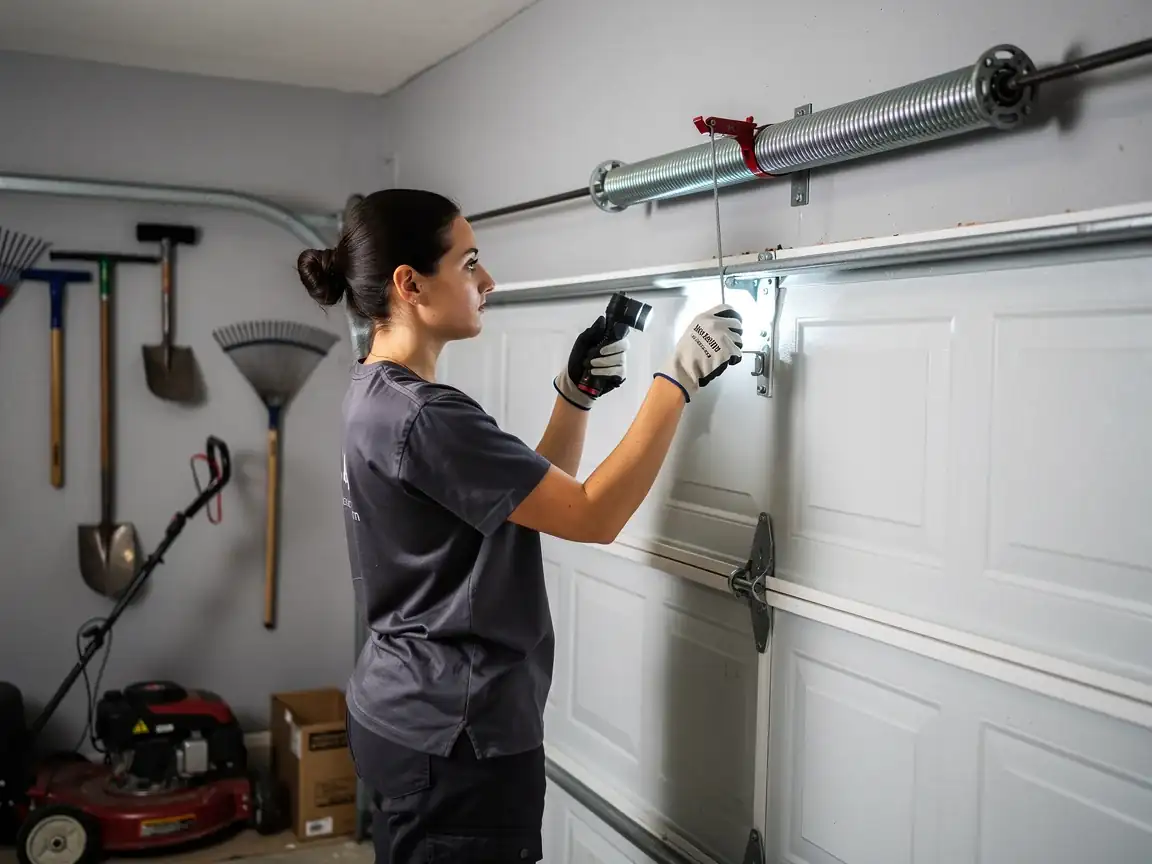
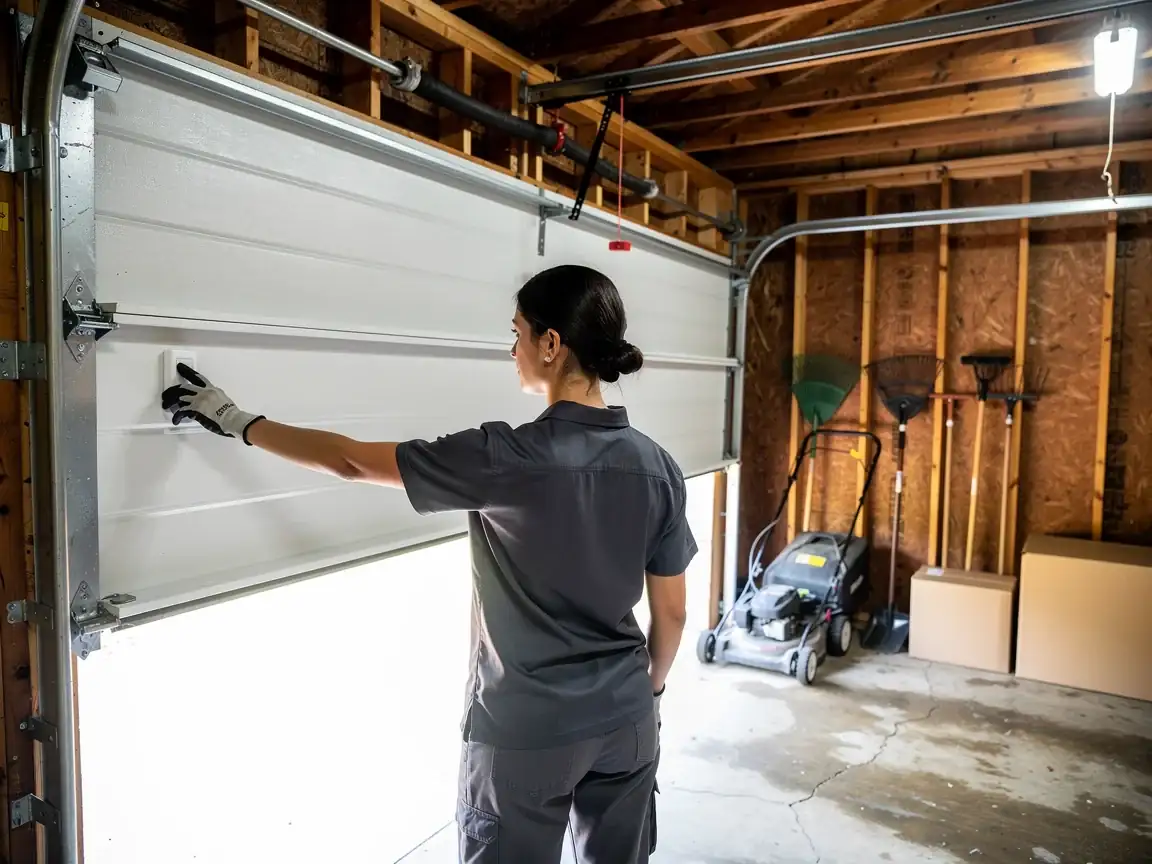
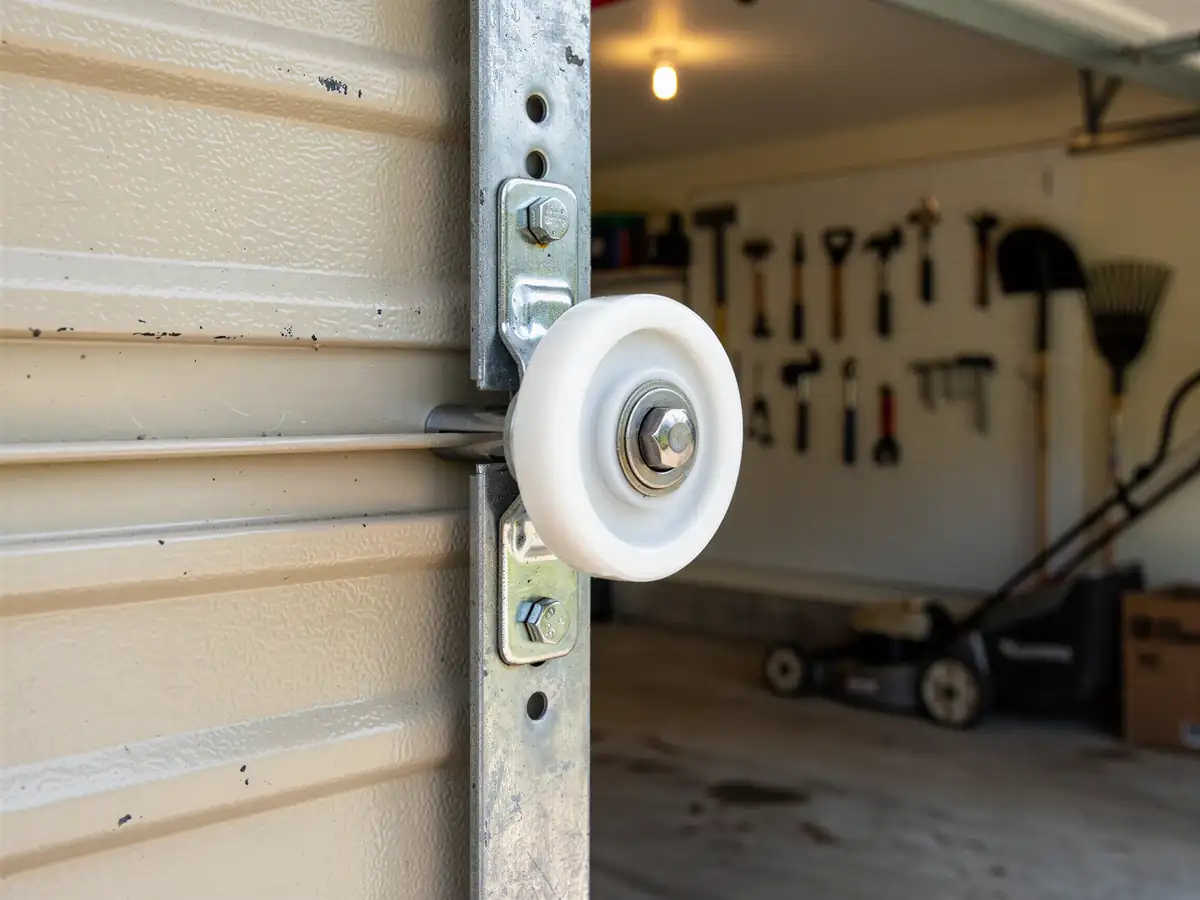
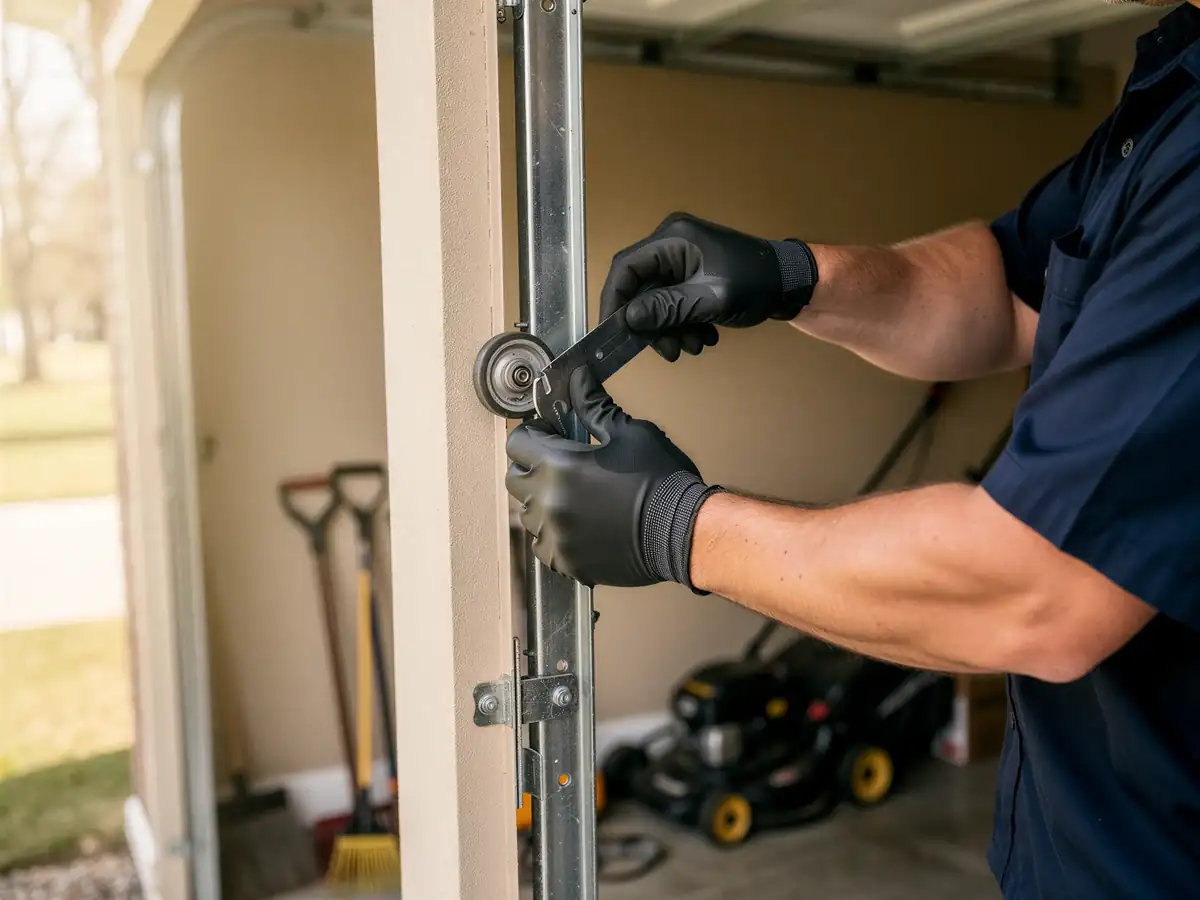
First step is always figuring out why the door left the track, not just putting it back. We check the rollers for wear, the track for bends or spread at the mounting brackets, and the cables for fraying at the drum. On the older stock around Westwood - median build year 1968 - the brackets were often lag-bolted straight into framing that's shifted a little over fifty-plus years, which throws the track out of plumb even when the hardware itself is fine. We re-square the track to the jamb, replace any roller that's chipped or seized, and run the door through a full cycle before we leave to make sure it's not going to walk back off the rail in a week.
How It Shows Up
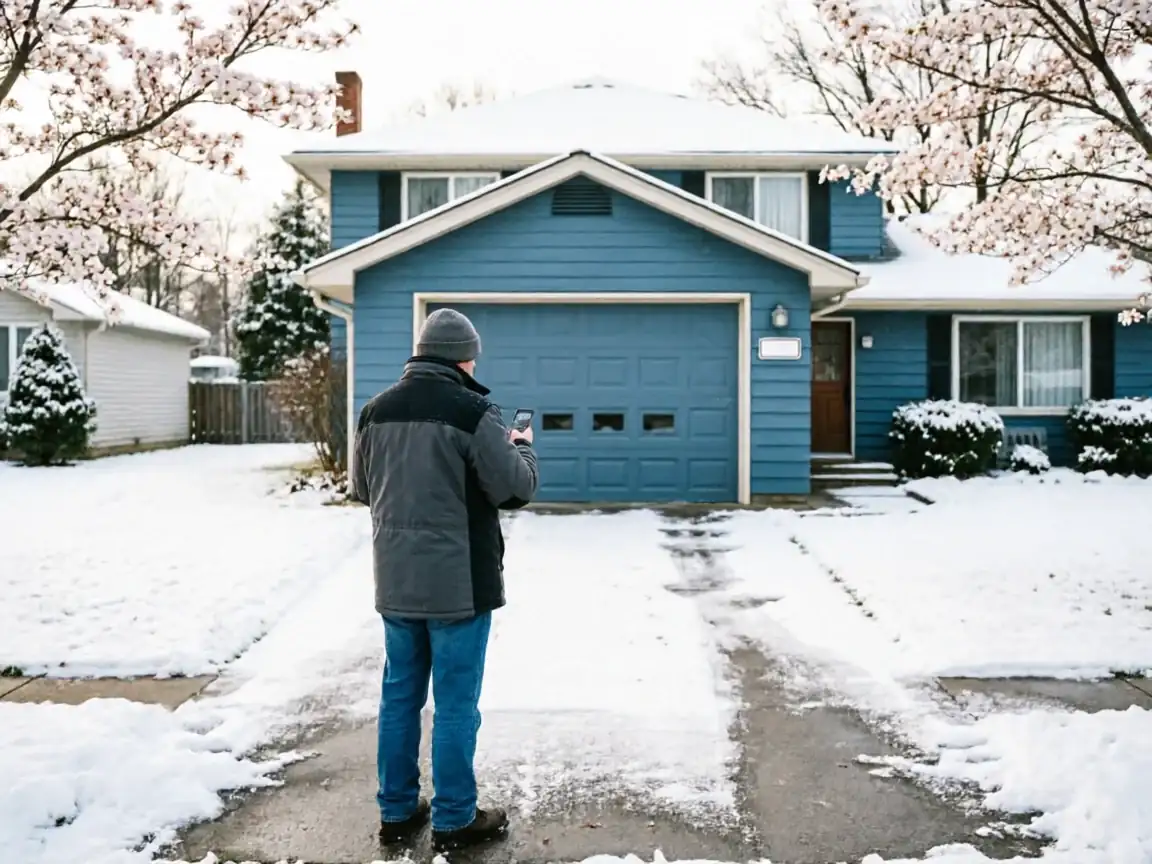
Most calls start the same way: the door looks fine sitting shut, then jerks sideways or grinds partway through opening. Sometimes it's a gap between the roller and the track you can see from the driveway. Sometimes the first sign is a loud pop as a cable lets go. Given the age of track hardware common on houses built around Westwood's 1968 median, we also see slow-motion failures - a door that's been drifting a little more off-square every month until one morning it won't move at all. Cold snaps make it worse, since contracting metal takes up what little clearance a worn roller had left.