Doing It Yourself
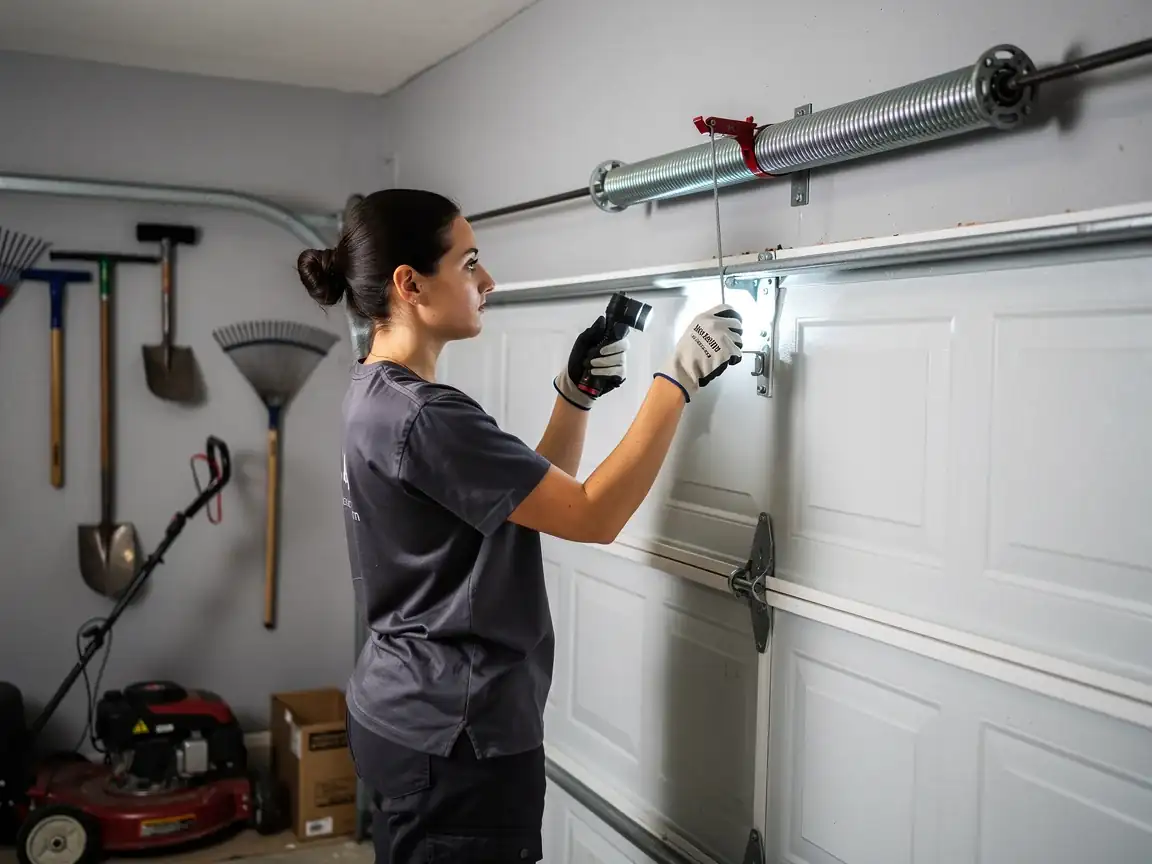
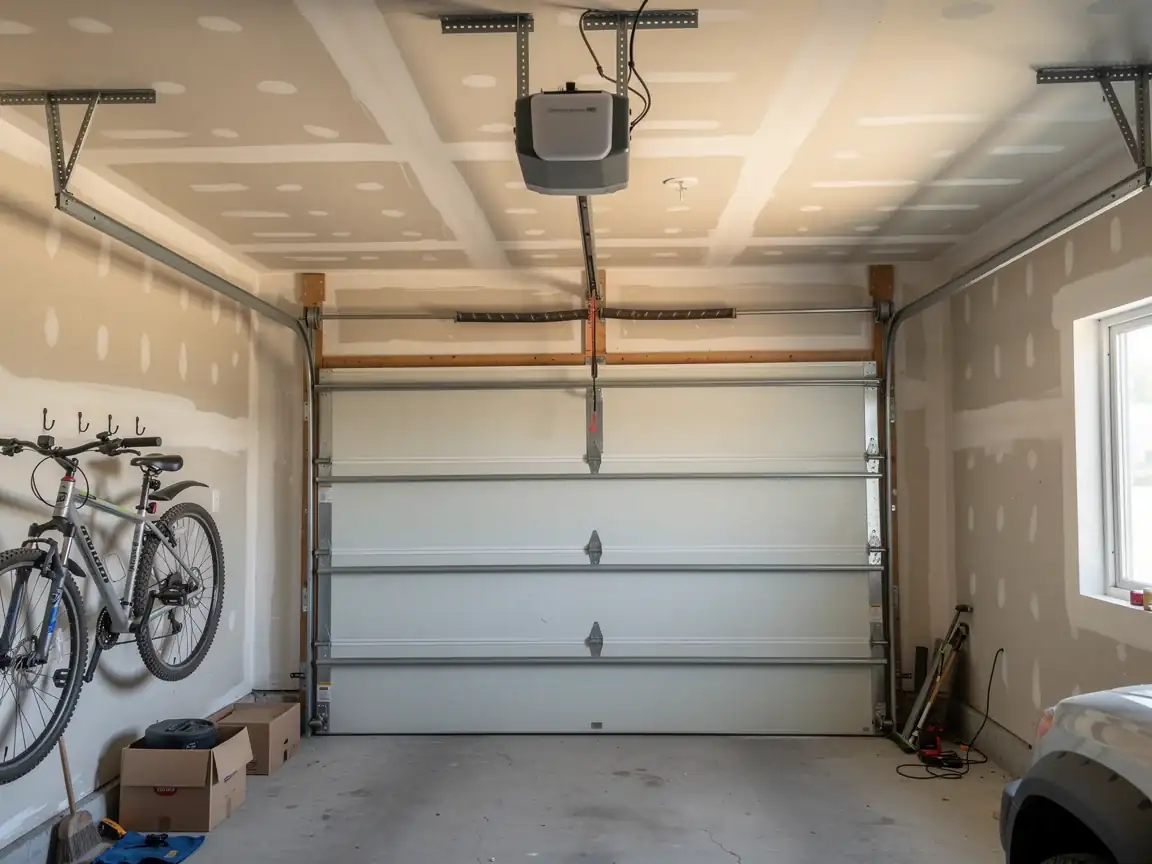
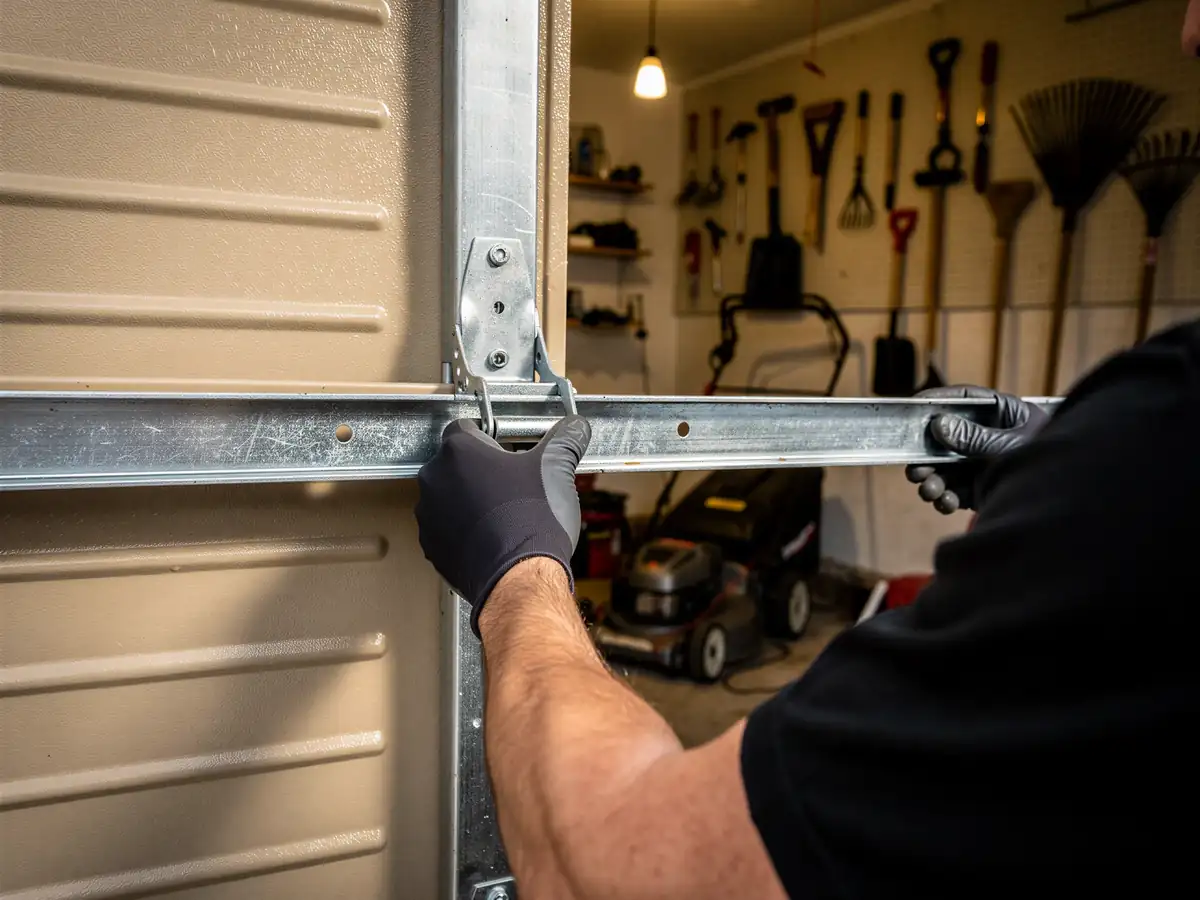
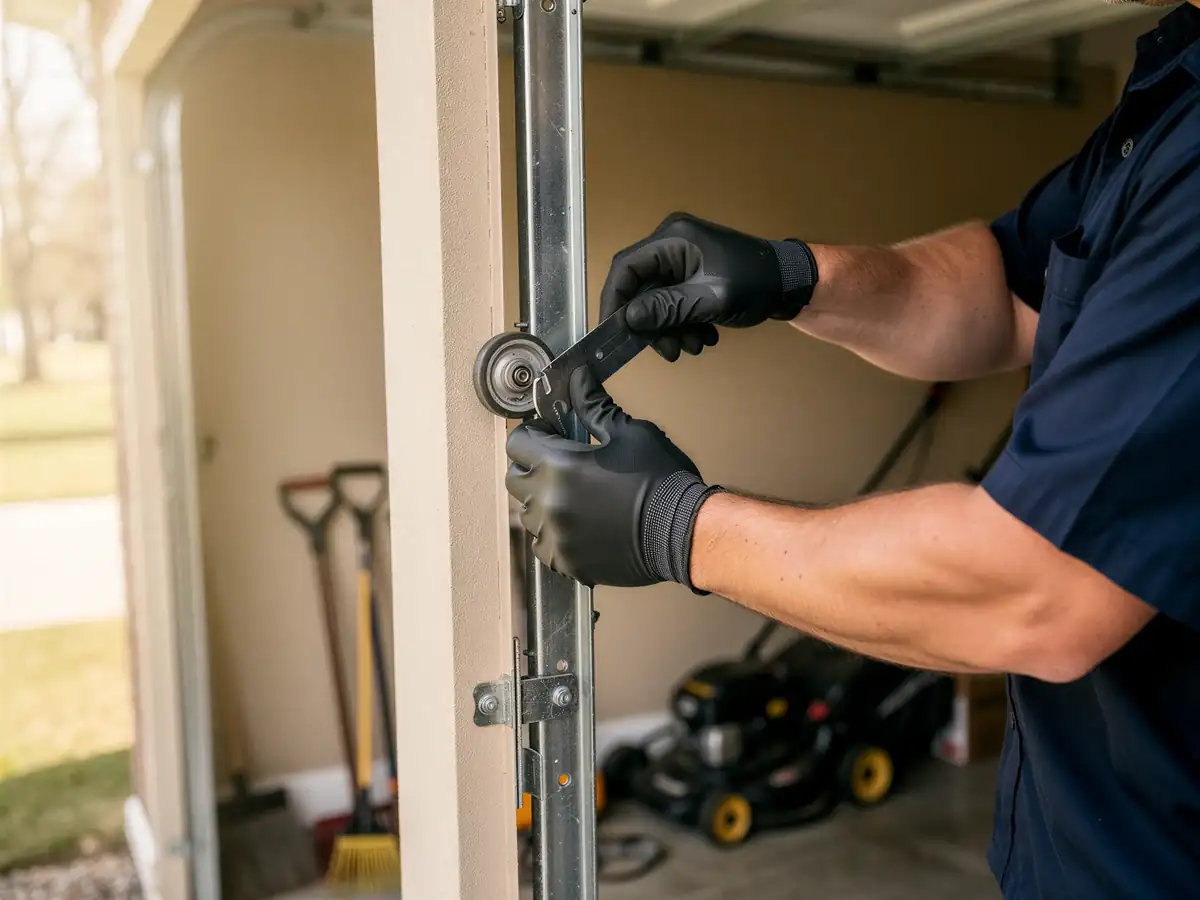
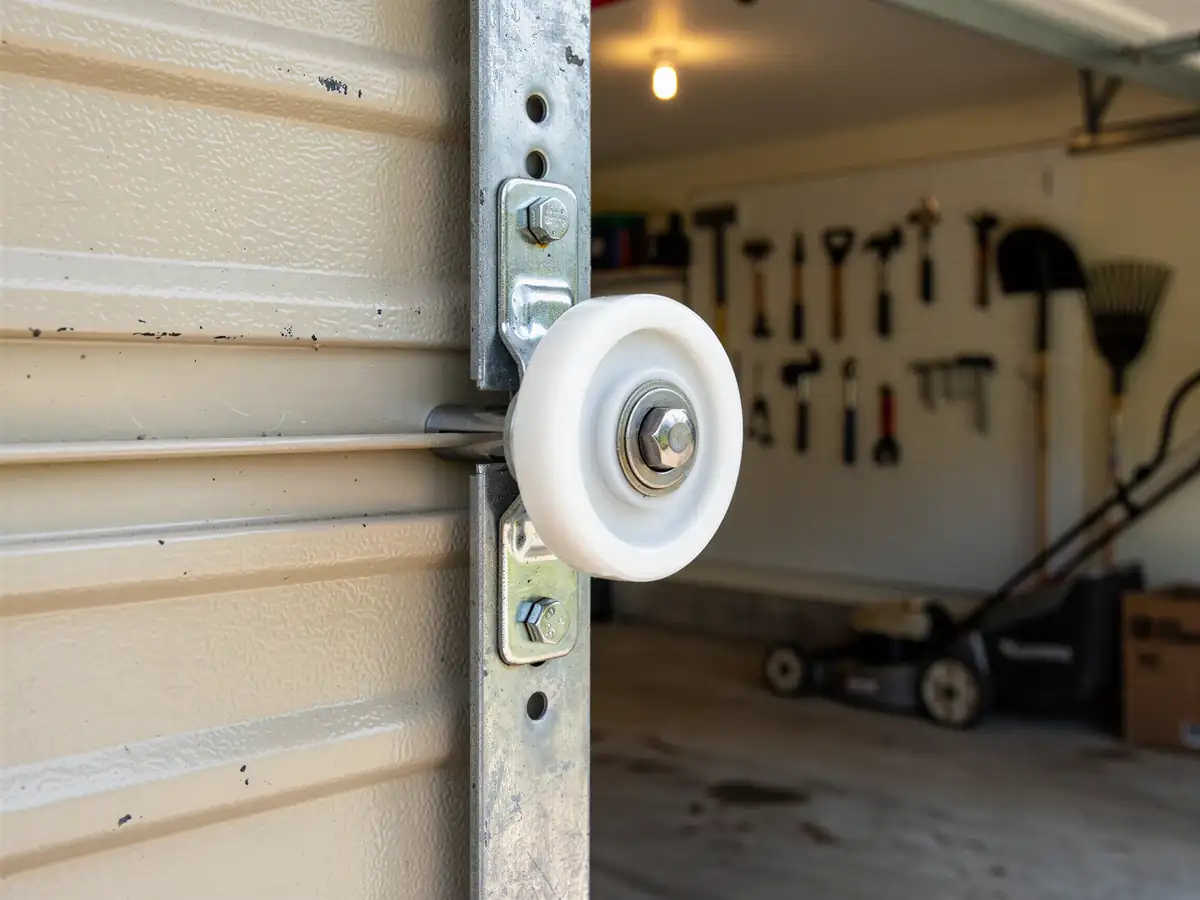
A new garage door looks like a weekend project until you're holding a 150-pound section with nothing but a friend and a ladder. Torsion springs store enough force to break a wrist or worse, and most online kits assume a standard 7-foot opening - plenty of houses in this part of the service area, built in the 1960s and 70s, have openings that were framed before anyone standardized those numbers. You can swap weatherstripping or replace a roller yourself. Setting new track, balancing a new spring system, and squaring a door to an opening that's shifted slightly over fifty-plus years is a different job. We've seen DIY installs that worked for six months and then dropped a panel because the track wasn't plumb. If you want to do some of it yourself, pulling the old door and prepping the opening is reasonable. Hanging the new one and setting spring tension isn't something we'd recommend doing alone, even if you're handy. It's also where most of the injuries happen - not in demo, in the final lift.
Booking a Visit
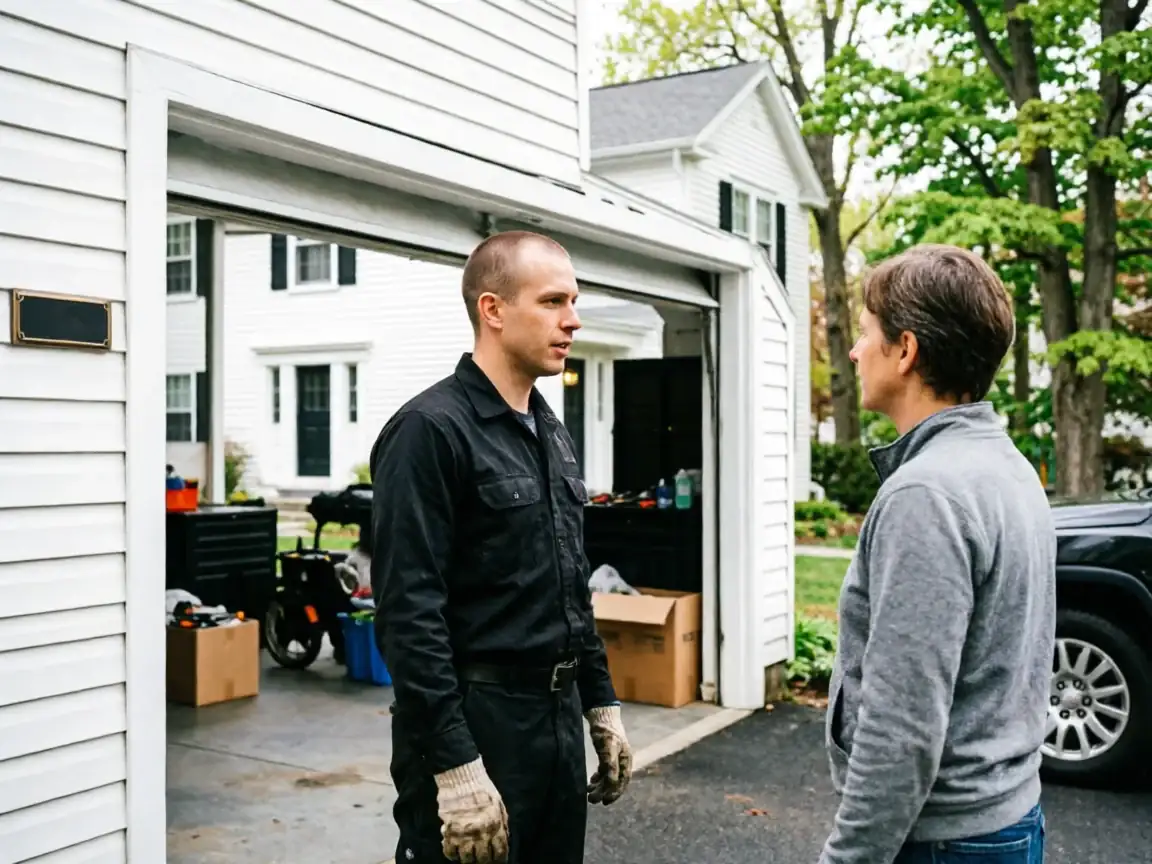
We run out of Needham, about 4 miles from Westwood, so we don't keep a branch here - every visit is scheduled and driven in. That means we quote the job, confirm measurements, and give you a date rather than a same-day drop-in. For a new install, that's usually the better pace anyway, since ordering the right door for your opening and insulation needs takes more than a phone call. If something breaks before your install date, our repair page for this area covers emergency fixes, but installation itself is a planned job, not a same-day one.
How We Fix It
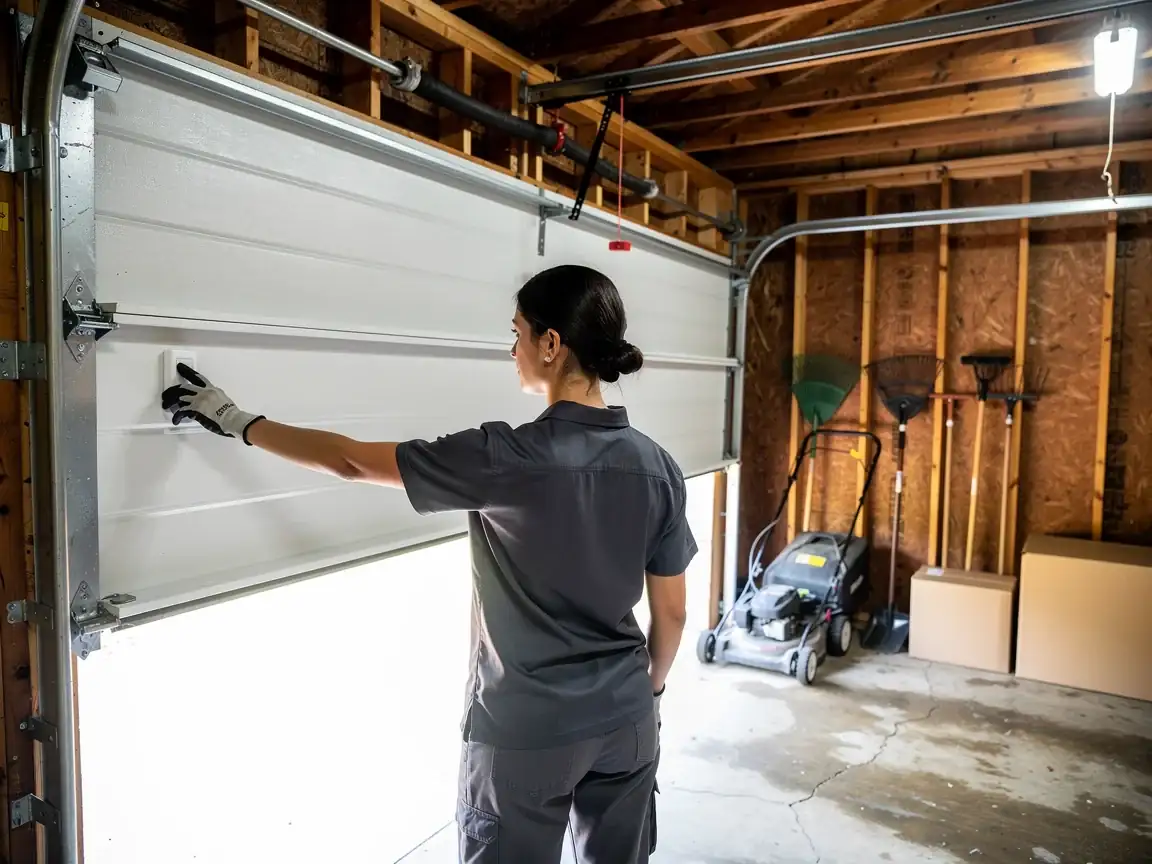
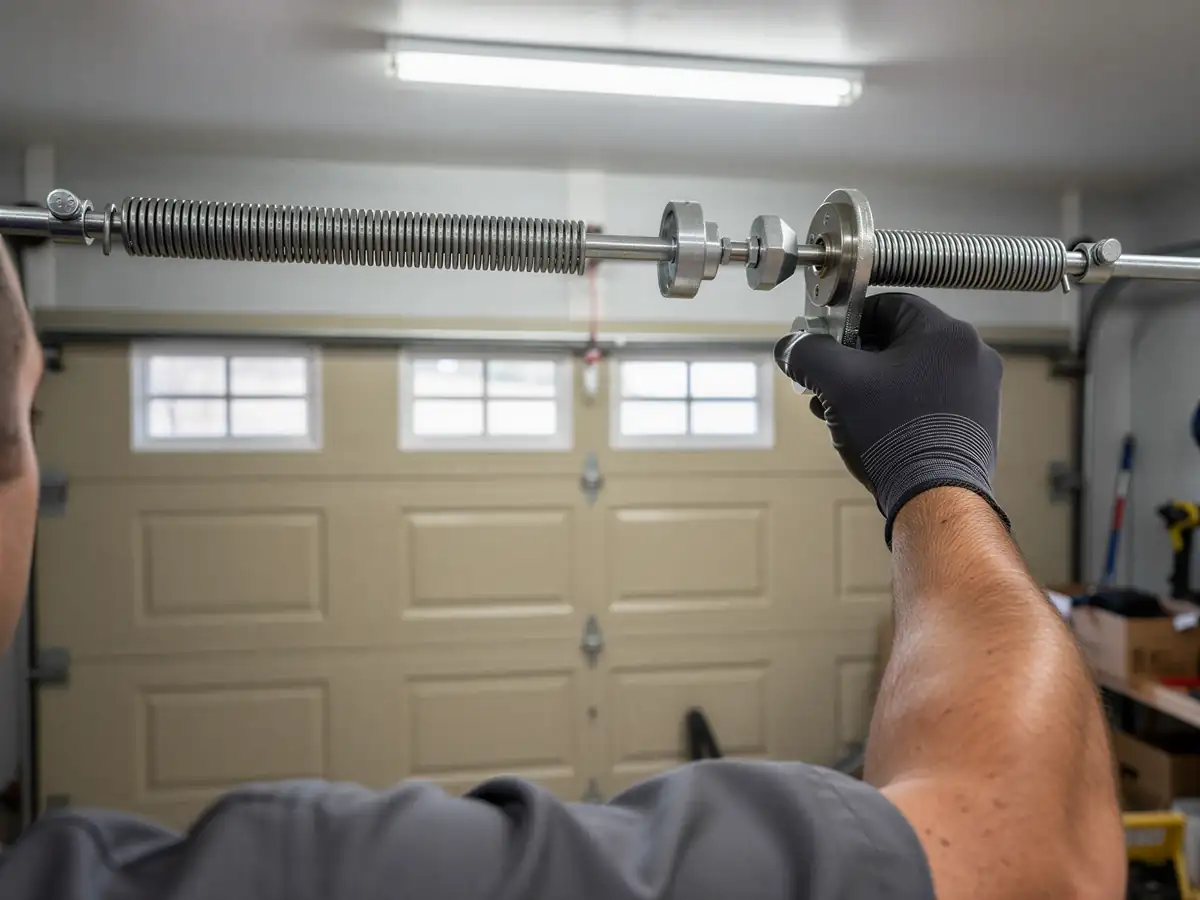
Installation starts with pulling the old door, hardware and track included, and checking the opening for square - common on houses built in the mid-to-late 1960s where framing has settled. We size the new torsion spring system to the door weight and your climate zone; this area sits in a cold, severe winter band, and springs rated for mild climates cycle fewer times before failing here. Track gets reset and leveled, not reused from the old setup unless it's in genuine good shape. Once the door's hung, we balance it by hand before the opener ever touches it, then test the opener's force settings and safety reversal. Insulation is worth discussing if your current door is a single-layer steel panel from that era - most were, and an insulated replacement changes the garage's temperature swing more than people expect in a severe winter climate.
How It Shows Up
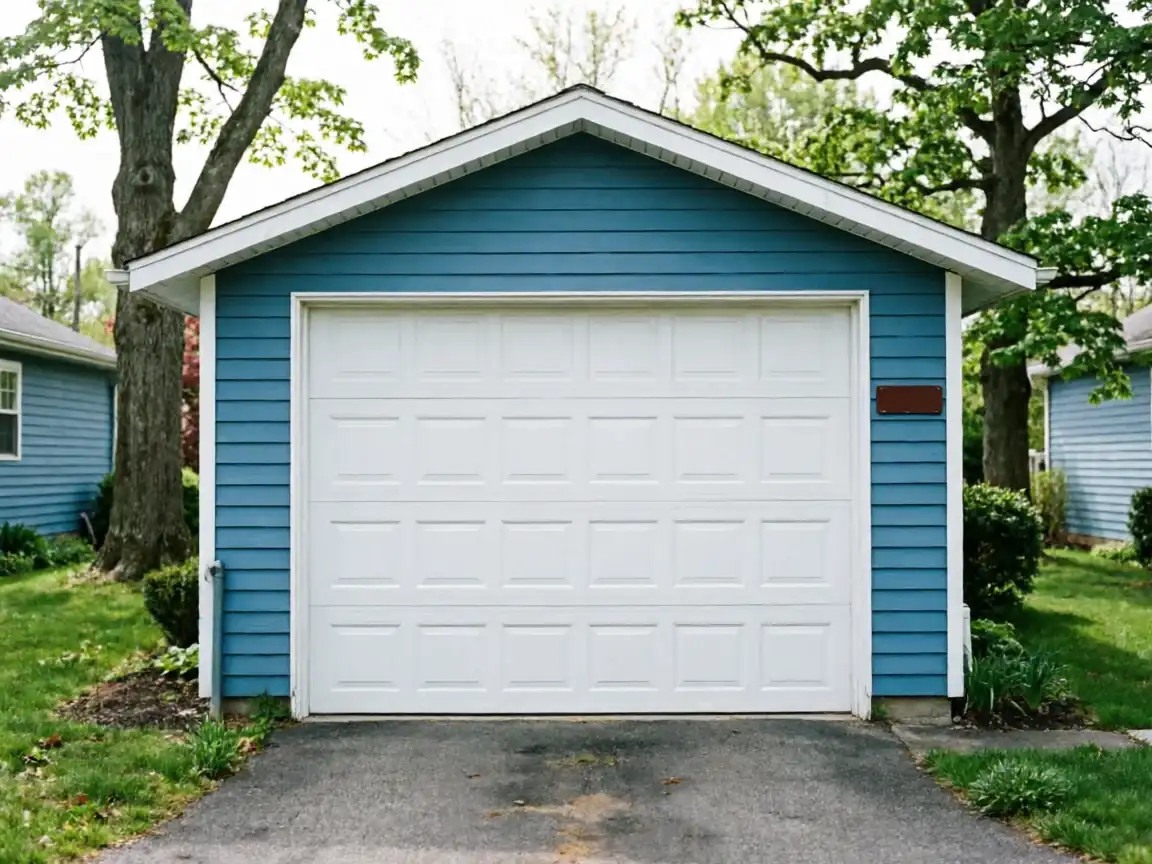
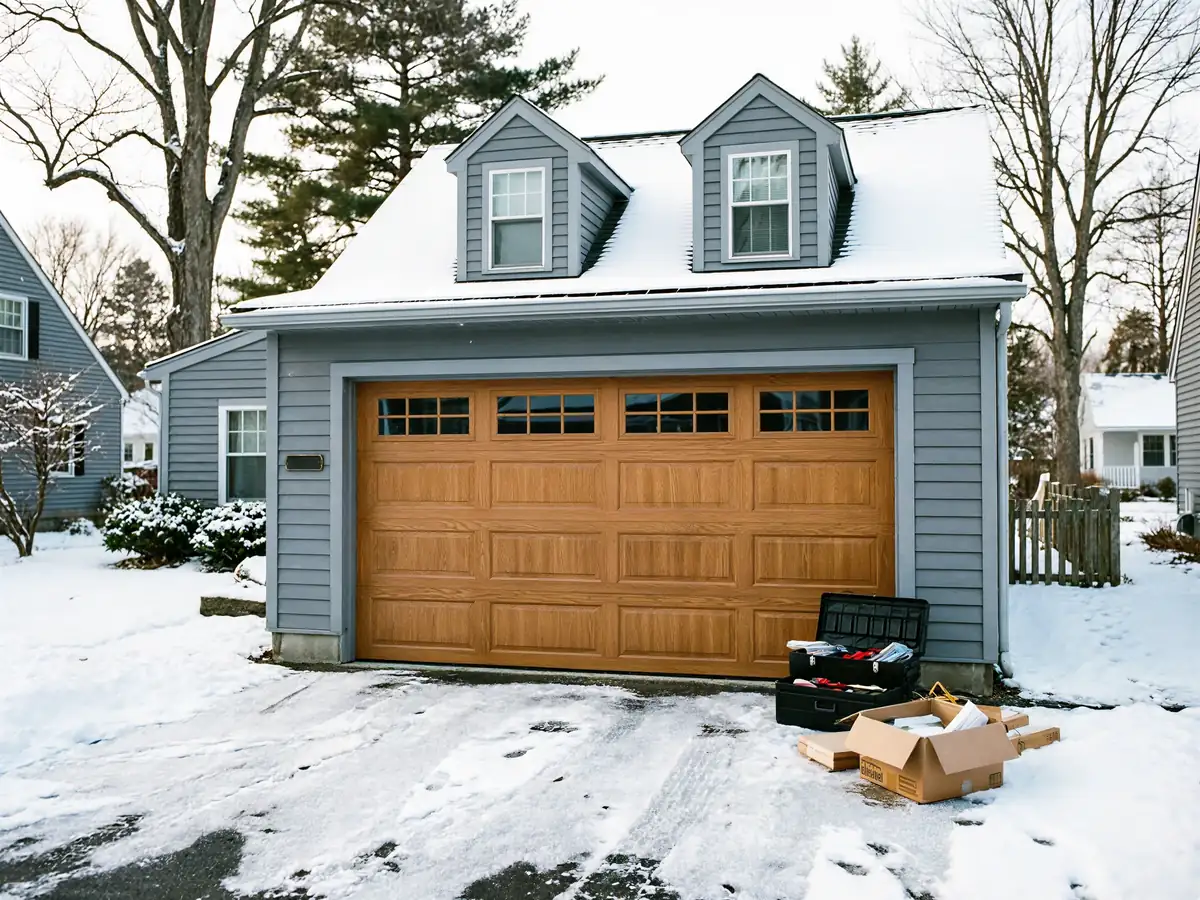
On houses from this build era, the first sign isn't usually the spring snapping. It's the door getting noticeably heavier to lift by hand, or the opener straining and reversing partway up. Original hardware from the 1960s and 70s often used lighter-gauge track and rollers than current doors call for, so even a cosmetically fine door can be running an opener harder than it should. Rust at the bottom panel, daylight gaps at the corners, and a door that sits crooked when it's down are all signs the track or the frame has moved over the decades - not unusual in housing this age. If your door is original or close to it, odds are good the hardware underneath has outlived its rated cycles even if nothing has broken yet.