
Booking a Visit
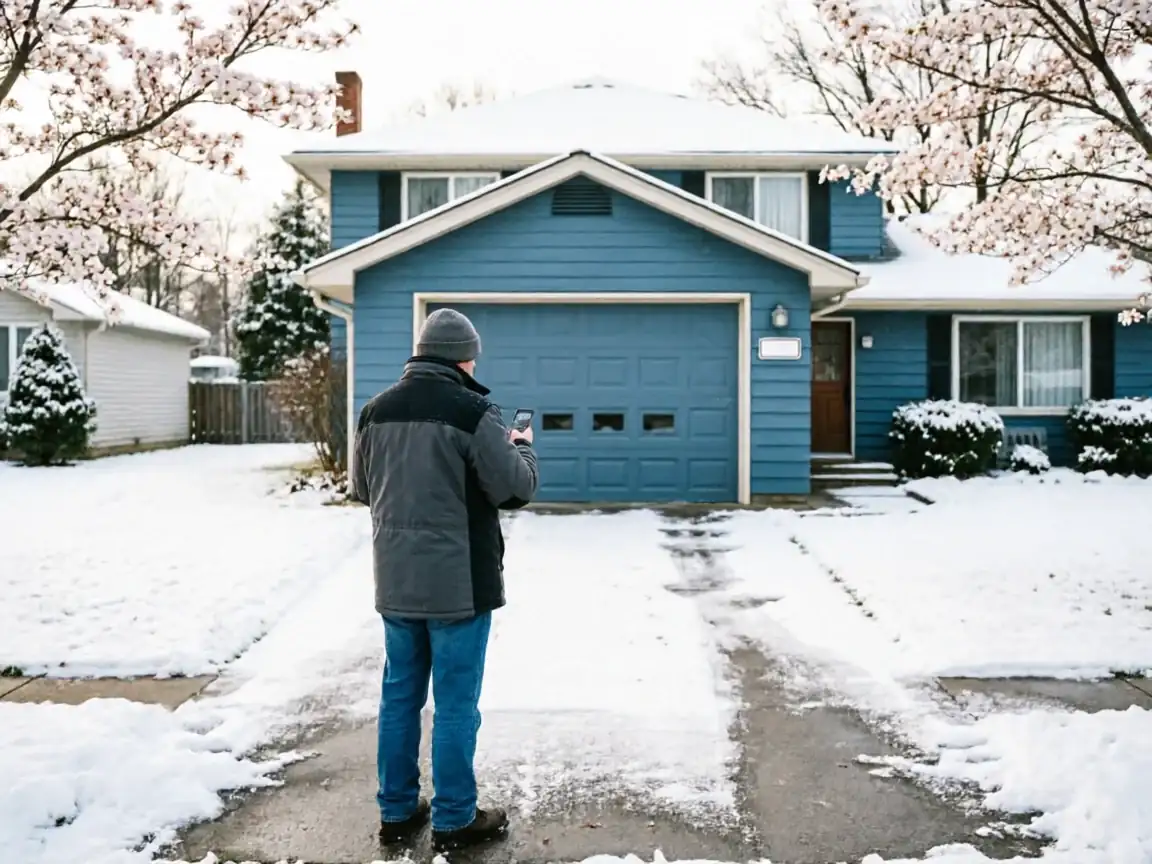
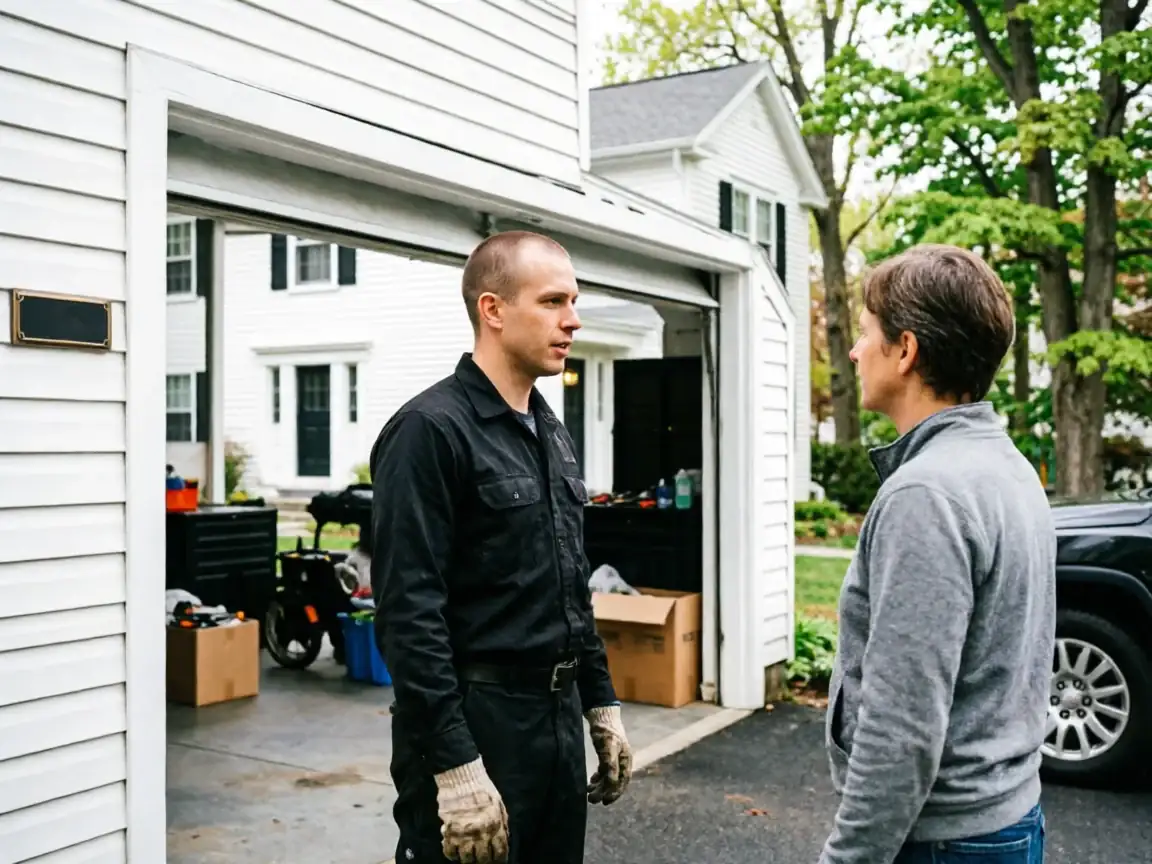
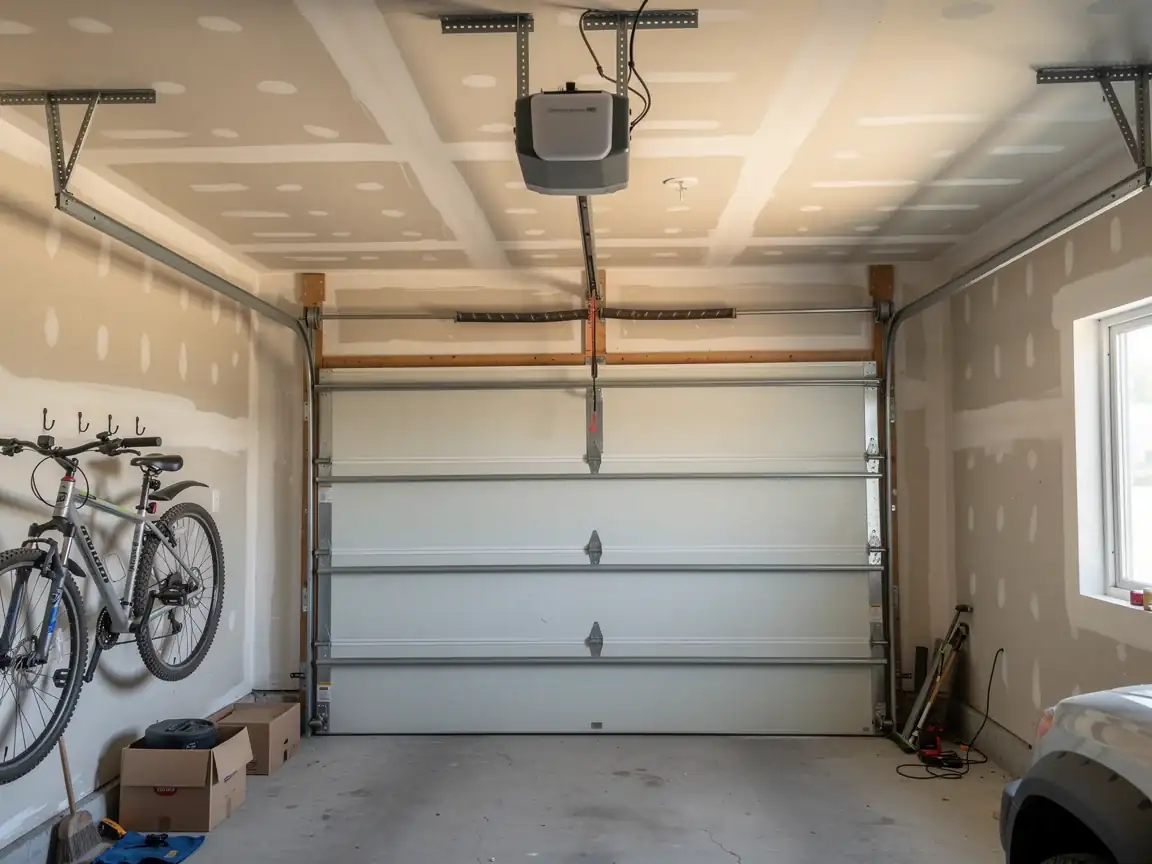
We work out of Needham, about 20 miles south, so there's no local branch to call and no claim from us about a guaranteed arrival window once you're on the phone. What we can tell you is what we're walking into before the truck leaves: Wilmington's housing largely dates to 1978, which narrows down the door and opener hardware we expect to find versus a town with an older housing mix. That matters for which parts ride along on the truck. If your opener is original to the house, it's a chain-drive unit pushing fifty years old, and the failure is usually the drive gear or the capacitor, not the motor itself. Tell us the age of the house if you know it, or the brand plate on the opener rail if you can read it without climbing - either one tells us more than 'it's broken' does, and it means less time standing in your driveway diagnosing before the real work starts. We'd rather show up with the right spring cable and the right logic board than guess twice.
Doing It Yourself
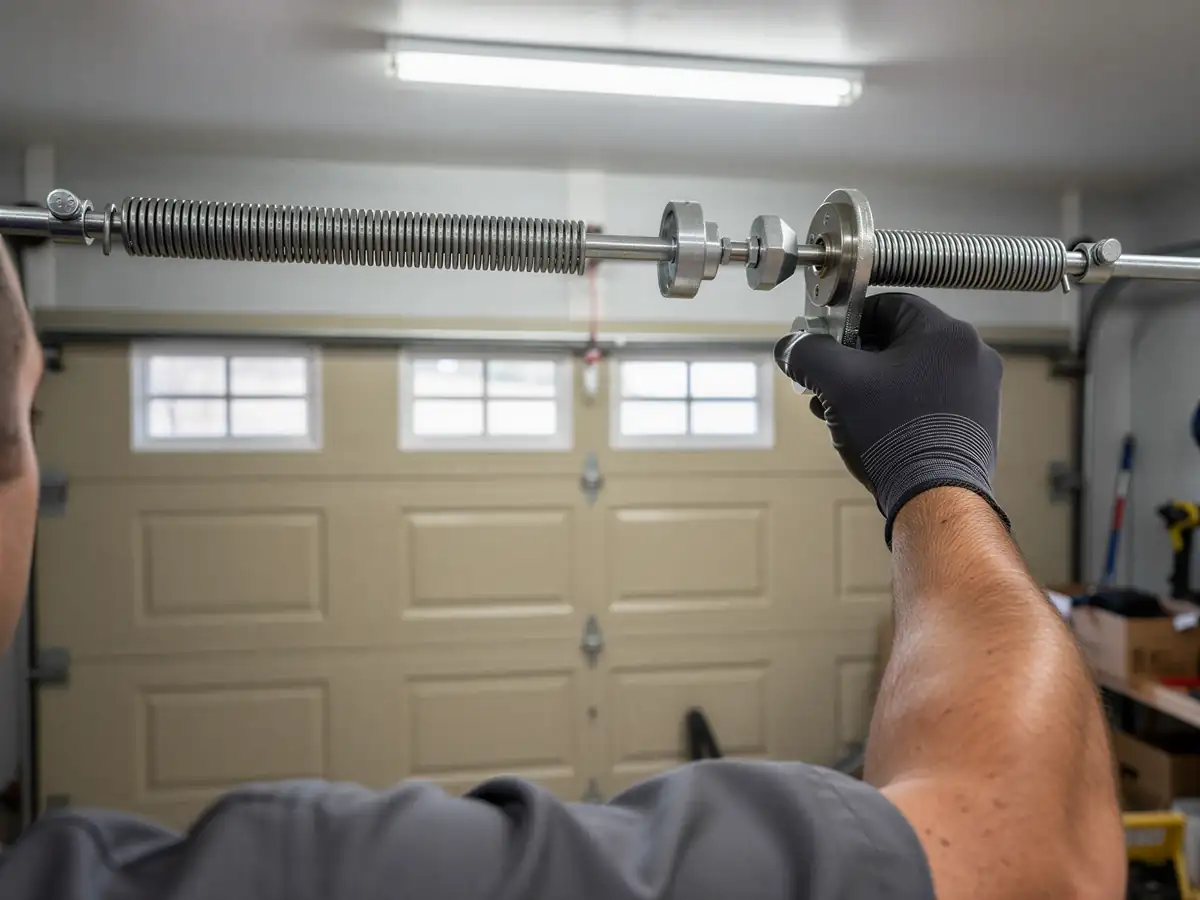
A chain-drive opener from the late 1970s and early 1980s uses a logic board and a capacitor that both wear out on their own schedule, independent of how well the door itself has been maintained. If the opener hums but the trolley doesn't move, that's often the capacitor - a part a licensed electrician or a confident DIYer can sometimes source and swap. What you should not touch yourself is a torsion spring on a double door, or an extension spring system still running on the original end bearing plates from a house this age. Those plates corrode from the inside, and a spring under tension that lets go near a hand or a face does real damage. We're not going to pad this section with steps for a job that sends people to the ER a few times a year in houses this old. If the spring's broken, that's a call, not a project.
How We Fix It
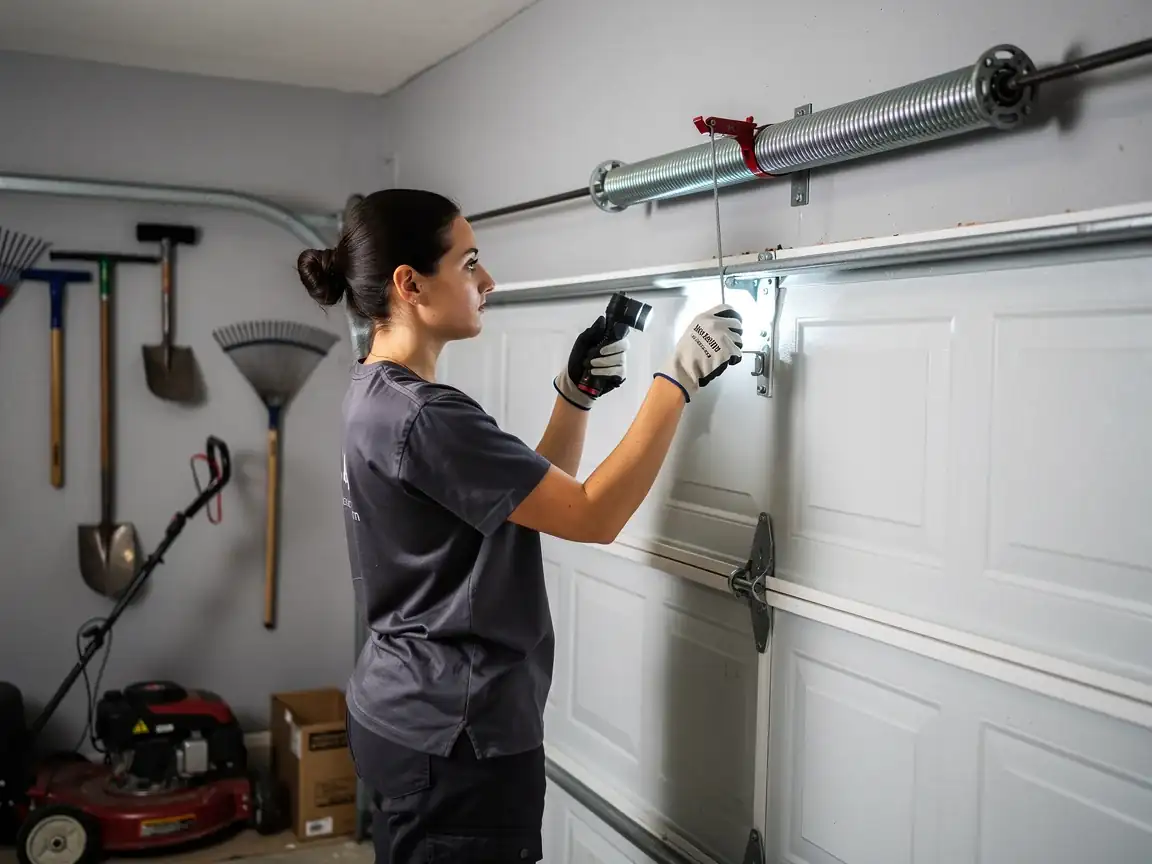
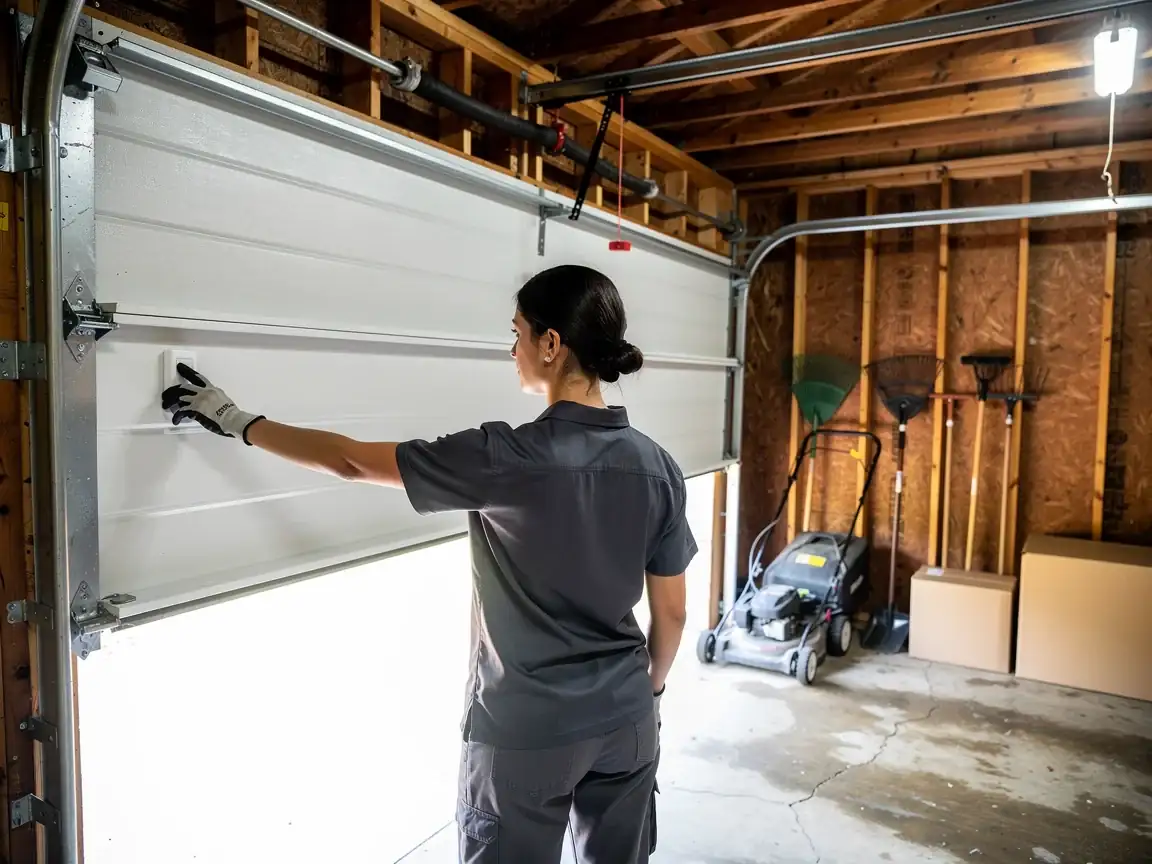
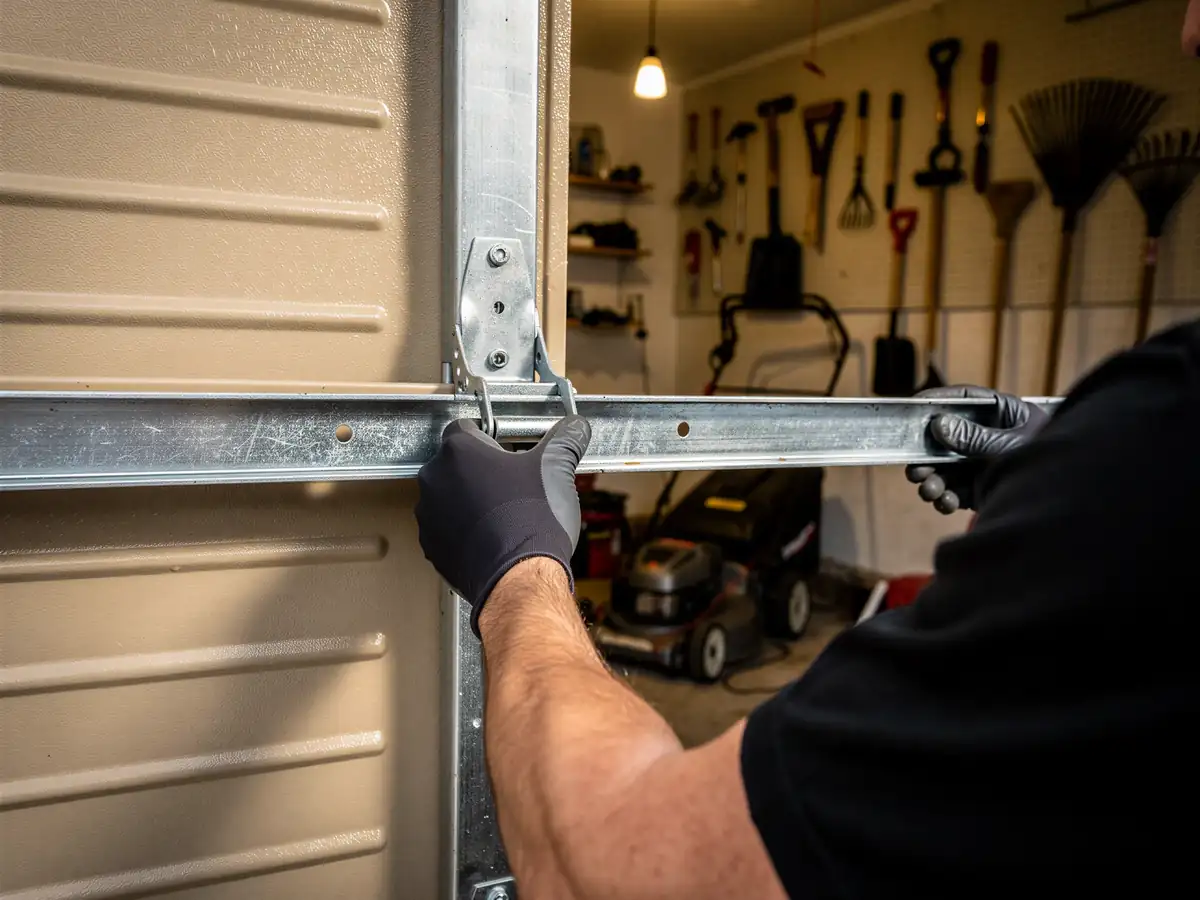
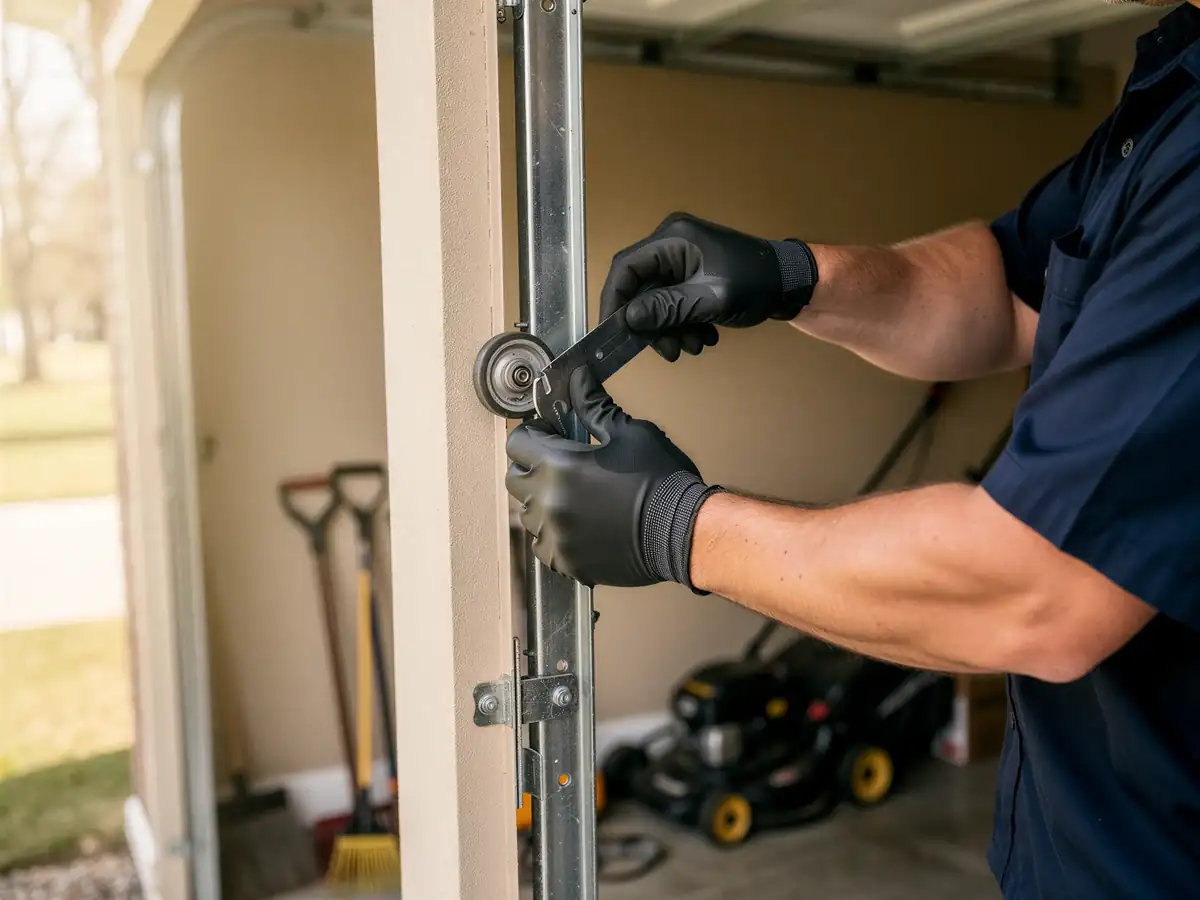
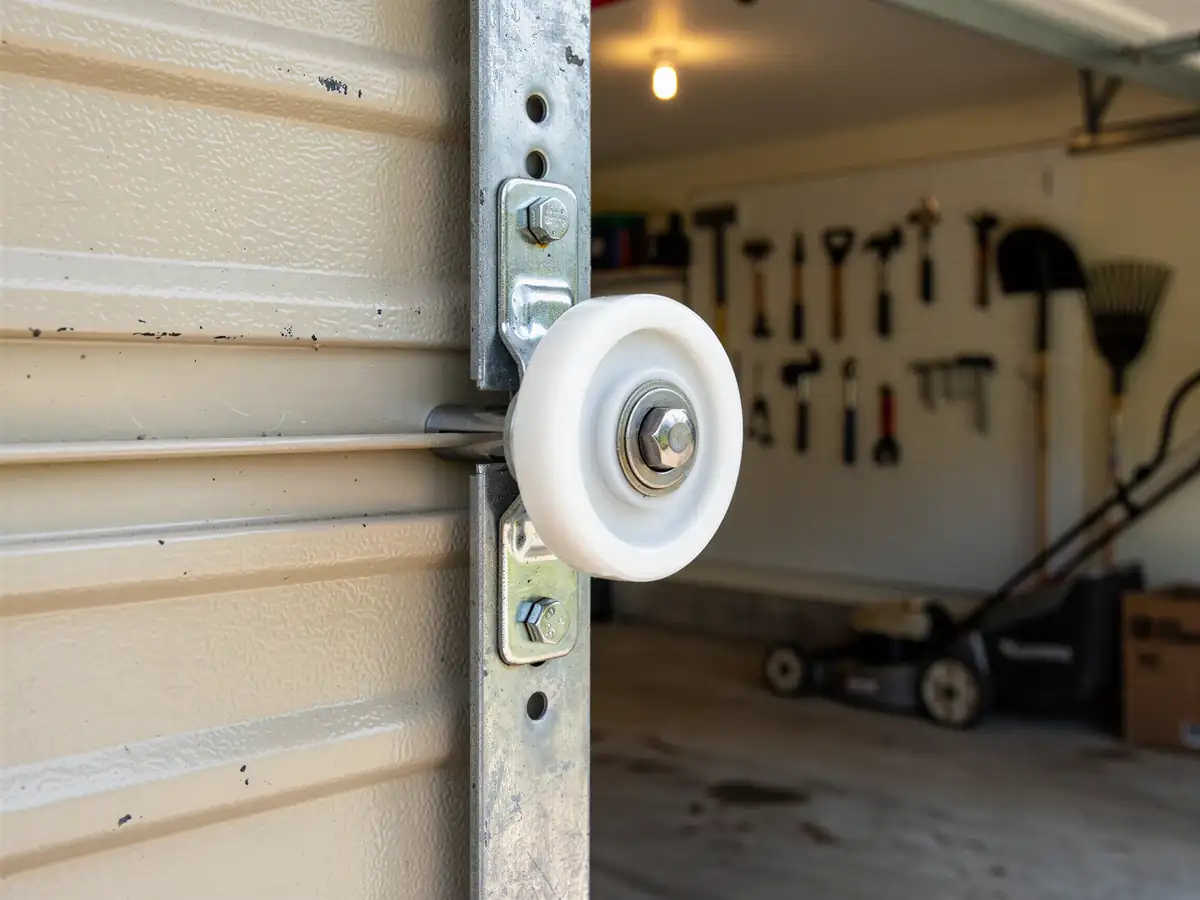
On a house built around 1978, the first thing we check is whether the opener is original. If it is, the chain tension and the drive gear are the likely points of failure, and the logic board behind the light cover tells us the rest. On the door itself, steel sectional panels from this era run a thinner gauge than what's installed today, so a dented or rusted-through bottom panel is common and usually a panel swap rather than a full door replacement. Springs get matched to the door weight and the drum size already on your shaft - we don't swap in a universal spring and hope it holds. If the track is bent from age or a backed-into door, we straighten or replace that section before touching anything else, because a bent track will eat a brand new roller in a season.
Why This Fails Locally
Wilmington's housing clusters around 1978, a window when steel sectional doors were replacing wood doors and electric chain-drive openers were becoming standard rather than an add-on. Both of those technologies are now at the far end of their service life at once, in the same houses, which is why we see opener and spring failures show up together here more than in a neighborhood with a wider mix of build years. Add New England's severe cold winters into that, and the metal fatigue on fifty-year-old torsion hardware accelerates - cold makes steel brittle and lubricant thick, right when a spring is already near the end of its cycle count. That combination is what actually breaks on a January morning, not bad luck.