Booking a Visit
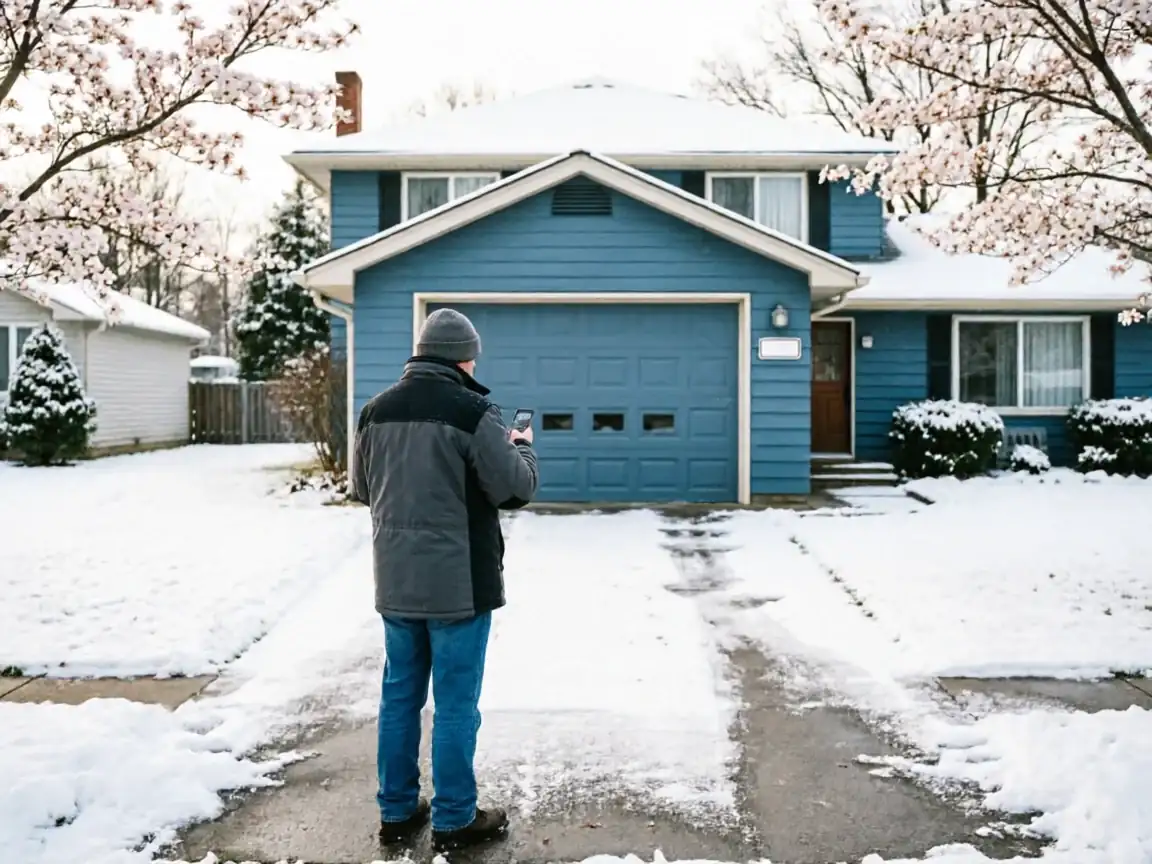
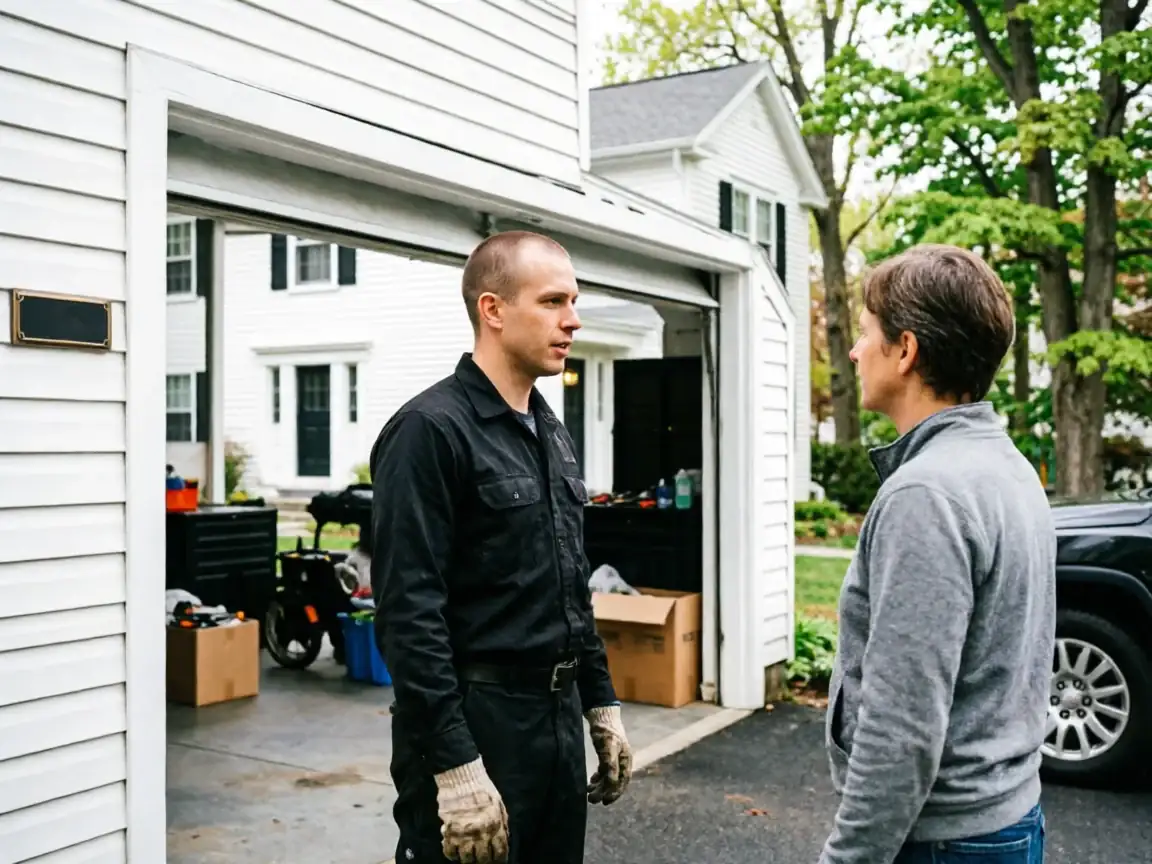
Wilmington sits about 20 miles from our shop in Needham, and we don't have a branch out here - every job starts with a truck making that drive. That means we're not the crew to call if you need someone standing in your driveway in twenty minutes. What we are good for is diagnosing a door correctly the first time, because a wasted trip costs you more than it costs us. If you're not sure whether what you're hearing is a spring, a track, or an opener gear, our repair page for this town walks through the common symptoms before you book. Tell us the age of the house if you know it - for a town where the typical home went up around 1978, that one detail tells us more about what's likely wrong than a description of the noise does.
Doing It Yourself
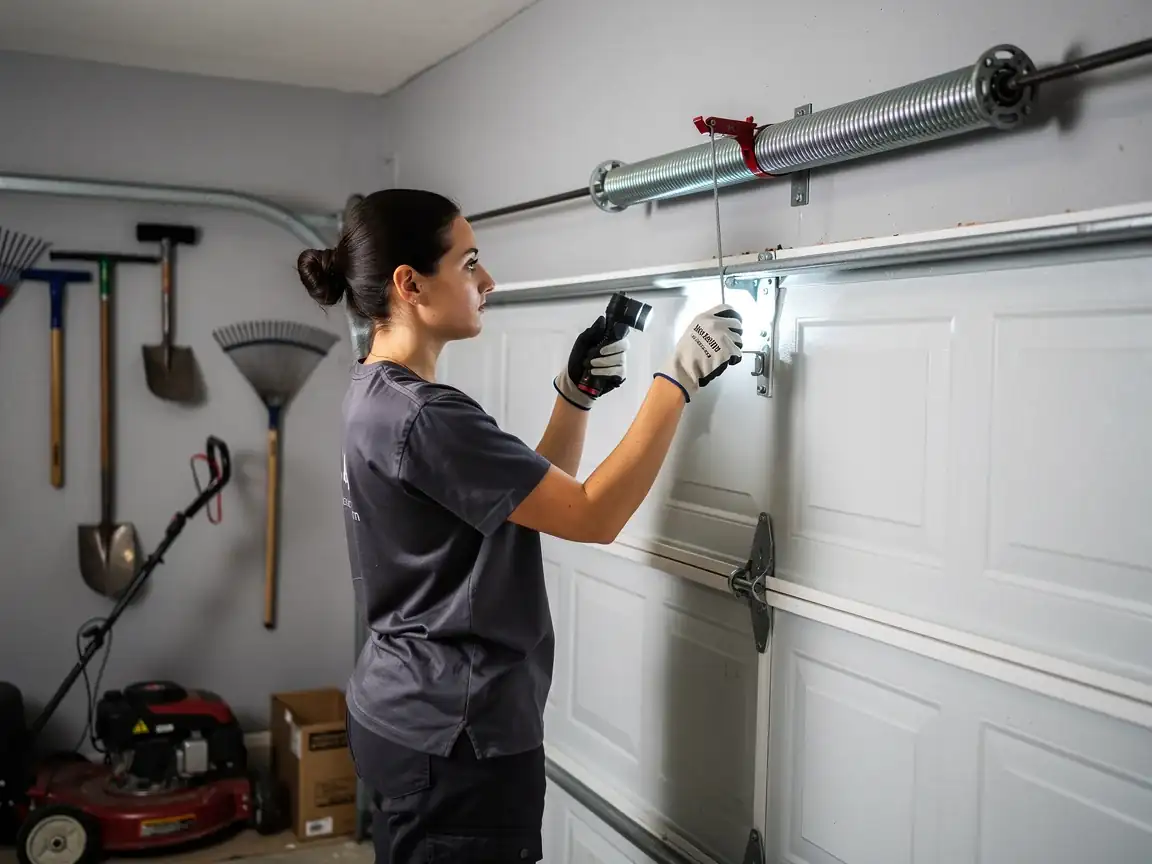
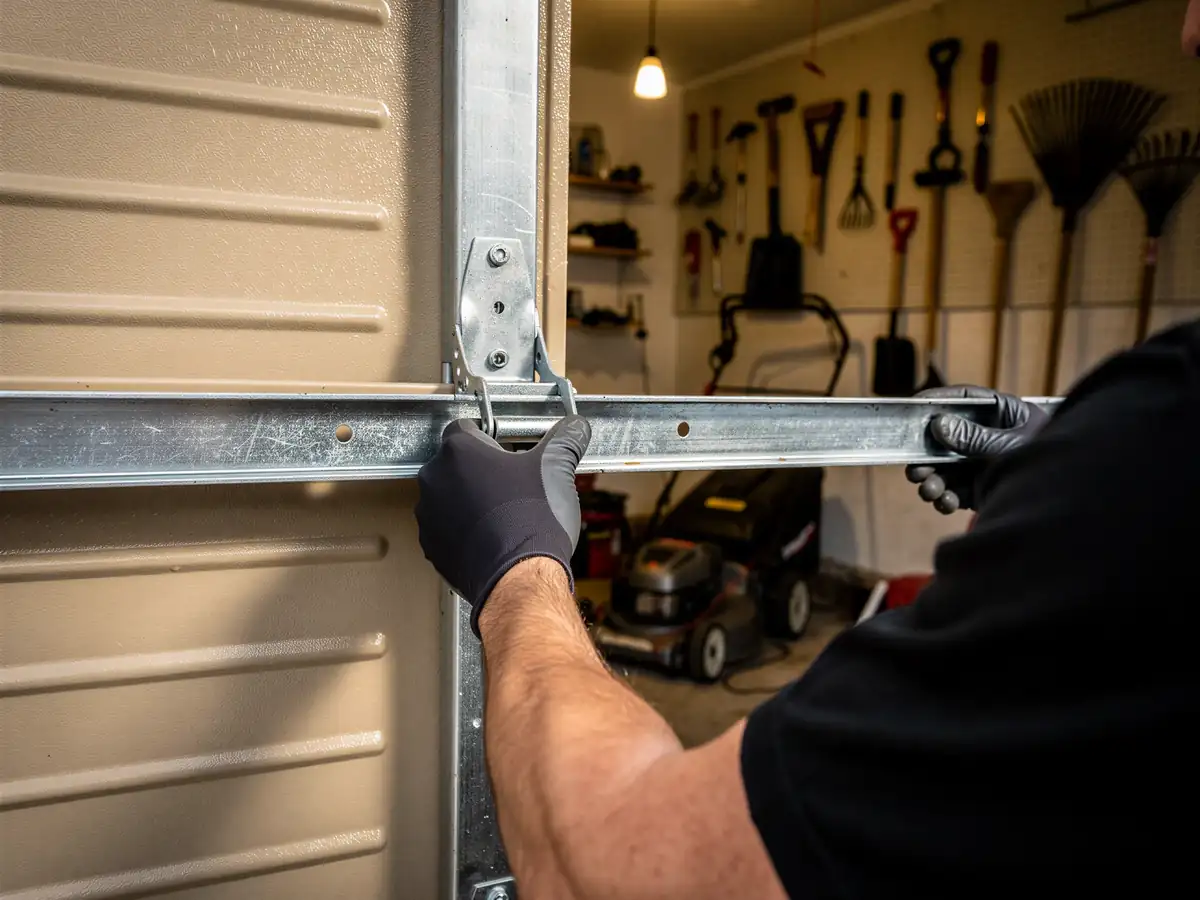
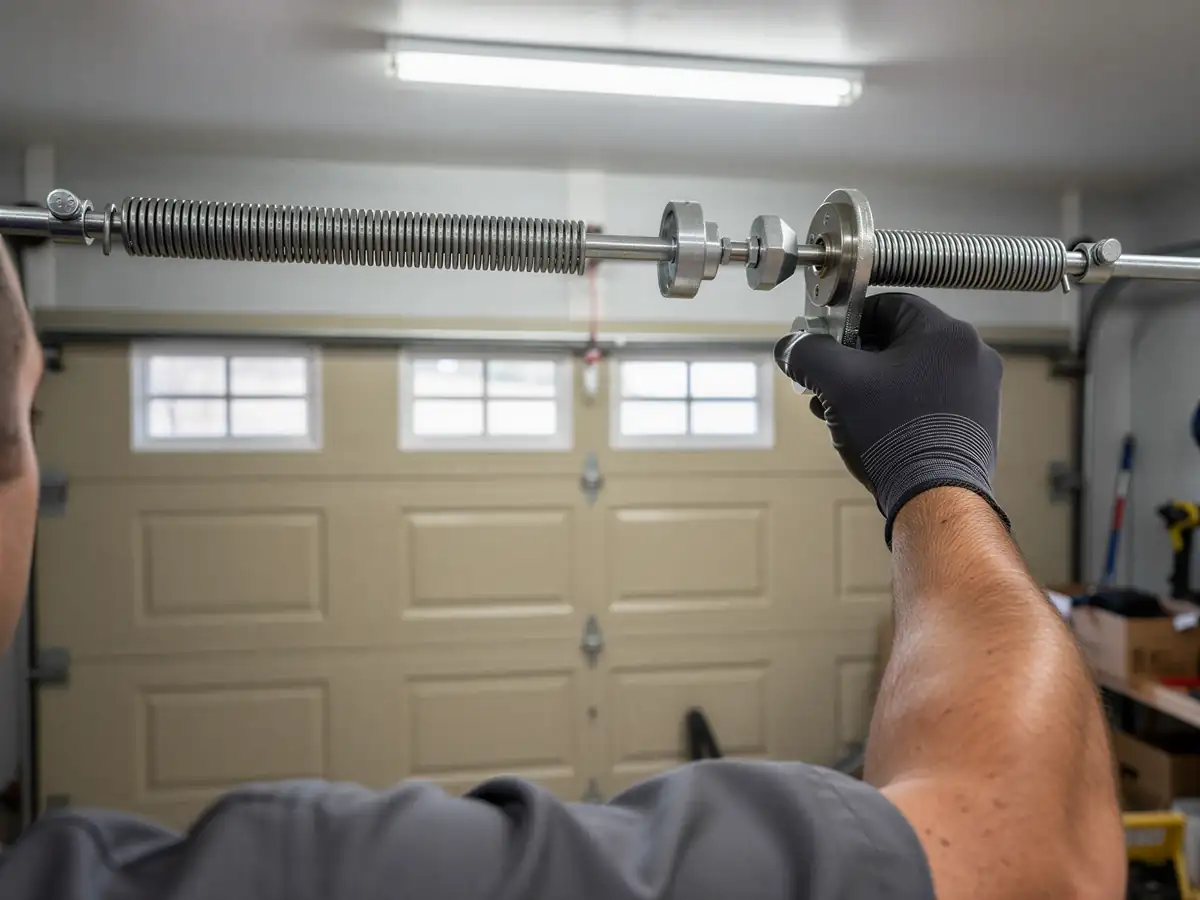
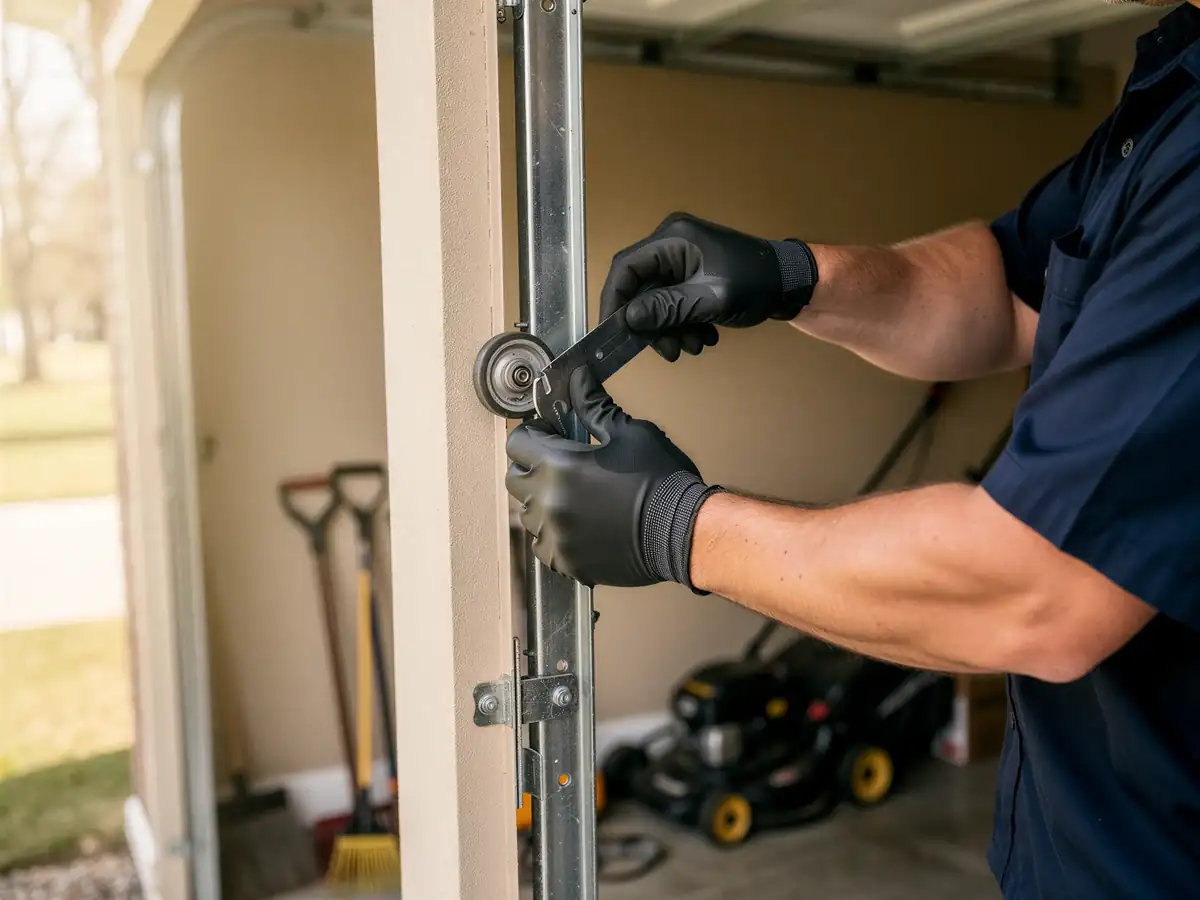
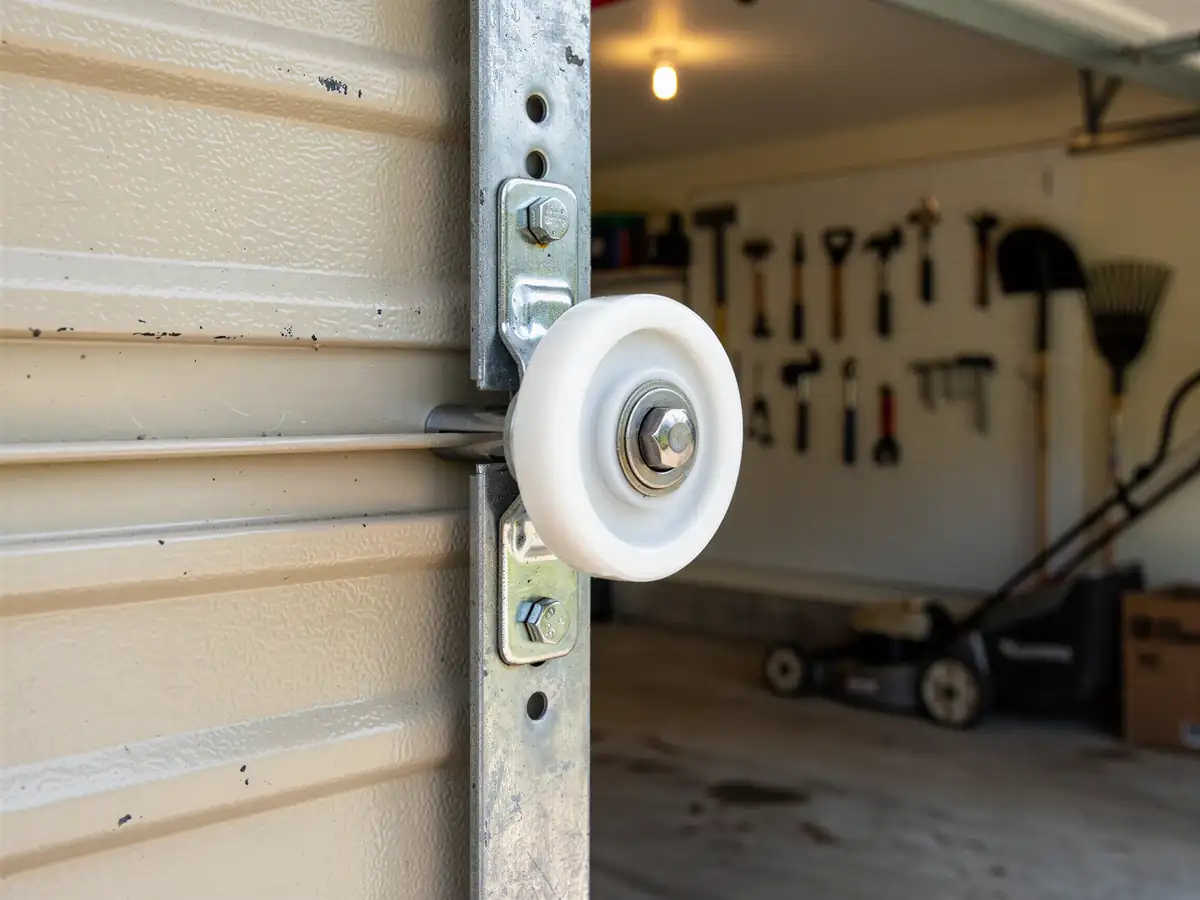
A door installed around 1978 predates a lot of what's standard now - current minimum torsion-spring cycle life, current bottom bracket hardware, current cable attachment points. If your door and opener are original to a house from that era, you're not working on a modern assembly with a YouTube tutorial written for it; you're working on something closer to a restoration. Lubricating hinges and rollers, checking that the photo-eye sensors aren't knocked out of alignment, and tightening visible bolts are reasonable DIY tasks on any door, any year. Pulling a torsion spring, rewinding a cable off a drum, or disassembling a bottom bracket on hardware this old is not - the steel fatigues differently after four and a half decades than it does on something installed last year, and it can let go without warning. We'll say plainly: if you're not already comfortable with a winding bar, this is not the week to learn on a 1978 spring.
How We Fix It
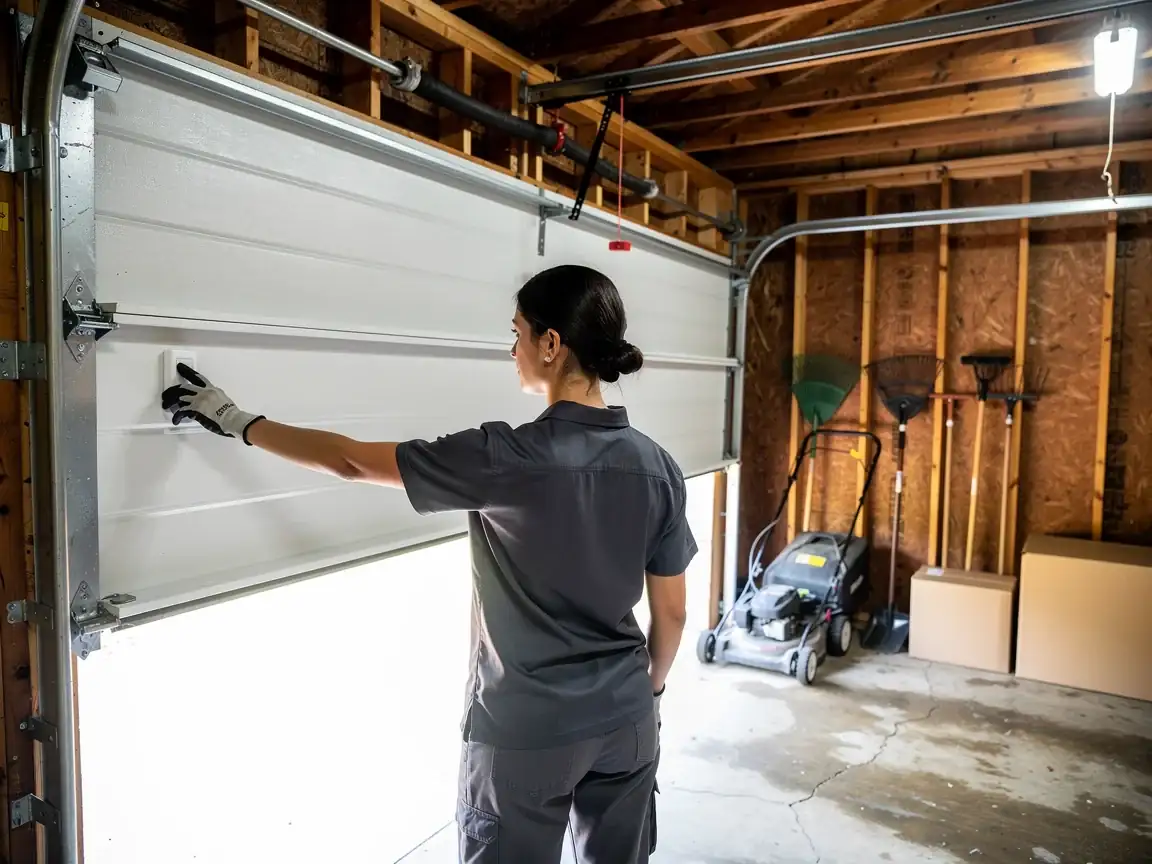
We start by identifying what's actually original to the house versus what's been replaced since. In a town where the housing stock centers on 1978, it's common to find an opener that's been swapped once in forty-plus years but a torsion spring, drum, and cable set that never has. We test the spring's balance, check the drums and cable for fraying specific to age rather than use, and look at the track for the kind of wear that comes from decades of the same rollers running the same path. If the door is a single steel panel from that era rather than a sectional, we'll say so, because reinforcement options are limited on that style and replacement is usually the honest answer. We replace what's actually failed, not what's merely old, but on hardware this age the two often turn out to be the same thing.
Why This Fails Locally
Of the roughly 7,871 households in Wilmington, a meaningful share are still running the door and spring set that came with the house when it went up in the late 1970s. That's a decade newer than the 1968 median across the rest of the service area, which sounds like a small difference but means a different generation of hardware - different spring-winding standards, different bottom bracket designs, different expectations for how long a cable should last before it frays. A spring rated for the loads and cycle counts assumed in 1978 is well past any reasonable service life today, original or not. Combine that with a severe cold climate that puts steel through repeated contraction and expansion every winter, and the failure point is rarely the opener people suspect first - it's the spring or cable that's been quietly aging since before most of the current owners bought the house.