Booking a Visit
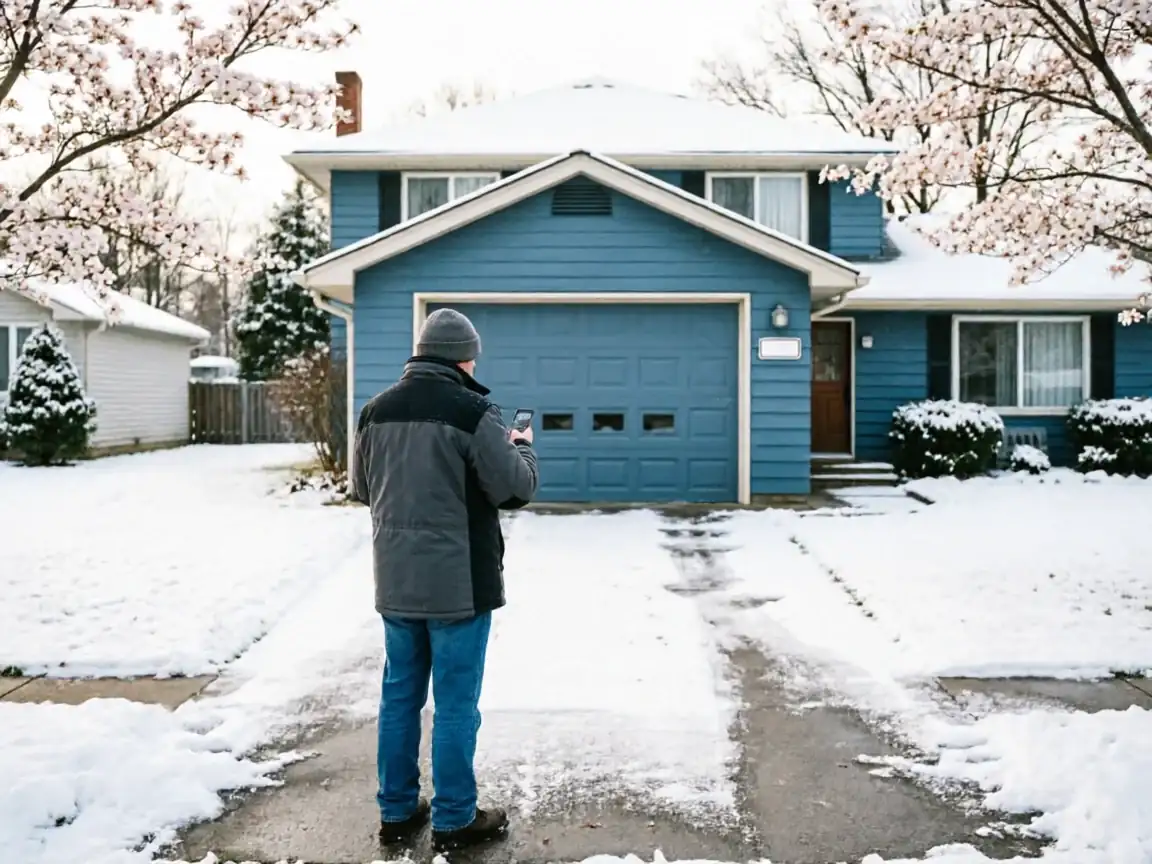
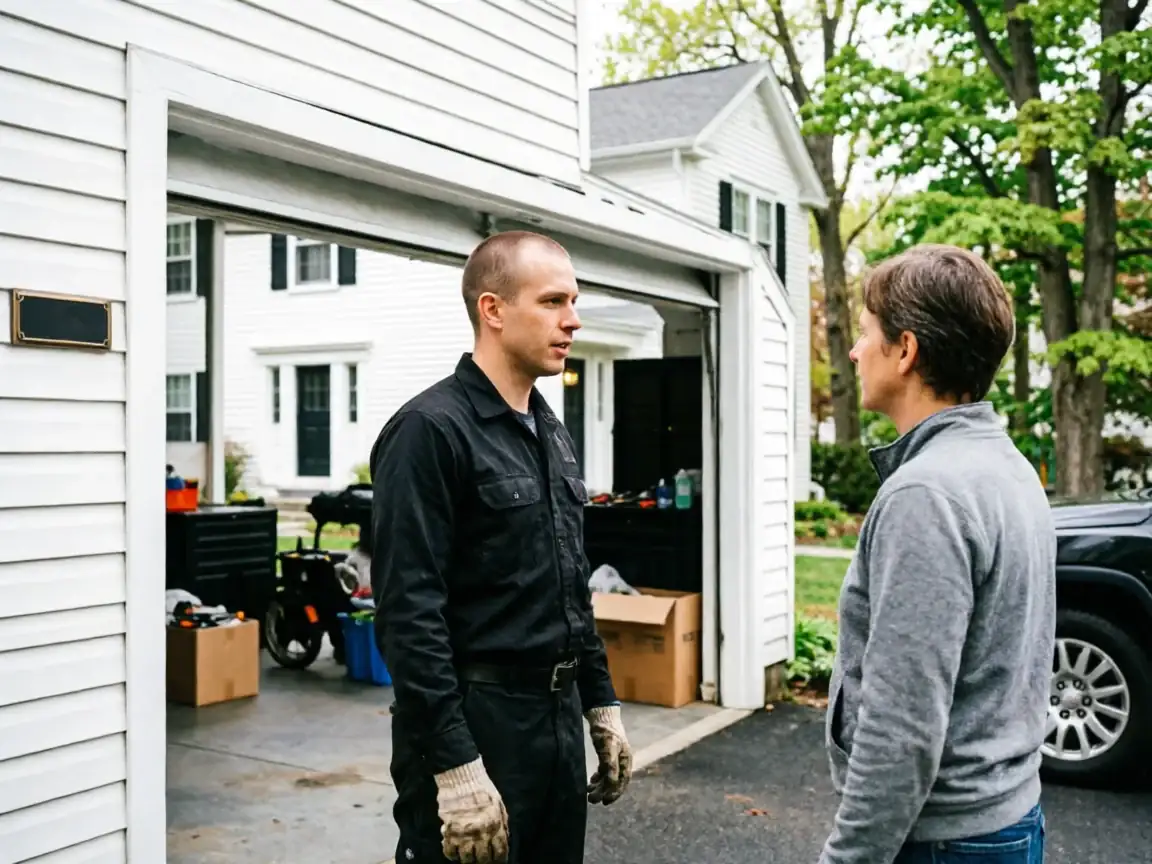
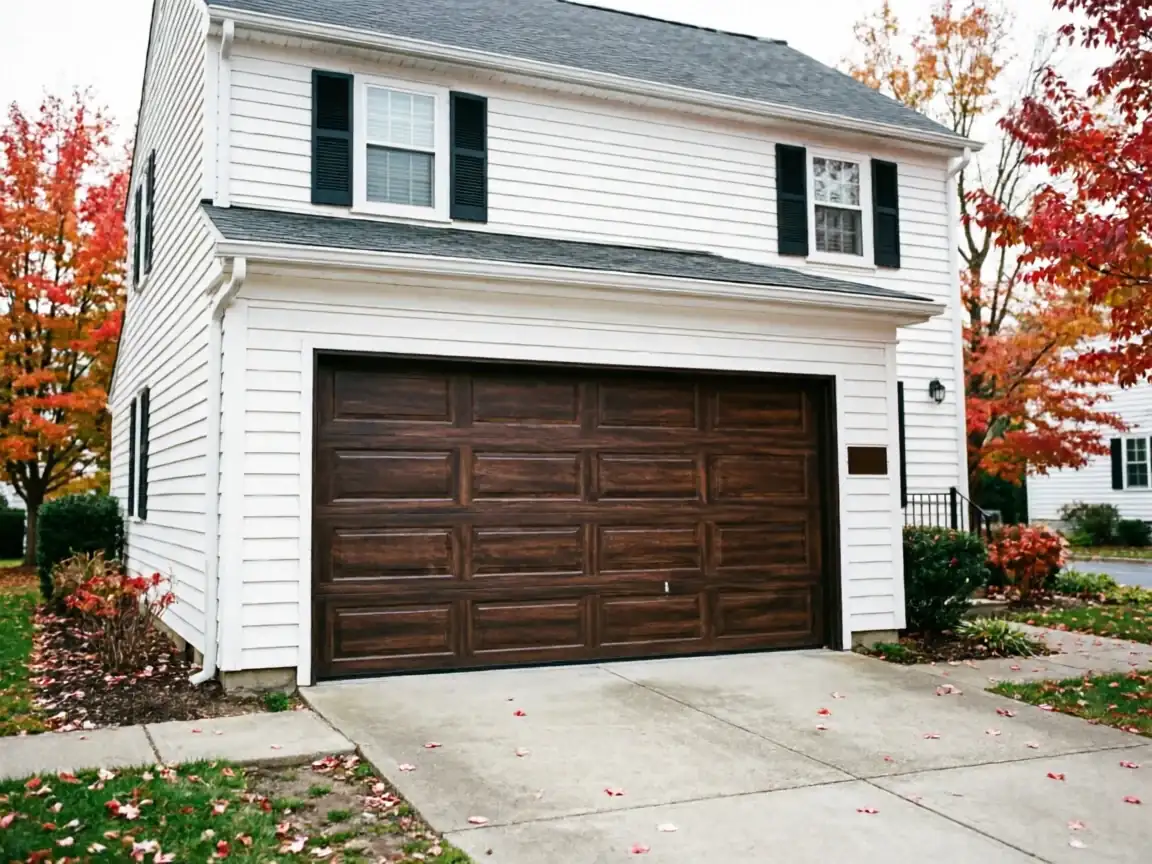
We work out of Needham, about 20 miles south, and we come up to Wilmington for spring jobs on a scheduled basis rather than as a walk-in stop. Tell us the door's age and whether it's one spring or two across the opening - most Wilmington garages built in the late 1970s run a single door with two torsion springs on a center bracket, and knowing that before the truck leaves saves a second trip for the right part. We don't carry every spring size on every run, so a quick phone description of the door (width, approximate age, whether it's already sagging on one side) helps us load the right stock. For general repair work beyond springs, see our Wilmington garage door repair page; this page is about the spring job specifically.
Doing It Yourself
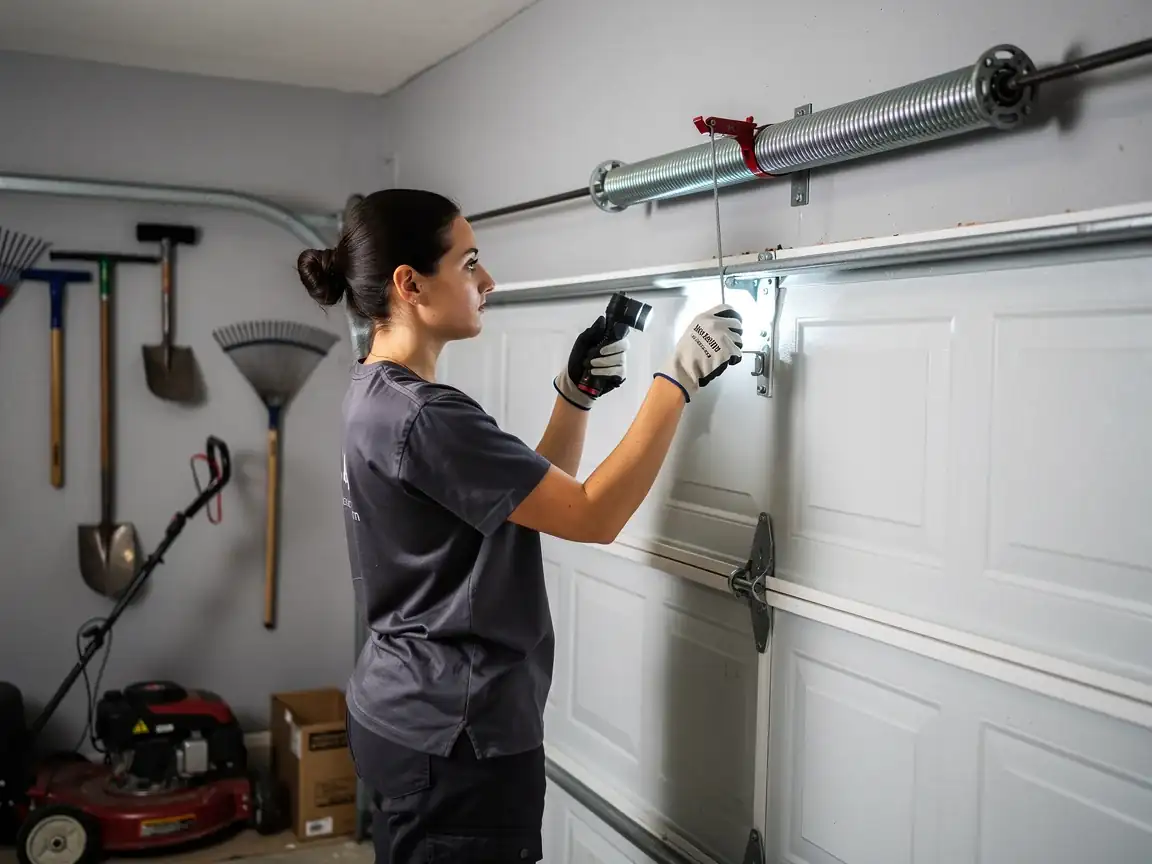
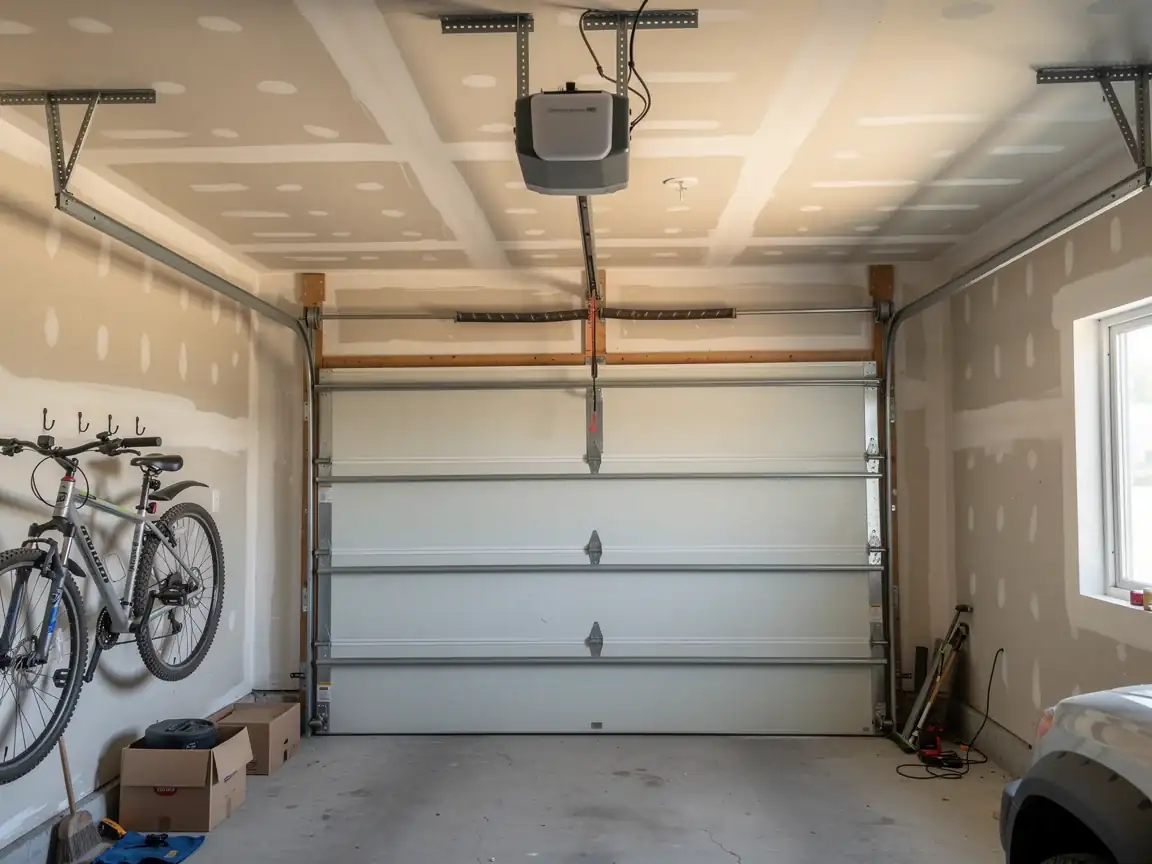
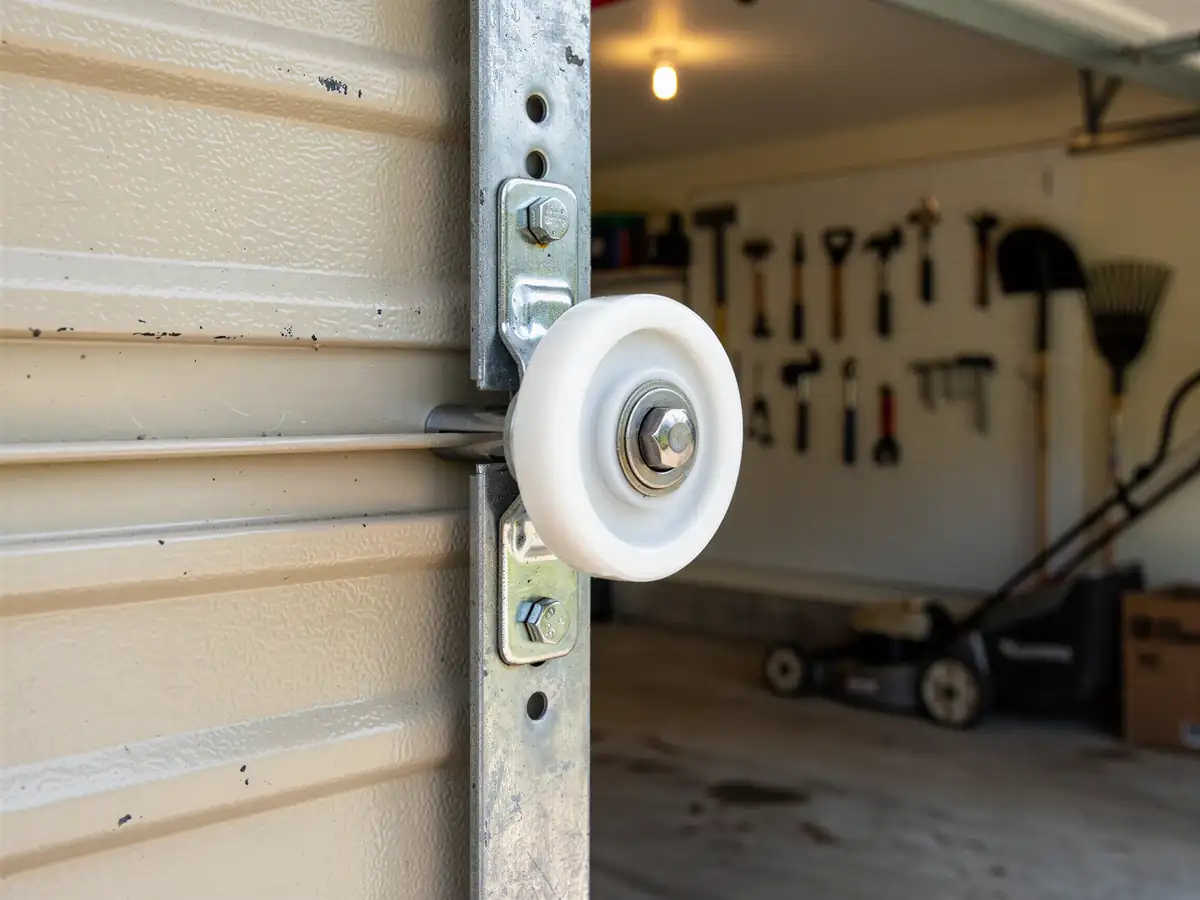
A torsion spring holds enough stored tension to break a bone or worse if the winding bar slips, and that doesn't change by town. What does change here is what you're likely working with: Wilmington's housing runs newer than much of the rest of the area we cover, with a median build year around 1978, so you're more often dealing with a single torsion spring setup on a standard steel door rather than the older hardware found on homes built before 1960. That's still not a DIY job. Extension springs mounted along the horizontal tracks are a little more forgiving to inspect - you can usually see a cracked coil without touching anything - but replacing one still means working with the door in the open position and a loaded cable. If you're comfortable doing anything on this list, it's lubricating hinges and rollers and checking the cable condition visually. Leave the winding bar and the spring itself alone.
How We Fix It
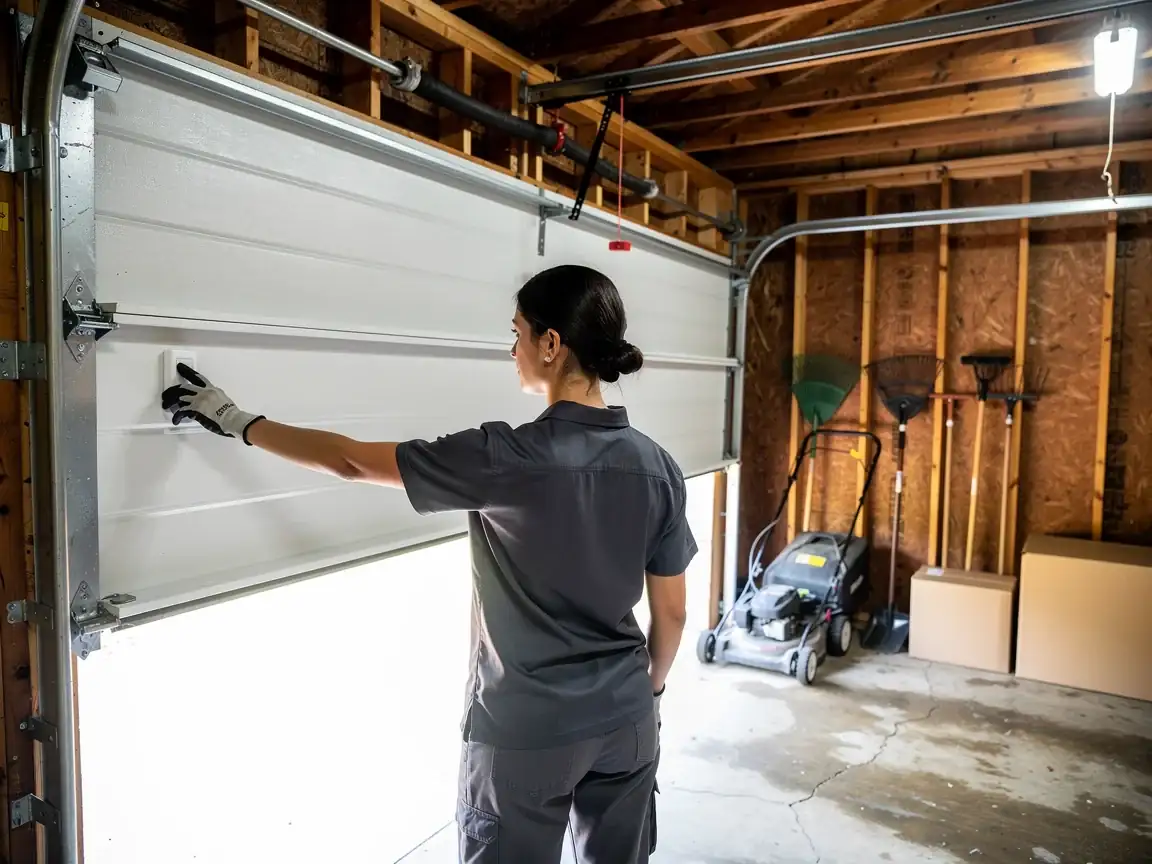
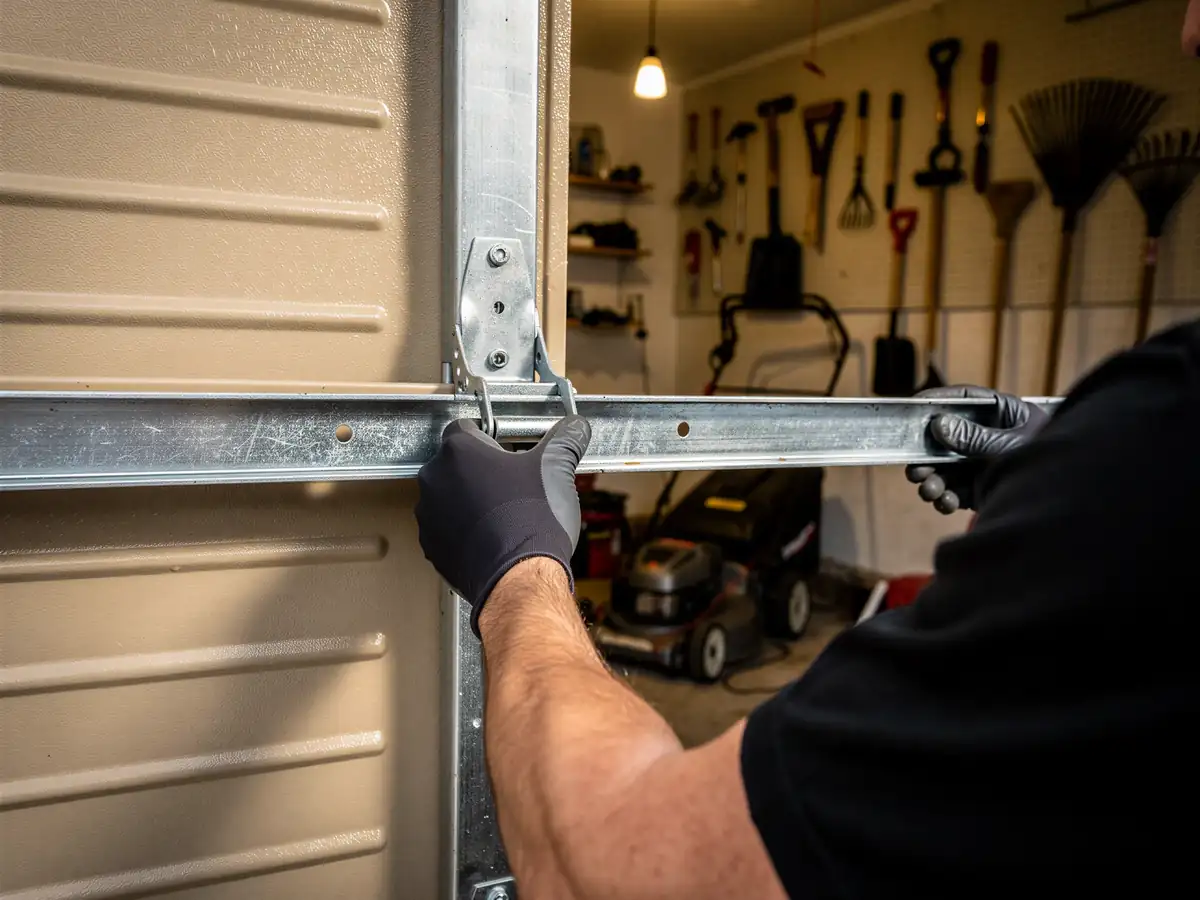
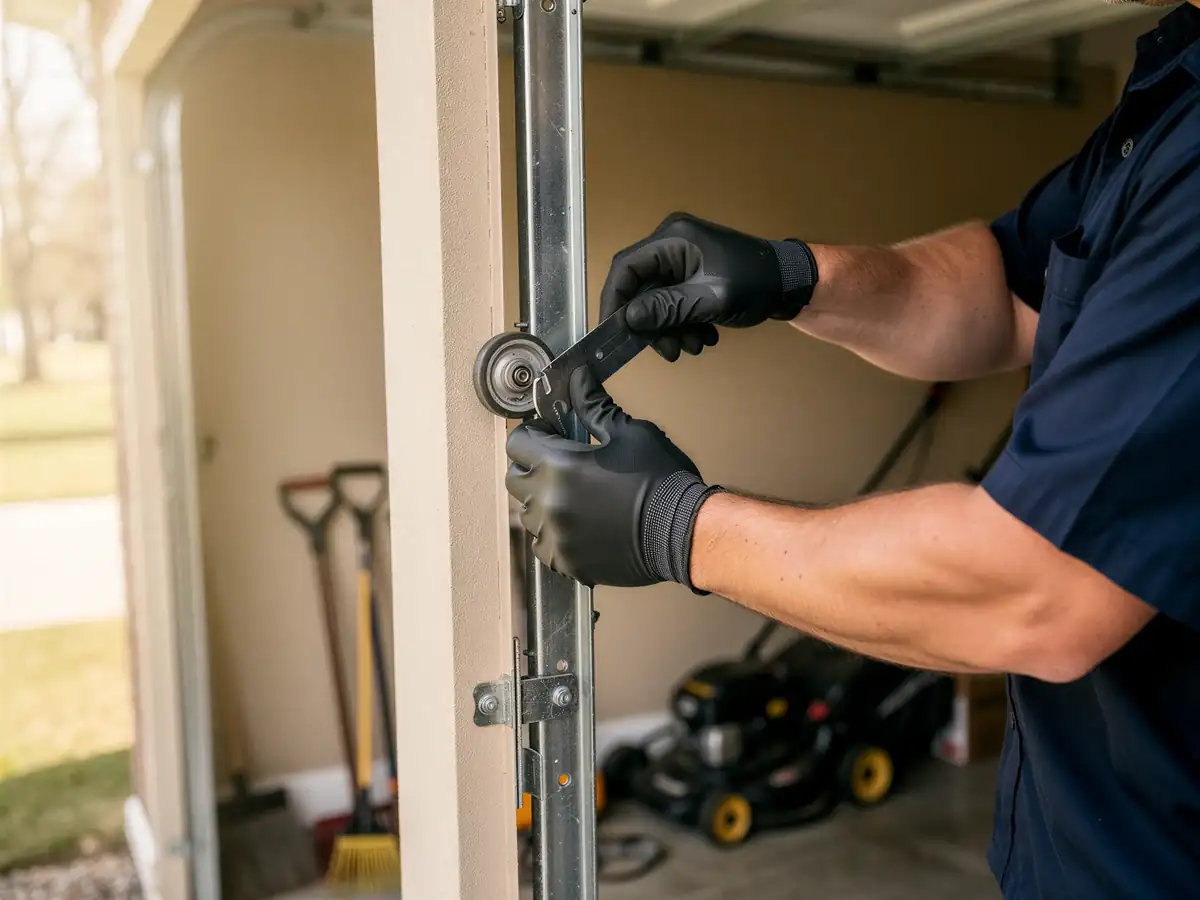
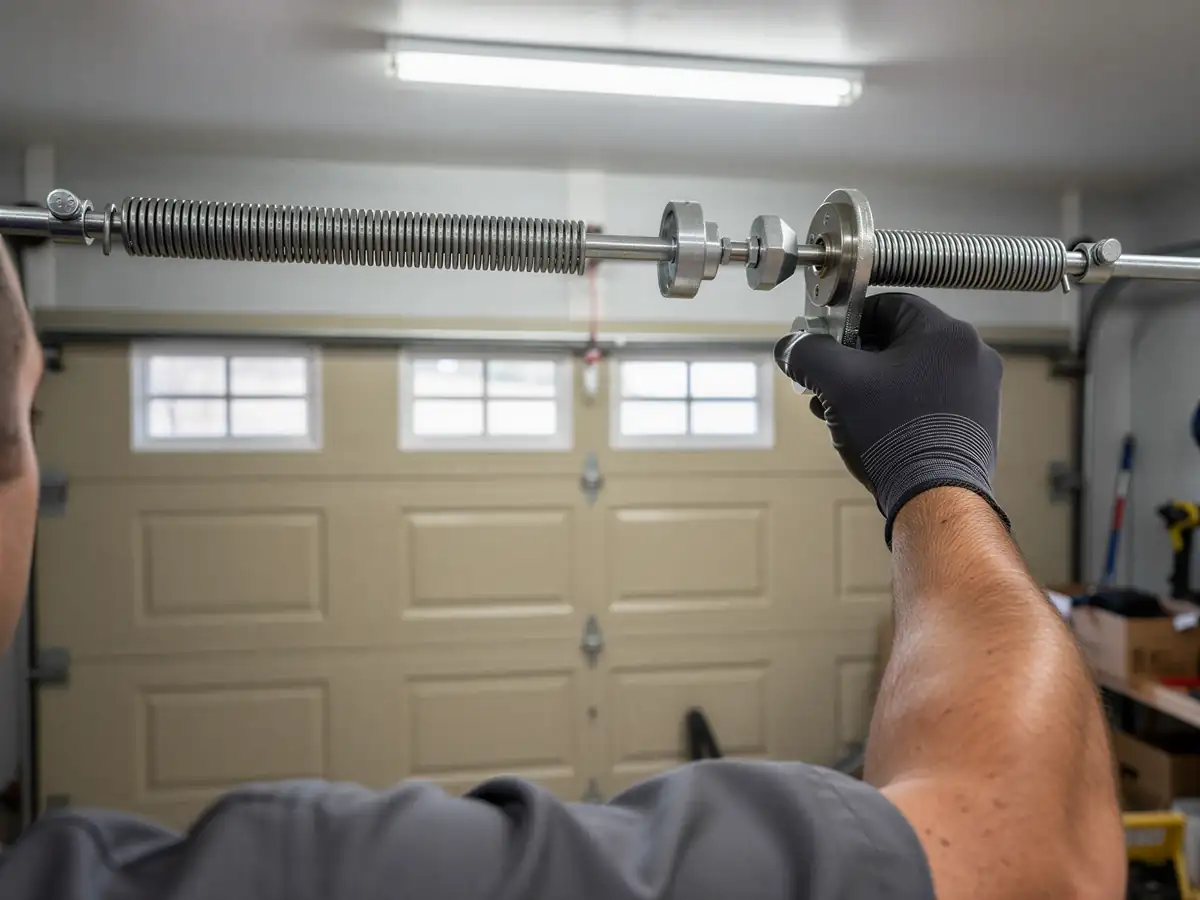
We start by checking which spring type is on the door - torsion above the opening or extension along the tracks - then measure wire gauge, coil diameter, and length rather than guessing by eye. On a double torsion spring setup, standard practice is to replace both springs together even if only one broke, since the second is usually close behind on cycle life. We check the center bearing plate and cable drums at the same time, because a worn bearing will chew through a new spring faster than it should. Once the new spring is wound to the correct number of turns for your door weight, we run the door through a full open-close cycle and check that it balances - stops roughly where you leave it, not sliding shut or flying open on its own.
Why This Fails Locally
Wilmington's housing stock centers on a median build year of 1978, a decade newer than the 1968 median across the wider Needham service area, and that gap matters for spring failure patterns. Doors from this era were mostly built to a standard torsion spring spec sized for the lighter steel doors common at the time; decades of cycling, plus the stiffening that cold steel undergoes in a severe New England winter, wear those springs down on a fairly predictable timeline. With roughly 7,871 households in Wilmington, you've got a lot of garages that hit that same wear point around the same calendar age, which is part of why we see clusters of spring calls from similar-vintage neighborhoods rather than one-off failures. Median household income here runs $161,473, a bit above the $154,011 median across the broader service area, and we find that's part of why more owners here choose to replace both springs on a double door at once rather than patch one side and wait for the second to go.