Booking a Visit
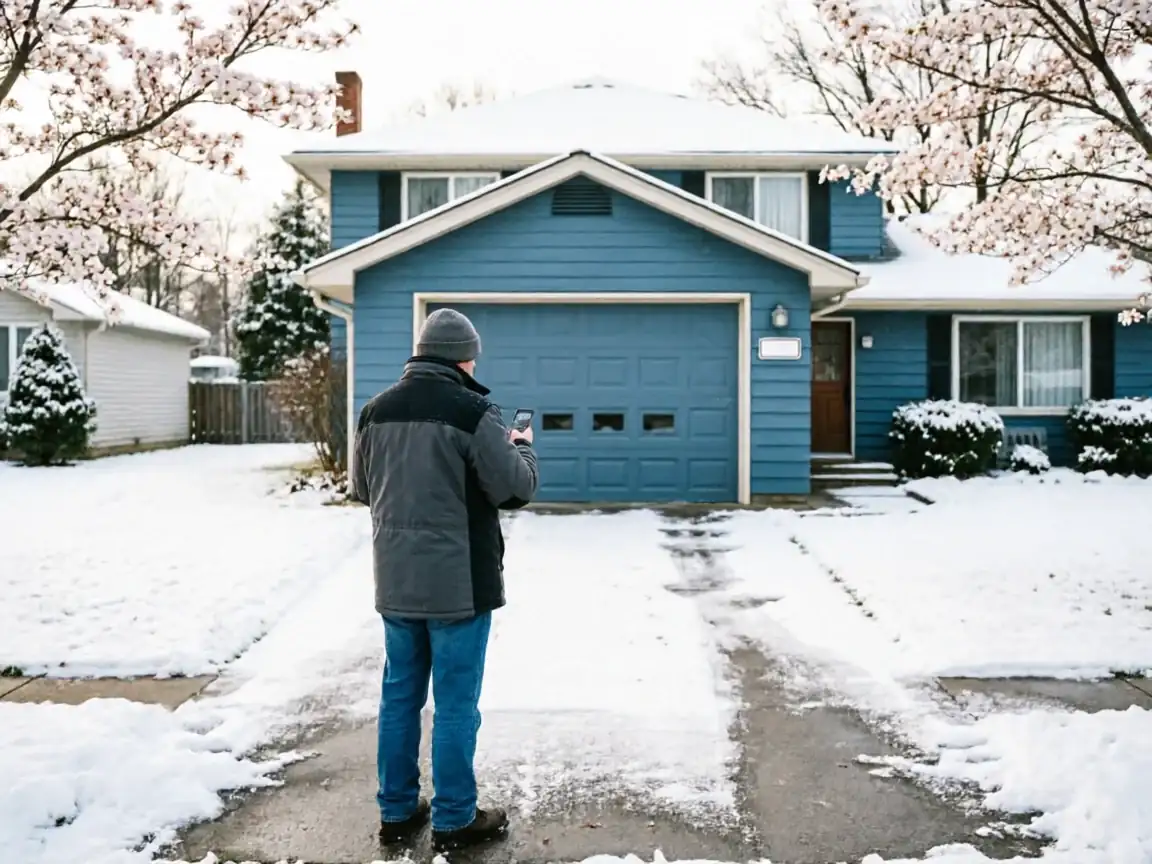
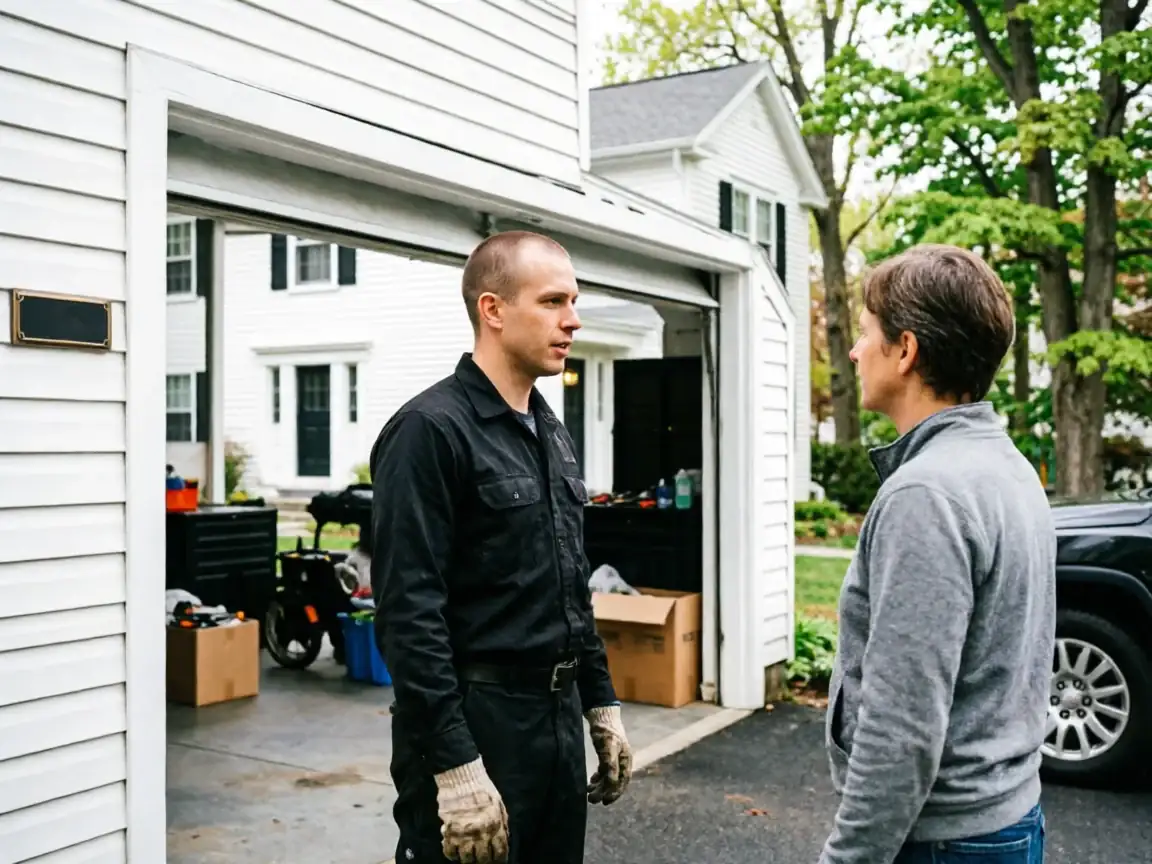
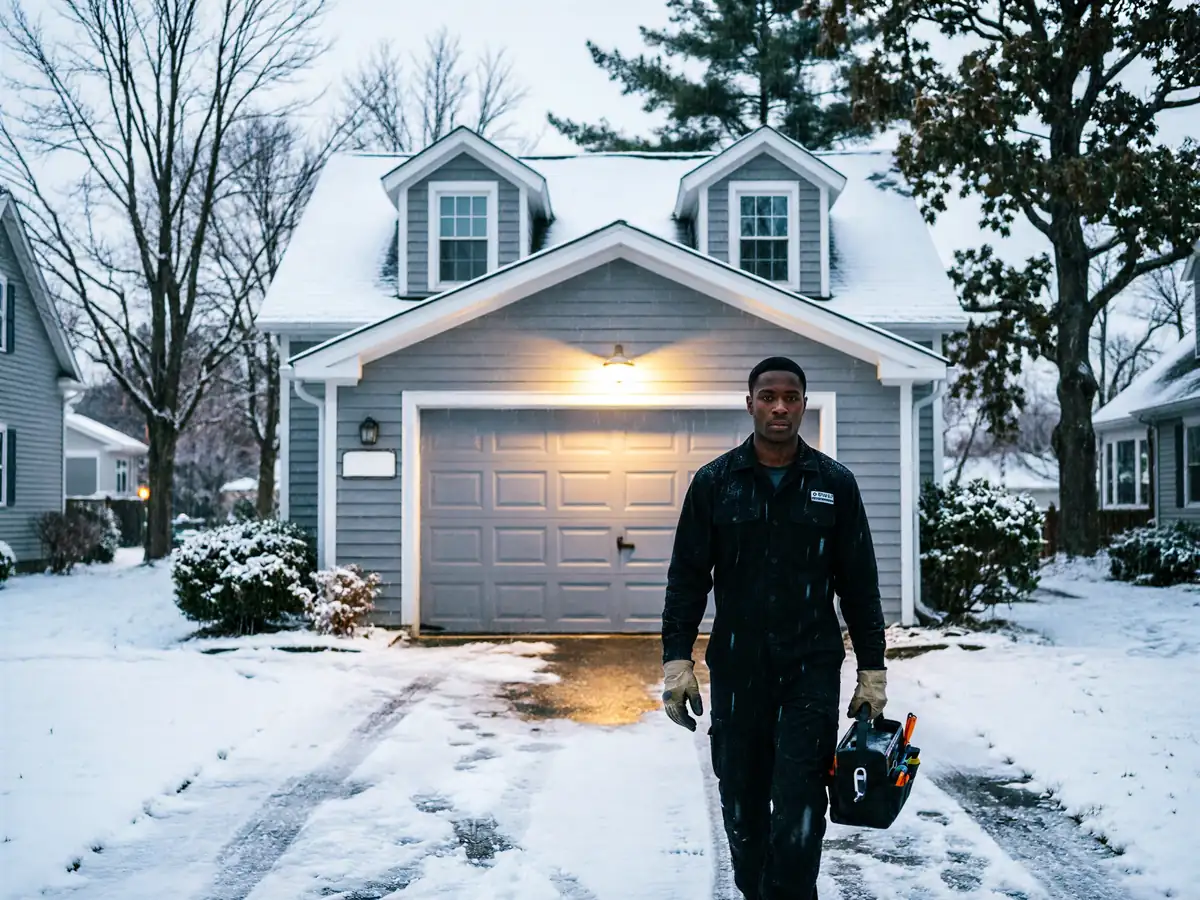
We run this job out of Needham, about 20 miles south, so there's no local branch or truck parked around the corner in Wilmington. That means we schedule roller jobs in advance rather than promising a same-day fix - if your door is grinding or hopping off track right now, call and we'll tell you honestly where you fall in the queue. What we won't do is quote you a response time we can't back up from that distance. Most roller jobs here get booked a few days out, which is plenty of lead time if the door still opens and closes, even roughly. If it's jammed shut or the track has pulled away from the frame, say so when you call - that changes the order of the day. We bring roller stock for the common housing era in this part of the service area, since that's what we see most often once we're on site. You can also start from our Wilmington repair page if roller wear turns out to be one of several things going on with the door.
Doing It Yourself
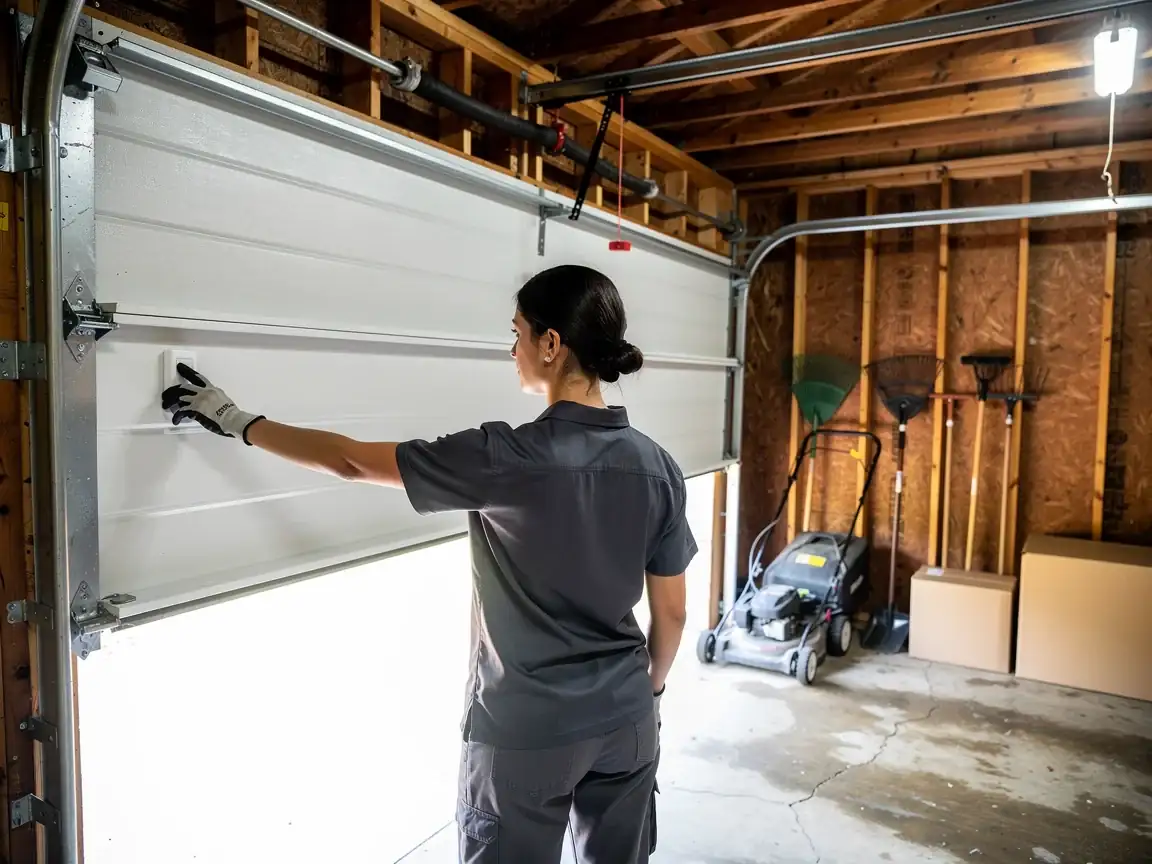
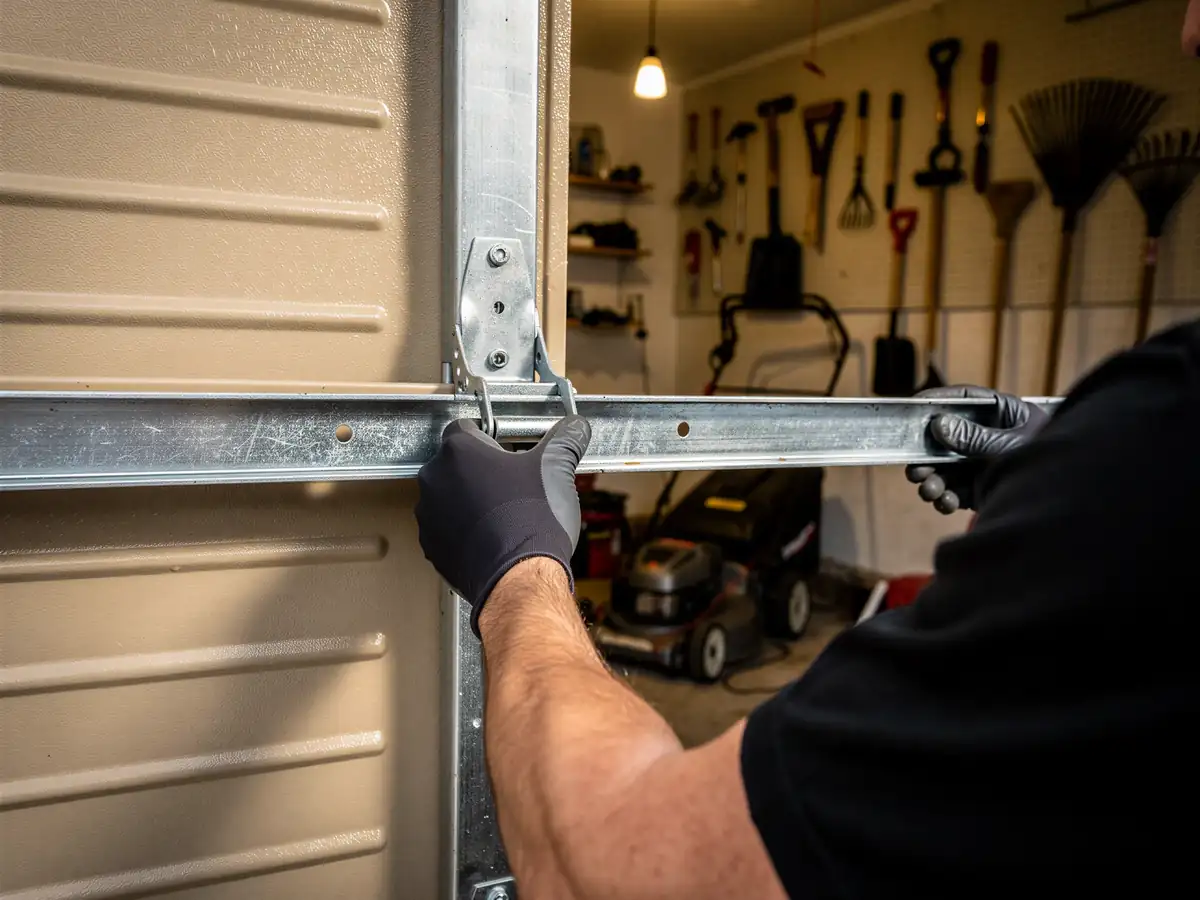
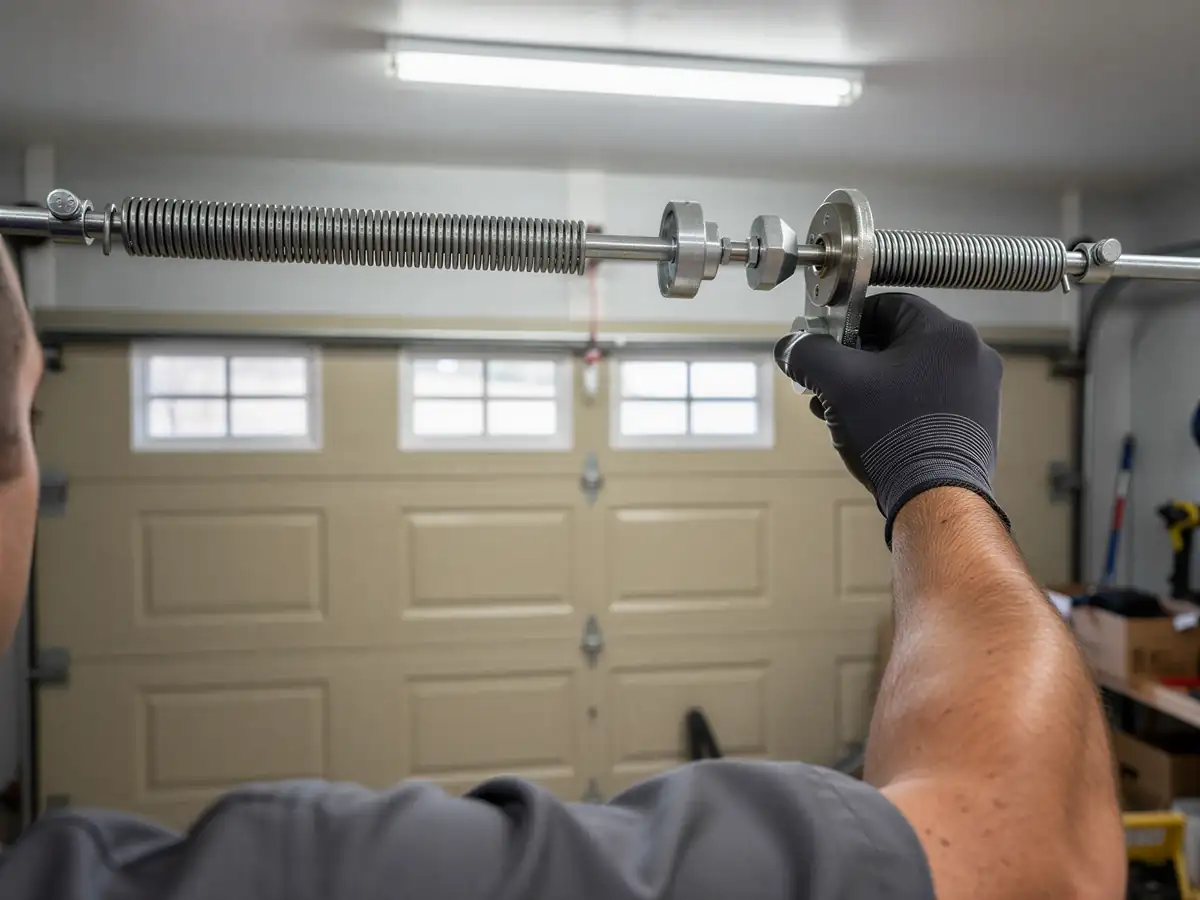
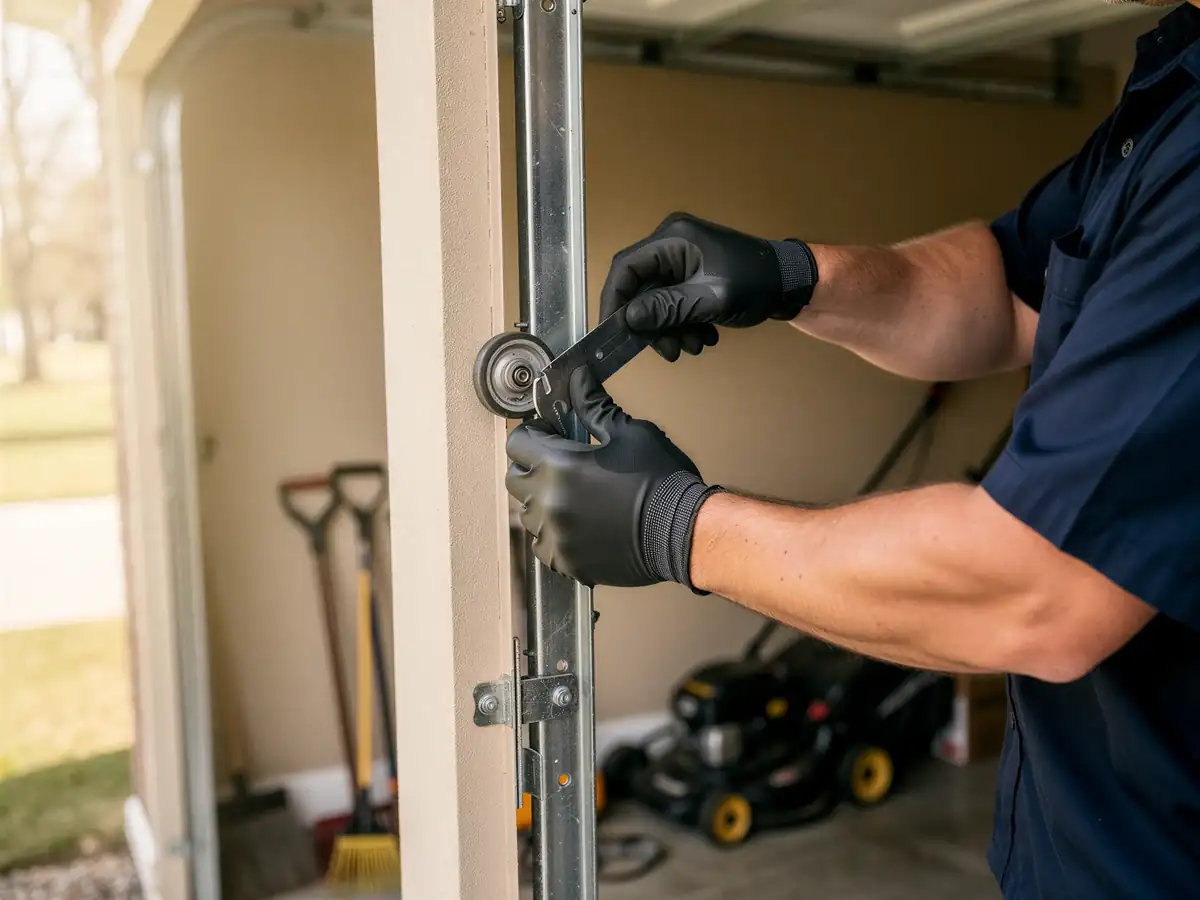
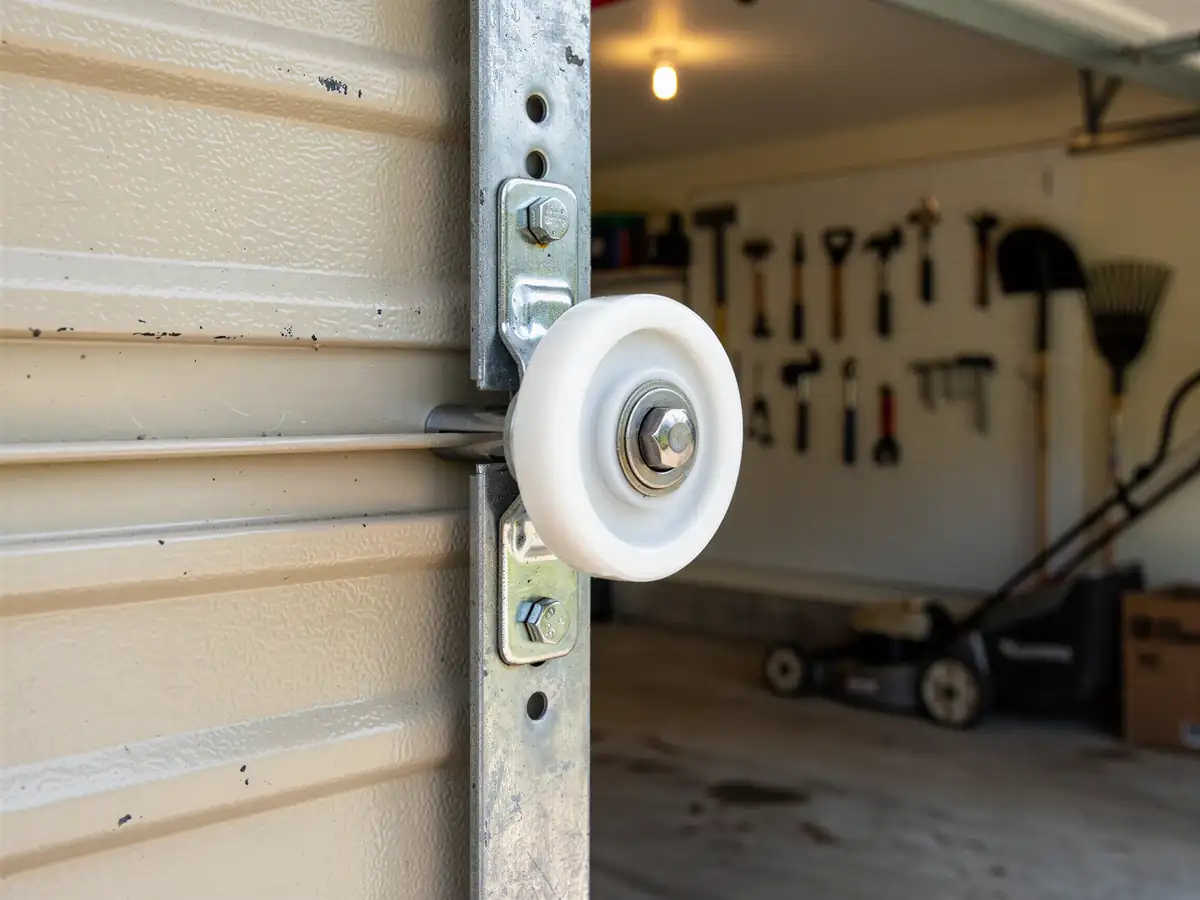
Rollers are one of the more DIY-friendly parts on a garage door, which is also why we see a lot of half-finished jobs. The honest limitation: swapping rollers on a door with a broken or weak spring is dangerous, because the panel can slam once it's off its track guide, and the spring is under load you can't see. If your springs are sound, a nylon roller swap is within reach for someone comfortable with a ladder and a socket set - you pull one roller at a time, never more, so the panel stays supported in the track. Steel rollers are a different story. On older track, steel rollers often mean the track itself has worn to match that hardware, and swapping only the roller without checking the track rails can leave you with the same grinding noise a week later. If you're not sure whether what you're hearing is a roller, a bent track, or a bad hinge, that's worth a second set of eyes before you buy parts.
How We Fix It
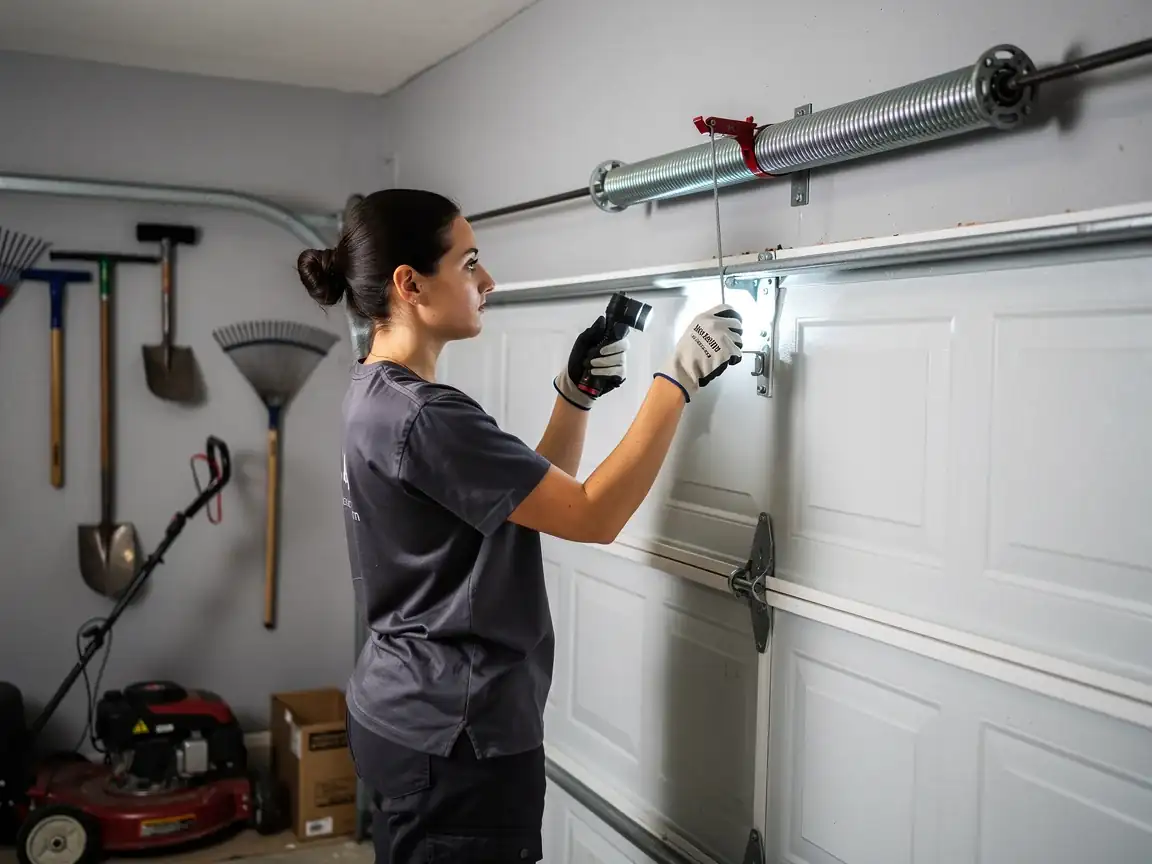
The service area sits in a cold climate band with real seasonal swings, and that matters for roller material. Steel rollers get brittle and noisy in sustained cold, especially on track that's seen 40-plus winters of condensation and thaw cycles. On a Wilmington door, we're usually pulling steel rollers off bent or worn stems, checking the track gauge against the roller size, and installing nylon rollers with sealed bearings where the opener and spring can handle the slightly different weight distribution. We check the track brackets at the same time - a worn roller on loose track brackets will just chew through a fresh roller in a season or two. If the vertical track has rust pitting from years of steel-on-steel contact, we'll flag it rather than bolt new rollers into a track that's already compromised. Every roller comes out one at a time with the door supported, never all four at once, so the panel doesn't drop while we're working.
Why This Fails Locally
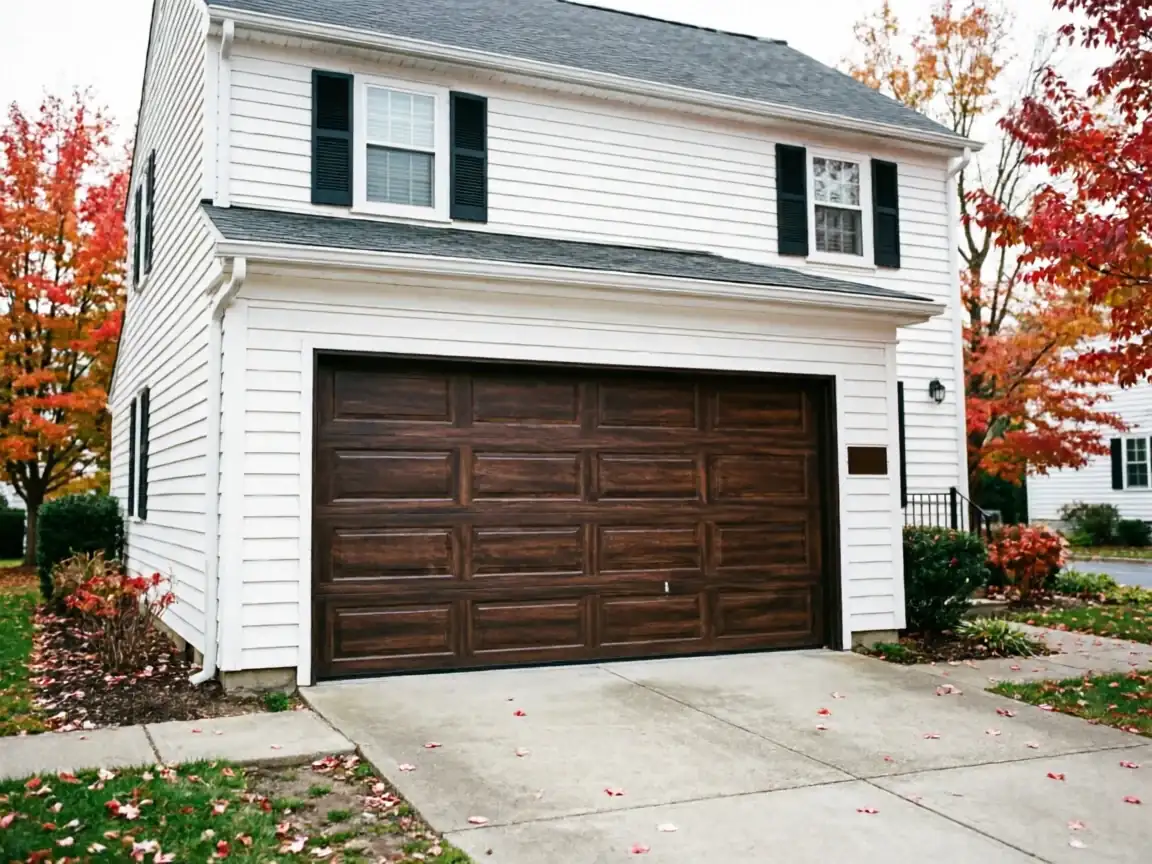
Wilmington's housing stock averages a 1978 build year - a decade newer than the 1968 median across the wider Needham-based service area, which means a different generation of original hardware. Garages built in the late 1970s mostly shipped with steel rollers on narrower track than what you'd find on a 1960s build, and that steel hasn't aged well against New England winters. The COLD-severe climate band this area sits in means repeated freeze-thaw cycling at the track rail, which pits steel and roughens the surface the roller rides on. Once that pitting starts, a new roller on old track still grinds, because the problem moved from the roller to the rail. With just under 7,900 households in town, Wilmington's garage stock is smaller than some of the larger suburbs we cover, but the fault pattern is consistent: steel rollers from the late-70s build era meeting track that's never been resurfaced. That combination is why a roller-only fix sometimes needs a track check in the same visit, not as an upsell but because one wears the other.