Booking a Visit
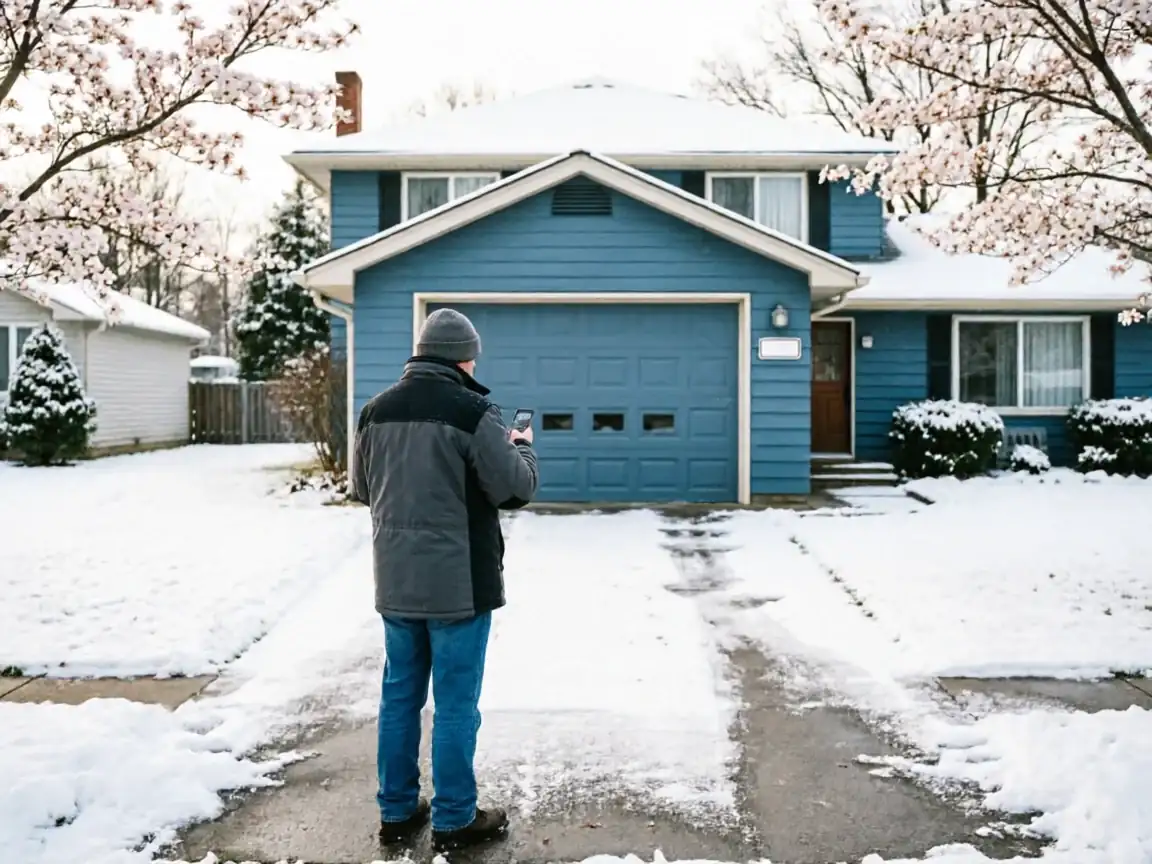
Wilmington is about 20 miles from our shop in Needham, farther than most of the towns we work in day to day. That distance doesn't change what we can fix, but it does change how we schedule. We batch Wilmington calls with other jobs out that way rather than promising a same-day window, because we're not running a crew out of Wilmington itself - every truck starts in Needham.
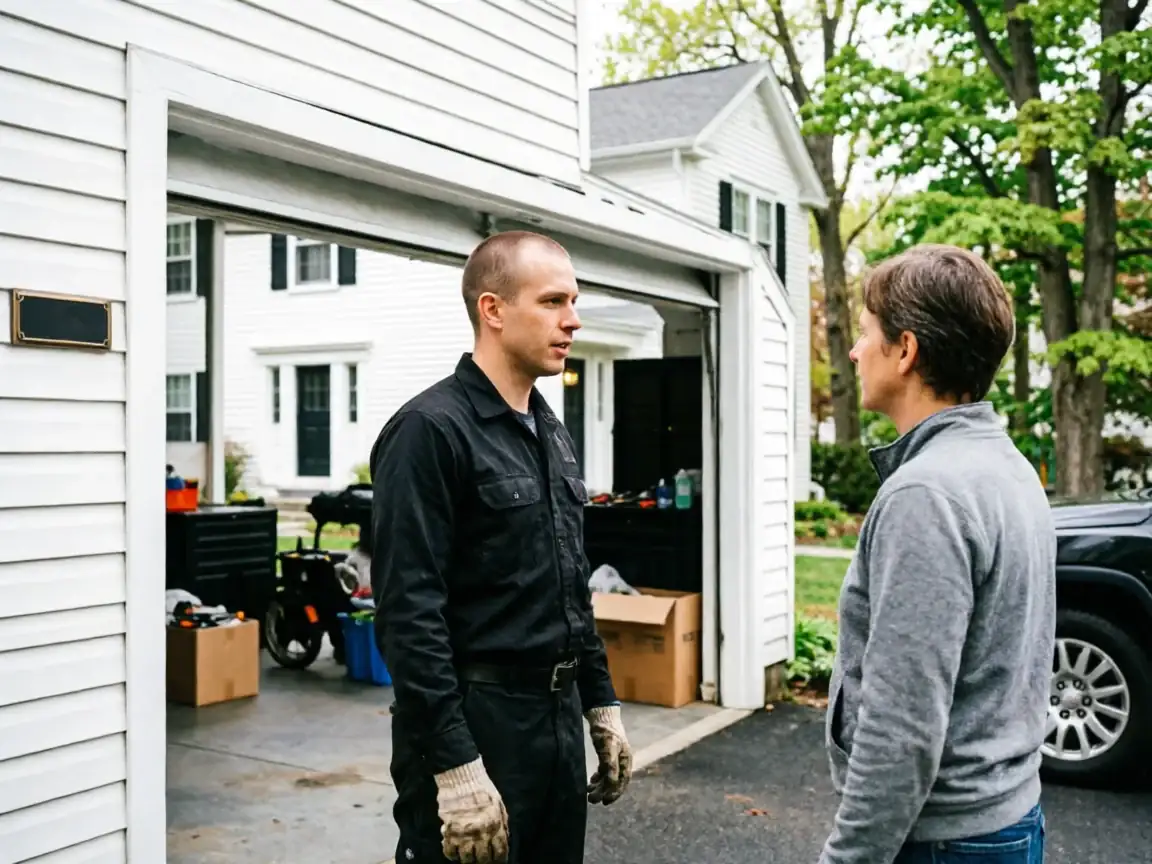
If you need work done on a broken spring or an opener that's quit, say so when you call. We'll ask about the age of the door and the house, since a lot of what's wrong in Wilmington traces back to hardware that's been in place since the place was built. For anyone comparing what we do across the wider area, the Needham page covers the full list of services we run from the shop.
Doing It Yourself
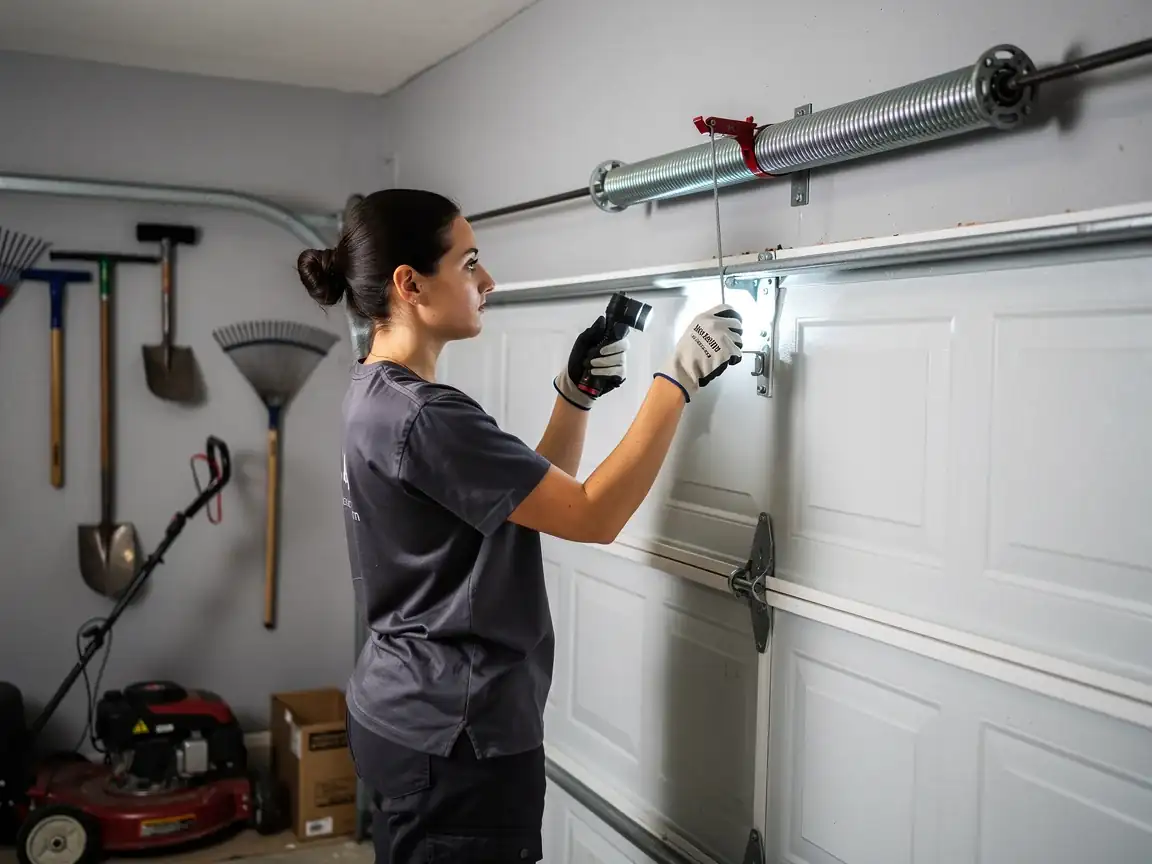
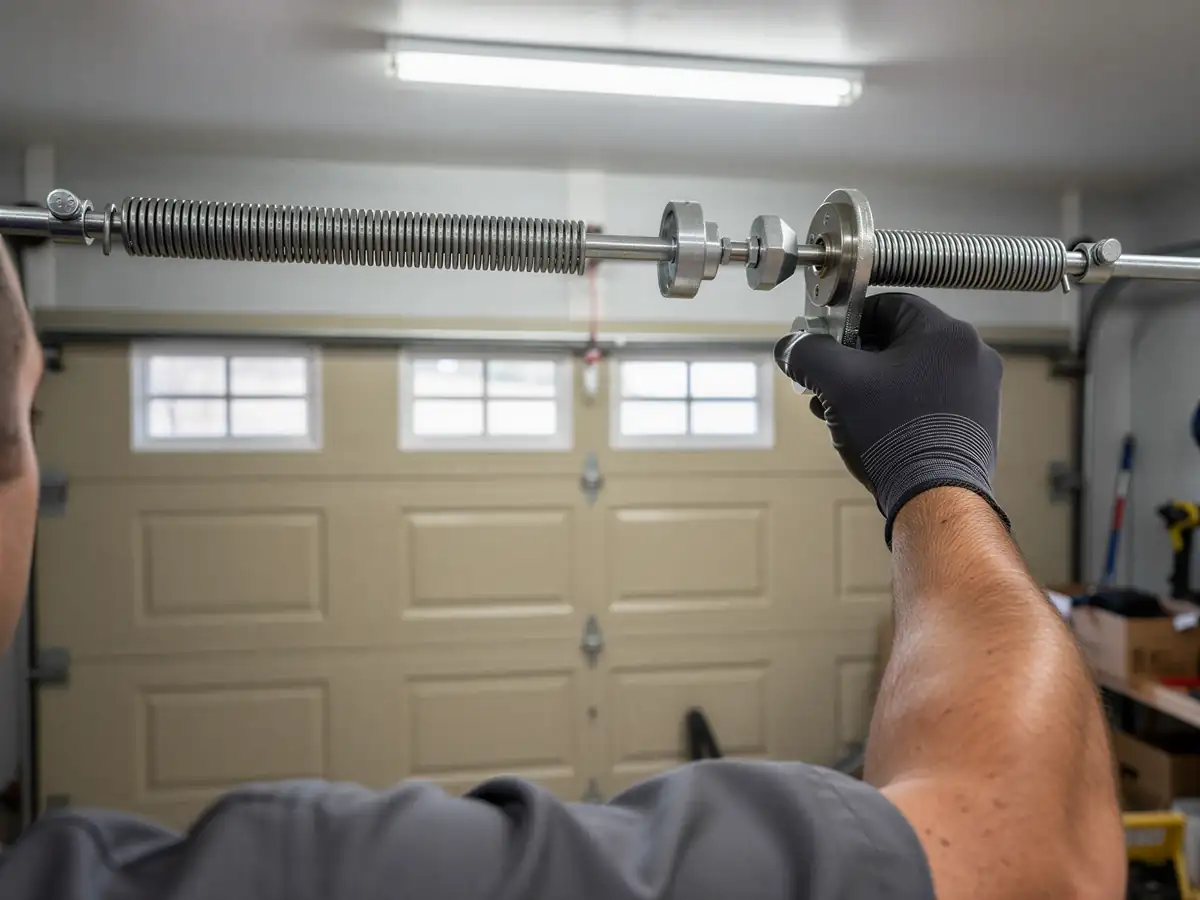
A torsion spring under tension can take a finger or worse, and that's true no matter how old the door is. If a cable has jumped the drum, or the door is off its track, that's not a weekend project - leave it alone and call someone.
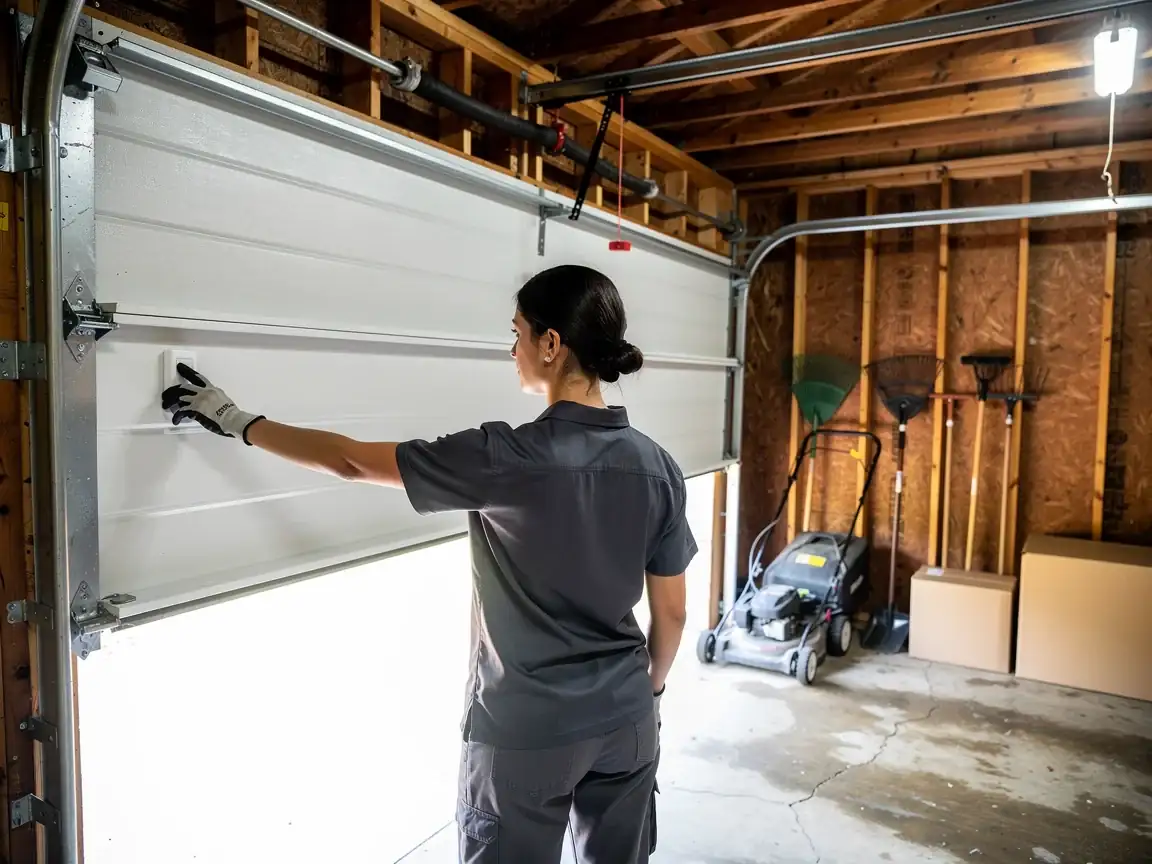
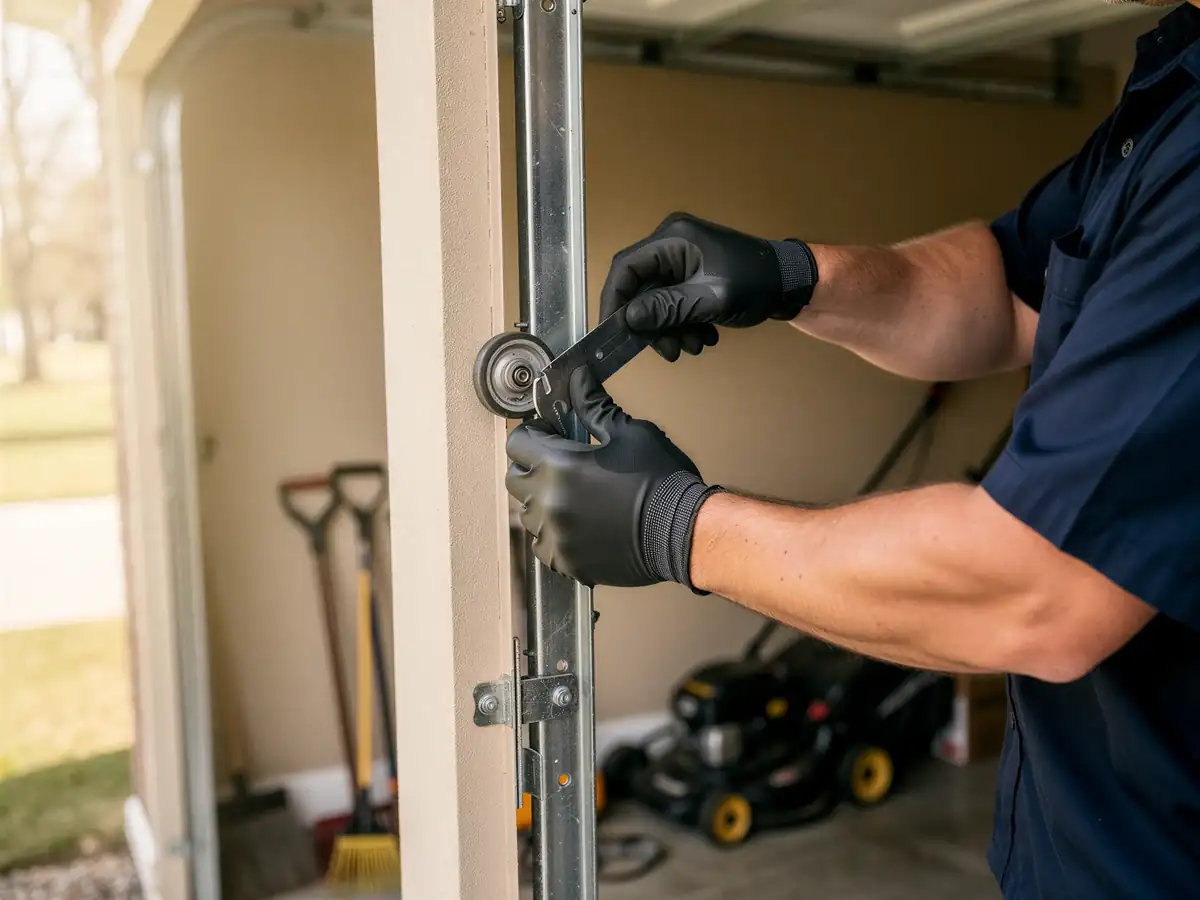
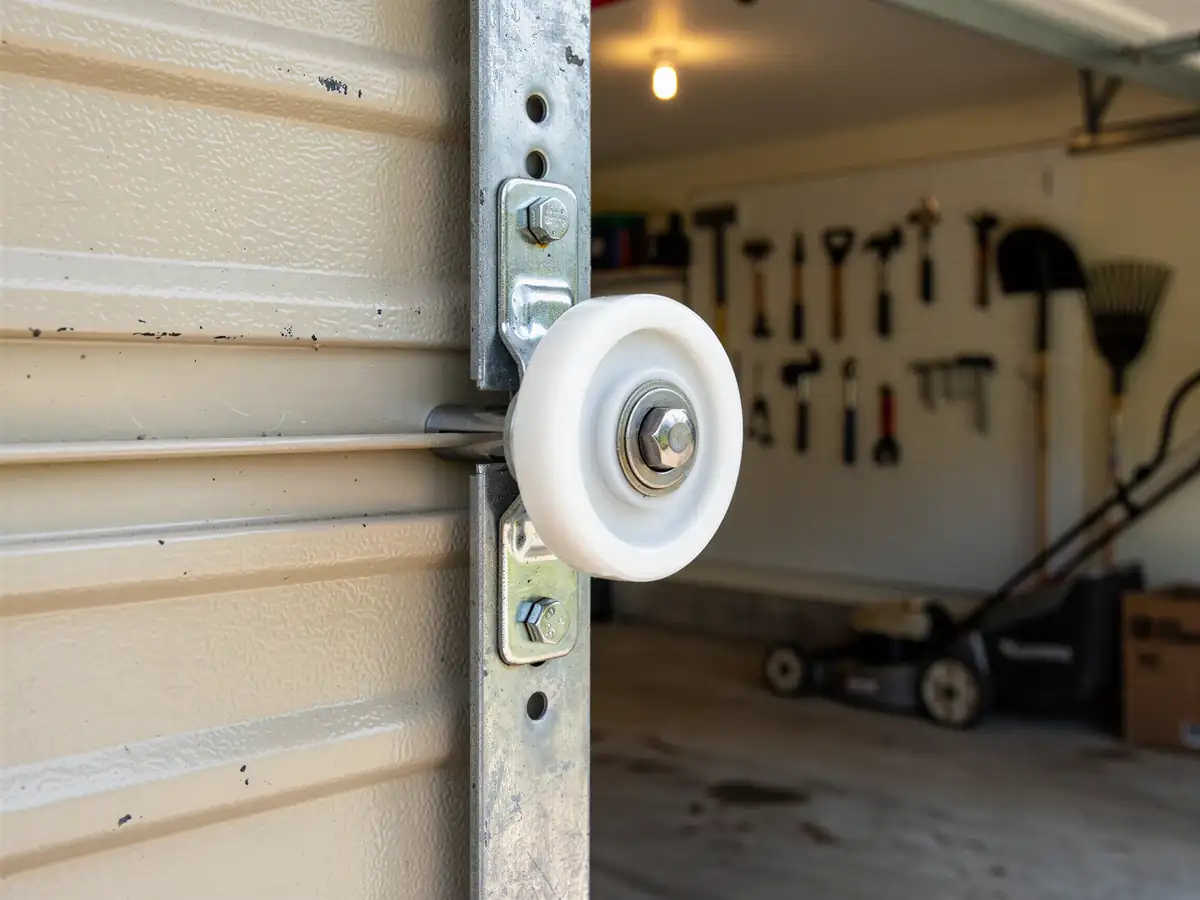
What you can check yourself: the photo-eye sensors near the floor, which get knocked out of alignment more than people expect, and the weatherstripping along the bottom panel, which on a door this age has usually hardened and cracked. Tightening loose hinge bolts and lubricating rollers is reasonable homeowner maintenance. Replacing a spring, rewiring a opener logic board, or realigning bent track is not - the tolerances are tight and the parts store doesn't stock what you'd need for a late-1970s door anyway.
How We Fix It
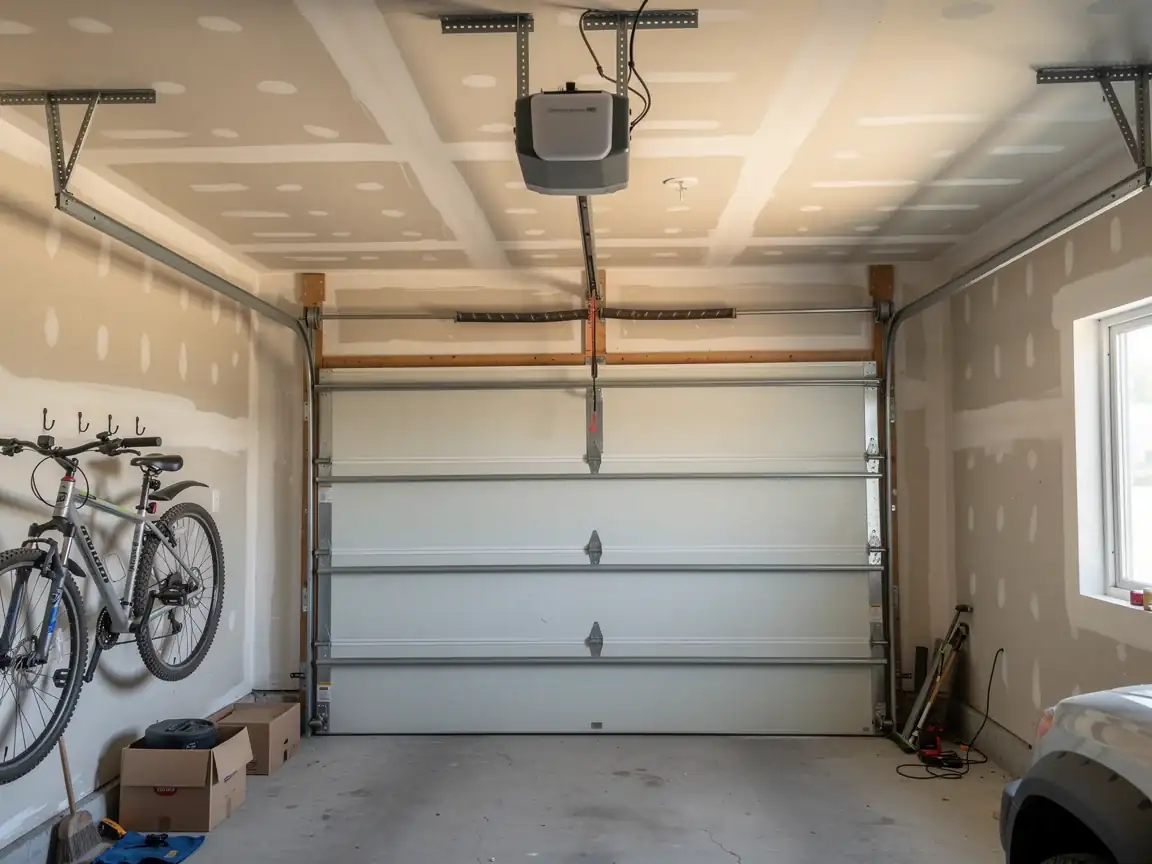
On a house in Wilmington's typical build era, we're usually looking at a door and opener installed sometime after 1978, which tells us a few things before we even open the truck. Openers from that period often run chain drive rather than belt, and the travel limits are set mechanically rather than electronically, so a door that stops short or reverses on its own is frequently a limit-switch problem, not a sensor problem.
Torsion springs on doors this age are usually the original size and winding, which means we match wire gauge and wind direction rather than guessing off a chart. If the track has been knocked out of plumb - common once rollers wear down - we reset it rather than replacing the whole assembly, since the track itself usually outlasts several sets of rollers and cables.
Why This Fails Locally
Wilmington's housing mostly dates from after 1978, noticeably newer than the median of 1968 across the wider service area we cover out of Needham. That gap matters for garage doors because it changes what's actually installed: later-1970s and early-1980s construction often means steel sectional doors on extension or torsion springs rather than the older one-piece swing-up doors you still find in some of the pre-1960s stock nearby.
The climate does the rest of the damage regardless of build year. This part of Massachusetts sits in a cold, severe climate band, and a steel door that sits unheated through a winter picks up condensation on the inside face, which rusts spring coils and corrodes hinge pins faster than the finish wears on the panels themselves. We see openers struggle in the cold too - chain drives bind, and gear sets that were fine in July start grinding in January.