Booking a Visit
Wilmington sits about 20 miles from our Needham shop, which is farther than most of the towns we cover day to day. That distance doesn't change what we charge or how we fix a derailed door, but it does change how a call gets slotted. We're not sitting around the corner, so a Wilmington job usually gets paired with other stops on that side of the route rather than squeezed in as a standalone run. If your door is off its track and leaning in the opening, tell us that when you call - a door that's partly off the rail but still upright is a different priority than one that's dropped and jammed sideways, and it affects how soon we can realistically get a truck out your way. We'd rather be straight about the drive than promise a window we can't hold from 20 miles out.
Doing It Yourself
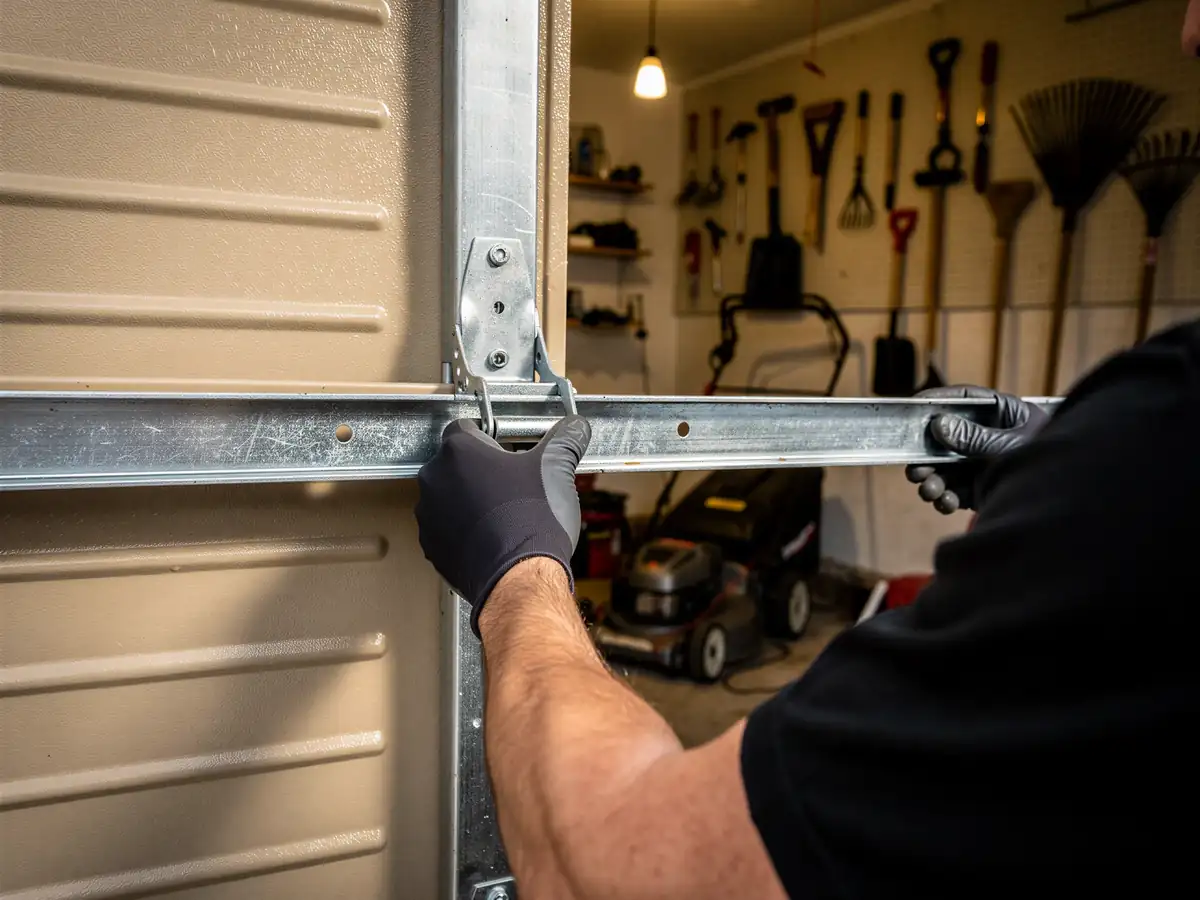
A door that's hopped the track looks like a two-person, ten-minute fix on YouTube. It isn't, especially on the sectional doors common in Wilmington's housing stock, where panels from the 1970s and 80s often run on steel track bolted to studs rather than a reinforced jamb. Pulling the door back onto the rail with the springs still loaded is how people lose fingers or crack a panel they can't replace without ordering a custom size. If the door came off because a roller sheared or a bracket pulled loose from the wood, forcing it back on just sets up the same failure again in a month. The one thing worth doing yourself: don't touch the opener. If the door is off track, disconnect the opener's emergency release so the motor doesn't keep trying to drive a door that isn't seated in its track - that alone prevents a lot of stripped gears before we get there.
How We Fix It
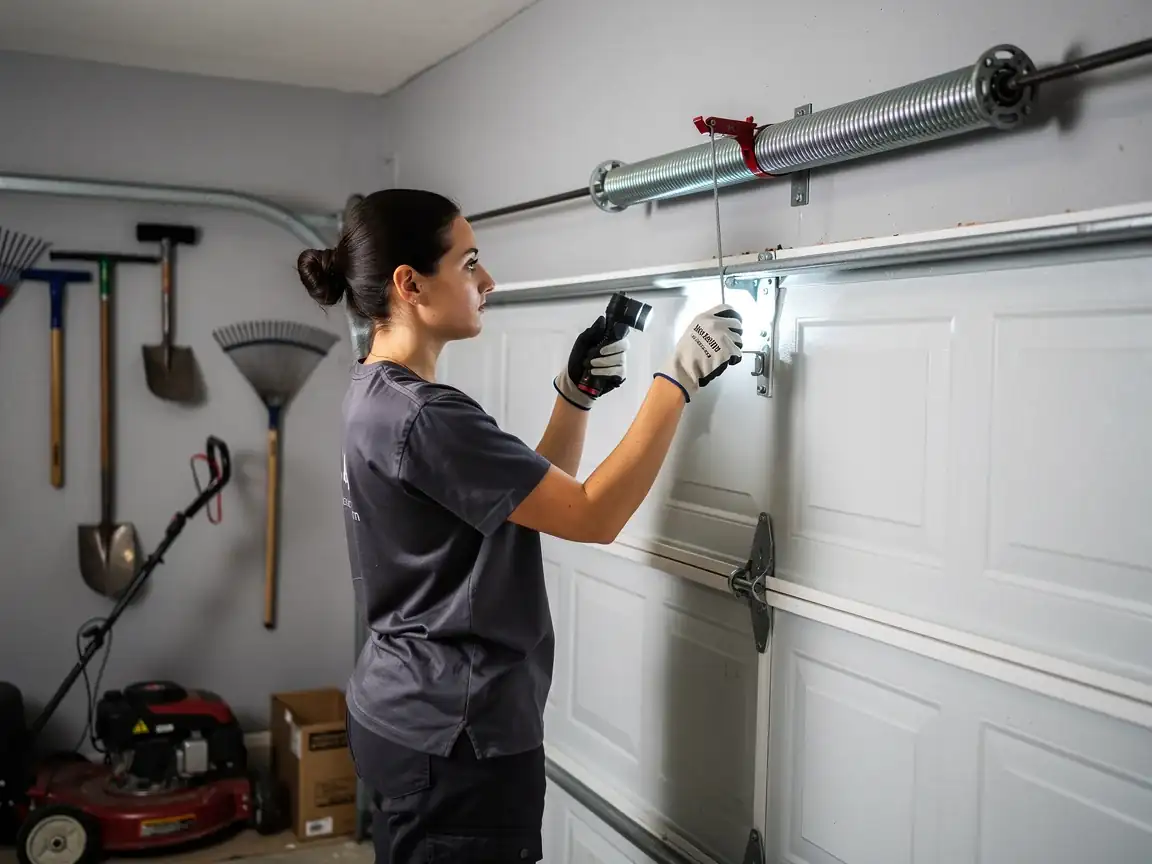
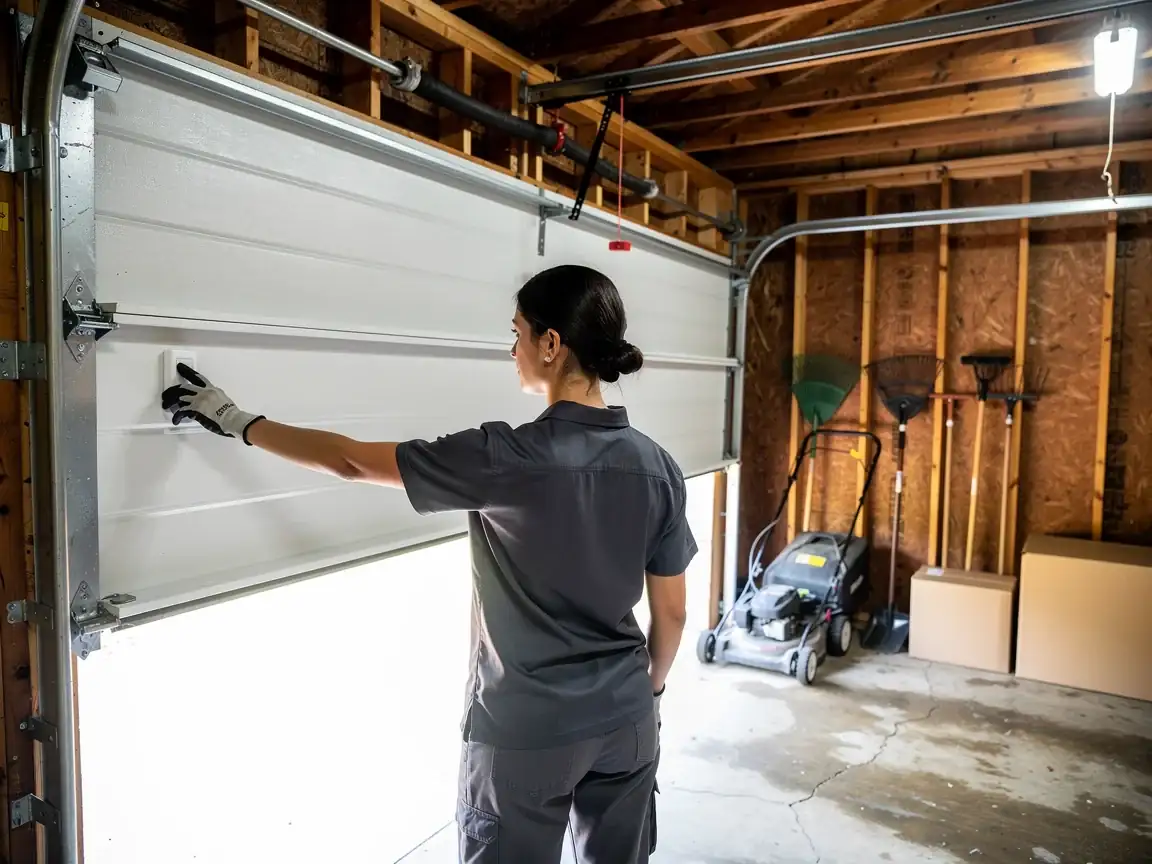
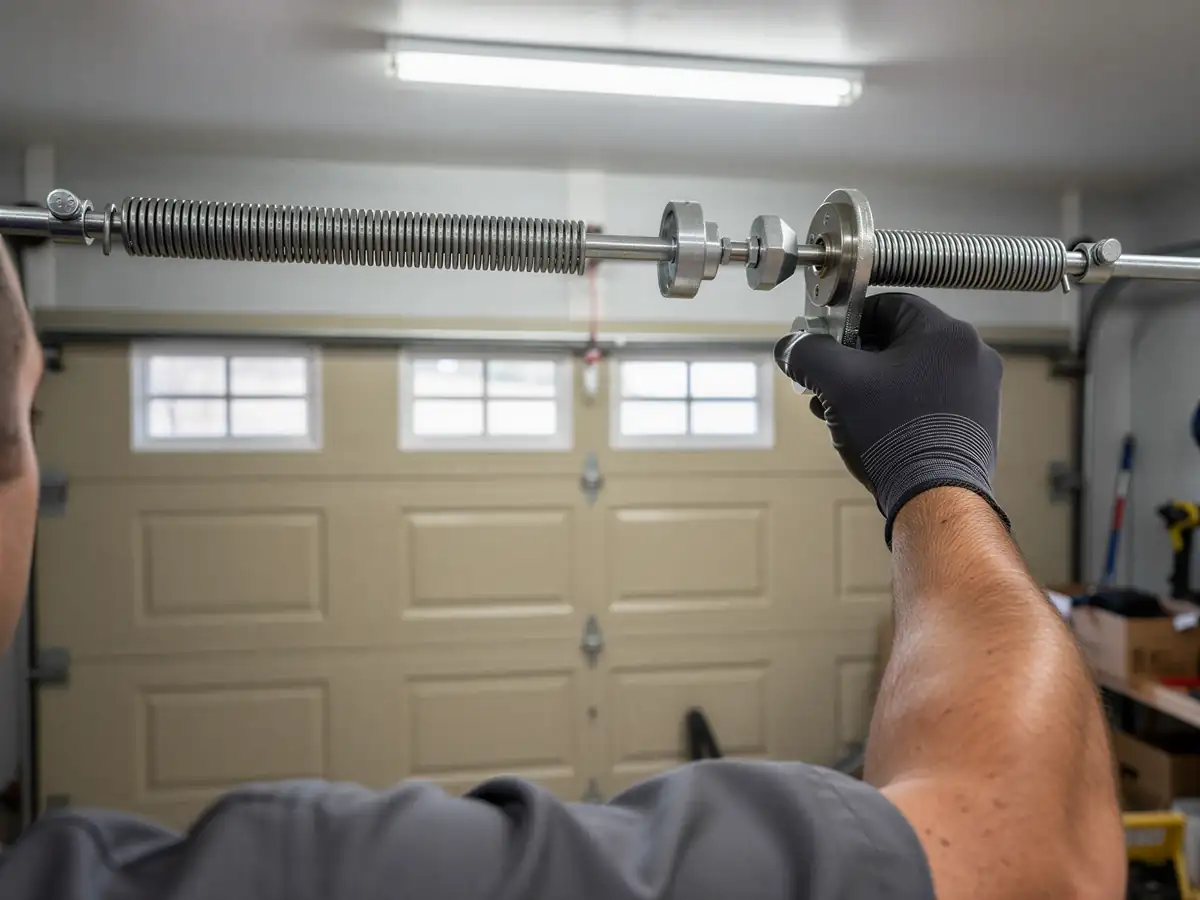
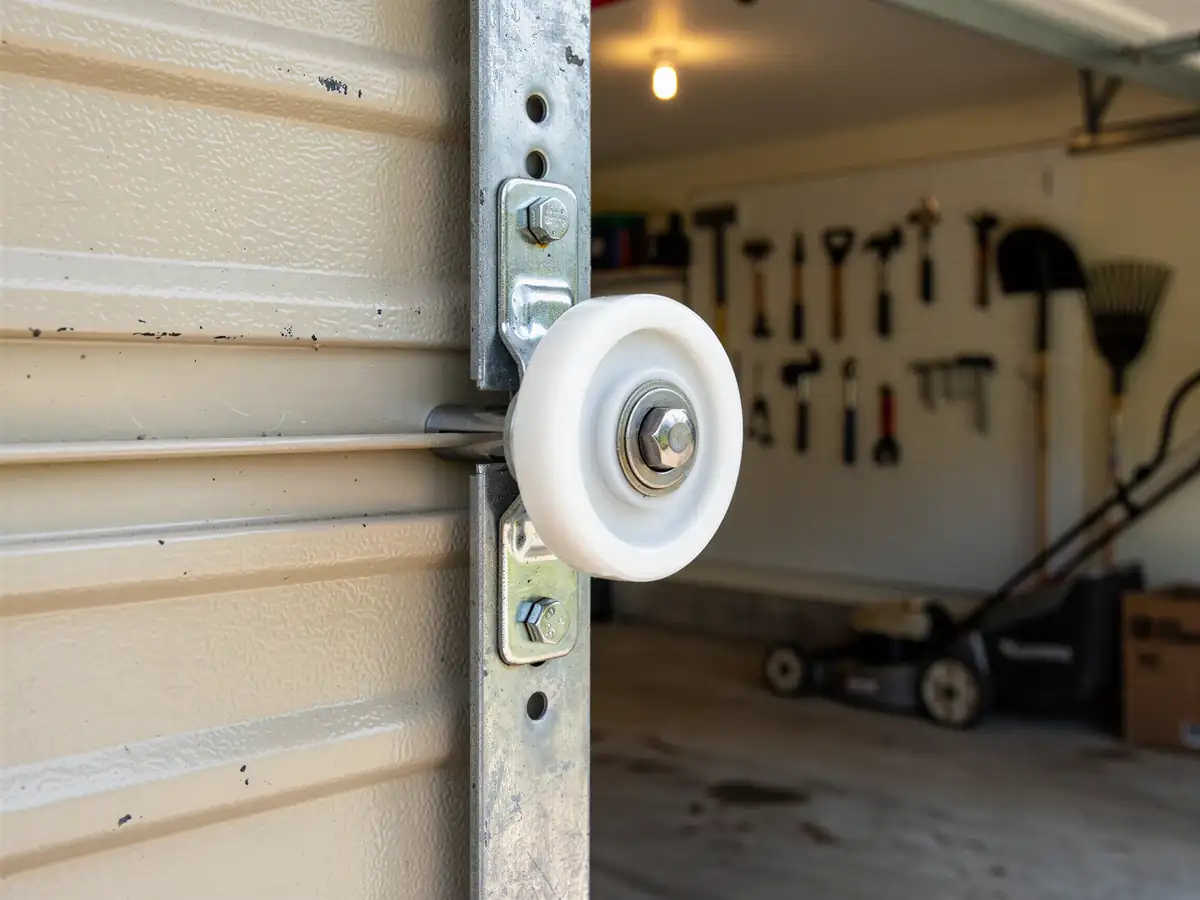
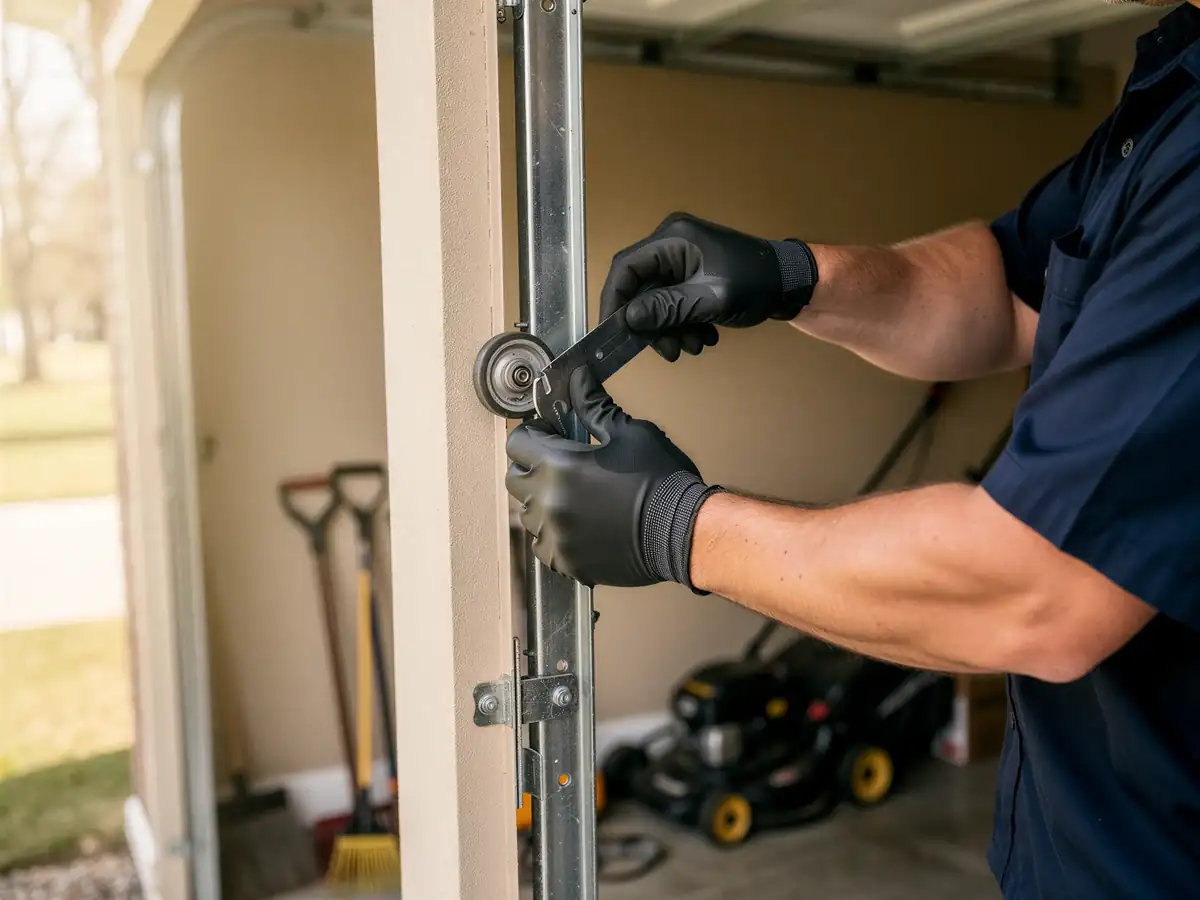
First we check whether the track itself bent on the way off, because reseating rollers on a bent track just sets up a repeat visit. If the track's straight, we realign it, replace any rollers that sheared or seized, and check the cable and spring tension before we ever run the door through a full cycle. Houses built around Wilmington's 1978 median often have track brackets lagged straight into studs with no backing plate - if that's what pulled loose, we reinforce the mounting point, not just the bracket, or the door comes off again the first time it gets cold. We also check the opener's travel limits afterward, since a door that's been running off-kilter for a while will have thrown those off even after the track itself is fixed.
Why This Fails Locally
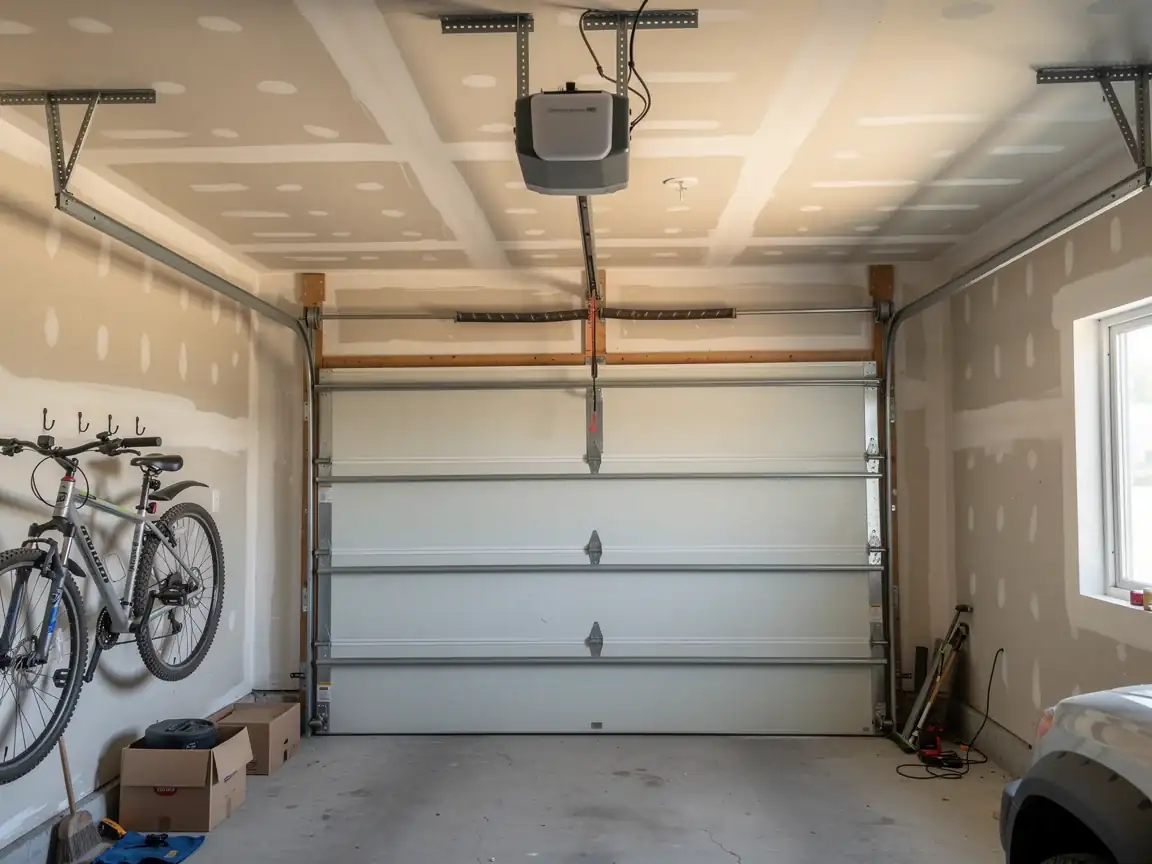
Wilmington's housing mostly dates to around 1978, which puts a lot of these garages into steel sectional doors on extension-spring systems rather than the torsion setups more common on newer builds. Extension springs don't carry the door weight as evenly, so when a cable frays or a roller wears out, the door tends to cock sideways and jump the track rather than just binding in place. Add the area's cold-climate winters - this region sits in a severe cold band - and steel track brackets that flex slightly in freeze-thaw cycles work loose faster than they would somewhere milder. A loose bracket plus an unevenly loaded door is close to the standard off-track call we see out this way, more often than a single dramatic failure.