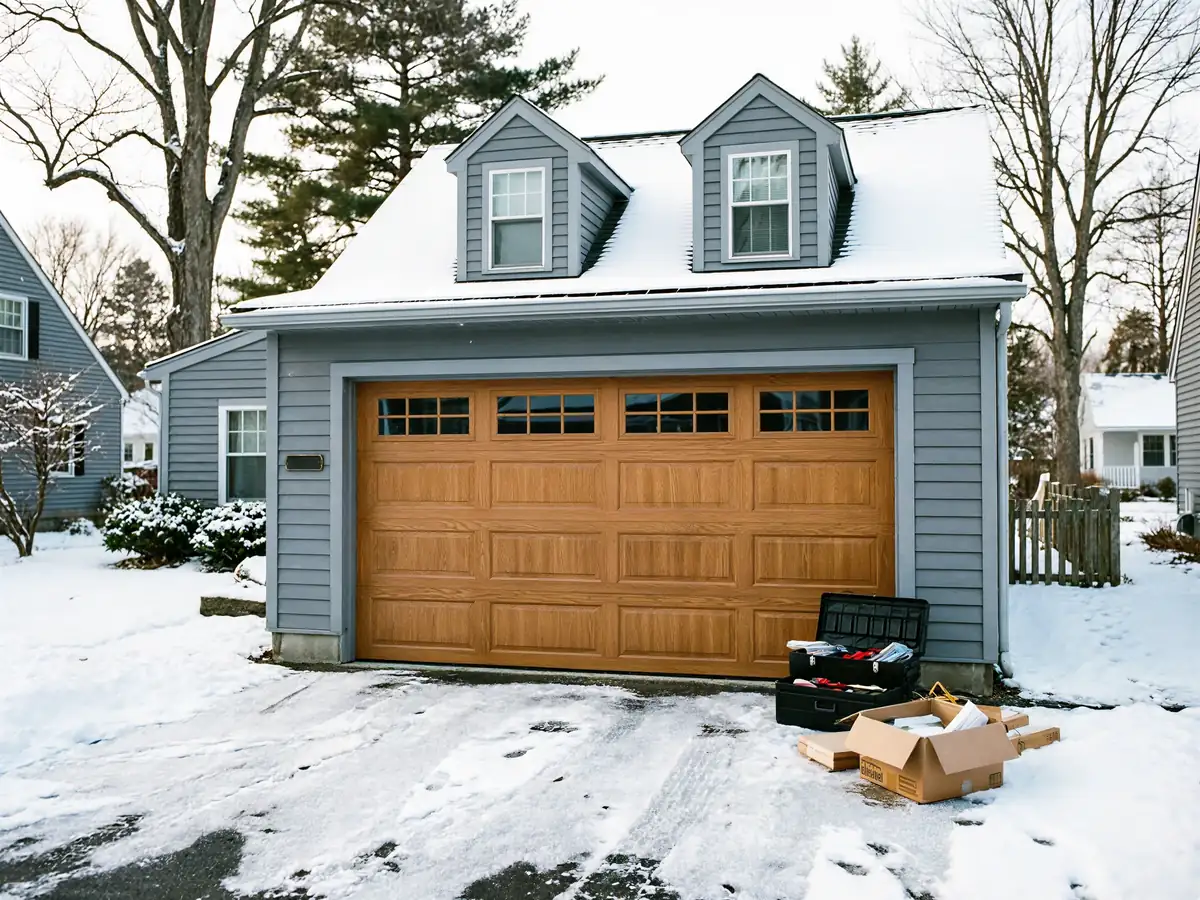
Booking a Visit
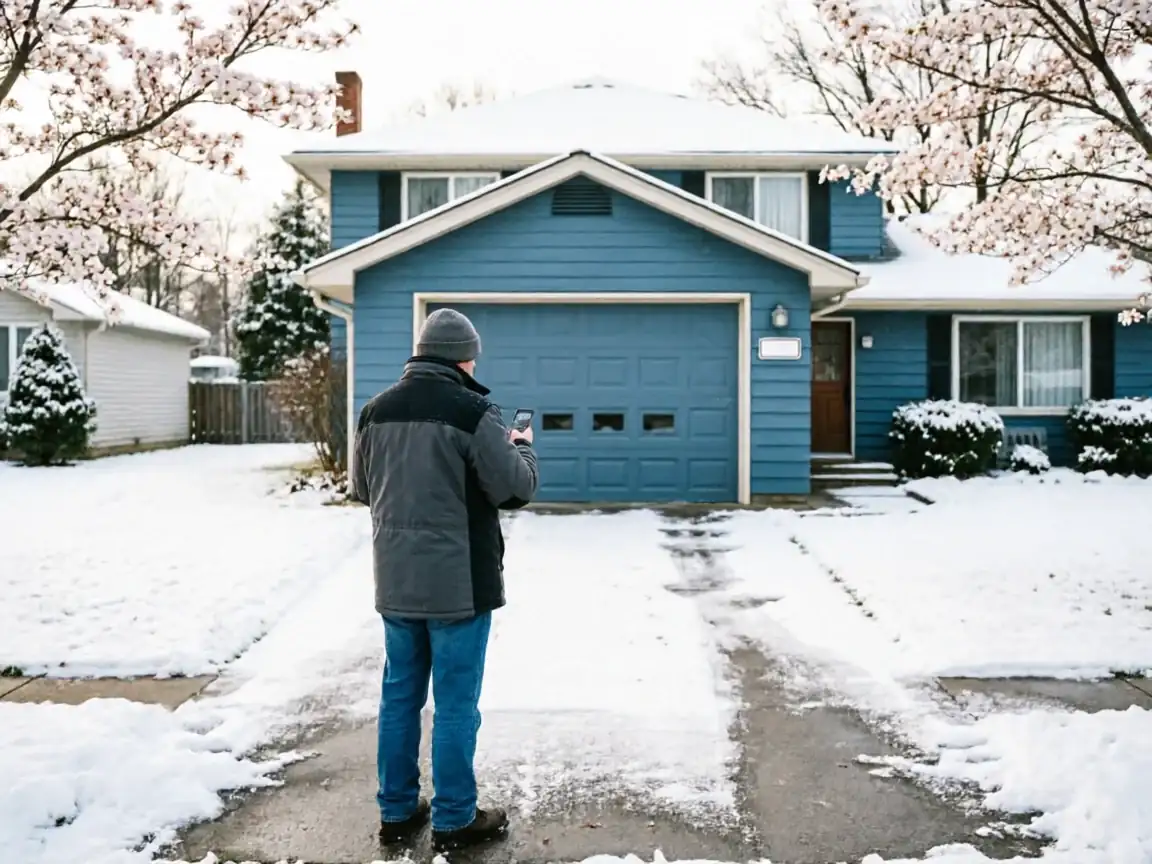
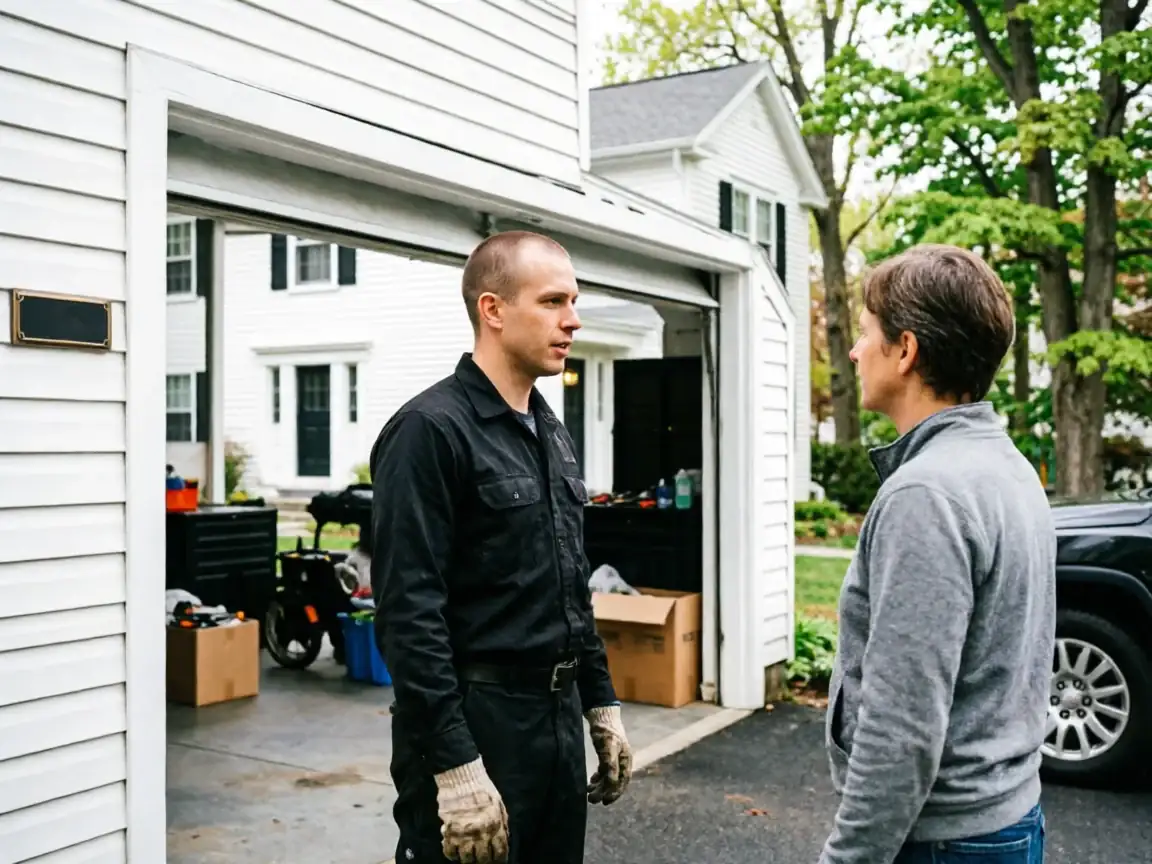
We run this job out of Needham, about 20 miles south of Wilmington, so a visit here is scheduled, not drop-in. That's worth knowing up front: we don't have a branch in town, and we're not going to pretend otherwise. What we can do is give you a real look date and a firm quote before anyone shows up with a door. Most of the homes we see calls from in Wilmington went up around 1978, which narrows down the opening sizes and the mounting setups we expect to find before we even measure. That means less guesswork on the phone and fewer surprises once we're on site. If your door is still working but acting up - slow, noisy, uneven - that's a repair call, not an install, and we handle those separately.
Doing It Yourself
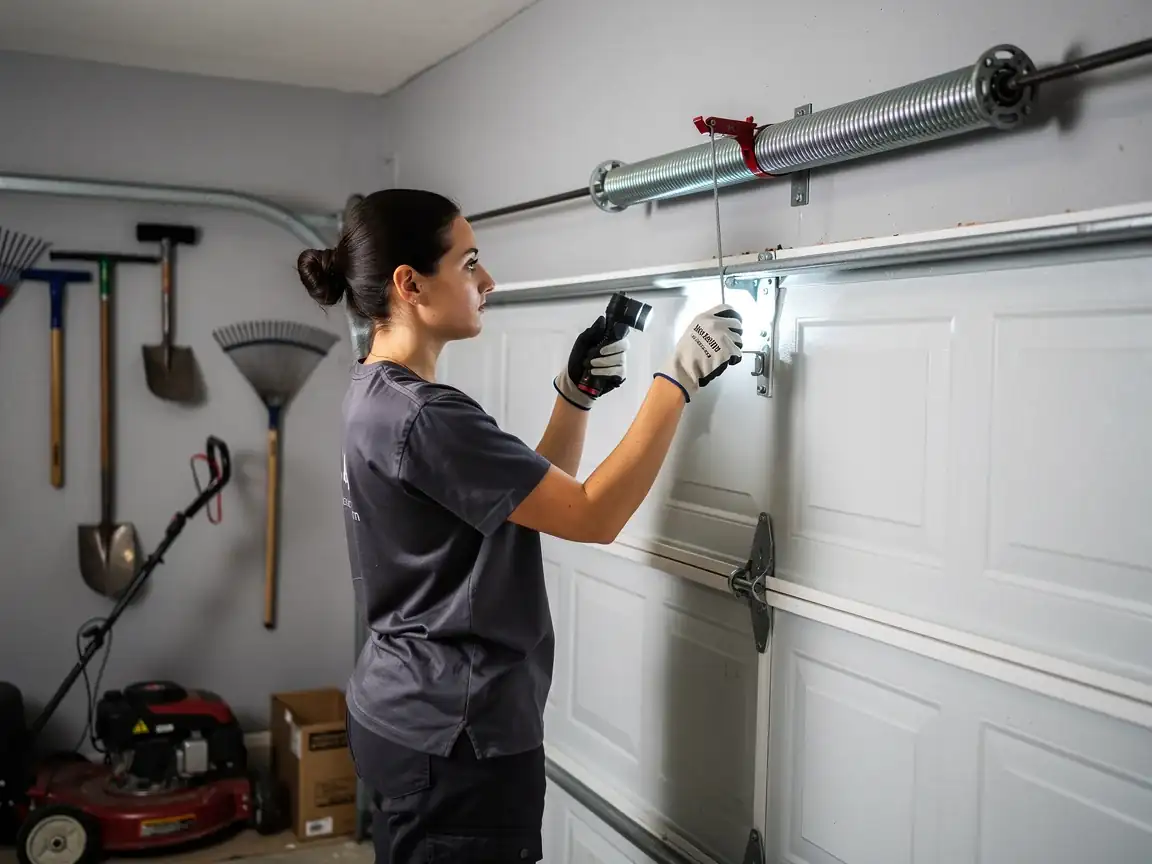
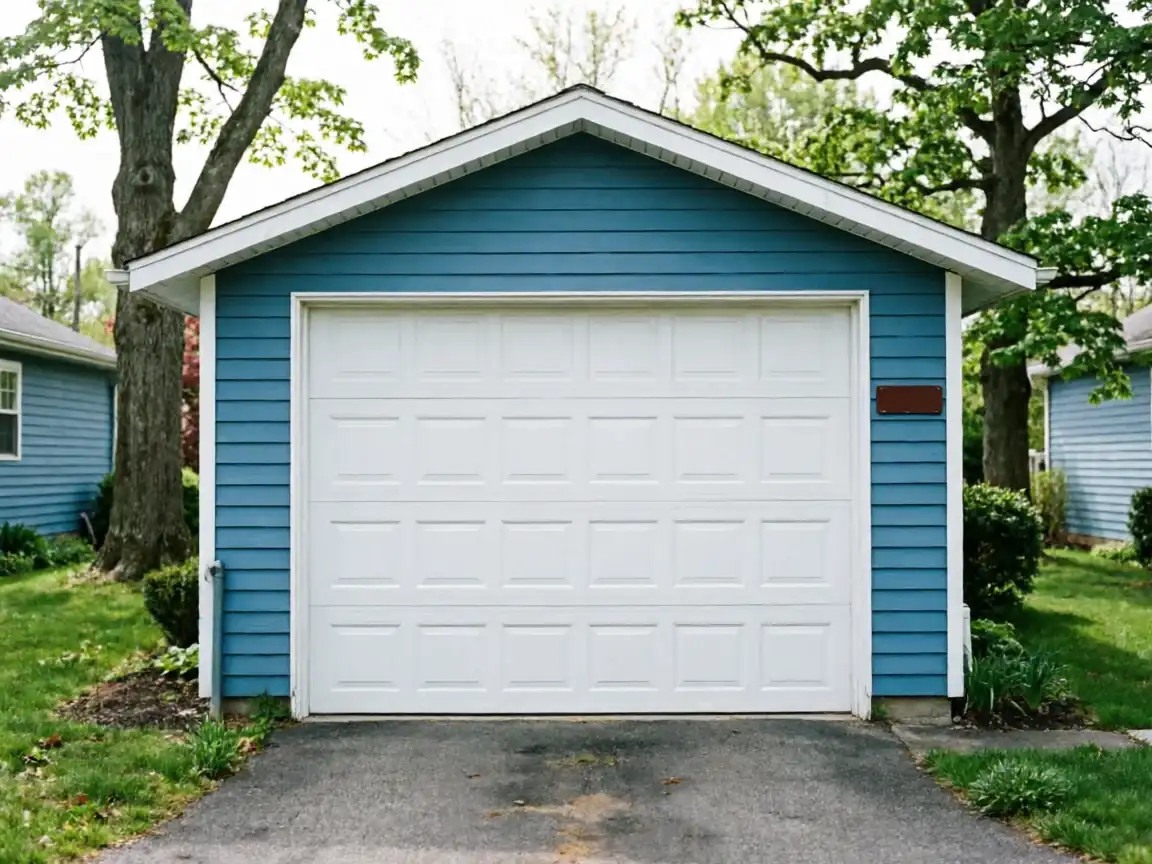
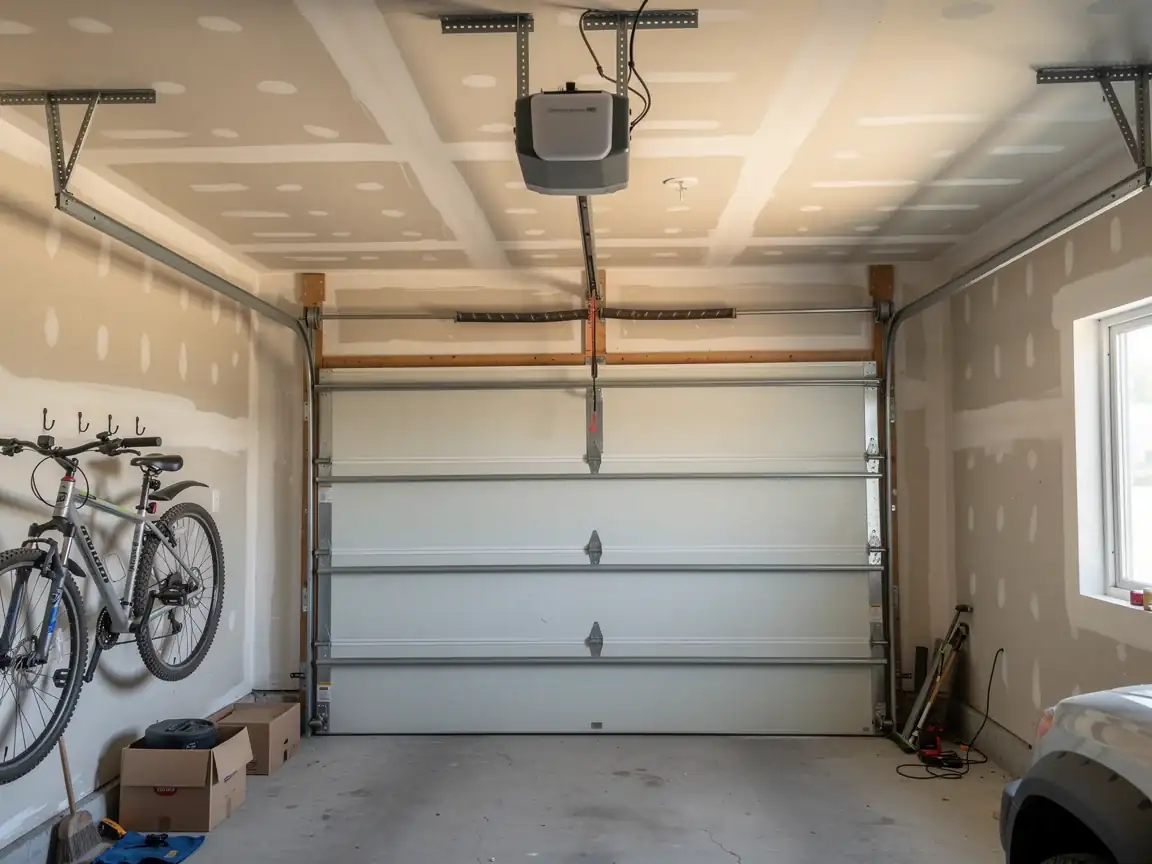
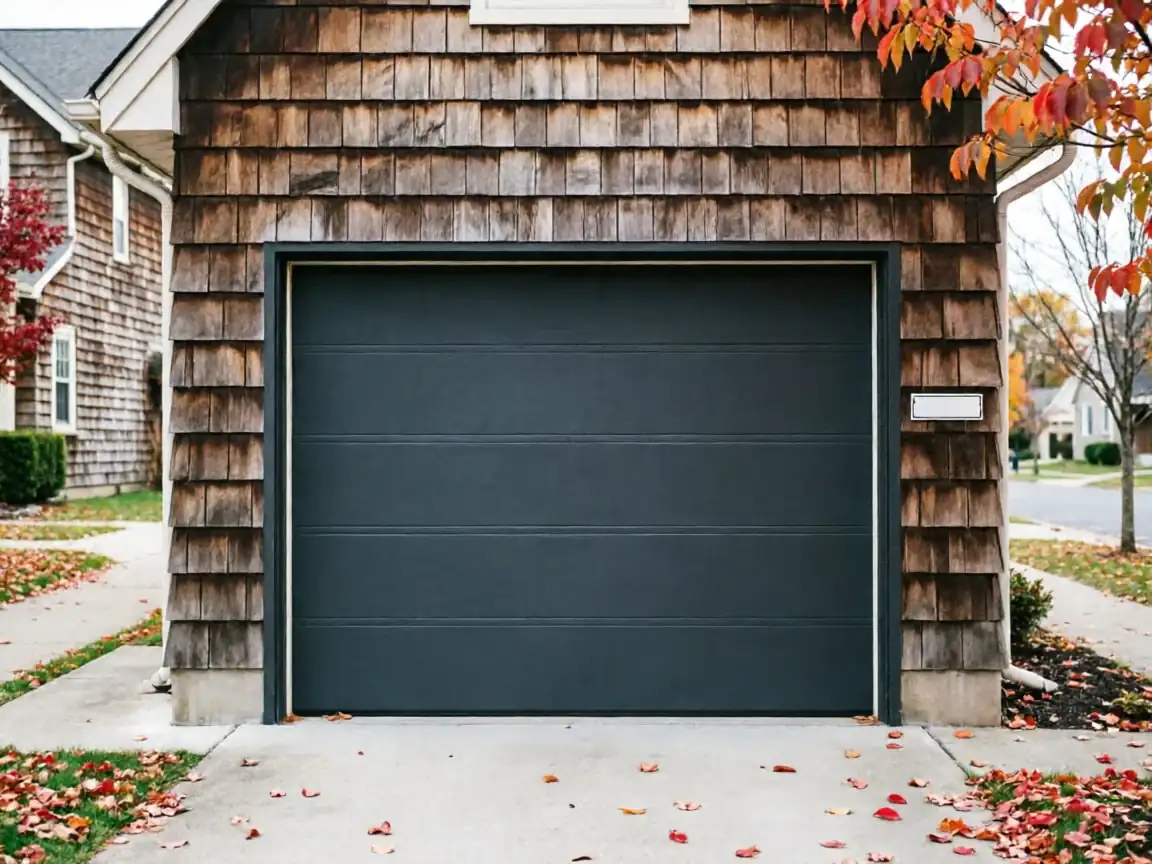
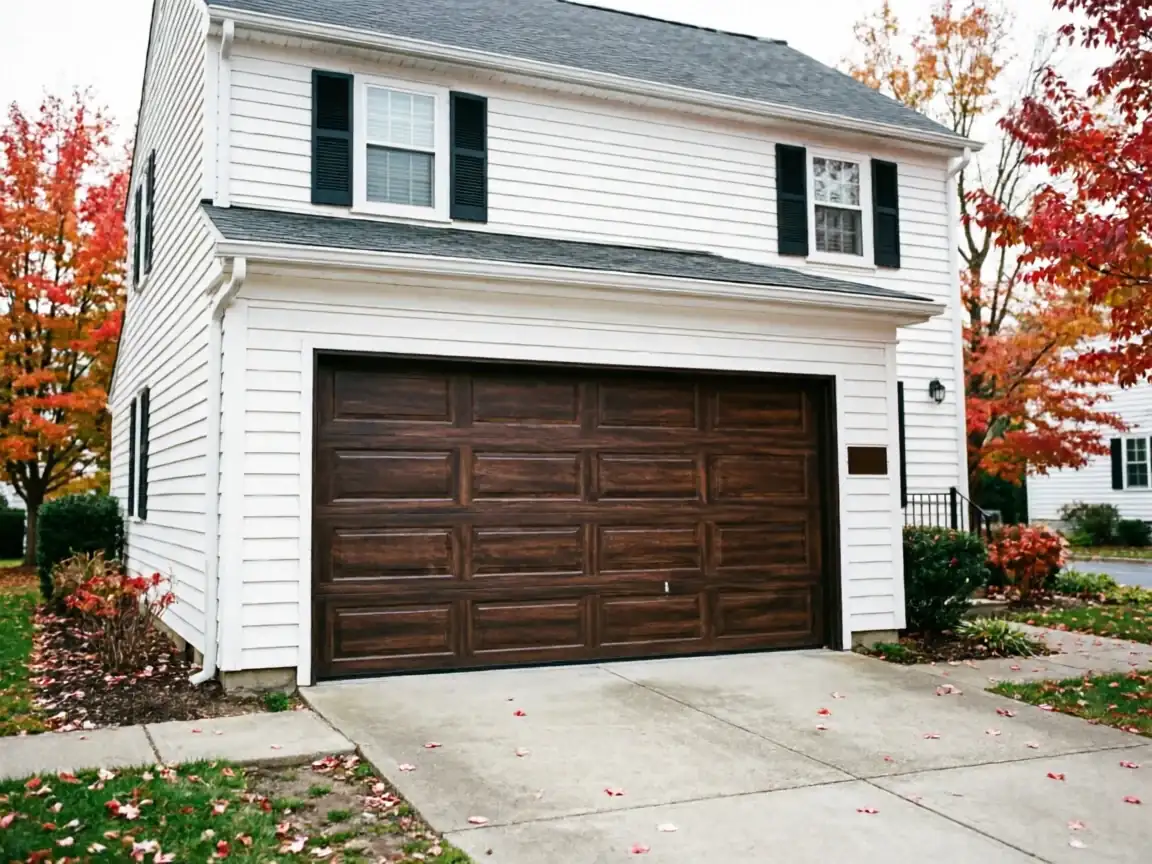
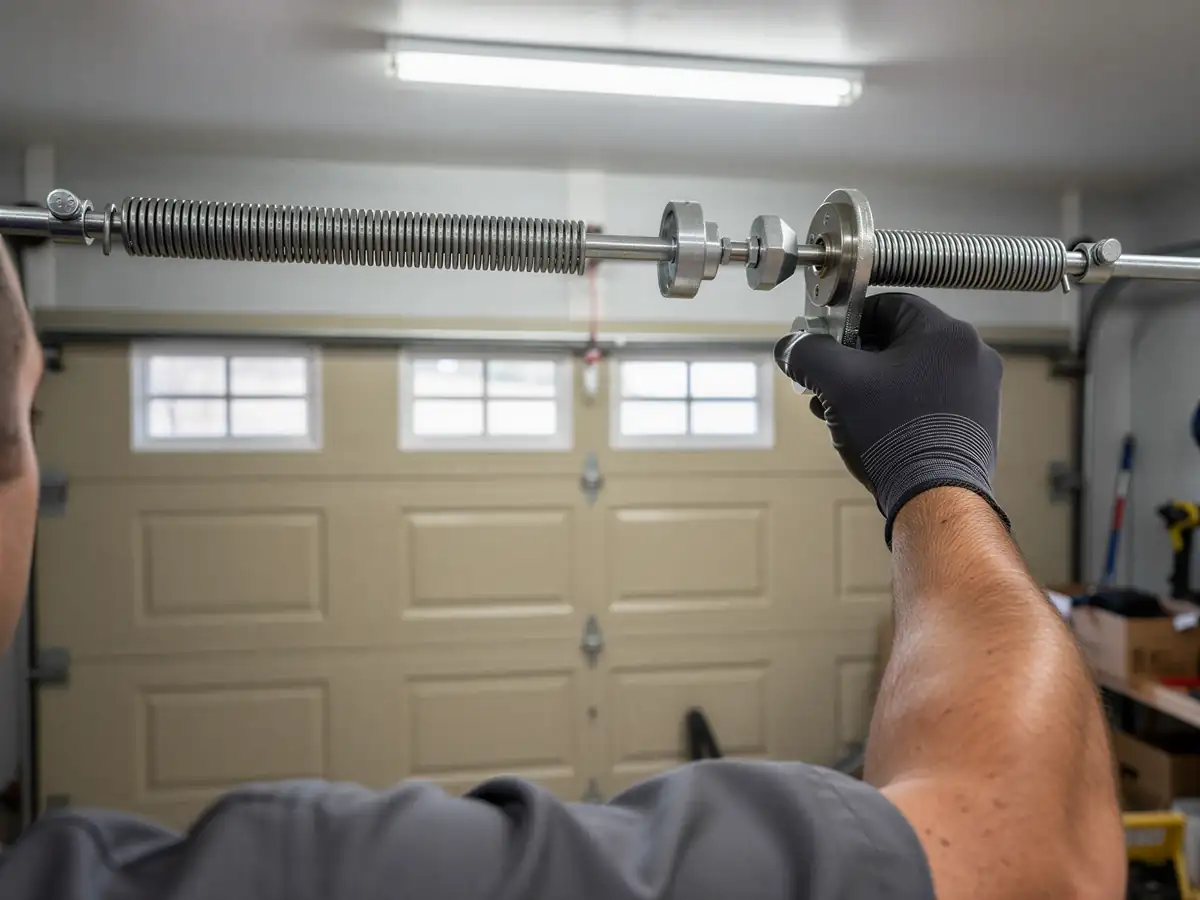
A late-1970s garage door is usually a single steel-skin panel door, 9 feet wide for a one-car bay or 16 feet for a two-car bay, hung on the kind of extension or torsion spring hardware that was standard for that build era. None of that is complicated to look at. It is complicated to replace correctly, because the spring is storing enough force to break a jaw or a finger if it lets go while you're working on it, and track alignment on a door that size is less forgiving than it looks. Buying a door online and hanging it yourself is possible. Getting the header reinforced, the track plumb, and the spring sized right for a door that's been sagging in its opening for forty-plus years takes more than a weekend and a ladder. We'll say plainly: this isn't a job we'd want a homeowner doing solo, and most lenders and insurers agree once they see what an amateur install looks like after a few years.
How We Fix It
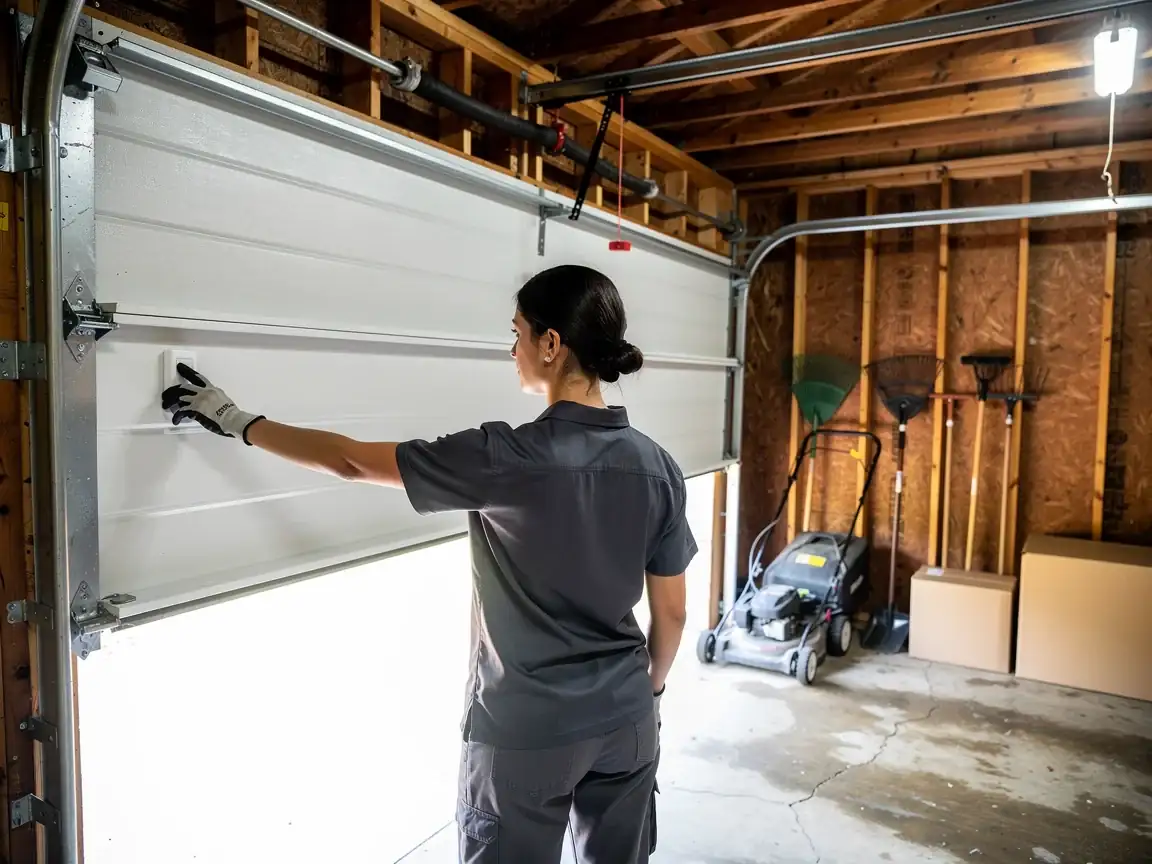
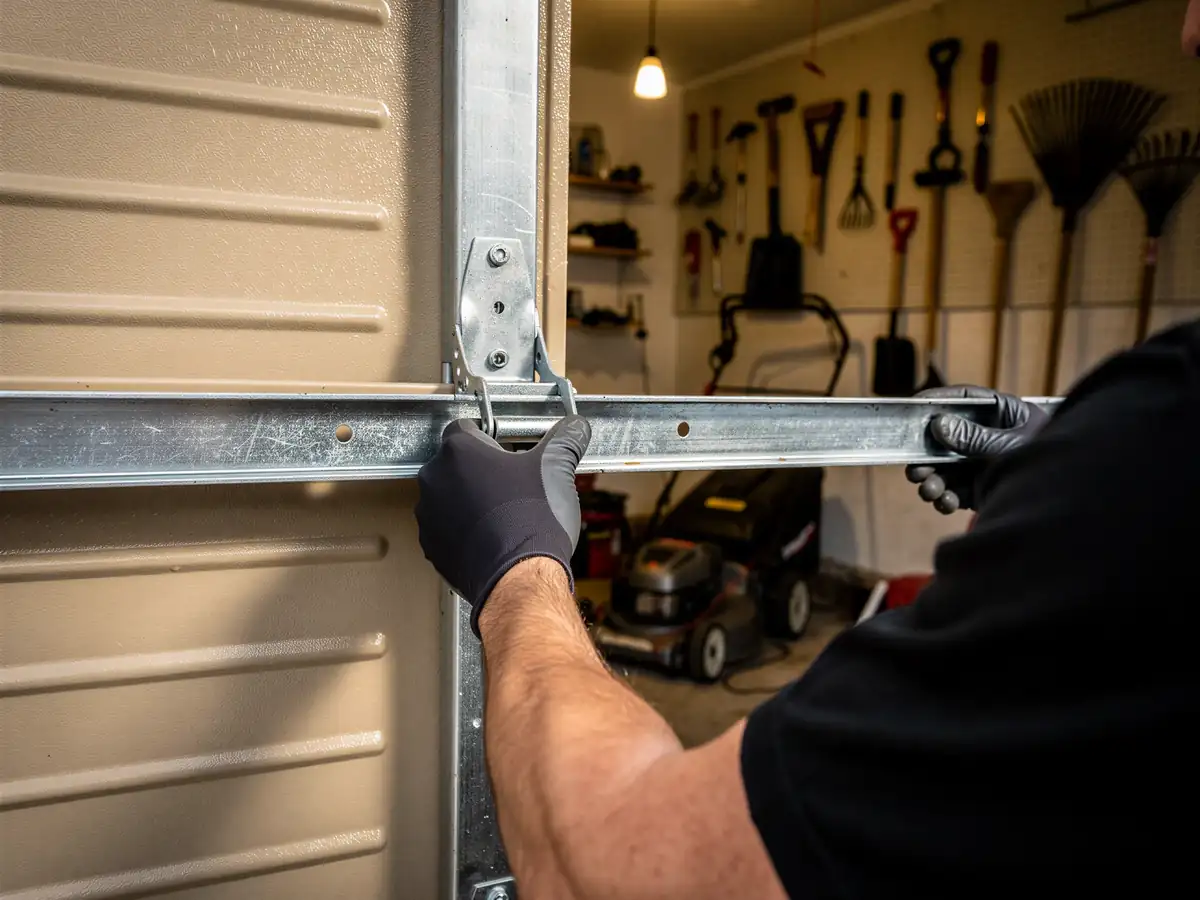
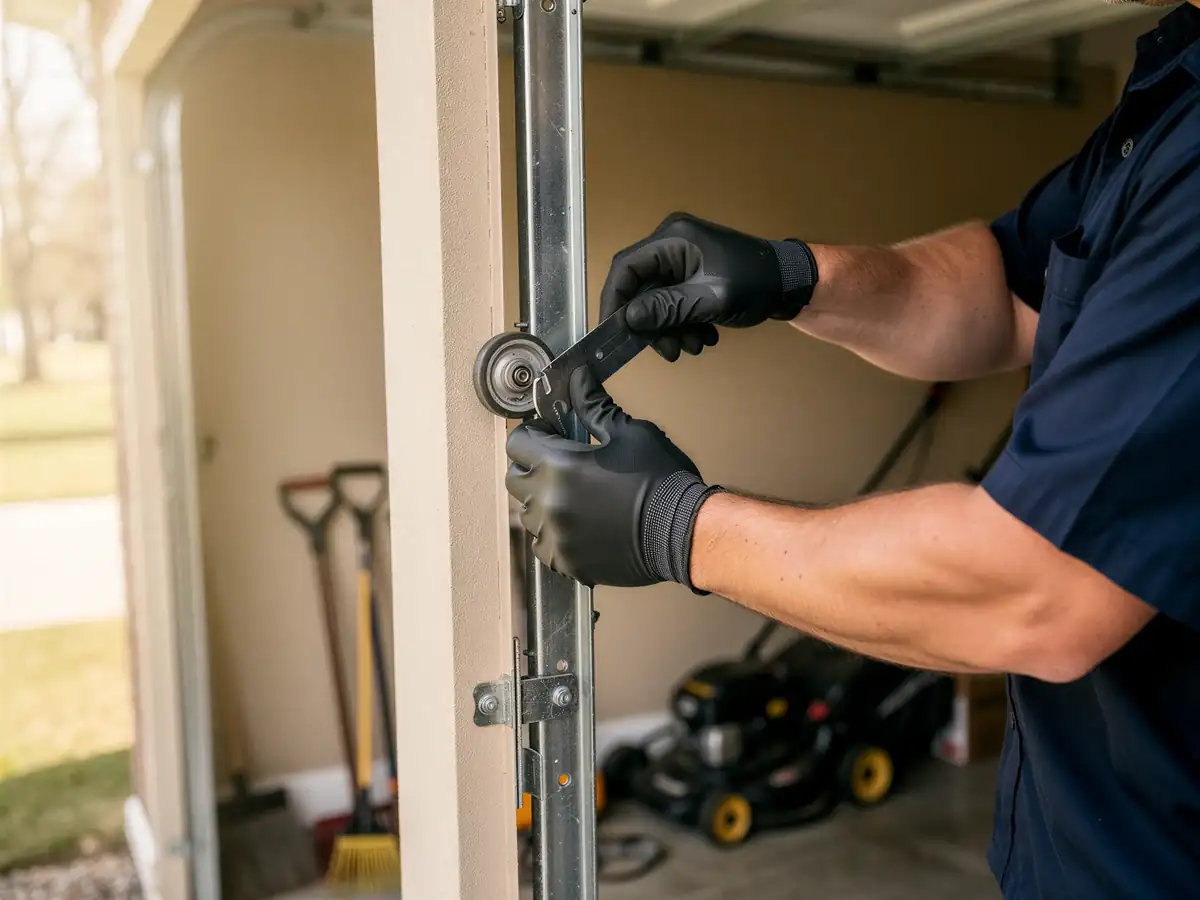
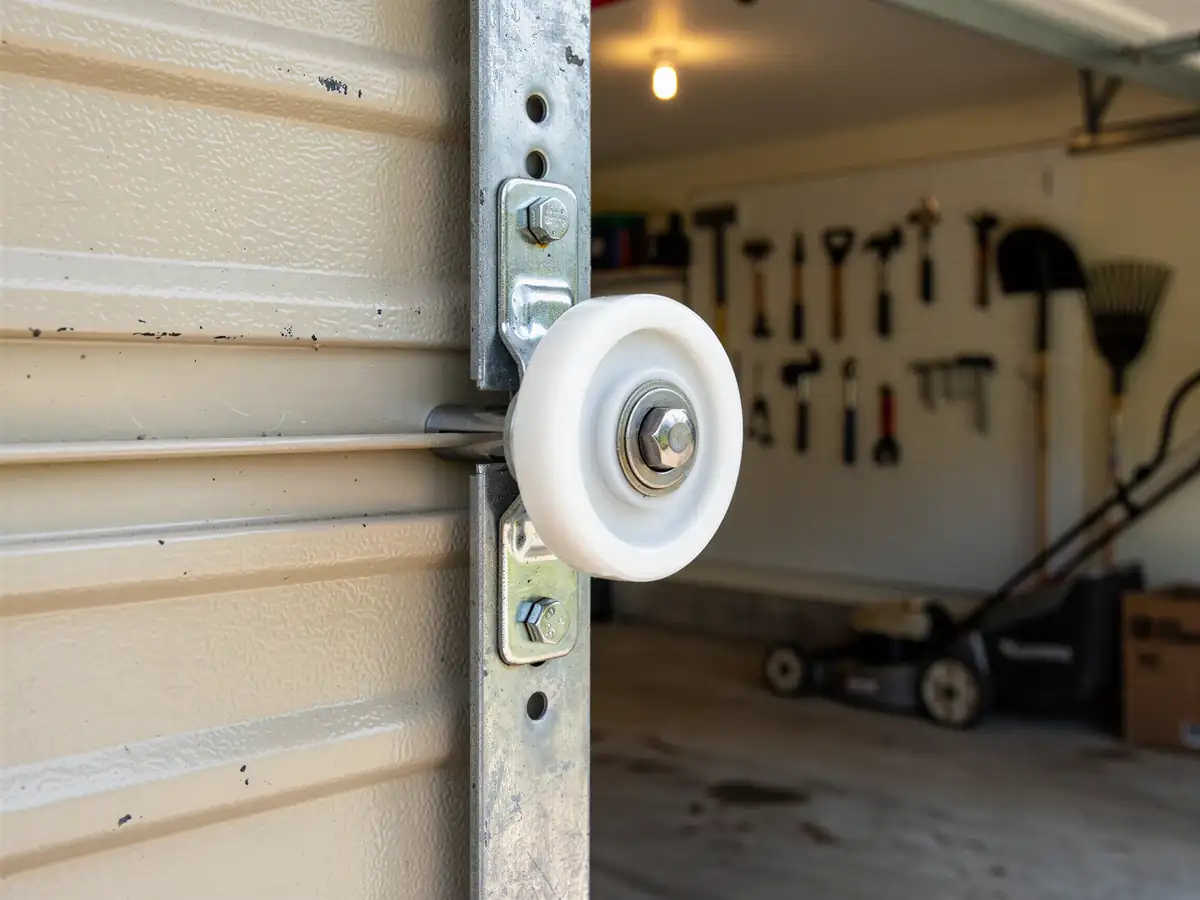
Install starts with the opening itself, not the door in the box. On a house from the late 1970s, we check the header for rot or old shims, confirm the track mounting points are still sound wood and not just patched drywall, and measure for square - these openings have had forty-plus years to settle. Once that's confirmed, we size the spring to the actual door weight (insulated steel weighs more than the old single-skin panel it's replacing), set the track plumb, and balance the door so the opener isn't doing the lifting work the spring should be doing. We test under load before we call it done, not just open-and-close once. If the opening itself needs carpentry work beyond what a garage door crew does, we'll tell you that too rather than forcing a door into a bad frame.
Why This Fails Locally
Houses built around 1978 in this area were framed for the standard door sizes and hardware of that decade, and in the years since, a lot of those openings have had a door swapped once without anyone re-checking the header or the track bracket spacing. The failure we see most isn't the door - it's a replacement door from a prior job that was never matched to the original framing, so the track pulls slightly, the opener strains, and the whole thing wears out faster than it should. That's a install-era problem, not a maintenance problem, and it's specific to how these houses were built and re-built over time, not something that shows up the same way in newer construction.